Presbyopia Treatment

Presbyopia Treatment
Get in Touch
Presbyopia Treatment
Advanced solutions to reduce dependence on reading glasses.
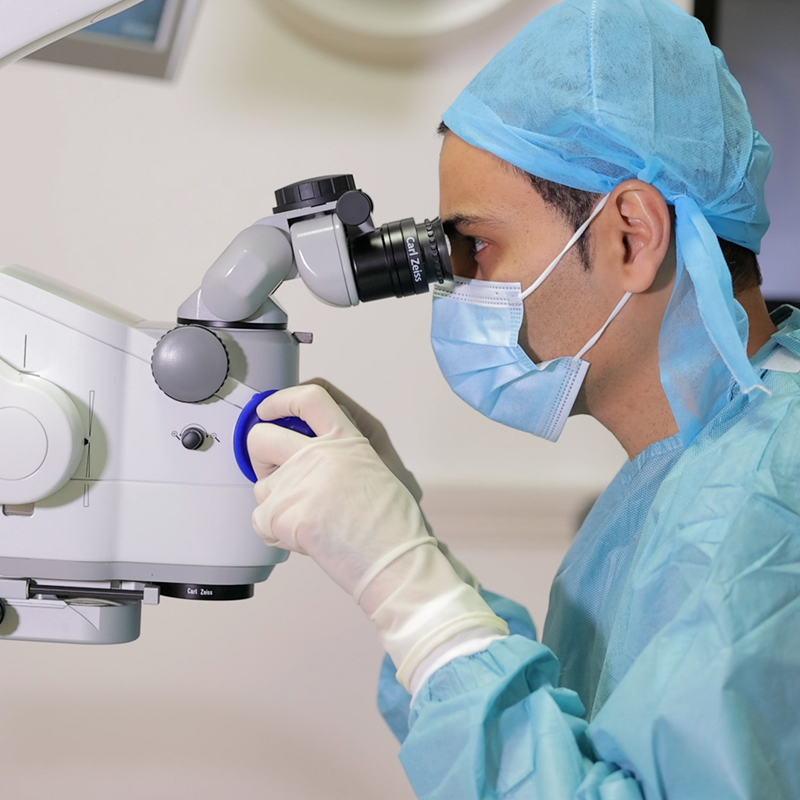
Presbyopia treatment is designed to improve near vision as the natural lens becomes less flexible with age. Most people notice presbyopia in their 40s, often when reading small print becomes difficult or screens need to be held further away.
At London Cataract Centre, we offer personalised presbyopia treatment and presbyopia surgery options for patients who want a long-term solution. Every treatment plan is consultant-led and tailored to your eyes, lifestyle and visual priorities.

What Is Presbyopia?
Presbyopia is an age-related focusing change that affects near vision. It occurs as the eye’s natural lens gradually stiffens, making it harder to focus on close objects.
Common symptoms include:
- Difficulty reading small text
- Eye strain during near work
- Needing brighter light to read
- Blurred near vision despite clear distance vision
Presbyopia is a normal part of ageing, but modern presbyopia treatment options can significantly improve functional vision.
Presbyopia Surgery Options
The most suitable presbyopia treatment depends on your prescription, eye health and expectations. During your consultation, your consultant will explain which presbyopia surgery or non-surgical option is appropriate.
1
Lens Replacement Surgery (Refractive Lens Exchange)
Lens replacement surgery involves removing the natural lens and replacing it with a premium intraocular lens designed to improve near and distance vision. This is often the most stable long-term solution for patients over 45, particularly if early lens changes are present. It also prevents future cataract development.
2
Monovision Lens-Based Surgery
In monovision, one eye is corrected primarily for distance and the other for near tasks. The brain adapts to use each eye differently, reducing reliance on reading glasses in suitable candidates. This approach requires careful assessment to ensure you are likely to tolerate the visual balance.
3
Premium Multifocal or EDOF Lens Surgery
Advanced intraocular lenses such as multifocal or extended depth of focus (EDOF) lenses are designed to provide a broader range of vision. These lenses can reduce dependence on glasses for distance, intermediate and near tasks. Careful patient selection is essential to minimise visual side effects such as glare or reduced contrast.
4
Laser Vision Correction for Presbyopia
In selected patients with healthy corneas and suitable prescriptions, laser-based monovision correction may be considered. This reshapes the cornea rather than replacing the lens. It is generally more suitable for younger presbyopic patients without lens ageing.
The most suitable presbyopia treatment depends on your prescription, eye health and expectations. During your consultation, your consultant will explain which presbyopia surgery or non-surgical option is appropriate.
Who Is Suitable for Presbyopia Treatment?
Presbyopia treatment may be appropriate if you:
- Are typically over 40
- Rely on reading glasses
- Want greater freedom from spectacles
- Are not suitable for laser eye surgery
- Prefer a long-term vision correction solution
Suitability for presbyopia surgery is determined through detailed diagnostic testing and discussion of realistic visual expectations.
The Presbyopia Surgery Process
1
Consultant-Led Assessment
Your presbyopia treatment journey begins with a detailed consultation with an experienced ophthalmic surgeon.
2
Advanced Diagnostic Testing
Precise measurements guide lens selection and surgical planning.
3
Personalised Treatment Planning
Your consultant will recommend the most suitable presbyopia surgery option based on your visual goals.
4
Procedure and Aftercare
If lens-based presbyopia surgery is chosen, the procedure is performed using modern techniques with structured follow-up care.
Benefits of Presbyopia Surgery
- Reduced dependence on reading glasses
- Improved functional vision for daily tasks
- Long-term visual stability
- Access to advanced premium lens technology
- Consultant-led care at every stage
- Predictable visual outcomes when carefully planned
Consultant-Led Presbyopia Treatment

Mr Tariq Ayoub
Mr Tariq Ayoub is an experienced refractive lens surgeon with a strong focus on achieving predictable visual outcomes in presbyopia surgery. He regularly advises patients seeking to reduce dependence on reading glasses, carefully assessing suitability for monovision, multifocal and EDOF lens options. His calm, structured approach helps patients understand the benefits, limitations and realistic expectations of modern presbyopia treatment.
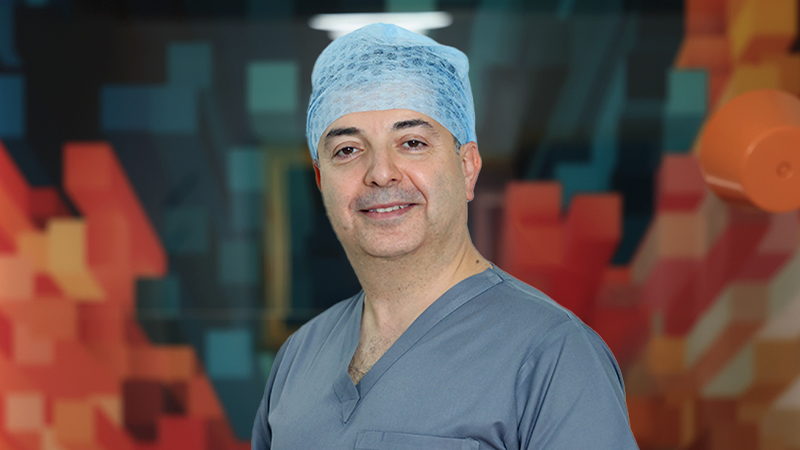
Mr Samer Hamada
Mr Samer Hamada is a highly experienced lens replacement surgeon with specialist expertise in presbyopia treatment and advanced intraocular lens surgery. He takes a meticulous approach to lens selection and refractive planning, ensuring outcomes are tailored to each patient’s visual needs and long-term eye health. Patients value his clear explanations and balanced guidance when choosing between different presbyopia surgery options.
Why Choose London Cataract Centre for Presbyopia Treatment?
Dedicated lens surgery expertise
Focused on advanced lens-based presbyopia treatment
Consultant-led RLE surgery
All refractive lens exchange procedures are performed by experienced consultant ophthalmic surgeons.
Advanced diagnostics
Precision measurements for accurate outcomes
Access to premium lens options
Tailored to your visual needs
Honest, pressure-free advice
Clear explanation of benefits and limitations
Outstanding safety standards
Consistent and predictable results
Frequently Asked Questions
What is the best presbyopia treatment?
The best presbyopia treatment depends on your prescription, age and lifestyle. Your consultant will advise whether presbyopia surgery or another approach is most appropriate.
Is presbyopia surgery permanent?
Lens-based presbyopia surgery provides a long-term correction. Because the natural lens is replaced, results are stable over time.
Will I still need reading glasses after presbyopia treatment?
Many patients significantly reduce their reliance on reading glasses. The degree of independence depends on lens choice and individual expectations.
Is presbyopia surgery safe?
Yes, when performed by experienced surgeons with appropriate planning. A detailed assessment ensures suitability before proceeding.
When should I consider presbyopia treatment?
If reading glasses are becoming inconvenient or limiting your lifestyle, a consultation can help you explore your options.
Book a Presbyopia Treatment Consultation
If you’re considering presbyopia treatment or presbyopia surgery and want to reduce dependence on reading glasses, a specialist consultation is the best place to begin.
At London Cataract Centre, we provide clear, consultant-led guidance so you can make a confident and informed decision about your vision.
Contact us today to arrange your consultation.