
EDOF Lenses for Cataract Surgery
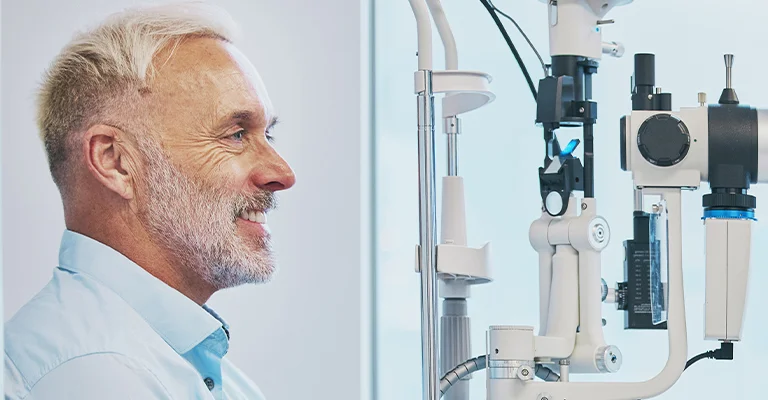
EDOF Lenses for Cataract Surgery
Get in Touch
EDOF Lenses at London Cataract Centre
At London Cataract Centre, we offer Extended Depth of Focus (EDOF) lenses as part of our advanced cataract surgery options. These next-generation lenses are designed to provide a smooth range of vision from distance through to intermediate, making everyday tasks like driving, using a computer, or watching television much clearer. Unlike standard monofocal implants, which correct vision at just one focal point, EDOF lenses reduce your dependence on glasses while maintaining natural, high-quality vision with fewer side effects such as glare or halos.
What Are EDOF Lenses?
We understand that choosing the right lens is one of the most important decisions you’ll make about your cataract surgery. Extended Depth of Focus (EDOF) lenses are a premium option designed to give you a wider range of clear vision compared with standard monofocal lenses.
These lenses work by stretching the eye’s focal range, giving you smooth, natural vision from distance through to intermediate — ideal for activities like driving, computer work, and everyday tasks. Many patients find they enjoy much more independence from glasses, while still experiencing fewer side effects such as glare and halos than with multifocal implants.
If you want sharper vision at distance and intermediate ranges, and would like to reduce your dependence on glasses, EDOF lenses at London Cataract Centre could be the right choice for you.
Who Is a Candidate for EDOF Lenses?
EDOF lenses are a good choice for people who want more freedom from glasses than monofocal lenses provide, but who may not be suitable for, or may prefer to avoid, multifocal lenses. They are particularly well-suited to patients who want strong distance vision and reliable intermediate vision for work or hobbies, but who do not mind using glasses occasionally for very fine print or prolonged reading.
Not all patients are suitable. Your surgeon will assess your lifestyle, visual needs, and the health of your eyes. EDOF lenses are usually recommended for people without significant retinal disease, advanced glaucoma, or corneal problems, as these conditions can limit the benefit.
How Do EDOF Lenses Work?
EDOF lenses use advanced optical technology to extend the depth of focus in the eye. Instead of splitting light into distinct focal points, as multifocal lenses do, EDOF lenses elongate the focal area, allowing the eye to maintain sharper vision over a wider range of distances.
This design reduces the likelihood of glare and halos that some patients experience with multifocal implants. As a result, EDOF lenses often provide a more natural, continuous visual experience, especially in challenging conditions like night driving.
Meet Our Surgeons

Mr Tariq Ayoub – Consultant Ophthalmic Surgeon
Mr Tariq Ayoub is a highly experienced cataract and refractive surgeon with extensive expertise in advanced lens technologies. He has successfully carried out thousands of cataract operations using premium options such as toric, multifocal, trifocal, and EDOF implants. Mr Ayoub is dedicated to tailoring every treatment plan to his patients’ lifestyle needs, ensuring the best possible visual outcomes and reduced dependence on glasses.
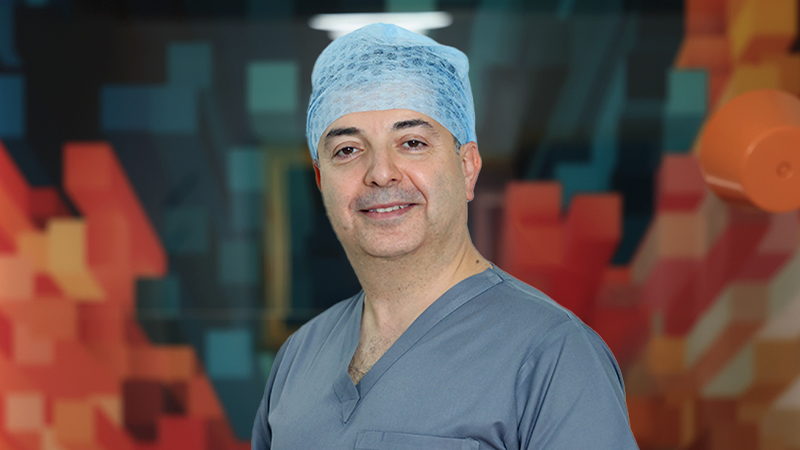
Mr Samer Hamada – Medical Directors & Consultant Ophthalmic Surgeon
Mr Samer Hamada is the Medical Director of London Cataract Centre, with more than 25 years of experience. A Fellow of the Royal College of Ophthalmologists, he has performed thousands of cataract and refractive procedures. Mr Hamada specialises in complex cataract surgery and premium lenses, including EDOF implants, and is known for his precision, patient-centred approach, and commitment to outstanding visual results.
Benefits of EDOF Lenses
Clear distance and intermediate vision:
Great for driving, computer use, and everyday tasks.
Lower risk of glare and halos:
Compared with multifocal or trifocal options.
More natural vision quality:
Many patients report a smoother visual transition.
Reduced dependence on glasses:
Particularly for distance and intermediate ranges.
Limitations and Considerations
EDOF lenses are not a “glasses-free” solution for all tasks. While they provide excellent clarity for distance and intermediate vision, most patients will still need glasses for fine reading or close-up work, such as sewing or reading small print.
Your surgeon will explain these limitations clearly so you can make an informed choice. For patients who want maximum independence from glasses at all distances, a trifocal lens might be more suitable. However, for those who value natural vision and minimal side effects, EDOF lenses are often the preferred option.
The Procedure and Recovery
Implanting an EDOF lens is no different from standard cataract surgery. The procedure is quick, comfortable, and performed under local anaesthesia. The main difference lies in the careful selection and calculation of the lens beforehand.
Recovery is generally smooth, with vision improving within days. Because EDOF lenses are designed to reduce unwanted visual effects, many patients adapt to them more quickly than with multifocal lenses.
Why Choose London Cataract Centre for EDOF Lenses?
At London Cataract Centre, we offer the latest generation of EDOF lenses and use advanced biometry to ensure precise outcomes. Our surgeons are highly experienced in matching patients to the right type of implant for their lifestyle and visual needs.
We understand that lens choice is one of the most important decisions you will make around cataract surgery. That’s why we provide clear explanations, personalised recommendations, and access to the full range of lens technologies available today.
Frequently Asked Questions
Will I still need glasses after EDOF lens surgery?
Most patients find they no longer need glasses for distance and intermediate tasks, such as driving or computer work. However, you may still need reading glasses for small print or prolonged close work.
Are EDOF lenses better than multifocal lenses?
Neither lens is strictly “better.” EDOF lenses provide a smoother visual experience with fewer halos and glare, while multifocals give stronger near vision. The choice depends on your lifestyle and priorities.
How long does it take to adapt to EDOF lenses?
Most patients notice clearer vision within days of surgery. Because EDOF lenses minimise visual side effects, many people adapt to them more quickly than to multifocal lenses.
Can I have EDOF lenses if I have astigmatism?
Yes, many EDOF lenses are available in toric versions, which also correct astigmatism. Your surgeon will assess your eye scans to recommend the most suitable option.
Are EDOF lenses available on the NHS?
EDOF lenses are considered a premium lens option and are not routinely available on the NHS. They are typically chosen as part of private cataract surgery.
How much do EDOF lenses cost?
The cost of cataract surgery with an EDOF lens depends on your specific case and whether you choose additional options, such as toric correction. London Cataract Centre will provide you with a clear and detailed quotation after your consultation.
Can both eyes have EDOF lenses?
Yes, most patients choosing EDOF implants have them placed in both eyes, usually one to two weeks apart, although simultaneous surgery can sometimes be offered.
How long do EDOF lenses last?
EDOF lenses are permanent implants designed to last a lifetime. Once placed, they do not wear out or need replacing under normal circumstances.
Choosing the Best Lens for You
EDOF lenses offer an excellent middle ground between standard monofocal and multifocal implants, giving patients a natural, extended range of vision with fewer side effects. If you are looking for more independence from glasses and want to maintain comfortable, high-quality vision after cataract surgery, London Cataract Centre can guide you in choosing whether EDOF lenses are the right option for you.