
Monofocal Lenses for Cataract Surgery
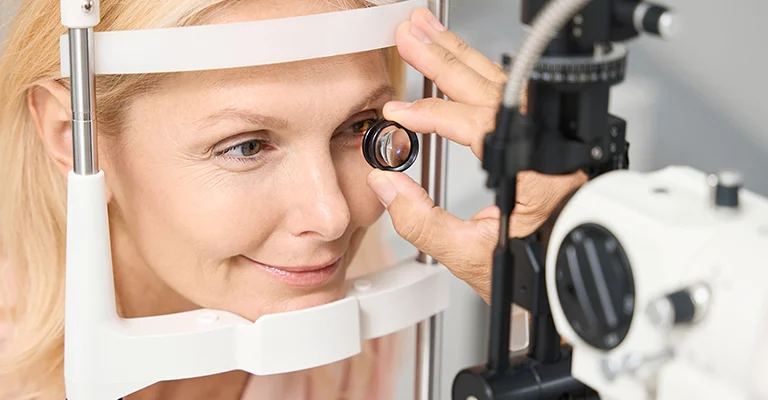
Monofocal Lenses for Cataract Surgery
Get in Touch
Monofocal Lenses for Cataract Surgery in London
At London Cataract Centre, we offer monofocal intraocular lenses (IOLs) as an option for cataract surgery. Monofocal lenses are designed to provide clear vision at one fixed distance, usually for distance tasks such as driving or watching television. They are the most widely used type of lens implant worldwide and deliver excellent results for patients who are comfortable wearing glasses for other ranges of vision.
Monofocal lenses are highly effective in restoring clarity after cataracts. For patients who prioritise sharp distance vision and do not mind wearing reading or computer glasses, they remain a reliable and cost-effective choice
Who Is a Candidate for Monofocal Lenses?
Monofocal lenses are suitable for the majority of cataract patients. They are ideal for people who want clear distance vision and are happy to continue using glasses for near or intermediate tasks, such as reading or using digital devices.
They are also a good option for patients who may not be suitable for premium implants due to other eye conditions, such as macular degeneration or corneal disease. At London Cataract Centre, your surgeon will explain all options and help you decide whether a monofocal lens is right for your eyes and lifestyle.
How Do Monofocal Lenses Work?
Monofocal IOLs are designed with a single focal point. During surgery, they are carefully selected and positioned to provide sharp focus at the chosen distance — most commonly for far vision.
While monofocal lenses do not provide the same range of vision as multifocal or trifocal implants, they deliver excellent clarity at their set distance and remain the most straightforward and predictable option in cataract surgery.
Clear and reliable vision at one chosen distance (usually far).
Proven safety and effectiveness with millions implanted worldwide.
Often less risk of glare or halos compared with multifocal or trifocal lenses.
A simple and cost-effective solution for cataract patients.
Limitations and Considerations
The main limitation of monofocal lenses is that they only correct vision at one focal point. This means most patients will still require glasses for reading, computer use, or other close-up tasks.
Your surgeon may also recommend targeting one eye for distance and the other for near (a technique called monovision) in certain cases. While this can reduce dependence on glasses, it is not suitable for everyone.
The Procedure and Recovery
Cataract surgery with a monofocal lens follows the same safe and straightforward process as other lens implants. The procedure usually takes less than 20 minutes per eye and is performed under local anaesthesia.
Recovery is smooth for most patients, with clear distance vision noticeable within a few days. Glasses for near work are usually prescribed after the eyes have fully healed, to fine-tune vision for close-up activities.
Meet Your Monofocal Lens Specialists
Our clinic is staffed by top-tier consultants with extensive expertise in monofocal lens surgery, including:

Mr Tariq Ayoub – Consultant Ophthalmic Surgeon
Mr Tariq Ayoub is a consultant ophthalmic surgeon with extensive expertise in cataract and refractive surgery. He has successfully performed thousands of operations using a wide range of lenses, from standard monofocals to advanced premium options. Mr Ayoub is committed to providing clear guidance, safe surgery, and the best possible vision for each of his patients
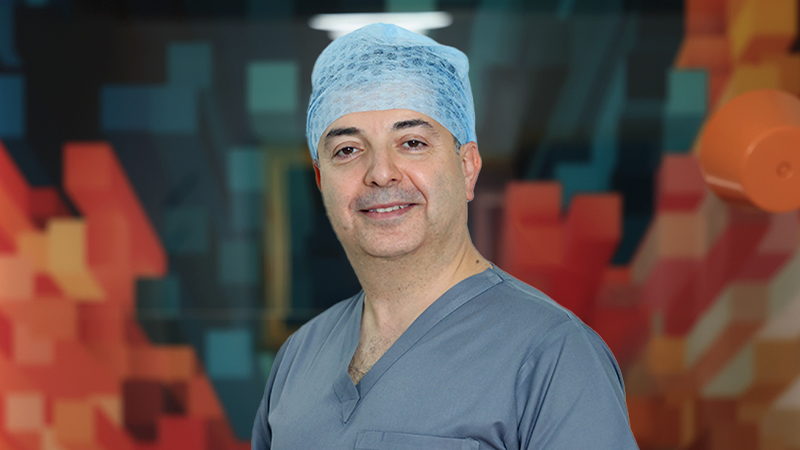
Mr Samer Hamada – Medical Directors & Consultant Ophthalmic Surgeon
Mr Samer Hamada is the Medical Director of London Cataract Centre and a consultant ophthalmic surgeon with more than 25 years of experience. A Fellow of the Royal College of Ophthalmologists, he has performed thousands of cataract and refractive procedures. Mr Hamada is highly experienced in all types of intraocular lenses, including monofocal implants, and is known for his precision and dedication to excellent patient outcomes.
Frequently Asked Questions
Will I still need glasses with monofocal lenses?
Yes, most patients will still require glasses for near or intermediate tasks, such as reading or using a computer. Monofocal lenses are designed to provide sharp vision at just one set distance. Many people choose distance correction, meaning they only need glasses for close-up work.
Are monofocal lenses available on the NHS?
Yes, monofocal lenses are the standard implant offered on the NHS for cataract surgery. They are effective and reliable but do not reduce glasses dependence in the same way as premium options. Patients who want advanced lenses usually need to choose private cataract surgery.
What is the difference between monofocal and premium lenses?
Monofocal lenses correct vision at a single distance, while premium lenses such as multifocal, trifocal, and EDOF implants can provide a broader range of focus. Premium lenses are often chosen by patients seeking more independence from glasses. The right choice depends on your lifestyle and priorities.
How long do monofocal lenses last?
Monofocal implants are permanent and designed to last a lifetime. Once inserted during cataract surgery, they do not wear out or need to be replaced under normal circumstances. Rare complications or later eye conditions may affect performance, but replacement is uncommon.
Can monofocal lenses correct astigmatism?
Standard monofocal lenses cannot correct astigmatism, but toric versions of monofocal implants are available for this purpose. These specialised lenses combine the clarity of a monofocal with correction for astigmatism. Your surgeon will confirm suitability after detailed eye measurements.
Are monofocal lenses good for night driving?
Yes, monofocal lenses generally provide excellent distance clarity and often cause fewer halos or glare than multifocal or trifocal implants. This makes them a good option for patients who prioritise safe night driving. Your surgeon will consider your driving habits when recommending the best lens.
Can I choose monofocal lenses even if premium lenses are available?
Absolutely. Some patients prefer the simplicity and predictability of monofocal implants. Your surgeon will discuss all lens types with you and support whichever option best suits your vision goals and lifestyle.
How quickly will I see results with monofocal lenses?
Most patients notice clearer distance vision within days of surgery. The full benefit is usually achieved once both eyes are treated and healed. Glasses are prescribed afterwards to refine near or intermediate vision if needed.