Advanced vision correction using Implantable Collamer Lenses.
ICL surgery in London offers a modern alternative to laser eye surgery for patients seeking long-term vision correction. Using Implantable Collamer Lenses (ICL), this procedure improves vision without permanently reshaping the cornea.
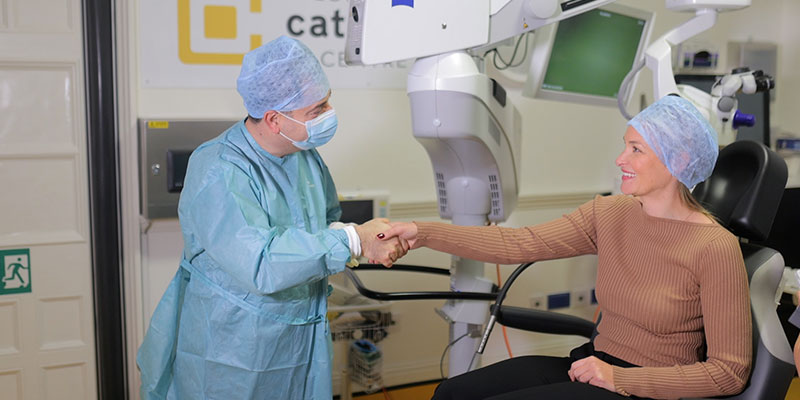
At London Cataract Centre, ICL surgery is consultant-led and carefully tailored to your prescription, eye structure and lifestyle. The goal is to provide sharp, stable vision while preserving the natural anatomy of the eye.
What Is ICL Surgery?
ICL surgery is an advanced vision correction procedure that uses Implantable Collamer Lenses (ICL) to reduce dependence on glasses and contact lenses. Designed to treat myopia (short-sightedness), hyperopia (long-sightedness) and astigmatism, ICL surgery provides exceptional visual clarity without permanently reshaping the cornea, making it a suitable option for patients who may not be ideal candidates for laser eye surgery.
Unlike procedures such as LASIK or PRK, which alter corneal tissue, ICL surgery involves placing a specially designed Implantable Collamer Lens inside the eye, behind the iris and in front of the natural lens. Made from biocompatible Collamer® material, the lens works in harmony with the eye’s natural structures and can be removed or replaced if necessary, offering flexibility alongside long-term vision correction.
The Global Popularity of ICL Surgery
ICL has gained immense popularity worldwide, particularly in Asia, where the prevalence of myopia is exceptionally high. In countries like Japan, South Korea, and China, up to 80–90% of young adults are affected by myopia. ICL offers a safe and effective solution for these individuals, especially those with high prescriptions or thin corneas who may not be suitable candidates for LASIK.
Globally, over two million ICL lenses have been implanted, with patient satisfaction rates exceeding 99%. The procedure’s flexibility, safety, and outstanding visual outcomes have made it a preferred choice for many seeking long-term vision correction.
ICL Surgery FAQ’s with Mr Samer Hamada
What is ICL?
What are the Benefits of ICL?
What is the Recovery Rate for ICL?
What is the Recovery Time for ICL?
Can I Have ICL After Laser Eye Surgery?
What is the ICL lens made of
Collamer® offers several advantages:
Biocompatibility: Integrates seamlessly with the eye’s natural environment, reducing the risk of rejection or inflammation.
UV Protection: The lens blocks harmful ultraviolet rays, protecting the retina from potential damage.
Optical Clarity: Provides sharper, clearer vision compared to glasses or contact lenses.
These features contribute to the high success rates and patient satisfaction associated with ICL.
Why Is ICL Surgery Ideal for Patients with Dry Eyes?
One of the most significant advantages of ICL is its suitability for patients with dry eye syndrome. Unlike LASIK or PRK, which involve reshaping or removing corneal tissue—potentially disrupting corneal nerves responsible for tear production—ICL leaves the cornea untouched.
LASIK: Up to 50% of patients experience some degree of dry eye symptoms post-surgery due to corneal nerve disruption.
PRK: Similar risks to LASIK, though the absence of a corneal flap may reduce severity.
SMILE: Lower risk than LASIK but still involves corneal incision.
By preserving the corneal structure, ICL eliminates the risk of surgically induced dry eye, making it the safest option for individuals with existing dry eye conditions or those prone to dryness due to environmental factors or prolonged digital device use.
Benefits of ICL Surgery
Exceptional Visual Clarity
High-Definition Vision: The Collamer® lens provides superior optical performance, often described as “HD vision,” with sharper details and enhanced contrast sensitivity.
Low-Light Performance: Improved night vision with reduced glare and halos compared to other corrective methods.
Reversible and Flexible
Non-Permanent Alteration: ICL does not permanently alter eye structures. The lens can be removed or replaced if necessary, by professional offering peace of mind.
Adaptability: As technology advances or vision needs change, adjustments can be made without complications.
Ideal for High Prescriptions and Thin Corneas
Broad Range Correction: ICL can correct higher degrees of myopia (up to -20.0 diopters) and hyperopia (+10.0 diopters), surpassing the capabilities of LASIK.
Suitable for Thin Corneas: Patients with thin corneas, who are often ineligible for LASIK or PRK, can safely undergo ICL implantation.
Quick Recovery and Immediate Results
Fast Procedure: Surgery typically takes 20–30 minutes per eye.
Immediate Improvement: Many patients experience significant vision improvement within 24 hours.
Minimal Downtime: Most return to normal activities within a few days.
Ideal for High Prescriptions and Thin Corneas
Broad Range Correction: ICL can correct higher degrees of myopia (up to -20.0 diopters) and hyperopia (+10.0 diopters), surpassing the capabilities of LASIK.
Suitable for Thin Corneas: Patients with thin corneas, who are often ineligible for LASIK or PRK, can safely undergo ICL implantation.
How Does Life Change After ICL Surgery?
Life after ICL is often described as transformative, offering newfound freedom and confidence. Here’s how:
Freedom from Glasses and Contacts
Convenience: No more dependence on corrective eyewear.
Active Lifestyle: Engage in sports, swimming, and outdoor activities without limitations.
Aesthetic Benefits: Enjoy a glasses-free appearance.
Enhanced Quality of Life
Visual Clarity: Experience high-definition vision with sharper details.
Night Vision: Improved night vision reduces difficulties with driving or navigating in low-light conditions.
Confidence Boost: Improved vision can enhance self-esteem and social interactions.
Relief from Dry Eyes
Comfort: Reduced or eliminated dry eye symptoms compared to contact lens wear or corneal surgeries.
ICL offers a safe, effective, and flexible solution without the risks associated with corneal surgeries, especially for patients with dry eyes or high prescriptions.
ICL Surgery Procedure: Step by Step
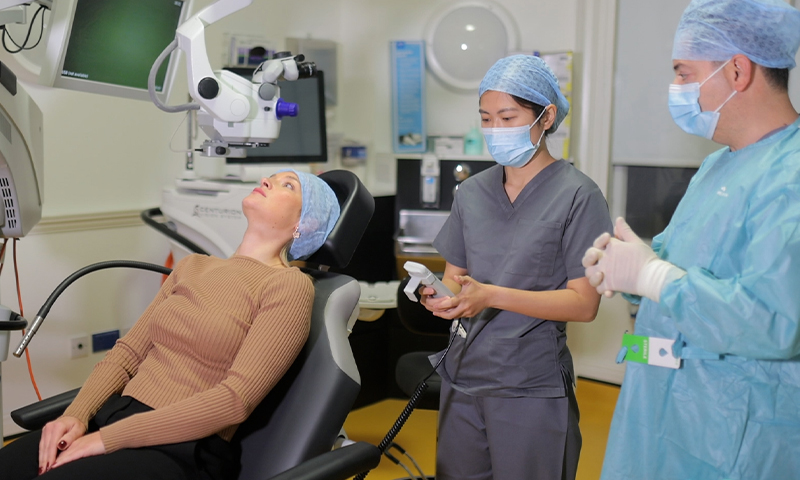
1. Pre-Operative Evaluation
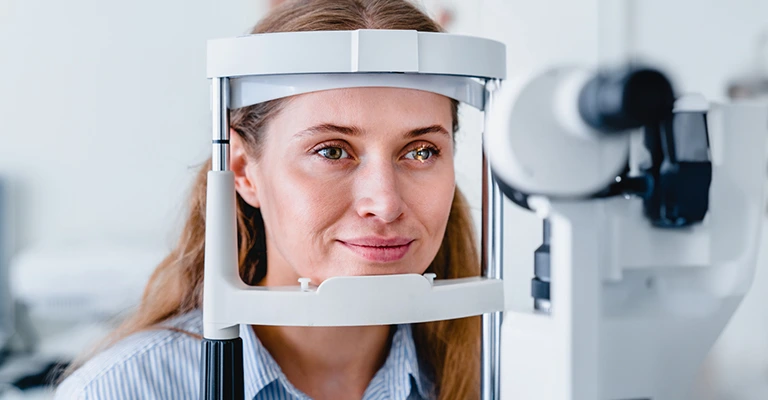
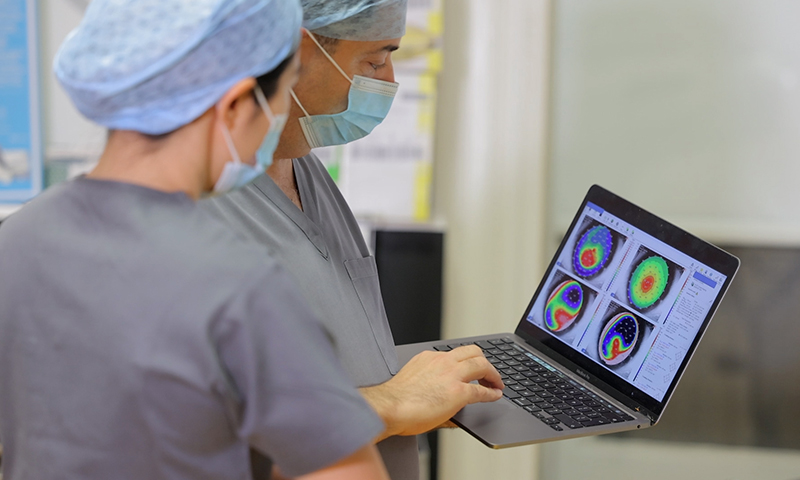
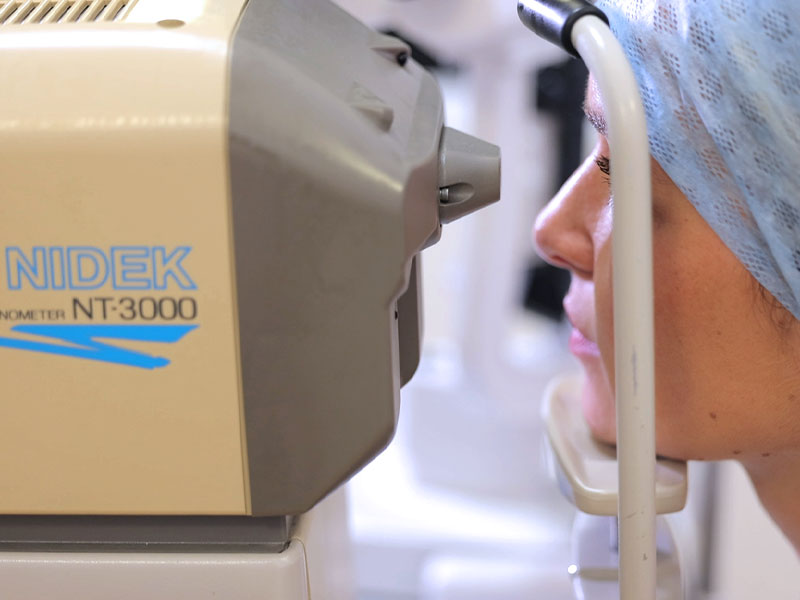
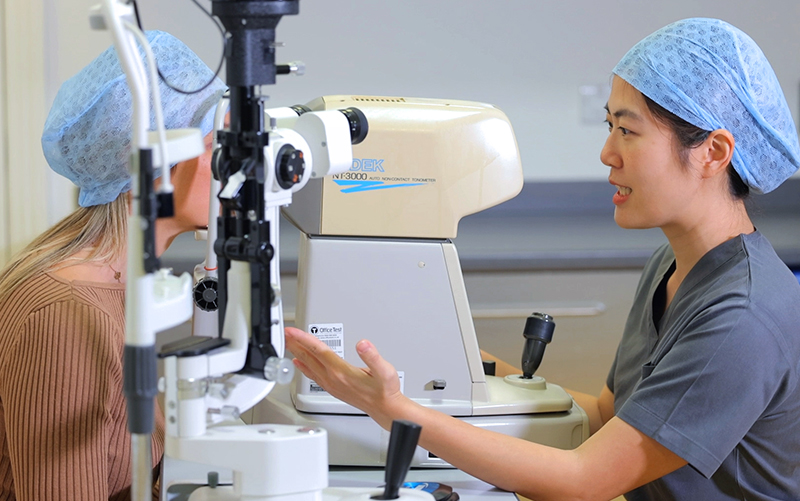
Comprehensive Diagnostics: Includes corneal topography, biometry, and wavefront analysis for precise measurements.
Customized Lens Selection: Surgeons select the appropriate lens size and power tailored to your eye’s unique anatomy.
Patient Consultation: Discussion of vision goals, procedure details, and any questions or concerns.
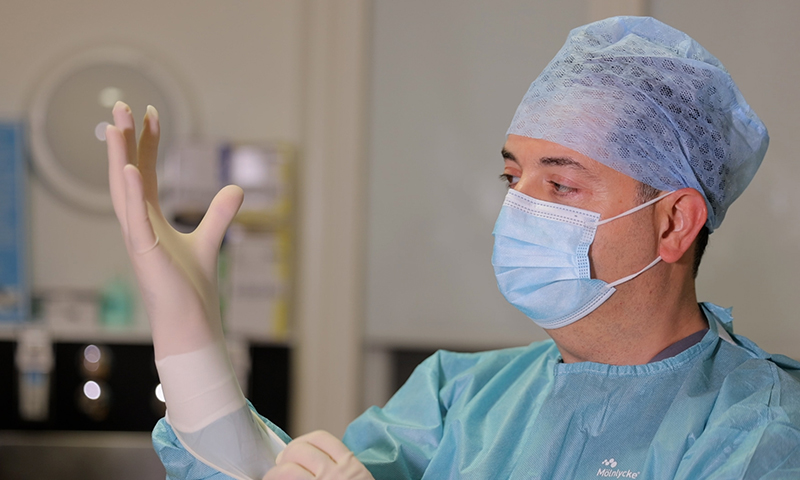
2. The Surgery
Anesthesia: Local anesthetic eye drops ensure a painless experience.
Incision: A tiny incision (approximately 3 mm) is made at the edge of the cornea.
Lens Insertion: The folded ICL is inserted through the incision and unfolds naturally in the eye, positioning itself behind the iris and in front of the natural lens.
No Corneal Tissue Removal: Unlike LASIK or PRK, no corneal tissue is removed or reshaped.
Procedure Duration: Typically 20–30 minutes per eye.
Self-Sealing Incision: No stitches required; the small incision heals naturally.
3. Recovery and Aftercare
Immediate Vision Improvement: Many patients notice clearer vision immediately or within a few hours.
Follow-Up Appointments: Scheduled to monitor healing and ensure optimal lens positioning.
Minimal Restrictions: Patients can usually resume normal activities within a couple of days, avoiding strenuous activities for a short period.
Comparison to Other Treatments: Recovery is generally faster and more comfortable than PRK, which may require weeks for full visual recovery.
Environmental Benefits of ICL
The environmental impact of disposable contact lenses is significant, with an estimated 14 billion lenses discarded annually, contributing to microplastic pollution in oceans and landfills.
Implantable Collamer Lens (ICL) surgery is a highly effective and versatile option for a wide range of patients seeking clear, long-lasting vision correction. Here’s how to determine if ICL is right for you:
1. You Have a High Prescription
ICL is ideal for individuals with moderate to severe myopia (up to -20.0 diopters), hyperopia (up to +10.0 diopters), and astigmatism (up to 6.0 diopters). It can address refractive errors that go beyond the limits typically corrected by LASIK or PRK.
2. You Have Suitable Eye Anatomy
Your eye must have the right dimensions to safely accommodate the ICL lens. Specific criteria include:
Anterior Chamber Depth: The space between your cornea and iris must measure 3.0 millimeters or greater. This ensures there is enough room to place the lens without compromising the natural structures of the eye.
Endothelial Cell Density: The inner surface of your cornea must have a minimally acceptable density of endothelial cells. These cells are essential for keeping your cornea clear by regulating its fluid content.
Why It Matters: If the endothelial cell density is too low, the risk of corneal swelling (corneal edema) increases, which could lead to serious complications, including the need for a corneal transplant. Your surgeon will thoroughly evaluate this during pre-operative testing.
3. You Are Not a Candidate for LASIK or PRK
ICL is often recommended for patients who are ineligible for corneal-based surgeries like LASIK or PRK due to:
Thin or Irregular Corneas: Unlike LASIK, ICL does not reshape or remove corneal tissue, making it safer for patients with thinner corneas.
Dry Eye Syndrome: ICL preserves the natural anatomy of the eye, ensuring no disruption to the corneal nerves that regulate tear production
4. You Want a Reversible Option
Unlike LASIK or PRK, which permanently alter the cornea, ICL is reversible. If your vision needs change over time or if new technologies emerge, the ICL can be safely removed or replaced, providing unmatched flexibility.
5. You Have Stable Vision
Your prescription must be stable for at least 12 months prior to surgery. Significant changes in vision over time may indicate other underlying issues that need to be addressed before considering ICL.
6. You Are in the Ideal Age Range
ICL is most suitable for individuals aged 21 to 45 years, as younger patients often experience ongoing vision changes, and older individuals may develop age-related conditions like cataracts that require alternative treatments.
7. You Want a Long-Term, Low-Maintenance Solution
For those tired of glasses and contact lenses, ICL offers a long-term, low-maintenance solution with superior visual outcomes. Unlike contact lenses, which require daily cleaning and replacements, ICL provides lasting clarity without daily upkeep.
Who Should Not Consider ICL Surgery?
While ICL is an excellent option for many, it may not be suitable for patients with:
Severe Eye Conditions: Such as advanced glaucoma, cataracts, or untreated retinal diseases.
Chronic Eye Infections or Inflammation: These conditions must be resolved before undergoing any vision correction procedure.
Endothelial Cell Density Below the Minimum Threshold: Your surgeon will evaluate this during diagnostics. If your cell density is insufficient, you are at higher risk for complications, such as corneal swelling, that may require advanced interventions.
Why Choose London Cataract Centre for Your ICL Surgery?
At London Cataract Centre, we combine world-class expertise with state-of-the-art technology to provide exceptional care.
Why Choose London Cataract Centre for Your ICL Surgery?
At London Cataract Centre, we combine world-class expertise with state-of-the-art technology to provide exceptional care.
Expert Surgeons:
Our team includes Mr. Samer Hamada, the top user of ICL lenses in the UK, and Mr. Tariq Ayoub, both highly experienced in performing ICL procedures with outstanding results.
Dry Eye Expertise:
Specializing in treating patients with dry eyes, we offer tailored solutions to enhance comfort and vision.
Advanced Technology:
We utilize cutting-edge diagnostics and surgical techniques to ensure precise, personalised treatment plans.
Patient-Centered Care:
From initial consultation to post-operative follow-ups, we prioritize your comfort, safety, and satisfaction.
Frequently Asked Questions About ICL Surgery
Can ICL Correct Astigmatism?
Yes, ICL can effectively correct astigmatism along with myopia and hyperopia. Toric ICL lenses are specifically designed to address astigmatism, providing sharp, distortion-free vision.
Is the ICL Procedure Painful?
No, the procedure is completely painless. Local anesthetic eye drops are used to numb the eye, ensuring comfort throughout the surgery. Patients often remark on how quick and comfortable the experience is.
What Makes ICL Surgery Unique Beyond Vision Correction?
ICL stands out as an environmentally friendly choice for vision correction, offering unique benefits that contribute to a more sustainable future:
Eliminates Daily Waste: By eliminating the need for disposable contact lenses and their packaging, ICL helps reduce the billions of plastic lenses and cases discarded annually, many of which end up polluting oceans and harming marine life.
Long-Term Sustainability: Unlike contact lenses or glasses, which require frequent replacements and generate continuous waste, a single ICL procedure provides a lasting solution, minimizing environmental impact.
Reduces Carbon Footprint: The manufacturing, packaging, and distribution of contact lenses involve significant energy use and resources. Choosing ICL reduces reliance on these wasteful processes, supporting eco-conscious living.
An Eco-Friendly Lifestyle: For patients passionate about sustainability, ICL aligns with efforts to reduce plastic waste and live more responsibly while enjoying the benefits of clear vision.
Take the First Step Toward Clear Vision
Experience the life-changing benefits of ICL at London Cataract Centre. Our expert team is dedicated to providing personalised care and exceptional results.
Contact us today to schedule your consultation and discover if ICL is the right solution for you.