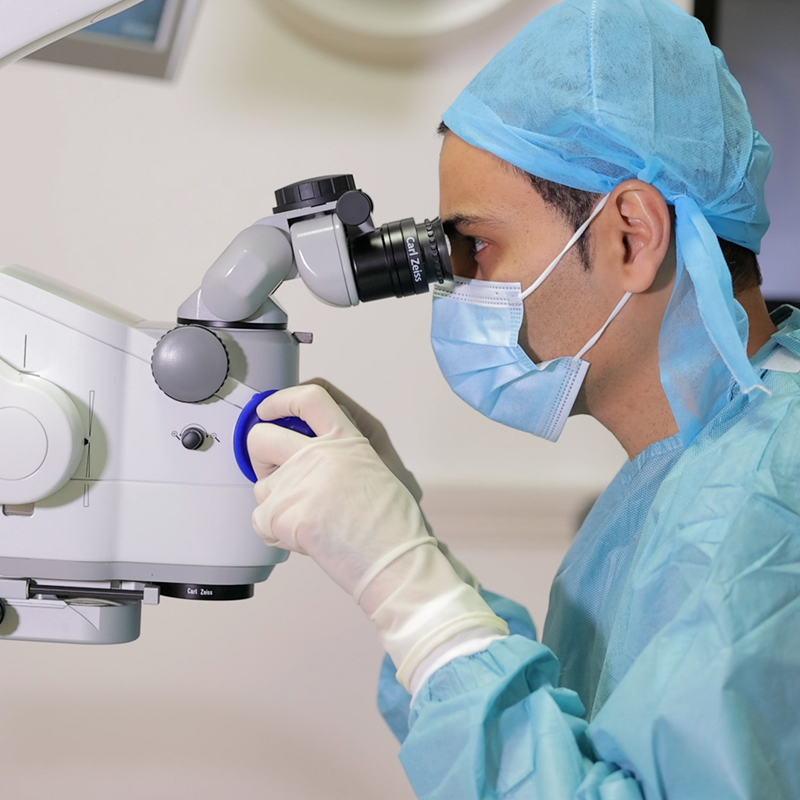
Specialist care designed to protect both vision and long-term eye health
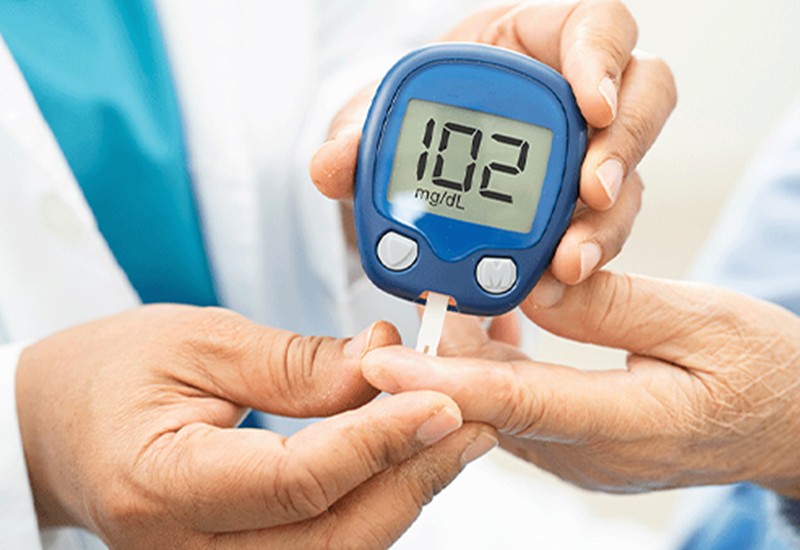
If you have diabetes and are developing cataracts, it’s natural to have additional questions. Diabetes can affect the eyes in several ways, and cataract surgery needs to be planned carefully to achieve the best possible visual outcome while minimising risk.
At London Cataract Centre, we regularly treat patients with diabetes. Our approach focuses on thorough pre-operative assessment, precise surgical planning and close post-operative monitoring, so you can proceed with confidence.
How Diabetes Can Affect Cataract Surgery
Diabetes does not prevent cataract surgery, but it can influence how surgery is planned and managed. Depending on your eye health and diabetes control, there may be additional considerations before, during and after the procedure.
These can include:
A higher likelihood of diabetic changes in the retina
Increased risk of post-operative inflammation
Slower visual recovery in some cases
Greater importance of careful timing and monitoring
With specialist assessment, cataract surgery is generally safe and highly successful for patients with diabetes.
The Importance of Retinal Assessment
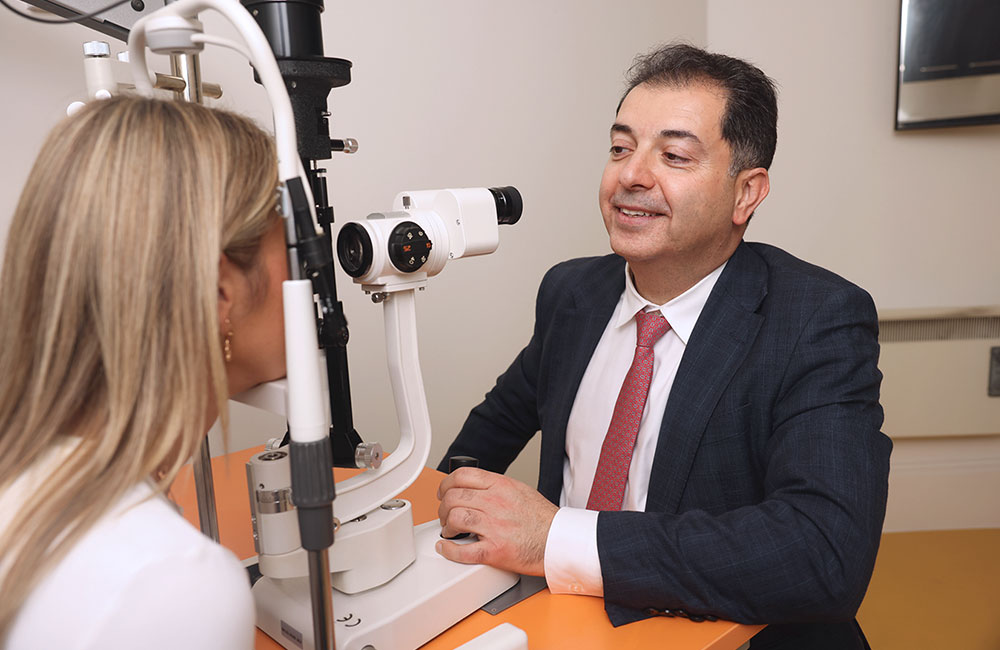
Before proceeding with cataract surgery, it is essential to assess the health of the retina. Diabetes can cause conditions such as diabetic retinopathy or macular oedema, which may affect vision independently of the cataract.
During your consultation, we will assess:
Whether diabetic retinopathy is present
The condition of the macula
Whether any retinal treatment is required before surgery
How retinal health may influence visual expectations
Addressing these factors early helps optimise both safety and outcomes.
Timing Cataract Surgery with Diabetes
Good timing plays an important role in diabetic cataract surgery. In many cases, surgery is best performed when blood sugar levels are stable and any retinal issues are under control.
Your consultant will consider:
Overall diabetes control
Recent changes in vision
Retinal findings on imaging
Any ongoing eye or medical treatments
This ensures surgery is carried out at the safest and most appropriate time for your eyes.
Lens Choice in Patients with Diabetes
Lens selection is personalised for every patient, and diabetes is one of the factors that influences this decision. The aim is to choose a lens that provides clear, stable vision without increasing visual side effects.
Depending on your eye health, options may include:
Monofocal lenses, often preferred for their predictability
Toric lenses if astigmatism is present
EDOF lenses in selected cases
Carefully chosen multifocal lenses, only where appropriate
Your surgeon will explain which options are suitable and which may be less advisable based on retinal health and visual priorities.
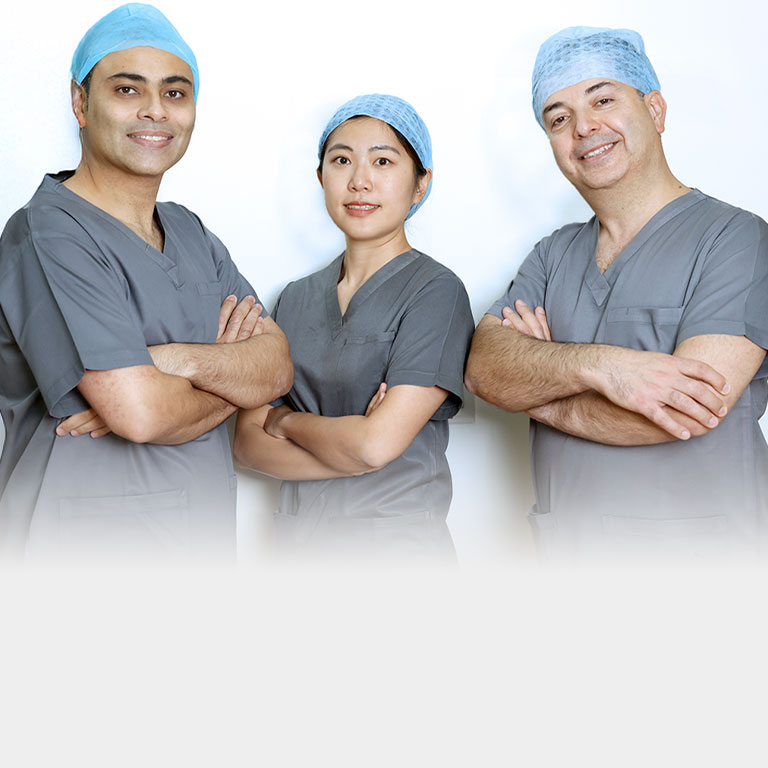
Meet Your Premium Cataract Surgeons
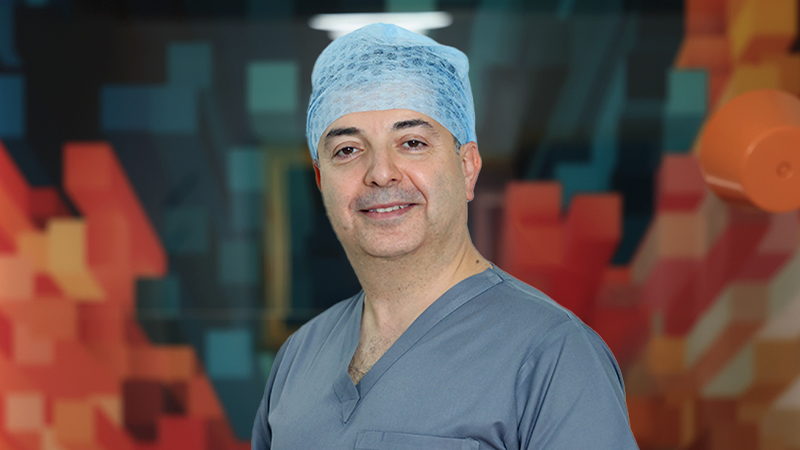
Mr Tariq Ayoub – Consultant Ophthalmic Surgeon
Mr Tariq Ayoub is an experienced cataract and refractive surgeon with a strong focus on safety and outcome predictability in patients with diabetes. He regularly treats individuals with diabetic eye changes and understands the importance of timing, monitoring and lens selection in these cases. His calm, methodical approach helps patients feel reassured throughout the surgical process.
Mr Samer Hamada is a highly experienced cataract and corneal surgeon with extensive expertise in managing cataract surgery in patients with diabetes. He takes a meticulous approach to pre-operative retinal assessment and surgical planning, recognising the additional considerations diabetes can introduce. Patients value his clear, balanced guidance when protecting long-term eye health is as important as improving vision.
At London Cataract Centre, we combine world-class expertise with state-of-the-art technology to provide exceptional care.
Why Choose London Cataract Centre?
At London Cataract Centre, we combine world-class expertise with state-of-the-art technology to provide exceptional care.
Dedicated cataract-only clinic
Focused expertise in lens and cataract surgery
Experience with diabetic patients
Regular management of diabetes-related eye considerations
Advanced retinal and lens diagnostics
Precision planning for safer outcomes
Consultant-led care
No handovers, no shortcuts
Honest, pressure-free advice
Clear guidance tailored to your situation
Clear guidance tailored to your situation
Outcomes consistently exceed national benchmarks
Frequently Asked Questions
Is cataract surgery safe if I have diabetes?
Yes, cataract surgery is generally very safe for patients with diabetes. Careful assessment and planning help manage any additional risks.
Will cataract surgery worsen diabetic eye disease?
In some cases, diabetic eye conditions can change after surgery. This is why close retinal assessment and follow-up are important.
Can cataract surgery improve my vision if I have diabetic retinopathy?
Cataract removal can improve clarity, but vision may still be limited by retinal disease. Your consultant will explain what improvement is realistically achievable.
Do I need retinal treatment before cataract surgery?
Some patients do, while others do not. This depends on the findings during your retinal assessment.
Is recovery different for patients with diabetes?
Recovery is often similar to non-diabetic patients, though healing can be slightly slower in some cases. Regular follow-up helps ensure any issues are addressed early.
Book a Consultation for Cataract Surgery with Diabetes
If you have diabetes and are considering cataract surgery, specialist advice is essential.
At London Cataract Centre, we provide consultant-led care designed to protect your eye health while restoring clearer vision.