

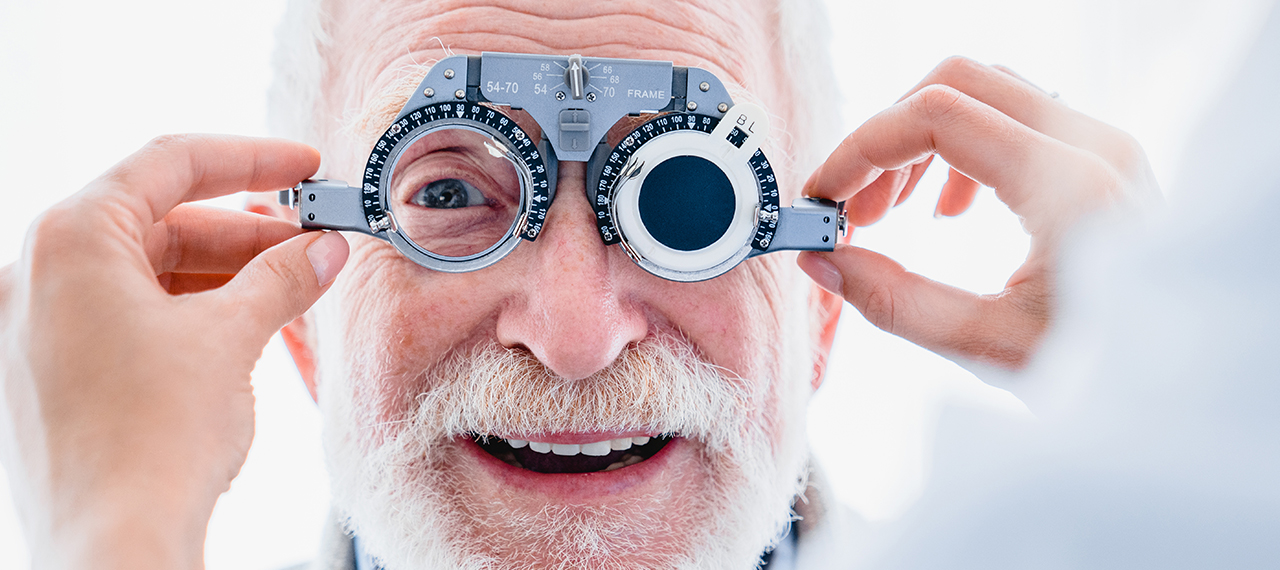
If you’ve recently been diagnosed with cataracts, you might be exploring various treatment options and wondering which type of lens implant will suit your lifestyle best. Among the newer technologies making waves in cataract surgery are Extended Depth of Focus (EDOF) lenses. Let’s delve into exactly what these lenses are, how they work, and whether they’re the right choice for your cataract surgery.
Cataracts are essentially a clouding of your natural eye lens. They usually develop gradually as you age, affecting the lens inside your eye by slowly turning it from clear to opaque. This progressive cloudiness interferes with the clarity of the images your eye sends to your brain, gradually impacting your daily activities.
Common symptoms include:
The good news is that cataract surgery today is quick, safe, and highly effective. During surgery, your cloudy lens is replaced with an artificial intraocular lens (IOL), restoring clarity to your vision and significantly improving your quality of life. With modern surgical advancements, recovery time is brief, and most patients experience dramatic improvements in vision within just a few days after the procedure.

Traditional cataract lenses, known as monofocal lenses, correct vision clearly at just one distance—typically far. This usually means you’ll need reading glasses for close-up tasks post-surgery. Multifocal lenses can help you see clearly at multiple distances but may cause issues such as halos or glare around lights at night.
EDOF lenses provide a balanced solution, positioned between these two types. They offer:
EDOF lenses use advanced optical technology to gently extend the depth of focus. They distribute light smoothly across a range of focal points rather than sharply correcting vision at distinct distances. This creates a seamless visual experience, providing:
| Feature | Monofocal Lenses | Multifocal Lenses | EDOF Lenses |
|---|---|---|---|
| Vision Range | Clear vision at one distance | Clear vision at multiple distinct distances | Continuous clear vision intermediate to distance |
| Dependency on Glasses | High for near tasks | Minimal | Moderate to minimal |
| Visual Side Effects | Minimal | Moderate (halos, glare) | Low (reduced halos and glare) |
| Night-time Vision | Excellent | Possible glare issues | Good to excellent |
| Depth Perception | Limited | Good | Enhanced |
| Ideal for | Distance-focused lifestyles | Those wanting complete glasses freedom | Balanced lifestyles with varied visual demands |
EDOF lenses significantly enhance intermediate and distance vision. However, it’s essential to understand that you might still need reading glasses for very close-up tasks such as:
But for most everyday tasks—like smartphone use, computer work, cooking, driving, or watching television—EDOF lenses offer excellent vision with minimal reliance on glasses. Activities that form the bulk of your daily routine become significantly easier and more enjoyable, providing you with a renewed sense of independence and confidence in your visual capabilities.
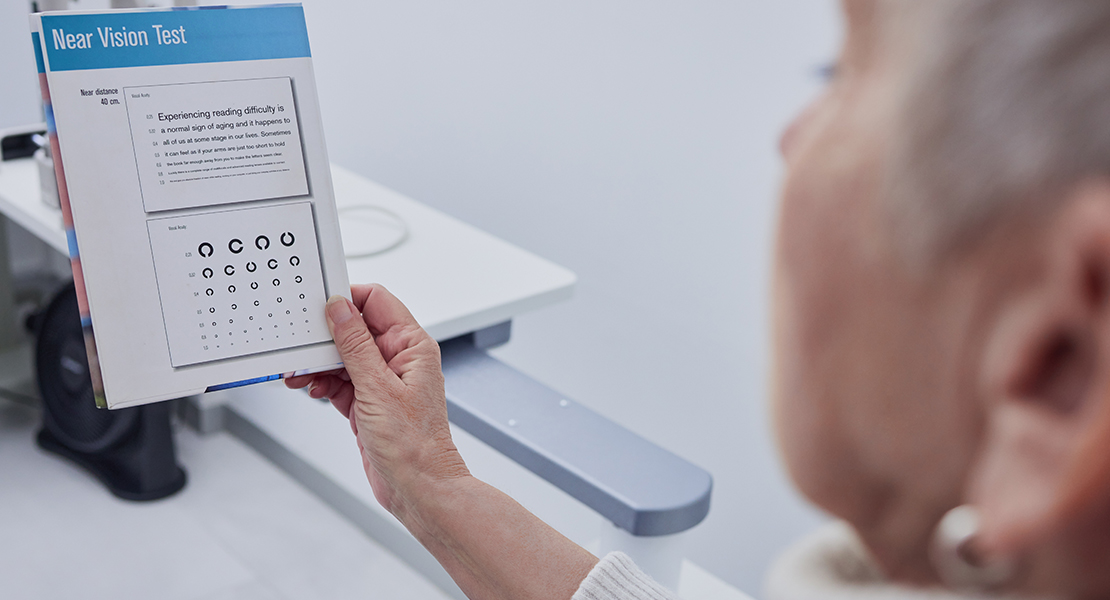
You might particularly benefit from EDOF lenses if your lifestyle involves:
Choosing EDOF lenses can greatly reduce your dependence on glasses, helping you remain active, independent, and confident in your visual capabilities.
While EDOF lenses are typically very successful and comfortable, consider these potential aspects:
Before making your decision, it is crucial to have an extensive conversation with your ophthalmologist or eye surgeon. This conversation should include discussing your personal lifestyle, daily activities, and specific vision goals, as these elements significantly influence which lens option will best meet your needs. Your eye specialist will perform thorough eye examinations, assessing aspects like corneal health, pupil size, and overall eye condition, to determine if EDOF lenses are indeed suitable for your circumstances.
Your surgeon will likely inquire about your typical daily tasks, hobbies, and visual requirements to create a detailed picture of how you use your eyes regularly. Be sure to mention specifics, such as how frequently you drive at night, how much time you spend reading or using digital devices, and whether you participate in outdoor activities or sports. All these details help your specialist tailor their recommendation precisely to your needs.
During your consultation, feel free to ask any questions you may have, including about potential side effects, benefits, and alternatives to EDOF lenses. This dialogue is essential for ensuring you’re fully informed about what to expect during and after surgery, allowing you to make a confident and well-informed choice.
Remember that your eye specialist has the knowledge and expertise to provide personalised advice based on the latest research, surgical techniques, and lens technologies. Regular follow-up appointments after your surgery are also vital, allowing your specialist to monitor your healing process and visual outcomes closely, ensuring your long-term satisfaction and comfort.
EDOF lenses represent a remarkable advancement in cataract surgery, uniquely addressing the visual needs of today’s dynamic lifestyles. Opting for these lenses means embracing greater visual freedom and substantially reducing your dependency on glasses. EDOF lenses provide continuous, clear vision across various distances, significantly enhancing your ability to perform everyday tasks, hobbies, and activities effortlessly.
With expert guidance and thoughtful consideration, choosing EDOF lenses could transform your post-surgical experience, making everyday life easier and more enjoyable. Imagine confidently engaging in activities without constantly reaching for your glasses or worrying about visual clarity. From working comfortably at your computer to safely navigating nighttime drives, EDOF lenses support a seamless visual experience.
Ultimately, investing in EDOF lenses is more than just choosing an advanced medical procedure; it is an investment in your quality of life. Clearer vision boosts your independence, encourages active participation in daily tasks, social events, and recreational activities, and fosters greater confidence and satisfaction in your everyday experiences. With professional support, EDOF lenses truly offer a brighter, clearer future.
 0
0
 0
0

 0
0
At London Cataract Centre, we believe that exceptional eye care should be accessible to all. We are happy to accept a range of insurance plans to ensure your journey toward optimal eye health is as seamless as possible. Our dedicated team is here to assist you in navigating the insurance process, so you can focus on what truly matters – your vision and well-being.



Our surgeons are proud to be associated with the following organisations








A very friendly experience from beginning to end. The staff were great and the consultant Mr Hamada was excellent at easing any fears I had. Surgery was painless and quick, staff were very reassuring. Would certainly recommend this clinic to anyone who has cataracts and decides on RLE treatment.
Just had my lens surgery with Dr Hamada. I was very nervous on the day of surgery as I was having both my eyes done on the same day. But there was no need it went very smoothly and very happy with my new eyes.
All I can say is WOW, WOW WOW. I am writing this overwhelming endorsement 48 hours after having RLE in both eyes, pain-free with better than 20/20 vision. For those of you doing your research, I can absolutely confirm the RLE procedure is pain-free in Mr Samer Hamada’s miracle hands… THANK YOU SO MUCH…
London Cataract Centre has partnered with the world’s leading ophthalmic technology companies to bring you the very best in surgical equipment, such as the Carl Zeiss Lumera microscope, a gold-standard scope in our speciality.





Address: 29a Wimpole Street, London, W1G 8GP
The London Cataract Centre is situated at 29a Wimpole Street, in the heart of Marylebone's renowned Harley Medical District. Our prime location ensures convenient access for patients seeking exceptional eye care, whether you're traveling from within London, across the UK, or internationally.
For those using public transport, the clinic is just a 7-minute walk from Bond Street Station or a 10-minute walk from Oxford Circus and Baker Street stations. Additionally, street parking is available for those arriving by car, making your visit hassle-free.