
Monovision Cataract Surgery London
Monovision Cataract Surgery London
Get in Touch
Monovision Cataract Surgery in London
A tailored approach to reducing dependence on glasses after cataract surgery.
At London Cataract Centre, monovision cataract surgery is offered as a carefully planned option for patients who want greater freedom from glasses without using multifocal lenses. It is a personalised approach that balances distance and near vision by optimising each eye for a different visual task.
Monovision is not suitable for everyone, which is why careful assessment, discussion and expectation-setting are essential. When chosen appropriately, it can provide excellent functional vision for everyday activities such as driving, reading and computer use.
What Is Monovision Cataract Surgery?
Monovision cataract surgery involves correcting:
- One eye primarily for distance vision
- The other eye primarily for near or intermediate vision
The brain learns to use each eye for different tasks, reducing reliance on glasses for many daily activities. This technique has been used successfully for many years in both contact lens wearers and cataract surgery patients.
How Monovision Differs from Other Cataract Surgery Options
Unlike multifocal or trifocal lenses, monovision typically uses monofocal lenses with different focusing targets in each eye. This avoids some of the visual side effects associated with multifocal lenses, such as glare or halos.
Monovision is a refractive strategy rather than a specific lens type. The success of the outcome depends heavily on accurate planning and patient suitability.
Who May Be Suitable for Monovision Cataract Surgery?
Monovision may be appropriate if you:
- Want to reduce dependence on reading glasses
- Have previously tolerated monovision contact lenses
- Prioritise functional vision over perfect sharpness at all distances
- Are comfortable with a small degree of visual imbalance between eyes
- Do a mix of distance, intermediate and near tasks
It may be less suitable if you require very sharp binocular distance vision, have certain eye conditions, or are sensitive to visual imbalance.
Meet Your Monovision Specialists

Mr Tariq Ayoub – Consultant Ophthalmic Surgeon
Mr Tariq Ayoub is an experienced cataract and refractive surgeon with a strong focus on functional visual outcomes and precision planning. He regularly advises patients considering monovision, particularly those seeking reduced dependence on glasses without multifocal lenses. His calm, methodical approach helps patients understand the benefits, limitations and suitability of monovision before making a decision.
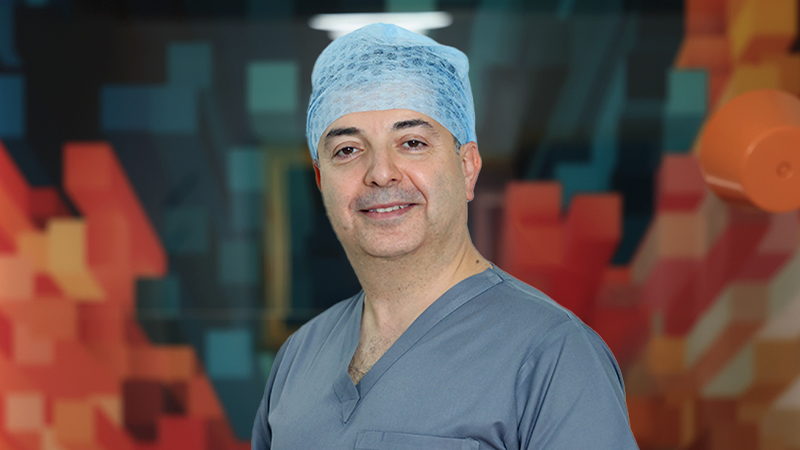
Mr Samer Hamada – Consultant Ophthalmic Surgeon
Mr Samer Hamada is a highly experienced cataract and corneal surgeon with particular expertise in refractive and monovision cataract surgery. He is known for his detailed assessments and for carefully selecting patients who are likely to adapt well to monovision. Patients value his clear explanations and balanced advice when weighing monovision against other lens-based options.
The Importance of Careful Assessment
Monovision works well only when planned correctly. During your consultation, your surgeon will assess:
- Eye dominance
- Your visual priorities and daily tasks
- Previous experience with contact lenses or monovision
- Corneal shape, eye length and ocular health
- How much near vision correction is appropriate
In some cases, a monovision trial or simulation may be recommended before surgery to help guide the decision.
Benefits of Monovision Cataract Surgery
Monovision may be appropriate if you:
- Reduced reliance on glasses for many activities
- Uses proven monofocal lens technology
- Lower risk of glare and halos compared to multifocal lenses
- A more natural visual experience for some patients
- Flexible and highly personalised planning
Limitations to Be Aware Of
Monovision is not about perfection at every distance. Some patients may still need glasses for specific tasks, such as prolonged reading or night driving.
There can also be a short adaptation period while the brain adjusts. Your surgeon will explain these trade-offs clearly so you can decide whether monovision fits your expectations.
The Monovision Cataract Surgery Process
1. Consultant-Led Assessment
Your assessment is carried out by a cataract specialist who takes time to understand your vision, lifestyle and goals.
2. Advanced Diagnostics
Precise measurements are taken to ensure accurate lens targeting and minimise refractive error.
3. Personalised Vision Planning
Your surgeon will recommend whether monovision is suitable and explain how each eye would be optimised.
4. Precision Cataract Surgery
Surgery is performed using modern techniques and equipment designed for safety and predictability.
5. Postoperative Review and Support
Your visual adaptation is monitored, with guidance provided during the adjustment period.
Why Choose London Cataract Centre for Monovision Cataract Surgery?
Dedicated cataract-only clinic
Our entire service focuses exclusively on cataract and lens surgery.
Consultant-led care
Every stage is overseen by an experienced cataract surgeon.
Refractive expertise
Strong emphasis on visual outcomes, not just cataract removal.
Advanced diagnostics
Precision measurements guide every decision.
Honest, pressure-free advice
Clear discussion of benefits, limitations and alternatives.
Outstanding safety record
Outcomes consistently exceed national benchmarks.
Frequently Asked Questions
Will monovision make my vision feel unbalanced?
Some people notice a mild difference between their eyes at first. Most patients adapt well over time as the brain learns to use each eye for different tasks. Your consultant will assess in advance whether you are likely to tolerate this comfortably.
Will I still need glasses?
Many patients significantly reduce their reliance on glasses after monovision cataract surgery. Some glasses may still be needed for specific tasks such as prolonged reading or night driving. This depends on your individual visual needs and priorities.
Is monovision better than multifocal lenses?
Neither option is universally better. Monovision suits some patients very well, while others prefer lens-based solutions such as multifocal or EDOF lenses. Your consultant will help you compare the options based on your eyes and lifestyle.
Can monovision be reversed?
In some cases, adjustments can be made using glasses or contact lenses. Additional treatment options may also be available if needed. Your surgeon will explain flexibility and possible next steps before surgery.
Is monovision safe?
Yes. The surgical procedure itself is the same as standard cataract surgery. The difference lies in the refractive planning rather than the operation.
Book a Monovision Cataract Surgery Consultation
If you’re considering cataract surgery and want to explore whether monovision could reduce your reliance on glasses, a specialist consultation is the best place to start.
At London Cataract Centre, we provide clear, consultant-led advice so you can make an informed and confident decision about your vision.
Contact us today to arrange your monovision cataract consultation.
Book Your Cataract Surgery Second Opinion
If you’d like an independent, consultant-led review of your diagnosis or treatment plan, our team is here to help. We provide clear, honest and personalised guidance so you can make fully informed decisions about your vision.
To arrange your Second Opinion Consultation, contact London Cataract Centre today.