
Multifocal Lenses for Cataract Surgery London

Multifocal Lenses for Cataract Surgery London
Get in Touch
Multifocal Lenses for Cataract Surgery in London
At London Cataract Centre, we offer multifocal intraocular lenses (IOLs), also known as multifocial lense implants, as part of our advanced cataract surgery options. Unlike standard monofocal implants, which correct vision at just one distance, multifocal lenses are designed to provide both near and distance vision. This allows many patients to enjoy greater independence from glasses for everyday tasks such as reading a book, checking a phone, or driving.
Multifocal lenses work by splitting light into separate focal points, usually for near and far vision. For patients who want to reduce their reliance on glasses but may not need the full range provided by trifocal implants, multifocal lenses are an excellent choice.
Who Is a Candidate for Multifocal Lenses?
Multifocal lenses are suitable for patients who want good distance and near vision without depending heavily on glasses. They are especially helpful for those who frequently switch between activities such as reading, socialising, and outdoor pursuits.
However, they are not ideal for every patient. People with certain eye conditions, such as macular degeneration or corneal disease, may not benefit fully from multifocal technology. At London Cataract Centre, we carry out detailed diagnostic testing and discuss your lifestyle needs before confirming whether multifocal lenses are right for you.
How Do Multifocal Lenses Work?
Multifocal IOLs use rings or zones within the lens to focus light at different distances. This optical design enables the eye to deliver clear images for both near and far objects, reducing the constant need to switch between glasses.
Because they divide light, multifocal lenses can sometimes reduce contrast sensitivity or cause glare and halos around lights, especially at night. Our surgeons carefully assess your suitability and provide clear guidance on what to expect so you can make an informed decision.
Benefits of Multifocal Lenses
- Reduced dependence on glasses: Clear near and distance vision for most daily tasks.
- Convenience: Easier transitions between activities such as reading and driving.
- Proven technology: Multifocal lenses have been used successfully for many years worldwide.
Limitations and Considerations
While multifocal lenses can reduce reliance on glasses, they are not a “glasses-free” solution for everyone. Some patients still require spectacles for intermediate tasks or in low-light situations.
Visual side effects such as halos or glare are possible, particularly in the early weeks after surgery. Your surgeon will explain these factors in detail and compare multifocals with other lens options, such as EDOF or trifocal implants.
The Procedure and Recovery
Cataract surgery with a multifocal lens is performed in exactly the same way as with any other IOL. The procedure is quick and comfortable, usually taking less than 20 minutes per eye under local anaesthesia.
Most patients notice improvements within days, although the brain may take several weeks to adjust fully to multifocal vision. Our team at London Cataract Centre will support you through every stage of recovery to ensure the best possible results.
Meet Our Surgeons

Mr Tariq Ayoub – Consultant Ophthalmic Surgeon
Mr Tariq Ayoub is a consultant ophthalmic surgeon with extensive expertise in cataract and refractive surgery. He has carried out thousands of successful procedures using advanced lens technologies such as toric, EDOF, multifocal, and trifocal implants. Mr Ayoub is dedicated to providing excellent outcomes tailored to each patient’s lifestyle and visual needs.
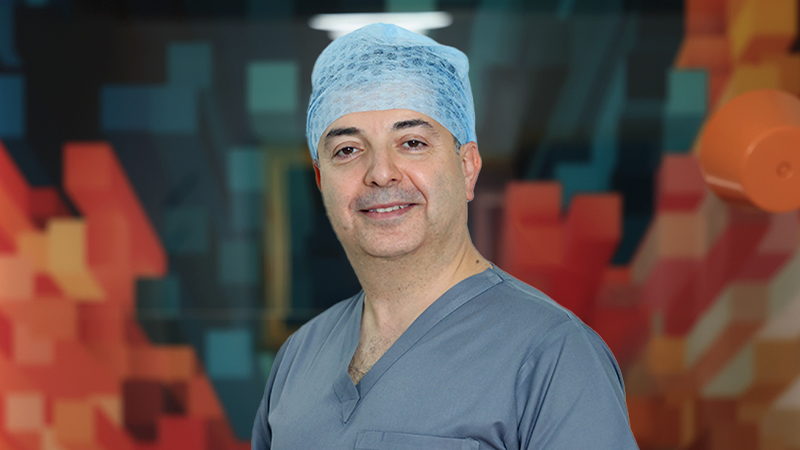
Mr Samer Hamada – Medical Directors & Consultant Ophthalmic Surgeon
Mr Samer Hamada is the Medical Director of London Cataract Centre and a consultant ophthalmic surgeon with more than 25 years of experience. A Fellow of the Royal College of Ophthalmologists, he has performed thousands of cataract and refractive procedures. Mr Hamada specialises in premium intraocular lenses, including trifocal implants, and is known for his precise surgical technique and patient-focused care.
Frequently Asked Questions
Will I still need glasses with multifocal lenses?
Many patients find they no longer need glasses for near and distance vision, which covers most daily tasks. However, you may still need glasses for intermediate work, such as computer use, or in certain lighting conditions. Your surgeon will help you understand what level of spectacle independence is realistic.
Do multifocal lenses cause glare or halos?
Yes, some patients experience glare or halos around lights, especially at night. These visual side effects are most noticeable in the early weeks after surgery. Over time, the brain usually adapts, and many patients find the symptoms less intrusive.
How do multifocal lenses compare with trifocal lenses?
Multifocal lenses typically provide two focal points — near and distance — while trifocals add an intermediate zone for tasks such as computer use. Trifocals may offer greater overall freedom, but multifocals often have slightly fewer side effects. The choice depends on your lifestyle and visual goals.
How long do multifocal lenses last?
Multifocal implants are designed to be permanent and last for life. Once placed during cataract surgery, they do not wear out or need replacement under normal circumstances. Rarely, other eye conditions developing later in life may affect their performance.
Are multifocal lenses available on the NHS?
Multifocal lenses are considered a premium cataract option and are not usually available on the NHS. The NHS generally provides standard monofocal implants, which restore clear distance vision but require glasses for other ranges. Patients seeking multifocals typically choose private cataract surgery.
Can multifocal lenses correct astigmatism?
Yes, multifocal lenses are available in toric versions, which can correct astigmatism during cataract surgery. This allows patients with astigmatism to also benefit from reduced reliance on glasses at multiple distances. Your surgeon will confirm suitability after detailed scans of your eyes.
What activities are best supported by multifocal lenses?
Multifocal lenses are particularly good for reading, socialising, and daily tasks that involve frequent near and distance changes. They are also useful for driving, although some patients prefer additional glasses at night. Your surgeon will help match the lens choice to your activities and lifestyle.
How quickly will I adapt to multifocal lenses?
Most patients begin noticing improved vision within days, but it can take weeks to adapt fully. The brain gradually learns how to process images from multiple focal points. Our team provides guidance and reassurance throughout this adaptation period.