


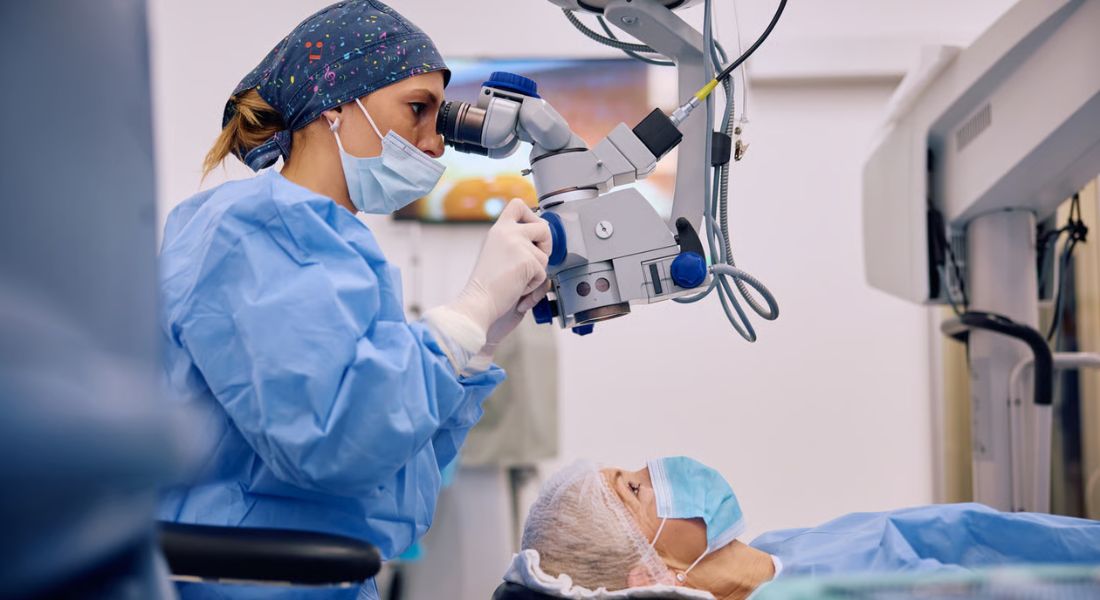
When you begin looking into refractive lens exchange, one question often stands out above the rest: how much does the surgeon really matter? As you explore your options, you may find a lot of information about procedures and results. It can feel a bit overwhelming when you are trying to decide what is best for your vision. Understanding the importance of the surgeon is a key part of making a confident choice.
You might first focus on the technology used, the different lens options, or even the clinic itself. These are all important factors and should be carefully considered during your research. However, there is a deeper aspect that often has a greater impact on your outcome. This is what can turn a result from simply “good” into something truly life-changing.
That deeper factor is the experience of the surgeon performing your RLE procedure. An experienced surgeon brings a high level of skill, along with the ability to make well-informed decisions. This helps ensure that your treatment is carefully planned and suited to your specific needs. It also provides reassurance that you are in capable hands throughout the process.
In this article, you will learn why surgeon experience matters so much in refractive lens exchange. You will see how it affects everything from surgical planning to lens selection and how challenges are managed. These elements all play a role in shaping your final results. If you are considering RLE, understanding this can help you make a more informed and confident decision.
What Is RLE Surgery and Why Precision Matters
Refractive lens exchange (RLE) is a procedure where your natural lens is replaced with an artificial intraocular lens. This is done to improve how your eyes focus and to correct vision problems more effectively. Unlike standard cataract surgery, the goal is not just to remove a cloudy lens but to enhance your overall vision. Because the treatment works inside the eye, a high level of precision is required at every stage.
With RLE, you are not simply hoping for a small improvement in your eyesight. You are expecting clear vision, accurate results, and long-term freedom from glasses or contact lenses. This naturally raises the expectations for the outcome. Even small variations in planning or technique can influence how well you see after the procedure, which is why precision is so important.
RLE is often recommended if you have a high prescription, are not suitable for laser eye surgery, or want to correct presbyopia. It is also a strong option if you are looking for premium visual outcomes and greater independence in daily life. Because every eye is unique, your treatment needs to be carefully tailored to suit you. This means it is not a routine or one-size-fits-all procedure, making expertise and attention to detail essential.
The Difference Between Competence and Expertise
When it comes to RLE, many surgeons meet the qualifications required to perform the procedure. However, qualification alone does not guarantee the highest level of care or outcomes. There is a clear distinction between basic competence and true expertise, especially in a procedure where precision and personalisation are essential. An experienced refractive surgeon brings refined judgement developed through extensive hands-on practice, which can significantly influence results.
- Anticipating Complications Early: An experienced surgeon has likely encountered a wide range of scenarios over time. This allows them to recognise subtle warning signs and prevent complications before they develop. Their proactive approach reduces risks and improves overall surgical safety.
- Personalising the Procedure: No two patients have identical visual needs or eye structures. A highly experienced surgeon understands how to tailor each step of the procedure accordingly. This ensures that the treatment plan aligns closely with the patient’s lifestyle and long-term expectations.
- Strategic Lens Selection: Choosing the right intraocular lens is a critical part of RLE success. An expert considers not just immediate vision correction but also how the lens will perform over time. Their decisions are guided by both technical knowledge and real-world patient outcomes.
- Real-Time Surgical Adaptability: During surgery, unexpected variations can occur even in routine cases. Experienced surgeons are able to adjust their technique instantly and effectively. This adaptability helps maintain precision and ensures the best possible visual outcome.
In conclusion, while many surgeons may be capable of performing RLE, expertise goes far beyond basic ability. It is built through years of experience, continuous refinement, and exposure to complex cases. This depth of knowledge allows for better decision-making before, during, and after surgery. Ultimately, choosing an experienced surgeon can make a meaningful difference in both safety and long-term vision quality.
Why Surgical Planning Depends on Experience

Before your surgery even begins, there is an important stage known as pre-operative planning. During this phase, your surgeon carefully examines your eyes in detail using advanced diagnostic tools. They decide which intraocular lens is most suitable, what kind of visual outcome to aim for, and how to manage any irregularities in your eyes. Although it may seem like a simple step, this stage plays a major role in the overall success of your treatment.
This part of the process is often underestimated, but it is one of the most critical elements of refractive lens exchange. An experienced surgeon knows how to interpret even the smallest details in your test results. They do not just rely on numbers alone but understand how those measurements translate into real-world vision. This deeper understanding helps them make more accurate and personalised decisions for your care.
For example, slight irregularities in your cornea can influence which lens will work best for you. Previous contact lens use may temporarily affect your eye measurements, and conditions like dry eye can reduce the accuracy of readings. A less experienced surgeon may simply follow standard guidelines without adjustment. In contrast, an experienced surgeon adapts those guidelines to suit your specific eyes, ensuring a more precise and reliable outcome.
Lens Selection: A Decision That Shapes Your Vision
Choosing the right intraocular lens is one of the most important decisions you will make when considering refractive lens exchange. There are several types of lenses available, including monofocal, multifocal, extended depth of focus (EDOF), and toric lenses for astigmatism. Each option is designed to meet different visual needs and expectations. Because of this, the choice you make can have a lasting impact on how you see and function in daily life.
Every lens type comes with its own benefits as well as certain trade-offs. For example, multifocal lenses may reduce your need for reading glasses but can sometimes cause visual effects such as halos. Monofocal lenses tend to provide very sharp vision at a single distance, although you may still need glasses for some tasks. EDOF lenses aim to offer a balance between clarity and range, giving you more flexibility in your vision.
An experienced surgeon will guide you through these options in a way that feels clear and personalised. They will consider your lifestyle, your visual priorities, and how comfortable you are with potential visual effects. This decision is not just about improving your eyesight, but about supporting the way you live your everyday life. A less experienced surgeon may suggest a lens based on general suitability, while an experienced one bases their recommendation on a deeper understanding of long-term patient satisfaction and outcomes.
Managing Complex Prescriptions

Not all eyes are straightforward, and this is an important point to understand when considering refractive lens exchange. You may have a high level of short-sightedness (myopia), long-sightedness (hyperopia), or astigmatism that affects how your vision behaves. In some cases, you may also have had previous eye surgery, which can change the structure of your eye. These factors can make the procedure more complex and require a more tailored approach.
When your prescription or eye condition is more complicated, experience becomes even more valuable. An experienced surgeon is likely to have managed a wide range of similar cases before. This means they understand how different conditions interact with intraocular lenses and how to plan accordingly. Their knowledge allows them to anticipate potential challenges and make careful adjustments throughout the process.
For example, high myopia can increase the risk of retinal complications, while irregular astigmatism may affect how well a lens performs. Previous eye procedures can also alter the shape or behaviour of your eye, which may influence surgical decisions. An experienced surgeon takes all of these factors into account when planning your treatment. This level of understanding helps ensure that both the technique and your expected outcomes are adjusted to suit your individual needs.
Precision During Surgery
RLE surgery is performed on extremely delicate structures that are measured in microns. This means that even the smallest movement or variation can influence your final visual outcome. Because the eye is so sensitive, accuracy is essential at every stage of the procedure. You are relying on a high level of precision to achieve the best possible results.
An experienced surgeon develops key skills that make a real difference during surgery. These include steady and controlled hand movements, an efficient and well-practised surgical flow, and the ability to stay calm under pressure. These qualities are built over time through repeated practice and real-world experience. As a result, the procedure is carried out more smoothly and with greater confidence.
This level of expertise helps reduce surgery time, lowers the risk of complications, and minimises stress on your eye. Even though advanced technology is used to support the procedure, the surgeon’s skill remains at the centre of everything. Technology can assist and enhance accuracy, but it cannot replace the judgement and control that come with experience.
Handling Unexpected Situations
No surgical procedure is completely predictable, and RLE is no exception. Even with thorough pre-operative planning, small variations can arise once the procedure is underway. These may include differences in eye structure, subtle movements, or minor technical challenges. In these moments, the surgeon’s experience becomes a critical factor in maintaining precision and ensuring the best possible outcome.
- Immediate Recognition of Issues: Experienced surgeons are highly attuned to subtle changes during surgery. They can quickly identify when something is not progressing as expected, often before it becomes a larger concern. This early detection allows for faster intervention and better control of the situation.
- Confident and Decisive Response: When unexpected situations occur, hesitation can increase risk. A seasoned surgeon has the confidence and knowledge to act quickly and effectively. Their ability to make informed decisions under pressure helps keep the procedure on track.
- Minimising Impact on Results: The goal is always to achieve the best possible visual outcome, even when challenges arise. Experienced surgeons know how to manage complications in a way that reduces their effect on final vision quality. Their refined techniques help preserve both safety and precision.
- Reduced Reliance on Standard Protocols: Less experienced surgeons may depend heavily on textbook approaches, which may not suit every situation. In contrast, an expert can adapt beyond standard protocols when needed. This flexibility allows for more personalised and effective problem-solving during surgery.
In conclusion, unexpected situations are a natural part of any surgical procedure, including RLE. What truly matters is how these situations are handled in real time. Experience enables faster recognition, confident decision-making, and precise adjustments that protect the final outcome. Choosing a surgeon with this level of expertise can make a significant difference in both safety and overall success.
Post-Operative Outcomes and Fine-Tuning
Your journey does not end once the surgery is complete, as the recovery phase is just as important. Post-operative care plays a major role in determining how well you see in the long term. During this period, your eyes are healing and adjusting to the new lens. This is why careful monitoring and guidance are essential for achieving the best possible outcome.
An experienced surgeon understands what normal healing should look like at each stage of recovery. They can quickly recognise when something is not progressing as expected and decide if any intervention is needed. Their goal is not only to ensure your eyes heal safely but also to optimise your visual results. This level of awareness helps you feel more confident and supported throughout the process.
In some cases, fine-tuning may be required to achieve the best vision. This can include small adjustments for any remaining prescription, laser touch-ups, or managing visual symptoms such as glare or halos. An experienced surgeon knows how and when to recommend these enhancements. This level of follow-up care is often what makes the difference between a good result and a truly exceptional one.
Reducing the Risk of Complications
All surgeries carry some level of risk, and refractive lens exchange is no exception. However, the experience of your surgeon can make a significant difference in reducing those risks. When you choose a highly experienced professional, you are placing your care in capable and well-practised hands. This can give you greater confidence as you move forward with the procedure.
Experienced surgeons often achieve lower complication rates, better visual outcomes, and higher levels of patient satisfaction. This is not just based on opinion but is supported by long-term clinical experience in ophthalmology. Their familiarity with a wide range of cases allows them to anticipate potential issues before they arise. As a result, your treatment is managed more safely and effectively.
Some of the possible risks in RLE include infection, inflammation, lens positioning issues, and retinal complications. While these complications are rare, they still require careful attention and proper management. An experienced surgeon knows how to minimise these risks and respond quickly if needed. This level of expertise helps ensure that your overall experience is as safe and successful as possible.
The Psychological Aspect: Confidence and Trust

There is another important factor that is often overlooked when preparing for surgery, and that is how you feel emotionally. Your mindset going into the procedure can influence your overall experience. When you feel calm and informed, the process tends to feel much more manageable. This is why confidence plays such a key role.
When you know your surgeon has extensive experience, it naturally builds a sense of trust. You feel more reassured that you are in safe and capable hands. This confidence can help reduce anxiety, improve your overall experience, and make you feel more in control of the situation. It allows you to approach the procedure with a clearer and more positive mindset.
You are not just choosing a medical procedure, but placing your trust in someone’s skill and judgement. That trust is built through experience, communication, and consistent results over time. Feeling secure in your decision can make the entire journey smoother and less stressful. In the end, this sense of trust can be just as important as the technical aspects of the surgery itself.
Why Experience Matters More Than Technology Alone
Modern eye clinics often place a strong emphasis on the technology they use. You may see advanced laser systems, detailed diagnostic tools, and a wide range of premium lenses being highlighted. These innovations are certainly impressive and play an important role in treatment. However, they are only part of the overall picture.
Technology is only as effective as the person using it, and this is where experience becomes essential. An experienced surgeon understands when to rely on technology and when to use their own clinical judgement instead. They know how to interpret results in the right context rather than following them blindly. This allows for more personalised and accurate decision-making throughout your treatment.
In simple terms, technology is there to support and enhance the surgeon’s skill, not replace it. You are not just choosing advanced equipment, but the expertise behind it. An experienced surgeon can combine both elements to achieve the best possible outcome for you. This balance is what truly makes a difference in your overall results.
Choosing the Right Clinic
While surgeon experience is essential, it often reflects the overall quality of the clinic you choose. A well-established and reputable clinic is more likely to work with highly experienced surgeons and maintain high standards of care. This means you are more likely to receive safe, effective, and personalised treatment. Looking at the clinic as a whole can help you make a more informed decision.
A good clinic will focus on patient outcomes rather than simply the number of procedures performed. You should expect a personalised consultation where your needs and concerns are carefully considered. They will also ensure you have access to experienced surgeons who can guide you through every step of the process. This approach helps create a more comfortable and reassuring experience for you.
If you are exploring options for RLE surgery in London, it is worth taking the time to research and understand what each clinic offers. Do not feel rushed into making a decision, as this is an important choice for your long-term vision. You deserve clear information, expert care, and a high standard of treatment. Taking your time can help ensure you achieve the best possible outcome.
The Long-Term Impact of Surgeon Experience
Refractive lens exchange is not just about the results you see immediately after surgery. It is also about how your vision performs over the years and even decades that follow. You want outcomes that remain stable and reliable as time goes on. This is why long-term thinking is such an important part of the process.
An experienced surgeon takes these long-term factors into careful consideration when planning your treatment. They think about how well the lens will perform over time, how your overall eye health may change, and how stable your vision is likely to remain. This approach helps ensure that your results are not only good now but continue to meet your needs in the future. It adds an extra layer of confidence to your decision.
Rather than focusing only on short-term success, an experienced surgeon aims for lasting visual quality. They understand that your vision is something you rely on every day. By planning with the future in mind, they help you achieve results that stand the test of time. This long-term perspective is a key part of what makes experience so valuable.
Realistic Expectations vs Ideal Outcomes
One of the most valuable things an experienced surgeon offers is honest and clear guidance. They help you understand what results are realistically achievable based on your eyes and overall condition. This includes explaining any limitations as well as the benefits of the procedure. With this level of clarity, you can make a more informed and confident decision.
They will also guide you through any trade-offs that may come with different treatment options. For example, certain lens choices may improve one aspect of your vision while slightly affecting another. An experienced surgeon will help you decide what outcome best suits your lifestyle and daily needs. This personalised approach ensures that your expectations are aligned with what can truly be achieved.
This kind of honest communication helps prevent disappointment and improves your overall satisfaction with the results. Less experienced surgeons may focus more on ideal or perfect outcomes that are not always realistic. In contrast, an experienced surgeon focuses on results that are achievable and tailored specifically to you. This makes your final outcome feel more natural and rewarding.
Experience in Managing Patient Expectations
Every patient approaches RLE with different priorities and lifestyle needs. Some may value crisp distance vision, while others focus on reading independence or clear night-time vision. Because of this, achieving satisfaction is not just about the procedure itself, but how well the outcome matches expectations. An experienced surgeon understands this balance and works to align clinical decisions with what truly matters to each individual.
- Understanding Individual Priorities: Experienced surgeons take time to explore what you want from your vision after surgery. Whether it’s driving, reading, or reducing dependence on glasses, these preferences shape the treatment plan. This personalised approach ensures your goals are clearly defined from the start.
- Aligning Surgical Planning with Expectations: Beyond technical accuracy, the plan must reflect realistic outcomes. A skilled surgeon explains what is achievable and tailors the procedure accordingly. This alignment helps avoid misunderstandings and leads to more predictable satisfaction.
- Balancing Trade-offs in Vision Correction: In many cases, improving one aspect of vision may slightly affect another. An experienced surgeon helps you understand these trade-offs clearly. This allows you to make informed decisions that best suit your lifestyle.
- Improving Overall Satisfaction Rates: When expectations are managed well, patients are more likely to feel satisfied with their results. Experienced surgeons consistently achieve this by combining clear communication with tailored care. Their approach builds trust and leads to better long-term outcomes.
In conclusion, managing patient expectations is a crucial part of successful RLE surgery. It goes beyond technical skill and requires clear communication, understanding, and personalised planning. Experienced surgeons excel in this area by aligning outcomes with individual goals. This not only improves satisfaction but also ensures patients feel confident and informed throughout their journey.
The Learning Curve in RLE Surgery
Like any specialised procedure, refractive lens exchange comes with a learning curve. Surgeons develop their skills over time as they perform more procedures and gain hands-on experience. They also encounter a wide range of eye conditions, which helps them build a deeper understanding of different cases. This gradual improvement allows them to refine their techniques and deliver more consistent results.
As a surgeon gains experience, their ability to make precise decisions and handle complex situations improves significantly. They learn from past cases and apply that knowledge to future patients. This means they are better prepared to manage variations and achieve more accurate outcomes. Their confidence and efficiency in surgery also continue to grow with time.
When you choose an experienced surgeon, you are benefiting from years of accumulated knowledge and practice. You are not part of their learning process but instead gaining from everything they have already learned. This can make a real difference in both your experience and your final results. It provides an added level of reassurance as you move forward with your treatment.
Why Experience Matters Even More for Premium Lenses
Premium lenses, such as multifocal or extended depth of focus (EDOF) lenses, require a higher level of precision during surgery. These advanced lenses are designed to provide a broader range of vision, which makes accuracy even more important. Even small errors in planning or placement can affect how well the lens performs. This is why experience plays such a key role when choosing this type of vision correction.
If the procedure is not carried out with enough precision, it can lead to visual disturbances, reduced clarity, or overall dissatisfaction with the results. Because premium lenses are more complex, they are less forgiving of minor variations. You are often expecting a higher level of visual performance, which increases the importance of getting every detail right. This makes the surgeon’s skill and judgement even more critical.
An experienced surgeon knows how to carefully select the right candidates for premium lenses and ensure the lens is positioned accurately. They also understand how to guide you through the post-operative adaptation period, which can take time with these lenses. This level of expertise helps maximise the benefits of your investment. If you are considering premium vision correction, choosing an experienced surgeon becomes even more important for achieving the best possible outcome.
Cost vs Value: A Perspective Worth Considering
It is completely natural for you to think about cost when considering refractive lens exchange. You may compare different clinics and surgeons based on their pricing. However, focusing only on the price can sometimes give a misleading picture. What truly matters is the overall value you receive from the treatment.
A more experienced surgeon may charge higher fees, but they often provide a higher level of care and expertise. This can include more detailed planning, better surgical precision, and stronger post-operative support. These factors can lead to better visual outcomes and a smoother overall experience. In many cases, this added value makes a meaningful difference in your results.
When it comes to your vision, it is important to think beyond short-term costs. You are making a long-term investment in how you see and experience the world every day. Choosing quality and experience can help ensure lasting satisfaction and peace of mind. This perspective allows you to focus on what truly matters for your future vision.
FAQs:
1. What is refractive lens exchange (RLE) surgery?
Refractive lens exchange is a procedure where your natural eye lens is replaced with an artificial intraocular lens to correct vision problems such as presbyopia, myopia, or hyperopia.
2. Why is surgeon experience important in RLE surgery?
Surgeon experience is crucial because it influences surgical precision, decision-making, complication management, and overall visual outcomes, both short-term and long-term.
3. Does a more experienced surgeon guarantee better results?
While no outcome can be guaranteed, experienced surgeons generally achieve more consistent results, lower complication rates, and higher patient satisfaction.
4. How does experience affect lens selection in RLE?
Experienced surgeons consider your lifestyle, visual priorities, and eye characteristics to recommend the most suitable intraocular lens, rather than relying only on standard guidelines.
5. Can an experienced surgeon reduce the risk of complications?
Yes, experienced surgeons are better at anticipating, preventing, and managing potential complications, which helps improve safety during and after surgery.
6. Why is pre-operative planning so important in RLE?
Pre-operative planning determines the lens type, surgical approach, and expected outcomes. Experienced surgeons interpret diagnostic data more accurately for personalised treatment.
7. What happens if something unexpected occurs during surgery?
An experienced surgeon can quickly recognise and adapt to unexpected situations, making real-time adjustments to maintain precision and protect your visual outcome.
8. Does surgeon experience matter more for premium lenses?
Yes, premium lenses such as multifocal or EDOF lenses require greater precision and expertise, making surgeon experience even more important for optimal results.
9. How does experience influence post-operative care?
Experienced surgeons provide better follow-up care, recognise healing patterns, and recommend fine-tuning treatments if needed to achieve the best vision.
10. Is it worth paying more for an experienced RLE surgeon?
In many cases, yes. A more experienced surgeon may charge higher fees but often delivers better outcomes, improved safety, and long-term value for your vision.
Final Thoughts: Choosing Experience for Lasting Vision
When it comes to refractive lens exchange, surgeon experience plays a central role in shaping your results. From detailed pre-operative planning to precise surgical execution and attentive aftercare, every stage benefit from a depth of knowledge that only comes with experience. This ensures your treatment is tailored to your unique vision needs, helping you achieve outcomes that feel natural, stable, and aligned with your lifestyle.
If you are thinking about RLE Surgery in London, taking the time to choose an experienced surgeon can make a meaningful difference in both safety and long-term satisfaction. If you’re thinking about RLE surgery in London, you can get in touch with us at London Cataract Centre.
References:
- Wallerstein, A., Gauvin, M., Trottier, P., Cohen, M., Lloyd, J., Racine, L., Albert, D., Ahmed, I.I.K. and Mimouni, M. (2023) Toric trifocal intraocular lens for refractive lens exchange: A multi-centre study, Journal of Refractive Surgery, 39(5), pp. 302–310. Available at: https://pubmed.ncbi.nlm.nih.gov/37162394/
- Zhang, F., Chen, X., Yu, A. and Wang, Q. (2024) Visual performance and patient satisfaction after trifocal intraocular lens implantation in presbyopic patients, Clinical Ophthalmology. Available at: https://pmc.ncbi.nlm.nih.gov/articles/PMC11264366/
- Pedrotti, E., Carones, F., Aiello, F., Mastropasqua, R., Bruni, E. and Marchini, G. (2023) Visual outcomes and patient satisfaction after bilateral refractive lens exchange with a trifocal intraocular lens , Journal of Clinical Medicine. Available at: https://pubmed.ncbi.nlm.nih.gov/37052874/
- Hancox, J., Spalton, D. and Boyce, J. (2024) A survey of intraocular lens preferences of UK refractive surgeons, BMC Ophthalmology. Available at: https://pmc.ncbi.nlm.nih.gov/articles/PMC11378387
- Cochener, B., Boutillier, G., Lamard, M. and Auberger-Zagnoli, C. (2018) A comparative evaluation of new-generation intraocular lenses for refractive lens exchange, Journal of Refractive Surgery. Available at: https://pubmed.ncbi.nlm.nih.gov/28396877/