


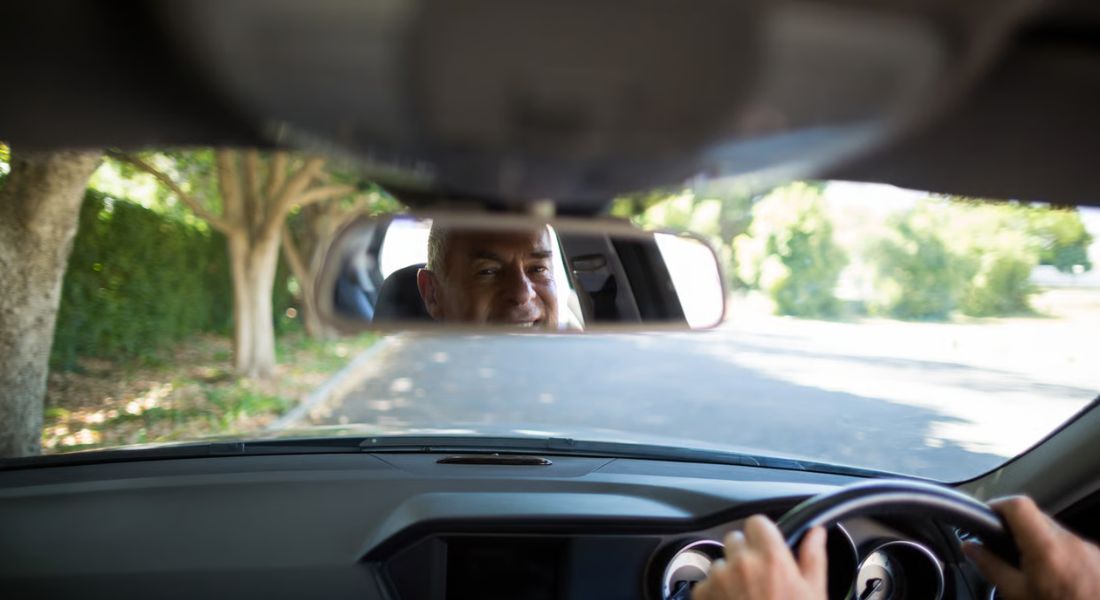
If you have ever struggled to read road signs clearly, felt uncomfortable driving at night, or found yourself reaching for your glasses before getting behind the wheel, you are not alone. Driving places specific demands on your vision, and even small issues can make a noticeable difference. These challenges can affect both your confidence and your sense of safety on the road. Understanding your options can help you feel more in control.
It is completely natural to ask whether refractive lens exchange can improve your driving vision. The reassuring answer is that, in many cases, it can make a significant difference. By correcting underlying vision problems, RLE can help you see more clearly in different driving conditions. This may include better distance vision, improved clarity, and reduced reliance on glasses.
However, like most things in eye surgery, the full picture is more detailed. The results can vary depending on your eyes, the type of lens used, and your individual needs. Not every outcome is exactly the same, and it is important to understand what to expect. This helps you form realistic expectations about your vision after the procedure.
In this guide, you will learn how RLE can affect your driving vision in practical terms. You will also discover what improvements you might notice and which factors can influence your results. This information will help you make a more informed decision. With the right understanding, you can approach your treatment with greater confidence.
Why Driving Vision Is Different from Everyday Vision
Driving is not just about seeing clearly in a general sense. It requires several visual skills to work together at the same time. When you are on the road, your eyes must respond quickly and accurately to changing situations. This makes driving vision more demanding than everyday visual tasks.
While driving, your eyes need to manage sharp distance vision, strong peripheral awareness, and good contrast sensitivity. You also rely on depth perception to judge distances and the ability to adapt to changing light conditions. These skills help you react safely to traffic, road signs, and unexpected events. All of this happens continuously and often at high speed.
Because you are processing so much information at once, even small vision problems can become more noticeable. Issues that seem minor during daily activities may feel more significant when you are behind the wheel. This is why clear and stable vision is especially important for driving. It directly affects both your confidence and your safety on the road.
How RLE Improves Distance Vision
One of the main goals of refractive lens exchange is to improve your distance vision. During the procedure, your natural lens is replaced with an artificial intraocular lens that is carefully selected for your eyes. This lens is chosen based on your specific prescription and visual needs. As a result, your ability to see clearly at a distance can improve significantly.
For many patients, this leads to a sharper focus on distant objects and clearer road signs. You may also notice an improved ability to judge distances while driving. These changes can make everyday activities, especially driving, feel easier and more comfortable. The improvement in clarity can have a positive impact on your overall confidence.
If you currently rely on glasses for driving, this can be a noticeable and meaningful change. Many people find that they can drive comfortably without needing corrective lenses after surgery. This added convenience can make a big difference in your daily routine. It allows you to enjoy greater visual freedom when you are on the road.
Night Driving: A Common Concern

Night driving is often one of the biggest concerns when you are considering refractive lens exchange. Many people notice that their vision feels more challenging in low-light conditions. This can make driving at night feel less comfortable and sometimes less safe. It is completely natural for you to want improvement in this area.
If you currently experience glare from headlights, halos around lights, or difficulty seeing clearly in the dark, you are not alone. These issues can make it harder to judge distances and react quickly on the road. They can also reduce your overall confidence when driving at night. Addressing these concerns is often an important goal for patients.
In many cases, RLE can help improve these visual problems, but the results can vary. The outcome depends on factors such as your eye health, the type of lens used, and your individual response to the procedure. It is important to have realistic expectations and understand that improvements may differ from person to person. With the right guidance, you can choose an approach that best supports your night driving vision.
Reducing Dependence on Glasses Behind the Wheel
One of the most noticeable benefits of refractive lens exchange is the reduced reliance on glasses. When you are driving, you may often depend on them to see clearly and feel confident. This can include reading your dashboard, recognising road signs, or navigating unfamiliar routes. Over time, this constant need for glasses can feel inconvenient and restrictive.
With RLE, many people find that their dependence on glasses is significantly reduced or even removed. The level of improvement depends on the type of lens chosen and your individual vision needs. This means you may no longer need to switch between different pairs of glasses while driving. It can make your overall experience feel much simpler and more comfortable.
Driving without the need for glasses often feels more natural and freeing. You do not have to worry about forgetting them or adjusting them while on the road. This added convenience can improve both your comfort and confidence behind the wheel. For many people, this is one of the most valuable benefits of the procedure.
What About Reading the Dashboard?
Driving is not only about seeing clearly at a distance. You also need to focus on objects up close, such as your speedometer, navigation system, and dashboard controls. These tasks require a different type of visual clarity. Being able to switch focus easily is important for a smooth and safe driving experience.
This is where the choice of intraocular lens becomes especially important. For example, monofocal lenses may provide excellent distance vision but could still require you to use reading glasses for close tasks. On the other hand, multifocal or extended depth of focus (EDOF) lenses are designed to offer a broader range of vision. This can help you see both near and far more comfortably.
An experienced surgeon will guide you in choosing a lens that matches your driving habits and daily needs. They will consider how often you drive, what type of driving you do, and your overall lifestyle. Finding the right balance between distance and near vision is key. This ensures you have comfortable and practical vision both on and off the road.
How RLE Can Improve Night Vision
For some patients, night driving becomes noticeably easier after refractive lens exchange. This is particularly true if your natural lens has started to lose its clarity over time. When the lens becomes less clear, it can affect how light enters your eye. Replacing it with a clear artificial lens can make a meaningful difference.
The new lens allows light to pass through more effectively, which can improve overall light transmission. It can also reduce light scatter, which is often responsible for glare and visual disturbances. As a result, your vision may feel clearer and more stable in low-light conditions. This can make night-time driving feel more comfortable and controlled.
You may notice that headlights and streetlights appear sharper and less distorted after the procedure. This improved clarity can help you judge distances more accurately on the road. It can also reduce the strain you may have previously felt when driving at night. For many people, this leads to a more confident and relaxed driving experience.
Understanding Halos and Glare
It’s important to have a clear and honest understanding of potential visual effects after RLE surgery. Certain types of intraocular lenses, particularly multifocal lenses, can sometimes cause halos or glare. These effects are a known trade-off for achieving greater independence from glasses. While they can be noticeable at first, most patients find they become less intrusive over time as the eyes and brain adjust.
- Halos Around Lights: Some patients may notice rings or halos around bright light sources, especially at night. This is more common with multifocal lenses due to the way they split light for different focal points. Although it can feel unusual initially, many people adapt to it over time.
- Glare in Low-Light Conditions: Glare may occur in dim environments or when facing oncoming headlights. This can make night-time activities like driving slightly more challenging in the early stages. However, the intensity of glare often reduces as healing progresses.
- Typically Mild and Temporary: In most cases, these visual effects are mild rather than severe. They tend to be most noticeable in the first few weeks after surgery. As the eyes recover, the brain gradually learns to filter them out.
- Neuroadaptation Over Time: The brain plays a key role in adjusting to new visual inputs. Over a few months, it becomes better at processing the images created by the new lens. This process, known as neuroadaptation, helps reduce the awareness of halos and glare.
In conclusion, halos and glare are recognised side effects of certain intraocular lenses, particularly in the early stages after RLE. While they can be noticeable at night, they are usually mild and improve over time. The brain’s ability to adapt plays a significant role in reducing their impact. With patience, most patients find these effects become far less disruptive in everyday life.
Choosing the Right Lens for Driving Comfort

Lens selection plays a very important role in how well you see while driving after refractive lens exchange. If driving, especially at night, is a top priority for you, this needs to be carefully considered. Different lenses offer different visual benefits and may affect your experience on the road. This is why the decision should always be personalised to your needs.
If driving comfort is your main focus, your surgeon may recommend lenses with fewer visual side effects and better contrast sensitivity. For example, monofocal lenses often provide crisp and high-contrast vision, which can be helpful for clear distance viewing. EDOF lenses aim to balance both range and clarity, offering more flexibility. Multifocal lenses can reduce your need for glasses but may sometimes introduce visual effects such as halos.
There is no single solution that works for everyone, as each option comes with its own advantages and trade-offs. The best choice depends on your lifestyle, daily activities, and personal preferences. An experienced surgeon will guide you through these options in a clear and practical way. This helps ensure that your final decision supports comfortable and confident driving.
Contrast Sensitivity: The Hidden Factor
Most people naturally focus on how sharp their vision is, but contrast sensitivity is just as important when it comes to driving. This refers to your ability to distinguish objects from their background, especially when the difference is subtle. It plays a key role in how clearly you can see in more challenging conditions. Without good contrast sensitivity, even clear vision may not feel fully effective on the road.
This becomes especially important in situations such as driving in fog, during rain, or in low-light environments. In these conditions, objects may not stand out clearly, making it harder to react quickly. Good contrast sensitivity helps you identify hazards, road markings, and other vehicles more easily. This directly affects both your confidence and safety while driving.
Refractive lens exchange can help improve contrast sensitivity by replacing a less efficient natural lens with a clearer artificial one. However, it is important to note that some premium lenses may slightly reduce contrast compared to monofocal lenses. This is why personalised planning is so important when choosing the right option. Your surgeon will help you find the best balance for your specific driving needs and lifestyle.
Depth Perception and Judging Distance
Most people naturally focus on how sharp their vision is, but contrast sensitivity is just as important when it comes to driving. This refers to your ability to distinguish objects from their background, especially when the difference is subtle. It plays a key role in how clearly you can see in more challenging conditions. Without good contrast sensitivity, even clear vision may not feel fully effective on the road.
This becomes especially important in situations such as driving in fog, during rain, or in low-light environments. In these conditions, objects may not stand out clearly, making it harder to react quickly. Good contrast sensitivity helps you identify hazards, road markings, and other vehicles more easily. This directly affects both your confidence and safety while driving.
Refractive lens exchange can help improve contrast sensitivity by replacing a less efficient natural lens with a clearer artificial one. However, it is important to note that some premium lenses may slightly reduce contrast compared to monofocal lenses. This is why personalised planning is so important when choosing the right option. Your surgeon will help you find the best balance for your specific driving needs and lifestyle.
Reaction Time and Visual Clarity
Clearer vision does more than just improve your comfort while driving. It can also have a direct effect on how quickly you react to situations on the road. When your vision is sharp and stable, you are able to process what you see more efficiently. This can make a meaningful difference in real driving conditions.
When you can see clearly, you are more likely to recognise potential hazards at an earlier stage. This gives you extra time to respond and make safer decisions. You may also find that your reactions feel quicker and more natural. As a result, you feel more in control of your surroundings.
This improved sense of control can make driving feel less stressful overall. It is especially helpful in busy traffic or when you are driving in unfamiliar areas. You may feel more confident handling different situations as they arise. Over time, this can lead to a more relaxed and comfortable driving experience.
Adapting to Your New Vision
After refractive lens exchange, your brain needs time to adjust to the way your eyes now see the world. This is a normal part of the process and happens gradually. It can be more noticeable if you have chosen advanced lenses that provide a wider range of vision. Your visual system is learning to work in a new and more efficient way.
During this adaptation period, you may notice small changes in how your vision feels. This can include slight fluctuations in clarity, some awareness of halos at night, or minor changes in depth perception. These effects can feel unusual at first but are generally part of normal adjustment. Being aware of them in advance can help you feel more reassured.
In most cases, these changes are temporary and improve over time. Many patients adjust within a few weeks, while for others it may take a few months. As your brain adapts, your vision usually becomes more stable and comfortable. This adjustment period is an important step towards achieving your final visual outcome.
When Can You Start Driving Again?
This is one of the most practical concerns patients have after RLE surgery. While recovery is often quick, returning to driving depends on how soon your vision meets the required legal standard. For many people, this happens within a few days to a week, but individual healing times can vary. It’s important to prioritise safety and confidence rather than rushing back too soon.
- Meeting Legal Vision Requirements: You can resume driving once your vision meets the legal standards for your region. This ensures you are able to see clearly enough to drive safely. Your surgeon will typically confirm when you’ve reached this point.
- Typical Timeframe for Driving: Many patients are able to return to driving within a few days to a week after surgery. This depends on how quickly your vision stabilises and improves. Some may take slightly longer, especially if both eyes are treated separately.
- Following Medical Advice: Your surgeon’s guidance should always be your primary reference. They understand your specific case and recovery progress. Attending follow-up appointments helps ensure everything is healing as expected.
- Confidence Behind the Wheel: Even if your vision meets the legal requirement, you should feel fully comfortable before driving. Adjusting to new vision, especially with premium lenses, can take a little time. Being confident ensures safer and more relaxed driving.
In conclusion, most patients can return to driving relatively soon after RLE surgery, often within the first week. However, this depends on meeting legal vision standards and receiving approval from your surgeon. It’s equally important to feel confident and in control before getting back on the road. Taking a cautious approach helps ensure both your safety and the safety of others.
Realistic Expectations for Driving Vision
Refractive lens exchange can significantly improve your driving vision, but it is important to keep your expectations realistic. The aim of the procedure is to enhance clarity, reduce your dependence on glasses, and improve overall visual comfort. These improvements can make a noticeable difference in your daily driving experience. However, results can vary depending on your individual eyes and chosen lens.
It is also important to understand that RLE may not create perfect vision in every situation. For example, some people may still prefer to use glasses for night driving. Others may notice mild visual effects, such as halos or glare, in certain lighting conditions. Being aware of these possibilities helps you feel more prepared and satisfied with your outcome.
An experienced surgeon will guide you through what is realistically achievable for your specific case. They will explain the benefits as well as any limitations in a clear and honest way. This helps you make a well-informed decision that suits your lifestyle. With the right expectations, you are more likely to feel confident and happy with your results.
The Role of Surgeon Experience
The quality of your driving vision after RLE depends not only on the lens you choose but also on the experience of your surgeon. Skilled surgeons have the knowledge and expertise to manage every detail of the procedure with precision. Their experience can make a real difference in achieving the best possible outcome for your vision.
An experienced surgeon ensures that all measurements are accurate, the lens is placed precisely, and the most suitable lens is selected for your eyes. These steps are essential to optimise your results and minimise any potential issues. Precision at every stage directly affects how well you see, particularly in situations that demand sharp vision, such as driving.
By choosing a surgeon with extensive experience, you increase the likelihood of clear, comfortable, and reliable vision. Their expertise helps manage both routine and complex cases effectively. This can give you added confidence, especially when it comes to seeing clearly on the road.
Everyday Driving After RLE
Once your eyes have fully healed after refractive lens exchange, driving often feels noticeably easier and more comfortable. Many patients find that they no longer rely on glasses or contact lenses as much. This freedom can make everyday driving feel much more natural and enjoyable.
You may notice that road signs appear clearer and more legible, even at a distance. Night driving can also feel less stressful as visual clarity improves and halos or glare become less pronounced. These improvements can give you greater confidence behind the wheel.
For many people, the positive changes in driving vision are one of the most rewarding benefits of RLE. Being able to drive comfortably without constant dependence on corrective lenses adds convenience and peace of mind. This enhanced visual freedom is often a key factor in overall satisfaction with the procedure.
Situations Where RLE Makes a Big Difference
Refractive lens exchange can be especially beneficial in certain situations. For example, if you have a high prescription, driving can be challenging with glasses or contacts. RLE can help correct your vision more effectively, making everyday driving much easier.
It is also helpful for people who struggle with progressive lenses while driving. These lenses can make it difficult to focus clearly at different distances, which can be frustrating on the road. Similarly, if you experience visual fluctuations with contact lenses, RLE can provide more stable and consistent vision.
For those who want greater independence from glasses, the procedure can be life-changing. In these cases, the improvement in driving vision is often noticeable and can significantly enhance comfort and confidence behind the wheel. This makes RLE a practical solution for people looking for reliable, long-term visual clarity.
Balancing Vision for Different Activities
Clear vision affects much more than just your ability to drive it impacts every aspect of daily life. After RLE surgery, the goal is to create a balance that supports all the activities you regularly engage in. Different tasks require different focal points, so achieving a practical combination of distance, intermediate, and near vision is key. This personalised balance is what often determines overall satisfaction with the procedure.
- Distance Vision for Driving: Driving and other long-range activities require sharp distance vision. The surgeon ensures that lenses are selected and positioned to provide clarity for these critical tasks. Reliable distance vision is essential for safety and confidence on the road.
- Intermediate Vision for Everyday Tasks: Activities such as computer use, cooking, or viewing a dashboard require intermediate focus. Experienced surgeons consider these needs when planning lens selection. Proper intermediate vision ensures smooth performance in daily routines.
- Near Vision for Reading and Close Work: Reading, phone use, and other close-up tasks rely on near vision. Multifocal or carefully selected lens options can help reduce dependence on glasses. Balancing near vision with other focal points helps maintain independence and convenience.
- Personalised Vision Balance: Achieving the right mix of distance, intermediate, and near vision is tailored to your lifestyle. Surgeons consider your priorities and daily habits when planning the procedure. This approach maximises satisfaction and functional vision across all activities.
In conclusion, RLE surgery is not just about improving sight in one area but creating a harmonious visual experience for all daily activities. Distance, intermediate, and near vision are carefully balanced to match your lifestyle needs. Personalised planning ensures that your vision supports both safety and convenience. When executed well, this balance significantly enhances overall satisfaction and quality of life.
Choosing the Right Clinic
If you are considering RLE to improve your driving vision, selecting the right clinic is crucial. The clinic you choose should have a team that understands your lifestyle, priorities, and visual expectations. This personalised approach can make a significant difference in achieving the best possible outcomes.
A good clinic will provide clear guidance, answer your questions, and help you feel confident about your choices. They focus not just on the procedure itself, but also on how it fits into your daily life and needs. This ensures that your vision improvements are practical and meaningful.
Taking the time to research and choose carefully helps ensure your driving vision and overall visual comfort are optimised. Feeling supported and informed throughout the process can make your RLE experience smoother and more reassuring.
What Patients Often Say After Surgery

Many patients share similar experiences after undergoing refractive lens exchange. A common observation is that driving feels more natural and less stressful. They often notice a reduced reliance on glasses, which adds convenience and freedom to daily life.
Patients also frequently report an increase in confidence behind the wheel. Clearer, more stable vision allows them to feel safer and more in control. While individual results can vary, these changes often make a meaningful difference in everyday activities.
Overall, the impact on daily life can be significant. Improved vision not only helps with driving but also enhances comfort and independence in many other routine tasks. This is why RLE is such a valued option for people looking to improve their eyesight.
FAQs:
1. How does RLE surgery improve driving vision?
RLE replaces your natural lens with a clear artificial lens tailored to your prescription. This can improve distance clarity, reduce glare, and help you drive more comfortably.
2. Will I still need glasses for driving after RLE?
Many patients experience reduced dependence on glasses, especially for distance vision. The extent depends on the type of lens chosen and individual vision needs.
3. Can RLE help with night driving issues?
RLE can improve night vision by reducing light scatter and glare from headlights. However, results vary depending on lens type and individual eye characteristics.
4. What are halos and glare after RLE?
Some lenses, particularly multifocal ones, may cause temporary halos or glare around lights. These effects are usually mild and improve over time as your brain adapts.
5. How important is lens choice for driving comfort?
Selecting the right lens affects contrast sensitivity and distance vision, which are crucial for driving. An experienced surgeon can recommend the best lens for your lifestyle.
6. How does RLE affect reaction time on the road?
Clearer and more stable vision helps you recognise hazards sooner. This can lead to quicker responses and greater confidence while driving.
7. How soon can I start driving after surgery?
Many patients can return to driving within a few days to a week, depending on when vision meets legal requirements. Your surgeon will confirm when it is safe to resume.
8. Does RLE improve depth perception?
By providing sharper and more consistent vision, RLE can enhance your ability to judge distances. This is especially helpful in traffic or complex driving conditions.
9. How does RLE balance vision for different activities?
Advanced lenses can provide clear distance, intermediate, and near vision. Surgeons tailor lens selection to match your lifestyle, ensuring comfort for driving and everyday tasks.
10. What do patients usually notice after RLE when driving?
Many report reduced reliance on glasses, sharper vision, and improved confidence behind the wheel. Night driving often feels easier and less stressful.
Final Thoughts: Driving with Clearer, Safer Vision
Refractive lens exchange can make a meaningful difference to your driving experience, improving distance clarity, reducing reliance on glasses, and enhancing confidence behind the wheel. By carefully selecting the right lens and working with an experienced surgeon, many patients notice sharper vision, better contrast, and a more comfortable experience, even in challenging conditions like night driving. Understanding realistic outcomes and allowing time for your eyes and brain to adapt ensures a smooth transition to your improved vision.
If you’re considering RLE Surgery in London, you can get in touch with us at London Cataract Centre to explore how the procedure could enhance your driving vision and overall visual comfort.
References:
- Nagyova, D., Tappeiner, C., Blaha, A., Goldblum, D. and Kyroudis, D. (2025) Visual outcomes and patient satisfaction with extended monovision an innovative strategy to achieve spectacle independence in refractive lens exchange, Journal of Clinical Medicine, 14(16). Available at: https://www.mdpi.com/2077-0383/14/16/5684
- Kim, E.J., Sajjad, A., Montes de Oca, I., Koch, D.D., Wang, L., Weikert, M.P. and Al‑Mohtaseb, Z.N. (2017) Refractive outcomes after multifocal intraocular lens exchange, Journal of Cataract & Refractive Surgery, 43(6), pp. 761–766. Available at: https://pubmed.ncbi.nlm.nih.gov/28732609/
- Chang, J.S.M., Ng, J.C.M. and Lau, S.Y.F. (2012) Visual outcomes and patient satisfaction after presbyopic lens exchange with a diffractive multifocal intraocular lens Clinical Ophthalmology, 6, pp. 1245–1251. Available at: https://pmc.ncbi.nlm.nih.gov/articles/PMC4258327/
- Cochener, B., Boutillier, G., Lamard, M. and Auberger‑Zagnoli, C. (2023) Immediate sequential bilateral surgery in refractive lens exchange patients: clinical outcomes and adverse events. Available at: https://www.sciencedirect.com/science/article/pii/S0161642023002798
- Stewart, S.A., McNeely, R.N., Chan, W.C. and Moore, J.E. (2022) Visual and refractive outcomes following exchange of an opacified multifocal intraocular lens Clinical Ophthalmology, 16, pp. 1883–1891. Available at: https://pmc.ncbi.nlm.nih.gov/articles/PMC9191835/