



When you speak with your surgeon about ICL surgery, one of the most common concerns you may have is whether you will still need reading glasses afterwards. This is a completely natural question, as you are not only looking for clearer distance vision but also hoping for greater freedom from glasses in your daily life. It is important that this topic is discussed openly and honestly, rather than relying on assumptions or overly optimistic expectations. Having a clear understanding early on can help you feel more confident about your decision.
Many people assume that vision correction surgery will remove the need for glasses altogether, but this is not always the case. While ICL surgery can provide excellent distance vision, it does not directly address all aspects of how your eyes focus at different distances. This is why it is important to look beyond general expectations and understand how your individual vision may respond. Being well informed helps you avoid disappointment later on.
In this article, you will be guided through the reality of needing reading glasses after ICL surgery in a simple and practical way. You will learn what the procedure is particularly effective at, where its limitations lie, and how your age can significantly influence your near vision. These factors all play a role in determining your overall visual outcome after surgery. Understanding these elements will give you a clearer picture of what to expect.
The aim is to help you set realistic expectations so that you feel prepared and confident moving forward. When you know what the procedure can and cannot do, you are in a much better position to make the right decision for your vision. Clear expectations often lead to greater satisfaction after surgery. Your eye health and long-term comfort should always remain the top priority.
What ICL Surgery Is Designed to Do
ICL surgery is primarily designed to correct distance vision problems such as short-sightedness (myopia) and, in some cases, astigmatism. The procedure involves placing a specially designed lens inside your eye, which helps incoming light focus more accurately on the retina. This allows your vision to become clearer and more stable when looking at objects far away. As a result, you can experience a noticeable improvement in your distance vision.
The lens used in ICL surgery works alongside your natural eye rather than replacing any part of it. By improving how light is focused, it enhances clarity without permanently changing the structure of your eye. This makes it a suitable option for people who may not be ideal candidates for laser eye surgery. The overall aim is to provide sharp and reliable distance vision.
In everyday life, this improvement can make a real difference to how you see and function. Activities such as driving, watching television, recognising faces from a distance, and outdoor tasks often become much clearer without glasses or contact lenses. Many patients find this change both convenient and confidence-boosting. However, it is important to remember that these benefits mainly apply to distance vision rather than near tasks.
How the Procedure Works Inside Your Eye
During ICL surgery, a specially designed lens is carefully placed between your natural lens and the coloured part of your eye, known as the iris. This position allows the lens to work effectively without interfering with the natural structures of your eye. Importantly, your natural lens is not removed or replaced during the procedure. Instead, the ICL simply helps adjust how light is focused onto the retina, improving your overall vision.
Because your natural lens remains in place, your eye continues to function in its normal way after the surgery. This means that the natural focusing ability of your eye is preserved, which is an important consideration for long-term vision. The procedure works as a form of correction rather than a replacement of any part of the eye. This approach makes it different from other surgical options that involve removing the natural lens.
As a result, your eyes will continue to age naturally over time, just as they would without surgery. This is one reason why ICL is often recommended for younger patients who still have healthy natural lenses. It allows you to improve your distance vision while maintaining the natural structure and function of your eye. Understanding this helps you see why certain vision changes, such as those related to age, can still occur later on.
What ICL Surgery Does Not Change
While ICL surgery is very effective at improving your distance vision, it does not stop the natural ageing process of your eye. Your internal lens will still gradually change over time, which can affect how well you focus on close objects. This is a normal part of ageing and happens whether you have surgery or not. Many people are not fully aware of this before considering the procedure.
Because your natural lens remains in place, your eye continues to behave as it normally would over the years. This means that any age-related changes in focusing ability will still occur. The surgery improves how you see at a distance, but it does not prevent these natural developments. Understanding this distinction is important when setting your expectations.
As a result, even if your distance vision becomes excellent after surgery, your near vision will still depend on how your eyes change with age. You may find that close-up tasks become more difficult over time. This is why reading glasses can still become necessary in the future, regardless of how successful the surgery is. Being aware of this helps you plan realistically for your long-term vision needs.
The Difference Between Distance and Near Vision
Distance vision and near vision are controlled by different mechanisms within your eye. Distance vision mainly depends on how light is focused onto the retina, which is exactly what ICL surgery is designed to correct. By improving this focus, the procedure can give you much clearer vision when looking at objects far away. This is why many patients notice a strong improvement in their distance clarity after surgery.
Near vision, however, works in a different way and relies on the flexibility of your natural lens. This lens changes shape to help you focus on close objects such as books, phones, or small print. It is a natural process that allows your eyes to adjust between different distances. Because ICL surgery does not replace or modify this lens, it does not directly improve near focusing ability.
As you get older, your natural lens gradually becomes less flexible, which makes it harder to focus on nearby objects. This change is a normal part of ageing and affects everyone over time. Since ICL surgery does not alter this process, it cannot prevent this decline in near vision. Understanding this difference helps you see why reading glasses may still be needed later on.
Why Near Vision Problems Develop Naturally
Near vision decline is not a disease or a complication caused by surgery; it is a natural process known as presbyopia. This change usually begins gradually in your early to mid-40s and continues to develop over time. It affects almost everyone, including those who have never needed glasses before. Understanding this can help you see that it is a normal part of ageing rather than something to be concerned about.
Presbyopia occurs because your natural lens slowly becomes less flexible, making it harder to focus on close objects. This reduced flexibility limits your eye’s ability to adjust between distances smoothly. As a result, tasks that once felt effortless may start to require more concentration. This change happens regardless of whether you have had vision correction surgery.
You may first notice that small print becomes more difficult to read or that you need to hold books, menus, or your phone slightly further away. These early signs are often mild and easy to overlook at first. However, they tend to become more noticeable as time goes on. Recognising these changes early can help you adapt more comfortably to your evolving vision needs.
Understanding Presbyopia Clearly

Presbyopia develops because the natural lens inside your eye gradually becomes thicker and less flexible as you age. This change reduces its ability to adjust shape when focusing on nearby objects. As a result, tasks such as reading or using your phone may begin to feel more demanding. You may notice that your eyes need extra effort or support to maintain clear near vision.
Because this is a natural ageing process, it will continue to occur even after ICL surgery. The procedure improves how you see at a distance, but it does not prevent these internal changes within your lens. This means your near vision can still decline over time. Understanding this helps you avoid confusion about what the surgery can realistically achieve.
For this reason, some patients feel surprised when they need reading glasses later in life despite having excellent distance vision after surgery. The improvement in distance clarity does not remove the effects of presbyopia. You may still require support for close-up tasks as your eyes change with age. Being aware of this in advance allows you to set practical and realistic expectations.
Age and Its Impact on Reading Glasses After ICL
Your age at the time of surgery plays a crucial role in determining whether you may need reading glasses afterwards. Younger individuals typically retain a strong natural focusing ability, allowing them to see clearly at both near and far distances without additional support. This means that, in many cases, they may not require reading glasses immediately following the procedure. However, vision needs can change over time, and age remains an important factor to consider.
- Younger Patients and Natural Focusing Ability: Younger patients often have flexible eye lenses that can easily adjust focus between distances. This natural ability, known as accommodation, allows them to maintain clear near vision without relying on reading glasses. As a result, they are less likely to need additional visual support straight after ICL surgery.
- Onset of Presbyopia with Age: As people reach their 40s and beyond, the eye’s natural lens gradually becomes less flexible. This condition, known as presbyopia, makes it harder to focus on close objects. Even after successful ICL surgery, this age-related change can lead to the need for reading glasses.
- Surgery Does Not Prevent Ageing Changes: While ICL surgery effectively corrects refractive errors such as short-sightedness or long-sightedness, it does not stop the natural ageing process of the eyes. The development of presbyopia is a separate issue that occurs regardless of the procedure. Therefore, patients should have realistic expectations about long-term vision.
- Long-Term Vision Expectations: It is important to understand that vision outcomes are influenced by both the surgery and natural ageing. Some patients may enjoy years without needing reading glasses, while others may require them sooner. Planning ahead and discussing expectations with your specialist can help you feel more prepared.
In my view, age is one of the most important factors when considering the need for reading glasses after ICL surgery. While younger patients often benefit from strong natural focusing ability, this advantage gradually decreases over time. The onset of presbyopia is a normal part of ageing and cannot be avoided through surgery alone. Understanding this helps set realistic expectations and supports better long-term satisfaction with your vision.
If You Are Under 40
If you are under 40, your natural lens is usually still flexible and able to focus well on near objects. This means your eyes can adjust easily between distance and close-up tasks in everyday situations. After ICL surgery, most people in this age group enjoy clear distance vision without needing glasses for routine activities. You are likely to feel a noticeable improvement in how easily you can see and function.
Because your near focusing ability is still strong, you may not need reading glasses at this stage. Tasks such as reading, using your phone, or working on a computer often remain comfortable and clear. This can give you a sense of freedom from glasses in many parts of your daily life. However, this benefit is linked to your current lens flexibility rather than the surgery itself.
It is important to understand that presbyopia will still develop as you get older. Even if your vision feels excellent after surgery, natural ageing changes will eventually affect your near focus. This means reading glasses may become necessary later in life. Being aware of this helps you prepare for future changes without unexpected surprises.
If You Are in Your 40s
If you are in your 40s, early presbyopia often begins to develop, even if the changes are not yet very noticeable. You may find that you need brighter lighting or that you hold reading material slightly further away to see it clearly. These are common early signs and form part of the natural ageing process of your eyes. At this stage, your near vision may still be manageable, but small adjustments often start to appear.
After ICL surgery, you are likely to enjoy clear and sharp distance vision in your daily life. Activities such as driving or watching television can feel much easier without glasses. However, your near vision may still require support, especially for tasks like reading or using your phone. This is because the surgery does not affect the natural changes happening within your lens.
Since ICL surgery does not reverse or stop presbyopia, the need for reading glasses can still arise. Depending on how much your near vision has already changed, you may notice this need sooner rather than later. This is a normal outcome and not a sign that the surgery was unsuccessful. Understanding this helps you approach your results with realistic expectations.
If You Are Over 50
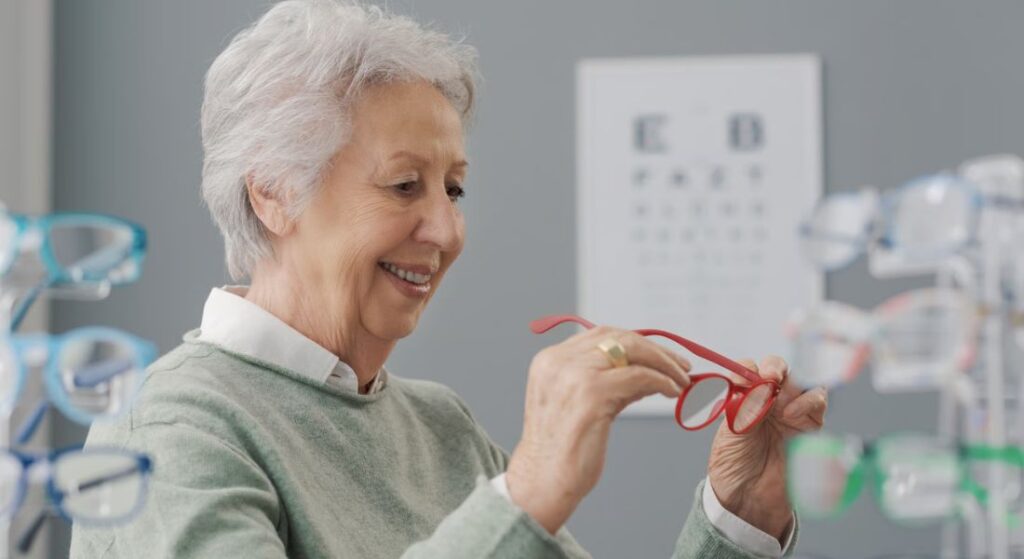
By the time you are over 50, presbyopia is usually well established and reading glasses are often part of everyday life. Your natural lens has typically lost much of its flexibility, making it harder to focus on close objects. This happens regardless of whether you have had ICL surgery or not. It is a normal stage in the ageing process of your eyes.
After ICL surgery, the main benefit you can expect is a clear improvement in your distance vision. Activities such as driving, walking outdoors, and watching television often become much sharper and more comfortable. You may find that you no longer need glasses for these distance tasks. This can still make a meaningful difference to your daily routine.
However, you will likely continue to need reading glasses for close work such as reading, using your phone, or looking at fine details. The surgery does not restore the flexibility of your natural lens or reverse presbyopia. This means near vision support remains necessary for most people in this age group. Understanding this helps you appreciate the benefits of surgery while accepting its limitations.
Why ICL Does Not Stop Ageing Vision
One of the most important things to understand is that ICL surgery corrects your vision but does not change the natural ageing process of your eye. Your natural lens remains in place after the procedure and continues to develop over time. This means your eyes will age in the same way they would have without surgery. The procedure improves clarity, but it does not interfere with how your eye naturally evolves.
Because your natural lens is still present, it will gradually lose flexibility as you get older. This affects how well you can focus on close objects, especially during reading or detailed work. These changes are completely normal and happen to everyone over time. ICL surgery does not prevent or slow down this process.
As a result, while your distance vision may improve significantly after surgery, your near vision will still follow its natural ageing path. You may eventually notice the need for reading glasses, even if your surgery outcome is excellent. This does not mean the procedure was unsuccessful. It simply reflects the normal behaviour of your eyes as they age.
Common Misunderstandings About ICL
Many people believe that vision correction surgery will remove the need for all types of glasses for life. This expectation can lead to disappointment or confusion when reading glasses are still required later on. It is important to understand that distance vision correction and age-related near vision changes are two separate issues. Having a clear understanding of this distinction helps set realistic expectations before and after surgery.
- Expectation of Permanent Glasses-Free Vision: A common misconception is that ICL surgery will completely eliminate the need for glasses in all situations. While it significantly improves distance vision, it does not guarantee lifelong freedom from reading glasses. This misunderstanding often arises from not fully understanding how vision changes with age.
- Difference Between Distance and Near Vision: ICL surgery is designed to correct refractive errors that affect distance vision, such as short-sightedness or long-sightedness. However, near vision is influenced by the eye’s natural focusing ability, which changes over time. These are two separate aspects of vision that need to be considered independently.
- Presbyopia Is a Natural Ageing Process: The development of presbyopia is a normal part of getting older and affects nearly everyone. It reduces the eye’s ability to focus on close objects, leading to the need for reading glasses. This process occurs regardless of whether you have had ICL surgery.
- Needing Reading Glasses Does Not Mean Failure: Some patients worry that needing reading glasses later means the surgery was unsuccessful. In reality, ICL surgery may still have achieved excellent distance vision results. The need for reading glasses simply reflects natural ageing rather than any issue with the procedure.
In my view, understanding the limitations of ICL surgery is just as important as recognising its benefits. While it offers excellent correction for distance vision, it does not stop the natural ageing process of the eyes. Misunderstandings about this can lead to unrealistic expectations and unnecessary concern. A clear and informed perspective helps ensure long-term satisfaction with the results.
What You Can Expect Immediately After Surgery
Immediately after ICL surgery, you will usually notice a significant improvement in your distance vision. Everyday activities such as walking, driving, and watching television can appear much clearer without the need for glasses or contact lenses. This change often becomes noticeable within a short period, sometimes even within the first few days. For many patients, this early improvement feels both reassuring and encouraging.
Your eyes may still take a little time to fully settle, but the initial clarity at a distance is often quite striking. You may find that daily tasks become easier and more comfortable very quickly. This can give you a strong sense of independence from corrective lenses for distance vision. However, it is important to remember that this improvement mainly applies to how you see things far away.
Your near vision, on the other hand, may remain largely unchanged after the procedure. This is because your natural lens is still responsible for focusing on close objects such as books or phone screens. If you needed reading glasses before surgery, you will likely still need them afterwards. Understanding this helps you avoid confusion and sets clear expectations from the beginning.
Everyday Life After ICL Surgery
In your daily life after ICL surgery, you may notice a greater sense of independence as you rely less on glasses for most activities. Many people find that tasks such as travelling, exercising, or spending time outdoors become more convenient and enjoyable. Your distance vision often feels clearer and more natural, allowing you to move through your day with greater ease. This can make a noticeable difference to your overall comfort and confidence.
You may also find that simple routines become easier without the need to constantly reach for glasses. Activities like walking, driving, or socialising can feel more relaxed and uninterrupted. This freedom is one of the main reasons people choose ICL surgery. Over time, this improved clarity can become a normal and welcome part of your lifestyle.
At the same time, you may still keep a pair of reading glasses for close-up tasks. These might include reading small print, using your smartphone, or working at a computer for longer periods. This is particularly common if you are over 40 and experiencing natural changes in near vision. Having reading glasses available can help you stay comfortable and productive when focusing up close.
Monovision as a Possible Option
Monovision is sometimes offered as an option to help reduce your dependence on reading glasses after ICL surgery. In this approach, one eye is adjusted mainly for distance vision while the other is set to focus more on near tasks. This creates a balance between seeing far and close without relying as much on glasses. For some people, this can make everyday activities more convenient.
The success of monovision depends on how well your brain adapts to using each eye differently. Your brain learns to rely on the appropriate eye depending on whether you are looking at something near or far. This adjustment can take a little time and may feel unusual at first. In many cases, a trial with contact lenses is used beforehand to see how comfortable it feels.
However, monovision is not suitable for everyone and does not work equally well for all patients. Some people adapt easily and find it very helpful, while others may notice discomfort or a lack of visual balance. You might feel that your vision is less natural, especially in situations requiring sharp focus from both eyes. This is why careful assessment and discussion with your surgeon are important before choosing this option.
Limitations of Monovision
Although monovision can help reduce your reliance on reading glasses, it does not guarantee complete freedom from them. You may still find that certain tasks require additional visual support, especially in low lighting or when dealing with very fine detail. Activities that demand sharp focus, such as prolonged reading or detailed work, can sometimes feel less comfortable. This means you might still choose to use glasses in specific situations.
Your overall experience with monovision can also vary depending on your daily visual demands. Some environments or tasks may highlight the difference between your two eyes more than others. For example, night-time activities or extended screen use may feel slightly less natural. These factors can influence how effective monovision feels in your routine.
Because of this, careful assessment is always important before choosing this approach. In many cases, a trial using contact lenses is recommended so you can experience how it feels in real life. This allows you to decide whether the adjustment is comfortable and practical for your lifestyle. Ultimately, monovision is a personalised option that should be based on what feels most natural and suitable for you.
Long-Term Vision Changes After ICL
Over the long term, one of the main benefits of ICL surgery is the stability it provides for distance vision. Most patients continue to enjoy clear and consistent distance sight for many years after the procedure. However, near vision does not remain fixed in the same way and will continue to change naturally with age. This is an important distinction that helps patients understand what to expect over time.
- Stable Distance Vision Over Time: ICL surgery is known for delivering long-lasting improvement in distance vision. In most cases, patients experience stable results without significant changes for many years. This makes it a reliable option for correcting refractive errors affecting distance sight.
- Natural Ageing Affects Near Vision: Despite stable distance vision, the eye’s ability to focus on close objects gradually declines with age. This change is part of the normal ageing process and is known as presbyopia. It occurs independently of the ICL implant and cannot be prevented by surgery.
- Gradual Changes in Reading Ability: Over time, you may begin to notice difficulty when reading small print or focusing on close-up tasks. These changes tend to develop slowly and can become more noticeable in your 40s and beyond. Reading glasses often become helpful for maintaining comfort during near work.
- Implant Is Not the Cause of Vision Changes: It is important to understand that the ICL implant itself does not cause these long-term changes in near vision. The procedure continues to function as intended for distance correction. Any decline in near vision is simply due to the natural ageing of the eye.
In my view, understanding how vision evolves after ICL surgery is essential for setting realistic expectations. While distance vision often remains stable and clear, near vision will naturally change as part of the ageing process. These gradual shifts are normal and not a sign of any issue with the implant. Being aware of this helps patients feel more confident and prepared for their long-term visual journey.
Managing Expectations Realistically
Having realistic expectations is one of the most important parts of feeling satisfied after ICL surgery. The aim is not to achieve perfect vision at every distance for the rest of your life, but to significantly improve your overall vision. In most cases, this means clearer distance vision and a reduced reliance on glasses. Understanding this from the beginning helps you approach the procedure with a balanced perspective.
It is helpful to recognise that different aspects of your vision are affected in different ways. While distance vision is usually greatly improved, near vision may still change over time due to natural ageing. This does not take away from the benefits of the surgery, but it does highlight its limitations. Being aware of this allows you to make a more informed decision.
When you have a clear understanding before surgery, you are more likely to feel satisfied with your results afterwards. You can appreciate the freedom and clarity in your distance vision without feeling disappointed about near vision changes. Accepting that reading glasses may still be needed later on helps you adjust more easily. This realistic approach often leads to greater long-term comfort and confidence in your choice.
Why Personal Assessment Is Essential

Every eye is different, and your visual needs are unique to you. This is why a detailed consultation is an essential step before deciding on ICL surgery. Factors such as your age, prescription, overall eye health, and daily lifestyle all influence how successful the outcome is likely to be. Taking these elements into account helps create a clearer picture of what you can expect.
A personalised assessment allows your surgeon to evaluate how your eyes are likely to respond to the procedure. It can also help identify whether you may need reading glasses after surgery and to what extent. This level of detail ensures that your treatment plan is tailored specifically to you. As a result, you are better prepared for both the benefits and the limitations.
When your expectations are aligned with realistic outcomes, you are more likely to feel confident and satisfied with your decision. You can move forward knowing that your vision has been carefully assessed and planned. This reduces the chance of surprises after surgery. Ultimately, a personalised approach supports better long-term results and overall comfort.
FAQs:
1. Will I definitely need reading glasses after ICL surgery?
Not necessarily. If you are younger and have good natural focusing ability, you may not need reading glasses immediately. However, as you age, the likelihood of needing them increases due to natural changes in your eyes.
2. Does ICL surgery correct both distance and near vision?
ICL surgery is designed primarily to correct distance vision. It does not directly improve near vision, which depends on your natural lens and its ability to focus.
3. At what age do people usually start needing reading glasses after ICL?
Most people begin to notice the need for reading glasses in their early to mid-40s due to presbyopia, regardless of whether they have had ICL surgery.
4. If I need reading glasses later, does it mean the surgery failed?
No, needing reading glasses is not a sign of failure. It simply reflects the natural ageing process of your eyes and does not affect the success of your distance vision correction.
5. Can ICL surgery prevent presbyopia?
No, ICL surgery cannot prevent presbyopia. It improves how light is focused for distance vision but does not stop age-related changes in the natural lens.
6. Will I still need glasses for computer use after ICL?
It depends on your age and near vision. Some people, especially over 40, may prefer glasses for prolonged screen use to reduce strain and improve comfort.
7. Is there any way to avoid reading glasses after ICL surgery?
Options such as monovision may reduce dependence on reading glasses, but they are not suitable for everyone and may not eliminate the need entirely.
8. How soon after ICL surgery will I notice changes in my vision?
Most patients notice improved distance vision within a few days. Near vision typically remains the same as it was before surgery.
9. Will my near vision get worse over time after ICL?
Your near vision may gradually change with age due to presbyopia. This is a natural process and not caused by the ICL procedure.
10. Should I discuss reading glasses with my surgeon before surgery?
Yes, it is important to discuss your expectations and lifestyle needs with your surgeon. A personalised assessment will help you understand whether you are likely to need reading glasses in the future.
Final Thoughts: Reading Glasses After ICL Surgery
ICL surgery can significantly improve your distance vision and reduce your reliance on glasses for many everyday activities. Many patients enjoy clearer sight for tasks like driving and recognising faces, which can greatly enhance daily comfort and confidence. However, it is important to understand that while distance vision improves, the surgery does not address all aspects of how your eyes function over time.
As you age, natural changes such as presbyopia will still occur, affecting your ability to focus on close objects. This means that even after successful ICL surgery, you may eventually need reading glasses, particularly in your 40s and beyond. This is a normal part of ageing and not a reflection of the success or failure of the procedure.
If you are considering ICL surgery in London, having a personalised consultation is essential to understand your expected outcomes. A tailored assessment helps align your expectations with reality, ensuring you feel confident in your decision. If you’re considering ICL surgery in London, you can get in touch with us at London Cataract Centre.
References:
- Ma, Y. et al. (2025) The visual quality of patients with myopia and presbyopia after ICL V4c implantation, Graefe’s Archive for Clinical and Experimental Ophthalmology. https://pubmed.ncbi.nlm.nih.gov/40694076/
- Alfonso, J.F. et al. (2023) Clinical and aberrometric outcomes of a new implantable collamer lens for myopia and presbyopia correction, Journal of Refractive Surgery. https://pubmed.ncbi.nlm.nih.gov/37675906/
- Packer, M. et al. (2020) Performance and safety of the extended depth of focus implantable collamer lens, Clinical Ophthalmology. https://pmc.ncbi.nlm.nih.gov/articles/PMC7509320/
- Kamiya, K. et al. (2017) Outcomes after implantable collamer lens surgery in a Canadian cohort, Canadian Journal of Ophthalmology, 52(2), pp. 150-154. https://www.sciencedirect.com/science/article/abs/pii/S0008418216301089/
- Hernández-Matamoros, J.L. et al. (2025) Iridocorneal angle changes after implantable collamer lens (ICL) implantation: A 10-year follow-up study, Journal Français d’Ophtalmologie. https://www.sciencedirect.com/science/article/abs/pii/S0181551225003559/