


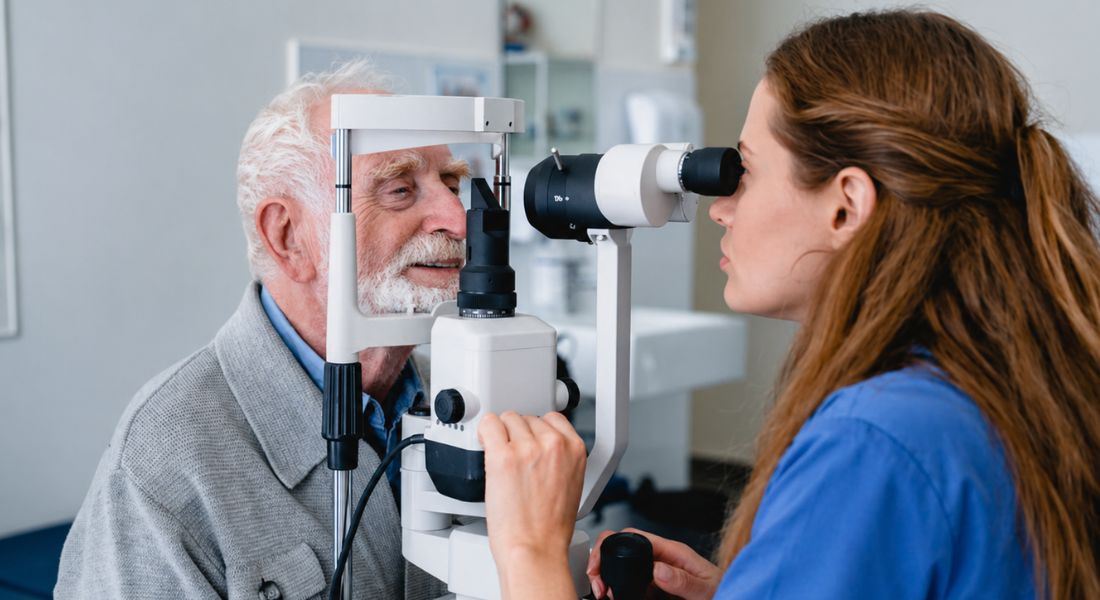
Vision changes are a common part of ageing, but they can affect much more than your ability to read or recognise faces. Reduced eyesight may also change how safely you move around your home each day. Areas that once felt familiar and easy to navigate can begin to present hidden challenges. As vision becomes less reliable, everyday tasks may require more attention and caution.
Many accidents involving older adults happen indoors rather than outside the home. Falls, trips, collisions, and difficulty navigating between rooms can become more common when vision declines. Even small changes in eyesight may affect how confidently you move through familiar spaces. Reduced visibility can increase uncertainty and make routine movement feel less secure.
Vision loss may affect your ability to notice obstacles, judge distances, or recognise changes in floor level. Items left on the floor, poor lighting, or uneven surfaces may become harder to detect. These factors can increase the risk of accidents, particularly in busy or cluttered areas of the home. Understanding how vision influences movement can help you identify potential risks more easily.
In this article, you will learn how vision loss can increase the risk of home accidents in older adults. We explore common hazards, explain why accidents occur, and discuss practical ways to improve safety. You will also discover how simple adjustments can reduce risk while supporting independence. Understanding these challenges allows you to make informed changes that improve comfort and confidence at home.
Why Vision Is Important for Home Safety
Vision plays an important role in helping you stay safe within your home. It allows you to recognise obstacles, judge distances, and move confidently through different spaces. Your eyes constantly collect information about flooring, furniture, stairs, and lighting without you needing to think about it. This visual awareness helps you navigate safely and respond quickly to changes in your surroundings.
Inside the home, vision supports nearly every daily activity. Walking through hallways, preparing meals, using the bathroom, and moving between rooms all depend on clear visual information. Small details, such as noticing an object on the floor or recognising a change in surface level, become essential for avoiding hazards. Good eyesight helps you complete routine tasks more comfortably and with greater confidence.
When your eyesight begins to change, everyday activities may become more demanding. You might rely more on memory, touch, or physical support to move safely around the home. Tasks that once felt automatic may require greater concentration and caution. These adjustments can increase the likelihood of accidents if hazards are not recognised in time.
How Ageing Affects Vision
Ageing naturally changes the way your eyes function over time. You may notice reduced sharpness, slower focusing, or increased sensitivity to glare as you get older. These changes can affect how clearly you see objects, surfaces, and lighting within your home. Even small differences in vision may influence how comfortably and safely you move around indoor spaces.
Certain eye conditions become more common with age and may affect your daily mobility. Conditions such as Cataracts, Glaucoma, and Macular Degeneration can reduce contrast, affect depth perception, and limit peripheral vision. These visual changes may make it harder to judge distances or recognise hazards around the home. Even mild vision impairment can influence confidence and increase the risk of accidents.
Visual decline often develops gradually, which means changes may not always feel obvious at first. Because your eyesight adapts slowly over time, you may not immediately realise how much it affects daily safety. Tasks that once felt simple may begin to require more attention or caution. Staying aware of these gradual changes can help you make practical adjustments before problems become more serious.
Why Falls Are Common in Older Adults With Vision Loss
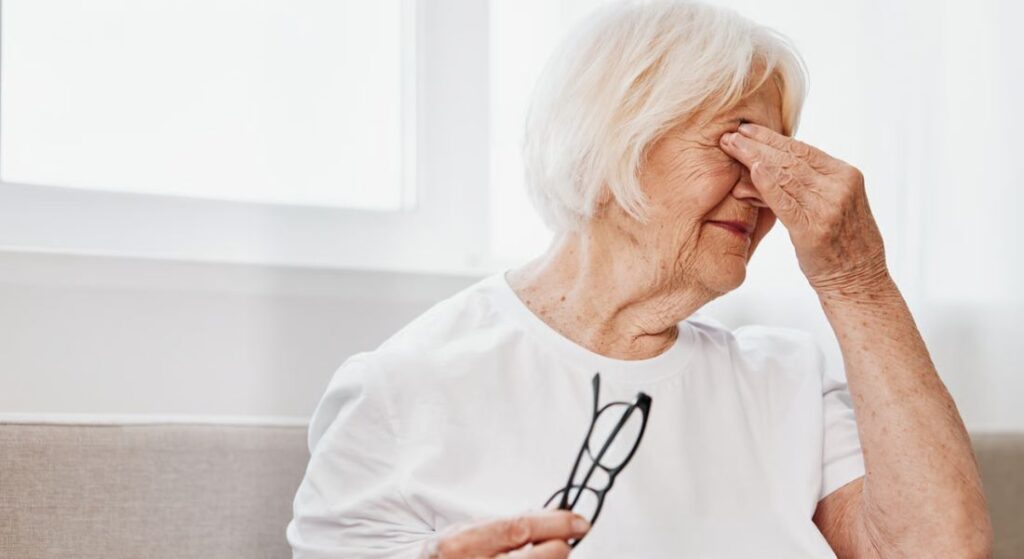
Falls are one of the most common accidents linked to reduced vision in older adults. Good eyesight helps you recognise uneven flooring, steps, loose rugs, and unexpected objects in your path. When visual clarity decreases, these hazards may become harder to detect in time. As a result, moving safely around the home can become more challenging.
Older adults may also experience slower balance responses as they age. Vision plays an important role in helping your body stay balanced and aware of position. When eyesight is reduced, your ability to compensate for changes in movement or footing may become less effective. This combination of reduced vision and slower balance can significantly increase the risk of falling.
Falls can have serious physical and emotional consequences. Injuries such as fractures, bruising, or head trauma may affect your mobility and reduce independence. Recovery can sometimes take longer in older age, making prevention especially important. Understanding the causes of falls can help you take practical steps to improve safety at home.
The Link Between Poor Vision and Trips
Poor vision can make it more difficult for you to notice small hazards within your home. Items that blend into the floor or sit in low lighting may become harder to detect, increasing the risk of tripping. Even familiar environments can present challenges when your visual awareness changes. As sight becomes less reliable, everyday movement may require greater attention and caution.
- Small Obstacles Become Harder to See: Rugs, electrical wires, clutter, and uneven flooring can easily go unnoticed when vision is reduced. These objects may blend into surrounding surfaces, making them difficult to identify in time. A simple household item can quickly become a tripping hazard.
- Familiarity Can Lead to Assumptions: You may feel confident moving around spaces you know well without paying close attention. Familiar routines can create a false sense of security, leading you to rely on memory rather than visual checking. This increases the chance of missing unexpected obstacles.
- Lighting Changes Affect Visibility: Poor lighting or sudden changes between bright and dim areas can make hazards less visible. Shadows may hide objects or distort how surfaces appear. Adequate lighting helps you recognise obstacles more clearly and move with greater confidence.
- Misplaced Items Increase Risk: A single object left in a walkway can become dangerous when vision is reduced. Items that are temporarily out of place may not be noticed until you are very close. Keeping pathways clear can reduce unnecessary mobility risks.
Trips linked to poor vision often result from everyday hazards that are easy to overlook. As visual clarity decreases, you may need to rely more on careful observation and home organisation. Regularly checking your surroundings can help you identify risks before they lead to accidents. Creating clear, well-lit pathways supports safer movement throughout your home.
How Reduced Contrast Sensitivity Creates Hazards
Contrast sensitivity allows you to distinguish objects from the background around them. It helps you notice differences between colours, shades, and surfaces within your home. This ability often declines with age and certain eye conditions, making visual details harder to separate. When contrast becomes reduced, navigation indoors may feel more difficult and less reliable.
For example, pale flooring and light-coloured furniture may begin to blend together visually. Step edges, door frames, or changes in floor level can become harder to identify clearly. This may make it more difficult to judge where to walk or place your feet safely. Reduced contrast can increase the chance of trips, missed steps, or accidental collisions.
Contrast loss is often subtle and may develop gradually over time. Many people do not realise how much it affects mobility until they begin experiencing difficulty or accidents. Small visual challenges can become more noticeable in dim lighting or unfamiliar spaces. Improving contrast within the home can make important features easier to recognise and support safer movement.
The Role of Lighting in Accident Prevention
Lighting is one of the most important factors in maintaining safety at home. Good lighting helps you see obstacles clearly, judge distances, and move with greater confidence. Dim or uneven lighting can reduce visibility and make familiar spaces feel less predictable. When lighting is poor, hazards may become harder to recognise before you reach them.
Hallways, staircases, and bathrooms are especially important areas to consider. These spaces are often used during the night, early morning, or in low-light conditions. Insufficient lighting in these locations can increase the risk of trips, slips, and missed steps. Improving visibility in frequently used areas can make movement safer throughout the day.
Bright and evenly distributed light can significantly improve confidence when moving around your home. Reducing shadows helps you identify floor changes, furniture edges, and other hazards more clearly. Simple lighting upgrades, such as brighter bulbs or additional lamps, may have immediate benefits. Better lighting supports safer navigation and can reduce the likelihood of accidents indoors.
Why Stairs Become More Dangerous
Stairs require clear vision and strong depth perception to use safely. You need to recognise the edges of each step quickly and judge the distance between them accurately. Your eyesight helps guide foot placement and maintain balance while moving up or down. When vision becomes reduced, this process may feel more difficult and less reliable.
Older adults may find it harder to judge the spacing or height of steps. Shadows, poor lighting, and reduced contrast can make stair edges less visible. This uncertainty may cause hesitation or increase the chance of missing a step. Even a small misjudgement on the stairs can lead to a serious fall or injury.
Handrails provide important support and can improve confidence when using stairs. They offer stability and help you maintain balance while moving between levels. Adding contrasting colours to stair edges can also make each step easier to identify. These simple adjustments can improve visibility and make stair use safer within the home.
Bathroom Risks for Older Adults With Vision Loss
Bathrooms can present several safety challenges, particularly for older adults with reduced vision. Wet floors, slippery surfaces, and hard fixtures create an environment where accidents may happen more easily. Limited space and reflective surfaces can also make movement feel less predictable. When eyesight changes, these everyday risks may become more noticeable and harder to manage safely.
Difficulty seeing water on the floor can increase the chance of slipping. Low contrast between tiles, walls, and bathroom fixtures may also make it harder to judge position and orientation. You may find it more difficult to identify edges, recognise changes in floor level, or move confidently in smaller spaces. These visual challenges can make routine bathroom use feel more demanding.
Simple adjustments can significantly improve bathroom safety. Grab rails provide extra support when standing, sitting, or moving around slippery areas. Non-slip flooring helps reduce the risk of falls, particularly near showers, sinks, and baths. Good lighting is equally important, as it improves visibility and makes hazards easier to recognise.
Kitchen Hazards and Reduced Vision
The kitchen contains many potential hazards, including sharp tools, hot surfaces, and moving liquids. Reduced vision can affect how clearly you judge distances and recognise risks while preparing food or moving around the space. Everyday tasks may require more concentration when visual detail becomes harder to see. This can create additional safety concerns during cooking and cleaning.
You may find it difficult to see stove controls, boiling liquids, or the exact placement of knives and utensils. Poor lighting can make these challenges more noticeable and increase the chance of burns or cuts. Reflections, steam, or cluttered worktops may also reduce visibility. When important items are harder to locate quickly, kitchen tasks can feel less predictable.
Organised storage can help improve visibility and make the kitchen easier to navigate. Keeping frequently used items in consistent and easy-to-reach locations reduces unnecessary searching. Clear worktops and simple layouts also help lower the risk of accidents. A well-organised kitchen supports safer cooking and greater confidence during daily activities.
Furniture Placement and Collision Risk
Furniture can become more difficult to navigate when your vision begins to decline. Sharp corners, narrow gaps, and low tables may not be noticed straight away, especially in low light or cluttered spaces. Objects that once felt easy to avoid can become unexpected obstacles. This may increase the risk of bumps, trips, or accidental collisions while moving around your home.
Keeping furniture in consistent positions helps create familiarity within your environment. Your brain develops a mental map of where items are located, making navigation feel more predictable. Frequently moving furniture can disrupt this awareness and make it harder to move confidently. A stable layout supports safer movement and reduces uncertainty indoors.
Open walking routes can improve mobility and make daily movement feel more comfortable. Avoiding overcrowded spaces gives you more room to move without needing to adjust your path constantly. Clear layouts also make it easier to recognise obstacles before reaching them. Simple organisation helps maintain confidence and reduces the likelihood of accidents.
The Impact of Peripheral Vision Loss
Peripheral vision helps you notice objects and movement outside your direct line of sight. When side vision becomes reduced, it can be harder to detect hazards positioned near your walking path. This may affect how confidently you move through rooms, particularly in tighter spaces or around corners. Even familiar areas can feel less predictable when your awareness of surrounding objects becomes limited.
- Difficulty Detecting Nearby Hazards: Reduced peripheral vision can make it harder for you to notice obstacles positioned to the side of your path. Furniture edges, door frames, or low objects may not enter your awareness until you are very close. This can increase the likelihood of accidental contact or misjudged movement.
- Higher Risk of Collisions: You may find yourself bumping into walls, tables, or objects that sit just outside your central vision. These collisions can occur because side awareness is reduced rather than because the object is unfamiliar. Everyday navigation may therefore require more conscious attention.
- Challenges in Narrow or Busy Spaces: Hallways, corners, and cluttered rooms can become more difficult to navigate when side vision is limited. You may struggle to judge how much space surrounds you while moving. This can make tight areas feel more restrictive or uncomfortable.
- Conditions Such as Glaucoma Affect Peripheral Vision: Peripheral vision loss is commonly linked to eye conditions like Glaucoma. As vision changes progress, you may need to adjust how you move around your environment. Slower movement and greater awareness can help reduce the chance of accidents.
Peripheral vision loss can significantly influence how safely you move around your home. Reduced awareness of surrounding objects may increase collisions and make navigation feel less certain. By adapting your movement and maintaining clear pathways, you can improve confidence indoors. Small adjustments often make daily mobility feel safer and more manageable.
Why Night-Time Accidents Are More Common

Vision often becomes less reliable in low-light conditions. Reduced brightness can affect contrast, depth perception, and the ability to recognise obstacles clearly. Areas that feel easy to navigate during the day may become more challenging at night. As visibility decreases, moving safely around your home may require greater caution.
Older adults may wake during the night to use the bathroom or move between rooms. Poor lighting in hallways, bedrooms, or staircases can increase the chance of trips or falls. Sudden transitions from darkness to bright light may also cause temporary disorientation. These changes can make night-time movement feel slower and less predictable.
Night lights can help create safer navigation during darker hours. Motion-activated lighting may be especially useful, as it provides illumination exactly when needed. Soft lighting along walkways or near doorways can improve visibility without being too harsh. Consistent lighting reduces uncertainty and helps you move around the home with greater confidence.
How Confidence Changes With Vision Loss
Vision loss affects more than just how you move around your home. It can also influence your confidence and overall emotional wellbeing. When your eyesight becomes less reliable, you may start to feel less certain about everyday movement. Fear of falling or bumping into objects can gradually change the way you approach familiar spaces.
Some individuals begin to avoid certain areas of the home, such as staircases, dimly lit rooms, or narrow corridors. This reduction in activity can slowly limit independence over time. You may also find yourself relying more on others or restricting movement to feel safer. As these patterns continue, feelings of anxiety can gradually increase.
Understanding this emotional impact is an important part of managing vision loss. Confidence is closely linked to how safe you feel within your environment. Practical home safety improvements can support both physical mobility and emotional reassurance. When risks are reduced, it often becomes easier to rebuild confidence and maintain independence.
Why Familiar Homes Still Present Risks
Many people assume that a familiar home is always completely safe. However, when your vision begins to decline, the way you interpret your surroundings can change. Familiarity alone cannot fully replace clear and reliable sight. Even in well-known spaces, reduced vision may make it harder to notice small but important details.
Small changes in your home layout can easily go unnoticed when vision is reduced. A chair that has been moved slightly, a bag left on the floor, or a misplaced item can quickly become a hazard. Even minor clutter in walkways may increase the risk of trips or collisions. These small differences can have a greater impact when visual awareness is reduced.
Regularly reassessing your home environment is therefore important for ongoing safety. Your needs may change gradually over time, especially if your vision continues to decline. Making adjustments when needed helps maintain a safer living space. Adapting your environment supports continued independence and reduces the risk of preventable accidents.
Common Household Hazards to Watch For
Certain hazards are commonly found in homes, especially where older adults live. Items such as loose rugs, poor lighting, clutter, and uneven flooring can all increase the risk of accidents. These everyday features may seem harmless, but they can become more dangerous when vision is reduced. Being aware of these risks is an important step in improving home safety.
Electrical cords stretched across walkways can easily create tripping hazards. Low furniture, small decorative items, or objects placed close to the floor may also be harder to notice. When visibility is reduced, these obstacles can blend into the surroundings and increase the chance of a fall. Taking time to identify these risks can help you move more safely around your home.
Simple modifications can often make a meaningful difference to safety. You do not usually need major renovations to reduce household hazards. Small changes, such as clearing walkways or improving lighting, can have a large impact on reducing accidents. Regular awareness and small adjustments can help create a safer and more comfortable living environment.
The Importance of Routine Eye Examinations
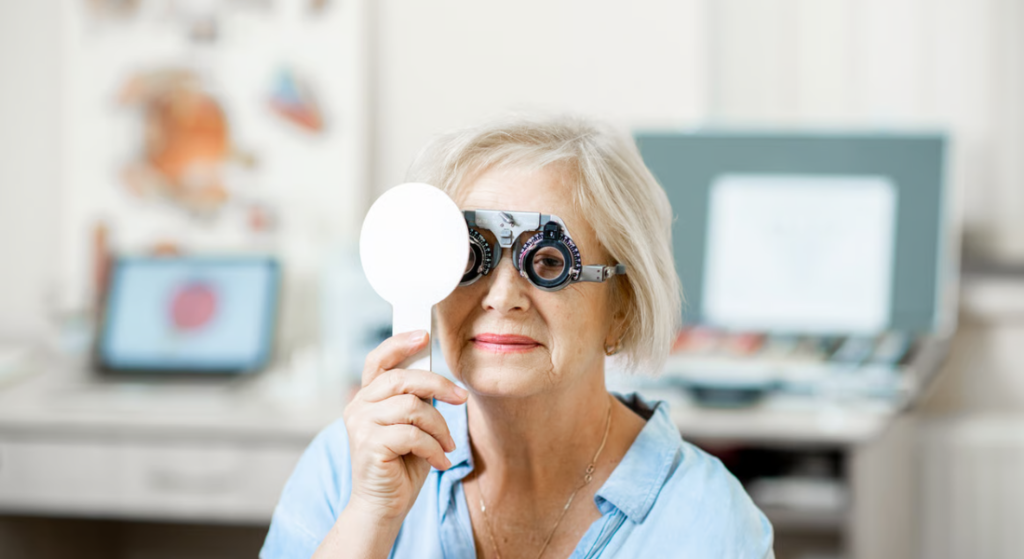
Regular eye examinations play a key role in helping you detect vision changes before they lead to accidents or mobility issues. Vision loss often develops gradually, which means you might not notice small changes in your sight straight away. Routine check-ups allow these changes to be identified early so that appropriate care or treatment can be provided. This helps you maintain both your vision and your confidence in daily movement. Taking a proactive approach to eye health is an important part of overall safety.
- Early Detection of Vision Changes: Regular eye tests help identify gradual changes in your vision that you may not notice in everyday life. Because vision loss can be slow, you might adapt without realising your sight is worsening. Early detection ensures you receive support before it begins to affect your mobility or safety.
- Management of Common Eye Conditions: Conditions such as Cataract, Glaucoma, and Age-related macular degeneration can significantly impact how you move around your home. These conditions may affect clarity, contrast, or peripheral awareness. Early diagnosis allows for treatment plans that can help slow progression and support safer mobility.
- Improved Safety Through Timely Intervention: When eye conditions are detected early, treatment or corrective measures can reduce the risk of accidents. You may find it easier to adapt your environment and daily habits when changes are managed promptly. This can help prevent avoidable falls or trips linked to declining vision.
- Supporting Long-Term Independence: Routine eye examinations are not just about vision correction, but also about maintaining your independence. By staying aware of changes in your eyesight, you can make informed decisions about your home environment and lifestyle. This proactive approach helps you continue moving safely and confidently.
Routine eye examinations are an essential part of protecting both your vision and your everyday safety. As changes in sight can be gradual, regular monitoring ensures problems are identified before they become more serious. Early care gives you the best chance of maintaining mobility and independence at home. By prioritising eye health, you support safer and more confident living over the long term.
Practical Home Adjustments That Improve Safety
There are several practical adjustments you can make at home that can improve safety quite quickly. Improving lighting, reducing clutter, and increasing contrast between surfaces can all help lower the risk of accidents. These changes are often simple to carry out and do not usually require major effort or expense. Small improvements can make your home feel easier and safer to move around in.
Removing unnecessary furniture can help create wider and clearer walkways. This gives you more space to move safely without needing to navigate tight gaps or obstacles. Installing handrails in areas such as stairs or bathrooms can also provide extra support where you need it most. Adding non-slip flooring or mats can further improve stability and reduce the chance of slipping.
Practical adaptations tend to work best when they are tailored to your specific needs and living space. Every home is different, and the challenges you face may not be the same as someone else’s. Making personalised changes ensures that improvements are useful and effective for your daily routine. When adjustments suit your environment, they can significantly improve both comfort and confidence at home.
Supporting Independence Despite Vision Loss
Vision changes do not automatically mean losing your independence. Many older adults continue living safely and comfortably at home by making thoughtful adjustments to their environment and routines. With the right adaptations, you can continue managing everyday activities while feeling more secure. The focus is on adjusting to change rather than giving up independence.
Support from family members can also make a positive difference. Simple environmental improvements, such as better lighting or clearer walkways, can help reduce stress and uncertainty in daily movement. When your home feels safer, it often becomes easier to move around with confidence. In many cases, independence improves when safety is prioritised.
Maintaining confidence is an important part of living well with vision loss. A safer and more organised environment encourages you to keep moving rather than avoiding certain areas. Practical solutions help reduce fear of accidents and support more active daily living. Over time, these changes can contribute to better wellbeing and greater independence.
FAQs:
1. Can vision loss in older adults increase the risk of accidents at home?
Yes. Reduced vision can make it harder to spot hazards, judge distances, and move safely, increasing the likelihood of falls, trips, and collisions indoors.
2. Why do most accidents in older adults happen at home?
Because people spend a lot of time in familiar environments and may underestimate risks. When vision declines, even known spaces can become unsafe if hazards are missed.
3. Which eye conditions commonly affect home safety in older adults?
Conditions such as Cataracts, Glaucoma, and Age-related macular degeneration can reduce clarity, contrast, and peripheral vision, making indoor movement more difficult.
4. How does poor vision increase the risk of falls?
Poor vision can make it harder to notice uneven flooring, loose rugs, clutter, or steps. This reduces reaction time and increases the chance of losing balance.
5. Why is lighting so important for preventing home accidents?
Good lighting improves visibility, reduces shadows, and helps you see obstacles more clearly. Poor lighting can hide hazards and make movement less safe.
6. Are stairs more dangerous for people with vision loss?
Yes. Stairs require good depth perception and contrast awareness. Reduced vision can make step edges harder to see, increasing the risk of missteps or falls.
7. How does contrast sensitivity affect safety at home?
Reduced contrast sensitivity makes it harder to distinguish objects from their background, such as light furniture on pale flooring, increasing accident risk.
8. What are common household hazards for older adults with vision loss?
Loose rugs, electrical cords, cluttered walkways, poor lighting, and uneven flooring are common hazards that can lead to trips and falls.
9. Can vision loss affect confidence in moving around the home?
Yes. Many older adults may feel less secure, move more cautiously, or avoid certain areas due to fear of falling or bumping into objects.
10. What simple changes can improve home safety for someone with vision loss?
Improving lighting, removing clutter, adding contrast to key areas, using handrails, and keeping furniture in consistent positions can all improve safety.
Final Thoughts: Vision Loss and Home Safety in Older Adults
Vision loss in older adults can significantly increase the risk of accidents at home, but these risks are not inevitable. As eyesight changes, everyday environments may become harder to judge, with obstacles, lighting issues, and reduced depth perception all contributing to a higher chance of trips or falls. The important thing to recognise is that many of these risks develop gradually, which means they can often be managed with early awareness and simple preventative steps.
By improving lighting, reducing clutter, increasing contrast, and making thoughtful adjustments to home layouts, you can create a safer and more supportive living space. Regular eye examinations also play a key role in identifying changes early and helping you stay ahead of potential problems. With the right combination of awareness, home modifications, and professional eye care, it is possible to maintain both safety and independence at home. If you’re looking to enhance your vision or need personalised guidance, our specialist team at the London Cataract Centre is here to help.
References:
- Dinarvand, D., Panthakey, J., Hassan, A. and Ahmed, M.H. (2024) Frailty and visual impairment in elderly individuals: improving outcomes and modulating cognitive decline through collaborative care between geriatricians and ophthalmologists. Diseases, 12(11), 273. Available at: https://www.mdpi.com/2079-9721/12/11/273
- Ivers, R.Q., Cumming, R.G., Mitchell, P. and Attebo, K. (1998) Visual impairment and falls in older adults: the Blue Mountains Eye Study. Journal of the American Geriatrics Society, 46(1), pp. 58–64. Available at: https://pubmed.ncbi.nlm.nih.gov/9434666/
- Gutiérrez-Robledo, L.M., Villasís-Keever, M.A., Avila-Avila, A. et al. (2021) Effect of cataract surgery on frequency of falls among older persons: a systematic review and meta-analysis. Journal of Ophthalmology. Available at: https://pubmed.ncbi.nlm.nih.gov/33815834/
- Wright, A., Carr, M.J. et al. (2024) Risk of falls and fractures in individuals with cataract, age-related macular degeneration, or glaucoma. JAMA Ophthalmology. Available at: https://pmc.ncbi.nlm.nih.gov/articles/PMC10870181/
- Tseng, V.L., et al. (2023) Cataract, glaucoma and diabetic retinopathy as independent risk factors for falls in older adults. Geriatric Nursing, 53, pp. 170–174. Available at: https://www.sciencedirect.com/science/article/abs/pii/S0197457223001623