


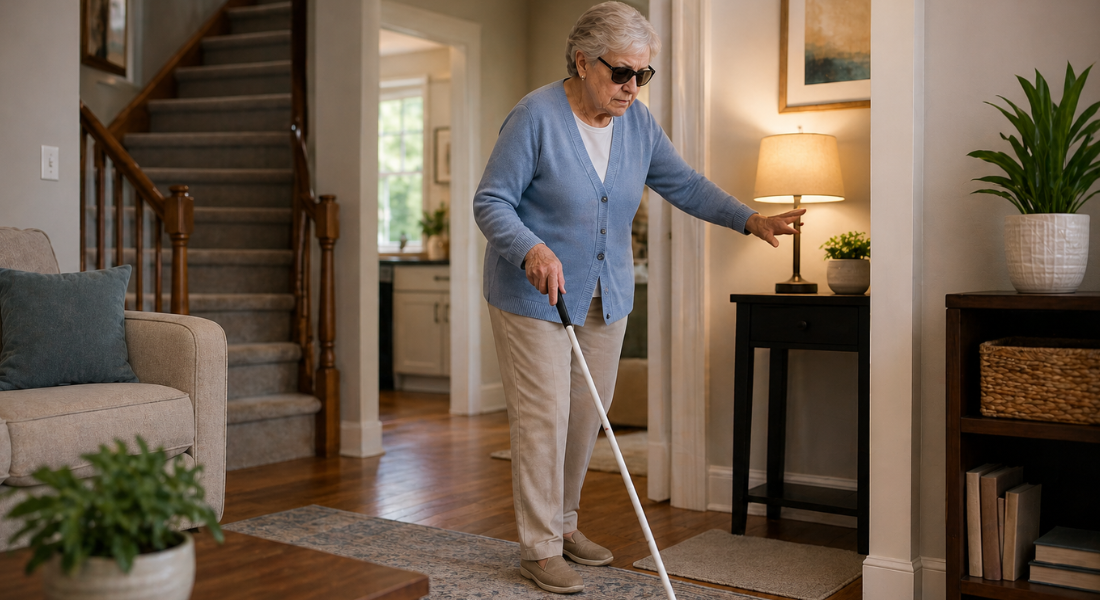
Vision plays a major role in how you move around your home each day. You depend on your eyesight to judge distances, spot obstacles, recognise steps, and move safely between rooms. Even in a familiar environment, your vision helps you feel confident and aware of what is around you. When your eyesight begins to change, simple activities such as walking to the kitchen or going upstairs may become more difficult than before.
Many people believe that mobility problems mainly happen outside the home. However, reduced vision can make indoor spaces more challenging than you might expect. Areas you once moved through without thinking may suddenly feel less predictable or harder to navigate. Small changes in eyesight can gradually increase the risk of trips, falls, and reduced confidence when moving around.
Vision loss can affect how you judge depth, notice objects, and recognise changes in floor level. Everyday features such as rugs, furniture corners, and narrow walkways may become harder to see clearly. You may also find it more difficult to move safely in dim lighting or unfamiliar parts of the house. These challenges can make routine movements feel slower and less secure.
In this article, you will learn how vision loss can affect movement inside the home. We explore common hazards, explain the importance of lighting, and discuss practical navigation strategies. You will also discover simple ways to improve safety while maintaining your independence. Understanding these changes can help you adapt your home environment to better support your daily life.
Why Vision Is Essential for Movement Indoors
Vision helps you understand the layout of your home and the spaces around you. You use your eyesight to recognise where furniture is placed, notice changes in floor surfaces, and spot objects that may block your path. Clear vision allows you to move from room to room with greater confidence and awareness. Without reliable visual information, you may depend more on memory, touch, or cautious movement to stay safe.
Even in a familiar home, your brain relies on visual processing to guide your movements. As you walk, your brain constantly judges distance, contrast, and depth without you having to think about it. These visual signals help you move naturally, avoid obstacles, and maintain balance. Most of the time, this process happens automatically in the background.
When your vision begins to decline, your brain receives less accurate information about your surroundings. This can make everyday movement feel slower, less certain, and more tiring. You may pause more often before stepping forward or feel unsure when approaching stairs or narrow spaces. Over time, these changes can affect how confidently you move around your home.
How Vision Loss Changes Spatial Awareness
Spatial awareness is your ability to understand where objects are positioned around you. Your vision helps you judge the location of furniture, walls, doorways, and other features within a room. Clear eyesight allows you to move through spaces while knowing how close or far away things are. When vision becomes reduced, your surroundings may start to feel less predictable and harder to judge accurately.
You may begin to misjudge distances, even in rooms that feel familiar to you. Door frames, table corners, or steps might appear closer or farther away than they actually are. This can make simple movement more difficult and increase the chance of bumping into objects. Small errors in distance judgement may also affect how safely you walk around the home.
Loss of spatial awareness often causes you to move more carefully indoors. You may slow your pace, pause before turning corners, or take extra time when walking through narrow areas. These changes are usually linked to reduced confidence rather than physical weakness. Moving more cautiously can become a natural response when your visual information feels less reliable.
Difficulty Recognising Household Obstacles
Small household obstacles can become much harder to notice when your vision is reduced. Items such as shoes, electrical cables, rugs, or pet toys may blend into the floor and become difficult to see clearly. Even objects that are only left in a walkway temporarily can create an unexpected hazard. What once seemed easy to spot may now require more attention and caution.
Vision loss can also reduce your ability to recognise sudden changes within your home environment. A chair that has been moved, an open cupboard door, or an item left on the floor may not stand out straight away. These small changes can increase the risk of tripping or accidentally walking into objects. Familiar spaces may feel less predictable when visual detail becomes harder to detect.
Clutter can become more dangerous as visibility decreases. Items placed along walking routes may create obstacles that are easy to miss. Keeping pathways clear and floors organised can make movement around your home safer and more comfortable. A tidy environment helps reduce hazards and supports greater confidence when moving indoors.
The Impact of Reduced Contrast Sensitivity
Reduced contrast sensitivity affects how clearly you can distinguish objects from their background. Inside your home, this becomes particularly important because many surfaces and furnishings share similar tones. When contrast is poor, everyday navigation may feel less certain, even in familiar surroundings. You may initially adapt without realising the change, but reduced visibility can gradually make movement more difficult and less predictable.
- Difficulty Identifying Edges and Steps: You may find it harder to recognise where one surface ends and another begins. Stairs, door frames, and raised flooring edges can blend into nearby walls or floors when colours appear similar. This can increase the chance of missing a step or misjudging distance.
- Challenges with Furniture Recognition: Light-coloured furniture placed against pale flooring or walls may become less noticeable. You might accidentally bump into objects that were once easy to spot. Even familiar layouts can feel different when visual contrast becomes reduced.
- Reduced Confidence During Movement: When you struggle to clearly see boundaries or objects, you may begin moving more cautiously. Walking through rooms can require greater concentration, especially in dim lighting. This can make everyday tasks feel slower or more tiring.
- Gradual Changes That Go Unnoticed: Reduced contrast sensitivity often develops slowly, making it difficult for you to recognise the change immediately. Familiarity with your home may help you compensate at first. Over time, however, small visual challenges can build up and affect your mobility.
Reduced contrast sensitivity can quietly influence how safely and comfortably you move around your home. While the changes may appear subtle at first, they can gradually affect confidence and awareness. Paying attention to lighting, colour contrast, and home layout can make navigation easier. Understanding these visual changes allows you to create a safer and more supportive environment.
Why Stairs Become More Difficult
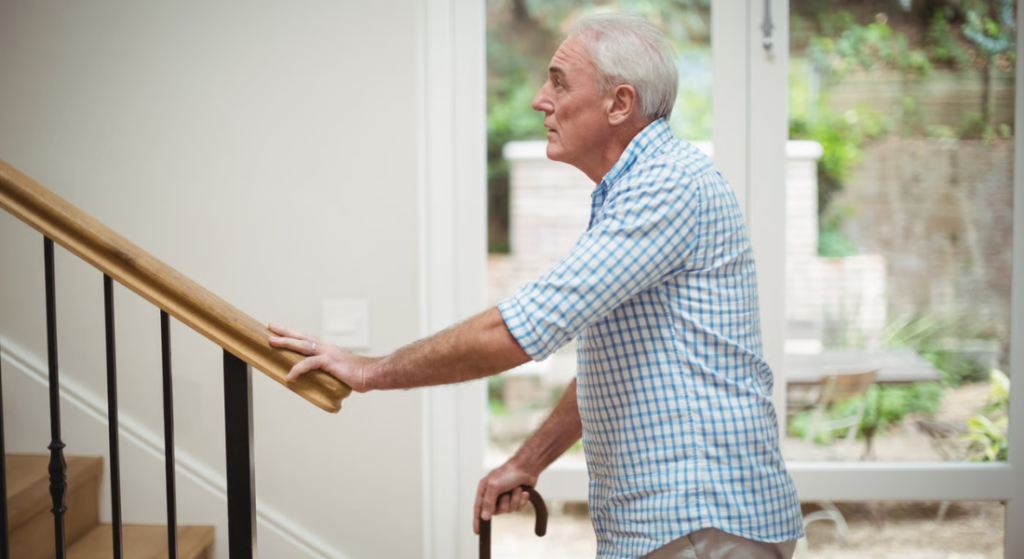
Stairs rely heavily on accurate vision to help you move safely. You need clear depth perception and good visual contrast to recognise where each step begins and ends. Your eyesight helps you judge height, distance, and the spacing between steps as you climb or descend. When vision changes, these visual cues may become less reliable, making stairs harder to navigate.
Reduced vision can make it difficult to distinguish the edges of each step. Steps may appear blurred, uneven, or harder to separate from one another. This uncertainty can cause hesitation when using stairs, even in a home you know well. A staircase that once felt routine may begin to feel less safe or more challenging to manage.
Poor lighting can make stair navigation even more difficult. Shadows may hide step boundaries or reduce contrast between surfaces. Dim areas can make it harder for you to judge where to place your feet securely. Handrails become especially important, as they provide added stability, guidance, and reassurance while using the stairs.
Changes in Depth Perception Indoors
Depth perception helps you judge height, distance, and the position of objects around you. It allows you to step over obstacles, avoid furniture edges, and move smoothly between different areas of your home. Your vision works with your brain to estimate how far away something is and how much space you have to move safely. When depth perception becomes reduced, indoor spaces may feel more difficult to judge accurately.
You may begin to hesitate when stepping onto rugs, crossing thresholds, or entering another room. Changes in floor level can appear unclear, making it harder to judge where to place your feet. Even small differences in height may feel uncertain or less predictable. This can affect your confidence and make walking around the home feel slower or more cautious.
Depth perception problems are common in several eye conditions and often become more noticeable over time. These difficulties may feel stronger in dim lighting or areas with poor visual contrast. You may find certain parts of the home harder to navigate during the evening or in shadowed spaces. Understanding these changes can help you make practical adjustments to improve safety and comfort indoors.
How Lighting Influences Indoor Mobility
Lighting plays an important role in helping you move safely around your home. Good lighting allows you to see obstacles clearly, recognise changes in floor level, and judge distance more accurately. Poor lighting can reduce contrast, create shadows, and make familiar spaces harder to navigate. Even mild vision changes may become more noticeable when rooms are dim or unevenly lit.
Certain areas of the home often present greater challenges when lighting is limited. Hallways, bathrooms, and staircases may have darker corners or insufficient light coverage. These spaces can become more difficult to move through safely, particularly during the evening or early morning. Improving brightness in these areas can make movement feel more comfortable and increase your confidence indoors.
Natural light also changes throughout the day, which can affect how easily you move around your home. A room that feels bright and safe in the morning may become darker and more difficult to navigate later in the day. Shadows may shift, and reduced daylight can make objects harder to see clearly. Flexible lighting solutions, such as lamps or adjustable lights, help maintain consistent visibility and support safer movement.
The Risk of Falls and Trips
Vision loss can increase your risk of falls and trips, particularly within the home where you move around daily. When your ability to detect obstacles becomes reduced, even familiar surroundings may present unexpected hazards. Changes in depth perception, contrast sensitivity, and peripheral vision can all affect how safely you navigate routine spaces. Although your home may feel comfortable, reduced visual awareness can make everyday movement less predictable.
- Difficulty Spotting Obstacles: You may find it harder to notice small objects left on the floor, such as shoes, cables, or household items. These obstacles can quickly become tripping hazards when they are not clearly visible. Even slight visual limitations may increase the chance of losing balance.
- Uneven Flooring Creates Risk: Changes in flooring height, loose rugs, or uneven surfaces can become more difficult to judge. You may miscalculate a step or fail to notice a raised edge in time. This can make walking between rooms feel less secure.
- Familiar Spaces Can Lead to Overconfidence: Many falls happen in environments you know well because you naturally rely on routine movement. You may pay less conscious attention when walking through familiar areas. Vision loss can alter how safely you interact with these spaces, even when they feel predictable.
- Clutter Increases Mobility Hazards: Items left in walkways can create unexpected barriers that are harder to avoid with reduced vision. Narrow pathways or crowded rooms may make movement more challenging. Keeping clear walking areas can improve safety and reduce unnecessary risk.
Preventing falls often begins with recognising how vision loss changes your interaction with the home environment. Small adjustments, such as improving lighting or removing clutter, can make movement safer and more comfortable. Paying closer attention to everyday hazards allows you to maintain greater confidence indoors. Awareness and proactive changes are key to reducing the likelihood of trips and falls.
Furniture Placement and Navigation
Furniture placement has a direct impact on how safely and comfortably you move around your home. Tight walkways, crowded spaces, or sharp furniture corners can create challenges when navigating indoors. Clear spacing between items allows you to move more freely without feeling restricted. A consistent furniture layout supports safer movement and reduces the chance of accidental bumps or trips.
Frequently moving furniture can make navigation more confusing, especially if your vision is reduced. Your brain relies on familiarity to build a reliable mental map of your surroundings. When furniture stays in the same place, you become more confident about where objects are located. A stable environment helps reduce uncertainty and makes everyday movement feel more predictable.
Open floor plans are often easier to navigate because they provide wider and clearer walking areas. Fewer obstacles can improve movement flow and make it easier for you to move between rooms. Simple layouts may also reduce the need to constantly adjust your path. Keeping spaces organised and uncluttered can support confidence and improve indoor mobility.
The Psychological Impact of Mobility Changes
Vision loss does not only affect how you move physically around your home. It can also influence how confident and comfortable you feel in your everyday environment. When movement becomes less certain, you may begin to worry about losing balance or falling. These concerns can affect how freely you move, even in spaces that once felt completely familiar.
Some people begin to avoid certain areas of the home, such as staircases, narrow hallways, or poorly lit rooms. You may choose to limit movement in places that feel less safe or more difficult to navigate. Over time, this can reduce your independence and affect your overall quality of life. Anxiety may gradually increase if you start to feel unsure about moving around on your own.
Understanding these emotional responses is an important part of adapting to vision changes. Reduced confidence is a normal reaction when your visual awareness becomes less reliable. Recognising these feelings can help you take practical steps to improve safety and regain reassurance. Supportive adjustments within the home can help rebuild trust in your movement and encourage greater independence.
Challenges in Low-Light Conditions
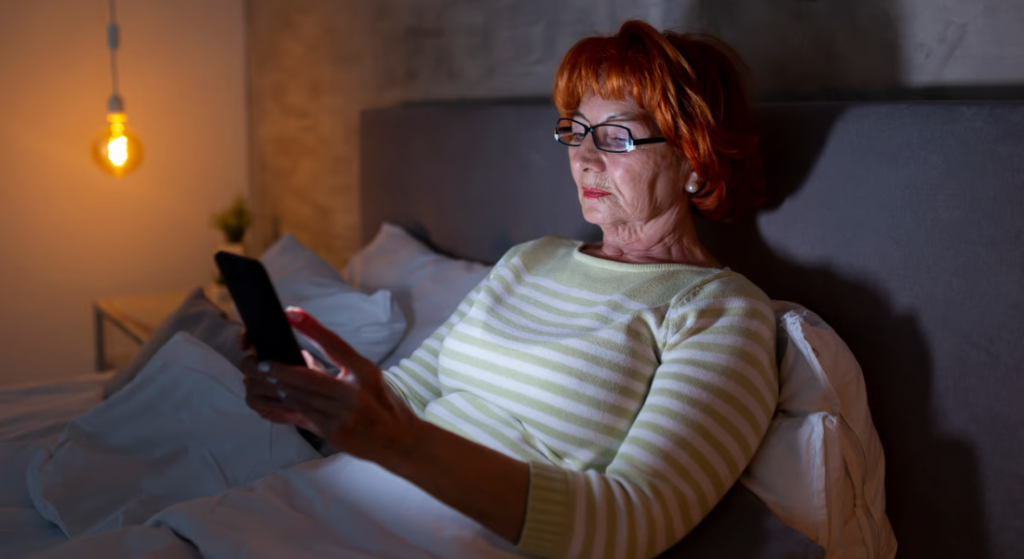
Low-light environments can create extra difficulty when you are living with vision loss. Reduced brightness makes it harder to see contrast, recognise detail, and judge distances clearly. Areas that feel manageable during the day may become more challenging in the evening or at night. As light levels decrease, moving safely around your home may require more caution and attention.
Bedrooms, corridors, and bathrooms are often harder to navigate in low light. Shadows can hide objects, furniture edges, or changes in floor level that would normally be easy to notice. Sudden transitions between bright and dark spaces may also cause temporary disorientation. These changes can make night-time movement feel slower and less predictable.
Night lighting solutions can help reduce these difficulties and improve safety indoors. Motion-sensor lights can provide gentle illumination when you move through darker areas. Soft lighting along pathways or near doorways may also make navigation easier. Consistent lighting helps create a more comfortable environment and supports greater confidence when moving around at night.
How Peripheral Vision Loss Affects Mobility
Peripheral vision helps you notice objects that sit outside your direct line of sight. It allows you to remain aware of furniture, walls, doorways, and movement around you without needing to look directly at them. This wider field of vision supports safe navigation and helps you move smoothly through indoor spaces. When peripheral vision becomes reduced, your awareness of the surrounding environment may become more limited.
You may begin to bump into objects positioned near the edges of your visual field. Furniture corners, door frames, or items placed along walkways can become harder to detect in time. Narrow pathways may feel more difficult to judge, especially when moving between rooms or turning around obstacles. Turning corners can also become less predictable because you may not notice nearby objects until they are directly in front of you.
Peripheral vision loss often leads to slower and more careful movement indoors. You may need to pause more often and scan your surroundings to understand what is nearby. Looking around deliberately can help you identify hazards that might otherwise go unnoticed. Building greater awareness of your environment can help compensate for a reduced field of view and improve safety at home.
Why Familiar Homes Can Still Become Unsafe
Your home may feel like the safest place because you know the layout so well. However, vision changes can affect how you move through even the most familiar spaces. As your sight changes, you may not notice hazards as quickly or judge distances as accurately as before. Familiarity can provide comfort, but it does not completely prevent the risks linked to reduced visual awareness.
- Vision Changes Affect Everyday Navigation: Even when you know where furniture and doorways are located, reduced vision can alter how clearly you perceive them. You may find it harder to judge spacing, depth, or object placement. This can make movement through familiar rooms less predictable.
- Small Changes Can Create Unexpected Hazards: A moved chair, misplaced item, or newly added object may go unnoticed until you are close to it. Changes that seem minor can quickly become obstacles. Reduced visual input makes it easier to overlook these environmental differences.
- Lighting Conditions May No Longer Be Sufficient: Dim lighting that once felt comfortable may become inadequate as your vision changes. Shadows and darker corners can make it harder to identify pathways or obstacles. Improved lighting may be needed to maintain safe navigation.
- Safety Needs Change Over Time: What once worked well in your home may no longer feel secure as vision loss progresses. You may need to adjust furniture placement, improve contrast, or remove hazards. Regular reassessment helps ensure your environment continues to support safe movement.
A familiar home does not always remain safe when your vision changes over time. As visual awareness becomes reduced, even small environmental details can influence mobility and confidence. Reviewing your surroundings regularly allows you to identify new risks before they cause problems. Ongoing adaptation helps you maintain safety, comfort, and independence within your home.
The Role of Contrast in Home Design
Contrast can make it easier for you to see important features throughout your home. Differences in colour and brightness help objects stand out from their surroundings. For example, dark handrails against light walls are often easier to recognise quickly. Clear contrast helps define edges, surfaces, and pathways, making navigation safer and more comfortable.
Bathrooms and kitchens can benefit greatly from improved contrast. Items such as grab rails, light switches, countertops, and cupboard handles become easier to locate when they stand out visually. Strong contrast reduces the effort needed to identify key features in the room. This can make everyday tasks feel simpler and support safer movement indoors.
Simple design adjustments can create a noticeable improvement in visibility. Adding contrast to important areas helps you understand the layout of your surroundings more easily. Clear visual definition supports better orientation and reduces uncertainty while moving around. These small changes can increase confidence and help you maintain greater independence at home.
Mobility Aids Inside the Home
Some people find that mobility aids can make moving around the home safer and more comfortable. Tools such as walking sticks, support rails, and tactile markers can help you feel more confident when navigating indoor spaces. These aids provide extra guidance and stability, particularly in areas that may feel difficult to judge visually. Using supportive equipment can make everyday movement feel more secure and manageable.
Mobility aids are not only useful for people with severe vision loss. Introducing support early may help prevent accidents and reduce anxiety about moving around the home. You may find that small adjustments provide reassurance before mobility becomes more challenging. The right type of support depends on your individual needs, lifestyle, and level of vision change.
Professional assessment can help identify which mobility aids are most suitable for your home environment. Specialists can recommend practical solutions based on how you move through your daily spaces. Personalised guidance often improves comfort and makes adaptations feel more natural. Mobility support should enhance your independence rather than feel restrictive or limiting.
Importance of Regular Vision Assessment
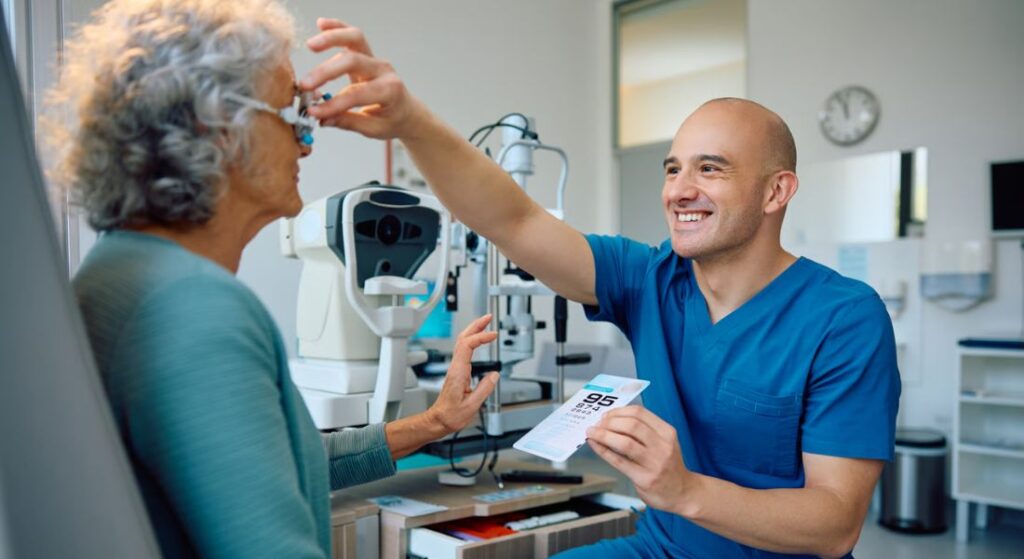
Changes in how you move around your home may sometimes indicate worsening vision. Regular eye examinations help identify the cause of visual changes and allow problems to be recognised early. Understanding what is affecting your eyesight can make it easier to manage symptoms and improve safety indoors. Early intervention may also help slow the progression of certain eye conditions.
Many vision conditions develop gradually over time, which means changes may not always be obvious at first. Conditions such as Cataracts, Glaucoma, and Macular Degeneration can affect how confidently you move around your home. Reduced clarity, depth perception, or side vision may influence indoor mobility without you immediately noticing the cause. A professional assessment provides clearer understanding of how your vision may be changing.
Routine monitoring supports long-term independence and helps you make informed decisions about your eye health. Regular appointments allow changes in vision to be tracked over time. Good vision care is an important part of maintaining safety within the home environment. Staying aware of your visual health can help you adapt more effectively and protect your confidence when moving indoors.
Adapting Daily Habits for Better Safety
Small behavioural changes can make a big difference to how safely you move around your home. Taking extra time when walking helps reduce rushing and allows you to stay more aware of your surroundings. Slowing down can make it easier to notice obstacles, changes in floor level, or narrow spaces. Developing consistent routines also supports confidence by making movement feel more familiar and predictable.
Avoiding multitasking while walking may further improve safety indoors. Carrying too many items can limit your ability to hold handrails, touch surfaces for guidance, or steady yourself when needed. Keeping your hands free allows you to react more easily to changes in your environment. Simple adjustments to how you move can reduce the risk of trips or accidental falls.
Awareness becomes an important tool when adapting to vision changes. Paying closer attention to your surroundings can help you move more confidently and make safer decisions. Thoughtful movement encourages habits that feel controlled rather than rushed. Over time, daily routines can adapt successfully to support comfort, independence, and safety at home.
Supporting Independence Despite Vision Loss
Changes in vision do not automatically mean losing your independence. Many people continue to live safely and comfortably at home by making practical adjustments to their environment and daily routines. The focus is often on adapting to new challenges rather than limiting what you can do. With the right support and awareness, you can continue managing everyday activities with confidence.
Creating a supportive home environment can make a significant difference to how secure you feel. Small changes, such as improving lighting, reducing clutter, or keeping furniture in consistent positions, often produce meaningful results. These adjustments help you move around more easily and reduce unnecessary risks. Independence often depends on preparation and finding solutions that work for your individual needs.
Family members and carers can also play a positive role in supporting independence. Encouragement, patience, and thoughtful planning may help reduce stress and improve daily comfort. Having support from others can make it easier to adjust to changing vision without feeling overwhelmed. Reassurance and practical assistance can help you maintain confidence while continuing to live independently.
FAQs:
1. How does vision loss affect movement inside the home?
Vision loss can make it harder to judge distances, notice obstacles, recognise floor changes, and move confidently between rooms. Even familiar spaces may become more difficult to navigate safely as visual awareness changes.
2. Why do falls become more common with reduced vision?
Reduced eyesight may limit your ability to spot trip hazards, judge depth, or recognise uneven flooring. Poor contrast, clutter, and dim lighting can all increase the likelihood of trips and falls indoors.
3. Can vision loss make stairs more difficult to use?
Yes. Stairs rely heavily on depth perception and contrast recognition. Reduced vision can make step edges harder to see, increasing hesitation and reducing confidence when going up or down stairs.
4. Which parts of the home are usually hardest to navigate with vision loss?
Hallways, staircases, bathrooms, and poorly lit areas are often more challenging. These spaces may contain narrow walkways, shadows, or sudden floor changes that are harder to detect.
5. How important is lighting for indoor mobility?
Lighting is extremely important. Good lighting improves visibility, helps you recognise hazards, and makes movement safer. Bright, even lighting reduces shadows and improves contrast throughout the home.
6. Does vision loss affect confidence as well as mobility?
Yes. Many people become more cautious or anxious about moving around after noticing changes in vision. Reduced confidence may lead to avoiding certain rooms or limiting daily activities.
7. What household hazards are most common for people with reduced vision?
Loose rugs, electrical cables, cluttered walkways, uneven flooring, and poorly placed furniture are common hazards. Items left on the floor can become difficult to spot and increase the risk of injury.
8. Can home design changes improve safety for people with vision loss?
Yes. Improving contrast, increasing lighting, keeping furniture layouts consistent, and removing clutter can make navigation easier and support safer movement indoors.
9. Are mobility aids useful inside the home?
Mobility aids such as handrails, walking sticks, tactile markers, and grab rails may help improve stability and confidence. They can be useful even for mild vision loss, depending on individual needs.
10. Should I have my eyes checked if I notice mobility problems at home?
Yes. Difficulty moving safely indoors may indicate changing vision. Regular eye examinations can identify conditions affecting eyesight and help you make, adjustments before mobility becomes more challenging.
Final Thoughts: Maintaining Safe Mobility at Home
Vision loss can gradually change how you experience and move through your home, affecting confidence, awareness, and daily comfort. Even familiar spaces may become harder to navigate when depth perception, contrast sensitivity, or peripheral vision begins to decline. Recognising these changes early allows you to make practical adjustments that improve safety and reduce the risk of trips or falls. Small improvements such as better lighting, clear walkways, and consistent furniture placement can make everyday movement feel more secure.
Adapting to vision changes does not mean losing independence. With the right support, thoughtful home adjustments, and regular eye care, many people continue to live safely and confidently in their own environment. Understanding how vision affects mobility helps you create a home that remains comfortable, accessible, and supportive over time. If you’re looking to enhance your vision or need personalised guidance, our specialist team at the London Cataract Centre is here to help.
References:
- Dinarvand, D., Panthakey, J., Hassan, A. and Ahmed, M.H. (2024) ‘Frailty and Visual Impairment in Elderly Individuals: Improving Outcomes and Modulating Cognitive Decline Through Collaborative Care Between Geriatricians and Ophthalmologists’, Diseases, 12(11), 273.
Available at: https://www.mdpi.com/2079-9721/12/11/273 - McGwin, G., Gewant, H.D., Modjarrad, K., Hall, T.A. and Owsley, C. (2006) ‘Effect of cataract surgery on falls and mobility in independently living older adults’, Journal of the American Geriatrics Society, 54(7), pp. 1089–1094. Available at: https://pubmed.ncbi.nlm.nih.gov/16866680/
- Akbari-Kamrani, M., Heidarzadeh, H., Naderan, M., Gordiz, A., Hemmati, S., Chaibakhsh, S., Mohammadi, S.S., Farsani, M.K. and Abdi, F. (2023) ‘Impact of first eye cataract surgery on falls among patients of advanced age: a comparative study’, Journal of International Medical Research, 51(12). Available at: https://pmc.ncbi.nlm.nih.gov/articles/PMC10710751/
- Palagyi, A., Rogers, K., Meuleners, L., McCluskey, P., White, A., Ng, J.Q. and Keay, L. (2017) ‘Visual and refractive associations with falls after first-eye cataract surgery’, Journal of Cataract & Refractive Surgery, 43(10), pp. 1316–1323. Available at: https://www.sciencedirect.com/science/article/abs/pii/S0886335017306168
- Gutiérrez-Robledo, L.M., Villasís-Keever, M.A., Avila-Avila, A., Medina-Campos, R.H., Castrejón-Pérez, R.C. and García-Peña, C. (2021) ‘Effect of Cataract Surgery on Frequency of Falls among Older Persons: A Systematic Review and Meta-Analysis’, Journal of Ophthalmology, 2021, Article ID 2169571. Available at: https://pubmed.ncbi.nlm.nih.gov/33815834/