


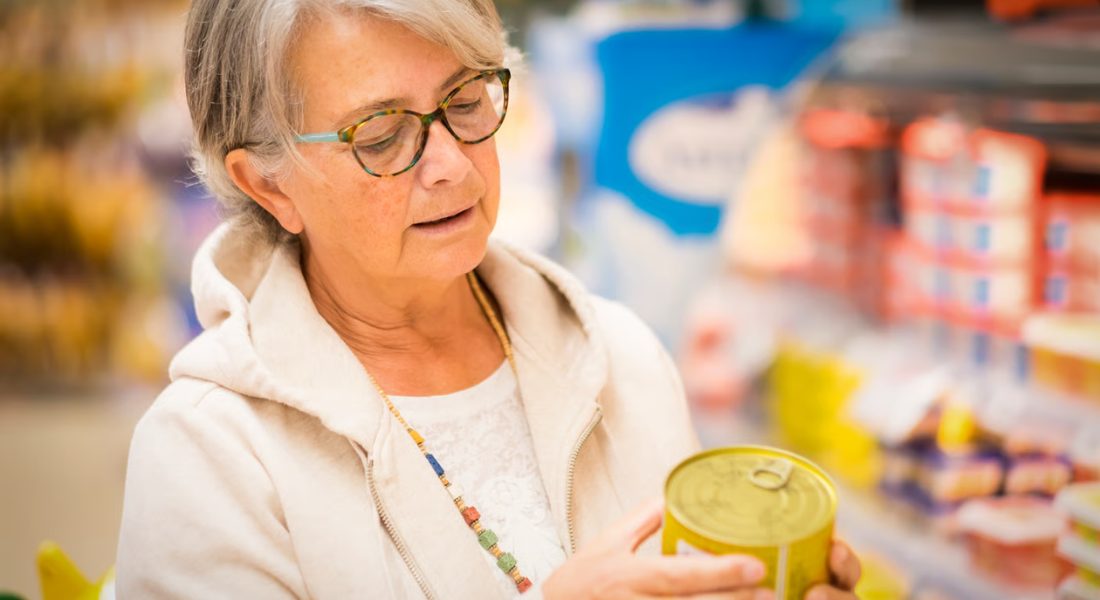
Yes, vision loss in older adults can directly affect their nutrition and eating habits. When your eyesight becomes weaker, everyday tasks like reading food labels, checking expiry dates, or identifying ingredients become more difficult. You may find yourself spending more time trying to understand what you are buying. This can make grocery shopping feel confusing and tiring.
This can also reduce the variety of foods you choose to bring home. When labels are hard to read, you may stick to familiar items instead of trying new or healthier options. Over time, this can limit the balance of your diet. It may also make shopping feel less enjoyable.
Vision loss can also affect meal preparation at home in a practical way. Cooking may feel more challenging or even unsafe when you cannot clearly see knives, hot surfaces, or measuring tools. Because of this, you may begin to rely more on ready-made or processed foods. These are often less nutritious than freshly prepared meals.
Over time, reduced vision can even affect your appetite and enjoyment of eating. You may skip meals because cooking feels overwhelming or too complicated. In some cases, you might eat less simply because you cannot clearly see your food on the plate. This can gradually lead to poor nutrition and lower energy levels.
Why Vision Loss Affects More Than Just Sight
When your vision starts to decline, it does not only affect how clearly you see the world around you. It can also influence many small but important daily habits. These changes often happen gradually, so you may not notice them straight away. Over time, even simple routines can begin to feel different.
One area that is often affected is something as basic as eating well. You may find that tasks like shopping for food, cooking, or checking ingredients become more difficult. This can slowly change the way you plan and prepare your meals. As a result, your eating habits may shift without you realising it.
You may not immediately connect eyesight with nutrition, but the two are closely linked. When visual clarity changes, your ability to choose, prepare, and enjoy food safely can also change. Small difficulties can add up over time and affect your overall diet. This is why vision health plays an important role in daily wellbeing.
How Reduced Vision Changes Your Relationship With Food
Food is often something you experience visually before anything else. You look at it first to judge freshness, portion size, and whether it feels appealing or safe to eat. That visual “first impression” plays a big role in how you choose and enjoy your meals. When your eyesight becomes reduced, that first connection starts to weaken, changing how you relate to food.
- Visual Judgement Becomes Less Reliable: Normally, you rely on sight to quickly assess what’s on your plate. With reduced vision, details like colour, texture, or doneness can become harder to judge.
- Smell and Familiarity Become More Important: You may begin to depend more on smell or taste rather than appearance. Familiar meals can feel safer because you recognise them without needing to see clearly.
- Portion Awareness Can Change: Without clear vision, it can be harder to judge how much food is on your plate. This may lead to eating more or less than you intended without realising.
- Confidence at Mealtimes May Shift: You might feel less certain about what you are eating or how it was prepared. Over time, this can slightly change your enjoyment or confidence during meals.
Reduced vision doesn’t take away your ability to enjoy food, but it does change how you experience it. The visual connection that once guided your choices becomes less central. Instead, other senses and habits start to play a bigger role in mealtimes. With time and small adjustments, you can still enjoy food in a comfortable and confident way.
Difficulty Identifying Foods in Your Kitchen
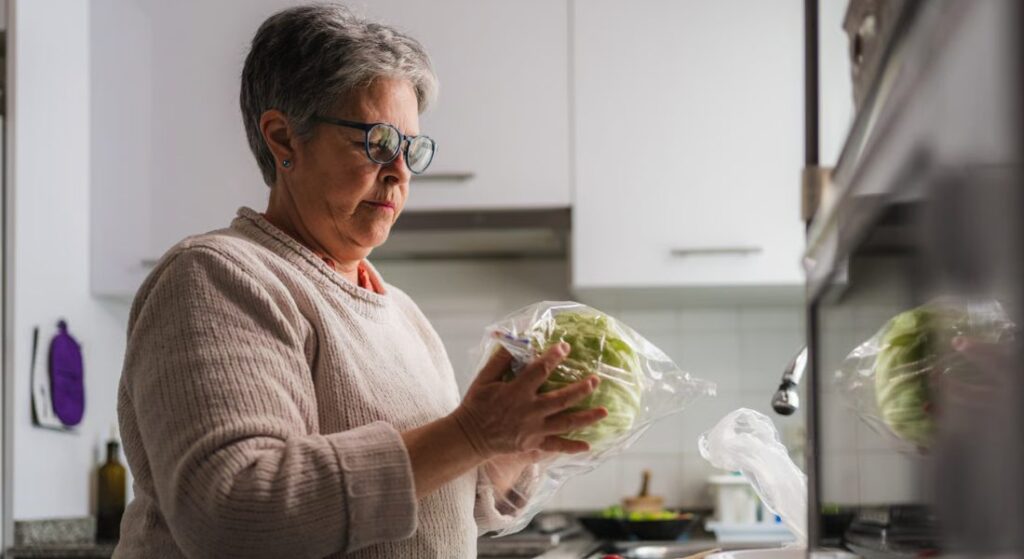
Your kitchen may feel familiar, but reduced vision can make it harder to recognise items quickly. You might find that packets, jars, and tins start to look quite similar when labels are not clear. Small differences in colour or writing can become difficult to notice. This can slow down simple kitchen tasks.
You may also need to spend more time checking what each item is before using it. In some cases, you might pick up containers and try to read them closely just to be sure. This can interrupt your cooking flow and make meal preparation feel less smooth. It can also add unnecessary frustration to daily routines.
As a result, you might find yourself opening containers just to confirm what is inside. This can feel time-consuming, especially when you are preparing meals regularly. Over time, this can make cooking feel more tiring than it should be. Simple kitchen tasks may start to feel more demanding than before.
Challenges Reading Food Labels and Packaging
Just like medication labels, food packaging often relies on small print that can be difficult to read. You may struggle to clearly see ingredients, expiry dates, or cooking instructions when your eyesight is reduced. This can make everyday food choices more time-consuming. Even familiar products may become harder to check properly.
Because of this, you may need to spend extra time trying to read labels more closely. You might find yourself holding items at different angles or moving them nearer to try and see the text better. This can slow down grocery shopping and meal preparation. It may also cause frustration during routine tasks.
Over time, this difficulty may lead you to avoid certain foods altogether. You might prefer sticking to items you already know well because they feel easier to manage. While this can feel safer, it may gradually reduce the variety in your diet. Limited food choices can affect both nutrition and enjoyment.
How Cooking Becomes Harder When You Cannot See Clearly
Cooking safely often depends on visual cues such as colour changes, texture, and timing. You may normally rely on seeing food change as it cooks, like browning, boiling, or thickening. When your vision is reduced, these signs can become harder to notice. This can make cooking feel less predictable than before.
If your eyesight is weaker, it can be more difficult to tell when food is cooked properly. You may struggle to judge whether something is fully done just by looking at it. This can make you rely more on guesswork or timing alone. It may also increase uncertainty while cooking.
As a result, you may find yourself overcooking or undercooking meals without meaning to. This can happen because you cannot clearly see the changes happening in the pan or oven. Over time, this can affect the taste and quality of your food. It may also make cooking feel more stressful than enjoyable.
Increased Risk of Kitchen Accidents and Burns
Vision loss can make everyday kitchen tasks feel less predictable and more risky. The kitchen is full of potential hazards such as hot surfaces, boiling liquids, and sharp utensils, all of which rely on good visual awareness. When your sight is reduced, judging distance, depth, and heat sources becomes more difficult. This can increase the chance of accidents during even simple cooking tasks.
- Hot Surfaces Are Harder to Judge: Stoves, ovens, and hot pans may not always be clearly visible. This makes it easier to accidentally touch or move too close to something hot.
- Boiling Liquids Can Be Dangerous: Pouring or handling hot water becomes more challenging without clear vision. You may misjudge the level of liquid or spill it unintentionally.
- Sharp Utensils Require Extra Care: Knives and other sharp tools can be harder to locate and use safely. Reduced vision increases the risk of cuts or slips while preparing food.
- Simple Movements Feel Less Certain: Tasks like pouring water or lifting pans depend on judging edges and distances. When these are unclear, you may feel less confident and more cautious in the kitchen.
Vision loss can make the kitchen feel more complex than it used to be, especially when safety depends on visual accuracy. Everyday tasks may require extra attention and slower movements to reduce risk. With the right adjustments and awareness, many of these challenges can be managed safely. Small changes can help you stay confident while cooking and reduce the chance of accidents.
Loss of Confidence in Meal Preparation
Over time, you may start to feel less confident in your ability to cook meals on your own. Everyday tasks in the kitchen can begin to feel more uncertain when you cannot see clearly. This may make even simple recipes feel more complicated than they used to. As a result, cooking may start to feel less enjoyable.
Because of this lack of confidence, you may begin to avoid the kitchen altogether. You might choose not to cook even when you are capable, simply because it feels overwhelming. In some cases, you may rely on others more often to prepare your meals. This can gradually change your usual routine.
That loss of confidence is just as important as the physical challenges of vision loss. It affects your independence and how you manage daily life. When cooking feels difficult, your sense of control over your routine can also be affected. Supporting confidence is therefore an important part of maintaining independence.
Changes in Appetite and Eating Habits
When food preparation becomes more difficult, your eating habits may start to change without you even noticing. You may find that you are less motivated to cook or prepare meals properly. As a result, your usual eating routine can slowly become less structured. These small changes can build up over time.
You might begin skipping meals or eating at irregular times simply because cooking feels too demanding. On some days, you may not feel like going through the effort of preparing food at all. Instead, you may delay eating or choose something very quick and simple. This can gradually become a pattern.
Over time, these changes can affect your energy levels and overall wellbeing. You may feel more tired, less focused, or generally run down during the day. Poor or irregular eating habits can also impact your nutrition. Maintaining regular meals can help support better health and stability.
Reduced Enjoyment of Food and Dining Experience
Eating is meant to be an enjoyable part of your day, but reduced vision can take away some of that pleasure. You may find it harder to clearly see the colours and textures of your food. The presentation on your plate may also feel less noticeable than before. Over time, this can change how you experience meals.
You might not fully see the variety or detail of what is in front of you. Even simple things like garnishes, sauces, or different food items can become harder to distinguish. This can make the meal feel less visually appealing. As a result, eating may feel more routine than enjoyable.
This can make meals feel less appealing, even when the food is nutritious and well-prepared. The taste may still be good, but the overall experience can feel reduced. When visual enjoyment is affected, appetite can also be impacted. Maintaining a pleasant eating environment can help improve mealtime experience.
Impact on Shopping for Groceries
Environment often rely heavily on reading small print, comparing products, and quickly checking details on packaging. When these tasks become harder, it can slow you down and make decision-making less confident. Over time, this may change the way you shop and what you choose.
- Reading Labels Becomes Difficult: Price tags, ingredient lists, and expiry dates are often printed in small text. When vision is reduced, you may struggle to read them clearly without getting very close.
- Comparing Products Takes Longer: It can be harder to quickly compare nutrition, price, or size between similar items. This may make shopping feel more tiring and less efficient.
- Expiry Dates May Be Missed: Checking freshness is important when buying food, but small print can be easy to overlook. This increases the risk of choosing items without noticing how soon they expire.
- Familiar Choices Become More Common: You may start choosing the same products because they feel easier and safer to identify. This can limit variety and reduce opportunities to try healthier options.
Vision loss can make grocery shopping feel more complicated than it used to be. Small tasks like reading labels or comparing items can take extra effort and time. As a result, shopping habits may gradually shift toward familiar and simpler choices. With the right support or tools, it is still possible to shop confidently and independently.
Risk of Relying on Convenience Foods
When cooking becomes difficult, it is natural for you to rely more on ready meals or processed foods. These options are quicker to prepare and require less effort, especially when your vision is reduced. You may find them easier to manage on days when cooking feels overwhelming. This can feel like a practical short-term solution.
However, over time this habit can gradually affect your food choices. Ready meals and processed foods are often less varied and may not always provide the same nutritional value as fresh ingredients. If they replace home-cooked meals too often, your diet may become less balanced. This can happen slowly without you realising it.
Over time, this shift can impact your nutritional balance and overall health. You may miss out on important nutrients found in fresh fruits, vegetables, and home-cooked meals. This can affect your energy levels and wellbeing. Keeping a balance between convenience and fresh food is important for long-term health.
Nutrition Imbalance in Older Adults With Vision Loss
Limited food variety can lead to gaps in essential nutrients in your daily diet. If you are not able to prepare balanced meals easily, you may unintentionally miss out on key vitamins, fibre, or protein. Over time, this can happen without you realising it. It may slowly affect how well your body functions.
When meal preparation becomes more difficult due to vision loss, you may rely on simpler or repetitive food choices. These choices are often easier to manage but may not always provide complete nutrition. As a result, your diet may become less varied than before. This can gradually reduce overall dietary balance.
This is why vision loss can indirectly affect your long-term health, not just your eyesight. Poor nutrition can influence your energy, immunity, and overall wellbeing over time. Even small changes in eating habits can add up. Supporting both vision and nutrition is important for healthy ageing.
How Vision Loss Affects Hydration Habits
Drinking enough fluids can also become more difficult when your vision is reduced. You may find it harder to clearly see how much water you have already had during the day. This can make it easier to lose track of your hydration without realising it. Over time, your fluid intake may become lower than needed.
You might also struggle to notice how much is left in a glass or bottle. Small visual cues, like water level or colour changes in drinks, can be harder to judge. Because of this, you may unintentionally drink less than you intended. This can happen gradually throughout the day.
This is especially important in older age, where dehydration can have a bigger impact on your health. Not drinking enough fluids may lead to dizziness, fatigue, or general weakness. It can also increase the risk of confusion or feeling unwell. Staying aware of hydration is an important part of daily wellbeing.
Weight Loss or Weight Gain Risks
Changes in eating habits due to vision loss can have a noticeable impact on your weight. When daily routines become harder, your meals may become less regular or less balanced than before. Some people may eat less simply because preparing or identifying food feels difficult. Others may rely more on quick or processed foods, which can affect long-term health.
- Reduced Eating Can Lead to Weight Loss: If meals become difficult to prepare or manage, you may skip eating more often. Over time, this can lead to unintended weight loss and lower energy levels.
- Processed Foods May Increase Weight Gain: You might choose ready-made or easy-to-prepare foods more frequently. These options can be higher in salt, sugar, or fat, which may lead to gradual weight gain.
- Energy Levels Can Be Affected: Changes in diet quality or quantity can influence how energetic you feel. Poor nutrition may leave you feeling tired or less active during the day.
- Long-Term Health May Be Impacted: Ongoing changes in eating habits can affect overall wellbeing. Maintaining a balanced diet becomes important to support strength and general health.
Weight changes linked to vision loss are often gradual but important to notice. When eating habits shift, both weight loss and weight gain can become risks depending on the situation. These changes can also affect your energy and day-to-day wellbeing. With awareness and small adjustments, it is possible to maintain a healthier balance over time.
Emotional Impact of Eating Alone With Vision Loss
Eating is often a social activity, but vision loss can sometimes lead to a sense of isolation. You may feel less confident going out to eat because navigating menus or spaces feels more difficult. At home, you might also avoid cooking meals for others if you feel unsure in the kitchen. Over time, this can reduce social interaction around food.
You may begin to feel less comfortable in shared dining situations. Simple things like serving food, finding items on the table, or joining conversations while eating can feel more challenging. Because of this, you might choose to eat alone more often. This can slowly become a regular pattern without you planning it.
This can make mealtimes feel quieter and less enjoyable overall. When eating feels less social or engaging, it may also affect your appetite. You might not feel as interested in preparing or finishing meals. Maintaining connection and confidence around food can help support a healthier eating experience.
Practical Ways to Make Cooking Safer
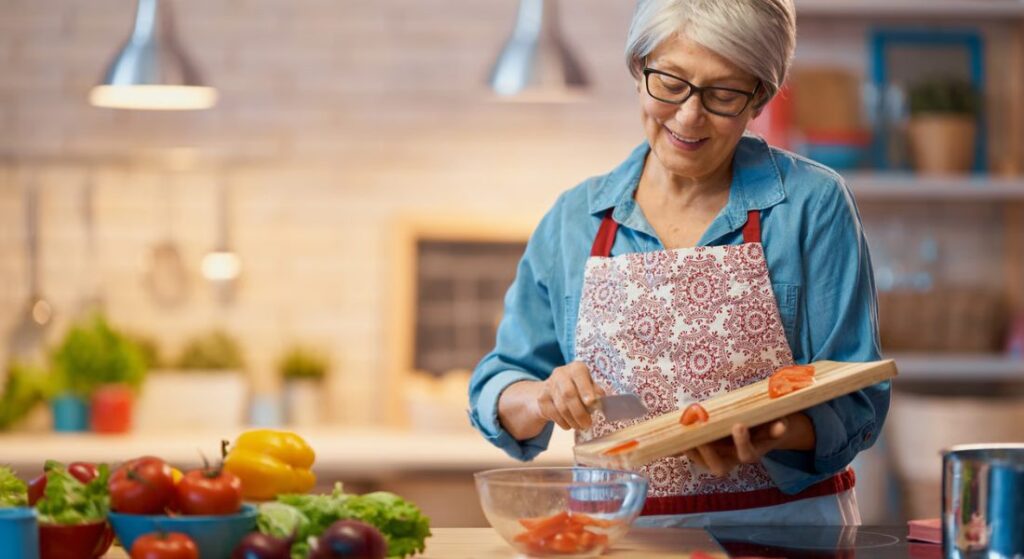
You can make your kitchen safer with a few small and practical adjustments. Better lighting is one of the simplest changes and can immediately improve visibility while you cook. Clear organisation also helps you find what you need more easily without unnecessary searching. Keeping your space consistent makes daily tasks less confusing.
It also helps to store frequently used items in the same place each time. When things have a fixed position, you do not need to rely on memory or guesswork. This can make cooking feel more predictable and less stressful. It also reduces the chance of picking up the wrong item.
Simple changes like these can make a noticeable difference to your confidence in the kitchen. You may feel more in control and less uncertain while preparing meals. Moving around your kitchen can become easier and safer over time. Small adjustments often lead to a much smoother cooking routine.
Support From Family and Carers in Nutrition
If someone helps you at home, their support can make eating easier and safer. This might include preparing ingredients, reading food labels, or helping you during shopping trips. You may find it less stressful when someone assists with tasks that are difficult to see clearly. This can help you feel more confident around food.
Support can also include helping you plan and organise meals for the week. Having another person check expiry dates or identify items can reduce confusion. You may feel more relaxed knowing that important details are being checked carefully. This can make daily eating routines feel more manageable.
The most helpful support is the kind that still allows you to stay involved in your own choices. You should still be able to decide what you want to eat and how your meals are prepared. Assistance works best when it supports your independence rather than replacing it. This balance helps you stay confident and in control.
Role of Eye Health Treatment in Restoring Independence
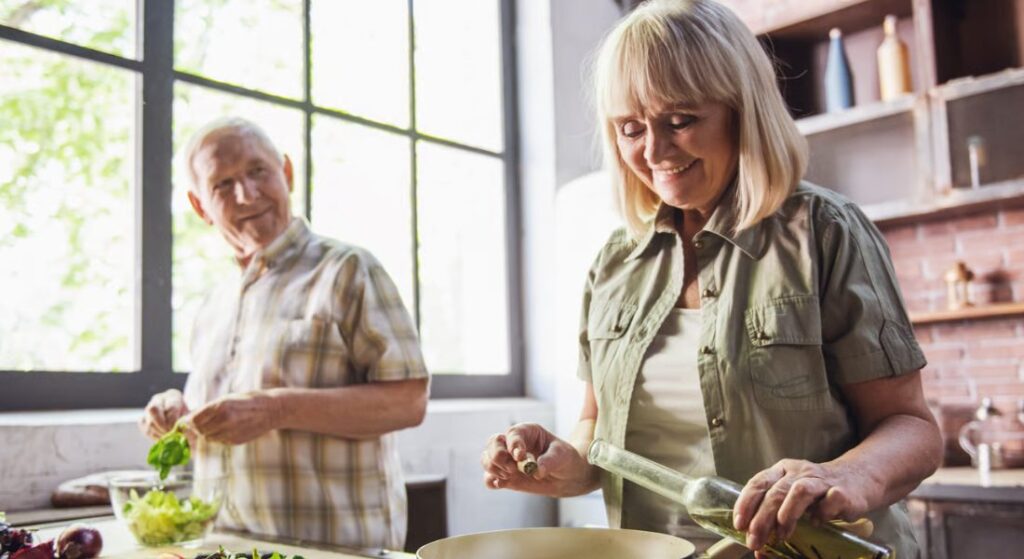
Improving your vision can have a direct impact on your daily life, including cooking and eating. When your sight becomes clearer, many tasks that once felt difficult start to feel more manageable again. You may notice everyday routines becoming easier and less stressful. This can make a real difference to your sense of independence.
- Better vision supports everyday tasks: When your eyesight improves, activities like preparing meals or reading instructions become simpler. This helps reduce confusion and makes daily routines feel more manageable.
- Cataract treatment can improve confidence: Treating conditions such as cataracts may help restore clearer vision over time. This can make you feel more confident and safer when moving around the kitchen.
- Greater independence in daily life: As your vision improves, you may rely less on others for support with routine activities. This can help you feel more in control and independent.
If you are experiencing ongoing visual difficulties, speaking with the London Cataract Centre could help you understand your options better. Getting professional advice can guide you towards the most suitable treatment and support your journey towards improved vision and independence.
FAQS:
1. Can vision loss really affect what and how you eat?
Yes, it can. When your vision is reduced, simple tasks like reading food labels, checking expiry dates, and recognising ingredients become harder. This can quietly change your eating habits over time.
2. How does poor eyesight affect your food choices?
You may start choosing familiar products instead of trying new ones because they feel easier to identify. This can reduce variety in your diet and sometimes limit healthier options.
3. Can vision loss make cooking unsafe for you?
It can increase risks in the kitchen. If you cannot clearly see hot surfaces, knives, or boiling liquids, everyday cooking tasks may feel more uncertain and accidents become more likely.
4. Why do people with vision loss often rely on ready meals?
When cooking feels difficult or tiring, ready meals can seem like the easiest option. They require less reading, less preparation, and less visual checking, even though they may be less nutritious.
5. Can vision problems affect your appetite?
Yes, they can. If cooking feels overwhelming or meals are less enjoyable visually, you may eat less or skip meals, which can affect your energy and overall nutrition.
6. How does vision loss change your experience of food?
Food is often judged visually first. When your sight is reduced, it can be harder to see colours, textures, and presentation, which may make meals feel less appealing or enjoyable.
7. Is it harder for you to shop for groceries with poor eyesight?
Yes. Reading small print, comparing products, and checking expiry dates can become difficult. This may make shopping slower and lead you to pick the same familiar items.
8. Can vision loss lead to poor nutrition over time?
It can, especially if your diet becomes less varied or you rely more on convenience foods. This may reduce your intake of important nutrients like fibre, vitamins, and protein.
9. How does reduced vision affect hydration?
You might lose track of how much you are drinking because it becomes harder to see liquid levels clearly. This can sometimes lead to drinking less water than your body needs.
10. What can help you maintain healthy eating with vision loss?
Simple changes can make a big difference better lighting, clearer organisation in your kitchen, larger labels, and support from family or carers can all help you stay independent and eat well.
Final Thoughts: Protecting Nutrition Starts with Protecting Your Vision
Vision loss can gradually affect many everyday habits, including how you shop for food, prepare meals, and maintain a balanced diet. What may begin as small challenges like struggling with labels or distinguishing ingredients can slowly influence your eating patterns, confidence, and independence over time.
The good news is that these challenges do not have to define your daily life. Simple practical changes such as improving kitchen lighting, using clearer labels, organising food more consistently, and seeking support from family or carers can make cooking and eating safer and less stressful. These adjustments can help you maintain better control over your nutrition.
Alongside these changes, addressing underlying eye health can make a significant difference. Improving your vision often helps restore confidence in the kitchen and makes everyday tasks easier and more enjoyable. If you’re looking to enhance your vision or need personalised guidance, our specialist team at the London Cataract Centre is here to help.
Reference:
- Ciorba, A.L., Teusdea, A., Roiu, G. and Cavalu, D.S. (2024) Particularities of cataract surgery in elderly patients: corneal structure and endothelial morphological changes after phacoemulsification, Geriatrics. Available at: https://www.mdpi.com/2077-0383/10/20/4658
- ai, F.H.P., Lok, J.Y.C., Chow, P.P.C. and Young, A.L. (2014) Clinical outcomes of cataract surgery in very elderly adults’, Journal of the American Geriatrics Society. Available at: https://pubmed.ncbi.nlm.nih.gov/24279708/
- Moshirfar, M., Milner, D. and Patel, B.C. (2023) Cataract surgery, StatPearls Publishing. Available at: https://www.ncbi.nlm.nih.gov/books/NBK559253/
- Wong, T.Y. (2001) Effect of increasing age on cataract surgery outcomes in very elderly patients, BMJ, 322(7294), pp. 1104–1106. Available at: https://pmc.ncbi.nlm.nih.gov/articles/PMC1120237/
- Gutiérrez-Robledo, L.M. et al. (2021) Effect of cataract surgery on frequency of falls among older persons: a systematic review and meta-analysis, Journal of Ophthalmology, 2021, Article ID 2169571. Available at: https://pmc.ncbi.nlm.nih.gov/articles/PMC7987466/