


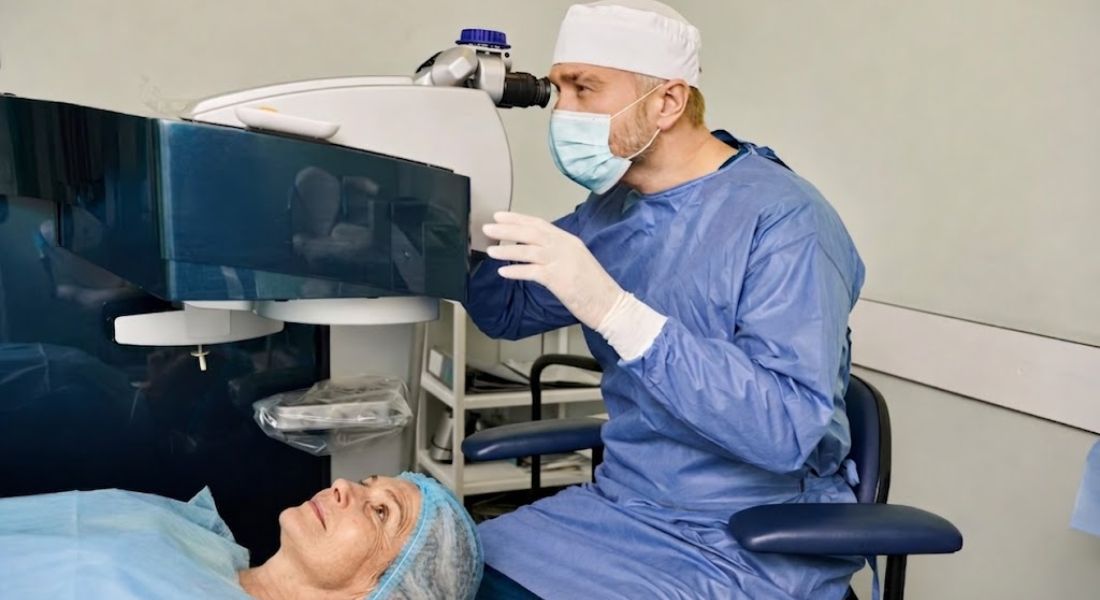
Refractive Lens Exchange (RLE) surgery is a highly refined and safe procedure, but like any surgery, there is always a small possibility that something may not go exactly as planned. Modern surgical techniques, advanced imaging systems, and strict safety protocols significantly reduce these risks. Most complications, if they occur, are minor and manageable with prompt care. Understanding this helps you approach the procedure with realistic expectations and confidence.
Surgeons who perform RLE are extensively trained to handle unexpected situations during eye surgery. Each step of the procedure is planned in detail, and backup strategies are always in place before surgery even begins. If anything unusual occurs, your surgeon will immediately follow established medical protocols to correct or manage the issue. This level of preparedness ensures that patient safety is maintained at all times.
RLE surgery takes place in a highly controlled and sterile medical environment, where every aspect of your care is closely monitored. Specialised equipment allows surgeons to respond quickly and precisely to any changes during the procedure. Knowing that there are clear plans and safeguards in place can be very reassuring. It helps reduce anxiety and allows you to feel more comfortable about moving forward with treatment.
Understanding the Nature of RLE Surgery
RLE surgery involves removing your natural lens and replacing it with an artificial intraocular lens to improve vision. The procedure is performed under local anaesthetic, so you remain comfortable and awake throughout. It is typically quick, often taking only a short time to complete, and most surgeries are carried out smoothly without complications. Advances in technology have made the process highly precise and predictable.
Although RLE is considered routine, it is still a delicate microsurgical procedure that requires great skill. The internal structures of the eye are extremely small and sensitive, meaning every step must be performed with accuracy and care. Surgeons use specialised instruments and high-magnification systems to ensure precision. This level of detail is what makes expertise and experience so important.
Even with the highest standards in place, surgeons always prepare for unexpected situations. Contingency plans and safety protocols are built into every stage of the procedure. If anything unusual occurs, it can be managed quickly and effectively. This preparation ensures that your safety remains the top priority throughout surgery.
Why Patients Worry About Complications
It’s completely natural to feel worried about the possibility of something going wrong, especially when it involves your eyes and vision. You may find yourself imagining different outcomes or focusing on worst-case scenarios. This reaction is common because your eyesight is such an important part of your daily life. Feeling a bit anxious simply means you care about making the right decision. Many patients share similar concerns before going ahead with surgery.
- Fear of losing vision: You might worry about the risk of losing your vision or not getting the results you expect. Because your eyesight is so important, even a small risk can feel overwhelming. However, modern procedures are highly advanced, and serious complications are very rare. Surgeons also take multiple precautions to protect your vision at every stage.
- Thinking about worst-case scenarios: It’s easy to focus on negative possibilities, especially if you’ve read stories online or heard about complications from others. Your mind may naturally jump to extreme outcomes, even if they are unlikely. In reality, most procedures go smoothly without any major issues. Understanding the actual risks can help you keep these fears in perspective.
- Uncertainty about the procedure: Not knowing exactly what will happen during surgery can make you feel uneasy. You may wonder how the equipment works or what you will experience. This uncertainty can increase anxiety, even when the procedure is routine for the surgeon. Clear explanations and guidance can help you feel more prepared and in control.
- Concerns about handling complications: You might worry about what would happen if something doesn’t go as planned. It’s reassuring to know that surgeons are specifically trained to manage complications quickly and effectively. Most issues, if they do occur, are minor and can be treated without long-term problems.
The reality is often far less worrying than you might expect. Complications are uncommon and usually manageable when they do happen. As you learn more about the procedure, your confidence will begin to grow. With the right information and support, you can replace uncertainty with a sense of reassurance and trust.
How Rare Are Complications?
Serious complications in RLE surgery are uncommon, thanks to continuous advancements in surgical techniques and technology. Modern equipment allows for highly precise measurements and controlled procedures, which significantly reduces risk. Most patients go through surgery without any issues and achieve excellent visual outcomes. This strong safety record is one of the reasons the procedure is widely trusted.
Minor issues can occasionally occur, such as temporary inflammation, dryness, or mild discomfort in the early recovery phase. These symptoms are usually short-lived and respond well to prescribed eye drops or simple aftercare measures. They rarely have any impact on long-term vision or the final result. With proper follow-up, these minor concerns are quickly resolved.
Overall, the safety profile of RLE surgery is very high. It is performed globally with consistent success and patient satisfaction. Careful patient selection, experienced surgeons, and thorough aftercare all contribute to these positive outcomes. Knowing that complications are rare can help you feel more confident about the procedure.
Pre-Surgery Planning Reduces Risk

Before RLE surgery, a comprehensive eye assessment is performed to gather detailed information about your eye health. This includes precise measurements of your cornea, natural lens, and retina, as well as checks on eye pressure and overall structure. These evaluations allow the surgeon to fully understand your unique eye anatomy. The process is thorough, painless, and essential for safe surgical planning.
Accurate pre-surgery planning plays a major role in reducing the risk of complications. By using advanced diagnostic tools, the surgeon can select the most suitable intraocular lens and determine the best surgical approach for you. This personalised planning ensures that every step of the procedure is tailored to your specific needs. Careful preparation like this greatly enhances both safety and visual outcomes.
Identifying potential risks in advance allows surgeons to take preventive measures before surgery even begins. If any concerns are detected, they can be addressed or managed appropriately. This proactive approach minimises surprises during the procedure and improves overall confidence in the process. Well-planned surgery is one of the key reasons why RLE outcomes are so successful.
Sterile Surgical Environment
RLE surgery is carried out in a highly controlled and sterile operating environment, designed specifically to minimise any risk of infection. Every aspect of the surgical setting is carefully managed, from air quality to surface cleanliness. Strict hygiene protocols are followed at all times to ensure that your eye remains protected throughout the procedure. This controlled environment plays a crucial role in maintaining patient safety.
All surgical instruments are thoroughly sterilised before use and handled with great care by the medical team. Surgeons and staff follow precise procedures, including wearing protective clothing and using sterile techniques at every stage. These measures prevent contamination and help create a safe space for delicate eye surgery. Attention to detail in maintaining cleanliness is essential for successful outcomes.
A sterile environment significantly reduces the already low risk of infection during RLE surgery. It provides reassurance that every precaution has been taken to protect your eye. Combined with skilled surgical technique and proper aftercare, this approach ensures a high level of safety. Maintaining sterility is one of the key factors behind the excellent success rates of the procedure.
Real-Time Monitoring During Surgery
During RLE surgery, your eye is continuously monitored to ensure every step is performed with precision and control. The surgeon uses a high-powered operating microscope, which provides a magnified and detailed view of the eye’s internal structures. This allows for extremely accurate movements and careful handling throughout the procedure. Every action is deliberate, minimising risk and maintaining safety.
If anything unusual occurs during surgery, it is detected immediately through this constant monitoring. The surgeon can quickly assess the situation and take appropriate action without delay. This rapid response helps prevent minor variations from developing into more significant concerns. Having this level of real-time awareness is essential for maintaining a smooth procedure.
Continuous monitoring ensures that even the smallest changes are addressed promptly. It provides an added layer of safety, giving both the surgeon and patient confidence in the process. This proactive approach is one of the key reasons why RLE surgery has such a strong safety record. By managing issues as they arise, the overall outcome remains highly successful.
What If the Lens Is Difficult to Remove?
In some cases, you may be told that your natural lens could be slightly more challenging to remove. This can happen if the lens is denser than usual or if there are small anatomical differences in your eye. While this might sound concerning, it’s something surgeons are well prepared for. These situations are not unusual and are handled as part of routine surgical care. When this happens, your surgeon will adapt the approach to ensure everything remains safe and controlled.
- Managing a denser lens: If your lens is firmer or denser, it may take a bit more time to break it up and remove it safely. Surgeons use advanced techniques to carefully soften and extract the lens in smaller sections. This helps reduce stress on the eye and keeps the procedure smooth. You won’t feel this difference, but it allows for better control during surgery.
- Adapting to eye anatomy: Every eye is slightly different, and your surgeon will adjust their technique based on your specific anatomy. This may involve changing the angle of instruments or using different methods to access the lens. These adjustments are planned and help ensure precision throughout the procedure.
- Use of specialised tools and technology: Modern surgical tools are designed to handle a wide range of situations. Your surgeon may use specialised instruments or settings to safely manage any challenges. These tools improve accuracy and reduce the risk of complications, even in more complex cases.
- Taking extra time when needed: If the lens is more difficult to remove, the procedure may take a little longer than usual. However, this extra time is taken to maintain safety and achieve the best possible result. Your surgeon will never rush, as careful technique is always more important than speed.
Overall, a slightly more complex lens removal does not mean a poor outcome. These adjustments are a normal part of modern eye surgery and are handled with skill and precision. With an experienced surgeon and the right approach, you can still expect a safe procedure and excellent visual results.
Managing Minor Bleeding
Minor bleeding during RLE surgery is uncommon, but it can occasionally occur due to the delicate nature of the eye’s tissues. When it does happen, it is usually very small and does not pose a serious risk. Surgeons are well-trained to recognise and control it immediately during the procedure. This quick response ensures that the situation remains fully under control.
The eye contains very fine and sensitive blood vessels, which is why careful handling is essential throughout surgery. Surgeons use precise techniques and specialised instruments to minimise any disturbance to these structures. If a small amount of bleeding occurs, it is treated on the spot using established methods. This prevents it from progressing or affecting other parts of the eye.
In most cases, such events are minor and do not impact the final outcome of the surgery. They are managed effectively without causing long-term issues or complications. Patients typically remain unaware that anything unusual has occurred. With proper management, recovery and visual results remain excellent.
Handling Capsule Complications
The natural lens sits within a very thin, transparent membrane known as the capsule. During RLE surgery, this capsule is carefully opened to remove the lens and place the artificial intraocular lens. In rare cases, the capsule may be more fragile than expected or develop a small tear. This is a recognised surgical risk, especially in delicate eye procedures.
If a capsule issue occurs, the surgeon immediately adapts their technique to maintain safety. There are well-established alternative methods to securely position the artificial lens, even if the capsule is not fully intact. This may involve placing the lens in a slightly different position within the eye. The surgeon’s experience and judgement are particularly important in managing these situations effectively.
Although capsule complications are uncommon, they are well understood and manageable. With prompt and skilled handling, they rarely affect the overall success of the surgery. Most patients still achieve good visual outcomes and stable results. Careful follow-up ensures that healing progresses smoothly after such adjustments.
Lens Position Adjustments
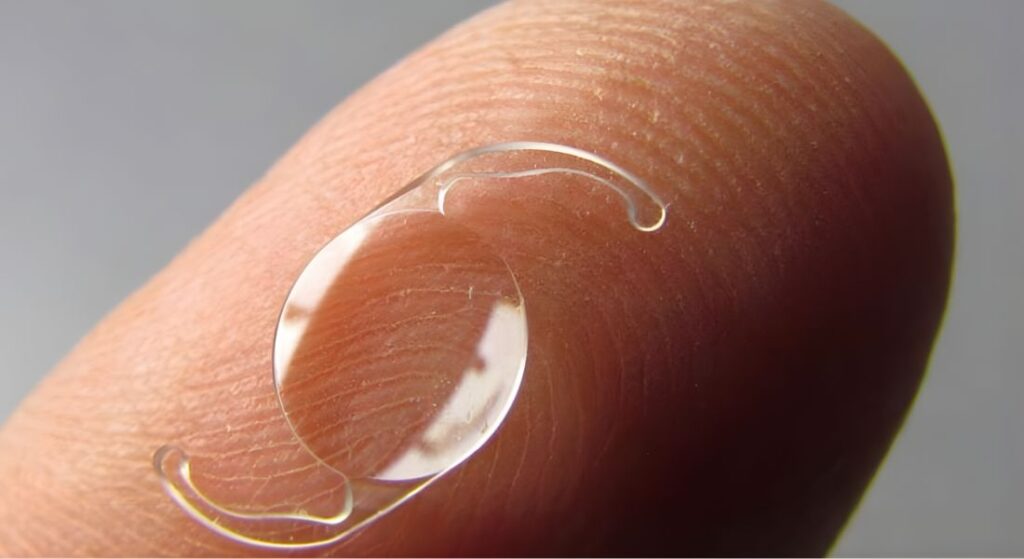
During your procedure, the artificial lens needs to be positioned very precisely to give you the clearest possible vision. Even small shifts in placement can affect how light focuses inside your eye. Because of this, your surgeon carefully checks the lens position before finishing the surgery. In some cases, a slight adjustment may be needed to achieve the best result. If this happens, your surgeon will make gentle, controlled changes to ensure the lens sits exactly where it should.
- Ensuring accurate lens placement: The artificial lens is designed to sit securely within your eye, but it must be aligned correctly to work effectively. Your surgeon will assess its position using specialised techniques during the procedure. This helps ensure that your vision will be sharp and well-focused after surgery.
- Immediate repositioning if needed: If the lens is not perfectly aligned, your surgeon can adjust it straight away. This is done carefully and usually takes only a short amount of time. Making these corrections during surgery helps avoid the need for further procedures later on.
- Preventing visual disturbances: Proper positioning reduces the risk of issues such as blurred vision, glare, or halos. By fine-tuning the lens placement, your surgeon helps optimise how light enters your eye. This improves the quality of your vision once your eye has healed.
- Careful checks before completing surgery: Before finishing the procedure, your surgeon will double-check the lens stability and alignment. These final checks are an important part of ensuring a successful outcome. It gives you the best chance of achieving clear, consistent vision.
These small adjustments are a normal part of modern eye surgery and are carried out with precision and care. They are done to improve your results, not because something has gone wrong. With careful positioning and expert handling, you can expect a smooth recovery and excellent visual outcomes.
Dealing with Unexpected Eye Movement
Even though your eye is numbed during RLE surgery, small involuntary movements can still occur. This is completely normal and expected, as the anaesthetic prevents pain but does not fully stop natural eye motion. These movements are usually very slight and do not interfere with the procedure. Surgeons are fully trained to anticipate and manage this as part of routine surgery.
During the procedure, you will be guided to stay relaxed and focus on a specific light. This helps keep your eye steady and reduces unnecessary movement. If any movement does occur, the surgeon can quickly adjust their technique or pause briefly to maintain precision. This flexibility ensures that the procedure continues safely without added risk.
Unexpected eye movement rarely leads to complications because it is carefully managed in real time. Modern surgical methods and equipment allow for excellent control even in dynamic situations. The surgeon’s experience plays a key role in handling these moments smoothly. As a result, the overall safety and success of the surgery remain very high.
Managing Pressure Changes
During RLE surgery, the pressure inside your eye (intraocular pressure) can fluctuate slightly as part of the procedure. This is completely normal and carefully monitored throughout using advanced surgical systems. Maintaining stable pressure is important to ensure a controlled environment inside the eye. Continuous monitoring allows the surgeon to keep everything balanced and safe.
If any pressure changes occur, the surgeon can immediately adjust fluid levels within the eye. Specialised equipment is used to regulate this fluid flow with high precision, helping to maintain the correct pressure at all times. These adjustments happen instantly and smoothly, often without the patient being aware of any change. This real-time control is a key part of modern eye surgery.
Proper pressure management ensures that the surgery proceeds safely and efficiently. It protects delicate internal structures and supports accurate placement of the intraocular lens. By keeping the eye stable throughout the procedure, the risk of complications is minimised. This careful control contributes to the consistently high success rates of RLE surgery.
Use of Advanced Technology
Modern RLE surgery relies on advanced technology to achieve a high level of precision and safety. Surgeons use high-quality operating microscopes, refined microsurgical instruments, and computer-guided systems to perform each step with accuracy. These tools provide a clear, magnified view of the eye, allowing delicate structures to be handled with great care. This level of precision significantly improves surgical outcomes.
Technology also plays a key role in detecting and managing potential issues at an early stage. Real-time imaging and monitoring systems allow the surgeon to identify even small changes during the procedure. This enables quick adjustments and immediate responses if needed. As a result, risks are reduced and the procedure remains controlled throughout.
Continuous innovation in eye surgery has made RLE safer and more predictable than ever before. Improvements in equipment and techniques have led to consistently successful results across a wide range of patients. These advancements support both surgeon confidence and patient safety. Overall, modern technology is a major factor behind the excellent outcomes seen with RLE surgery today.
Surgeon Experience Matters
The experience of your surgeon plays a crucial role in the safety and success of RLE surgery. Highly skilled surgeons have performed many procedures and are familiar with a wide range of scenarios, including rare or unexpected situations. This depth of experience allows them to remain calm and make precise decisions during surgery. Their expertise helps ensure that every step is handled with confidence and care.
Training and repeated practice build both technical precision and strong judgement. Experienced surgeons can quickly recognise subtle changes and adapt their approach without hesitation. This ability to respond effectively in real time is essential for maintaining safety during delicate eye procedures. It also helps minimise the impact of any unexpected events.
Choosing an experienced specialist is one of the most important factors in reducing surgical risk. It provides reassurance that your procedure is in capable hands. Skilled surgeons combine knowledge, technique, and decision-making to achieve the best possible outcomes. This significantly enhances both safety and overall success.
Communication During Surgery
During your procedure, you won’t be left wondering what’s happening. Your surgeon and the surgical team will speak to you throughout, guiding you step by step. Because you are awake, simple communication plays an important role in keeping everything smooth and controlled. Most patients find this reassurance helpful and calming. You may be given gentle instructions during the surgery to help achieve the best outcome.
- Simple instructions to follow: You might be asked to look at a specific light or keep your eyes steady for a few moments. These instructions are easy to follow and help the surgeon work with precision. Clear guidance ensures that each step of the procedure is carried out accurately.
- Letting your surgeon know how you feel: If you notice any discomfort or unusual sensation, you can tell your surgeon straight away. Even though your eyes are numbed, you may still feel slight pressure or awareness. Speaking up allows the team to respond quickly and keep you comfortable.
- Immediate adjustments when needed: If you do feel uncomfortable, small adjustments can be made right away. This may involve adding more numbing drops or giving you a brief pause. The goal is always to keep you relaxed while maintaining the safety of the procedure.
- Continuous reassurance throughout: The surgical team will keep you informed about what’s happening at each stage. Hearing clear, calm instructions helps reduce anxiety and builds confidence. You’ll always know what to expect next, which makes the experience feel much more manageable.
Good communication is a key part of a safe and successful procedure. It helps your surgeon maintain control while ensuring you remain comfortable. With clear guidance and support, you’re likely to find the experience much easier than you expected.
Post-Surgery Safety Checks
After RLE surgery, your eye is examined carefully to ensure everything is healing as expected. The surgeon checks important factors such as the position of the intraocular lens, eye pressure, and the condition of the incision. These assessments confirm that the procedure has been successful and that your eye is stable. Early evaluation helps set a strong foundation for recovery.
If any minor issues are detected during these checks, they are addressed immediately. This might include adjusting medications or providing additional care instructions. Early detection allows small concerns to be managed before they develop into complications. This proactive approach plays a key role in maintaining safety.
Ongoing post-surgery monitoring ensures the long-term success of your vision correction. Follow-up visits provide reassurance and allow your surgeon to track your progress over time. Even if everything feels normal, these checks are important for confirming that healing is complete. Consistent monitoring supports both your confidence and your final results.
Managing Early Complications
Some complications may appear after RLE surgery rather than during the procedure itself. These can include mild inflammation, temporary swelling, or slight discomfort as your eye begins to heal. Such symptoms are relatively common in the early phase and are usually not a cause for concern. They tend to be short-lived and part of the normal healing response.
To manage these symptoms, your surgeon will prescribe eye drops that help control inflammation and prevent infection. It is important to use these medications exactly as directed to support proper healing. Most patients notice steady improvement within a few days as the eye settles. Regular follow-up appointments allow your surgeon to monitor progress and adjust treatment if needed.
Early management is key to keeping your recovery smooth and complication-free. Addressing minor issues promptly prevents them from developing into more significant concerns. With proper care and monitoring, most patients recover without any lasting problems. This structured approach helps ensure a safe and successful outcome.
Infection Prevention
Infection is a rare but important concern in RLE surgery, and strict preventive measures are taken at every stage to minimise this risk. From pre-surgery preparation to the sterile operating environment and post-operative care, multiple layers of protection are in place. Antibiotic eye drops are commonly prescribed after surgery to help prevent bacterial growth and support safe healing. These combined steps make infection highly unlikely.
Patients are also advised to maintain excellent hygiene during the recovery period. This includes washing hands thoroughly before any contact near the eyes and avoiding unnecessary touching or rubbing. Keeping the eye area clean and following all aftercare instructions plays a major role in reducing risk. Small habits like these are essential for protecting the healing eye.
When proper care guidelines are followed, infection rates remain extremely low. The combination of surgical sterility, preventive medication, and patient compliance creates a very strong safety system. This makes infection one of the most effectively controlled risks in RLE surgery. Overall, prevention is highly reliable when instructions are carefully followed.
Managing Inflammation
Mild inflammation is a normal and expected response after RLE surgery as the eye begins its healing process. It is the body’s natural reaction to surgical intervention and usually indicates that recovery is underway. In most cases, this inflammation is very mild and well-controlled with prescribed anti-inflammatory eye drops. Symptoms typically improve steadily within a few days.
If inflammation is slightly stronger than expected, your surgeon may adjust your treatment plan. This can include changing the dosage of eye drops or prescribing additional medication to bring the response under control. These adjustments are straightforward and are aimed at ensuring your comfort and protecting your vision. Regular follow-up visits help guide these decisions.
Overall, post-surgery inflammation is highly manageable and rarely leads to serious complications. With proper monitoring and timely treatment, the eye usually settles quickly and heals as expected. Careful observation ensures that any changes are addressed early. This supports a smooth and comfortable recovery process.
Follow-Up Care Importance

After RLE surgery, follow-up visits are an essential part of your recovery. These appointments allow your surgeon to closely monitor how your eye is healing and make sure everything is progressing as expected. Even if your vision feels good, these checks are important for confirming that the internal healing is stable and on track. Follow-up care helps ensure that any small concerns are picked up and managed early.
- Monitoring the healing process: During your follow-up visits, your surgeon will examine your eye to check how well it is healing. This includes looking at the position of the artificial lens and the overall condition of the eye. These checks help confirm that recovery is going smoothly and safely.
- Identifying and managing concerns early: If there are any early signs of inflammation, pressure changes, or minor issues, they can be treated quickly. Early detection helps prevent complications from developing further. This is one of the main reasons why follow-up appointments are so important.
- Ensuring optimal visual results: Your surgeon will also assess your vision during these visits. If any small adjustments or additional treatments are needed, they can be discussed and planned at the right time. This helps ensure you achieve the best possible long-term visual outcome.
- Supporting long-term eye health: Follow-up care isn’t just about the early recovery period it also supports your long-term eye health. Regular monitoring ensures that your results remain stable over time. It also gives you the opportunity to ask questions and receive reassurance about your progress.
Follow-up appointments are a key part of your overall treatment journey. They help make sure your recovery stays safe, smooth, and well-managed from start to finish.
Long-Term Safety
Once healing is complete after RLE surgery, the eye becomes very stable and functions normally in everyday life. The artificial intraocular lens remains securely positioned inside the eye and does not move or degrade over time in most cases. At this stage, the risk of long-term complications is very low. This stability is one of the key benefits of the procedure.
Most patients enjoy clear, consistent vision for many years following surgery. With successful healing, visual results tend to remain stable without frequent changes. Routine eye examinations are still recommended to monitor overall eye health and ensure everything continues to function well. These regular checks help maintain long-term reassurance and safety.
Overall, RLE surgery offers excellent long-term safety and reliability for the majority of patients. It provides a lasting solution for vision correction with high satisfaction rates. When proper care and follow-up are maintained, outcomes remain strong over time. This makes RLE a dependable option for long-term visual improvement.
Emotional Reassurance
Understanding the risks and safety measures of RLE surgery can significantly reduce anxiety for patients. When you know that serious complications are rare and that the procedure is highly controlled, it naturally builds confidence. Clear and accurate information helps replace fear with realistic expectations. Education plays an important role in making you feel more comfortable before surgery.
Surgeons usually take time to explain every aspect of the procedure in detail during consultations. This includes discussing potential risks, how they are managed, and what outcomes you can expect. Open communication helps build trust between you and your surgical team. It also ensures that you feel well-informed and prepared before going ahead with treatment.
This reassurance has a positive impact on the overall surgical experience. When patients feel calm and confident, they are more relaxed during both surgery and recovery. A clear understanding of the process supports better emotional well-being. Ultimately, confidence and reassurance contribute to a smoother and more positive healing journey.
Comparing Risk to Daily Activities
The risks associated with RLE surgery are very low when compared to many everyday activities people commonly do without concern. Modern surgical techniques, advanced technology, and strict safety protocols have made the procedure highly reliable. Millions of successful procedures have been performed worldwide, which reflects its strong safety record. This helps put the level of risk into perspective.
Looking at risk in this way can help reduce unnecessary fear or anxiety about the surgery. Many routine activities, such as driving or certain sports, carry their own everyday risks that are often overlooked. Understanding these comparisons allows you to view RLE in a more balanced and realistic way. It supports more confident and informed decision-making.
Overall, safety is one of the strongest advantages of RLE surgery. Careful planning, skilled surgeons, and modern equipment all contribute to its excellent outcomes. When viewed objectively, the procedure is considered very safe for suitable candidates. This reassurance helps patients feel more at ease about their choice.
Emergency Preparedness
Surgical teams performing RLE are always fully prepared for any unexpected situations, even though serious complications are rare. The operating theatre is equipped with advanced emergency tools and systems designed to handle a wide range of scenarios. Every member of the surgical team is highly trained to respond quickly and effectively if needed. This ensures that patient safety is always maintained at the highest level.
Even rare complications are anticipated in advance through detailed planning and established medical protocols. Surgeons follow structured emergency procedures that allow them to act immediately and appropriately if anything unusual occurs. This level of preparation means that problems can be managed without delay, reducing potential risk. Continuous training and simulation also help maintain readiness at all times.
Overall, this high level of emergency preparedness provides strong reassurance for patients. Knowing that the surgical team is equipped to handle any situation helps build confidence in the procedure. It ensures that safety is prioritised at every stage of surgery. This readiness is a key reason why RLE surgery has such a strong safety record.
Role of Patient Cooperation
Patient cooperation plays an important role in ensuring a smooth and successful RLE surgery. Staying calm and following the surgeon’s instructions during the procedure helps everything proceed in a controlled and efficient manner. Simple guidance, such as focusing on a fixed light and avoiding unnecessary movement, supports the surgeon’s precision. This teamwork contributes directly to overall safety.
Remaining relaxed during surgery is especially helpful, as it naturally reduces involuntary eye or body movements. Even though the eye is numbed, staying still allows the surgeon to work more comfortably and accurately. Listening carefully to instructions from the surgical team is essential throughout the procedure. These small actions can make a meaningful difference to the surgical flow.
Good cooperation between patient and surgeon ultimately supports better outcomes. When both sides work together effectively, the procedure becomes smoother and more predictable. This shared effort helps minimise risks and enhances overall safety. It also contributes to a more positive surgical experience.
Recovery Monitoring
Recovery after RLE surgery is closely monitored through scheduled follow-up appointments. During these visits, your surgeon checks key aspects such as vision clarity, eye comfort, and the overall healing process. These assessments help ensure that your eye is recovering normally and that the intraocular lens is functioning as expected. This structured monitoring is an important part of post-operative care.
If any concerns are identified, they are addressed early before they develop into more significant issues. Your surgeon may adjust medications, such as eye drops, or provide additional guidance based on your healing progress. This proactive approach helps maintain comfort and supports smooth recovery. Regular communication with your surgical team also ensures you feel supported throughout the process.
Consistent monitoring plays a major role in achieving long-term success after surgery. It helps confirm that healing is stable and that vision is improving as expected. This ongoing care provides reassurance and builds confidence during recovery. Ultimately, careful follow-up supports both safety and excellent visual outcomes.
What Happens If a Problem Is Detected
If a problem is detected after your surgery, it is managed promptly to ensure your eye remains safe and your recovery stays on track. Your surgeon will assess the issue carefully and adjust your treatment plan based on what is found. Early intervention is an important part of post-operative care, as it helps prevent minor concerns from developing into more significant complications. Most issues, if they occur, are minor and temporary and usually respond well to simple treatment.
- Immediate assessment by your surgeon: If anything unusual is noticed during a follow-up visit, your surgeon will carry out a detailed examination. This helps identify the cause of the issue quickly. Understanding the problem clearly allows for the most appropriate treatment to be started without delay.
- Adjustment of treatment plan: Your care plan may be modified depending on your symptoms or healing progress. This could include changes to your eye drops, additional medication, or specific advice on how to care for your eye. These adjustments are tailored to support faster and safer recovery.
- Early intervention to prevent complications: Acting early is key to avoiding more serious issues. By treating problems in their initial stages, your surgeon can usually resolve them quickly and effectively. This proactive approach greatly reduces the risk of long-term effects.
- Most issues are mild and short-term: In most cases, any post-surgical issues are not serious and settle with treatment. Temporary dryness, mild inflammation, or slight discomfort are examples of common, manageable concerns. These typically improve within a short period of time.
Prompt action and regular monitoring ensure that your recovery remains safe and well-controlled. With timely care and professional support, most problems are resolved quickly, helping you achieve a smooth and successful healing process.
Success Rates of RLE Surgery
RLE surgery has very high success rates, with most patients achieving excellent and stable visual outcomes. Many people experience a significant improvement in their quality of vision, often with reduced or no dependence on glasses or contact lenses. Patient satisfaction levels are consistently high, especially when the procedure is performed on suitable candidates. These positive outcomes reflect the reliability of the surgery.
Complications are uncommon and, when they do occur, are usually mild and manageable with proper care. Advances in surgical technology, improved lens designs, and refined techniques have all contributed to even better results over time. Surgeons continue to follow strict safety standards to maintain these high success rates. This ongoing progress helps ensure consistently strong outcomes for patients.
Overall, RLE is widely regarded as a trusted and effective option for long-term vision correction. Its combination of safety, precision, and predictability makes it a preferred choice for many individuals. With careful assessment and expert surgical care, most patients enjoy long-lasting visual improvement. This reliability is a key reason for its strong reputation worldwide.
Confidence in Modern Eye Surgery
Modern eye surgery is highly advanced, with precision techniques that have developed significantly over the past few decades. Continuous improvements in surgical equipment, imaging systems, and lens technology have made procedures like RLE safer and more predictable than ever before. As part of this progress, RLE benefits directly from the latest innovations in ophthalmology.
Patients today gain from years of research, clinical trials, and real-world surgical experience. Techniques are constantly refined to improve accuracy, reduce risks, and enhance recovery. This ongoing evolution means that surgeons can perform procedures with a very high level of confidence in both safety and outcomes. As a result, visual results are often excellent and consistent.
Having trust in modern surgical methods can greatly reduce anxiety and fear before treatment. Understanding how far technology and medical expertise have progressed helps patients feel more reassured about their decision. This confidence supports a more positive mindset going into surgery. Ultimately, modern eye surgery offers a reliable and well-established path to long-term vision correction.
FAQs:
1. What happens if something goes wrong during RLE surgery?
If something unexpected happens, your surgeon will recognise it immediately and take the appropriate steps to manage it. Eye surgeons are highly trained to deal with a wide range of situations calmly and effectively. Most issues can be resolved during the procedure itself. This ensures that your safety and visual outcome are protected.
2. How common are complications in RLE surgery?
Complications in RLE surgery are quite rare, especially serious ones. Advances in technology and surgical techniques have significantly improved safety. Most patients undergo the procedure without any problems. When minor issues do occur, they are usually temporary and easily treated.
3. Can complications be corrected during the surgery?
Yes, many complications can be corrected immediately during surgery. Surgeons are prepared with alternative techniques and tools to handle unexpected situations. This flexibility allows them to adapt without compromising safety. As a result, most procedures are completed successfully even if adjustments are needed.
4. What is the most common complication after RLE surgery?
The most common issues after RLE surgery are mild inflammation or temporary discomfort. These are normal responses and usually resolve within a few days. Eye drops are typically prescribed to manage these symptoms. They rarely have any long-term impact on your vision.
5. What if the artificial lens is not positioned correctly?
If the lens position is not ideal, the surgeon can adjust it during the procedure. Precise alignment is always checked before finishing the surgery. This ensures that you achieve the best possible visual result. In rare cases, minor adjustments can also be made after surgery if needed.
6. Can RLE surgery lead to permanent vision loss?
Permanent vision loss from RLE surgery is extremely rare. Modern techniques and careful monitoring have made the procedure very safe. Surgeons take multiple precautions to protect your eye throughout the process. Most complications, if they occur, are treatable and temporary.
7. What happens if an issue is found after surgery?
If a problem is detected after surgery, it is usually managed quickly and effectively. Treatment may include additional eye drops or minor interventions. Early detection through follow-up visits helps prevent complications from worsening. Most patients recover fully with proper care.
8. How do surgeons prepare for emergencies during surgery?
Surgical teams are fully prepared for any unexpected situation. They follow established protocols and have specialised equipment ready at all times. Training ensures they can respond quickly and efficiently. This level of preparation keeps the procedure safe.
9. Does surgeon experience affect complication risk?
Yes, surgeon experience plays a major role in reducing risk. Experienced surgeons can anticipate potential issues and manage them effectively. Their skill and judgement improve both safety and outcomes. Choosing a qualified specialist is an important step.
10. How can I reduce my risk of complications?
You can reduce your risk by following all pre- and post-surgery instructions carefully. Attend your follow-up appointments and use prescribed medications as directed. Keeping good communication with your surgeon is also important. These steps help ensure a smooth and successful recovery.
Final Thoughts: Confidence in Safe and Modern RLE Surgery
RLE surgery is designed with safety, precision, and patient wellbeing at its core. While it is completely natural for you to wonder what might happen if something goes wrong, the reality is that such situations are rare and highly manageable. Surgeons are extensively trained to respond to any unexpected event, and modern technology allows them to act quickly and effectively. This means you can feel reassured that your vision is always in safe hands.
Another important point to remember is that every stage of the journey is carefully planned to minimise risk. From detailed pre-surgery assessments to real-time monitoring during the procedure and thorough follow-up care, each step is focused on achieving the best possible outcome. Even if a minor issue arises, it is usually temporary and treated promptly without affecting your long-term vision. This structured approach helps ensure a smooth and predictable experience for most patients. If you’re considering RLE surgery in London, you can get in touch with us at London Cataract Centre.
References:
- Trojacka, E., Przybek‑Skrzypecka, J., Skrzypecki, J., Szaflik, J.P. & Izdebska, J. (2026) Current trends in presbyopia correction a comprehensive review, Journal of Clinical Medicine, 15(1), p.215. Available at: https://www.mdpi.com/2077-0383/15/1/215
- Hannan, S.J., Schallhorn, S.C., Venter, J.A., Teenan, D. & Schallhorn, J.M. (2023) Immediate sequential bilateral surgery in refractive lens exchange patients: clinical outcomes and adverse events, Ophthalmology, 130(9), pp. 924-936. Available at: https://www.sciencedirect.com/science/article/pii/S0161642023002798
- Alió, J.L., Grzybowski, A., El Aswad, A. & Romaniuk, D. (2014) Refractive lens exchange, Survey of Ophthalmology, 59(6), pp. 579-598. Available at: https://pubmed.ncbi.nlm.nih.gov/25127929/
- Abdelghany, A.A. & Alió, J.L. (2014) Surgical options for correction of refractive error following cataract surgery, Eye and Vision, 1, p.2. Available at: https://pmc.ncbi.nlm.nih.gov/articles/PMC4604120/
- Khoramnia, R. & Naujokaitis, T. (2024) Functional outcomes after refractive lens exchange with implantation of a glistening‑free diffractive trifocal intraocular lens, American Journal of Ophthalmology. Available at: https://www.sciencedirect.com/science/article/pii/S0002939424003519