



Refractive Lens Exchange (RLE) surgery is a highly effective and commonly performed procedure, but your eye will still be in a delicate healing phase immediately afterwards. During this time, many patients naturally worry about accidentally touching or rubbing their eye. In most cases, a single gentle touch does not cause serious harm, especially if it is brief and without pressure. However, it is still important to be cautious.
After surgery, your eye is healing internally and externally. Although the intraocular lens is securely placed, the small incision and surrounding tissues are still stabilising. Touching or rubbing the eye too firmly can potentially irritate the surface, increase the risk of infection, or in rare cases disturb early healing. This is why surgeons strongly recommend avoiding any contact with the eye, particularly in the first few days after the procedure.
If you do accidentally touch your eye, try not to panic. Most of the time, nothing serious happens, especially if there is no pain, redness, or change in vision afterwards. However, it is important to monitor your symptoms carefully. If you notice discomfort, blurred vision, or persistent irritation, you should contact your eye doctor for reassurance. Understanding this helps reduce anxiety and supports a calm, safe recovery process.
Understanding RLE Surgery
Refractive Lens Exchange (RLE) surgery is a procedure in which your eye’s natural lens is removed and replaced with an artificial intraocular lens (IOL). It is commonly performed to correct presbyopia (age-related near vision loss), high hyperopia, or significant refractive errors that may not be suitable for laser eye surgery. The procedure is very similar to modern cataract surgery, but it is done for vision correction rather than treating a cloudy lens.
Once the artificial lens is implanted, it remains permanently inside your eye. In most cases, it does not require replacement or regular maintenance. The aim of RLE is to provide long-term visual clarity and significantly reduce or eliminate the need for glasses or contact lenses. Many patients experience improved vision at both near and distance ranges depending on the type of lens used.
Because the procedure involves internal eye surgery, the healing process is a crucial part of recovery. The eye needs time to adjust and stabilise after the lens is placed, and the small incision must fully heal. This is why careful post-operative care and following your surgeon’s instructions are essential for achieving the best possible outcome.
Why Post-Surgery Care Matters
After Refractive Lens Exchange (RLE) surgery, your eye is still in the early stages of healing from a very small but important surgical incision. Although the cut is tiny and usually self-sealing, it still needs time to fully stabilise. During this healing window, the eye is more sensitive than usual, particularly to pressure, friction, and accidental contact.
If you touch or rub your eye too early, even gently, it can cause temporary irritation or increase surface sensitivity. In most cases, this does not lead to any serious damage, but it may slightly slow down healing or increase discomfort. This is why surgeons give you very clear aftercare instructions, especially in the first few days after surgery, to protect the eye while it is most vulnerable.
Following these instructions carefully helps your eye heal smoothly and predictably. It also significantly reduces the risk of avoidable complications such as infection or inflammation. Good post-operative care ensures you get the best possible visual outcome and a more comfortable recovery overall.
Eye Sensitivity After Surgery
After surgery, your eyes may feel more sensitive than usual. This is completely normal and usually temporary. The nerves around your eye become a little more reactive as part of the healing process, which is why you may notice these sensations more in the early days.
- Mild discomfort or irritation: You may feel a slight gritty or scratchy sensation, almost like there is something in your eye. This is known as a foreign body sensation and is a normal part of early recovery.
- Increased light sensitivity: Your eyes may feel more sensitive to bright lights or screens. Wearing sunglasses outdoors can help reduce discomfort during this stage.
- Temporary watering or dryness: Some people notice their eyes water more than usual, while others feel mild dryness. Both are normal and usually settle as healing progresses.
- Use of eye drops for comfort: Your prescribed eye drops help reduce inflammation, prevent infection, and improve comfort. Using them exactly as advised can significantly ease sensitivity.
Most of these symptoms improve within a few days as your eyes begin to heal. Over time, the sensitivity gradually reduces, and your eyes return to their normal comfort levels. Patience and proper aftercare play an important role in ensuring a smooth recovery.
What Happens When You Touch Your Eye
If you accidentally touch your eye gently after RLE surgery, it usually does not cause any serious problems. You may notice slight discomfort, watering, or a mild stinging sensation, which is your eye’s natural protective response. These symptoms are typically short-lived and settle on their own without the need for treatment. In most cases, your vision remains stable and unaffected after such minor contact.
The eye is naturally designed to tolerate small, accidental touches, so a single light contact is generally well tolerated. However, the healing surface of your eye is still sensitive, which means repeated rubbing or applying pressure can lead to irritation. This may increase inflammation or delay the healing process slightly. That is why your surgeon advises avoiding any unnecessary contact, especially in the first few days.
In most situations, an isolated gentle touch is harmless and does not impact the outcome of your surgery. The key concern is avoiding habits like rubbing your eyes or pressing on them, which carry higher risk. Being mindful of your actions during recovery helps protect your eyes and ensures smooth healing. If you ever feel unusual pain or notice changes in vision, it is always best to seek medical advice for reassurance.
Rubbing vs Light Touching
There is an important difference between lightly touching your eye and rubbing it after RLE surgery. A gentle, accidental touch is usually low risk and unlikely to cause any harm, especially if it happens briefly and without pressure. In contrast, rubbing the eye applies much more force and can disturb the healing surface. Understanding this distinction helps you stay calm if minor contact occurs.
Rubbing your eye can irritate the incision site and the delicate tissues that are still healing. It may also increase inflammation, leading to redness, discomfort, or temporary vision disturbance. In some cases, repeated rubbing could interfere with the normal healing process. This is why surgeons strongly advise avoiding any rubbing, particularly during the early recovery period.
Knowing the difference between harmless contact and risky behaviour is essential for a smooth recovery. Being mindful of your actions helps protect your eye and supports proper healing. Even if your eye feels itchy or irritated, it is best to use prescribed drops rather than touching it. This simple awareness can make a significant difference in your overall outcome.
The First 24 Hours After Surgery
The first 24 hours after RLE surgery are the most sensitive phase of your recovery. During this time, your eye is beginning to heal, and the tiny incision is still settling into place. You may experience mild blurriness, watering, or light sensitivity, which are all normal at this stage. Because your eye is more vulnerable, it is important to be especially careful.
Any form of contact with your eye should be avoided during this initial period. Even accidental touching can cause irritation or discomfort, particularly when the tissues are still delicate. To reduce this risk, many patients are advised to wear a protective eye shield, especially while sleeping. This simple step helps prevent unconscious rubbing or accidental pressure on the eye.
Rest plays a key role in your early recovery. Limiting screen time, avoiding strenuous activity, and keeping your eyes relaxed can all support healing. By giving your eyes the time and protection they need in the first day, you set a strong foundation for a smooth and successful recovery.
The First Week of Healing
During the first week after RLE surgery, your eye continues to heal at a steady pace. The small incision begins to seal more securely, and the internal structures gradually stabilise. You may notice slight fluctuations in your vision during this time, which is completely normal as your eye adjusts. These temporary changes usually improve day by day.
Even though healing is progressing, it is still important to avoid touching your eye. The tissues remain sensitive, and even mild pressure can lead to irritation or discomfort. Following protective measures, such as using prescribed eye drops and avoiding rubbing, plays a key role in preventing complications. Careful attention during this phase helps ensure smooth recovery.
By the end of the first week, your eye typically becomes much more stable. Vision clarity often improves, and discomfort reduces significantly. While you may start feeling more comfortable, continuing good habits and attending follow-up appointments will support long-term healing and optimal results.
Role of the Intraocular Lens
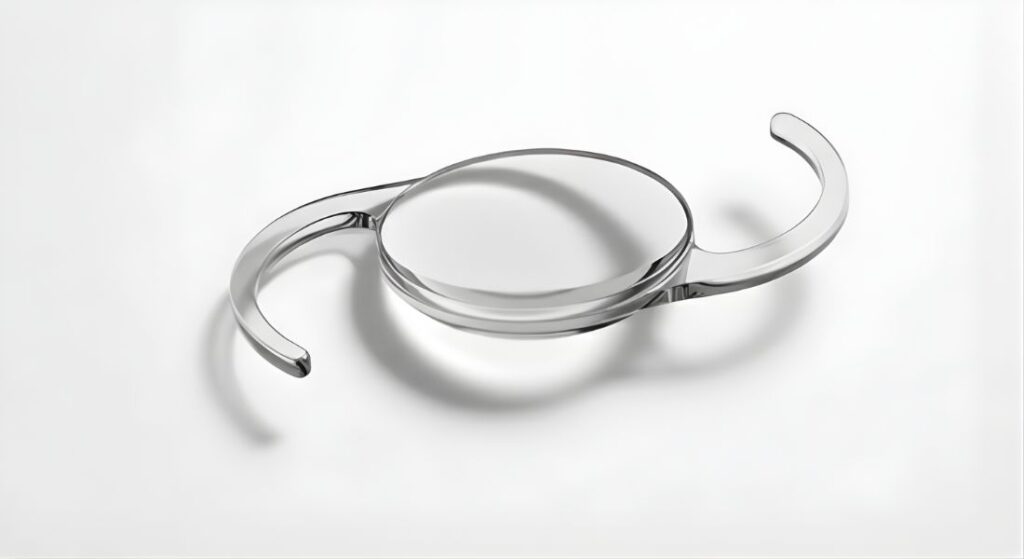
The artificial intraocular lens (IOL) placed during RLE surgery is designed to be highly stable within your eye. Once positioned correctly, it sits securely behind the pupil and is held in place by natural structures. This means that a brief, accidental touch to the surface of your eye is very unlikely to affect the position of the lens. Knowing this can help reduce unnecessary worry during recovery.
However, while the lens itself is stable, the surrounding tissues are still in the process of healing. The small incision, surface layers, and internal environment of the eye remain sensitive, especially in the early days after surgery. This is where caution becomes important, as touching or rubbing the eye can irritate these delicate areas. Protecting the healing tissues helps prevent discomfort and supports proper recovery.
In most cases, the risk associated with touching your eye is related to surface irritation rather than any movement of the lens. You may experience temporary redness, watering, or mild discomfort if contact occurs. By avoiding unnecessary touching and following aftercare instructions, you allow both the lens and surrounding tissues to settle safely.
Healing of the Corneal Incision
During Refractive Lens Exchange (RLE) surgery, a very small incision is made in the cornea to allow the lens to be replaced. This incision is designed to be self-sealing and usually heals quite quickly. Even so, it remains delicate in the first few days, so a little extra care is important.
- Small, self-healing incision: The incision made during surgery is tiny and carefully placed. In most cases, it seals naturally without the need for stitches, which helps speed up recovery.
- Avoid touching or rubbing your eyes: You should avoid touching your eyes, especially in the first few days. Rubbing can irritate the incision area and may slow down healing or cause discomfort.
- Mild sensitivity during early healing: You might notice slight sensitivity or awareness in the treated eye. This is normal and usually settles as the incision heals.
- Follow aftercare instructions closely: Using your prescribed eye drops and following hygiene advice helps protect the incision and supports smooth healing.
Most of the healing happens within just a few days, although your eye may continue to settle beyond that. By taking simple precautions early on, you help ensure the incision heals properly and comfortably.
Normal Symptoms After Touching
If you accidentally touch your eye after RLE surgery, you may notice watering, mild irritation, or a slight foreign-body sensation. This is a normal response, as your eye is still sensitive during the healing phase. These symptoms usually settle within a short time without any treatment. In most cases, they do not affect your recovery or visual outcome.
Some patients may also experience a brief stinging or burning sensation after contact. This can feel uncomfortable but is typically temporary and not a sign of damage. The surface of your eye is more reactive after surgery, which is why even minor contact can feel more noticeable than usual. Using your prescribed eye drops can help soothe any irritation.
It is important to observe how your eye feels after any contact. If symptoms improve quickly, there is usually no cause for concern. However, if discomfort persists or worsens, it is wise to contact your eye specialist for reassurance. Staying aware of these normal responses helps you manage recovery with confidence.
When to Be Concerned
You should be more cautious if symptoms do not settle after a short time. Persistent pain, increasing redness, blurred vision, or unusual discharge can be warning signs that need attention. These symptoms are not typical after minor contact and should not be ignored. Being aware of these changes helps you act quickly if something feels wrong.
If any of these symptoms continue or worsen, it is important to contact your surgeon promptly. Early assessment allows any potential issue to be identified and managed before it becomes more serious. In most cases, problems are minor and easily treated when addressed early. Seeking advice quickly provides reassurance and protects your recovery.
Taking prompt action is always the safest approach during the healing phase. It ensures your eye remains healthy and your surgical results are not affected. Even if you are unsure, it is better to get checked than to wait. Your surgical team is there to support you throughout your recovery.
Infection Risk
Touching your eye with unclean hands after RLE surgery can increase the risk of infection. During the healing phase, your eye is more vulnerable to bacteria and external contaminants. Even a small amount of exposure can lead to irritation or, in rare cases, infection. This is why maintaining strict hygiene is essential throughout your recovery.
Always wash your hands thoroughly before applying eye drops or going near your eyes. It is best to avoid any unnecessary touching altogether, especially in the first few days after surgery. Keeping your hands clean and following your aftercare routine significantly reduces the chance of complications. Simple precautions like these play a big role in protecting your eye.
Although infections after RLE surgery are uncommon, they are largely preventable with proper care. Being mindful of hygiene and avoiding contact helps ensure a smooth healing process. If you follow these precautions consistently, your risk remains very low. This allows your eye to recover safely and comfortably.
Importance of Eye Drops

After Refractive Lens Exchange (RLE) surgery, eye drops play a vital role in your recovery. They help protect your eyes while they heal and keep you comfortable during the early stages. Using them properly can make a noticeable difference in how smoothly your recovery goes.
- Preventing infection: Antibiotic eye drops help reduce the risk of infection after surgery. Even though complications are rare, these drops provide an extra layer of protection while your eye is healing.
- Reducing inflammation: Anti-inflammatory drops help control swelling inside the eye. This supports clearer vision and helps your eye settle more quickly after the procedure.
- Soothing irritation and sensitivity: You may experience mild dryness, irritation, or a gritty sensation. Lubricating drops help keep your eyes comfortable and reduce these symptoms.
- Support after accidental eye contact: If you accidentally touch or rub your eye, your drops can help calm any irritation and reduce the chance of inflammation.
- Following the correct schedule: It’s important to use your drops exactly as prescribed by your surgeon. Missing doses or stopping too early may affect your recovery.
Using your eye drops consistently is one of the simplest yet most effective ways to support healing. When you stick to your aftercare routine, you give your eyes the best chance of recovering quickly and comfortably.
Protective Eye Shield
Many patients are advised to wear a protective eye shield at night after RLE surgery. This simple device acts as a barrier, preventing accidental rubbing or pressure on your eye while you sleep. Since you are not aware of your movements during sleep, the shield provides essential protection during this vulnerable period. It is a highly effective way to safeguard your eye in the early stages of healing.
The shield helps prevent unconscious actions such as touching or pressing the eye, which could otherwise cause irritation. It is particularly important during the first few days when the eye is most sensitive and healing is still underway. Most patients find it comfortable and quickly get used to wearing it overnight. Following this advice adds an extra layer of safety to your recovery routine.
Using the eye shield consistently can significantly reduce the risk of complications. It supports proper healing by keeping the eye undisturbed during rest. Combined with other aftercare steps, it helps ensure a smooth and problem-free recovery. This small precaution can make a big difference in protecting your surgical results.
Sleeping Care After Surgery
Your sleeping position plays an important role in recovery after RLE surgery. Sleeping on your back is usually recommended, as it keeps pressure off your operated eye and allows it to heal undisturbed. This position also reduces the chance of accidentally touching or pressing the eye during the night. Maintaining a stable posture while sleeping helps protect the delicate healing tissues.
It is best to avoid sleeping on the side of the operated eye, especially in the first few days. Side sleeping can create unintentional pressure and may increase the risk of rubbing against pillows or bedding. Even small amounts of pressure can lead to irritation or discomfort while the eye is still sensitive. Being mindful of your sleeping habits can make a noticeable difference in your recovery.
Good quality sleep is essential for overall healing and recovery. When your body is well-rested, it can repair tissues more efficiently and reduce inflammation. Combining proper sleep position with protective measures like an eye shield further enhances safety. These simple habits help ensure a smoother and more comfortable healing process.
Daily Activities
Light daily activities are usually safe to resume soon after RLE surgery, as long as you take sensible precautions. You can move around your home, read briefly, or carry out simple tasks without strain. However, your eye is still healing, so it is important to stay mindful and avoid touching or rubbing it. Taking things gently in the first few days helps prevent unnecessary irritation.
You should try to avoid dusty or polluted environments during early recovery. Dust particles can enter the eye and cause irritation, watering, or discomfort, especially when the surface is still sensitive. Keeping your surroundings clean and well-ventilated supports a more comfortable healing process. Wearing protective eyewear outdoors can also add an extra layer of safety.
A gradual return to your normal routine is the best approach. You can slowly increase your activity level as your eye feels more comfortable and your vision stabilises. Listening to your body and following your surgeon’s advice will guide you on when to resume specific tasks. This steady progression helps ensure a smooth and complication-free recovery.
Work and Screen Time
Most patients are able to return to work within a few days after RLE surgery, depending on how comfortable their eyes feel. If your job involves screens, reading, or detailed tasks, you may notice mild strain initially. This is normal, as your eyes are still adjusting and healing. Taking a gradual approach helps you ease back into your routine without discomfort.
Screen time should be balanced carefully during the early recovery period. Prolonged use of computers or phones can lead to dryness, fatigue, or increased sensitivity in your eyes. It is important to avoid rubbing your eyes if they feel tired, as this can irritate the healing surface. Instead, using prescribed eye drops and blinking regularly can help maintain comfort.
Taking frequent breaks is one of the best ways to support recovery while working. Following simple habits like the 20-20-20 rule (looking away from the screen at regular intervals) can reduce strain. Over time, your comfort will improve steadily, and you will be able to use screens more normally. Listening to your eyes and pacing yourself ensures a smooth and safe recovery.
Exercise Restrictions
Strenuous exercise should be avoided in the early days after RLE surgery, as your eye is still healing and sensitive. Activities that increase your heart rate or involve sudden movements can place subtle pressure on the eye. This may interfere with healing or increase the risk of accidental contact. Giving your body time to recover properly is essential during this phase.
Light activities such as gentle walking are generally safe and can even support circulation and overall recovery. However, heavy lifting, intense workouts, or contact sports should be avoided initially. These activities can strain your body and raise the chances of rubbing or injuring your eye. It is always best to follow your surgeon’s specific advice based on your progress.
A gradual return to exercise is the safest approach. As your eye heals and becomes more stable, you can slowly reintroduce more demanding activities. Listening to your body and not rushing the process helps prevent setbacks. This steady progression ensures both safe healing and long-term success of your surgery.
Driving After Surgery
After surgery, you will need to avoid driving for a short period. This is because your vision needs time to stabilise, and your eyes may still be adjusting in the early recovery phase. Your safety and the safety of others on the road is always the top priority.
- Wait for your vision to stabilise: Your eyesight may be slightly blurry or fluctuate in the first few days. It’s important to wait until your vision is clear and steady before driving again.
- Follow your surgeon’s approval: You should only resume driving once your doctor confirms it is safe. This usually happens after a follow-up check, where your vision and healing are assessed.
- Be aware of temporary discomfort: Mild irritation, sensitivity, or dryness can occur after surgery. While accidental eye touching while driving is unlikely, any discomfort could distract you, so it’s best to avoid driving until you feel fully comfortable.
- Consider light sensitivity: Bright lights, especially at night, may feel more intense for a short time. This can affect your confidence while driving, particularly in low-light conditions.
Once your vision is clear and you feel comfortable, most people return to driving without any issues. Taking a cautious approach early on helps ensure a safe and confident return to normal activities.
Eye Pressure Monitoring
Eye pressure, also known as intraocular pressure, is routinely checked during your follow-up appointments after RLE surgery. This helps your surgeon ensure that your eye is healing properly and that the internal environment remains stable. Monitoring pressure is an important part of post-operative care, as changes can sometimes indicate early complications. Regular assessments allow any issues to be detected and managed promptly.
In most cases, accidentally touching your eye does not significantly affect eye pressure, especially if the contact is gentle and brief. However, consistent monitoring is still essential because pressure changes can occur for other reasons during healing. Your surgeon may adjust medications or provide additional guidance if needed. This careful observation helps maintain the safety of your recovery.
Attending all scheduled follow-up visits provides reassurance and keeps your recovery on track. These checks are quick, painless, and highly informative for both you and your doctor. Knowing that your eye pressure is within a healthy range can give you confidence as you heal. Regular monitoring plays a key role in achieving the best long-term outcome.
Follow-Up Visits
Follow-up appointments are a vital part of your recovery after RLE surgery. During these visits, your surgeon carefully checks how your eye is healing and ensures that everything is progressing as expected. Key aspects such as vision clarity, incision healing, and lens position are assessed. These regular reviews help confirm that your recovery is on the right track.
Any concerns or unusual symptoms can be identified and addressed quickly during follow-ups. Early detection of even minor issues allows for prompt treatment, which helps prevent complications. These visits also give you the opportunity to ask questions and receive personalised guidance. Many patients find this ongoing support very reassuring during the healing process.
Staying consistent with your scheduled appointments is essential for the best outcome. Even if your eye feels fine, these checks provide important medical confirmation that everything is stable. Skipping visits can mean missing early signs of a problem. Regular follow-ups ensure a smooth, safe, and successful recovery.
Long-Term Safety
Once your eye has fully healed after RLE surgery, it becomes stable and resilient again. The small incision used during the procedure seals completely, reducing any vulnerability to external contact. At this stage, accidental touching of the eye is no longer a concern in everyday life. You can feel more confident as your eye regains its normal strength.
The intraocular lens implanted during surgery remains securely in place for the long term. It is designed to stay stable without the need for maintenance or replacement in most cases. As healing completes, you can return to your usual activities without restrictions. Normal routines, including work, exercise, and daily tasks, become comfortable again.
Long-term outcomes after RLE surgery are generally excellent. Most patients experience stable, clear vision and a significant reduction in dependence on glasses. The procedure has a high safety profile when proper care is followed during recovery. This long-term stability allows you to enjoy the full benefits of your vision correction with confidence.
Eye Protection Habits
Even after your eyes have fully healed, looking after them properly remains important. Small daily habits can make a big difference in maintaining comfort and protecting your long-term vision. Once recovery is complete, the focus shifts from healing to prevention and care.
- Avoid rubbing your eyes: It’s best to avoid rubbing your eyes, even if they feel slightly itchy or tired. Rubbing can irritate the surface of your eye and, over time, may affect its health.
- Maintain good hygiene: Keeping your hands clean before touching your face or eyes helps reduce the risk of irritation or infection. This is especially important if you use eye drops or contact your eyes during your routine.
- Protect your eyes from irritants: Try to limit exposure to dust, smoke, and other environmental irritants. If you are in a dusty or windy area, wearing protective glasses or sunglasses can help.
- Stay consistent with eye care: Continue attending routine eye check-ups and follow any long-term advice from your eye specialist. Regular monitoring helps ensure your eyes remain healthy.
- Support overall eye comfort: Staying hydrated, taking breaks from screens, and maintaining a balanced lifestyle all contribute to better eye comfort and reduced strain.
These simple habits are easy to follow but very effective. By taking a little extra care each day, you can protect your eyes and enjoy clear, comfortable vision for the long term.
Emotional Anxiety After Surgery
Many patients feel anxious about accidentally harming their eye after RLE surgery, and this is completely normal. When your vision is healing, it is natural to become more aware of every sensation or small change. Even minor contact can feel worrying, especially in the early days. Recognising that this anxiety is a common part of recovery can help you feel less alone.
Understanding how the healing process works can significantly reduce fear. In most cases, a brief and gentle accidental touch does not cause any harm to the eye or affect the surgical outcome. Your eye is more resilient than it may feel, even during recovery. Having the right information helps you respond calmly rather than react with concern.
As your confidence grows, your overall recovery experience becomes much more comfortable. Feeling reassured allows you to focus on proper care instead of worry. Over time, as your eye heals and stabilises, this anxiety naturally fades. A calm and informed approach supports both your emotional well-being and physical healing.
Children and Environment Risks
After RLE surgery, it is important to be cautious around children and pets, as they may accidentally touch your face or eye. Young children, in particular, may not understand the need for gentleness during your recovery. Even a playful gesture or sudden movement can lead to unintended contact. Being mindful of your surroundings helps reduce these risks.
Informing family members about your recovery needs can make a big difference. When those around you understand the importance of protecting your eye, they are more likely to be careful and supportive. Simple steps, such as maintaining a bit of distance or avoiding crowded situations, can help prevent accidents. Creating a calm and controlled environment supports safer healing.
Having the support of those around you improves both comfort and recovery outcomes. A safe environment allows you to relax without constant worry about accidental contact. This reduces stress and helps you focus on proper aftercare. With the right precautions and support, your healing process becomes smoother and more reassuring.
Warning Signs
It is important to stay alert for any unusual symptoms after RLE surgery. Signs such as persistent pain, increasing redness, sudden vision changes, or unusual discharge should be carefully noted. These are not typical during normal healing and may indicate irritation or a developing complication. Recognising these warning signs early helps you take the right action.
Most post-surgery symptoms are mild and improve on their own, such as slight discomfort or temporary blurriness. However, monitoring how your eye feels each day is still essential. If something seems different or worsens instead of improving, it should not be ignored. Being attentive allows you to respond quickly if needed.
Taking early action can prevent small issues from becoming more serious problems. Contacting your surgeon promptly ensures proper evaluation and timely treatment. Even if the concern turns out to be minor, it provides reassurance and peace of mind. Staying observant is one of the simplest yet most effective ways to protect your recovery.
When to Contact Your Surgeon

You should contact your surgeon if any symptoms worsen or do not improve as expected. Signs such as increasing pain, redness, light sensitivity, or changes in vision should not be ignored. If you are ever unsure about what you are experiencing, it is always safer to seek advice rather than wait. Early review helps ensure that any potential issue is addressed promptly.
Even minor concerns are worth discussing with your surgical team. What may seem small to you can be quickly assessed and managed if needed. This not only protects your recovery but also gives you reassurance and peace of mind. You are never overreacting by asking for professional guidance.
Clear communication plays a key role in a smooth recovery. Staying in touch with your surgeon allows you to receive timely support and personalised advice. It helps you feel confident and informed throughout the healing process. Knowing that help is always available makes your recovery experience much more comfortable.
Recovery Timeline
After surgery, your eyes begin healing straight away, but full recovery happens gradually over time. You may notice improvements in your vision and comfort within the first few days, but it’s completely normal for things to continue settling over several weeks. Giving your eyes this time is an important part of achieving the best results.
- First few days: early healing phase: Your vision may be slightly blurry or fluctuate a little at first. You might also notice mild sensitivity or dryness. These symptoms usually improve day by day as your eyes start to recover.
- First couple of weeks: steady improvement: During this time, your vision becomes clearer and more stable. Most daily activities feel easier, and any discomfort continues to reduce.
- Around one month: near-complete healing: By this stage, most of the healing process is complete. Your vision is usually much more stable, and your eyes feel comfortable in everyday situations.
- Beyond one month: full stability: Your eyes continue to fine-tune and settle. Any remaining minor fluctuations typically resolve, leaving you with consistent, long-lasting results.
Patience plays a key role throughout this process. Even if your vision improves quickly, allowing your eyes to heal fully helps ensure the best possible outcome. Most people find that the gradual improvement is well worth the wait.
Lifestyle After Healing
Once your eyes have fully healed after RLE surgery, you can return to your normal lifestyle without restrictions. The incision is completely sealed, and your vision becomes stable and reliable. At this stage, everyday activities no longer pose a risk to your eyes. You can feel confident resuming your routine just as you did before, often with much clearer vision.
You are free to exercise, travel, and work without the limitations you may have experienced during recovery. Physical activities, including more intense workouts, can usually be resumed safely once your surgeon confirms healing is complete. Your eyes regain their natural resilience, and standard safety precautions are all that is needed. This freedom allows you to enjoy a more active and flexible lifestyle.
One of the biggest benefits many patients notice is reduced dependence on glasses or contact lenses. Daily tasks such as reading, driving, or using screens often become more convenient and comfortable. This improvement can have a positive impact on both your confidence and quality of life. Overall, life after healing feels easier, clearer, and more unrestricted.
FAQs:
1. What happens if I accidentally touch my eye after RLE surgery?
If you gently touch your eye once, it usually does not cause any harm. You may feel slight watering or mild discomfort, which settles quickly. The main concern is repeated rubbing or applying pressure.
2. Is rubbing my eye dangerous after RLE surgery?
Yes, rubbing your eye should be avoided as it can irritate the healing incision and increase inflammation. It does not usually damage the lens, but it can slow recovery. Light accidental contact is far less risky than rubbing.
3. How long do I need to avoid touching my eye after surgery?
You should avoid touching or rubbing your eye for at least the first few weeks. The most critical period is the first 7-10 days when healing is most active. Your surgeon will guide you based on your recovery progress.
4. What should I do if I accidentally rub my eye?
Stay calm and monitor your symptoms. If you notice pain, redness, or vision changes, contact your eye clinic for advice. In most cases, no serious damage occurs from a single accidental rub.
5. Can touching my eye move the lens after RLE surgery?
No, the intraocular lens is securely placed inside the eye and does not move with light contact. The surrounding tissues are still healing, which is why rubbing is discouraged. The lens itself remains stable.
6. Why does my eye feel sensitive after surgery?
Eye sensitivity is normal after RLE surgery because the nerves are temporarily more reactive during healing. This can cause mild discomfort or a foreign body sensation. It usually improves within a few days.
7. Can I sleep normally after RLE surgery?
You should sleep on your back for the first few days and avoid pressing on the operated eye. Many patients are given a protective shield to prevent accidental rubbing during sleep. This helps ensure safe healing.
8. When can I stop worrying about accidentally touching my eye?
After the first few weeks, the incision is usually well-healed and your eye becomes more stable. At this stage, normal daily contact is far less concerning. Your surgeon will confirm when healing is complete.
9. What symptoms should I watch for after touching my eye?
Watch for persistent pain, increasing redness, blurred vision, or unusual discharge. Mild irritation or watering is normal and usually temporary. If symptoms worsen, you should contact your surgeon.
10. Can accidental touching affect my final vision results?
No, a gentle accidental touch will not affect your final vision outcome. RLE surgery results are typically long-lasting and stable. Proper aftercare ensures the best possible recovery and visual clarity.
Final Thoughts: Staying Confident During RLE Recovery
Accidentally touching your eye after RLE surgery is a very common worry, but in most cases, a single gentle touch does not cause any serious harm. Your intraocular lens remains securely in place, and the eye is designed to tolerate minor contact. The main risk comes from repeated rubbing or applying pressure during the early healing phase, which is why careful aftercare is so important.
During recovery, your eye is still healing internally, especially around the small incision site. This is why symptoms such as mild irritation, watering, or sensitivity are normal if contact happens. By following your surgeon’s advice, using prescribed eye drops, and avoiding unnecessary touching, you significantly reduce the risk of complications and support smooth healing. If you’re considering RLE surgery in London, you can get in touch with us at London Cataract Centre.
References:
- Alió, J.L., Soria, F.A., Abbouda, A. & Peña-García, P. (2016) Laser in situ keratomileusis and photorefractive keratectomy retreatment after refractive lens exchange, Journal of Cataract & Refractive Surgery, 42(5), pp. 715-721. Available at: https://www.sciencedirect.com/science/article/abs/pii/S0886335016000195
- Chen, X., Li, Y., Wang, Z., Zhang, H., Liu, Y. & Sun, X. (2026) Advances in refractive lens exchange and intraocular lens technology, Journal of Optometry. Available at: https://www.sciencedirect.com/science/article/pii/S1015958426007153
- Nicula, C.A., Popescu, R., Rednik, A.M., Nicula, D., Bulboacă, A.E. & Stănescu, I. (2020) Refractive lens exchange in hyperopic presbyopes with the AcrySof IQ PanOptix intraocular lens: one-year results and analysis of the literature, The rapeutics and Clinical Risk Management, 16, pp. 1125-1137. Available at: https://pmc.ncbi.nlm.nih.gov/articles/PMC7682609/
- Ong, L.F., Oh, A., Yi, J.K., Gu, J.S., Marvasti, A.H., Nguyen, B.B., Tran, D.B. & Lee, J.K. (2023) Refractive lens exchange who is getting it, what are they getting, how are they doing, Current Opinion in Ophthalmology, 34(4), pp. 280-289. Available at: https://pubmed.ncbi.nlm.nih.gov/37254862/
- Rodríguez-Calvo-de-Mora, M., Rocha-de-Lossada, C., Rodríguez-Vallejo, M., Zamora-de-la-Cruz, D. & Fernández, J. (2023) Retinal detachment after refractive lens exchange: a narrative review, Oftalmología, 98(9), pp. 507-520. Available at: https://pubmed.ncbi.nlm.nih.gov/37364678/