



Managing medication can already feel complicated when you are dealing with several prescriptions, supplements, and changing daily routines. Keeping track of different medicines often takes time, focus, and organisation. When vision loss becomes part of the situation, these everyday tasks can feel much harder than before. Simple things such as reading labels or checking instructions may suddenly become difficult.
If you or someone you care for is living with reduced vision, medication mistakes can happen more easily than many people realise. You may miss a tablet, take the wrong dose, or confuse one medicine with another. These mistakes can seem small at first, but they may quickly cause serious health problems. In some cases, they can lead to illness, falls, or the need for urgent medical care.
The good news is that there are practical ways to lower these risks and make medicine routines safer. With the right support, useful tools, and clear systems, many older adults can still manage their medication well. Regular eye care can also make a big difference by helping you use the vision you have more effectively. With the right help in place, you can continue to manage medicines safely and with confidence.
Why Vision Loss Can Disrupt Your Medication Routine
If your eyesight has changed, even a simple medication routine can begin to feel more difficult than before. Tasks that once felt quick and easy may now take more time and attention. You may notice that everyday steps no longer feel as straightforward.
Things such as reading labels, checking instructions, or finding the correct container can become more challenging. You may need to stop and double-check details that you once recognised instantly. This extra effort can make your routine feel tiring and frustrating.
When this happens often, mistakes can become more likely. You might miss a dose, take medicine late, or feel unsure if you have already taken it. Over time, this can lower your confidence and make medication management feel stressful.
Reading Labels May Become a Daily Struggle
Reading medicine labels can become difficult when your eyesight is blurred or reduced. Small print on packets may force you to hold items closer or move into brighter light just to see clearly. You may also need to ask someone else to read the instructions for you. Over time, this can make taking medication feel stressful instead of simple.
- Small Print Causes Frustration: Many medicine labels use very small text that can be hard to read. If your vision is weaker, you may struggle to see names, doses, or warning details clearly.
- You May Depend on Better Lighting: You might need to stand near a lamp or window before reading a packet. This can be inconvenient, especially when you need medicine quickly.
- Asking Others for Help: Sometimes you may need a family member or carer to read labels for you. While helpful, it can reduce your independence and confidence.
- Stress Builds Over Time: When reading labels becomes a daily challenge, medication routines may feel tiring. What should be straightforward can start to feel like a burden.
Reading labels should be simple, but vision loss can make it much harder than expected. Small difficulties each day can add up and create unnecessary stress. Finding support, better label options, or visual aids can help make medication easier to manage. With the right adjustments, you can feel more confident again.
You Might Confuse Similar Packaging
Many medicines come in boxes, packets, or bottles that can look surprisingly similar. If you keep several prescriptions together, it may be easy to pick up the wrong one by mistake. This can happen even when you are trying to be careful.
Small differences in colour, shape, or printed design are not always easy to notice. You may need to look more closely to tell one package from another. When medicines are stored side by side, confusion can happen more quickly.
The risk becomes higher when contrast sensitivity or detailed vision has declined. Labels and packaging may appear less clear than they once did. This can make choosing the correct medicine more difficult during your daily routine.
Missing a Dose Can Happen More Easily
If you cannot clearly read instructions or identify the correct packet, taking your medicine may become much more difficult than before. You may stop and hesitate because you are unsure if you have the right item. This can interrupt your routine and make a simple task feel more stressful. What once felt quick may now take extra time and effort.
When this happens, you might decide to take your medicine later instead of dealing with the uncertainty straight away. Sometimes later turns into several hours afterwards, especially if you become busy with other tasks. In some cases, it may be forgotten completely by the end of the day. This can happen more often than many people realise.
Missing a dose now and then may seem minor at first and not worth worrying about. However, repeated lapses can reduce how well your treatment works over time. Your symptoms may become harder to control, or your condition may worsen. Keeping a steady routine is often important for protecting your health.
Taking a Double Dose Is Also a Concern
There are days when you may genuinely forget whether you have already taken a tablet. This can happen easily when routines change or distractions interrupt your usual schedule. You may feel uncertain and try to remember what happened earlier. That moment of doubt can create stress and confusion.
If you cannot easily check your organiser or read the packaging, confirming the answer becomes harder. You may not be able to see whether a dose is missing or whether the box has already been opened. Without a clear way to check, guessing can feel like the only option. Many people face this problem when vision becomes weaker.
You may decide to take another tablet just to be safe, but this can cause a bigger issue. Taking a double dose may lead to unwanted side effects or health complications. Some medicines can be harmful when too much is taken at once. Unfortunately, this can become more serious than missing the original dose.
Poor Lighting Makes Everything Harder
Even mild vision changes can feel much worse when the room is dim or poorly lit. You may notice that objects look less clear and details become harder to recognise. Tasks that seem manageable in daylight can suddenly feel frustrating indoors. Lighting often has a bigger effect than many people expect.
If you usually take medication early in the morning or later in the evening, this can create extra difficulty. Labels may be harder to read, and tablets can be more difficult to see clearly. You might struggle to tell colours apart or notice small print on packaging. This increases the chance of mistakes during your routine.
A brighter, well-lit area can often make an immediate difference. Better lighting may help you read instructions, identify tablets, and feel more confident. A simple lamp near your medication space can improve visibility greatly. Small changes like this can make daily tasks much easier.
Cataracts Can Affect More Than Distance Vision
Many people believe cataracts only affect tasks such as driving or watching television. While distance vision often becomes harder, close-up activities can also become challenging. You may struggle to read medicine labels or clearly tell one tablet from another. Glare from shiny packets can make the problem even more frustrating.
- Close-Up Vision May Also Decline: Cataracts can make nearby objects appear blurred or dull. This means reading small print on labels may become more difficult than before.
- Tablets Can Be Harder to Distinguish: You may find it difficult to tell tablets apart if they are similar in size or colour. This can create confusion when taking more than one medicine.
- Glare Makes Reading Worse: Shiny medicine packets can reflect light strongly and cause glare. This may make labels harder to read, especially under bright lighting.
- Everyday Tasks Feel More Difficult: Simple routines such as checking medicine instructions may take longer. Over time, this can make daily medication management feel stressful.
Cataracts can affect much more than just your distance vision. They may also interfere with important close-up tasks such as reading labels and sorting tablets. Recognising these changes early can help you make useful adjustments. With the right support, managing medication can become easier and safer.
Glare Can Hide Important Details
Some medicine packaging reflects light very strongly, especially when it is placed under bright kitchen lights or near windows. Shiny boxes, plastic bottles, and glossy labels can bounce light back towards your eyes. This reflection can make it harder to focus on what you need to read. Even simple tasks may become frustrating.
If you already struggle with glare, the problem can feel even worse. Important wording may seem to disappear behind the bright reflection on the surface. You may need to move the packet around several times to find a clear angle. This can slow down your routine and cause unnecessary stress.
That means instructions can be missed even when the text is technically visible. You may overlook dosage details, timings, or warning labels without realising it. Small pieces of missed information can lead to confusion later on. Reducing glare can make medication management much easier.
You May Start Relying on Memory Alone
When reading labels becomes difficult, many people begin depending on memory instead. You may feel that you already know your routine well enough without checking each time. This can seem quicker and easier during a busy day. Over time, it may become a regular habit.
You might tell yourself that the medicine schedule has not changed, so there is no need to look again. If you have taken the same tablets for a long time, this can feel sensible. Familiar routines often create a sense of confidence and comfort. However, memory is not always reliable every day.
That approach can work until something changes unexpectedly. Timings may be adjusted, a new medicine may be added, or instructions may be updated. Even a small memory slip can lead to mistakes or missed doses. Checking details regularly helps keep your routine safer.
Several Prescriptions Increase Confusion
If you take medicines for more than one condition, your daily routine may already feel quite complex. You may need to remember different tablets, timings, and instructions throughout the day. Keeping track of everything can require planning and consistency. Even without vision changes, this can be challenging.
When poor vision is added into the mix, the process often becomes far more demanding. Sorting tablets, reading labels, or checking schedules may take extra time and concentration. Similar packaging can also make it harder to tell medicines apart quickly. This can increase stress and the risk of mistakes.
That is why older adults taking multiple prescriptions often need extra support. A clearer system, helpful tools, or assistance from family can make routines safer. Regular reviews with a pharmacist or doctor may also help simplify medication schedules. Small changes can make daily management much easier.
Measuring Liquid Medicines Can Be Tricky
Not all medicines come as tablets, and some need to be taken in liquid form. You may need to pour medicine into a measuring spoon, cup, or syringe before taking it. This adds another step to your routine that requires care and attention. It can feel more difficult when your eyesight has changed.
If your vision is reduced, judging the correct amount may become much harder. Small measurement lines can be difficult to see clearly, especially in poor lighting. You may pour too much or too little without realising it at the time. This can happen even when you are trying to be careful.
Even small measurement errors can matter when they happen regularly. Over time, the medicine may not work as intended or side effects may increase. Accurate dosing is important for safe and effective treatment. Using clear measuring tools and good lighting can help a great deal.
Eye Drops Can Become Hard to Use

Using eye drops may seem simple, but it often requires clear vision and steady hand-eye coordination. When your eyesight is poor, placing the drops correctly can become frustrating and time-consuming. You may struggle to aim properly or feel unsure whether the drop went in. This can make an important part of your treatment harder to manage.
- Accurate Placement Becomes Difficult: Poor vision can make it harder to see where the bottle needs to be positioned. You may miss the eye or need several attempts before getting it right.
- Too Many Drops May Be Used: If you are unsure whether the first drop entered the eye, you may add more. This can waste medication and sometimes cause discomfort.
- Frustration Can Lead to Avoidance: Repeated difficulty may make you dread using your drops. Some people begin delaying doses or skipping them altogether.
- Confidence May Reduce Over Time: When eye drops become a struggle, you may feel less confident managing them alone. This can increase reliance on family members or carers.
Eye drops are important for many eye conditions, but poor vision can make using them surprisingly difficult. Small challenges with aiming and dosing can quickly become stressful. Getting support or using helpful techniques can make the process easier. With the right approach, you can use your treatment more confidently and effectively.
Loss of Confidence Is Very Common
When medication starts to feel uncertain, many people begin to feel anxious about their daily routine. You may worry about taking the wrong tablet, missing a dose, or misunderstanding instructions. Tasks that once felt simple can suddenly seem stressful. This change can affect how confident you feel each day.
You may also feel frustrated about needing help with something you once managed easily on your own. Losing independence in familiar tasks can be upsetting and discouraging. Some people start avoiding the task or delaying it because of that worry. These feelings are very common and understandable.
The emotional impact matters just as much as the practical challenge. Stress and low confidence can make routines harder to follow consistently. Feeling supported and having the right tools can make a real difference. Building confidence again is an important part of safe medication management.
Large Print Labels Can Help You Immediately
Many pharmacies can provide larger print labels or clearer written instructions if you ask for them. This simple adjustment can make a big difference in daily life. You may find it easier to read names, doses, and timings without straining your eyes. Small print does not have to remain a barrier.
When labels are easier to read, checking directions often becomes quicker and less tiring. You may feel more confident that you are taking the right medicine at the right time. Clearer information can also reduce hesitation and confusion during your routine. This helps make daily tasks smoother.
It is one of the easiest ways to improve medication safety. A small request at the pharmacy can reduce mistakes and lower stress. If your vision has changed, it is worth asking what accessible options are available. Simple support can have an immediate benefit.
Pill Organisers Can Simplify Your Day
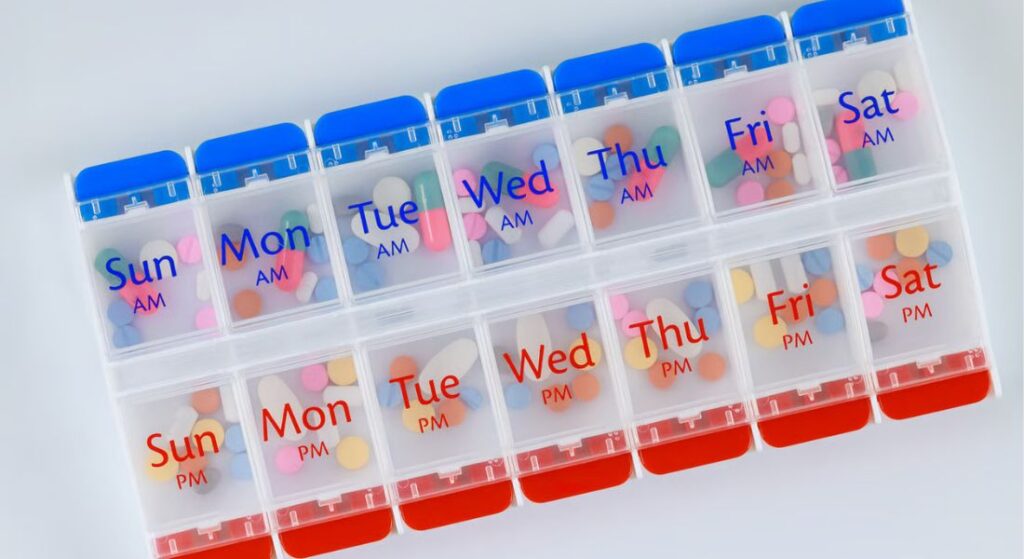
A weekly pill organiser can remove much of the daily guesswork from your routine. Instead of opening several boxes or bottles each day, you can use one container with planned sections. This can save time and reduce confusion. It often makes medication feel easier to manage.
The organiser is usually arranged by day, time, or dose, which helps you stay on track. You can quickly check whether you have taken your medicine or if a dose is still waiting. This is especially helpful when memory feels less reliable. A clear system can make routines smoother.
That often brings reassurance as well as convenience. You may feel more confident knowing everything is organised in one place. It can also lower stress and reduce the chance of mistakes. For many people, it is a simple tool that makes a big difference.
Technology Can Support Your Independence
Simple alarms, reminder apps, or talking dispensers can help you stay on schedule with your medication. These tools can prompt you when it is time to take each dose. They may also reduce the stress of trying to remember everything on your own. Small bits of support can make daily routines easier.
You do not need complicated gadgets for technology to be useful. Many helpful options are simple to set up and easy to use each day. A basic mobile phone, kitchen timer, or voice reminder can be enough. What matters most is finding something that suits your routine.
Sometimes a basic phone reminder is all you need to keep everything on track. A regular alert can help prevent missed doses or delays. It can also give you more confidence in managing medication independently. Simple technology often provides valuable peace of mind.
Family Support Should Feel Respectful
Family support can be very helpful when managing medication, but it should always feel respectful. You may welcome reminders, help with organisation, or assistance reading labels without wanting someone else to take over completely. Keeping control of your own routine can be important for confidence and independence. The best support works with you rather than around you.
- Support Should Not Replace Independence: Many people still want to manage their own medication as much as possible. Gentle help can be useful without removing your sense of control.
- Reminders Can Be Helpful: Family members may assist by reminding you about doses or appointments. This kind of support can improve safety while allowing you to stay involved.
- Practical Help Makes Things Easier: Organising tablets or reading small labels can reduce daily stress. Small acts of help often make a big difference without being intrusive.
- Communication Matters: Talking openly about what help you want can prevent frustration. Clear boundaries allow support to feel caring rather than controlling.
Good family support protects both safety and independence. The aim should be to help you manage medication confidently, not to take over your routine. Respectful assistance can reduce stress while keeping your choices central. With the right balance, support can feel empowering rather than limiting.
Regular Eye Tests Are Part of Medication Safety

If labels are harder to read than they used to be, it may be time to book an eye examination. Changes in vision can happen gradually, so you may not notice them straight away. What feels like a medication problem may actually be a sight problem. A proper check can help identify the cause.
Updated glasses or treatment for conditions such as cataracts can improve daily tasks significantly. Reading labels, checking instructions, and identifying tablets may become much easier. Better vision can also reduce strain and frustration during your routine. Small improvements often make a noticeable difference.
Better vision often means safer medication habits. When you can see clearly, you are less likely to miss details or make mistakes. You may also feel more confident managing medicines on your own. Regular eye care is an important part of staying independent and safe.
A Medication Review Can Reduce Stress
Your GP or pharmacist may be able to review your medicines and make the routine easier to manage. They can check whether all timings still make sense for your daily life. In some cases, they may spot medicines that can be adjusted or combined. A review can bring useful clarity.
They may also be able to simplify timings or reduce unnecessary duplication. Fewer tablets, clearer instructions, or a simpler schedule can remove some daily pressure. This can be especially helpful if vision changes are making routines harder. Small adjustments often have a big impact.
Sometimes the safest solution is simply making things less complicated. A routine that is easier to follow can lower the chance of missed or double doses. It may also help you feel calmer and more confident each day. Simplicity is often one of the best forms of support.
Taking Action Early Makes a Big Difference
It is best not to wait until a serious mistake happens before dealing with the issue. If medication management already feels difficult, that is reason enough to make changes now. Early action can prevent problems from building over time. Small concerns are worth taking seriously.
If your routine feels confusing, frustrating, or uncertain, there are practical solutions available. Better lighting, larger labels, pill organisers, or professional advice may all help. You do not have to struggle on your own or simply put up with it. Support is often easier to access than people expect.
Small changes made early can protect both your health and your confidence. They can reduce the chance of missed doses, wrong tablets, or daily stress. You may also feel more in control of your routine again. Acting sooner often makes everything easier later.
FAQs:
1. Can poor eyesight really affect how you manage medication?
Yes, it can. If you struggle to read labels, recognise tablets, or measure doses clearly, medication routines can become much harder. Even small vision changes may increase the risk of mistakes.
2. What medication mistakes are most common with vision loss?
The most common issues include missing a dose, taking the wrong tablet, taking medicine at the wrong time, or accidentally taking a double dose. These problems often happen when labels or packaging are difficult to see.
3. How do I know if my eyesight is affecting my medication routine?
You may notice that reading labels feels tiring, you need brighter light than before, you feel unsure which medicine to take, or you often rely on memory instead of checking instructions. These are common warning signs.
4. Can cataracts make medication management more difficult?
Yes. Cataracts can blur vision, reduce contrast, and increase glare. This may make it harder for you to read small print, tell tablets apart, or see instructions on shiny packaging.
5. What can I do if I cannot read medicine labels easily?
You can ask your pharmacy for large print labels or clearer written instructions. Good lighting, magnifiers, or keeping medicines in a bright area may also help you read them more comfortably.
6. Are pill organisers useful if you have reduced vision?
They can be very helpful. A pill organiser lets you sort medicines by day or time, making it easier to see whether you have taken a dose. This can reduce confusion and improve confidence.
7. Can family members help without taking over?
Absolutely. Support can include reminders, reading labels, or helping organise tablets while still allowing you to stay in control. The best help should feel respectful and supportive, not controlling.
8. Should I tell my GP or pharmacist if medication feels confusing?
Yes, definitely. If your routine feels difficult, your GP or pharmacist may be able to simplify timings, review prescriptions, or suggest tools that make medication safer and easier to manage.
9. How often should I have my eyes tested?
Regular eye tests are important, especially as you get older or notice changes in your sight. An optician can check for problems such as cataracts and make sure your glasses prescription is up to date.
10. Can small changes really make a difference?
Yes, often more than people expect. Better lighting, larger labels, reminders, or a simpler routine can reduce stress, lower the chance of mistakes, and help you feel more confident managing medication.
Final Thoughts: Safer Medication Starts with Better Vision
Managing medication can become much harder when your vision is not as clear as it once was. Reading labels, identifying tablets, and checking instructions may take more time and effort, which can increase the risk of mistakes. These daily frustrations can also affect your confidence and independence over time.
The encouraging news is that small practical changes can make a real difference. Better lighting, large print labels, pill organisers, reminder tools, and regular medication reviews can all help make your routine safer and easier to follow. Even simple adjustments often reduce stress and give you greater peace of mind.
It is also important to remember that improving your eyesight may improve medication safety too. Updated glasses, cataract treatment, or professional eye care support can make everyday tasks much easier. If you’re looking to enhance your vision or need personalised guidance, our specialist team at London Cataract Centre is here to help.
References:
- Dinarvand, D., Panthakey, J., Hassan, A. and Ahmed, M.H. (2024) Frailty and visual impairment in elderly individuals: Improving outcomes and modulating cognitive decline through collaborative care, Diseases, 12(11), p. 273. Available at: https://www.mdpi.com/2079-9721/12/11/273
- Quillen, D.A. (1999) Common causes of vision loss in elderly patients, American Family Physician, 60(1), pp. 99-108. Available at: https://pubmed.ncbi.nlm.nih.gov/10414631/
- Ouyang, S. et al. (2023) Cataract, glaucoma, and diabetic retinopathy as risk factors in older adults, Geriatric Nursing, 53, pp. 170-174. Available at: https://pubmed.ncbi.nlm.nih.gov/37540912/
- Driscoll, R., Scantling‑Brown, H., Margrain, T. and others. (2021) A systematic review of the accessibility, acceptability, safety, efficiency, clinical effectiveness, and cost‑effectiveness of private surgical facilities. BMC Health Services Research. Available at: https://pmc.ncbi.nlm.nih.gov/articles/PMC11570012/
- Harvey, P.T. (2003) Common eye diseases of elderly people: identifying and treating causes of vision loss, Gerontology, 49(1), pp. 1-11. Available at: https://pubmed.ncbi.nlm.nih.gov/12457044/