


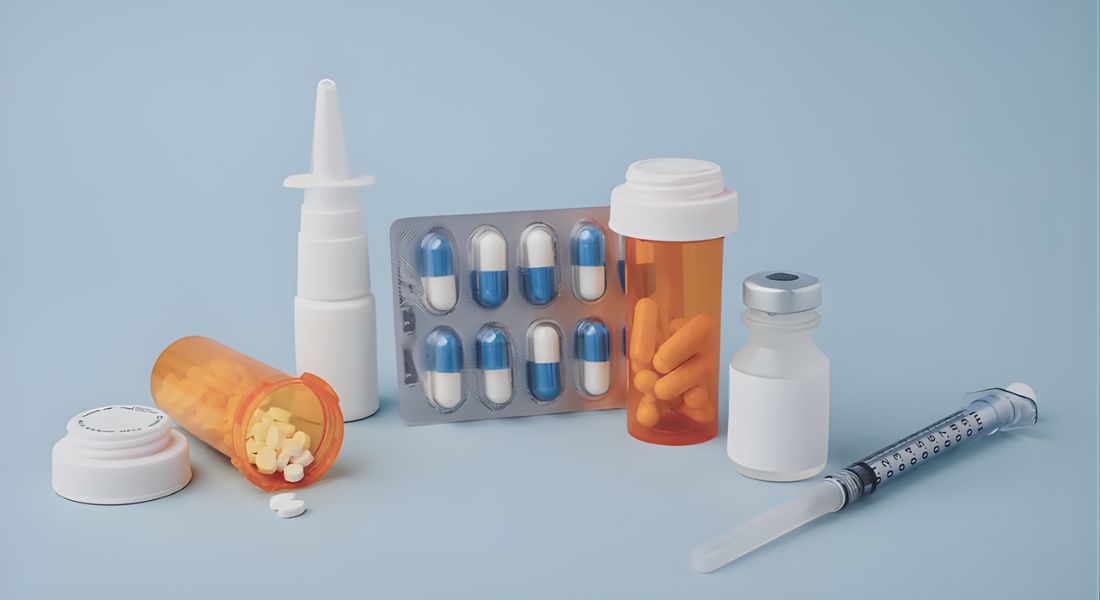
If you are considering implantable contact lens surgery, you may be surprised when your surgeon asks detailed questions about the medications you take. One group that often receives special attention is steroid medications. These drugs are widely used to treat inflammation, allergies, autoimmune disorders, and many other conditions. Because steroids can influence the eyes in several ways, surgeons review their use carefully before planning vision correction procedures.
Steroid medications can affect eye pressure, healing responses, and overall ocular stability. In some people, steroids may increase intraocular pressure, which can raise the risk of glaucoma or other complications. They can also alter how tissues respond during the healing process after eye surgery. For this reason, ophthalmologists pay close attention to both short-term and long-term steroid use.
Before implantable contact lens surgery, your surgeon will usually review your full medication history, including oral, inhaled, injected, or eye-drop steroids. This assessment helps them determine whether any adjustments or additional monitoring may be needed. In most cases, steroid use does not automatically prevent surgery, but it may influence timing or preparation. Understanding this connection helps you approach your consultation with clearer expectations and better awareness of your eye health.
Understanding What ICL Surgery Involves
Implantable contact lens surgery is a vision correction procedure designed to treat moderate to severe refractive errors. During the procedure, a specialised lens is placed inside your eye without removing the natural lens. This approach allows you to achieve clearer vision while preserving the eye’s natural structures. It is often recommended when glasses or contact lenses no longer provide satisfactory vision.
The implanted lens sits between the iris and the natural lens. Because the correction occurs inside the eye rather than on the surface, it can deliver very precise visual outcomes. The procedure is commonly used to correct conditions such as myopia and astigmatism. Many people consider it when laser vision correction may not be the most suitable option.
If you are exploring options for ICL surgery in London, the process usually begins with a comprehensive eye assessment. Your surgeon will evaluate factors such as eye pressure, corneal health, anterior chamber depth, and overall ocular stability. These measurements help determine whether your eyes are suitable for the procedure. Careful pre-operative evaluation helps ensure safe treatment and the best possible visual results.
What Are Steroid Medications?
Steroid medications, also known as corticosteroids, are widely used to control inflammation and regulate the body’s immune response. Many medical conditions involve inflammation that can damage tissues or worsen symptoms, which is why doctors often prescribe these medications. Steroids help reduce swelling, relieve discomfort, and support the body while it manages certain illnesses. Because of their strong anti-inflammatory effects, they are used across many areas of healthcare.
- Control Inflammation in Many Conditions: Steroids are commonly prescribed for illnesses where inflammation plays a major role in symptoms or tissue damage. Conditions such as asthma, autoimmune diseases, allergies, and certain skin disorders often require anti-inflammatory treatment. By reducing the body’s inflammatory response, steroids help relieve swelling, irritation, and pain.
- Available in Multiple Forms: Steroid medications can be delivered in several ways depending on the condition being treated. Tablets may provide a whole-body effect, while inhalers are often used for respiratory conditions like asthma. Creams, injections, and eye drops allow doctors to target specific areas more directly.
- Possible Systemic Effects: Even when steroids are applied locally, small amounts may enter the bloodstream. When this happens, the medication can influence other systems in the body. This is more likely with high doses or long-term use, which is why doctors monitor steroid therapy carefully.
- Use in Eye Care: In ophthalmology, steroids are often prescribed to control inflammation within the eye. Eye drops may be used after procedures to reduce swelling and support healing. However, long-term use can affect eye pressure, so surgeons review steroid history before procedures like implantable contact lens surgery.
Steroid medications remain an important part of many treatment plans because they can quickly reduce inflammation and stabilise symptoms. When prescribed and monitored properly, they provide significant benefits for patients with many conditions. At the same time, doctors must consider their wider effects on the body. This evaluation is particularly important when planning eye procedures such as implantable contact lens surgery.
How Steroids Can Influence Eye Pressure

One of the most significant eye-related effects of steroid medications is their potential to raise intraocular pressure. This response does not occur in everyone, but some people are particularly sensitive to steroids. In these individuals, even short-term use can lead to noticeable increases in eye pressure. Because of this possibility, doctors pay close attention to steroid use when evaluating eye health.
Elevated eye pressure can place stress on the optic nerve if it continues for an extended period. While pressure often returns to normal after steroid use is reduced or stopped, prolonged elevation may require monitoring or treatment. Left unmanaged, sustained high pressure can increase the risk of glaucoma. For this reason, maintaining stable eye pressure is an important part of surgical planning.
During your pre-operative assessment, the ophthalmologist will measure your eye pressure carefully. These tests help determine whether your eyes are stable enough for an intraocular procedure. If steroids are contributing to increased pressure, your doctor may recommend adjusting the medication or allowing time for pressure to normalise. Taking these precautions helps ensure the surgery can be performed as safely as possible.
Steroid-Induced Ocular Hypertension
Steroid-induced ocular hypertension occurs when steroid medications cause the drainage system of the eye to function less efficiently. The trabecular meshwork, which normally allows fluid to exit the eye, may become less effective under steroid influence. As fluid accumulates, pressure gradually rises.
This reaction can occur with topical eye drops, oral steroids, or even inhaled medications in susceptible individuals. The response varies significantly between patients. Some people may show no change at all, while others experience notable pressure increases.
Because implantable contact lens surgery involves entering the eye, surgeons want to ensure that pressure regulation mechanisms are functioning normally. Identifying steroid-related pressure changes beforehand helps prevent complications.
Why Medication History Matters Before Eye Surgery
When you attend a surgical consultation, your ophthalmologist will ask detailed questions about the medications you use regularly. This includes prescription drugs, over-the-counter treatments, inhalers, creams, supplements, and even occasional steroid courses. Providing a complete medication history helps the surgical team understand factors that may influence the procedure or recovery.
Medication history offers valuable insight into how your eyes and body may respond to surgery. Certain medications can affect healing, inflammation, blood pressure, or intraocular pressure. For example, long-term steroid use may influence eye pressure or alter normal healing patterns, which is why surgeons review these details carefully during pre-operative assessment.
This review is not intended to exclude patients from treatment. Instead, it helps surgeons plan the safest possible approach based on your individual health and medication use. By understanding your medical background in advance, the surgical team can optimise conditions for a safe procedure and successful visual outcome.
Systemic Steroids and Eye Health
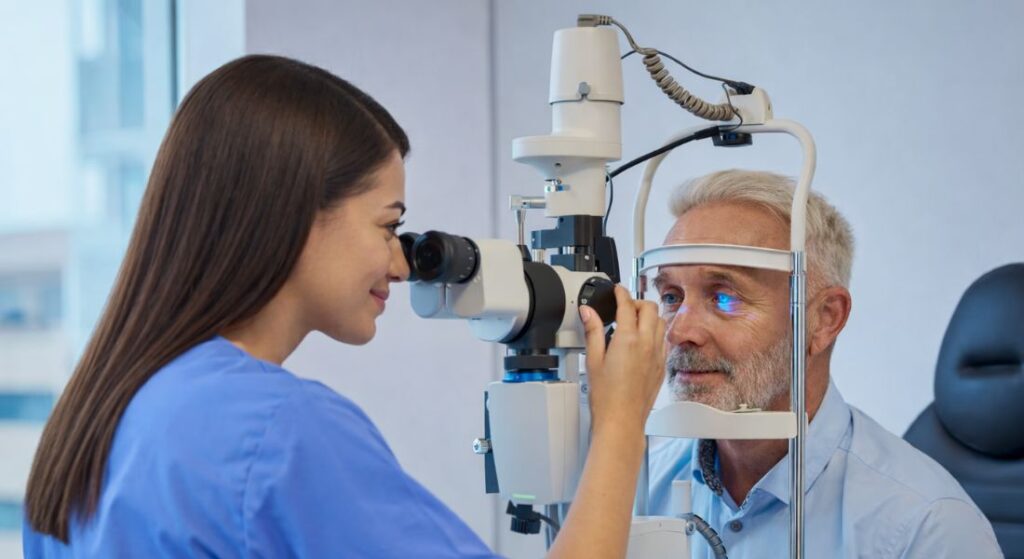
Systemic steroids are medications taken orally or through injection that affect the entire body. Because these drugs circulate through the bloodstream, they can influence multiple organs, including the eyes. Long-term use of systemic steroids has been associated with several ocular effects that ophthalmologists consider when evaluating patients for eye surgery.
One recognised effect is an increase in intraocular pressure, which can raise the risk of glaucoma in susceptible individuals. Prolonged steroid use has also been linked to the development of posterior subcapsular cataracts in some patients. Although these outcomes do not occur in everyone, they are important factors that surgeons evaluate during pre-operative planning.
During consultation, your ophthalmologist will determine whether steroid use is temporary or part of a long-term treatment plan. In certain cases, surgery may simply be scheduled when steroid exposure is lower or when the underlying medical condition is stable. This careful timing helps ensure the safest surgical conditions and supports optimal visual outcomes.
Topical Steroid Eye Drops
Topical steroid eye drops are commonly prescribed to treat inflammation within the eye. They are often used for conditions such as allergic eye disease, uveitis, or to support healing after eye surgery. Because these medications act directly on ocular tissues, they can produce strong anti-inflammatory effects. However, in some individuals they may also influence intraocular pressure.
- Used to Treat Eye Inflammation: Steroid eye drops are frequently prescribed to manage inflammation caused by allergies, autoimmune eye conditions, or surgical procedures. They help reduce swelling, redness, and irritation inside the eye. By controlling inflammation, these medications support comfort and promote proper healing.
- Direct Effect on Eye Pressure: Because the drops act directly on the eye’s internal structures, they can influence how fluid drains from the eye. In some patients, this may lead to an increase in intraocular pressure. Individuals who are sensitive to steroids may experience pressure changes even with short-term use.
- Need for Careful Monitoring: Ophthalmologists often monitor eye pressure when prescribing steroid eye drops. Regular checks help detect any pressure rise early so that treatment can be adjusted if necessary. If pressure increases significantly, the medication may be reduced or stopped.
- Important for Surgical Planning: Before procedures such as implantable contact lens surgery, surgeons review a patient’s history of steroid eye drop use. This helps determine whether the eyes have previously shown a pressure response. Understanding this history allows the surgeon to plan the procedure more safely.
Steroid eye drops remain a valuable treatment for many eye conditions because they effectively control inflammation and support healing. However, their potential effect on intraocular pressure means they must be used carefully and under medical supervision. Monitoring ensures that any pressure changes are detected early. This evaluation is particularly important when planning procedures such as implantable contact lens surgery.
Inhaled Steroids and Subtle Ocular Effects
Inhaled steroids are commonly prescribed for asthma and other respiratory conditions. These medications are designed to act primarily in the lungs, helping to reduce airway inflammation and improve breathing. However, small amounts of the medication can enter the bloodstream, which means they may still have subtle effects on other parts of the body, including the eyes.
Over long periods, this low-level exposure may influence intraocular pressure in certain individuals who are more sensitive to steroid effects. Although the risk is significantly lower than with oral or injected steroids, it is not completely absent. For this reason, inhaled steroid use is still relevant information during an eye surgery consultation.
During assessment, your ophthalmologist will usually record the medication and monitor your eye pressure carefully as part of the examination. In most cases, patients who use inhalers can still safely undergo vision correction procedures without difficulty. The most important factor is ensuring that eye pressure remains stable during the pre-operative evaluation.
Steroids and Healing After Eye Surgery
Steroids often play a role in the normal healing process after many eye procedures. Ophthalmologists frequently prescribe short courses of steroid eye drops following surgery to control inflammation and promote comfortable recovery. When used for a limited time under medical supervision, these medications help reduce swelling, protect delicate eye tissues, and support proper healing.
Concerns may arise if a patient has a strong response to steroids, particularly if their intraocular pressure tends to rise significantly with steroid exposure. In such cases, the surgeon may consider alternative anti-inflammatory medications or adjust the duration and dosage of post-operative steroid drops. This careful management helps reduce the risk of complications while still controlling inflammation effectively.
By understanding how your eyes respond to steroids, ophthalmologists can design a safe and personalised post-operative treatment plan. This tailored approach ensures that inflammation is controlled while maintaining stable eye pressure, ultimately supporting smoother recovery and better surgical outcomes.
Identifying Steroid Responders
Some individuals are known as steroid responders, meaning their intraocular pressure increases noticeably when they are exposed to steroid medications. The degree of this response can vary widely. In some people the rise in pressure is mild and temporary, while in others it can be more significant and require careful monitoring.
Steroid responsiveness is sometimes identified when patients receive steroid treatment for other eye conditions. In other cases, it may only become apparent during routine eye examinations or pre-operative assessments before surgery. If eye pressure rises after steroid exposure, ophthalmologists record this information so it can guide future treatment decisions.
Knowing whether a patient is a steroid responder helps surgeons plan procedures and post-operative care more safely. Medication choices, dosing schedules, and follow-up monitoring can all be adjusted to maintain stable eye pressure and support a smooth recovery after surgery.
Pre-Operative Eye Pressure Evaluation
Measuring eye pressure is a routine and essential part of the pre-surgical assessment before many eye procedures. Ophthalmologists often take several readings across different visits to confirm that intraocular pressure is stable. Multiple measurements help rule out temporary fluctuations that can occur due to stress, time of day, or other short-term factors.
If pressure readings appear elevated, further evaluation may be recommended. Your ophthalmologist may examine the optic nerve, perform visual field testing, or measure corneal thickness to gain a clearer understanding of your eye health. These additional tests help determine whether the pressure change is clinically significant or simply a temporary variation.
Stable eye pressure provides reassurance that surgery can proceed safely. If steroid use or other factors are influencing pressure levels, adjustments can often be made before scheduling the procedure. This careful evaluation ensures that the eye is in the best possible condition for a successful surgical outcome.
Other Eye Changes Linked to Steroid Use
In addition to affecting eye pressure, steroids can influence other aspects of ocular health. One of the most recognised effects of long-term steroid use is an increased risk of cataract formation, particularly posterior subcapsular cataracts. This type of cataract is most commonly associated with prolonged systemic steroid therapy, although not every patient who uses steroids will develop this condition.
Steroids may also influence the immune response within the eye. Because these medications suppress inflammation, they can slightly alter how the eye responds to infections or inflammatory conditions. While these effects are relatively uncommon, they remain important considerations when planning any eye surgery.
During a surgical consultation, your ophthalmologist carefully evaluates the overall health of the eye. Any changes potentially related to steroid use, such as early cataract development or pressure variations, are documented as part of the assessment. This detailed review helps ensure that the surgical plan is safe and tailored to the patient’s specific eye health profile.
Timing Surgery Around Steroid Treatment
If you are currently taking steroid medications, your ophthalmologist may consider the timing of surgery in relation to your treatment schedule. For example, if steroids are being used temporarily for a medical condition, the surgeon may recommend waiting until the course of medication is completed before proceeding with surgery.
Allowing time after steroid treatment can help eye pressure and ocular tissues return to their normal baseline state. This stabilisation makes it easier for the surgeon to evaluate the eye accurately and plan the procedure under optimal conditions.
In most situations, any delay is short and purely precautionary. Waiting briefly ensures that surgery is performed when the eye is in the most stable and healthy condition possible, supporting both safety and successful visual outcomes.
Communication Between Specialists
Some patients require steroid medications to manage chronic medical conditions. In these cases, planning eye procedures may involve coordination between different healthcare professionals. Ophthalmologists often communicate with a patient’s primary physician or specialist to ensure that any decisions about medication are medically appropriate. This collaborative approach helps maintain both ocular health and overall wellbeing.
- Coordination With Primary Care Doctors: When patients take long-term steroid medications, ophthalmologists may consult their primary care doctor. This ensures that any adjustments to treatment are safe and appropriate. Coordinated care helps balance the needs of both the eye condition and the underlying medical issue.
- Managing Chronic Medical Conditions: Some conditions, such as autoimmune diseases or severe asthma, require ongoing steroid therapy. In these situations, stopping or reducing medication may not be possible. Surgeons work with the patient’s specialist to determine whether surgery can proceed safely while maintaining necessary treatment.
- Ensuring Safe Surgical Planning: Communication between specialists helps surgeons understand the patient’s overall medical status. This information allows them to assess potential risks and plan the procedure carefully. Proper coordination reduces the likelihood of complications during or after surgery.
- Prioritising Overall Patient Health: A multidisciplinary approach ensures that decisions are made with the patient’s complete health picture in mind. Eye surgery is planned in a way that does not compromise the management of other medical conditions. This collaborative process supports safer outcomes and better patient care.
Clear communication between healthcare providers plays a key role in safe surgical planning. By working together, specialists can ensure that treatments for chronic conditions continue while eye procedures are carried out safely. This approach allows patients to receive appropriate care without unnecessary risks. Ultimately, collaboration helps protect both vision and overall health.
When Steroid Use Does Not Prevent Surgery

It is important to understand that steroid use does not automatically prevent someone from undergoing implantable contact lens (ICL) surgery. Many patients who use steroid medications whether occasionally or long term still have successful vision correction procedures. The key factor is careful medical evaluation before surgery.
If eye pressure remains stable and there are no significant steroid-related complications affecting the eye, the procedure can usually proceed as planned. Your ophthalmologist will simply include your medication history as part of the overall assessment when determining whether surgery is appropriate.
Open communication during your consultation is essential. By providing accurate information about all medications you use, your surgeon can make informed decisions and plan the safest possible approach, helping to achieve the best visual outcome.
Patient Preparation Before Consultation
Before attending your surgical consultation, it is helpful to prepare a clear list of all medications you currently use. This should include prescription tablets, inhalers, creams, eye drops, supplements, and occasional treatments such as allergy medications. Even short or intermittent courses of steroids should be mentioned, as they may still be relevant to your eye health.
Providing complete and accurate information allows your ophthalmologist to evaluate any potential effects these medications may have on the eyes. Certain drugs can influence eye pressure, healing responses, or the way tissues react during surgery, so having this information in advance helps the surgeon assess your suitability for treatment more effectively.
Taking the time to prepare your medication history can also make the consultation more efficient and prevent unnecessary delays in surgical planning. Being proactive in this way supports safer decision-making and helps ensure that any eye procedure is performed under the most suitable conditions.
Understanding the Bigger Picture of Eye Safety
Modern refractive procedures follow detailed safety protocols designed to protect vision and ensure the best possible outcomes. Reviewing a patient’s medication history is only one part of a comprehensive assessment that also includes imaging scans, eye pressure measurements, and detailed structural evaluations of the eye. These tests provide a complete picture of eye health before surgery is considered.
Steroid use is simply one factor among many that ophthalmologists take into account. When carefully assessed, it rarely prevents surgery altogether. Instead, it provides useful information that helps surgeons adapt their approach and select the safest treatment plan for each patient.
This personalised approach is a key reason why modern vision correction procedures maintain such high safety standards. By combining advanced diagnostic technology with thorough medical evaluation, surgeons can tailor treatment to each individual’s eye physiology and support consistently safe and effective results.
FAQs:
1. Can steroid medications affect your eligibility for ICL surgery?
Steroid medications do not automatically prevent you from having implantable contact lens surgery. However, your surgeon will carefully review your steroid use because these medications can influence eye pressure and healing responses. If your eye pressure is stable and your eyes are otherwise healthy, surgery can usually proceed safely.
2. Why do eye surgeons ask about steroid use before ICL surgery?
Surgeons review steroid use because these medications can sometimes raise intraocular pressure or influence how the eye heals after surgery. Understanding your medication history helps the surgeon plan the procedure and ensure your eyes are in the safest possible condition before treatment.
3. Can steroids increase eye pressure?
Yes, in some individuals steroids can increase intraocular pressure. This effect does not occur in everyone, but people who are sensitive to steroids may experience measurable pressure changes. Eye specialists check pressure levels carefully during pre-operative assessments.
4. What is steroid-induced ocular hypertension?
Steroid-induced ocular hypertension is a condition in which steroid medications cause eye pressure to rise. This occurs when the eye’s natural fluid drainage system becomes less efficient. If detected early, the condition can usually be managed by adjusting medication or monitoring pressure levels.
5. Do inhaled steroids used for asthma affect eye health?
Inhaled steroids mainly act in the lungs, but small amounts can enter the bloodstream. Over time, this exposure may influence eye pressure in some individuals. During a consultation for vision correction surgery, your ophthalmologist will simply monitor your eye pressure closely if you use inhalers.
6. Are steroid eye drops safe before ICL surgery?
Steroid eye drops are commonly used to treat eye inflammation and are often prescribed after certain eye procedures. However, they can sometimes raise eye pressure in sensitive individuals. Your surgeon will review any history of steroid eye drop use to understand how your eyes respond to these medications.
7. Will I need to stop taking steroids before ICL surgery?
Not necessarily. In some cases, your doctor may recommend completing a short course of steroids before scheduling surgery. If steroids are required for ongoing medical conditions, your ophthalmologist may coordinate with your primary doctor to determine the safest approach.
8. What happens if steroids have raised my eye pressure?
If steroid use has caused elevated eye pressure, your surgeon may delay surgery until pressure returns to normal. This may involve adjusting the medication or allowing time for the eye to stabilise. Once pressure is stable, surgery can often proceed safely.
9. Are steroids ever used after eye surgery?
Yes, short-term steroid eye drops are frequently prescribed after many eye procedures to control inflammation and support healing. These medications are used under close supervision, and your ophthalmologist will monitor eye pressure during recovery.
10. Should I tell my surgeon about all steroid medications I use?
Yes. You should inform your surgeon about all forms of steroid medication, including tablets, inhalers, injections, creams, and eye drops. Providing a complete medication history allows your ophthalmologist to evaluate your eye health accurately and plan the safest possible treatment.
Final Thought: Planning Safely for ICL Surgery
Steroid medications play an important role in treating many health conditions, but they can also influence certain aspects of eye health. Because these medications may affect intraocular pressure, healing responses, and overall ocular stability, ophthalmologists carefully review steroid use before planning vision correction procedures. This evaluation helps ensure that your eyes are in the safest possible condition before surgery.
If you are considering ICL Surgery in London, discussing your full medication history with your surgeon is an important step in the preparation process. Even if you currently use steroid medications, this does not necessarily mean surgery is unsuitable. In most cases, careful monitoring and planning allow treatment to proceed safely. If you’d like to find out whether ICL Surgery in London is suitable for you, feel free to contact us at Eye Clinic London to arrange a consultation.
References:
- Packer, M., 2016. Meta-analysis and review: effectiveness, safety, and central port design of the intraocular collamer lens. Clinical Ophthalmology, 10, pp.1059–1077. Available at: https://pmc.ncbi.nlm.nih.gov/articles/PMC4907705/
- Kamiya, K., Shimizu, K., Igarashi, A. and Kobashi, H., 2022. Eight-year outcomes of implantation of posterior chamber phakic intraocular lens with a central port for moderate to high ametropia. Journal of Refractive Surgery. Available at: https://pubmed.ncbi.nlm.nih.gov/34977099/
- Alfonso, J.F., Lisa, C., Fernández-Vega, L., Almanzar, D. and Pérez-Vives, C., 2013. Long-term refractive outcomes of posterior chamber phakic intraocular lens implantation. Journal of Cataract & Refractive Surgery. Available at: https://pubmed.ncbi.nlm.nih.gov/24114502/
- Del Risco, N.E., Talbot, C.L., Moin, K.A., Manion, G.N., Brown, A.H., Walker, S.M., Zhong, P.S., Zhang, H., Hoopes, P.C. and Moshirfar, M., 2024. Visual outcomes of cataract surgery in patients with previous history of implantable collamer lens. Journal of Clinical Medicine, 13(15), 4292. Available at: https://www.mdpi.com/2077-0383/13/15/4292
- González-Sánchez, A., 2021. Posterior chamber phakic intraocular lenses for the correction of myopia: Factors influencing the postoperative refraction. Vision, 2(4), 28. Available at: https://www.mdpi.com/2673-3269/2/4/28