


If you have been told that you have astigmatism and are considering vision correction, you may wonder whether ICL surgery in London can address this issue. Astigmatism is one of the most common refractive errors and occurs when the cornea or lens has an irregular shape. This irregularity prevents light from focusing evenly on the retina, which can result in blurred or distorted vision at both near and far distances.
Fortunately, modern implantable collamer lenses are designed to correct not only short-sightedness but also astigmatism. Specially designed toric ICL lenses can compensate for the cylindrical error in the eye, helping to restore sharper and more balanced vision. These lenses are carefully selected and customised according to the patient’s specific measurements.
During the procedure, the toric ICL is positioned inside the eye and aligned precisely with the axis of astigmatism. Accurate placement is essential because the lens must match the orientation of the corneal curvature in order to correct the distortion effectively. Advanced pre-operative measurements help surgeons determine the exact lens power and alignment required.
Understanding how ICL surgery treats astigmatism can help patients decide whether this procedure is suitable for their vision needs. With proper evaluation and precise lens placement, many individuals with astigmatism experience significant improvements in visual clarity and overall quality of vision.
Understanding Astigmatism
Astigmatism occurs when the cornea or the natural lens inside the eye has an irregular curvature. Instead of being perfectly round, the eye’s surface may be uneven, which affects how light enters the eye and focuses on the retina. This irregular shape can lead to blurred or distorted vision.
A common comparison is that a normal eye is shaped like a football, with a smooth and symmetrical curve. In contrast, an eye with astigmatism is shaped more like a rugby ball, where one direction is steeper than the other. Because of this uneven curvature, light rays focus at multiple points instead of a single point on the retina.
As a result, vision may appear blurry, stretched, or shadowed at different distances. Astigmatism often occurs alongside other refractive errors such as myopia (short-sightedness) or hyperopia (long-sightedness), which can further affect overall visual clarity.
How Astigmatism Affects Daily Vision
Astigmatism is a common refractive error that occurs when the cornea or lens has an irregular shape. Instead of focusing light evenly onto the retina, the eye creates multiple focal points, which leads to blurred or distorted vision. While some people experience only mild visual disturbance, others may find that astigmatism interferes with everyday tasks. These effects can become particularly noticeable during activities that require sharp visual focus.
- Blurred or Distorted Vision: People with astigmatism often notice that text or objects appear slightly blurred or stretched. This can make reading, using digital devices, or recognising fine details more challenging. The distortion may vary depending on lighting conditions and the severity of the astigmatism.
- Glare and Night Driving Difficulties: Astigmatism can cause lights to appear streaked or surrounded by glare, especially at night. This can make driving after dark more difficult and uncomfortable. Headlights, streetlights, and illuminated signs may appear brighter or less clearly defined.
- Eye Strain and Headaches: When the eyes constantly try to compensate for blurred focus, it can lead to eye fatigue. Many people with uncorrected astigmatism experience headaches or discomfort after long periods of reading or screen use. These symptoms often improve once vision is properly corrected.
- Need for Vision Correction: Glasses and contact lenses are commonly used to correct astigmatism and restore clear vision. For patients seeking a longer-term solution, certain surgical procedures can reshape the cornea or correct the refractive error. These options may reduce or eliminate the need for corrective lenses.
Astigmatism can influence many aspects of daily vision, from reading and screen use to driving at night. While the condition is very common, its effects can still be frustrating if left uncorrected. Fortunately, modern vision correction methods offer effective ways to manage or treat astigmatism. With the right approach, most patients can achieve clearer and more comfortable vision.
What Is ICL Surgery?
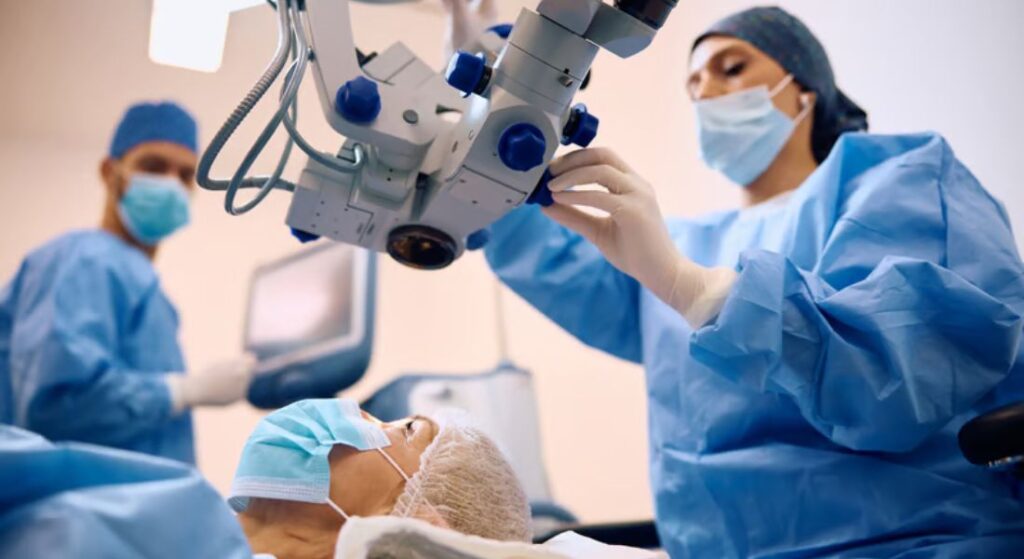
Implantable Collamer Lens surgery is a refractive procedure designed to correct vision problems by placing a thin artificial lens inside the eye. This specialised lens works with the eye’s natural lens to improve how light focuses on the retina, resulting in clearer and sharper vision. The lens is made from a biocompatible material called collamer, which is designed to function safely within the eye.
During the procedure, the lens is positioned behind the iris and in front of the natural lens. Because the lens is placed inside the eye rather than on the surface, it can provide precise correction for refractive errors such as myopia and astigmatism. The surgery is typically quick and minimally invasive, and many patients notice significant improvements in their vision shortly afterwards.
Unlike laser vision correction procedures, ICL surgery does not reshape or remove corneal tissue. This makes it particularly suitable for patients with thin corneas or high prescriptions who may not be ideal candidates for laser treatments. Another advantage is that the procedure is reversible, meaning the implanted lens can be removed or replaced if needed in the future.
Toric ICL Lenses for Astigmatism
To correct astigmatism during vision correction procedures, surgeons often use a specialised type of implantable collamer lens known as a toric ICL. These lenses are specifically designed to address the uneven curvature of the cornea that causes astigmatism. By providing targeted optical correction, toric ICLs can improve visual clarity for patients who experience distortion or blurred vision.
Toric lenses differ from standard lenses because they have different optical powers in different meridians of the lens. This design allows the lens to compensate for the cylindrical refractive error created by the irregular shape of the eye. As a result, light can focus more accurately on the retina, producing clearer and more stable vision.
For the treatment to be effective, the toric lens must be carefully aligned with the axis of astigmatism inside the eye. Surgeons use precise measurements and advanced diagnostic tools to determine the correct orientation. When positioned accurately, the toric ICL can neutralise the cylindrical error responsible for astigmatism and significantly improve overall visual quality.
Measuring Astigmatism Before Surgery
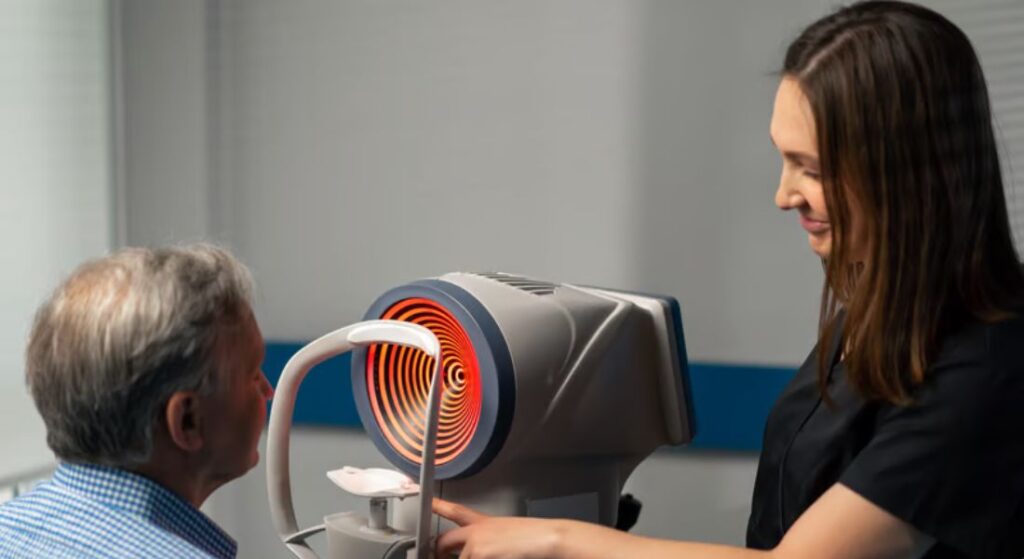
Accurate measurement is essential when correcting astigmatism with ICL surgery. Before the procedure, your surgeon performs a series of detailed diagnostic tests to evaluate the structure of your eye and determine the exact nature of the refractive error. These assessments ensure that the treatment plan is tailored specifically to your visual needs.
During the evaluation, specialised instruments measure both the degree and the orientation of your astigmatism. These measurements help the surgeon calculate the precise power of the toric ICL lens required to correct the uneven curvature of the eye. Determining the correct axis of astigmatism is particularly important because the lens must be aligned accurately inside the eye.
Advanced imaging technology is used to map the cornea and other structures of the eye with high precision. This information allows the toric lens to be selected and positioned in a way that matches the unique shape of your eye. Precise measurements significantly improve the likelihood of achieving clear, stable vision after surgery.
Corneal Topography
One of the key diagnostic tests performed before ICL surgery is corneal topography. This advanced imaging technique creates a highly detailed map of the cornea’s surface, allowing surgeons to examine its shape and curvature with great accuracy. Because the cornea plays a major role in how light enters the eye, understanding its structure is essential when planning vision correction.
Corneal topography helps identify any irregularities in curvature that may contribute to astigmatism. Even subtle differences in the corneal surface can affect how light focuses on the retina, which is why this detailed mapping is so valuable during the pre-operative assessment. The information gathered from the scan allows surgeons to measure the exact degree and orientation of astigmatism.
Using this data, surgeons can determine the axis along which the toric ICL lens must be aligned inside the eye. Precise alignment ensures that the lens effectively compensates for the uneven curvature causing astigmatism. This level of precision is critical for achieving clear, stable vision and maximising the success of the procedure.
Determining the Axis of Astigmatism
Astigmatism is defined by two key components: its magnitude and its axis. The magnitude refers to the strength of the cylindrical refractive error, while the axis describes the orientation of the irregular curvature within the eye. Both of these factors must be accurately measured to plan effective vision correction.
When toric ICL lenses are used, they must be aligned precisely with the axis of astigmatism. Correct positioning allows the lens to compensate for the uneven curvature of the cornea and ensure that light focuses properly on the retina. If the alignment matches the measured axis, the lens can effectively neutralise the distortion that causes blurred or stretched vision.
Even small degrees of misalignment can reduce the effectiveness of the correction. For this reason, surgeons take great care during both the planning stage and the surgical procedure to ensure accurate positioning of the lens. This careful attention to detail helps maximise visual clarity after surgery.
Lens Alignment During Surgery
During ICL surgery, the toric lens is inserted through a very small incision in the eye. The lens is folded before insertion, allowing it to pass through the incision and then gently unfold once it is inside the eye. This minimally invasive approach helps preserve the natural structures of the eye and supports faster recovery.
After the lens is placed inside the eye, the surgeon carefully rotates it until it aligns with the predetermined axis of astigmatism. This axis has been calculated during the pre-operative assessment using precise measurements of the cornea and eye structure. Achieving the correct orientation is essential because the toric lens must match the direction of the eye’s irregular curvature.
To assist with this step, surgeons use special markers, reference points, and advanced imaging systems during the procedure. These tools help confirm that the lens is positioned accurately. Proper alignment allows the toric ICL to neutralise the astigmatism effectively, making this stage one of the most critical parts of the entire procedure.
Stability of Toric ICL Lenses
A common concern among patients considering toric implantable contact lens (ICL) surgery is whether the lens might move after it is placed inside the eye. Stability is particularly important because the toric lens must remain aligned correctly to correct astigmatism effectively. Modern toric ICL lenses are carefully designed to sit securely within the eye’s natural structures. With proper placement and healing, they typically remain stable and maintain clear visual correction.
- Designed for Long-Term Stability: Modern toric ICL lenses are engineered to remain stable once implanted. Their design allows them to fit naturally within the eye’s internal anatomy. This helps maintain the correct alignment needed to effectively correct astigmatism.
- Positioned Behind the Iris: The lens is placed in a natural anatomical space behind the iris and in front of the eye’s natural lens. This location allows the lens to sit securely without interfering with other eye structures. The position also contributes to comfort and visual clarity.
- Healing Helps Secure the Lens: After surgery, the eye begins a natural healing process that helps the lens settle into its intended position. Once healing is complete, the lens typically remains stable within the eye. Significant movement is uncommon when the lens is properly implanted.
- Follow-Up Checks Ensure Proper Alignment: Surgeons schedule follow-up visits after surgery to confirm that the lens remains correctly aligned. These examinations help ensure that astigmatism correction is working as expected. If any minor adjustment is needed, it can usually be addressed promptly.
Toric ICL lenses are designed with stability and precision in mind, allowing them to remain securely positioned within the eye. With careful surgical placement and natural healing, most patients experience consistent vision correction. Regular follow-up appointments provide an additional layer of reassurance by confirming proper alignment. This combination of design, placement, and monitoring helps ensure reliable long-term results.
Benefits of Correcting Astigmatism with ICL
Correcting astigmatism with a toric ICL can significantly improve overall visual clarity. By compensating for the irregular curvature of the eye, the lens helps light focus more accurately on the retina. This often results in sharper and more stable vision compared with untreated astigmatism.
Many patients report noticeable improvements in visual quality after surgery. These may include clearer vision, reduced glare or halos around lights, and better contrast sensitivity, particularly in low-light conditions. Such improvements can make everyday visual tasks feel easier and more natural.
As vision becomes clearer and more stable, activities such as reading, driving, and using digital devices often become more comfortable. In addition, many patients experience greater independence from glasses or contact lenses, allowing them to enjoy daily life with fewer visual aids.
Ideal Candidates for Toric ICL Surgery

Patients with moderate to high levels of astigmatism are often good candidates for toric ICL lenses. These specialised lenses are designed to correct the uneven curvature of the eye that causes astigmatism, helping to improve visual clarity and reduce distortion. Individuals who experience blurred or stretched vision due to astigmatism may benefit significantly from this approach.
Toric ICL surgery can be particularly beneficial for people who may not be suitable candidates for laser vision correction procedures. For example, patients with thin corneas, very high refractive errors, or certain corneal characteristics may find that ICL surgery provides a safer and more effective alternative to laser treatments. Because the procedure does not remove corneal tissue, it preserves the natural structure of the eye.
A comprehensive eye examination is essential to determine whether toric ICL surgery is appropriate. During this assessment, the ophthalmologist evaluates factors such as corneal thickness, eye health, refractive error, and the degree of astigmatism. These measurements help ensure that the procedure is suitable and that the selected lens will provide the best possible visual outcome.
Limitations to Consider
While toric ICL lenses are highly effective for correcting astigmatism, they may not be suitable for every patient. Certain eye conditions can affect whether this procedure is recommended, and careful evaluation is required before surgery is considered. Factors such as the overall structure of the eye and the stability of the prescription are important when determining eligibility.
Some medical conditions, including advanced glaucoma, significant retinal disease, or other structural eye problems, may make ICL surgery less appropriate. In these situations, the risks of the procedure may outweigh the potential benefits. Your surgeon will therefore review your complete eye health history and perform detailed diagnostic tests before making a recommendation.
Understanding these limitations helps patients develop realistic expectations about vision correction options. A thorough consultation ensures that the most suitable treatment is selected, prioritising both visual improvement and long-term eye health.
Recovery After ICL Surgery
Recovery from ICL surgery is usually quick and relatively comfortable for most patients. Because the procedure is minimally invasive and involves only a small incision, many people begin to notice improvements in their vision within the first few days after surgery. Mild sensitivity to light or slight blurring may occur initially, but these symptoms generally settle as the eye begins to heal.
Although early vision improvements are common, the eye continues to stabilise over the following weeks. During this time, the implanted lens settles into its final position and the eye adjusts to the new optical correction. Most patients can return to normal daily activities fairly quickly, although the exact recovery timeline can vary slightly from person to person.
Follow-up visits are an important part of the recovery process. During these appointments, the surgeon checks the healing progress and confirms that the toric lens remains correctly aligned to continue correcting astigmatism effectively. Patients are usually advised to avoid strenuous activity, heavy lifting, or rubbing the eyes for a short period after surgery to support safe healing.
Long-Term Visual Outcomes
Toric implantable contact lens (ICL) surgery is designed to provide long-term correction for patients with astigmatism and refractive errors. Once the lens is placed and the eye has healed, most patients experience stable and predictable visual improvement. The lens works continuously inside the eye to focus light more accurately on the retina. As a result, many individuals achieve clear vision that remains consistent over time.
- Stable Vision Correction: Toric ICL lenses are designed to provide reliable correction of astigmatism. After the eye heals, the lens usually remains in its intended position, maintaining accurate vision correction. This stability helps ensure that visual clarity remains consistent.
- Long-Lasting Results: Once implanted, the lens works continuously without requiring regular replacement. Many patients experience clear and stable vision for many years after the procedure. This long-term effectiveness makes toric ICL a popular option for refractive correction.
- Importance of Regular Eye Examinations: Even with excellent surgical outcomes, routine eye examinations remain important. These check-ups allow the ophthalmologist to monitor overall eye health and confirm that the lens remains stable. Regular monitoring helps detect any potential issues early.
- Reduced Dependence on Glasses: Many patients find that toric ICL surgery significantly reduces their reliance on glasses or contact lenses. Everyday activities such as reading, driving, and working on digital devices often become easier. For many people, this improvement greatly enhances quality of life.
Toric ICL surgery can provide durable and reliable vision correction for patients with astigmatism. With proper healing and regular eye care, the visual outcomes often remain stable for many years. Routine follow-up visits help ensure the continued health of the eye and the stability of the implanted lens. For many patients, the result is long-term visual clarity and greater freedom from corrective eyewear.
Personalised Surgical Planning
Every patient’s eyes are unique, and astigmatism can vary significantly in both its strength and orientation. Because of these differences, correcting astigmatism with ICL surgery requires careful and highly personalised planning. Understanding the specific characteristics of each eye helps surgeons choose the most appropriate treatment approach.
During the planning process, your surgeon evaluates several important factors, including your prescription, the shape and thickness of the cornea, and the overall health of the eye. Advanced diagnostic tests and imaging technology provide detailed measurements that guide the selection of the correct toric lens power and alignment.
Lifestyle considerations may also be discussed, such as work activities, screen use, and visual demands in daily life. By combining these factors with precise clinical measurements, surgeons can design a customised treatment plan that aims to provide the clearest and most stable visual outcome possible.
The Role of Specialist Eye Centres
Choosing an experienced surgical centre is an important step when considering astigmatism correction with ICL surgery. Specialist clinics are equipped with advanced diagnostic technology that allows surgeons to measure the eye with exceptional precision. These detailed assessments help ensure that the selected toric lens matches the patient’s unique eye structure.
Experienced surgeons in specialist centres also have a deep understanding of the complexities involved in toric lens alignment. Because even small differences in positioning can affect visual outcomes, surgical expertise and careful planning play a key role in achieving successful results.
Patients considering ICL surgery in London often benefit from centres that focus specifically on refractive procedures. Access to advanced equipment, specialised training, and established surgical protocols increases the likelihood of accurate correction and excellent long-term visual outcomes.
Understanding the Consultation Process
Your consultation is an important opportunity to ask questions and determine whether ICL surgery is the right option for your vision needs. During this visit, your ophthalmologist will review your medical and vision history and discuss the symptoms you experience from astigmatism. This conversation helps the surgeon understand your expectations and explain how the procedure may improve your visual clarity.
The surgeon will also explain how astigmatism affects the way light focuses in your eye and how toric ICL lenses are designed to correct this irregular curvature. You will have the chance to discuss the benefits, potential risks, and the expected recovery process, ensuring that you feel well informed before making any decisions.
In addition to the discussion, you will undergo a series of detailed eye examinations and diagnostic tests. These tests evaluate corneal shape, eye pressure, and overall eye health to determine whether the procedure is suitable for you. This thorough assessment ensures that surgery is planned safely and that the chosen lens can provide the most effective visual correction.
FAQs:
1. Can ICL surgery completely correct astigmatism?
Yes, ICL surgery can correct astigmatism in many patients through the use of specially designed toric implantable collamer lenses. These lenses are created to compensate for the uneven curvature of the cornea that causes astigmatism. When the lens is carefully aligned with the axis of astigmatism inside the eye, it can significantly improve visual clarity. While results vary depending on the degree of astigmatism and individual eye characteristics, many patients achieve sharp and stable vision after surgery.
2. What is a toric ICL lens?
A toric ICL lens is a specialised type of implantable collamer lens designed specifically to correct astigmatism. Unlike standard lenses, toric lenses have different optical powers across different meridians of the lens. This unique design allows the lens to counteract the cylindrical refractive error caused by the irregular shape of the cornea. When properly aligned during surgery, the lens helps focus light accurately on the retina.
3. How does the surgeon determine the correct toric ICL lens?
Before surgery, the ophthalmologist performs detailed diagnostic tests to measure the exact degree and orientation of astigmatism. These tests may include corneal topography, refractive measurements, and advanced imaging scans of the eye. The collected data allows the surgeon to calculate the appropriate lens power and determine the precise axis for alignment. Accurate measurements are essential for achieving effective astigmatism correction.
4. Is ICL surgery suitable for patients with both myopia and astigmatism?
Yes, ICL surgery can often correct both myopia (short-sightedness) and astigmatism at the same time. Toric ICL lenses are designed to address these combined refractive errors by correcting spherical and cylindrical components of vision. This means the implanted lens can improve overall visual clarity and reduce dependence on glasses or contact lenses. Many patients with high prescriptions find this approach particularly beneficial.
5. Can the toric ICL lens move after surgery?
Modern toric ICL lenses are designed to remain stable within the eye once they are implanted. The lens is positioned behind the iris in a natural anatomical space that helps keep it secure. After surgery, the eye’s natural healing process allows the lens to settle into its intended position. In most cases the lens remains stable, although follow-up visits are important to confirm proper alignment.
6. What happens if the toric ICL rotates slightly after surgery?
If a toric ICL lens rotates slightly, it may reduce the effectiveness of astigmatism correction because the lens needs to align with the correct axis. In rare cases where noticeable rotation occurs, a minor surgical adjustment can reposition the lens. This procedure is typically quick and helps restore the intended visual outcome. Fortunately, significant rotation is uncommon when the lens is properly implanted.
7. Is ICL surgery better than laser eye surgery for astigmatism?
ICL surgery is not necessarily better than laser vision correction for every patient, but it can be a more suitable option for certain individuals. Patients with thin corneas, high prescriptions, or specific corneal characteristics may not be ideal candidates for laser procedures such as LASIK. Because ICL surgery does not remove corneal tissue, it offers an alternative method of correcting refractive errors. The best approach depends on the patient’s eye structure and overall vision needs.
8. How long does it take to see clear vision after toric ICL surgery?
Many patients notice improvements in their vision within the first few days after toric ICL surgery. However, the eye continues to adjust during the healing process, which can take several weeks. During this time the lens settles into its final position and the eye adapts to the new optical correction. Most individuals experience progressively clearer and more stable vision as healing progresses.
9. Will I still need glasses after ICL surgery for astigmatism?
Many patients experience a significant reduction in their dependence on glasses or contact lenses after toric ICL surgery. The implanted lens corrects the underlying refractive error, which often allows patients to see clearly without additional visual aids. However, some individuals may still require glasses for specific tasks, such as reading later in life when age-related vision changes occur. Overall, the procedure greatly improves visual independence for most patients.
10. Is astigmatism correction with ICL permanent?
Toric ICL lenses are designed to provide long-term correction of astigmatism once they are implanted. The lens remains inside the eye and continuously corrects the refractive error without needing replacement. While the correction is long lasting, routine eye examinations are still important to monitor overall eye health. The lens can also be removed or replaced if necessary, which makes the procedure reversible.
Final Thoughts: Is Toric ICL Surgery the Right Choice for Astigmatism?
Toric implantable collamer lenses provide an advanced option for correcting astigmatism by compensating for the uneven curvature of the eye. With precise measurements and careful alignment during surgery, these specialised lenses can help light focus accurately on the retina, leading to clearer and more stable vision. Many patients experience significant improvements in visual quality and a reduced reliance on glasses or contact lenses after the procedure.
If you’re thinking about ICL surgery in London, you can get in touch with us at London Cataract Centre. A detailed consultation can help determine whether toric ICL lenses are suitable for your eyes and guide you towards the most effective vision correction option.
References:
- Moshirfar, M., Somani, A.N., Vaidyanathan, U. and McCabe, S.E. (2021) Toric implantable collamer lens for the treatment of myopic astigmatism, Clinical Ophthalmology, 15, pp. 3367–3376. Available at: https://pubmed.ncbi.nlm.nih.gov/34262249/
- A Cano‑Ortiz et al. (2025) Objective rotational analysis of EVO toric ICLs showing high predictability in correcting refractive astigmatism and the importance of correct meridian placement. Available at: https://www.mdpi.com/2077-0383/14/9/2895
- Bundogji, N., Tukan, A.N., Ellis, J.H., McCabe, S.E. and Ronquillo, Y.C. (2021) Toric implantable collamer lens for the treatment of myopic astigmatism , Clinical Ophthalmology, 15, pp. 2893–2906. Available at: https://pmc.ncbi.nlm.nih.gov/articles/PMC8274236/
- Sanders, D.R., Vukich, J.A., Doney, K.C., Orrell, T.A. and Gardner, J.L. (2007) Toric implantable collamer lens for moderate to high myopic astigmatism, Ophthalmology, 114(1), pp. 54–61. Available at: https://www.sciencedirect.com/science/article/abs/pii/S0161642006013145
- Abdelhakim, S. M. N., El Ghazzawy, R. M. F., Ahmed, A. M. A. & Elsawy, A. M. A. (2025) Comparison of white‑to‑white measurement by IOL Master and caliper and sulcus measurement for phakic PC ICL by UBM, QJM: An International Journal of Medicine, Available at: https://academic.oup.com/qjmed/article-abstract/118/Supplement_1/hcaf224.176/8341185