



When you’re thinking about vision correction while undergoing long-term immunotherapy, you’re dealing with a situation that can feel quite specific and often a bit confusing. You may be unsure how these two aspects of your health work together and what that means for your eyes. It’s completely normal to have questions when your treatment already affects how your body responds to changes. Taking the time to understand the bigger picture can help you feel more confident about your choices.
You’re not simply asking whether ICL surgery works you’re really asking whether it’s safe for you in your current condition. Because immunotherapy actively changes how your immune system behaves, it can affect how your body heals after surgery. This makes your situation different from someone who is not undergoing this type of treatment. Recognising this difference is important when you are weighing up the risks and benefits.
You may also be wondering about the right timing and whether you need to take extra precautions before going ahead. These concerns are valid, as your treatment plan and overall health can influence surgical outcomes. Working closely with your medical team can help ensure everything is properly coordinated. This step can make a significant difference in reducing potential risks.
I’m going to guide you through this in a clear and straightforward way so you can understand what really matters. You’ll learn about the possible risks, the best timing for surgery, and the key factors to consider. The aim is to help you feel informed rather than overwhelmed. By the end, you should have a clearer idea of what is safest and most suitable for you.
What Is ICL Surgery and Why Timing Matters
ICL surgery involves placing a small lens inside your eye to correct your vision, rather than reshaping the cornea as laser procedures do. This means the natural structure of your eye is preserved, which can be reassuring if you are concerned about permanent changes. It is a different approach that suits certain eye conditions better than laser treatments. Understanding this can help you decide whether it feels right for you.
It’s considered a highly effective option, especially if you have a high prescription or thinner corneas. You may find it offers clear and stable vision without removing any corneal tissue. This makes it particularly useful if other types of vision correction are not suitable for you. For many people, the results are both reliable and long-lasting.
However, even though outcomes are generally excellent, it is still an intraocular procedure. This means your body’s ability to heal and respond to inflammation is very important. If your immune system is being affected by ongoing treatment, this becomes even more significant. Choosing the right timing for surgery can make a real difference to your safety and recovery.
What Long-Term Immunotherapy Actually Does to Your Body
Immunotherapy works very differently from traditional cancer treatments like chemotherapy. Rather than weakening your immune system, many modern therapies particularly immune checkpoint inhibitors enhise its ability to recognise and attack cancer cells. While this can be highly effective, it also introduces a level of unpredictability in how your body responds. As a result, the immune system may behave in ways that can influence healing and inflammation, which becomes important when considering procedures such as eye surgery.
- Increased Immune Activity in Certain Areas: Immunotherapy can make parts of your immune system more active than usual, helping it target cancer more aggressively. However, this heightened activity is not always perfectly controlled. In some cases, it may also affect healthy tissues, leading to unintended immune responses.
- Immune System Dysregulation: Instead of functioning in a balanced way, the immune system may become dysregulated during long-term treatment. This means some responses may be too strong, while others may not work effectively. Such imbalance can complicate how your body handles recovery after surgical procedures.
- Higher Risk of Inflammation in Healthy Tissues: One of the known effects of immunotherapy is inflammation in areas of the body that are otherwise healthy. This can include sensitive structures like the eyes. Inflammation may interfere with normal healing processes and increase the risk of complications after surgery.
- Unpredictable Healing Responses: Because immunotherapy alters immune behaviour, healing after surgery can become less predictable. Some patients may recover normally, while others could experience delayed healing or inflammatory complications. This variability is why careful medical assessment is essential before planning any elective procedure.
In summary, long-term immunotherapy enhances the immune system in ways that can be both beneficial and complex. While it plays a vital role in treating cancer, it may also lead to overactivity, imbalance, and inflammation in healthy tissues. These effects can influence how your body responds to surgical interventions, including eye procedures. Understanding these changes helps ensure safer decision-making and better coordination between your oncology and surgical care teams.
Why the Eyes Are Not Exempt from Immunotherapy Effects
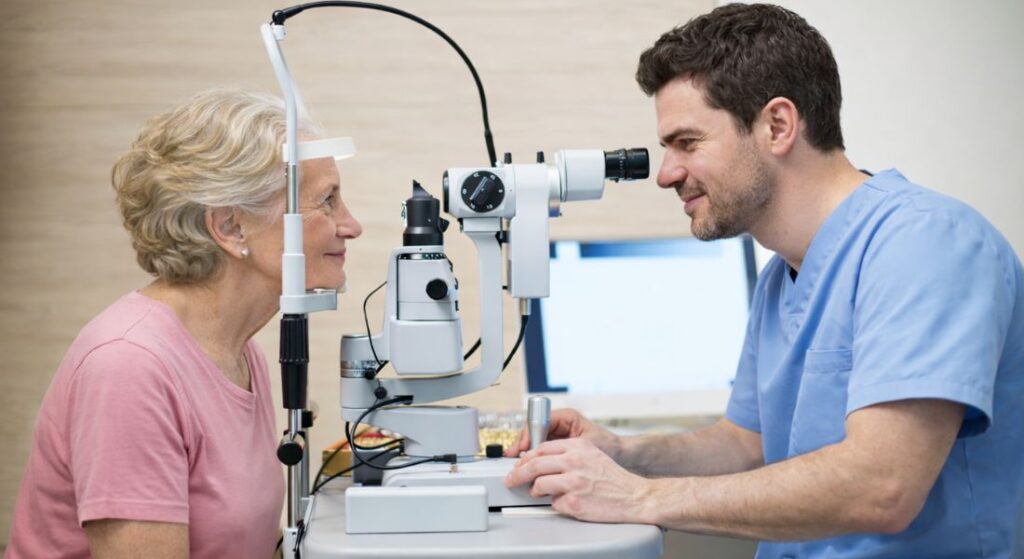
You might assume that immunotherapy mainly affects internal organs, but your eyes are not excluded from its effects. Your eyes are closely linked to your immune system, which means changes in immune activity can influence eye health. Even if symptoms are not immediately obvious, underlying changes can still occur. This is why it’s important to consider your eye health as part of your overall treatment plan.
In fact, ocular side effects, although relatively uncommon, are well documented. You could experience issues such as dry eye, inflammation inside the eye (uveitis), or even retinal or choroidal complications. While these problems do not affect everyone, they are recognised risks associated with immunotherapy. Being aware of them helps you better understand how your eyes might respond.
Even if these side effects occur in a small percentage of patients, they become more important when you are considering elective eye surgery. With ICL surgery, a lens is placed inside your eye, which introduces a foreign object into a sensitive and immune-active environment. This means your body’s response needs to be stable and well-controlled. Careful evaluation and timing can help reduce the risk of complications and support a safer outcome.
Understanding Immune-Related Inflammation
Here’s something important for you to understand. Immunotherapy doesn’t simply “boost” your immune system it can also cause it to attack normal, healthy tissues. This type of reaction is known as an immune-related adverse event. Knowing this helps you see why extra care is needed when planning any procedure.
In the eye, this immune response can lead to inflammation in different areas. It may affect the uvea, causing uveitis, or involve the retina and the ocular surface. These issues can vary in severity, but they are all linked to how your immune system is behaving. Even mild inflammation can become more significant in the context of eye surgery.
These inflammatory responses sometimes need steroid treatment to keep them under control. This adds another layer to your care, especially if your immune system is already being actively managed. Now, if you imagine introducing surgery into this already sensitive system, the situation becomes more complex. That’s why careful planning and specialist guidance are essential before moving forward.
How ICL Surgery Interacts with an Altered Immune System
ICL surgery naturally triggers a controlled inflammatory response as part of the healing process. Under normal circumstances, the body manages this response efficiently, allowing the eye to recover smoothly. However, when you are undergoing immunotherapy, this balance can be disrupted due to changes in how your immune system behaves. As a result, the healing process may become less predictable, requiring closer monitoring and careful planning.
- Exaggerated Inflammatory Response: Immunotherapy can amplify your body’s natural inflammatory reactions. While some inflammation is necessary for healing after ICL surgery, an excessive response may affect delicate eye structures. This can increase discomfort and raise the risk of post-operative complications.
- Slower or Unpredictable Healing: An altered immune system may not follow the usual healing timeline. Some patients may heal more slowly, while others might experience irregular recovery patterns. This unpredictability makes it important to have tailored follow-up care after surgery.
- Increased Sensitivity to the Implanted Lens: The presence of an implanted lens is generally well tolerated, but immunotherapy may heighten immune sensitivity. In rare cases, the body could react more strongly to the lens as a foreign object. This may lead to irritation or prolonged inflammation.
- Reduced Margin for Error in Recovery: Although complications are not guaranteed, the room for minor issues to resolve naturally may be smaller. Even small inflammatory changes could have a greater impact on recovery. This is why careful patient selection and timing are especially important.
In conclusion, ICL surgery can still be a viable option for many patients undergoing immunotherapy, but it requires a more cautious approach. The interaction between an altered immune system and surgical healing can introduce additional risks and variability. By understanding these factors, you and your healthcare team can make more informed decisions and take appropriate precautions. With proper planning and monitoring, safe and successful outcomes are still achievable.
Infection Risk: Different, But Still Important
Unlike chemotherapy, immunotherapy does not always suppress your immune system in the same way. However, this does not mean the risk of infection disappears completely. Your immune response can still be altered, making it less predictable. This is why it’s important to look beyond general assumptions and focus on your specific situation.
If you are on long-term treatment, there are a few factors that may affect your risk. You might be taking additional immunosuppressive medications such as steroids, or experience immune exhaustion over time. Your immune responses may also fluctuate, which can make healing less consistent. All of these can influence how your body deals with infection.
ICL surgery already carries a small risk of infection, as with any intraocular procedure. While this risk is usually very low, it becomes more relevant if your immune system is not stable. Even a small increase in risk should be taken seriously in this context. Careful assessment and proper timing can help reduce potential complications and support a safer outcome.
Healing After ICL Surgery on Immunotherapy
Healing is where things can become a bit more complex for you. After ICL surgery, your body needs to repair small surgical incisions, adjust to the implanted lens, and keep inflammation under control. These processes usually happen smoothly when your immune system is stable. However, they rely heavily on how well your body can regulate its response.
Immunotherapy can affect this balance in ways that are not always predictable. Your immune system may react differently from one period to another, which can influence how quickly and effectively you heal. This means your recovery may not follow a standard pattern. It’s something your specialist will need to consider carefully.
Some patients do heal normally without any added concerns. Others, however, may experience prolonged inflammation or a slower recovery than expected. This does not necessarily mean surgery is unsafe, but it does highlight the need for proper planning. Close monitoring and coordination with your care team can help ensure the best possible outcome.
Lessons from Autoimmune Conditions
You can learn a great deal by looking at similar situations. When patients have autoimmune conditions, where the immune system is already dysregulated, doctors usually take a cautious approach to ICL surgery. This helps reduce the risk of complications and ensures the timing is carefully chosen. It also shows just how important immune stability is for a safe and successful outcome.
These patients often face a higher risk of inflammation and a greater chance of delayed healing after surgery. There is also the possibility of flare-ups, where symptoms can suddenly become worse following a procedure. Because of this, extra planning and close monitoring are essential before moving ahead. These same concerns are very relevant when you are considering your own situation.
Immunotherapy can create a similar environment, even though the underlying cause is different. Your immune system may still behave in a more unpredictable or heightened way than usual. This means a similar level of caution is often needed when planning surgery. Understanding this comparison can help you and your specialist make more informed and confident decisions.
The Risk of Uveitis After Surgery
Uveitis is one of the main concerns you need to be aware of in this situation. It refers to inflammation inside the eye, which can affect how well your vision functions. When your immune system is already being influenced by treatment, the risk becomes more relevant. This is why it is taken seriously when planning any eye procedure.
It can develop for a few different reasons in your case. Uveitis may occur as a side effect of immunotherapy, as a reaction to the surgery itself, or sometimes as a combination of both. This overlap can make it harder to predict and manage. Understanding these possibilities helps you see why extra caution is needed.
When uveitis develops, it can affect your vision and may require more intensive treatment, such as steroid medication. In some cases, recovery can take longer than expected. Because of this, surgeons are particularly careful if there is any history of immune-related eye inflammation. Careful assessment and planning can help reduce these risks and support a safer outcome.
Why Stability Is More Important Than Treatment Type
The most important factor is not simply whether you are on immunotherapy. What really matters is whether your condition is stable over time. A stable immune system is far more predictable when it comes to healing and recovery. This makes it a key consideration before going ahead with surgery.
Surgeons will usually look for clear signs of stability before recommending ICL surgery. This includes having no recent immune-related side effects and being on a consistent medication regimen. They will also want to ensure there is no active inflammation anywhere in your body. These checks help confirm that your system is well controlled.
If your immune system is fluctuating, the risks associated with surgery increase significantly. Your body may not respond in a predictable way to the procedure or the healing process. This can raise the chances of complications such as inflammation or delayed recovery. That is why waiting for a stable period is often the safest approach.
The Importance of Multidisciplinary Care

This is not a decision you should make on your own. When you are considering ICL surgery while on immunotherapy, you need input from more than one specialist. Having the right guidance helps you understand both the eye-related and systemic aspects of your care. It also ensures that nothing important is overlooked.
You will need coordination between your oncologist and your ophthalmologist. Each of them brings a different perspective based on their expertise. By working together, they can build a clearer picture of your overall health. This kind of teamwork is especially important in more complex situations like yours.
Together, they will assess your immune status, your current treatment plan, and your overall risk profile. This helps determine whether the timing is right and whether any precautions are needed. A collaborative approach like this improves safety and supports better outcomes. It gives you greater confidence in the decisions you make moving forward.
Timing: Should You Wait or Proceed?
In many situations, the safest approach for you may be to delay surgery. This is especially true if you have only recently started immunotherapy or if your treatment is still being adjusted. Changes in dosage or early-stage side effects can make your immune response less predictable. Waiting allows your body more time to reach a stable state.
You may also need to be cautious if you have already experienced side effects from your treatment. These can indicate that your immune system is more reactive than usual. In such cases, moving forward with surgery too soon could increase the risk of complications. Taking a step back and reassessing can help protect your overall health.
However, if your treatment is long-term and stable, surgery may still be an option for you. The key is that everything must be carefully evaluated and well coordinated. Your medical team will consider whether your condition is controlled enough to proceed safely. The most important thing is to move forward only when the timing is right for you.
Additional Precautions If You Proceed
If you and your medical team decide to move forward with ICL surgery while undergoing immunotherapy, a more cautious and tailored approach is typically required. Because your immune response may not behave in a predictable way, surgeons often adapt both pre- and post-operative care to reduce potential risks. These additional precautions are designed to support healing and minimise the chance of complications. Close coordination between your ophthalmologist and oncology team is essential throughout the process.
- Pre-Operative Anti-Inflammatory Treatment: You may be given anti-inflammatory medications before surgery to help stabilise your immune response. This can reduce the likelihood of excessive inflammation once the procedure is performed. Preparing the eye in advance creates a more controlled environment for healing.
- Closer Post-Operative Monitoring: After surgery, your recovery will likely be observed more closely than usual. This allows your doctor to identify any unusual inflammation or healing delays early. Prompt intervention can prevent minor issues from developing into more serious complications.
- More Frequent Follow-Up Visits: Instead of standard check-ups, you may need more frequent follow-up appointments. These visits help track your progress and ensure your eye is responding well to the implanted lens. Regular assessments provide reassurance and allow timely adjustments to your care plan.
- Early Management of Complications: The primary goal of these precautions is to detect and manage any complications as early as possible. Even subtle changes in healing or inflammation can be addressed quickly with the right treatment. This proactive approach significantly improves overall safety and outcomes.
In conclusion, proceeding with ICL surgery during immunotherapy requires extra care, but it can still be done safely with the right precautions. Enhanced monitoring, preventive treatment, and regular follow-ups all play a key role in protecting your eye health. By staying proactive and closely connected with your healthcare team, you can reduce risks and support a smoother recovery. Careful planning ultimately helps ensure the best possible surgical outcome.
What About Visual Outcomes?
Another question you might have is whether immunotherapy affects your final visual result. The answer is that it can, but usually in an indirect way. Changes in your immune response can influence how your eyes heal after surgery. This, in turn, may affect how quickly and smoothly your vision settles.
If inflammation or healing is altered, you may notice some temporary effects. These can include delayed visual clarity, short-term fluctuations in your vision, or the need for additional treatment to stabilise things. While these issues are often manageable, they can extend your recovery period. Understanding this helps you set realistic expectations.
That said, many patients still achieve very good outcomes when they are carefully selected for surgery. The key is proper assessment, stable health, and close monitoring throughout the process. With the right planning, the chances of a successful result remain high. It’s all about ensuring the conditions are right before moving forward.
Psychological Considerations
Let’s be honest this is not just a medical decision for you. You are already managing a serious condition, which can take a mental and emotional toll. Adding elective eye surgery into the situation may increase your stress levels. It’s completely natural to feel uncertain or overwhelmed when facing multiple decisions at once.
You might find that the idea of surgery brings additional pressure at a time when you are already focused on your treatment. Balancing your health priorities can feel challenging, especially when outcomes are not entirely predictable. Giving yourself space to think things through can make a real difference. Your emotional wellbeing is just as important as your physical health.
Sometimes, choosing to wait until your treatment is more stable can offer benefits beyond just physical safety. It can give you greater confidence in your decision and reduce unnecessary worry. Feeling mentally prepared often leads to a more positive overall experience. In many cases, peace of mind is just as valuable as the outcome itself.
When Surgery Is Usually Avoided
There are certain situations where your surgeon is likely to advise against ICL surgery. This is usually when the potential risks are considered too high compared to the expected benefits. The goal is always to protect your eye health and avoid preventable complications. In these cases, waiting or exploring alternatives may be the safer option.
Surgery is often avoided if there is active immune-related inflammation in your eyes. It may also be postponed if you have recently experienced severe side effects from immunotherapy. In addition, an unstable or frequently changing treatment plan can make it difficult to predict how your body will respond. These factors can all increase the likelihood of complications.
When these conditions are present, the risks tend to outweigh the benefits of going ahead with surgery. Your body may not be in the right state to heal properly or manage inflammation effectively. Taking a cautious approach helps prevent more serious issues later on. It also gives you time to reach a more stable and suitable point for reconsideration.
Safer Alternatives During Treatment

If your vision is affecting your day-to-day life while undergoing immunotherapy, it may be worth considering temporary, lower-risk alternatives instead of proceeding with surgery straight away. These options can help you maintain visual clarity and comfort without placing additional strain on your immune system. While they do not offer a permanent fix like ICL surgery, they provide a practical way to manage symptoms during treatment. Choosing safer alternatives can give your body the time it needs to stabilise before exploring surgical options.
- Updated Glasses: Getting a new prescription for your glasses can significantly improve your vision without any medical risk. Vision can fluctuate during treatment, so an updated pair ensures you are seeing as clearly as possible. This is often the simplest and safest first step.
- Contact Lenses: Contact lenses can offer sharper vision and greater convenience compared to glasses for some people. However, proper hygiene is essential, especially if your immune system is affected. Your eye specialist may recommend specific types that are more suitable during treatment.
- Lubricating Eye Drops: Lubricating drops can help relieve dryness, irritation, and discomfort, which may be more noticeable during immunotherapy. Keeping the eyes well-hydrated supports overall eye health and comfort. They can be used regularly with minimal risk when recommended by your doctor.
- Low-Risk, Non-Invasive Management: These alternatives avoid surgical intervention entirely, reducing the chance of complications linked to altered immune responses. While they are temporary, they provide stability and flexibility during an unpredictable treatment period. This approach allows you to revisit surgical options at a safer time.
In conclusion, while it may be frustrating to delay a long-term solution like ICL surgery, safer alternatives can effectively support your vision in the meantime. Glasses, contact lenses, and eye drops offer practical ways to manage symptoms with minimal risk. Prioritising your overall health during immunotherapy is essential, and temporary measures can play an important role in that. Once your treatment stabilises, you can reassess surgical options with greater confidence.
Long-Term Outlook
The good news is that immunotherapy is often a long-term treatment, but it is not always permanent. Over time, your condition may stabilise or your treatment plan may change. When this happens, your body may respond more predictably. This can make future decisions about surgery much clearer.
As your situation improves, you may become a much better candidate for ICL surgery. A stable immune system can support safer healing and reduce the risk of complications. This gives you a stronger foundation for achieving good results. Your medical team will help you reassess when the timing feels right.
This is why patience can be such a powerful strategy. Waiting does not mean giving up on the option of surgery it simply means choosing the safest moment. Taking this approach can improve both your physical outcome and your peace of mind. In many cases, the best results come with the right timing.
Balancing Risk and Benefit
The good news is that immunotherapy is often long-term, but not always permanent. Your treatment plan may change over time as your condition improves or stabilises. This means your situation today is not necessarily how it will remain in the future. Keeping this in mind can help you stay positive about your options.
As your condition becomes more stable or your treatment is adjusted, you may become a much better candidate for surgery. A more predictable immune response can improve both safety and healing. This makes it easier for your medical team to plan the procedure with greater confidence. Timing can play a key role in achieving better outcomes.
This is why patience can be a very powerful strategy for you. Waiting for the right moment may reduce risks and improve your overall experience. It can also give you more reassurance when you decide to move forward. In many cases, taking your time leads to safer and more successful results.
FAQs:
1. Is ICL surgery safe while undergoing immunotherapy?
ICL surgery can be safe for some patients undergoing immunotherapy, but it largely depends on how stable your immune system is. If your treatment is well controlled and there is no active inflammation, your specialist may consider it appropriate. However, careful timing and additional precautions are essential to reduce risks.
2. Does immunotherapy increase the risk of complications after ICL surgery?
Yes, immunotherapy can increase the risk of complications. Because it alters how your immune system behaves, it may lead to increased inflammation, delayed healing, or unpredictable responses after surgery, all of which can affect recovery.
3. Should I delay ICL surgery if I’ve recently started immunotherapy?
In most cases, delaying surgery is recommended if you have recently started immunotherapy. During the early stages of treatment, your immune response may be unstable, which can make healing less predictable and increase the likelihood of complications.
4. Can immunotherapy cause eye problems that affect surgery?
Yes, immunotherapy can sometimes cause eye-related side effects such as dry eye, uveitis, or inflammation in deeper eye structures. Although these are not very common, they are important to consider because they can influence both the safety of surgery and the healing process.
5. What is the biggest concern with ICL surgery during immunotherapy?
The main concern is inflammation inside the eye, particularly uveitis. Since immunotherapy can trigger immune-related inflammation, there is a higher risk that the eye may react more strongly after surgery, which can affect recovery and visual outcomes.
6. Will my healing take longer after ICL surgery if I’m on immunotherapy?
Healing may take longer or be less predictable if you are on immunotherapy. Some patients recover normally, but others may experience prolonged inflammation or delayed healing, which is why close follow-up care is important.
7. Can ICL surgery still give good vision results during immunotherapy?
Yes, many patients can still achieve good visual outcomes, especially if their condition is stable and well managed. The final result often depends on how smoothly the eye heals and whether inflammation is effectively controlled.
8. What precautions are taken if I proceed with surgery?
If you go ahead with surgery, your medical team will usually take a more cautious approach. This may include controlling inflammation before the procedure, monitoring your recovery more closely, and scheduling more frequent follow-up visits to ensure any issues are addressed early.
9. When is ICL surgery usually avoided?
ICL surgery is generally avoided when there is active inflammation in the eye, recent severe side effects from immunotherapy, or an unstable treatment plan. In these situations, the risks are considered too high, and delaying surgery is usually the safer option.
10. What are safer alternatives if I delay surgery?
If surgery is postponed, safer alternatives such as updated glasses, contact lenses, or lubricating eye drops can help manage your vision. While these are not permanent solutions, they allow you to maintain visual comfort without adding unnecessary risk during treatment.
Final Thoughts: Making the Safest Choice for Your Vision
Deciding whether to move forward with ICL surgery while undergoing long-term immunotherapy is not a simple yes-or-no situation. It is a highly individual decision that depends on how stable your immune system is, how your body has been responding to treatment, and whether your eyes are free from inflammation. While the procedure itself is effective and widely trusted, your current medical context means that extra care, timing, and coordination are essential.
What matters most is not rushing into surgery, but choosing the moment when your body is best prepared to heal and respond predictably. In many cases, waiting until your condition is stable can significantly reduce risks and improve outcomes. With the right planning, guidance from your medical team, and a clear understanding of your situation, ICL surgery can still be a safe and successful option. If you’re thinking about ICL surgery in London, you can get in touch with us at London Cataract Centre.
References:
- Rocha-de-Lossada, C., Burguera, N., Rodríguez Calvo-de-Mora, M., Burguera-Giménez, N. and Fernández, J. (2025) Implantable collamer lens as an alternative supplementary intraocular lens: A scoping review, Journal of Refractive Surgery. Available at: https://pubmed.ncbi.nlm.nih.gov/41212960/
- Wu, K.Y., Yakobi, Y., Gueorguieva, D.D. and Mazerolle, É. (2024) Emerging ocular side effects of immune checkpoint inhibitors: A comprehensive review, Biomedicines, 12(11), 2547. Available at: https://www.mdpi.com/2227-9059/12/11/2547
- Martens, A., Schauwvlieghe, P.P., Madoe, A., Casteels, I. and Aspeslagh, S. (2023) Ocular adverse events associated with immune checkpoint inhibitors: A scoping review, Journal for ImmunoTherapy of Cancer, 13, p. 5. Available at: https://pmc.ncbi.nlm.nih.gov/articles/PMC9947214/
- Alio, J.L., Shankar, P., Ruiz‑Mora, J.M., Rodríguez, A., Sala, E. and Fernández, J. (2017) ‘Outcomes after implantable collamer lens surgery in a Canadian cohort’, Canadian Journal of Ophthalmology, 52(2), pp. 150–154. Available at: https://www.sciencedirect.com/science/article/abs/pii/S0008418216301089
- Zhou, Y.W., Xu, Q., Wang, Y. and Xia, R.L. (2022) Immune checkpoint inhibitor‑associated ophthalmic adverse events: Current understanding of its mechanisms, diagnosis, and management, International Journal of Ophthalmology, 15(4), pp. 646–656. Available at: https://pmc.ncbi.nlm.nih.gov/articles/PMC8995716/