


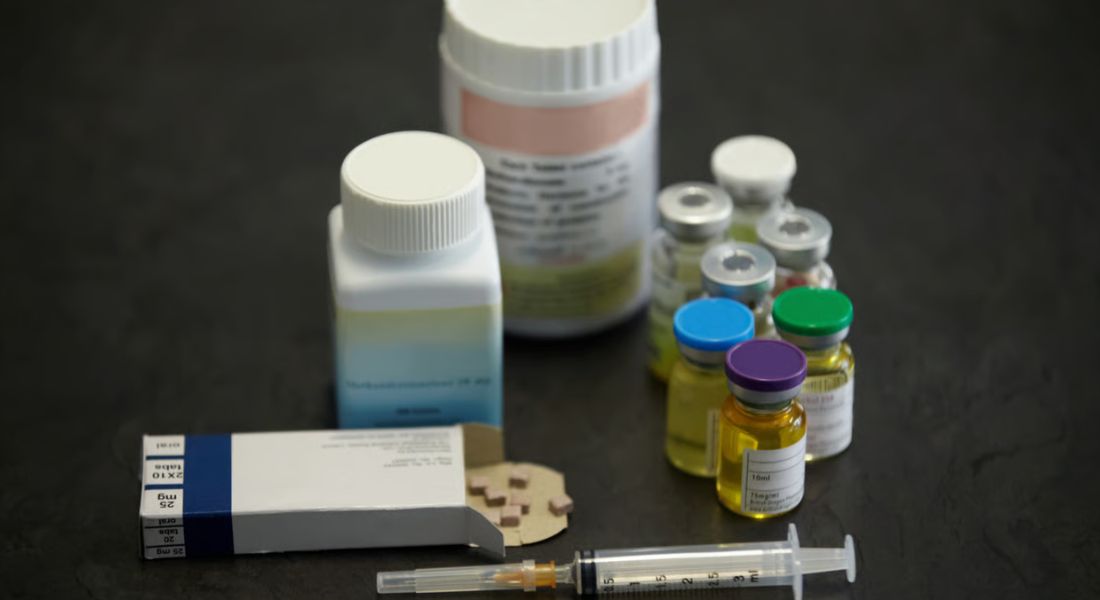
If you are taking biologic medications and considering implantable collamer lens (ICL) surgery, it is completely natural to have questions. You may be managing an autoimmune condition and wondering whether vision correction procedures are suitable for you. Many people in your position feel uncertain about how their treatment might affect surgery. Taking the time to understand your options can help you feel more confident.
You might be concerned about whether your medication increases the risk of infection. It is also common to wonder if your immune system will heal properly after the procedure. These are valid concerns, especially when your treatment affects how your body responds to inflammation and healing. Understanding these factors is an important part of making a safe decision.
The good news is that in many cases, ICL surgery is still possible while you are on biologic medications. However, it does require careful planning and close coordination with your medical team. A personalised approach ensures that your treatment and surgery are managed safely together. With the right preparation, you can move forward with greater reassurance.
In this article, you will be guided through everything you need to know before making your decision. You will learn how biologic medications may affect surgery and recovery. You will also understand what steps to take to reduce risks and improve outcomes. This will help you make an informed and confident choice about your care.
What Is ICL Surgery?
ICL surgery is a type of vision correction that involves placing a thin, flexible lens inside your eye. This artificial lens works alongside your natural lens to improve how light is focused onto the retina, helping you see more clearly. It is a highly effective option for correcting a range of refractive errors, including nearsightedness and astigmatism.
Unlike laser procedures, ICL does not remove any corneal tissue. This makes it particularly suitable for patients with thin corneas or higher prescriptions, where laser treatments might not be recommended. Because the cornea remains untouched, the structural integrity of your eye is preserved, which can be reassuring for many patients.
The procedure itself is quick and minimally invasive, often allowing for rapid visual recovery. Most patients notice improvements in their vision within a few days. With careful planning and a skilled surgeon, ICL can offer long-lasting results and reduced dependence on glasses or contact lenses.
What Are Biologic Medications?
Biologic medications are advanced treatments often used to manage autoimmune and inflammatory conditions. They are specifically designed to target certain parts of the immune system, helping to control overactive responses and reduce inflammation. This precision makes them highly effective for managing complex immune-related disorders.
You might be prescribed biologics for conditions such as rheumatoid arthritis, psoriasis, Crohn’s disease, or other autoimmune disorders. These medications work by regulating immune activity, preventing your body from attacking healthy tissues. They can significantly improve quality of life for patients with chronic immune conditions.
Because biologic medications directly affect how your immune system functions, they can influence how your body responds to surgery. This includes healing, inflammation, and infection risk. Understanding these effects is essential when planning procedures like ICL surgery to ensure safe and successful outcomes.
How Biologics Affect the Immune System
Your immune system is essential for healing and protecting your body against infection. Biologic medications work by targeting specific immune pathways, helping to control inflammation and prevent damage to healthy tissues. This is highly beneficial for managing autoimmune or inflammatory conditions.
However, because these medications modify the immune system, they can also reduce your body’s ability to fight infections as effectively as usual. Your immune response may be slower or less reactive, which can affect recovery after surgery. It’s important to understand that this does not automatically make surgery unsafe.
What it does mean is that extra care and careful planning are needed when undergoing procedures like ICL surgery. Your medical team will consider your treatment schedule, immune status, and other factors to minimise risks. With the right approach, you can still achieve a safe and successful outcome.
Is ICL Surgery Safe While Taking Biologics?
The short answer is yes ICL surgery can be safe while you are taking biologic medications, but it requires the right precautions. Careful planning and thorough assessment are essential to ensure your safety. Your medical team will work together to minimise any potential risks.
Safety depends on several factors, including the specific biologic medication you are taking, your overall health, and how well your condition is currently controlled. Each patient’s situation is unique, which is why a personalised approach is so important.
Many patients successfully undergo ICL surgery while on biologics. The key is careful assessment, timing, and coordination between your ophthalmologist and your prescribing specialist. With these measures in place, you can achieve a safe and effective outcome.
Infection Risk and Prevention
One of the main concerns when taking biologic medications is an increased risk of infection. Because your immune system is partially suppressed, your body may not fight infections as efficiently as usual. This is an important consideration when planning any surgical procedure, including ICL surgery.
After ICL surgery, there is a small but significant risk of infection while your eye heals. Your surgeon will take steps to minimise this risk, which may include prescribing antibiotic eye drops and emphasising strict hygiene practices. Following these instructions carefully helps protect your eyes during recovery.
In addition, you may be monitored more closely throughout your recovery period. Regular check-ups allow your medical team to detect any issues early and address them promptly. This careful supervision supports a safer and smoother healing process.
Healing After ICL Surgery
Healing after ICL surgery is generally quick and straightforward for most patients. Many notice improved vision within just a few days, and recovery is often smooth. The procedure is minimally invasive, which helps speed up the healing process.
However, if you are taking biologic medications, your healing may be slightly slower. Your immune system is partially modified, which can sometimes lead to prolonged mild inflammation or a longer recovery period. These effects are usually temporary and manageable.
With proper care and medication, most patients on biologics still achieve excellent outcomes. Your surgeon will monitor your healing closely and adjust treatment as needed. Following aftercare instructions carefully helps ensure a safe and successful recovery.
Inflammation and Immune Response
Inflammation and immune response play a central role in recovery after eye surgery, especially if you are on biologic medications. These treatments are designed to control inflammation but can also change how your body reacts to surgical trauma. A controlled inflammatory response is essential for proper healing following procedures like ICL or RLE surgery. Careful management ensures your body heals effectively without triggering excessive inflammation that could cause complications.
- Role of Inflammation in Healing: Inflammation is a natural part of the healing process, helping tissues repair and recover after surgery. Without a controlled inflammatory response, healing may be slower or incomplete. Balancing inflammation is key to a smooth recovery.
- Impact of Biologic Medications: Biologics can suppress or modify the immune system, affecting how your body responds to surgery. This may reduce inflammation excessively or alter the normal healing process. Understanding this effect helps your doctor tailor your care.
- Balancing Immune Activity: Your surgeon will aim to maintain enough immune activity for effective healing while preventing overactive inflammation. Striking this balance reduces the risk of complications such as swelling or delayed recovery. Close monitoring is essential during this period.
- Adjustments to Post-Operative Medications: Post-operative medication plans may be modified to support optimal healing. This could involve adjusting anti-inflammatory treatments or antibiotics. Personalized medication management helps ensure safe and efficient recovery.
Inflammation and immune response are critical components of post-surgical healing, particularly for patients on biologic medications. Properly managing these responses ensures tissues recover effectively while minimizing complications. With careful monitoring and tailored medication adjustments, your body can achieve the right balance for optimal recovery. Ultimately, understanding and supporting this process improves the chances of a successful surgical outcome.
Timing Your Surgery
Timing is an important consideration when you are taking biologic medications. Because these drugs affect your immune system, the point at which you have surgery can influence both healing and infection risk. Careful planning helps ensure that your body is in the best possible condition for recovery.
In some cases, your doctor may recommend scheduling ICL surgery at a specific point in your treatment cycle. This could involve arranging the procedure between doses or during a period when immunosuppression is lower. Adjusting timing in this way can help your immune system respond more effectively to surgery.
Your specialist will guide you on the safest timing based on your individual treatment plan and overall health. Coordinating with both your ophthalmologist and prescribing physician ensures that surgery is scheduled optimally. Proper timing reduces risks and supports a smoother recovery.
Should You Pause Biologic Medication?
This is a common question for patients considering ICL surgery while on biologic therapy, and the answer is not the same for everyone. How your medication is managed depends on the type of biologic, your underlying condition, and your overall health. Careful planning ensures that both your surgery and your long-term treatment remain safe.
In some cases, your doctor may recommend temporarily pausing your biologic medication before and after surgery to reduce the risk of complications. In other situations, continuing the medication may be safer to prevent a flare-up of your condition. Each approach must be tailored to your individual needs.
It is essential that any decisions about pausing or adjusting your medication are made in consultation with your specialist. Never stop or change your biologic therapy on your own, as this could have serious consequences. Working closely with your healthcare team ensures the safest possible outcome for both your eye surgery and your overall health.
Pre-Surgery Assessment
Before proceeding with ICL surgery, you will have a detailed pre-surgery assessment. This evaluation looks at your eye health, vision needs, and overall medical condition. It helps your surgeon understand whether you are a suitable candidate and what precautions may be necessary.
Your surgeon may also request information from your GP or specialist, especially regarding your biologic medication and immune status. This ensures that all aspects of your health are considered before surgery. By reviewing your medical history in detail, your team can plan the procedure safely.
Assessing whether your condition is stable and your immune system is ready is an essential step. This careful preparation helps minimise risks and supports a smooth recovery. A thorough pre-surgery assessment provides both safety and peace of mind.
Medication Interactions
Medication interactions are an important consideration when undergoing eye surgery, especially if you are on biologic treatments. Certain drugs used during or after procedures like ICL surgery may interact with your existing medications, affecting safety and effectiveness. Understanding potential interactions helps prevent complications and supports a smoother recovery. Clear communication with your healthcare team is essential to manage these risks effectively.
- Potential for Drug Interactions: Biologic medications can interact with commonly prescribed post-operative drugs, including anti-inflammatory eye drops. These interactions may affect how well the medications work or increase side effects. Awareness and monitoring are necessary to avoid adverse reactions.
- Importance of Medication Review: Your doctor will carefully review all medications before and after surgery. This ensures that each drug is compatible with your biologic treatment. Proper coordination helps maintain safety and treatment effectiveness.
- Tailored Medication Plans: Adjustments may be needed to optimize healing while avoiding interactions. Your doctor may change dosages or select alternative medications. Personalised plans help support recovery while keeping risks minimal.
- Communication is Key: Providing a complete and accurate medication history is vital. This allows your healthcare team to make informed decisions. Open communication ensures that potential risks are identified and managed before surgery.
Managing medication interactions is a crucial part of preparing for eye surgery while on biologic treatments. Careful review, tailored plans, and clear communication with your doctor reduce risks and support effective healing. By addressing potential interactions proactively, you can ensure a safer surgical experience. Ultimately, this approach helps protect your vision and overall health during recovery.
The Importance of Medical Coordination
If you are taking biologic medications, it is essential that your care involves coordination between multiple healthcare professionals. Each specialist brings unique expertise, which helps ensure that all aspects of your health are considered before surgery. This collaborative approach provides a more complete picture of your readiness for ICL surgery.
Your care team may include your ophthalmologist, GP, and the specialist prescribing your biologic therapy. By sharing information and working together, they can develop a treatment plan that balances your eye surgery needs with the management of your underlying condition. Coordination helps minimise potential complications.
This teamwork not only reduces risks but also improves overall outcomes. Close communication ensures that any issues are identified early and addressed promptly. With coordinated care, you can approach surgery with greater confidence and safety.
Managing Expectations

It’s important to have realistic expectations about your recovery after ICL surgery, especially if you are taking biologic medications. While many patients achieve excellent results, your healing process may be slightly different due to the effects of your treatment on the immune system. Being aware of this helps you approach recovery with the right mindset.
You may require additional follow-up appointments to monitor healing more closely or a slightly longer recovery period than patients not on biologics. These extra steps are precautions to ensure your safety and a successful outcome. Knowing this in advance helps reduce anxiety and prepares you for what to expect.
Understanding the potential variations in your recovery allows you to plan effectively and follow your aftercare instructions closely. Managing expectations realistically supports both your physical and emotional well-being throughout the healing process.
Potential Risks
Although ICL surgery is generally safe, it is important to be aware of potential risks. Common issues can include infection, inflammation, or delayed healing, which are usually manageable with proper care. Understanding these risks helps you make an informed decision and follow precautions effectively.
For patients taking biologic medications, some of these risks may be slightly higher. Because your immune system is partially modified, your body may respond differently to surgery and recovery. This does not mean surgery is unsafe, but it does require careful planning.
With the right preparation, monitoring, and aftercare, these risks can be effectively managed. Close coordination between your ophthalmologist and prescribing specialist ensures that any complications are identified early and treated promptly, supporting a safe and successful outcome.
The Role of Aftercare
Aftercare becomes even more critical for patients taking biologic medications. These treatments can affect how your body responds to surgery, making careful post-operative management essential. Following instructions diligently helps protect your eyes and supports optimal healing. Paying attention to small details can make a meaningful difference in recovery outcomes.
- Strict Adherence to Post-Operative Instructions: Following your surgeon’s guidance ensures that your eyes heal safely and effectively. Instructions are designed to protect against complications and support tissue repair. Skipping steps or deviating from the plan can increase risks.
- Use of Prescribed Eye Drops: Eye drops are essential for reducing inflammation and preventing infection. Using them exactly as directed maximizes their effectiveness. Proper administration helps maintain a stable healing environment for your eyes.
- Avoiding Contamination and Maintaining Hygiene: Preventing contamination is crucial to lower infection risk. Simple steps like washing hands before touching the eyes or avoiding exposure to dust and water can make a big difference. Good hygiene supports safer recovery.
- Consistent Follow-Up Appointments: Attending scheduled check-ups allows your surgeon to monitor healing and address any issues early. These appointments help ensure recovery is progressing as expected. Regular follow-ups are a key part of successful aftercare.
Aftercare is a vital component of a safe and successful recovery, particularly for patients on biologic medications. Following instructions, maintaining hygiene, and attending follow-ups all contribute to better outcomes. Each small action plays a role in supporting healing and reducing complications. Ultimately, diligent aftercare enhances both safety and long-term vision results.
Lifestyle Factors That Support Healing
Although ICL surgery is generally safe, it is important to be aware of potential risks. Common issues can include infection, inflammation, or delayed healing, which are usually manageable with proper care. Understanding these risks helps you make an informed decision and follow precautions effectively.
For patients taking biologic medications, some of these risks may be slightly higher. Because your immune system is partially modified, your body may respond differently to surgery and recovery. This does not mean surgery is unsafe, but it does require careful planning.
With the right preparation, monitoring, and aftercare, these risks can be effectively managed. Close coordination between your ophthalmologist and prescribing specialist ensures that any complications are identified early and treated promptly, supporting a safe and successful outcome.
Emotional Considerations
Living with a chronic condition can make decisions about surgery feel more complex and sometimes overwhelming. It is completely natural to feel uncertain, anxious, or even hesitant about proceeding with ICL surgery while managing your ongoing health needs. These feelings are a normal response to the added complexity of balancing surgery with long-term treatment. Acknowledging them is an important step in preparing both mentally and emotionally.
Talking openly with your medical team can help address your concerns and provide reassurance. They can explain in detail what to expect before, during, and after surgery, including how your biologic medication may influence recovery. Being well-informed about the process helps reduce fear and gives you a sense of control over the situation.
Feeling supported throughout your decision-making and recovery makes a significant difference. Emotional readiness, alongside physical preparation, can improve how you cope with the procedure, follow aftercare instructions, and manage any temporary setbacks. Taking the time to prepare yourself mentally allows you to approach surgery with greater confidence and peace of mind.
When Surgery Might Be Delayed
In some situations, it may be safer to delay ICL surgery rather than proceeding immediately. This is particularly true if your condition is not yet well controlled or if your immune system is significantly suppressed by biologic medications. Rushing into surgery under these circumstances can increase the risk of complications.
Delaying the procedure allows your body to reach a more stable and resilient state. This gives your immune system time to function more effectively and supports optimal healing after surgery. It also reduces the likelihood of infection, prolonged inflammation, or delayed recovery.
Taking the time to wait for the right moment improves overall safety and increases the chances of a successful outcome. Working closely with your ophthalmologist and specialist ensures that surgery is scheduled at the most appropriate time for your individual health needs.
Benefits of ICL Surgery
Despite the additional considerations for patients on biologic medications, ICL surgery offers significant benefits. The procedure can provide clear, stable vision and often reduces or eliminates the need for glasses or contact lenses. Many patients find this improvement greatly enhances their daily life and independence.
ICL surgery is particularly advantageous for those who may not be suitable for laser vision correction, such as patients with higher prescriptions or thinner corneas. The lens is designed to work alongside your natural lens, preserving the eye’s structure while improving visual clarity.
When performed under the right conditions and with proper medical coordination, the benefits often outweigh the risks. With careful planning, patients on biologics can safely enjoy the life-changing improvements that ICL surgery offers.
Personalised Approach Is Essential

Every patient’s situation is unique, and this is especially true for those taking biologic medications. Your condition, current treatment, and overall health all influence whether ICL surgery is suitable for you. Understanding these individual factors helps your medical team plan the procedure safely and effectively.
A personalised approach ensures that your care is tailored specifically to your needs. This includes deciding on the optimal timing for surgery, adjusting medications if necessary, and planning aftercare to support the best possible recovery. By considering your unique circumstances, your doctors can minimise risks and enhance outcomes.
This approach increases both safety and the likelihood of a successful result. Working closely with a skilled and experienced surgical team ensures that every aspect of your care is carefully managed, giving you confidence and peace of mind throughout the process.
FAQs:
1. Can I have ICL surgery while taking biologic medications?
Yes, in many cases you can have ICL surgery while taking biologic medications. However, it requires careful planning, a personalised approach, and coordination between your ophthalmologist and the doctor managing your biologic therapy.
2. Do biologic medications increase the risk of infection after ICL surgery?
Biologic medications can slightly increase the risk of infection because they affect how your immune system responds. This does not mean surgery is unsafe, but it does require extra precautions and close monitoring during recovery.
3. Will biologic therapy affect how I heal after ICL surgery?
Biologic therapy may slow down certain aspects of healing or alter your body’s inflammatory response. Most patients still heal well, but recovery may take slightly longer and require closer follow-up.
4. Is it necessary to stop biologic medications before ICL surgery?
In some cases, your doctor may recommend pausing biologic treatment temporarily, while in others it may be safer to continue it. This decision depends on your condition, medication type, and overall health, and must always be made by your specialist.
5. How does timing of biologic doses affect ICL surgery?
The timing of your surgery may be planned around your biologic treatment cycle. Scheduling the procedure between doses can sometimes reduce immunosuppression and support better healing and lower infection risk.
6. What factors determine if I am suitable for ICL surgery on biologics?
Suitability depends on your overall health, stability of your underlying condition, type of biologic medication, and how well your immune system is functioning. A detailed medical and eye assessment is required before making a decision.
7. Are there higher risks of complications with ICL surgery on biologics?
There may be a slightly increased risk of infection, inflammation, or delayed healing. These risks are generally manageable with proper planning, medication adjustments, and careful aftercare.
8. What role does my medical team play in planning the surgery?
Your ophthalmologist, GP, and prescribing specialist will work together to assess your readiness, adjust medications if needed, and plan the safest timing for your surgery. This coordinated approach helps reduce risks and improve outcomes.
9. What can I do to reduce risks before and after ICL surgery?
You can reduce risks by following medical advice closely, maintaining good hygiene, attending all appointments, and taking prescribed medications exactly as directed. Clear communication with your healthcare team is also essential.
10. When might ICL surgery need to be delayed?
Surgery may need to be delayed if your condition is not well controlled, your immune system is significantly suppressed, or you are experiencing active inflammation or infection. Waiting until your health is stable improves safety and results.
Final Thought: Balancing Safety and Confidence in Your Decision
Choosing to undergo ICL surgery while taking biologic medications requires a careful balance between improving your vision and protecting your overall health. While biologic therapy can influence how your body heals and responds to surgery, it does not automatically prevent you from having a safe and successful procedure. What matters most is thoughtful planning, proper timing, and close collaboration with your medical team.
By ensuring your condition is stable, your medications are appropriately managed, and your immune system is well considered, you can significantly reduce potential risks. Taking a personalised approach allows your doctors to tailor every aspect of your care, helping you move forward with greater confidence. Patience and preparation play a key role in achieving the best possible outcome. If you’re looking for ICL surgery in London, you can get in touch with us at London Cataract Centre.
References:
- Del Risco, N.E., Talbot, C.L., Moin, K.A., Manion, G.N., Brown, A.H., Walker, S.M., Zhong, P.-S., Zhang, H., Hoopes, P.C. and Moshirfar, M. (2024) Visual outcomes of cataract surgery in patients with previous history of implantable collamer lens, Journal of Clinical Medicine, 13(15), p. 4292. Available at: https://www.mdpi.com/2077-0383/13/15/4292
- Van Hoe, W., Termote, K., Saelens, I. and Delbeke, H. (2025) Implantable phakic contact lens: systematic review, Journal of Cataract and Refractive Surgery, 51(10), pp. 922–932. Available at: https://pubmed.ncbi.nlm.nih.gov/40369812/
- Kaur, M., Sachdev, G. and Ramamurthy, D. (2020) Safety and visual outcomes following posterior chamber phakic intraocular lens bilensectomy: a multicenter study, Clinical Ophthalmology, 14, pp. 2541–2550. Available at: https://pmc.ncbi.nlm.nih.gov/articles/PMC7329535/
- Arshinoff, S.A. and Lam, H.L. (2017) Outcomes after implantable collamer lens surgery in a Canadian cohort, Canadian Journal of Ophthalmology, 52(2), pp. 150–154. Available at: https://www.sciencedirect.com/science/article/abs/pii/S0008418216301089
- Katsanevaki, V.J. and Tuft, S. (2007) Refractive surgery: what patients need to know, British Medical Bulletin, 83(1), pp. 325–339. Available at: https://academic.oup.com/qjmed/article-abstract/118/Supplement_1/hcaf224.176/8341185