



If you are considering ICL surgery in London, it is natural to wonder whether the procedure could cause visual side effects such as glare or halos. These effects are sometimes reported in the weeks following surgery, especially as the eye adjusts to the implanted collamer lens. Glare appears as general brightening or scattering of light, while halos are seen as rings around lights, particularly noticeable at night or in dim environments.
The reason these symptoms occur is related to how the lens changes the way light enters the eye. Even with precise lens sizing and placement, light passing through the edges of the lens or interacting with the pupil can create temporary visual disturbances. The brain gradually adapts to the new optics, which is why most patients notice a reduction in glare or halos over time.
The severity and duration of these effects vary between individuals. Factors such as pupil size, lens type, pre-existing refractive errors, and eye anatomy all influence how pronounced glare or halos may be. In general, patients with healthy eyes and carefully measured lenses experience minimal long-term symptoms.
Patients can also take practical steps to manage glare or halos during the early recovery period. Adjusting lighting at night, avoiding driving in very dark conditions until adaptation occurs, and following all post-operative instructions from the surgeon help reduce discomfort. With proper planning and follow-up care, most patients achieve excellent vision with only mild, temporary visual disturbances.
What Are Glare and Halos?
Glare occurs when bright light, such as oncoming headlights at night, feels overly intense or dazzling. This brightness can scatter within the eye, making it temporarily more difficult to see surrounding objects clearly. People experiencing glare may notice reduced contrast or a washed-out appearance when looking toward strong light sources.
Halos, on the other hand, appear as rings or circular patterns of light surrounding bright sources such as street lamps, car headlights, or illuminated signs. These rings are most noticeable in low-light conditions when the pupil naturally becomes larger. In such environments, light may spread slightly before reaching the retina, creating the halo effect around lights.
Both glare and halos can influence night vision and visual comfort, particularly during the early period after a vision correction procedure. However, these effects are not unique to ICL surgery. They can occur after other refractive procedures and may even be present naturally in some individuals with certain eye characteristics. Over time, most patients notice that these visual effects diminish as the eyes and brain adapt.
Why Glare and Halos May Occur After ICL Surgery
Some patients notice glare or halos around lights after implantable contact lens (ICL) surgery, particularly during the early recovery period. These visual phenomena are usually temporary and often become less noticeable as the eyes heal and the brain adapts to the new optical system. Several factors related to the eye and the implanted lens can contribute to these effects. Understanding the reasons behind them can help patients feel more reassured during recovery.
- Pupil Size in Low-Light Conditions: In dim lighting, the pupil naturally enlarges to allow more light into the eye. Larger pupils may expose the optical edges of the implanted lens, which can create halo-like rings around lights. This effect is usually more noticeable at night and often becomes less prominent over time.
- Lens Position and Alignment: Proper positioning of the ICL lens is important for optimal visual quality. If the lens is slightly rotated or not perfectly aligned, it may increase the likelihood of glare or halos. During follow-up visits, surgeons check the lens position to ensure it remains correctly aligned.
- Optical Design of the Lens: Certain lens designs, particularly toric lenses used to correct astigmatism, can create temporary visual rings or halos. This occurs because the eye and brain need time to adapt to the new optical system. As the brain adjusts, many patients find that these visual effects gradually decrease.
- Healing and Early Post-Operative Changes: During the first few weeks after surgery, mild swelling or subtle shifts in the eye’s internal environment can affect how light enters the eye. These temporary changes may contribute to glare or halos. As healing progresses, vision typically stabilises and these symptoms often improve.
Glare and halos after ICL surgery are usually part of the normal adaptation process. In most cases, they gradually improve as the eye heals and the brain adjusts to the implanted lens. Regular follow-up appointments allow the surgeon to monitor healing and ensure the lens remains properly positioned. Understanding these factors can help patients feel more confident and less anxious during recovery.
How Common Are Glare and Halos?
Clinical studies indicate that a small percentage of patients may experience noticeable glare or halos during the early post-operative period after ICL surgery. These visual effects are typically most apparent in low-light conditions, such as when driving at night or looking at bright lights in dark environments.
For most patients, these symptoms are mild and temporary. As the eyes heal and the brain adapts to the new optical system created by the implanted lens, glare and halos usually become less noticeable. Many patients report that these effects gradually improve within weeks or months after surgery.
Persistent glare or halos are relatively uncommon. In the rare cases where symptoms remain bothersome, they can often be managed with simple strategies such as adjusting lighting conditions, using lubricating eye drops, or reviewing lens alignment. In very unusual situations, minor corrective procedures may be considered to optimise visual comfort.
Pupil Size and Lighting Conditions

Your natural pupil size plays an important role in night-time visual symptoms after ICL surgery. The pupil expands in dim lighting to allow more light into the eye, helping you see in darker environments. However, when the pupil becomes larger, more peripheral light rays can enter the eye, which may sometimes contribute to visual effects such as glare or halos.
In patients with naturally larger pupils, these peripheral light rays may interact with the edges of the implanted ICL lens. This interaction can occasionally create ring-like halos around bright lights or increase sensitivity to glare, particularly when driving at night or in low-light conditions. These symptoms are typically most noticeable during the early stages of recovery.
Over time, most patients find that these effects gradually diminish as the eye and brain adapt to the new optical system. Careful pre-operative measurements, including pupil size under different lighting conditions, help surgeons select the most appropriate lens and minimise the likelihood of significant night-time visual disturbances.
Visual Adaptation
After ICL surgery, the eyes and brain go through a natural period of visual adaptation. The implanted lens changes the way light enters and focuses inside the eye, and the brain gradually learns to interpret these new optical signals. During this adjustment phase, it is normal for some patients to notice temporary visual effects such as glare, halos, or increased sensitivity to light.
These symptoms are usually most noticeable in the early days or weeks following surgery, particularly in low-light environments. As the healing process progresses and the brain becomes more accustomed to the new optics, many patients find that these visual disturbances gradually become less noticeable.
Most individuals experience significant improvement within the first few weeks after the procedure. Allowing time for adaptation, following post-operative care instructions, and gradually exposing the eyes to different lighting conditions can help the visual system adjust more comfortably and support a smoother recovery process.
Night Vision Considerations
Glare and halos are often most noticeable at night, particularly in situations such as driving where bright lights are present against a dark background. Street lamps, vehicle headlights, and illuminated signs can appear more intense during the early recovery period after ICL surgery. This is because the pupils naturally enlarge in low-light conditions, allowing more light to enter the eye.
Some patients may initially find night driving slightly more challenging while their eyes adjust to the implanted lens. Bright lights may appear more pronounced, and halos around headlights or street lights may be more visible. These experiences are usually temporary and tend to improve as the eyes heal and the brain adapts to the new visual system.
During recovery, practical precautions can help manage these symptoms. Wearing high-quality sunglasses during the day can reduce light sensitivity, while exercising extra caution during night driving can improve comfort and safety. As healing progresses and visual adaptation continues, most patients notice a gradual reduction in glare and halos.
Lens Position and Alignment
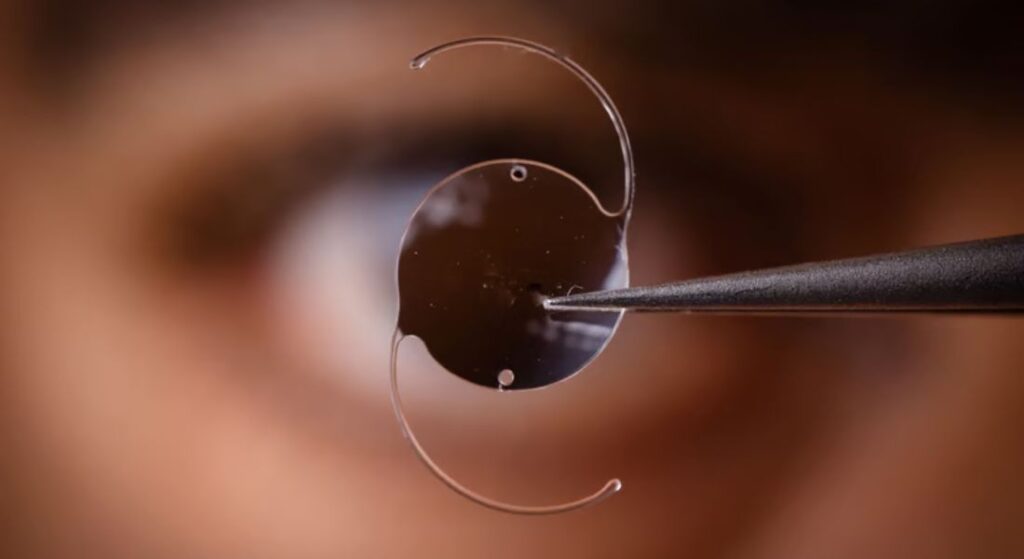
Precise positioning of the ICL lens is essential for achieving the best possible visual results. During surgery, the lens must be placed carefully behind the iris and aligned according to the measurements taken during the pre-operative assessment. Correct placement ensures that light passes through the lens in the intended way, producing clear and stable vision.
For patients with astigmatism who receive a toric ICL, accurate alignment is even more important. Even a small degree of rotation can reduce the effectiveness of the correction and may contribute to visual symptoms such as glare or halos. Surgeons therefore take great care to position the lens precisely during the procedure.
Experienced surgeons use advanced imaging technology, detailed measurements, and alignment markers to minimise the risk of lens misalignment. After surgery, follow-up appointments allow the surgeon to monitor healing and confirm that the lens remains in the correct position, helping to maintain optimal visual quality.
Pre-Operative Assessment
Before ICL surgery, your surgeon performs a detailed pre-operative assessment to evaluate the overall health and structure of your eyes. This examination includes measurements of eye anatomy, pupil size under different lighting conditions, and the strength of your prescription. These tests provide essential information that helps the surgeon plan the procedure with precision.
The results of these measurements are used to determine the most appropriate ICL lens type and size for your eye. Selecting the correct lens is important because it helps ensure that the lens fits comfortably inside the eye and provides accurate visual correction. Proper lens sizing and planning can significantly reduce the likelihood of visual side effects such as glare or halos.
Patients with certain anatomical characteristics, such as naturally larger pupils, may receive specific guidance before surgery. Surgeons take these factors into account when planning treatment and may discuss strategies to minimise potential night-time visual disturbances, helping to optimise both safety and visual comfort after the procedure.
Lens Design and Glare
The design of an implantable contact lens (ICL) can influence how light enters the eye and how visual clarity is experienced after surgery. Different lens types are developed to correct specific refractive errors, such as astigmatism or presbyopia. Because these lenses alter the way light is focused on the retina, some patients may initially notice visual effects like glare or halos. Modern lens technologies are designed to minimise these disturbances while still providing effective vision correction.
- Impact of Different Lens Designs: Each ICL design is created to address a particular vision problem. The way the lens bends and focuses light can slightly influence visual perception, especially in the early post-operative period. As the eye and brain adapt, most patients find these visual effects decrease.
- Toric and Multifocal Lens Considerations: Toric ICL lenses used for astigmatism correction and multifocal lenses designed for multiple focal distances may produce mild halos at first. This happens because the optics are working to correct more complex refractive errors. In most cases, the brain gradually adjusts to these changes.
- Advances in Modern Lens Technology: Newer ICL designs aim to reduce glare and halos by improving optical precision and lens materials. These advances help provide clearer vision and a more natural visual experience. Continuous improvements in lens design have significantly reduced visual side effects.
- Personalised Lens Selection: Surgeons carefully evaluate a patient’s prescription, eye measurements, and lifestyle needs before recommending a lens. Choosing the right lens type helps optimise visual outcomes and minimise unwanted visual effects. This personalised approach ensures that the selected lens supports both visual clarity and comfort.
Lens design plays an important role in visual quality after ICL surgery. While some patients may initially notice mild glare or halos, modern lens technologies are designed to minimise these effects. Careful lens selection and surgical planning help ensure the best possible results. Over time, most patients adapt well and enjoy clear, comfortable vision.
Managing Early Symptoms
Mild glare or halos after ICL surgery are usually temporary and often improve naturally as the eyes heal and the visual system adapts to the implanted lens. During the early recovery period, it is normal for patients to notice slight visual disturbances, particularly in low-light environments. In most cases, these symptoms gradually reduce without the need for additional treatment.
Patients can take several simple steps to manage these early symptoms more comfortably. It may be helpful to avoid driving at night during the first few days if glare or halos are noticeable, as bright lights may appear more intense during this adjustment period. Some patients also find that glasses with anti-reflective coatings can help reduce glare when needed.
Following all post-operative care instructions provided by the surgeon is essential for a smooth recovery. Using prescribed eye drops, attending follow-up appointments, and protecting the eyes from unnecessary strain all contribute to proper healing. These practical measures support visual comfort and help the eyes adapt more quickly to the new lens.
When Symptoms Persist
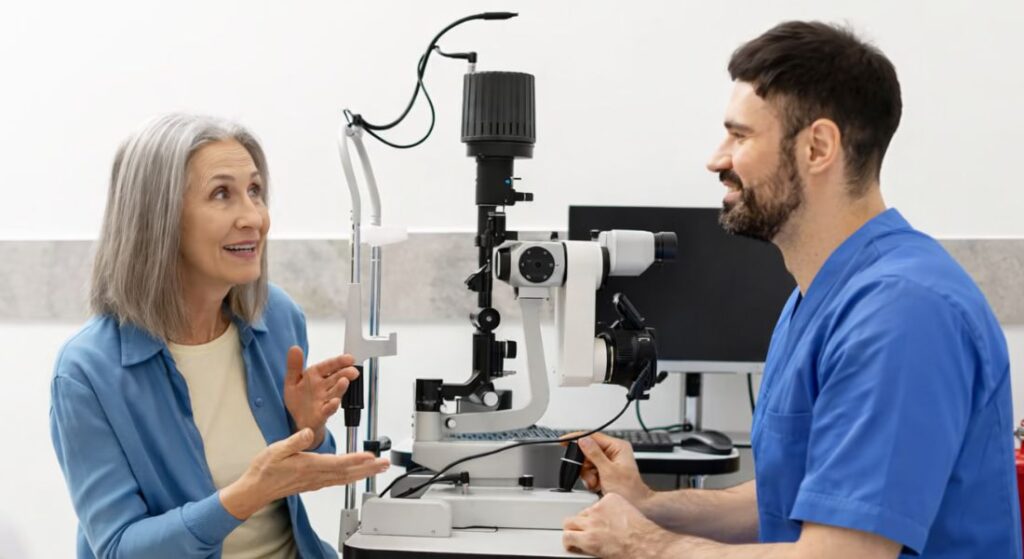
In most cases, glare and halos after ICL surgery gradually improve as the eyes heal and the brain adapts to the new lens. However, if these symptoms continue beyond the typical recovery period, your surgeon may carry out a detailed evaluation to understand the underlying cause. This assessment may include checking lens alignment, pupil size, and overall eye health.
If a specific issue is identified, such as slight lens rotation or positioning changes, minor adjustments may sometimes be recommended. In certain situations, a simple lens repositioning procedure can help optimise visual quality and reduce persistent visual disturbances. These interventions are usually straightforward and are performed only when necessary.
Fortunately, long-term glare or halos after ICL surgery are uncommon. With proper surgical planning, accurate lens placement, and routine follow-up care, the majority of patients achieve clear and comfortable vision once the normal adaptation period has passed.
Role of Specialist Eye Centres
Specialist eye centres, such as the London Cataract Centre, play an important role in achieving optimal outcomes from ICL surgery. These clinics use advanced diagnostic imaging and precise measurement tools to evaluate each patient’s eye anatomy in detail. This information allows surgeons to select the most appropriate lens type and size for the individual eye.
Experienced surgeons in specialist centres also understand the factors that may contribute to visual symptoms such as glare or halos. By carefully analysing pupil size, corneal shape, and prescription details, they can plan the procedure in a way that reduces the likelihood of these effects. Precise surgical techniques and careful lens alignment further help maintain high visual quality.
Patients benefit from a personalised approach that focuses on both clarity of vision and visual comfort. Through detailed planning, modern technology, and experienced surgical care, specialist centres aim to minimise visual disturbances and support the best possible outcomes after ICL surgery.
Setting Realistic Expectations
Understanding that some temporary glare or halos may occur after ICL surgery helps patients approach the procedure with realistic expectations. These visual effects are often part of the normal adjustment process as the eyes and brain adapt to the implanted lens. Being aware of this possibility beforehand can make the recovery period feel less concerning.
For most patients, any visual disturbances gradually diminish over the following weeks as healing progresses. As the visual system adapts to the new optics, glare and halos typically become less noticeable, and night vision improves. In the long term, the majority of patients report excellent visual clarity and comfort in a wide range of lighting conditions.
Maintaining open communication with your surgeon throughout the recovery process is important. If any symptoms feel unusual or persist longer than expected, discussing them during follow-up visits ensures that any concerns are evaluated and addressed promptly.
Post-Surgery Follow-Up
Follow-up appointments are an essential part of the recovery process after ICL surgery. These visits allow the surgeon to carefully assess how the eye is healing and ensure that the implanted lens is functioning as expected. Regular monitoring helps confirm that recovery is progressing smoothly.
During these appointments, the surgeon checks several important factors, including lens position, eye pressure, and overall visual adaptation. These evaluations help ensure that the lens remains properly aligned and that the eye is responding well to the procedure. Any early visual disturbances, such as glare or halos, can also be discussed and assessed during these visits.
Follow-up care provides reassurance for patients while supporting the best possible visual outcomes. By identifying and addressing any concerns early, surgeons can ensure that healing continues in the right direction and that patients achieve clear, comfortable vision over time.
Lifestyle Tips During Recovery
During the recovery period after ICL surgery, your eyes need time to adjust to the implanted lens and the new visual optics. While this adaptation process is usually smooth, some patients may temporarily notice sensitivity to light or mild glare. Simple lifestyle adjustments can help make this period more comfortable and support the natural healing process. Following practical precautions can reduce visual strain and allow your eyes to adapt more easily.
- Limit Exposure to Bright Lights: Bright lighting or intense glare may feel uncomfortable while the eyes are healing. Avoiding prolonged exposure to strong lights, especially in the evening, can reduce visual discomfort. Softer indoor lighting can help the eyes adapt more gradually.
- Adjust Screen Brightness at Night: Digital screens can produce glare, particularly in dark environments. Lowering the brightness on phones, tablets, and computers helps reduce eye strain during recovery. Using night mode or blue light filters may also improve comfort.
- Wear Quality Sunglasses Outdoors: Sunglasses protect the eyes from strong sunlight and glare during the healing period. Choosing lenses with proper UV protection helps reduce sensitivity to bright light. This can make outdoor activities more comfortable while the eyes recover.
- Be Cautious When Driving at Night: Some patients may notice halos or glare around lights during the early stages of recovery. Driving carefully at night allows time for the eyes and brain to adapt to the new lens optics. Many patients find these visual effects improve as healing progresses.
Adopting simple lifestyle adjustments can make the recovery period after ICL surgery more comfortable. These measures help reduce temporary visual disturbances while the eyes adapt to the implanted lens. As healing continues, most patients notice steady improvement in visual clarity and comfort. Supporting your eyes during this phase can contribute to a smoother and more reassuring recovery experience.
FAQs:
1. Is it normal to experience glare or halos after ICL surgery?
Yes, some patients may notice mild glare or halos during the early recovery period after Implantable Collamer Lens Surgery. These visual effects usually occur as the eyes heal and the brain adapts to the new optical system created by the implanted lens. For most people, the symptoms gradually improve within a few weeks or months.
2. Why do halos appear around lights after ICL surgery?
Halos occur when light spreads slightly before reaching the retina. After Implantable Collamer Lens Surgery, the interaction between the implanted lens, pupil size, and incoming light can temporarily create ring-like patterns around bright lights, particularly at night.
3. Are glare and halos permanent after ICL surgery?
In the majority of cases, glare and halos are temporary. As healing progresses and the visual system adapts to the implanted lens, these effects typically become less noticeable. Persistent symptoms are uncommon and can often be evaluated and managed by the surgeon.
4. Does pupil size affect glare or halos after ICL surgery?
Yes, pupil size can influence night-time visual effects. In dim lighting, the pupil naturally expands to allow more light into the eye. A larger pupil may expose more of the lens edge, which can sometimes increase the likelihood of halos or glare during the early recovery period.
5. Do toric ICL lenses increase the chance of halos?
Toric lenses used to correct astigmatism may occasionally produce mild halos at first because they correct more complex refractive errors. However, most patients adapt to the optics over time, and these visual disturbances often diminish as the brain adjusts.
6. How long do glare and halos typically last after ICL surgery?
For many patients, glare and halos improve within the first few weeks following Implantable Collamer Lens Surgery. In some cases, adaptation may take a few months as the eyes fully heal and the brain becomes accustomed to the new visual system.
7. Can glare and halos affect night driving after ICL surgery?
Yes, these visual effects may be more noticeable during night driving because bright headlights contrast with dark surroundings. Most patients find that night vision gradually improves as their eyes adjust and the initial healing period passes.
8. What can help reduce glare or halos during recovery?
Simple measures can improve comfort during the recovery phase. These include reducing screen brightness at night, using proper lighting indoors, wearing sunglasses outdoors, and avoiding night driving until the eyes have adapted.
9. How do surgeons minimise the risk of glare or halos?
Surgeons perform a detailed pre-operative assessment before Implantable Collamer Lens Surgery. Measurements such as pupil size, eye anatomy, and prescription strength help determine the most suitable lens type and size, which reduces the likelihood of visual disturbances.
10. When should I contact my surgeon about persistent glare or halos?
If glare or halos remain severe or do not improve several months after surgery, it is advisable to speak with your eye surgeon. They may examine lens alignment, eye health, and healing progress to determine whether any further management is needed.
Final Thoughts: Understanding Glare and Halos After ICL Surgery
Mild glare or halos after Implantable Collamer Lens surgery are usually part of the normal visual adaptation process. As the eyes heal and the brain adjusts to the new optical system created by the implanted lens, these visual effects typically become less noticeable. Careful pre-operative measurements, modern lens technology, and precise surgical techniques all help minimise the likelihood of long-term visual disturbances, allowing most patients to achieve clear and comfortable vision.
If you are considering ICL Surgery in London, understanding the possibility of temporary visual effects can help set realistic expectations during recovery. If you’re thinking about ICL Surgery in London, you can get in touch with us at London Cataract Centre.
References:
- Wei, Q., Zhou, X., Chang, W., Jiang, R., Zhou, X. and Yu, Z., 2023. Retinal and choroidal changes following Implantable Collamer Lens V4c implantation in high myopia patients A 1-year follow-up study. Diagnostics, 13(19), p.3097. Available at: https://www.mdpi.com/2075-4418/13/19/3097
- Chen, X., Wang, X., Naidu, R.K., Qian, Y., Miao, H. and Zhou, X., 2021. Effect of brimonidine tartrate 0.2% ophthalmic solution on visual quality after implantable collamer lens implantation with a central hole. International Ophthalmology, 41(1), pp.293–301. Available at: https://pubmed.ncbi.nlm.nih.gov/33175316/
- Nie, L., Ma, X. and Pei, Y., 2025. Subjective and objective changes in visual quality after implantable collamer lens implantation for myopia. Frontiers in Medicine. Available at: https://pmc.ncbi.nlm.nih.gov/articles/PMC11925936/
- Lim, D.H., Chung, E.S. and Chung, T.Y., 2014. Risk factors associated with night vision disturbances after phakic intraocular lens implantation. American Journal of Ophthalmology, 157(1), pp.135–141. Available at: https://www.sciencedirect.com/science/article/abs/pii/S0002939413006077
- Abdelhakim, S.M.N., Ebeid, A.A.A. and Elsawy, A.M.A., 2025. Comparison of white-to-white measurement by IOL Master and caliper and sulcus measurement for phakic PC ICL by UBM. QJM: An International Journal of Medicine, 118(Supplement_1), hcaf 224.176. Available at: https://academic.oup.com/qjmed/article-abstract/118/Supplement_1/hcaf224.176/8341185