


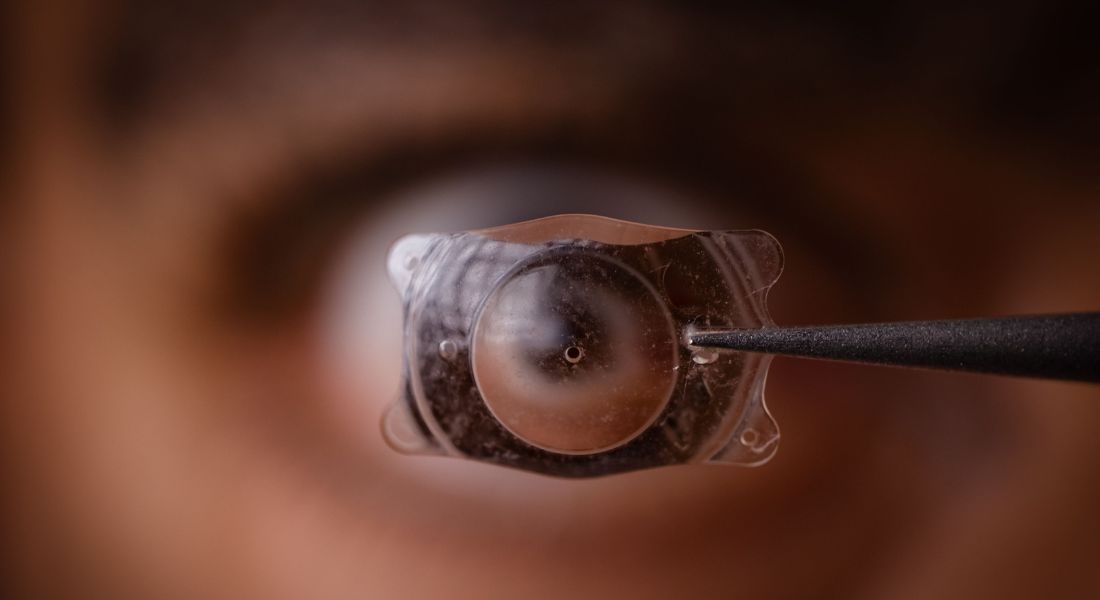
If you have been exploring vision correction options, you may have come across something called EVO ICL. At first, it might seem like just another version of the same procedure. However, it actually represents a meaningful advancement in lens technology. Understanding this difference can help you see why it is becoming increasingly popular.
In this guide, you will get a clear and simple explanation that is easy for you to follow. You will learn what EVO ICL is and how it differs from earlier ICL lenses. This will help you understand what makes it unique and how it may benefit your vision. By the end, you should feel more confident about what it means for you.
You will also gain insight into why this development matters when it comes to your eye health and visual outcomes. Newer technology often brings improvements in comfort, safety, and performance. Knowing these differences can help you make a more informed decision. It also allows you to have more meaningful discussions with your surgeon.
Before we begin, it is important for you to know that everything here is completely original and written in a clear, conversational style. The aim is to make the information easy for you to understand without unnecessary complexity. Each part is designed to guide you step by step through your options. This way, you can feel informed and comfortable as you learn more.
Understanding ICL: A Quick Refresher
Let’s start with the foundation so you can clearly understand how this treatment works. ICL stands for Implantable Collamer Lens, which is a small and flexible lens placed inside your eye. It is designed to correct your vision without removing or changing your natural eye structure. This makes it a helpful option if you are considering alternatives to laser procedures.
Unlike laser eye surgery, which reshapes your cornea, ICL works in a different way. Instead of altering the surface of your eye, it adds a lens inside to improve how light focuses. Your natural lens remains exactly where it is, which helps preserve the eye’s natural function. This approach can be suitable if laser treatment is not ideal for you.
You can think of an ICL as a permanent contact lens that sits inside your eye. Once it is in place, you will not feel it or notice it in your daily life. There is no need to remove it or carry out regular maintenance like traditional contact lenses. It simply works continuously to give you clearer and more stable vision.
Why ICL Became So Popular
There is a clear reason why ICL has gained so much attention over the years. It offers a reliable option for long-term vision correction without changing the natural structure of your eye. Many people choose it because it provides strong and consistent visual results. This has made it an increasingly popular choice.
ICL is particularly effective if you have moderate to high levels of short-sightedness. It can also be a good option if your cornea is not suitable for laser procedures. In these cases, other treatments may not deliver the same level of clarity. This makes ICL a valuable alternative for many people.
Another important advantage is that the procedure is reversible if needed. The lens can be removed or replaced, which gives you added flexibility over time. This can be reassuring if your vision changes in the future. For many people, this combination of flexibility and predictability makes ICL a very appealing option.
The Evolution of ICL Technology
ICL lenses have not remained the same over time, and the technology has continued to improve. Earlier versions were already very effective at correcting vision. However, like any medical advancement, there was always room to refine and enhance the design. These improvements have focused on making the procedure even safer and more efficient for you.
One of the main challenges with older ICL designs was how fluid circulated within the eye after the lens was implanted. Proper fluid movement is important for maintaining healthy eye pressure and overall eye function. In some cases, additional steps were needed to support this process. This highlighted the need for a more advanced solution.
This is where EVO ICL was developed to make a meaningful difference. It was designed to address these limitations and improve how the eye naturally handles fluid flow. As a result, it enhances both safety and overall performance of the procedure. This advancement helps provide a more streamlined and reliable experience for you.
What Is EVO ICL?
EVO ICL is the latest generation of implantable collamer lenses designed to improve vision correction. It builds on earlier ICL technology while introducing important enhancements. The goal is to provide you with better safety, comfort, and overall performance. This makes it a more advanced option to consider.
One of the key differences is the addition of a central port within the lens. This is a very small opening positioned in the centre of the lens design. Although it may seem like a minor change, it plays a significant role in how the lens functions. This feature sets EVO ICL apart from earlier versions.
The central port allows fluid inside your eye to circulate more naturally. This helps maintain balanced eye pressure and supports the health of your eye after the procedure. As a result, the overall experience can feel smoother and more stable. It is this improvement that makes EVO ICL a notable advancement in lens technology.
Why Fluid Circulation Matters
The eye is a dynamic structure that continuously produces and circulates a fluid known as aqueous humour. This fluid plays a vital role in nourishing internal eye tissues and maintaining healthy eye pressure. Proper circulation is essential for overall eye health and stable vision. Advances in lens technology have focused on supporting this natural process rather than interfering with it.
- Role of Aqueous Humour: Aqueous humour is responsible for delivering nutrients and oxygen to parts of the eye that lack direct blood supply. It also helps remove waste products, keeping the eye environment balanced. Consistent fluid movement is crucial for maintaining clear and healthy vision.
- Maintaining Eye Pressure: The circulation of this fluid helps regulate intraocular pressure within the eye. Balanced pressure is essential to prevent strain on delicate eye structures. Any disruption in fluid flow can potentially lead to complications.
- Limitations of Earlier ICL Lenses; Earlier versions of ICL lenses could partially restrict the natural flow of aqueous humour. This sometimes required additional procedures to ensure proper fluid movement. Managing eye pressure was a key consideration with these older designs.
- Advancement with EVO ICL: EVO ICL lenses are designed to work in harmony with the eye’s natural fluid dynamics. They allow aqueous humour to circulate more freely without the need for extra interventions. This innovation improves both safety and overall patient comfort.
In conclusion, fluid circulation is essential for maintaining eye health, proper pressure, and clear vision. Modern advancements like EVO ICL lenses are designed to support this natural process rather than disrupt it. By allowing smoother fluid movement, they reduce the need for additional procedures. Ultimately, this leads to a safer and more efficient vision correction experience.
The Central Port: A Key Innovation
Let’s take a closer look at the central port so you can understand why it matters. This small feature is built into the centre of the EVO ICL lens. Although it is tiny, it plays a very important role in how the lens functions inside your eye. It is one of the key differences from earlier designs.
The central port allows aqueous humour, which is the natural fluid in your eye, to flow directly through the lens. This means the fluid can move more freely between the front and back sections of your eye. As a result, your eye can maintain a more natural balance. This supports normal eye function after the procedure.
By allowing this natural flow, the central port helps reduce the risk of pressure build-up inside your eye. Maintaining stable eye pressure is important for long-term eye health. This improvement makes the procedure safer and more efficient. Although it seems like a simple change, it is one of the most important advancements in modern ICL technology.
How Earlier ICL Lenses Worked

To understand the difference, it helps for you to look at how earlier ICL lenses functioned. These lenses were designed to improve vision effectively, but they worked slightly differently from newer versions. They did not include some of the advanced features available today. This meant additional steps were sometimes needed during treatment.
Older ICL designs did not have a central port built into the lens. Because of this, your surgeon often needed to create a small opening in the iris before the main procedure. This step is known as a peripheral iridotomy. It was an important part of ensuring the eye functioned properly after surgery.
The purpose of this opening was to allow fluid to flow correctly within your eye and prevent pressure build-up. While this approach was effective and widely used, it did add an extra step to the overall process. This could make the preparation slightly more involved for you. Advances like EVO ICL have helped simplify this aspect of treatment.
EVO ICL vs Earlier ICL: The Main Differences
Let’s break down the key differences in a simple and clear way so you can easily understand them. Earlier ICL lenses did not include a central port within the design. Because of this, a separate procedure called an iridotomy was usually required before surgery. They also relied on alternative pathways to allow fluid to move within your eye.
With EVO ICL, the design has been improved to make the process more streamlined for you. It includes a built-in central port that allows fluid to pass naturally through the lens. In most cases, this removes the need for a separate iridotomy procedure. As a result, the overall treatment process becomes simpler and more comfortable.
These differences may seem quite technical at first, but they have a real impact on your experience. Fewer steps in the procedure can mean less preparation and a smoother journey overall. The improved fluid flow also supports better eye health after surgery. This is why EVO ICL is considered a significant advancement in vision correction technology.
Why EVO ICL Feels Like a Simpler Experience
One of the main advantages of EVO ICL is that it makes the overall treatment process simpler for you. The design removes some of the additional steps that were needed with earlier lenses. This helps create a smoother and more streamlined experience from start to finish. As a result, the procedure can feel less complicated.
Without the need for a separate iridotomy, there are fewer stages involved before your surgery. This means you do not have to go through an extra procedure beforehand. Reducing these steps can make the process feel more comfortable and less time-consuming. It also helps make the entire journey easier to manage.
From your initial consultation through to the surgery itself, everything can feel more straightforward. Your eye undergoes fewer interventions, which can be reassuring. This simplified approach is one of the reasons many people prefer EVO ICL. It allows you to move through the process with greater ease and confidence.
Safety Improvements With EVO ICL
Safety is always a primary concern when considering any form of eye surgery. Over time, advancements in lens technology have focused on improving both outcomes and patient confidence. EVO ICL is a refined version that enhances existing benefits while addressing earlier limitations. Its design supports a more natural and balanced environment within the eye, contributing to overall safety.
- Central Port Design: The EVO ICL features a central port that allows fluid to flow naturally through the lens. This design helps maintain proper circulation of aqueous humour within the eye. As a result, it reduces the likelihood of pressure-related complications.
- Improved Fluid Dynamics: By supporting natural fluid movement, the lens helps maintain a stable internal eye environment. Balanced fluid circulation is important for keeping eye pressure within a healthy range. This contributes to safer and more predictable surgical outcomes.
- Reduced Need for Additional Procedures: Earlier ICL lenses sometimes required extra steps to manage fluid pressure. With EVO ICL, these additional procedures are often unnecessary. This simplifies the overall treatment process and enhances patient convenience.
- Built on Proven Technology: It’s important to note that earlier ICL lenses were already widely used and effective. EVO ICL builds on this strong foundation with thoughtful improvements. This evolution reflects ongoing efforts to make vision correction even safer and more efficient.
In conclusion, EVO ICL represents a meaningful advancement in the safety of lens-based vision correction. By improving fluid circulation and reducing the need for extra procedures, it enhances both the surgical experience and outcomes. While earlier lenses were already reliable, this newer design offers an added layer of refinement. Ultimately, these improvements contribute to safer and more comfortable vision correction.
Visual Outcomes: Is There a Difference?
You might be wondering whether EVO ICL actually improves your vision compared to earlier lens designs. This is a very common question when you are exploring newer technology. It is natural to want to know if the results are noticeably better. Understanding this can help you feel more confident in your choice.
In terms of clarity, both EVO ICL and earlier lenses are capable of delivering excellent visual results. Many patients achieve clear and sharp vision with either option. However, EVO ICL is designed to work more naturally with your eye. This can lead to more consistent and stable outcomes over time.
Because of this improved design, many people experience vision that feels smooth and reliable in everyday situations. You may notice less fluctuation as your eyes adjust after the procedure. This can make daily activities more comfortable and predictable. Overall, the difference is often more about consistency than a dramatic change in clarity.
Comfort and Recovery
Another important factor for you to consider is how your eye feels after the procedure. Comfort during the recovery period can make a big difference to your overall experience. With EVO ICL, the process is designed to be as smooth as possible. This can help you feel more at ease after surgery.
Because there is no need for a separate iridotomy, your eye has less to recover from in the early stages. This can reduce the likelihood of irritation or discomfort shortly after the procedure. As a result, the healing process may feel more straightforward for you. It also allows your eye to settle more naturally.
Most people find that recovery is quick and manageable with EVO ICL. You may begin to notice improvements in your vision within a short period of time. Your clarity typically continues to improve as your eyes adjust. Following your surgeon’s advice will help ensure the best possible outcome.
Who Is Suitable for EVO ICL?

EVO ICL is designed to suit a broad range of patients looking for effective vision correction. It is particularly beneficial for individuals who may not be ideal candidates for laser-based procedures. However, suitability is not one-size-fits-all and depends on detailed evaluation of your eyes. A comprehensive assessment helps determine whether this advanced lens is the right option for you.
- Moderate to High Short-Sightedness: EVO ICL is especially effective for people with moderate to high levels of myopia. It provides clear and stable vision correction where other options may be limited. This makes it a strong alternative for those with higher prescriptions.
- Astigmatism Correction Option: Patients with astigmatism can also benefit from EVO ICL when toric lenses are used. These specialised lenses correct both the primary refractive error and the irregular curvature of the eye. This results in sharper and more precise vision.
- Detailed Eye Measurements Required: Your suitability is determined through a series of detailed eye tests. These measurements ensure that the lens can be safely and effectively implanted. Accurate data is essential for achieving optimal results.
- Key Eye Health Factors: Factors such as anterior chamber depth, corneal health, and overall eye structure play a crucial role. These elements help determine whether your eye can comfortably accommodate the lens. A healthy eye structure is important for both safety and long-term success.
In conclusion, EVO ICL is suitable for many patients, particularly those with higher prescriptions or astigmatism. However, the final decision depends on a thorough eye examination and individual eye characteristics. By evaluating key factors, your surgeon can recommend the most appropriate treatment. Ultimately, the goal is to ensure safe, effective, and long-lasting vision correction tailored to your needs.
Is EVO ICL Reversible?
This is one of the features that many people find particularly reassuring when considering this treatment. Knowing that you have some flexibility can make the decision feel less daunting. It allows you to feel more in control of your long-term vision choices. This is an important factor for many patients.
Yes, EVO ICL is reversible if needed. The lens can be safely removed or replaced by your surgeon if your situation changes. This means the procedure does not permanently alter the natural structure of your eye. As a result, you have more options in the future if your vision needs evolve.
This level of flexibility is one of the key reasons why EVO ICL is often preferred. You can benefit from long-term vision correction while still keeping the possibility of adjustment. It offers a balance between effectiveness and adaptability. For many people, this makes it a very appealing solution.
What Happens During the Procedure?
The procedure for EVO ICL is very similar to earlier ICL surgeries, so you can expect a familiar and well-established approach. It is usually carried out under local anaesthetic, which means your eye will be numbed while you remain awake. The treatment itself is relatively quick and typically takes around 20 to 30 minutes. This makes it a convenient option for many people.
During the procedure, the lens is carefully inserted through a small incision in your eye. It is then positioned behind your iris and in front of your natural lens. This placement allows it to work effectively without changing the natural structure of your eye. Once the lens is in place, it begins correcting your vision straight away.
One of the key advantages of EVO ICL is that it usually does not require a separate iridotomy step. This means your eye does not need an additional procedure before surgery. As a result, the overall process is simpler and more streamlined for you. This can help make the experience feel more comfortable and efficient.
Recovery After EVO ICL Surgery
Recovery after EVO ICL surgery is generally smooth, which can make the experience reassuring for you. Most people find that the healing process is manageable and does not significantly disrupt daily life. You may begin to notice clearer vision within a day or two after the procedure. However, it is normal for your vision to take a little longer to fully stabilise.
To support proper healing, you will be given eye drops to use during your recovery period. These help reduce the risk of infection and control any inflammation. It is important for you to follow the instructions carefully to achieve the best results. Attending follow-up appointments will also ensure everything is progressing as expected.
Many people are able to return to their normal routines quite quickly after surgery. You should still follow your surgeon’s advice regarding activities and eye care. This helps protect your eyes while they continue to heal. With the right care, you can expect a smooth recovery and steady improvement in your vision.
Long-Term Benefits of EVO ICL
Over the long term, EVO ICL offers several advantages that can make a real difference to your vision. It is designed to provide consistent and reliable results over time. Many people experience stable, high-quality vision after the procedure. This can improve your day-to-day comfort and overall visual experience.
One of the key benefits is that it works with your eye’s natural processes rather than interfering with them. The lens sits inside your eye without altering the surface of your cornea. This allows your eye to function in a more natural way. As a result, the overall experience often feels smooth and well-balanced.
Another important advantage is that your cornea is preserved during the procedure. This can be beneficial if you need additional eye treatments in the future. Keeping your natural eye structure intact gives you more flexibility over time. For many people, this makes EVO ICL a strong long-term option for vision correction.
How Technology Continues to Evolve
EVO ICL is a strong example of how medical technology continues to improve over time. Each new development is designed to make treatments safer, more effective, and easier for you. These advancements are built on years of research and clinical experience. As a result, you benefit from more refined and reliable solutions.
With every new generation, techniques are improved and outcomes are enhanced. Small changes in design can lead to meaningful improvements in how procedures are performed. This helps create a better overall experience for you as a patient. It also increases confidence in the results you can expect.
The introduction of the central port is a clear example of this progress. Although it is a small design feature, it has a significant impact on how the lens functions. It helps simplify the procedure while also improving safety. This shows how innovation can make treatments more efficient and patient-friendly.
Exploring Your Options Further
If you are considering this type of treatment, it is worth taking the time to learn more about how the procedure works in detail. Understanding each step can help you feel more prepared and less uncertain about what to expect. The more informed you are, the easier it becomes to make a confident decision. This also helps you feel more in control of your choices.
You can explore more about ICL surgery to gain a clearer understanding of the process, its benefits, and what to expect from a specialist clinic. Looking into reliable information will give you a better idea of how the treatment is carried out. It also helps you understand the level of care involved. This can make your consultation more meaningful.
Taking the time to research properly can make a real difference in how confident you feel moving forward. You will be better prepared to ask the right questions and understand the answers you receive. This ensures you are making a well-informed decision based on your needs. As a result, you can approach the process with greater clarity and peace of mind.
Making the Right Choice for Your Eyes

Choosing any type of vision correction is a very personal decision for you. It is important to consider not only the procedure itself but also how it fits into your daily life. Your comfort, expectations, and long-term goals all play a role. Taking the time to think this through can help you feel more confident.
It is not just about the technology, but about what works best for your eyes and your lifestyle. EVO ICL offers a modern and refined approach with several advantages over earlier designs. These improvements can enhance both your experience and your visual outcomes. However, the right choice will always depend on your individual needs.
The most important step is having a thorough consultation with an experienced specialist. They will assess your eyes carefully and guide you towards the most suitable option. This ensures that your decision is based on accurate information and professional advice. With the right guidance, you can move forward with clarity and confidence.
FAQs:
1. What is EVO ICL?
EVO ICL is the latest generation of implantable collamer lenses used for vision correction. It is placed inside the eye to improve how light focuses, without altering the natural structure of the eye.
2. How is EVO ICL different from earlier ICL lenses?
The main difference is the central port design in EVO ICL. This allows natural fluid to flow through the lens, reducing the need for additional procedures and improving overall eye function.
3. What is the central port in EVO ICL?
The central port is a small opening in the middle of the lens. It allows aqueous humour to circulate naturally within the eye, helping maintain balanced eye pressure.
4. Do I still need an iridotomy with EVO ICL?
In most cases, EVO ICL removes the need for a separate iridotomy procedure. The built-in central port allows fluid to flow naturally, simplifying the treatment process.
5. Is EVO ICL safer than earlier ICL lenses?
EVO ICL is designed to improve safety by supporting natural fluid circulation and reducing pressure-related risks. It builds on the strong safety profile of earlier ICL lenses with added refinements.
6. Does EVO ICL provide better vision than older ICL lenses?
Both EVO ICL and earlier lenses can provide excellent vision. The difference is that EVO ICL may offer more consistent and stable visual outcomes due to its improved design.
7. Who is a suitable candidate for EVO ICL?
EVO ICL is suitable for people with moderate to high short-sightedness and those who may not be ideal candidates for laser eye surgery. Suitability depends on detailed eye measurements and overall eye health.
8. Is EVO ICL reversible?
Yes, EVO ICL is reversible. The lens can be removed or replaced if needed, allowing flexibility if your vision changes in the future.
9. What is recovery like after EVO ICL surgery?
Recovery is usually quick and smooth. Most people notice improved vision within a few days, although full stabilisation may take a little longer.
10. Are there any risks with EVO ICL?
As with any surgical procedure, there are some risks such as infection or increased eye pressure. However, these are uncommon and can usually be managed effectively with proper care.
Final Thoughts: Understanding the Advantages of EVO ICL
EVO ICL represents a meaningful step forward in vision correction technology, offering improvements that focus on both safety and simplicity. While earlier ICL lenses were already highly effective, the addition of the central port allows your eye to function more naturally by supporting proper fluid circulation. This not only enhances overall eye health but also removes the need for certain additional procedures, making the entire experience smoother and more convenient for you.
If you are considering your options, taking the time to learn more about ICL Surgery in London can help you better understand how EVO ICL fits into modern vision correction. A personalised consultation will always be the best way to determine what is right for your eyes. If you’re thinking about ICL surgery in London, you can get in touch with us at London Cataract Centre.
References:
- Wang, Q., Zhou, X., Zhou, X., Chen, W. and Yu, Z. (2023) Retinal and choroidal changes following implantable collamer lens V4c implantation in high myopia patients: a 1-year follow-up study, Diagnostics, 13(19), p. 3097. Available at: https://www.mdpi.com/2075-4418/13/19/3097
- Kamiya, K., Shimizu, K., Takahashi, M., Ando, W., Hayakawa, H. and Shoji, N. (2021) Eight-year outcomes of implantation of posterior chamber phakic intraocular lens with a central port (EVO-ICL), Journal of Refractive Surgery. Available at: https://pubmed.ncbi.nlm.nih.gov/34977099/
- Packer, M. (2018) The Implantable Collamer Lens with a central port: review of the literature, Clinical Ophthalmology, 12, pp. 2427–2438. Available at: https://pmc.ncbi.nlm.nih.gov/articles/PMC6267497/
- Pérez-Vives, C., Ferrer-Blasco, T., Madrid-Costa, D., García-Lázaro, S. and Montés-Micó, R. (2013) Optical quality comparison of conventional and hole-Visian implantable collamer lens at different degrees of decentering, American Journal of Ophthalmology, 156(1), pp. 69–76. Available at: https://www.sciencedirect.com/science/article/abs/pii/S0002939413001025
- Abdelhakim, S.M.N., El Ghazzawy, R.M.F., Ahmed, A.M., Ebeid, A.A.A. and Elsawy, A.M.A. (2025) Comparison of white-to-white measurement by IOL Master and caliper and sulcus measurement for phakic posterior chamber implantable collamer lens by UBM, QJM: An International Journal of Medicine, 118(Supplement_1), hcaf224.176. Available at: https://academic.oup.com/qjmed/article-abstract/118/Supplement_1/hcaf224.176/8341185