


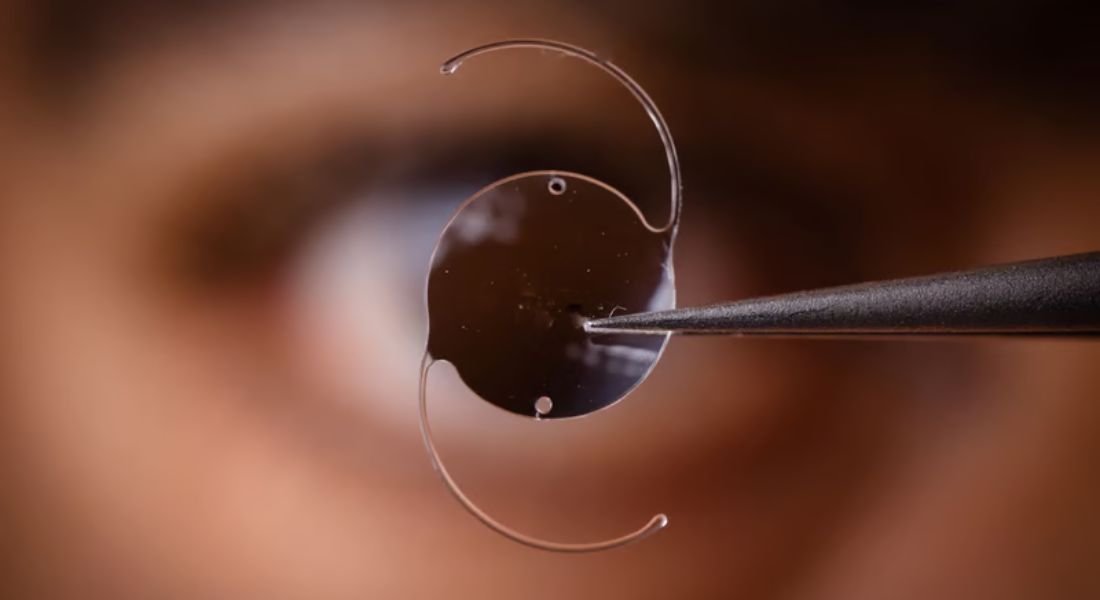
If you are considering lens surgery, one of the most important questions you may have is how surgeons decide which lens is right for you. The artificial lens implanted during the procedure will remain in your eye permanently, so selecting the correct one is a very important part of the treatment process. Your surgeon carefully evaluates several aspects of your eye health and vision before making a recommendation. This ensures that the chosen lens is appropriate for your individual eyes.
Many people assume that lens surgery involves a standard implant that works the same for every patient. In reality, lens selection is a highly personalised process rather than a one-size-fits-all approach. Surgeons review detailed eye measurements and assess the overall structure of your eyes before recommending a particular lens. These measurements help determine which lens power and design may provide the clearest vision.
Your current prescription is also an important factor in the decision-making process. Conditions such as short-sightedness, long-sightedness and astigmatism can influence which type of intraocular lens may be most suitable. By analysing these factors carefully, surgeons can select a lens that improves how light focuses inside your eye. This helps create a clearer and more stable visual outcome after surgery.
Your lifestyle, hobbies and visual preferences are also considered when choosing the most appropriate lens. During your consultation, you may discuss how often you read, use computers, drive at night or perform close-up tasks. These discussions help ensure the lens choice supports the way you use your vision in everyday life. Understanding this process can help you feel more confident and involved in the decisions that shape your vision after surgery.
Understanding Intraocular Lenses
In lens surgery, the natural lens inside your eye is removed and replaced with an artificial lens known as an intraocular lens, often called an IOL. This artificial lens is designed to take over the focusing role of the natural lens. By doing so, it helps restore clearer vision after the cloudy or dysfunctional lens has been removed. Once implanted, the lens remains permanently inside the eye.
These lenses are carefully designed to focus light accurately onto the retina at the back of the eye. When light is properly focused on the retina, images appear sharper and more defined. Unlike glasses or contact lenses that sit outside the eye, an intraocular lens is positioned inside the eye during surgery. Because of this placement, it works continuously to help improve your vision.
Modern intraocular lenses are made from advanced materials that are highly compatible with the eye’s natural tissues. These materials are durable and designed to remain stable inside the eye for many years. Since the lens stays in place for life, surgeons carefully select the most suitable design and power for your eyes. This careful choice helps achieve the best possible visual outcome after surgery.
Why Lens Choice Is So Important
Selecting the right intraocular lens is one of the most important decisions in lens replacement surgery. Once the natural lens is removed, the artificial lens implanted in the eye becomes responsible for focusing light onto the retina. Because this lens remains in the eye permanently, its design directly influences how clearly you see after surgery. Choosing the most suitable lens ensures that your vision aligns with your lifestyle and visual expectations.
- Determining How the Eye Focuses Light: The intraocular lens replaces the eye’s natural lens and becomes the primary focusing structure. Its power and design determine how light is directed onto the retina, which ultimately affects the clarity and sharpness of your vision.
- Different Lenses for Different Visual Needs: Various lens designs prioritise different focal distances. Some lenses are optimised for distance vision, while others provide improved near or intermediate focus, allowing patients to perform daily tasks with greater visual comfort.
- Correcting Astigmatism and Reducing Glasses Dependence: Certain specialised lenses are designed to correct astigmatism or provide vision across multiple distances. These options may help reduce reliance on glasses, depending on the patient’s eye measurements and lifestyle requirements.
- Avoiding Visual Limitations After Surgery: Selecting an unsuitable lens may result in greater dependence on glasses or visual disturbances such as glare or halos. Careful evaluation and planning help ensure that the chosen lens provides the best balance of clarity and visual comfort.
In conclusion, lens selection plays a crucial role in determining the final outcome of lens replacement surgery. By carefully matching the lens design to the patient’s eye structure and lifestyle needs, surgeons aim to achieve optimal clarity, comfort, and visual independence. Thoughtful planning ensures that the benefits of surgery extend well beyond the operating room and into everyday life.
Assessing Your Prescription
One of the first factors your surgeon considers when planning lens surgery is your existing prescription. This provides important information about how your eyes currently focus light. Your prescription may show whether you are short-sighted, long-sighted or have astigmatism. Understanding these details helps guide the early stages of surgical planning.
Different prescriptions can influence which type of intraocular lens may be most suitable for you. For example, patients with astigmatism have an uneven curvature of the cornea that affects how light focuses inside the eye. In these cases, a specialised lens may provide better visual correction. A toric intraocular lens is often used to correct this type of distortion.
Your prescription also helps surgeons calculate the correct power of the replacement lens. Accurate calculations are essential to ensure that light focuses properly on the retina after surgery. By analysing these measurements carefully, surgeons can select a lens that provides clearer and more balanced vision. This careful planning helps improve the overall visual outcome of the procedure.
Measuring the Structure of the Eye
Precise measurements of your eye are essential when selecting the most appropriate intraocular lens for surgery. Your surgeon needs accurate information about the shape and size of your eye before deciding which lens will provide the best visual outcome. These measurements help determine how light will travel through your eye after the natural lens is replaced. Careful assessment ensures that the chosen lens matches the unique structure of your eye.
Tests such as optical biometry are commonly used to measure the length of the eye and the curvature of the cornea. These values are combined to calculate the ideal power of the intraocular lens that will be implanted during surgery. The process is quick, painless and performed using advanced diagnostic equipment. Accurate measurements are essential for achieving clear and stable vision after the procedure.
Even very small variations in these measurements can influence the final visual outcome. For this reason, modern eye clinics use advanced technology that provides extremely precise data. These sophisticated devices allow surgeons to perform lens calculations with a high level of accuracy. As a result, the planning process becomes more reliable and the chances of achieving good vision after surgery are significantly improved.
Considering Corneal Shape
The shape of your cornea is an important factor when choosing the right intraocular lens. A cornea that is evenly curved allows light to focus more accurately, so standard lenses may work well in these cases. However, if the cornea has an irregular shape, it can cause astigmatism, which affects how clearly you see both near and far objects.
When astigmatism is present, specialised lenses such as toric intraocular lenses are often recommended. These lenses are designed to correct the uneven focusing caused by the irregular corneal shape. By addressing astigmatism during surgery, the need for glasses after the procedure can often be reduced or even avoided.
Correcting the corneal shape at the time of lens surgery can make a significant difference in visual clarity. Patients often experience sharper, more balanced vision without relying on additional corrective lenses. Considering the cornea carefully ensures that the lens chosen will provide the best possible outcome for your eyesight.
Evaluating Retinal Health
The health of your retina is a key factor in determining which intraocular lens is most suitable for you. The retina is responsible for processing the images that your eye sees, so any existing conditions can affect how well a lens performs. Conditions such as macular degeneration or diabetic retinal disease may influence the type of lens your surgeon recommends. Understanding the state of your retina helps guide the choice of lens for the best possible vision.
In cases where retinal conditions are present, surgeons often prioritise lenses that provide the clearest image with minimal visual side effects. The goal is to maximise the quality of vision while taking the eye’s overall health into account. Choosing the right lens in these situations requires careful planning and a thorough understanding of how the retina functions.
A comprehensive retinal assessment ensures that the selected lens will work harmoniously with your eye’s health. By evaluating the retina before surgery, your surgeon can make informed decisions about lens design and power. This careful approach helps improve the chances of achieving clear, comfortable and safe vision after surgery.
Lifestyle and Daily Activities
Lifestyle is one of the most important factors to consider when choosing an intraocular lens. Everyone uses their eyes differently depending on their profession, hobbies and daily routines. Understanding how you use your vision helps the surgeon recommend a lens that will meet your specific needs.
For example, someone who spends a lot of time reading may prioritise near vision, while a person who drives frequently may value distance clarity more. Activities such as computer work also require clear intermediate vision, which can influence lens selection. By discussing your daily habits, your surgeon can understand which visual priorities matter most to you.
These conversations allow the surgeon to recommend a lens that supports the tasks you perform most often. Choosing a lens that matches your lifestyle can reduce reliance on glasses and improve overall satisfaction with your vision. Personalising the lens in this way helps ensure the best possible outcome for your everyday activities.
Distance Vision Priorities

Many patients place a high priority on achieving excellent distance vision after lens surgery. Clear distance vision is particularly important for activities such as driving, watching television, or enjoying outdoor sports. When distance clarity is the main goal, surgeons often recommend monofocal intraocular lenses.
Monofocal lenses are designed to provide sharp vision at a single focal point, usually set for distance. While they deliver excellent clarity for far vision, reading glasses may still be needed for close-up tasks like reading or using a smartphone. This lens type is often chosen when patients value consistent distance vision above all else.
By understanding your distance vision priorities, your surgeon can select the lens that best meets your needs. Focusing on your lifestyle and daily activities helps ensure the chosen lens supports the vision that matters most. This personalised approach increases the likelihood of satisfaction after surgery.
Near Vision Needs
For many patients, reducing dependence on reading glasses is a key consideration when choosing an intraocular lens. Those who spend significant time reading, using smartphones, or engaging in close-up work may benefit from lenses specifically designed to enhance near vision. Selecting the right lens for these activities can make everyday tasks easier and more comfortable. Multifocal lenses are often considered in these situations, offering the ability to focus at multiple distances.
- Supporting Close-Up Tasks: Lenses optimised for near vision help patients perform activities such as reading, writing, or crafting without constantly reaching for reading glasses. This can improve convenience and reduce visual strain in daily life.
- Multifocal Lens Options: Multifocal lenses provide multiple focal points within a single lens, allowing the eye to focus at near, intermediate, and sometimes distance ranges. This design can significantly reduce the need for glasses after surgery.
- Balancing Benefits and Trade-Offs: While multifocal lenses improve near vision, they may involve trade-offs such as mild glare, halos, or reduced contrast sensitivity, particularly in low-light conditions. Surgeons discuss these potential side effects to ensure patients have realistic expectations.
- Customising Lens Selection: The decision to prioritise near vision is made after considering the patient’s lifestyle, visual priorities, and eye measurements. This personalised approach ensures the chosen lens supports the activities most important to the patient.
In conclusion, addressing near vision needs is an important part of lens selection for lens replacement surgery. By choosing lenses that support close-up tasks, patients can reduce dependence on reading glasses and perform daily activities more comfortably. Multifocal lenses offer a practical solution, but careful evaluation ensures the benefits outweigh any potential trade-offs.
Intermediate Vision for Modern Life
Intermediate vision has become increasingly important in modern life. Many everyday tasks, such as working on computers, cooking, or using smartphones and tablets, rely on clear vision at this middle distance. Ensuring that this range of vision is well supported can make daily activities more comfortable and less tiring for your eyes.
Some intraocular lenses are specifically designed to provide strong intermediate vision, giving you clear focus for these types of tasks. Extended depth-of-focus lenses are commonly chosen for patients who spend long periods at computer screens or other intermediate distances. These lenses help bridge the gap between near and distance vision, reducing the need for additional glasses.
By considering how you use your eyes for intermediate tasks, your surgeon can select a lens that supports your modern lifestyle. This personalised approach ensures that your vision is functional and comfortable for everyday activities. Choosing the right lens for intermediate vision can significantly improve convenience and overall satisfaction after surgery.
Understanding Monofocal Lenses
Monofocal lenses are the most widely used type of intraocular lens in lens surgery. They are designed to provide clear vision at a single distance, usually set for distance vision. While these lenses offer sharp clarity for far vision, patients typically still need reading glasses for close-up tasks such as reading or using a smartphone.
One of the main advantages of monofocal lenses is their excellent image quality. They produce minimal visual disturbances, such as glare or halos, making them a reliable choice for everyday activities. Their simplicity makes them easy to use and predictable in terms of visual outcomes.
These lenses are often recommended for patients who prefer a straightforward approach to vision correction. By focusing on a single distance, monofocal lenses provide consistent, high-quality vision for those who prioritise distance clarity. They are particularly suitable for patients who value reliability and minimal maintenance after surgery.
Multifocal Lens Options
Multifocal intraocular lenses are designed to provide multiple focal points within a single lens, enabling vision at distance, intermediate, and near ranges. This versatility can greatly reduce a patient’s dependence on glasses for everyday activities. However, because light is split across different focal points, some patients may experience visual phenomena such as halos, glare, or reduced contrast sensitivity, especially in low-light conditions. Careful evaluation is essential to determine whether a multifocal lens is appropriate for each individual.
- Multiple Focal Points for Versatile Vision: Multifocal lenses allow patients to see clearly at various distances without needing additional glasses. This can improve convenience for tasks such as driving, reading, and using digital devices.
- Reducing Dependence on Glasses: Many patients achieve greater independence from spectacles, particularly for both near and distance activities. This makes daily life more comfortable and flexible.
- Potential Visual Side Effects: Some patients notice halos around lights, glare, or subtle reductions in contrast sensitivity. These effects are typically mild but should be discussed before surgery to set realistic expectations.
- Assessing Suitability: Not every patient is an ideal candidate for multifocal lenses. Surgeons consider lifestyle, visual priorities, and the health of the eye to ensure the lens will provide the desired benefits without compromising overall vision quality.
In conclusion, multifocal lenses offer a versatile solution for patients seeking reduced dependence on glasses across multiple distances. While they can significantly enhance convenience and functional vision, careful patient selection is necessary to minimise potential visual disturbances and achieve the best possible outcomes.
Extended Depth-of-Focus Lenses
Extended depth-of-focus (EDOF) lenses are designed to provide a continuous range of vision rather than focusing at distinct points. This allows patients to see clearly at both distance and intermediate ranges, making them ideal for many everyday activities. The seamless transition between distances can reduce the need for glasses for tasks such as working on a computer or cooking.
These lenses are often preferred by patients who spend long periods using digital devices, as they offer strong intermediate vision. They are particularly useful for activities that require focus at arm’s length, such as typing or reading a tablet. By extending the range of clear vision, EDOF lenses provide more flexibility than standard monofocal lenses.
Another advantage of EDOF lenses is that they generally produce fewer visual side effects compared with traditional multifocal lenses. Patients often experience less glare or halos at night, making them a comfortable option for daily life. This combination of clarity, comfort, and convenience makes EDOF lenses a popular choice for many patients.
Toric Lenses for Astigmatism
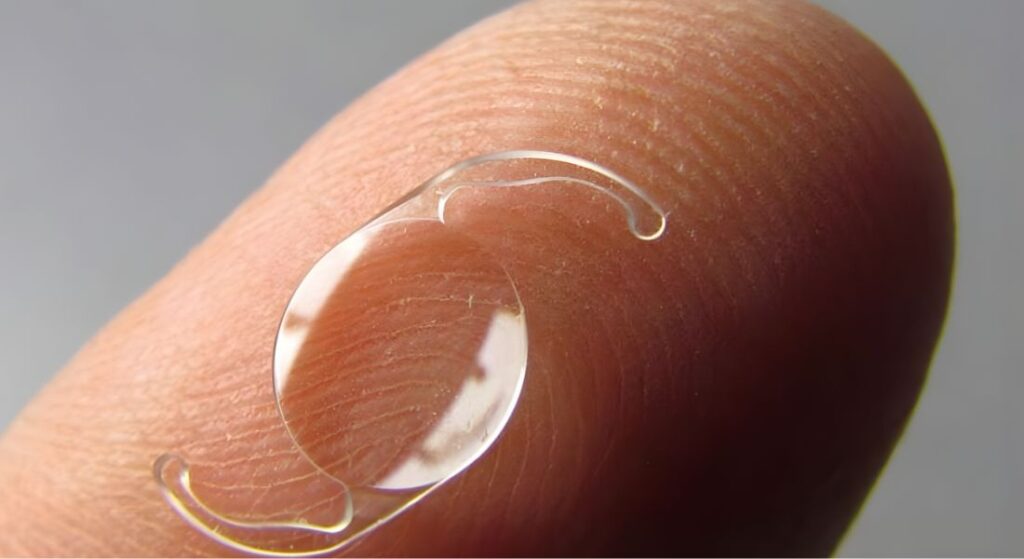
Patients with astigmatism may benefit from toric intraocular lenses, which are specially designed to correct the irregular curvature of the cornea. Astigmatism can cause blurred or distorted vision, making it difficult to see clearly at any distance. Toric lenses are aligned to counteract this irregular shape, helping light focus correctly on the retina.
By addressing astigmatism during lens surgery, toric lenses can improve visual clarity for distance, intermediate, and near tasks. Many patients notice a significant reduction in blurry or distorted vision after the procedure. This correction helps provide sharper, more balanced vision without the need for additional corrective lenses.
Using toric lenses can also reduce your reliance on glasses following surgery. Many patients find they can perform daily activities, such as driving or reading, with little or no need for spectacles. Correcting astigmatism at the time of surgery helps achieve a more comfortable and satisfying visual outcome.
Balancing Benefits and Trade-Offs
Every type of intraocular lens has its own advantages and limitations. Some lenses are designed to prioritise the sharpest possible image quality, while others focus on reducing dependence on glasses for everyday tasks. Understanding these differences is an important part of planning lens surgery.
Your surgeon will help you weigh the trade-offs carefully, explaining the benefits and potential compromises of each lens option. This discussion considers factors such as your lifestyle, visual needs and tolerance for minor visual disturbances. It helps ensure that you have realistic expectations about the results of surgery.
The goal is not to find a perfect lens, but to select the one that best matches your individual priorities. By choosing a lens suited to your eyes and daily activities, you are more likely to achieve satisfaction with your vision. Careful consideration and personalised planning help make the overall outcome as successful and comfortable as possible.
Personalised Consultation
Choosing the right intraocular lens is a collaborative process between you and your surgeon. Your input is essential in helping the surgeon understand your vision goals and what you hope to achieve after surgery. This conversation ensures that your preferences and daily routines are taken into account when selecting the lens.
During your consultation, you will discuss your work habits, hobbies, and any specific visual tasks that are important in your daily life. This might include reading, computer use, driving, or other activities that rely on clear vision at different distances. By sharing these details, your surgeon can recommend a lens that supports the way you use your eyes every day.
Patients who actively participate in this process often feel more confident and satisfied with the final result. Understanding the reasoning behind lens selection helps set realistic expectations and builds trust in the surgical plan. This personalised approach ensures that the chosen lens is tailored to your unique visual needs.
Predicting Post-Surgery Vision
Modern diagnostic technology allows surgeons to predict visual outcomes more accurately than ever before. Advanced imaging and measurement tools provide detailed information about the structure of your eyes, helping your surgeon understand how light will focus after lens implantation. This data forms the basis for personalised lens selection and surgical planning.
Computerised calculations use your eye measurements to estimate how different types of intraocular lenses will perform. These predictions can indicate which lens is likely to provide the clearest vision at distance, intermediate, or near tasks. By comparing options in advance, your surgeon can make a more informed recommendation.
While no outcome can be guaranteed, this technology significantly improves the accuracy of lens selection. Patients benefit from a higher likelihood of achieving their visual goals and a more predictable recovery. Using these tools helps ensure that the chosen lens provides the best possible results for your eyes.
The Role of Specialist Eye Centres
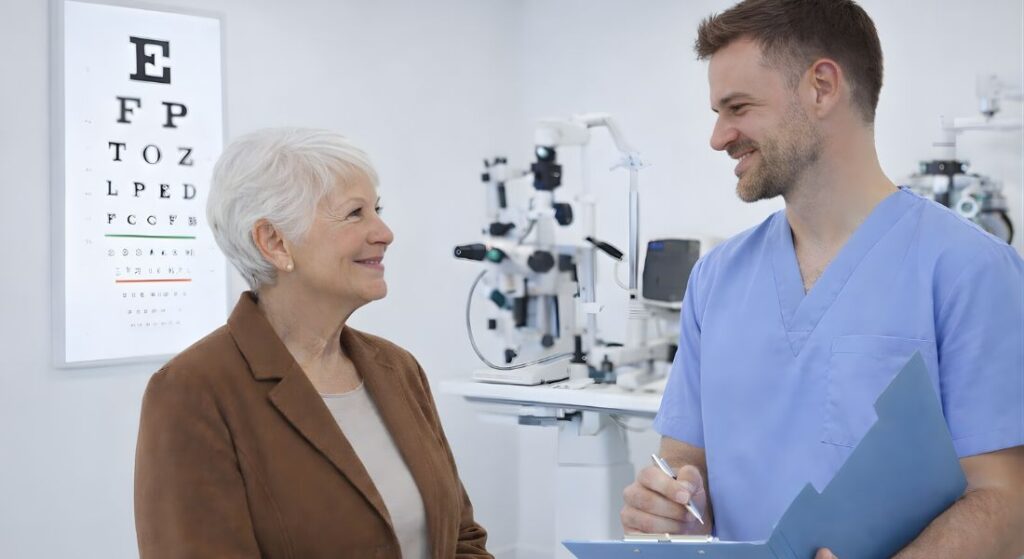
Choosing the right intraocular lens requires experience, precise testing, and detailed consultation. Every patient’s eyes are unique, and selecting the most suitable lens depends on careful evaluation of measurements, prescription, and visual needs. Specialist clinics focus on providing this level of personalised assessment to ensure the best possible outcomes.
Centres such as the London Cataract Centre offer comprehensive evaluations using advanced diagnostic equipment. These facilities can perform detailed imaging, measurements, and assessments that guide accurate lens selection. Combining this technology with expert surgical planning helps maximise visual clarity and patient satisfaction.
Patients considering Lens Surgery in London often benefit from the expertise available in dedicated eye surgery centres. Access to specialised care and modern lens technologies allows surgeons to tailor treatment to each individual. This personalised approach increases the likelihood of achieving clear, comfortable vision after surgery.
FAQs:
1. How do surgeons choose the right lens for lens surgery?
Surgeons choose the most suitable intraocular lens by carefully evaluating your eye measurements, prescription, lifestyle, and visual goals. This personalised approach ensures the lens provides the clearest and most comfortable vision for the way you use your eyes in everyday life.
2. What is an intraocular lens (IOL)?
An intraocular lens, or IOL, is an artificial lens implanted inside the eye during lens surgery to replace the natural lens. It focuses light directly onto the retina, improving vision, and remains permanently in the eye.
3. Why is lens selection important?
Lens selection is crucial because the implanted lens determines how light focuses on the retina. Choosing the right lens ensures optimal visual clarity, reduces dependence on glasses, and aligns the outcome with your lifestyle and daily visual needs.
4. How does my prescription affect lens choice?
Your current prescription indicates whether you are short-sighted, long-sighted, or have astigmatism. Surgeons use this information to calculate the correct lens power and select a lens type that provides the clearest vision after surgery.
5. How are the structure and shape of my eye measured?
Advanced diagnostic tests, such as optical biometry, measure the length of your eye and the curvature of your cornea. These precise measurements allow surgeons to calculate the ideal lens power and ensure the implanted lens focuses light accurately on the retina.
6. What are the different types of intraocular lenses?
There are several types of lenses designed for different visual needs. Monofocal lenses provide clear vision at a single distance, usually distance vision. Multifocal lenses allow vision at near, intermediate, and far distances, while extended depth-of-focus lenses provide a continuous range of vision, particularly for distance and intermediate tasks. Toric lenses are specially designed to correct astigmatism caused by irregular corneal curvature.
7. How does lifestyle influence lens choice?
Your daily activities, hobbies, and work routines are key factors in lens selection. Surgeons take into account whether you need sharper near vision for reading, intermediate vision for computer work, or clear distance vision for driving, so the lens supports your individual lifestyle.
8. Can lens selection reduce the need for glasses?
Yes, carefully chosen lenses can reduce your reliance on glasses. Multifocal, extended depth-of-focus, and toric lenses can provide vision across multiple distances or correct astigmatism, allowing many patients to perform daily activities without spectacles. Monofocal lenses, however, usually still require reading glasses for close-up tasks.
9. What trade-offs should I expect with different lenses?
Each lens type has advantages and limitations. Multifocal lenses may cause mild glare or halos, while monofocal lenses provide excellent clarity for one distance. Your surgeon will discuss these trade-offs so you have realistic expectations about your vision after surgery.
10. How do specialist eye centres help with lens selection?
Specialist eye centres, such as the London Cataract Centre, use advanced diagnostic equipment and offer personalised consultations to ensure accurate eye measurements and precise lens planning. This level of expertise helps maximise visual clarity and ensures the lens choice meets your unique needs and lifestyle.
Final Thoughts: Personalised Lens Selection for Optimal Vision
Choosing the right intraocular lens is a vital part of lens surgery, as it directly affects the clarity and quality of your vision after the procedure. Surgeons carefully evaluate your eye measurements, prescription, corneal shape, retinal health, and lifestyle to select a lens that aligns with your visual needs. Whether you prioritise distance, near, or intermediate vision, this personalised approach ensures that the lens supports your daily activities and reduces dependence on glasses where possible.
Every lens type monofocal, multifocal, extended depth-of-focus, or toric has unique benefits and trade-offs, and careful consultation helps you understand which option best suits your eyes. By combining advanced diagnostic technology with expert surgical planning, surgeons can provide the most predictable and comfortable visual outcome. If you’re looking for lens surgery in London, you can get in touch with us at London Cataract Centre.
References:
- Stopyra, W. & Grzybowski, A., 2025. Innovations in Intraocular Lens Power Calculation A Review. Journal of Clinical Medicine. https://www.mdpi.com/2077-0383/14/18/6585
- Savini, G., Negishi, K., Hoffer, K.J. & Schiano-Lomoriello, D., 2018. Refractive outcomes of intraocular lens power calculation using different corneal power measurements with a new optical biometer. Journal of Cataract & Refractive Surgery https://pubmed.ncbi.nlm.nih.gov/29861053/
- Zhu, L. et al., 2023. Comparison of predictive accuracy of intraocular lens power calculation formulas. https://www.mdpi.com/2077-0383/14/18/6585
- Intraocular Lenses: Overview of Designs, Materials, and Pathophysiologic Features (2020) Ophthalmology, https://www.sciencedirect.com/science/article/abs/pii/S0161642020306266
- Lens(2018) Oxford Handbook of Ophthalmology. This chapter discusses intraocular lens options and cataract surgical considerations, including IOL design and visual outcomes after implantation. https://academic.oup.com/book/29891/chapter-abstract/253259626