


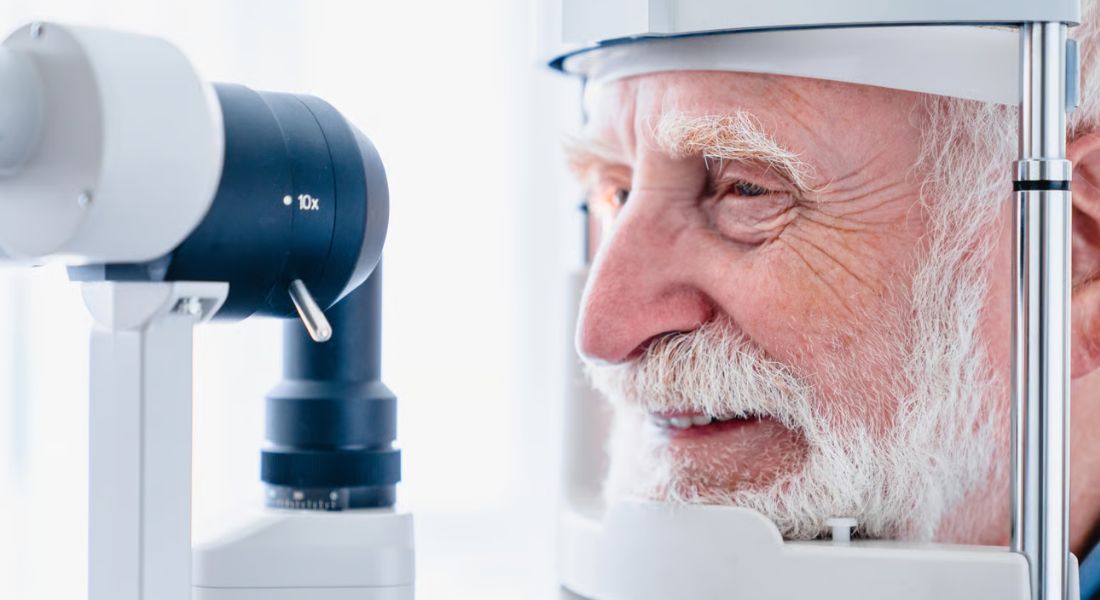
As you age, some vision changes are expected, but certain symptoms should prompt you to see an eye specialist without delay. Gradual changes such as needing brighter light or reading glasses are often linked to presbyopia. However, if your vision becomes noticeably blurred, distorted, or less clear over a short period, it may indicate conditions like cataract or age-related macular degeneration, which require professional assessment.
Urgent medical attention is needed if you experience sudden symptoms. Flashes of light, a sudden increase in floaters, or a dark shadow or curtain across your vision could be signs of retinal detachment. Similarly, unexplained eye pain, severe redness, or rapid vision loss should never be ignored, as these may indicate serious underlying issues that need immediate care.
Even without symptoms, regular eye examinations are essential especially for older adults. Conditions such as glaucoma can develop silently and only become noticeable once damage has occurred. If you have risk factors such as diabetes, a family history of eye disease, or increasing visual difficulty, scheduling routine check-ups helps detect problems early and ensures timely treatment to protect your long-term vision.
Understanding Normal Age-Related Vision Changes
As you age, your eyes naturally go through gradual changes that affect how you see. One of the most common is presbyopia, where the lens becomes less flexible and makes it harder to focus on close objects. You may also notice increased sensitivity to glare, reduced contrast, and a need for brighter lighting when reading.
These changes usually develop slowly and do not cause sudden or dramatic shifts in vision. Because they progress over time, many people adapt without immediately recognising how much their vision has changed. This gradual pattern is a key feature of normal ageing rather than disease.
However, normal ageing should not cause symptoms such as pain, flashes of light, or sudden blurring. If you experience these, they may be linked to conditions like retinal detachment or other eye problems that require prompt attention. Understanding the difference helps you know when to seek professional advice and protect your vision.
When Vision Loss Is Not Normal
While gradual changes in vision can be part of ageing, certain symptoms should never be dismissed. Sudden or rapidly worsening vision loss is not typical and may indicate an underlying eye condition that needs urgent attention. Recognising these warning signs early can help protect your sight. Acting quickly often makes a significant difference to outcomes.
- Sudden or rapid changes require immediate attention: If your vision becomes blurred, dim, or partially lost over a short period, it’s important to seek urgent care. These changes are not a normal part of ageing. Conditions affecting blood flow or the retina can develop quickly and cause lasting damage. Prompt assessment can help prevent permanent vision loss.
- Uneven vision between eyes can signal a problem: If one eye is noticeably worse than the other, this may indicate a specific issue rather than general ageing. Conditions such as retinal detachment or macular degeneration can affect one eye more than the other. This imbalance can feel disorienting. It should always be checked.
- Persistent symptoms should never be ignored: Ongoing blurring, distortion, or the appearance of blind spots are important warning signs. These symptoms may be linked to conditions like age-related macular degeneration or other retinal problems. Early treatment can slow or prevent further damage. Ignoring symptoms can allow the condition to progress.
- Early action leads to better outcomes: Many serious eye conditions are manageable if detected early. Delaying assessment can reduce treatment options and increase the risk of permanent vision loss. Seeking help as soon as you notice changes gives you the best chance of preserving your sight. Being proactive is essential.
If you experience any unusual or rapid changes in your vision, it’s always best to seek professional advice without delay.
Sudden Vision Loss Requires Urgent Care
Sudden vision loss should always be treated as a medical emergency. It can develop over seconds, minutes, or hours and may affect one or both eyes. This type of rapid change is not a normal part of ageing and requires immediate assessment to identify the cause.
Serious conditions such as retinal detachment or vascular events like retinal artery occlusion can present with sudden vision loss. These conditions need urgent treatment to prevent permanent damage. Delaying care can significantly reduce the chances of restoring vision.
If you or someone you care for experiences a sudden change in vision, seek emergency medical attention straight away. Do not wait for symptoms to improve or resolve on their own. Acting quickly can make a critical difference in preserving sight and preventing long-term complications.
Gradual Vision Loss Still Needs Assessment
Not all serious eye conditions present suddenly many develop gradually and without pain. Slow changes in vision, such as increasing blur or difficulty with daily tasks, can still indicate an underlying issue. Because these changes happen over time, they are often overlooked or attributed to normal ageing.
Conditions like cataract and glaucoma typically progress quietly. You may only become aware of them once your vision is noticeably affected. Regular eye examinations are essential for detecting these problems early, even before symptoms become obvious.
If you notice persistent changes in your vision even if they seem mild it is important to have them assessed. Early diagnosis allows for more effective treatment and better long-term outcomes. Routine evaluation plays a key role in protecting your vision and preventing avoidable loss.
Difficulty Reading or Recognising Faces

If you find it increasingly difficult to read, recognise faces, or see fine details, this may indicate a problem with your central vision. These changes can affect everyday activities such as reading, driving, or watching television. While it may seem like a need for stronger glasses, it can sometimes point to an underlying eye condition.
One common cause is age-related macular degeneration, which affects the macula the part of the retina responsible for sharp, detailed vision. As this area becomes damaged, central vision can become blurred, distorted, or less clear. Early stages may be subtle, but progression can significantly impact daily life.
It is important not to ignore these symptoms, especially if they worsen over time. A professional eye examination can identify the cause and determine the most appropriate treatment or management plan. Early detection is key, as it can help slow progression and preserve your remaining vision.
Distorted or Wavy Vision
Seeing straight lines appear wavy, bent, or distorted is not a normal part of ageing and should always be taken seriously. This type of visual change often points to a problem affecting the retina, particularly the central area responsible for detailed vision. It can develop gradually or come on quite suddenly. Prompt assessment is essential to protect your sight.
- It often indicates a retinal problem: Distortion is commonly linked to conditions affecting the macula, such as age-related macular degeneration. The macula is responsible for sharp, central vision. When it is affected, images can appear warped or uneven. This is a key warning sign that needs attention.
- Reading and fine detail become difficult: You may notice letters looking bent, lines of text appearing uneven, or words becoming harder to follow. This can make reading frustrating and tiring. Tasks that rely on precision, such as using a phone or recognising faces, may also be affected. These changes often become more noticeable over time.
- Objects may appear misshapen or altered: Everyday objects such as door frames, tiles, or window edges may look curved instead of straight. This can feel disorienting and affect how you judge shapes and alignment. The distortion may affect one eye more than the other. Covering one eye at a time can sometimes make it easier to notice.
- Early assessment is crucial: If you experience any form of distortion, you should seek specialist care as soon as possible. Early diagnosis allows for monitoring or treatment to prevent further damage. Delaying assessment can lead to permanent changes in vision. Acting quickly gives you the best chance of preserving sight.
Distorted or wavy vision is a clear signal that your eyes need prompt medical attention never ignore this symptom.
Flashes, Floaters, and Visual Shadows
Flashes of light or a sudden increase in floaters can be an early warning sign of changes in the retina. While a few floaters are common with age, a noticeable and sudden increase is not typical. When these symptoms occur together, they may indicate traction or stress on the retina that needs prompt evaluation.
A shadow, curtain, or dark area moving across your field of vision is particularly concerning. This can be a sign of retinal detachment, a serious condition where the retina begins to pull away from its normal position. Without urgent treatment, this can lead to permanent vision loss.
These symptoms should never be ignored, even if they seem to come and go. Immediate assessment by an eye specialist is essential to determine the cause and begin treatment if needed. Acting quickly can make a critical difference in preserving your vision.
Eye Pain or Redness With Vision Changes

Pain is not a typical feature of normal age-related vision changes, so it should never be ignored. If you experience vision loss along with eye pain, redness, or sensitivity to light, it may indicate an underlying problem such as inflammation, infection, or increased eye pressure. These symptoms require prompt medical attention rather than routine review.
One serious cause is acute angle-closure glaucoma, which can present with severe eye pain, blurred vision, headache, and even nausea. This condition is a medical emergency and needs immediate treatment to prevent permanent damage to the optic nerve. Other causes may include infections or inflammatory eye diseases, which also require urgent care.
Any combination of discomfort and vision change should be taken seriously. Seeking professional assessment quickly ensures the correct diagnosis and timely treatment. Delaying care can worsen outcomes, while early intervention can protect your vision and prevent long-term complications.
Double Vision or Difficulty Focusing
Experiencing double vision or trouble maintaining clear focus is not a normal part of ageing and should always be taken seriously. These symptoms can be linked to problems with the eye muscles, nerves, or even neurological function. They may come on suddenly or develop over time, but in either case, they require proper assessment. Early evaluation helps identify the cause and prevent further complications.
- Double vision can signal underlying medical issues: Seeing two images instead of one known as diplopia may occur when the eyes are not properly aligned. This can be due to muscle imbalance, nerve problems, or neurological conditions. It is not something that should be ignored or assumed to be harmless. Prompt investigation is important.
- Focusing difficulties can affect daily tasks: You may struggle to keep text clear when reading or find it harder to shift focus between near and distant objects. This can make everyday activities more tiring and less accurate. Tasks that require coordination, such as walking on uneven ground or using stairs, may also feel more challenging. These changes can impact confidence and safety.
- There may be an increased risk of falls or accidents: When your vision is unclear or doubled, judging distance and depth becomes more difficult. This can increase the likelihood of trips, missteps, or collisions. Even mild symptoms can affect balance and spatial awareness. Addressing the issue early helps reduce these risks.
- Assessment helps guide appropriate treatment: An eye examination can determine whether the cause is related to your eyes or another part of your health. Treatment depends on the underlying issue and may include glasses, exercises, or further medical care. Early diagnosis improves both safety and long-term outcomes. Getting checked promptly is the best course of action.
If you notice double vision or persistent difficulty focusing, it’s important to seek professional advice without delay.
Increased Difficulty Seeing at Night
A gradual decline in night vision is common with age, but significant or worsening difficulty should not be ignored. Struggling with glare, halos around lights, or poor visibility in low-light conditions can make activities like driving more challenging and less safe. These symptoms may be linked to conditions such as cataract or other underlying eye issues.
If your night vision worsens quickly, it is important to seek prompt assessment. Even gradual changes can benefit from evaluation, as early detection allows for more effective management. Identifying the cause helps determine whether treatment such as updated prescriptions or medical intervention may improve your vision.
Maintaining clear night vision is important for independence and confidence in daily life. Addressing changes early can reduce risk and improve safety, particularly when driving or navigating in dim environments. Taking these symptoms seriously helps protect both your vision and overall quality of life.
Loss of Peripheral Vision
Peripheral vision allows you to detect movement and objects outside your direct line of sight, which is essential for safe navigation and awareness. Loss of this side vision can develop gradually and may go unnoticed at first, only becoming apparent when it begins to interfere with walking, driving, or avoiding obstacles.
One of the most common causes is glaucoma, a condition that often progresses silently without pain or early warning signs. It typically affects peripheral vision first, which is why regular eye examinations are so important for early detection before noticeable vision loss occurs.
If you notice a narrowing of your visual field or feel less aware of your surroundings, it is important to seek assessment promptly. Early treatment can help slow progression and protect your remaining vision. Preserving peripheral vision is crucial for maintaining independence and everyday safety.
Frequent Changes in Prescription

Needing regular updates to your glasses can be part of normal ageing, but frequent or rapid changes are not typical. If your prescription seems to shift often, it may indicate that something is affecting how your eyes focus or process light. Paying attention to this pattern can help identify potential problems early. It’s important not to rely on new glasses alone without understanding the cause.
- Rapid changes are not usually normal: Gradual changes in vision are expected over time, especially with presbyopia. However, needing new prescriptions repeatedly within a short period can signal instability in your vision. This is a sign that your eyes may need further assessment. Monitoring the frequency of changes is important.
- Underlying eye conditions may be responsible: Conditions such as cataracts or retinal disorders can affect how light is focused inside the eye. This can make your vision fluctuate, meaning glasses no longer provide consistent clarity. As a result, prescriptions may need frequent adjustment. Identifying the root cause is key to effective treatment.
- Unstable vision can affect comfort and safety: If your vision changes often, you may struggle with reading, driving, or using screens comfortably. This inconsistency can lead to eye strain, headaches, or reduced confidence in daily activities. Clear and stable vision is important for both comfort and safety. Addressing the issue early can help restore consistency.
- A thorough assessment is essential: If you notice repeated prescription changes, a comprehensive eye examination can determine whether there is an underlying condition. Your eye specialist can then recommend appropriate treatment or monitoring. Early investigation helps prevent further progression. Understanding the cause is more effective than continually updating glasses.
Frequent prescription changes should be seen as a signal to look deeper into your eye health rather than simply updating your lenses.
Impact on Daily Activities
Vision changes that begin to affect your daily activities should never be ignored. Difficulty reading, cooking, recognising objects, or moving around safely can indicate an underlying eye condition that needs assessment. Issues such as cataract or age-related macular degeneration can gradually reduce clarity and make routine tasks more challenging.
Even mild visual impairment can increase the risk of accidents. Reduced contrast sensitivity or peripheral awareness may lead to trips, falls, or difficulty judging distances. Conditions like glaucoma can further affect spatial awareness, increasing these risks over time.
Maintaining independence is closely linked to good vision. Addressing changes early allows for timely treatment or support, helping you stay active and safe. Seeking assessment as soon as difficulties arise can prevent further decline and protect your overall quality of life.
When Routine Eye Checks Are Enough
Not all vision changes require urgent medical attention. Gradual, predictable changes such as needing stronger reading glasses due to presbyopia can usually be managed through routine eye examinations. These regular visits help ensure your vision is properly corrected and monitored over time.
Routine check-ups also play a key role in detecting conditions early, even before symptoms develop. Silent conditions like glaucoma or early cataract can often be identified during these assessments. This allows for timely management and helps prevent more serious complications later on.
Your optometrist or eye specialist will recommend how often you should attend based on your age, risk factors, and eye health. Staying consistent with these appointments provides reassurance and supports long-term vision care. Prevention and early detection remain the most effective ways to protect your sight.
Risk Factors That Increase the Need for Assessment
Certain factors can significantly increase the likelihood of developing eye disease in later life. These include medical conditions such as diabetes and high blood pressure, as well as lifestyle factors like smoking and prolonged sun exposure. A family history of conditions such as glaucoma or age-related macular degeneration also raises your risk.
If you have one or more of these risk factors, more frequent eye assessments may be recommended. Regular monitoring helps detect early changes before symptoms appear, particularly for conditions like diabetic retinopathy. Early detection allows for timely treatment, which can significantly improve long-term outcomes.
Understanding your personal risk profile helps guide better care decisions. Your optometrist or specialist can tailor a monitoring schedule based on your needs, ensuring closer observation where necessary. Taking your risk factors seriously is an important step in protecting your vision and maintaining eye health over time.
The Importance of Early Detection
Many eye conditions develop quietly, without obvious symptoms at first. By the time noticeable vision changes occur, some damage may already be permanent. That’s why early detection is so important it allows problems to be identified and managed before they progress. Acting early can make a meaningful difference to both your vision and your quality of life.
- Early treatment improves outcomes: Conditions such as glaucoma and age-related macular degeneration are often more manageable when caught early. Treatment at this stage can slow progression and help preserve vision. Delayed diagnosis, on the other hand, may lead to irreversible damage. Timing plays a crucial role.
- Regular screening detects silent changes: Some eye diseases develop without pain or clear symptoms in the early stages. Routine eye examinations can pick up subtle changes that you may not notice yourself. This is especially important for conditions that affect the optic nerve or retina. Screening acts as your first line of defence.
- Monitoring helps track progression: If you already have an eye condition, regular monitoring ensures that any changes are detected quickly. This allows your treatment plan to be adjusted when needed. Keeping track of your eye health helps maintain stability. Ongoing care is just as important as early diagnosis.
- Prevention and awareness go hand in hand: Paying attention to changes in your vision such as blurring, distortion, or loss of side vision can prompt early assessment. Combining awareness with routine care gives you the best chance of protecting your sight. Prevention is always more effective than reacting to advanced symptoms. Small actions taken early can have a lasting impact.
Early detection remains one of the most powerful tools in preserving vision and maintaining long-term eye health.
Supporting an Elderly Family Member
If you care for an older relative, your role in supporting their eye health can make a real difference. Vision changes often develop gradually, so they may not recognise the extent of the problem themselves. Encouraging regular eye checks can help detect conditions such as cataract or glaucoma at an earlier, more manageable stage.
It is helpful to watch for subtle signs, including difficulty reading, increased reliance on brighter lighting, hesitation when walking, or a higher risk of falls. These changes may indicate reduced vision or depth perception. Gently suggesting an eye assessment can help them access the care they need without feeling pressured.
Open and supportive communication is essential. Many older adults may feel reluctant to admit vision problems or may assume they are a normal part of ageing. Offering reassurance and practical help such as booking appointments or accompanying them can make the process easier and lead to better long-term outcomes.
FAQs:
1. How often should an elderly person have their eyes checked?
Most older adults should have an eye examination every one to two years. This helps monitor changes and detect problems early. Those with existing conditions may need more frequent visits as advised by their specialist.
2. What vision changes are considered normal with ageing?
Normal changes include difficulty reading small print and needing brighter light. Increased sensitivity to glare and slower adjustment between light and dark are also common. These changes usually develop gradually without pain or sudden loss of vision.
3. When is vision loss considered an emergency?
Vision loss is an emergency if it occurs suddenly or worsens rapidly. Symptoms such as flashes, shadows, or severe eye pain require immediate attention. Prompt care is essential to prevent permanent damage.
4. Can gradual vision loss still be serious?
Yes, gradual vision loss can still indicate serious eye conditions. Diseases like cataracts or glaucoma often develop slowly without pain. Persistent changes should always be assessed by a professional.
5. Are floaters always a cause for concern?
Occasional floaters are common and usually harmless with ageing. However, a sudden increase in floaters may signal a problem. If they occur with flashes of light, urgent evaluation is needed.
6. Why is early detection important for eye conditions?
Early detection allows treatment to begin before significant damage occurs. Many eye conditions progress silently without obvious symptoms. Timely care improves outcomes and helps preserve vision.
7. Can vision problems increase the risk of falls in older adults?
Yes, poor vision can affect balance and spatial awareness. This increases the likelihood of trips and falls. Addressing vision issues helps improve safety and independence.
8. What should I do if my glasses prescription keeps changing?
Frequent prescription changes may indicate an underlying issue. It is important to have a full eye examination rather than just updating glasses. Identifying the cause ensures proper treatment.
9. Do all elderly people need to see a specialist, or is an optometrist enough?
An optometrist can manage routine eye care and regular check-ups. They can also detect early signs of eye conditions. Referral to a specialist is needed if more complex issues are suspected.
10. How can I support an elderly family member with vision problems?
Encourage them to attend regular eye examinations and follow medical advice. Watch for signs like difficulty reading or moving around safely. Offering support and reassurance can help them seek timely care.
Final Thoughts: Prioritising Eye Health for a Better Quality of Life
Vision changes in older age should never be dismissed without careful consideration. While some gradual changes are a natural part of ageing, symptoms such as sudden vision loss, distortion, or persistent blurring require timely professional assessment. Recognising these warning signs early allows for faster intervention and can prevent more serious complications.
Regular eye examinations, along with awareness of personal risk factors, play a crucial role in maintaining healthy vision. Seeking care at the right time whether for reassurance or urgent treatment helps preserve independence and overall quality of life. Taking a proactive approach to eye health is one of the most effective ways to protect your sight in later years. If you’re looking to enhance your vision or need personalised guidance, our specialist team at the London Cataract Centre is here to help.
References:
- Tham, Y.C., Li, X., Wong, T.Y., Quigley, H.A., Aung, T. and Cheng, C.Y. (2014) Global prevalence of glaucoma and projections of glaucoma burden through 2040, Ophthalmology, 121(11), pp. 2081-2090. Available at: https://www.sciencedirect.com/science/article/pii/S0161642014004308
- Rodrigues, M., Baptista, A.M., Lopes, J.A. and Soares, R. (2020) Vision through healthy aging eyes, Vision, 5(4), p. 46. Available at: https://www.mdpi.com/2411-5150/5/4/46
- Park, R.B. and Aref, A.A. (2024) Astigmatism management in modern cataract surgery, Vision, 8(1), p. 9. Available at: https://www.mdpi.com/2411-5150/8/1/9
- Swenor, B.K., Lee, M.J., Varadaraj, V. and Whitson, H.E. (2019) Aging with vision loss: a framework for assessing the impact of visual impairment on older adults, The Gerontologist, 60(6), pp. 989-995. Available at: https://pmc.ncbi.nlm.nih.gov/articles/PMC7427480/
- Al-Namaeh, M. (2022) Common causes of visual impairment in the elderly, Medical Hypothesis, Discovery & Innovation in Ophthalmology, 10(4), pp. 191-200. Available at: https://pmc.ncbi.nlm.nih.gov/articles/PMC10460237/