



you move into your 60s and beyond, several eye conditions become more common and can affect how clearly and comfortably you see. While some vision changes are part of normal ageing, others are linked to specific conditions that require monitoring or treatment. Understanding these helps you recognise early signs and take action at the right time.
One of the most common causes is cataract, where the natural lens becomes cloudy, leading to blurred vision, glare, and faded colours. Another major condition is age-related macular degeneration, which affects central vision and makes tasks like reading or recognising faces more difficult. glaucoma is also important, as it damages the optic nerve and often develops without symptoms until peripheral vision is lost.
In addition, diabetic retinopathy can affect people with diabetes by damaging retinal blood vessels, sometimes leading to vision loss if untreated. presbyopia is another common change, making it harder to focus on close objects, although it is easily managed with corrective lenses. Each of these conditions develops differently, but all benefit from early detection and appropriate care.
Regular eye examinations are essential for identifying these conditions before they significantly affect your vision. Many treatments today are highly effective, especially when started early. Staying informed and proactive allows you to protect your eyesight and maintain independence as you age.
Why Vision Changes Become More Common After 60
As you age, the structures within your eyes gradually become less efficient and more vulnerable to damage. The natural lens stiffens and loses flexibility, contributing to presbyopia, while the retina becomes more susceptible to stress and degeneration. These changes increase the likelihood of developing conditions such as cataract and age-related macular degeneration.
Blood circulation to the eyes can also decline over time, reducing the delivery of oxygen and essential nutrients to delicate structures like the retina and optic nerve. This can affect how well these tissues function and repair themselves, increasing the risk of progressive conditions such as glaucoma. Reduced circulation contributes to gradual functional decline, even without obvious symptoms in the early stages.
In addition, the cumulative effects of environmental exposure play a significant role. Years of sunlight exposure, lifestyle habits such as smoking, and general wear and tear can all impact eye health. This long-term damage helps explain why age-related eye conditions become more common after 60, highlighting the importance of regular monitoring and preventive care.
Cataracts: The Leading Cause of Vision Loss
cataracts are one of the most common causes of vision loss after the age of 60. They develop when the eye’s natural lens becomes cloudy, preventing light from passing through clearly. This results in blurred, dim, or hazy vision that can gradually interfere with everyday life. Although common, cataracts are highly treatable with modern care.
- Vision becomes gradually blurred or dim: Cataracts typically develop slowly, so changes may not be obvious at first. You might feel as though you’re looking through a foggy or dirty window. Over time, clarity continues to decline. This gradual progression makes it easy to overlook early symptoms.
- Light sensitivity and night vision can worsen: You may notice increased sensitivity to bright lights or glare, especially when driving at night. Headlights and streetlights can appear more intense or cause discomfort. Night vision often becomes more difficult. These changes can affect confidence in low-light settings.
- Colours may appear faded or yellowed: As the lens becomes more discoloured, it can alter how you perceive colour. Shades may look dull, less vibrant, or slightly yellow. This can make everyday tasks like reading or choosing clothing more challenging. The change is often subtle at first.
- Surgery offers an effective solution: Cataract treatment involves removing the cloudy lens and replacing it with a clear artificial lens. This procedure is quick, commonly performed, and highly successful. Most patients experience a significant improvement in vision. It’s one of the most effective treatments in modern eye care.
Although cataracts are a leading cause of vision loss, they are also one of the most treatable especially when addressed at the right time.
Glaucoma: Silent Vision Loss
glaucoma is a group of eye conditions that damage the optic nerve, which is essential for transmitting visual information to the brain. In many cases, this damage is linked to increased pressure inside the eye, although glaucoma can also occur with normal pressure. Because the damage is permanent, early detection is critical to preserving vision.
One of the main challenges with glaucoma is that it develops silently. It usually affects peripheral (side) vision first, which means you may not notice any changes until the condition is more advanced. By the time central vision is affected, significant and irreversible damage may already have occurred. This is why routine eye examinations are so important, especially as you get older.
Treatment aims to reduce eye pressure and protect the optic nerve from further damage. This may involve medicated eye drops, laser treatment, or surgery depending on the severity. While lost vision cannot be restored, early and consiste
Age-Related Macular Degeneration (AMD)
age-related macular degeneration affects the macula, the central part of the retina responsible for sharp, detailed vision. This area allows you to read, recognise faces, and carry out precise tasks. When the macula is damaged, central vision can become blurred, distorted, or less clear, while peripheral vision often remains intact.
There are two main types of AMD: dry and wet. Dry AMD is more common and progresses slowly over time, gradually reducing central vision. Wet AMD is less common but more serious, as it can develop rapidly due to abnormal blood vessel growth beneath the retina. Both forms require monitoring, and wet AMD often needs prompt treatment to prevent significant vision loss.
Common symptoms include difficulty reading, needing brighter light, or noticing that straight lines appear wavy or distorted. These changes should not be ignored, even if they seem mild at first. Early detection through regular eye examinations allows for better management and, in some cases, treatments that can slow progression and help preserve vision.
Diabetic Retinopathy

diabetic retinopathy is a common complication of diabetes that affects the retina, the light-sensitive tissue at the back of the eye. Persistently high blood sugar levels can damage the tiny blood vessels in the retina, causing them to leak or become blocked. Over time, this can lead to swelling, reduced oxygen supply, and gradual vision loss.
In its early stages, diabetic retinopathy often causes no noticeable symptoms, which makes regular screening especially important. As the condition progresses, you may begin to notice blurred vision, floaters, dark patches, or difficulty seeing clearly. In advanced cases, it can result in significant visual impairment or even blindness if left untreated.
Managing blood sugar levels is the most effective way to reduce your risk. Routine eye examinations help detect early changes before vision is affected, allowing timely intervention. Treatments such as laser therapy, injections, or other procedures can help control the condition and protect your remaining vision when started early.
Posterior Vitreous Detachment
posterior vitreous detachment is a common age-related change that occurs when the gel-like substance inside your eye (the vitreous) separates from the retina. In most cases, this process is harmless and part of normal ageing. However, because it can occasionally lead to complications, it’s important to recognise the symptoms and have them checked. Early assessment helps ensure your retina remains healthy.
- It often causes floaters and flashes: You may suddenly notice small moving spots, specks, or cobweb-like shapes drifting across your vision. Flashes of light especially in your side vision can also occur. These symptoms can feel alarming at first. They are usually a normal part of the vitreous changing with age.
- Symptoms can appear quite suddenly: Posterior vitreous detachment often happens quickly, even if the underlying process has been developing over time. A sudden increase in floaters or new flashes should always be taken seriously. These changes can be more noticeable in bright or plain backgrounds. Prompt evaluation is recommended.
- Assessment is important to rule out complications: Although most cases are harmless, PVD can sometimes lead to a retinal tear or even a detachment. An eye examination ensures that the retina is intact. Identifying any complications early allows for timely treatment. This is why symptoms should never be ignored.
- Most cases do not require treatment: In the majority of cases, no medical treatment is needed. Floaters may become less noticeable over time as your brain adapts. Regular monitoring helps ensure that no new problems develop. Ongoing awareness is key.
Posterior vitreous detachment is usually a normal part of ageing, but any sudden visual changes should always be checked to protect your vision.
Retinal Detachment
retinal detachment is a serious eye condition in which the retina pulls away from its normal position at the back of the eye. This separation disrupts the retina’s ability to process light and send visual signals to the brain. Without prompt treatment, it can lead to permanent vision loss.
Common warning signs include sudden flashes of light, a rapid increase in floaters, or the appearance of a shadow or curtain moving across your field of vision. These symptoms often develop quickly and should never be ignored. Immediate medical attention is essential, as delaying care increases the risk of irreversible damage.
Treatment typically involves surgical procedures to reattach the retina and restore its function. The success of treatment depends largely on how quickly it is performed. Recognising the symptoms early and acting without delay can make a critical difference in preserving your vision.
Dry Eye Syndrome
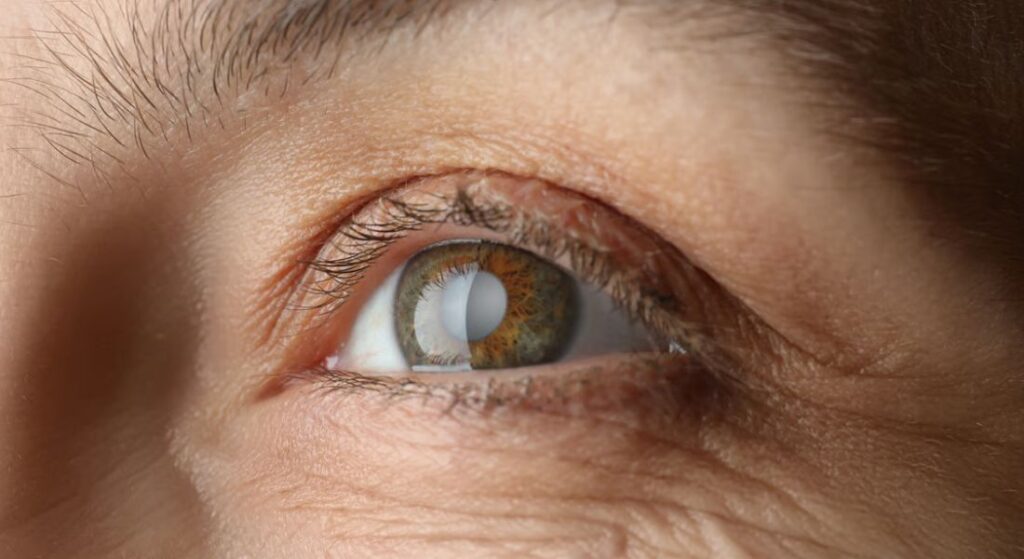
dry eye syndrome becomes more common with age as natural tear production gradually decreases. Tears are essential for keeping the surface of your eyes smooth, comfortable, and clear. When this balance is disrupted, it can lead to irritation, a gritty sensation, and fluctuating vision.
Symptoms often worsen during activities that reduce blinking, such as prolonged screen use, or in dry, windy, or air-conditioned environments. You may notice redness, burning, or blurred vision that improves after blinking or resting your eyes. Although dry eye is not usually sight-threatening, it can significantly affect comfort and daily activities.
Treatment focuses on improving tear quality and reducing irritation. Artificial tears are commonly used to keep the eyes lubricated, while simple changes like staying hydrated, taking screen breaks, and using humidifiers can help. In more persistent cases, prescription treatments or specialist care may be recommended to better manage symptoms and protect the eye surface.
Presbyopia and Near Vision Changes
presbyopia affects your ability to focus on close objects and is a natural part of ageing. It occurs because the lens inside your eye gradually loses flexibility, making it harder to adjust focus for near tasks. This is why many people begin using reading glasses in their 40s or 50s.
By the time you reach your 60s, presbyopia is usually fully established. You may notice difficulty reading small print, needing to hold objects further away, or relying on brighter lighting for comfort. Tasks such as using a phone or reading labels can become more challenging without proper correction.
Although presbyopia is not harmful, it does require management to maintain visual comfort. Options include reading glasses, bifocals, contact lenses, or even surgical solutions in some cases. With the right support, it can be easily managed, allowing you to continue daily activities without significant disruption.
Floaters and Ageing Vitreous Changes
Floaters are a common part of ageing and are usually linked to natural changes in the vitreous the gel-like substance inside your eye. As this gel becomes more liquid and less uniform, tiny clumps can form and cast shadows on the retina. These shadows appear as moving shapes in your vision. While most floaters are harmless, it’s important to recognise when they may need attention.
- They are caused by changes in the vitreous gel: Over time, the vitreous can shrink and change consistency, leading to small particles forming within it. These particles drift across your field of vision as your eyes move. This process is often associated with posterior vitreous detachment. In most cases, it is a normal age-related change.
- They appear as moving shapes or shadows: You might see dots, threads, or cobweb-like patterns, especially when looking at bright backgrounds like the sky or a screen. These shapes tend to move as your eyes move and may drift out of view when you try to focus on them. Although they can be distracting, they are usually not harmful. Their appearance can vary from person to person.
- A sudden increase should always be checked: While occasional floaters are common, a sudden burst of new floaters or the addition of flashes of light can indicate a problem such as a retinal tear. This requires prompt assessment. Early detection helps prevent more serious complications. Never ignore sudden changes.
- Most floaters do not require treatment: In the majority of cases, floaters become less noticeable over time as your brain adapts. They may not disappear completely but often become easier to ignore. Regular eye examinations ensure that no underlying issues develop. Monitoring provides reassurance and safety.
Floaters are usually a normal part of ageing, but staying aware of changes helps ensure your eyes remain healthy.
Reduced Night Vision and Contrast Sensitivity
After the age of 60, it is common to experience reduced night vision and lower contrast sensitivity. This means your eyes take longer to adjust in low-light conditions, making activities like night driving more challenging. Changes in the lens and retina, particularly due to cataract, often contribute to these difficulties.
You may notice increased glare from headlights, halos around lights, or difficulty distinguishing objects in dim environments. These changes can affect both confidence and safety, especially when driving or navigating unfamiliar areas at night. Retinal conditions can also reduce contrast, making it harder to see edges and depth clearly.
Simple adjustments such as improving lighting at home and ensuring your glasses prescription is up to date can help. However, if symptoms are significant, an eye examination is important to identify any underlying causes. Treating conditions like cataracts can often lead to a noticeable improvement in night vision and overall visual clarity.
Increased Sensitivity to Light
Light sensitivity often increases with age as the structures of the eye change. The lens can become less clear and the retina more sensitive, making bright sunlight or even indoor lighting feel uncomfortable. This can affect everyday activities such as reading, driving, or spending time outdoors.
A common cause of glare and light sensitivity is cataract, which scatters incoming light and reduces visual clarity. Other factors, such as dry eye syndrome or inflammation, can also make your eyes more reactive to light. Identifying the underlying cause is important for effective management.
Simple measures like wearing UV-protective sunglasses, adjusting indoor lighting, and maintaining good eye care habits can reduce discomfort. If symptoms persist, a professional assessment can help address any medical causes. Even small adjustments, combined with appropriate treatment, can significantly improve comfort and daily function.
The Importance of Early Detection
Many serious eye conditions develop silently, meaning you may not notice any symptoms in the early stages. By the time vision changes become obvious, some damage may already be permanent. Conditions such as glaucoma and age-related macular degeneration often progress in this way, which is why early detection is so important.
Routine eye examinations allow clinicians to identify subtle changes before they affect your vision. Tests such as retinal imaging, visual field assessments, and eye pressure measurements can reveal early signs of disease. Detecting issues at this stage provides more treatment options and significantly improves long-term outcomes.
You should not wait for symptoms to appear before seeking care. Preventive eye health checks are one of the most effective ways to protect your vision. Regular monitoring ensures that any developing condition is managed early, helping you maintain clear sight and independence for longer.
How Often Should You Have Your Eyes Checked?
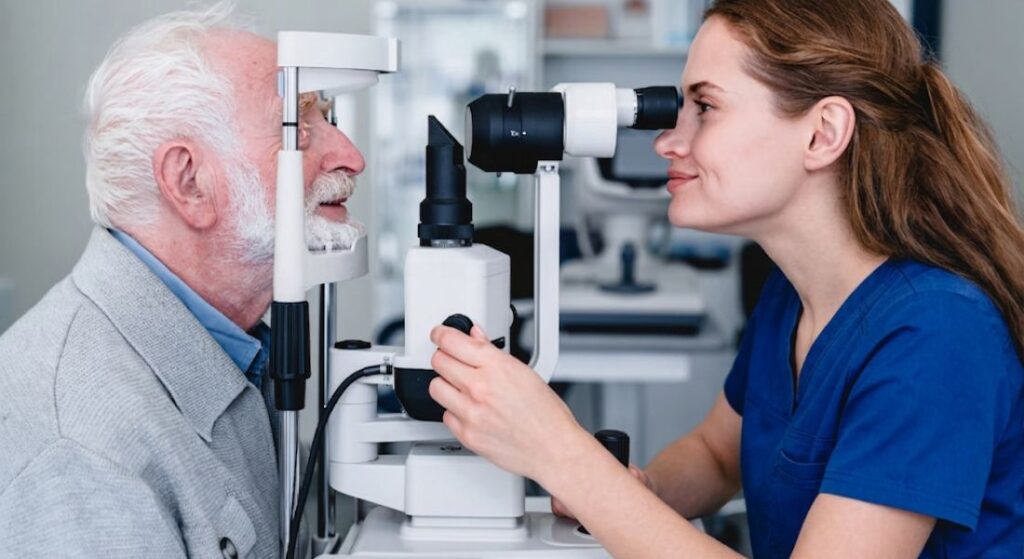
As you get older, regular eye examinations become an essential part of maintaining good vision. Many eye conditions develop gradually and without obvious symptoms, so routine checks help detect problems early. After the age of 60, staying consistent with your appointments is especially important. A proactive approach can help protect your sight in the long term.
- Most people should have regular checks every 1–2 years: For many adults over 60, an eye examination every year or two is recommended. This helps monitor changes in vision and detect conditions such as cataracts or age-related macular degeneration. Even if your vision feels stable, changes can occur without noticeable symptoms. Routine care provides reassurance.
- Some conditions require more frequent monitoring: If you have existing eye conditions or health issues such as glaucoma or diabetes, you may need more frequent check-ups. These conditions can progress silently and benefit from close observation. Your clinician will advise on the right schedule. Personalised care ensures you’re monitored appropriately.
- Your schedule should be tailored to your needs: Factors such as your age, medical history, lifestyle, and family history all influence how often you should have your eyes tested. Your optometrist or ophthalmologist will create a plan that suits your individual risk level. This tailored approach improves early detection. It ensures no important changes are missed.
- Consistency helps protect your vision: Skipping appointments increases the risk of detecting problems at a later stage, when treatment may be less effective. Regular eye checks allow small changes to be picked up early. This supports better outcomes and long-term eye health. Staying consistent is one of the simplest ways to protect your sight.
Regular eye examinations are a key part of preventive care, helping you maintain clear vision and detect issues before they become serious.
Lifestyle Factors That Influence Eye Health
Lifestyle choices play a major role in maintaining good eye health, especially as you get older. Habits such as smoking, poor diet, and low physical activity can increase the risk of conditions like age-related macular degeneration and cataract. Looking after your eyes goes beyond medical care it involves consistent, healthy daily choices.
A balanced diet rich in antioxidants supports the health of your retina and overall visual function. Nutrients such as vitamin A, lutein, and omega-3 fatty acids help protect against oxidative damage and support long-term eye health. Staying well hydrated also contributes to proper tear production and visual comfort.
Protecting your eyes from ultraviolet (UV) exposure is equally important. Regular use of sunglasses with proper UV protection helps reduce the risk of long-term damage to the lens and retina. Combined with good nutrition and lifestyle habits, these simple steps can make a meaningful difference in preserving your vision over time.
Managing Vision Loss in Later Life
Managing vision loss in later life often involves both practical adjustments and emotional support. Conditions such as age-related macular degeneration or glaucoma can make everyday tasks like reading, driving, and recognising faces more difficult. Adapting your environment and routines becomes essential for maintaining independence and safety.
Low vision aids can significantly improve quality of life by helping you make the most of your remaining sight. Tools such as magnifiers, high-contrast reading materials, brighter task lighting, and assistive digital technology can make daily activities easier. In addition, vision rehabilitation services provide practical training and strategies to help you adapt confidently.
Emotional wellbeing is just as important as physical support. Adjusting to changes in vision can take time and may feel overwhelming at first. Support from eye care professionals, family members, and community resources can make this transition smoother. With the right combination of tools and support, many people continue to live active and fulfilling lives despite vision changes.
When to Seek Urgent Medical Attention
Certain eye symptoms should always be treated as urgent. Sudden vision loss, flashes of light, or a shadow or “curtain” across your vision can be warning signs of serious conditions such as retinal detachment. These symptoms require immediate medical attention, as early treatment can make the difference between preserving and losing vision.
Pain, redness, or sudden distortion in your vision should also be assessed without delay. While many age-related changes are gradual and painless, these types of symptoms are not typical and may indicate inflammation, infection, or a rapid increase in eye pressure. Acting quickly allows for prompt diagnosis and treatment, reducing the risk of permanent damage.
Knowing when to act is essential for protecting your sight. If something feels unusual or changes suddenly, it is always safer to seek professional advice rather than wait. Timely intervention is one of the most effective ways to safeguard your long-term vision.
FAQs:
1. What is the most common cause of vision loss after 60?
The most common cause is Cataract, where the eye’s natural lens becomes cloudy. This condition develops gradually and leads to blurred or dim vision. It is highly treatable with surgery, and most people experience significant improvement.
2. Can vision loss after 60 be prevented?
Not all vision loss can be prevented, but early detection reduces the risk of severe damage. Regular eye examinations help identify problems before symptoms appear. Healthy lifestyle habits also support long-term eye health.
3. How often should someone over 60 have an eye test?
Most people over 60 should have an eye exam every one to two years. Individuals with existing eye conditions may need more frequent monitoring. Your eye specialist will recommend a schedule based on your needs.
4. What are early signs of Glaucoma?
Early glaucoma usually has no noticeable symptoms. It often affects peripheral vision first, which can go unnoticed. Regular screening is essential for early detection and treatment.
5. Is Age-related macular degeneration curable?
Age-related macular degeneration is not currently curable. However, treatment can help slow its progression, especially in certain types. Early diagnosis improves the chances of maintaining useful vision.
6. Why do I see floaters more as I get older?
Floaters occur due to natural changes in the vitreous gel inside the eye. They appear as small moving spots or threads in your vision. While usually harmless, sudden increases should be checked promptly.
7. What causes sudden vision loss in older adults?
Sudden vision loss may be caused by serious conditions like Retinal detachment. It can also result from vascular issues or advanced eye disease. Immediate medical attention is necessary to prevent permanent damage.
8. Can diabetes affect eyesight after 60?
Yes, diabetes can damage the eyes and lead to Diabetic retinopathy. This condition affects the blood vessels in the retina. Regular monitoring and good blood sugar control help reduce risk.
9. Why does night vision get worse with age?
Night vision declines due to age-related changes in the eye. Conditions like cataracts can increase glare and reduce contrast sensitivity. This makes it harder to see clearly in low-light conditions.
10. When should I see a doctor urgently for eye problems?
You should seek urgent care if you experience sudden vision loss or flashes of light. A shadow or curtain over your vision is also a warning sign. Prompt evaluation can help prevent permanent vision damage.
Final Thought: Safeguarding Your Vision in Later Life
Vision changes after 60 are common, but they should never be ignored or accepted without question. Conditions such as Cataract, Glaucoma, and Age-related macular degeneration can gradually affect your sight, often without early symptoms. Recognising changes and seeking timely care can significantly reduce the risk of long-term vision loss.
Taking a proactive approach to your eye health helps you maintain independence and quality of life. Regular eye examinations, healthy lifestyle choices, and prompt attention to new symptoms all play an essential role. With the right care and support, many age-related eye conditions can be effectively managed, allowing you to protect your vision for the future. If you’re looking to enhance your vision or need personalised guidance, our specialist team at the London Cataract Centre is here to help.
References:
- Quillen, D.A. (1999) Common causes of vision loss in elderly patients, American Family Physician, 60(1), pp. 99-108. Available at: https://pubmed.ncbi.nlm.nih.gov/10414631/
- Driscoll, R., Scantling‑Brown, H., Margrain, T. and others. (2021) A systematic review of the accessibility, acceptability, safety, efficiency, clinical effectiveness, and cost‑effectiveness of private surgical facilities. BMC Health Services Research. Available at: https://pmc.ncbi.nlm.nih.gov/articles/PMC11570012/
- Harvey, P.T. (2003) Common eye diseases of elderly people: identifying and treating causes of vision loss, Gerontology, 49(1), pp. 1-11. Available at: https://pubmed.ncbi.nlm.nih.gov/12457044/
- Ouyang, S. et al. (2023) Cataract, glaucoma, and diabetic retinopathy as risk factors in older adults, Geriatric Nursing, 53, pp. 170-174. Available at: https://pubmed.ncbi.nlm.nih.gov/37540912/
- Dinarvand, D., Panthakey, J., Hassan, A. and Ahmed, M.H. (2024) Frailty and visual impairment in elderly individuals: Improving outcomes and modulating cognitive decline through collaborative care, Diseases, 12(11), p. 273. Available at: https://www.mdpi.com/2079-9721/12/11/273