


As you age, changes in your vision are common, but not all vision loss is simply part of normal ageing. In many cases, it is linked to specific eye conditions that develop over time and may require treatment. Understanding these causes helps you recognise symptoms early and seek appropriate care.
One of the most common causes is cataract, where the natural lens becomes cloudy, leading to blurred vision, glare, and faded colours. Another major condition is age-related macular degeneration, which affects the central part of your vision and can make reading or recognising faces difficult. glaucoma is also important, as it gradually damages the optic nerve and often develops without noticeable symptoms until vision loss has progressed.
Systemic conditions can also affect your eyes. diabetic retinopathy occurs when high blood sugar damages the blood vessels in the retina, leading to vision problems over time. In addition, general ageing changes such as reduced pupil size and decreased contrast sensitivity can make tasks like night driving more challenging even without a specific disease.
Because many of these conditions develop slowly and painlessly, regular eye examinations are essential. Early detection allows for timely treatment, which can slow progression and preserve your vision. Being aware of changes in your sight and acting on them promptly is one of the most effective ways to protect your long-term eye health.
Why Vision Naturally Changes With Age
As you age, the internal structures of your eyes gradually change, affecting how well you see. One of the earliest changes is the development of presbyopia, where the natural lens becomes less flexible and struggles to focus on close objects. At the same time, the retina becomes more vulnerable to wear and tear, making it more sensitive to damage over time.
These changes can reduce visual sharpness and adaptability. You may notice increased glare, reduced contrast, or difficulty adjusting between bright and dim environments. Colours may also appear less vivid, and night vision can become more challenging.
While these changes are a normal part of ageing, they can also increase the risk of conditions such as cataract or age-related macular degeneration. This is why regular eye examinations become increasingly important. Early detection and monitoring can help manage these changes effectively and protect your long-term vision.
Cataracts: A Common Cause of Blurred Vision
Cataract is one of the most common causes of blurred vision in older adults. It develops when the eye’s natural lens, which is normally clear, becomes cloudy over time. This clouding interferes with the passage of light, leading to vision that may appear hazy, dim, or less sharp.
You may notice that colours look faded or slightly yellowed, and bright lights can cause increased glare or halos. Tasks such as night driving often become more difficult as sensitivity to light changes. These symptoms usually develop gradually, which means they can go unnoticed until vision is significantly affected.
The good news is that cataracts are highly treatable. Through a routine surgical procedure, the cloudy lens is removed and replaced with a clear artificial lens. This restores vision effectively and is considered one of the safest and most successful treatments in modern eye care.
Age-Related Macular Degeneration (AMD)
Age-related macular degeneration affects the macula, the central part of your retina responsible for detailed vision. This is the area you rely on for reading, recognising faces, and seeing fine detail. When the macula becomes damaged, your central vision can become blurred or distorted. Understanding the symptoms early can help you seek timely care.
- It primarily affects your central vision: AMD does not usually impact your side (peripheral) vision. Instead, it affects the centre of what you see, making detailed tasks more difficult. You may find reading or recognising faces increasingly challenging. This central loss can interfere with everyday activities.
- Symptoms can be subtle at first: Early signs may include straight lines appearing wavy or bent. You might also notice a blurred patch or dark spot in the centre of your vision. Because peripheral vision remains normal, these changes can be easy to overlook initially. Regular eye checks help detect the condition early.
- There are two main types: dry and wet AMD: Dry AMD develops gradually and is more common. It often progresses slowly over time. Wet AMD is less common but more serious, as it can cause rapid vision changes due to abnormal blood vessel growth. Both forms require monitoring and appropriate care.
- Early diagnosis is essential for management: Detecting AMD early allows for better monitoring and, in some cases, treatment to slow progression. Regular eye examinations are especially important as you get older. Recognising symptoms and acting promptly can help preserve your vision. Early care makes a meaningful difference.
While AMD can affect central vision, early awareness and regular check-ups can help you manage the condition more effectively.
Glaucoma: The Silent Condition
Glaucoma is often referred to as a “silent condition” because it can develop without obvious symptoms in its early stages. It typically occurs when increased pressure inside the eye damages the optic nerve, which is responsible for transmitting visual information to the brain.
In the early phase, glaucoma usually affects peripheral (side) vision rather than central vision. This makes it difficult to detect without an eye examination, as your brain often compensates for the gradual loss. By the time noticeable vision problems occur, some of the damage may already be permanent.
Although lost vision cannot be restored, early diagnosis allows treatment to slow or stop further progression. Managing eye pressure through medication, laser treatment, or surgery helps protect remaining vision. Regular eye tests are therefore essential for detecting glaucoma early and preserving long-term eye health.
Diabetic Retinopathy and Vision Loss

Diabetic retinopathy occurs when consistently high blood sugar levels damage the tiny blood vessels in the retina. Over time, these vessels can leak, swell, or become blocked, affecting how the retina functions. It is a common complication in people with long-standing diabetes and a significant cause of vision loss if not managed properly.
In the early stages, symptoms may be minimal or absent. As the condition progresses, you might notice blurred vision, dark spots (floaters), or fluctuating sight. In more advanced cases, it can lead to serious vision impairment or even blindness.
Good blood sugar control is the most important step in prevention. Regular eye screenings allow early detection of retinal changes before symptoms develop. With timely treatment such as laser therapy or injections vision can often be stabilised and preserved.
Dry Eye Syndrome in Older Adults
Dry eye syndrome becomes more common as you get older, often due to a natural decline in tear production. Tears are essential for keeping the surface of your eyes smooth, comfortable, and clear. When there isn’t enough moisture, the eyes can become irritated and your vision may feel less stable. Although it’s common, it’s a condition that can be effectively managed with the right care.
- Reduced tear production affects comfort and clarity: As you age, your eyes may produce fewer or lower-quality tears. This can lead to dryness on the eye’s surface, making blinking less effective at keeping your eyes lubricated. As a result, your vision may occasionally blur or fluctuate. Comfort and clarity are closely linked to a healthy tear film.
- Symptoms can vary throughout the day: You might notice burning, redness, or a gritty sensation, as if something is in your eye. These symptoms can worsen in dry environments or after prolonged screen use. Vision may feel clearer at some times and more blurred at others. This variability is a common feature of dry eye.
- Daily activities can be affected: Reading, driving, or using digital devices may become less comfortable if your eyes are dry. You may find yourself blinking more often or needing to rest your eyes. Over time, this can become frustrating. Managing the condition can make these tasks easier again.
- Treatment focuses on restoring moisture and balance: Common treatments include lubricating eye drops (artificial tears), warm compresses, and simple lifestyle adjustments such as staying hydrated or taking breaks from screens. In some cases, your clinician may recommend additional therapies. With consistent care, symptoms often improve significantly. Managing dry eye supports both comfort and visual quality.
Dry eye is a common but often overlooked issue in older adults. With the right approach, you can keep your eyes comfortable and your vision clearer throughout the day.
Presbyopia and Difficulty Reading
Presbyopia is a natural part of ageing that affects your ability to focus on nearby objects. It develops as the eye’s natural lens gradually loses flexibility, making it harder to adjust focus for close tasks like reading or using a phone.
You may notice yourself holding text further away to see it clearly, or experiencing eye strain and headaches after prolonged near work. These symptoms usually begin in your 40s and slowly progress over time, making near vision increasingly challenging.
The good news is that presbyopia is easy to manage. Reading glasses, contact lenses, or other corrective options can restore clear near vision. Regular eye tests help ensure your prescription stays accurate, allowing you to maintain comfortable and effective vision for everyday tasks.
Retinal Detachment Risks
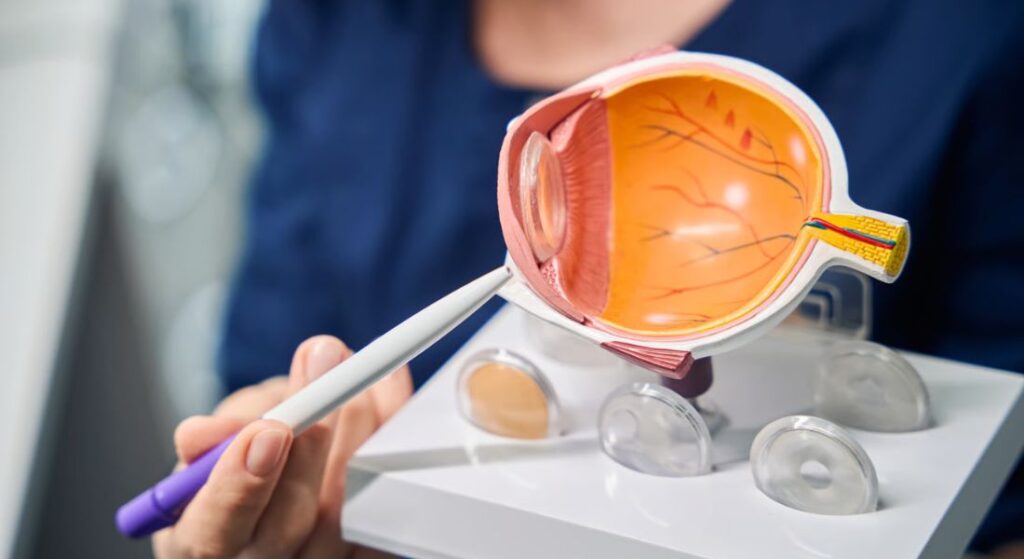
Retinal detachment is a serious condition in which the retina pulls away from the back of the eye. This separation disrupts the retina’s ability to function properly and can lead to permanent vision loss if not treated quickly. It becomes more common with age as the internal structures of the eye change.
Warning signs often appear suddenly and should never be ignored. These include flashes of light, a sudden increase in floaters (small dark spots or threads), or a shadow or curtain moving across your field of vision. These symptoms indicate that the retina may be under stress or already detaching.
Retinal detachment is a medical emergency. Prompt treatment often involving laser therapy or surgery can help reattach the retina and preserve vision. Recognising the symptoms early and seeking immediate care makes a significant difference in the outcome.
Vascular Eye Conditions
Vascular eye conditions affect how blood circulates within the eye and can lead to vision problems if not treated promptly. These conditions include issues such as retinal vein occlusion and arterial blockages, which can disrupt the supply of oxygen and nutrients to the retina. They are often linked to wider health concerns, meaning your general wellbeing plays an important role. Recognising symptoms early is key to protecting your vision.
- They are often linked to underlying health conditions: Problems such as high blood pressure, high cholesterol, and diabetes can affect the health of your blood vessels. When these conditions are not well controlled, they increase the risk of blockages in the eye. This can interfere with normal retinal function. Managing your overall health helps reduce this risk.
- Symptoms can appear suddenly and require urgent attention: You may notice blurred vision, dark patches, or a sudden loss of sight in one eye. These changes can happen quickly and may feel alarming. Because these conditions can progress rapidly, prompt medical evaluation is essential. Early intervention can help limit long-term damage.
- Blood flow disruption affects retinal function: The retina relies on a steady supply of oxygen-rich blood to function properly. When a vessel becomes blocked, this supply is reduced or cut off. This can damage the delicate retinal tissue responsible for vision. The extent of vision loss depends on how quickly treatment is received.
- Prevention focuses on systemic health management: Keeping your blood pressure, cholesterol, and blood sugar levels within a healthy range supports your eye health. Regular check-ups with your GP or specialist are important. Lifestyle choices such as a balanced diet, exercise, and not smoking also play a role. Your eye health is closely connected to your overall health.
Vascular eye conditions highlight the strong link between systemic health and vision. Taking care of your general health can make a meaningful difference in protecting your eyesight.
The Impact of Medications on Vision
Certain medications can affect your vision as a side effect, particularly with long-term use. Some drugs reduce tear production, leading to dry eyes, while others may impact the retina or optic nerve. These effects vary depending on the type of medication and your individual sensitivity.
You might notice symptoms such as blurred vision, dryness, or increased sensitivity to light. In some cases, medications can contribute to conditions like dry eye syndrome or affect retinal health. These changes are not always permanent, but they should be monitored carefully.
Regular reviews of your medications with your doctor are important. If visual side effects occur, adjustments to dosage or alternative treatments may help reduce symptoms. Open communication ensures that both your general health and eye health are managed effectively.
The Role of Nutrition in Eye Health
A balanced diet plays an important role in maintaining healthy vision as you age. Nutrients such as vitamin A, lutein, and omega-3 fatty acids support the function of the retina and help protect against oxidative stress. These compounds contribute to overall eye health and may lower the risk of developing conditions like age-related macular degeneration.
Poor nutrition, on the other hand, can increase vulnerability to eye disease. Diets lacking essential vitamins and antioxidants may accelerate age-related changes and reduce the eye’s ability to repair and protect itself. Over time, this can impact visual clarity and long-term eye function.
Incorporating foods such as leafy green vegetables, oily fish, and colourful fruits into your diet can make a meaningful difference. These provide key nutrients that support both the retina and overall eye structure. While nutrition alone cannot prevent all eye conditions, it is a simple and effective way to support long-term vision health.
Smoking and Vision Loss
Smoking has a direct impact on your eye health and significantly increases the risk of several serious conditions. It affects blood flow, damages delicate eye tissues, and accelerates age-related changes. Over time, this can lead to a noticeable decline in vision. Understanding these risks can help you make informed choices about protecting your eyesight.
- It increases the risk of major eye diseases: Smoking is strongly linked to conditions such as cataracts and age-related macular degeneration. These conditions can significantly affect your ability to see clearly, especially as you age. The harmful chemicals in tobacco contribute to damage within the eye. This makes smokers more vulnerable to long-term vision problems.
- It affects blood flow and oxygen supply to the eye: Smoking can narrow blood vessels and reduce the amount of oxygen reaching the retina. This limits the eye’s ability to function and repair itself. Over time, reduced circulation can damage critical structures involved in vision. Healthy blood flow is essential for maintaining good eyesight.
- Vision decline may occur more quickly: Smokers often experience faster progression of age-related eye conditions. The longer and more heavily you smoke, the greater the risk becomes. This cumulative effect can lead to earlier and more severe vision loss. Even moderate smoking can have a measurable impact.
- Quitting can help protect your vision: Stopping smoking reduces ongoing damage and lowers your risk of further deterioration. While it may not reverse existing conditions, it can slow progression and support overall eye health. Quitting also benefits your general health in many other ways. It’s one of the most effective steps you can take.
Avoiding or stopping smoking plays a key role in preserving your vision and supporting long-term eye health.
UV Exposure and Eye Damage
Long-term exposure to ultraviolet (UV) light can gradually damage the structures of your eyes. Over time, this increases the risk of conditions such as cataract and may also contribute to retinal problems like age-related macular degeneration. The effects are cumulative, meaning small amounts of daily exposure add up over the years.
You may not notice any immediate symptoms, which is why UV damage often goes unrecognised until changes in vision occur. Bright sunlight, reflective surfaces like water, and even cloudy days can all contribute to exposure. This makes consistent protection important rather than occasional use.
Wearing sunglasses with proper UV protection is one of the simplest and most effective ways to reduce risk. Look for lenses that block 100% of UVA and UVB rays, and consider wide or wraparound styles for better coverage. Taking these precautions regularly helps protect your eyes and supports long-term visual health.
The Importance of Regular Eye Tests
Routine eye examinations are one of the most effective ways to protect your vision as you age. Many serious conditions such as glaucoma and diabetic retinopathy can develop without obvious symptoms in the early stages. Regular testing allows these issues to be identified before they begin to affect your sight.
A comprehensive eye test does more than check how well you can see. It also measures eye pressure, evaluates the health of the retina, and can detect early signs of conditions like cataract. This gives a complete picture of your eye health and helps guide any necessary treatment or monitoring.
Skipping routine appointments increases the risk of undiagnosed problems progressing silently. Consistent monitoring allows for early intervention, which often leads to better outcomes and helps preserve your vision long term. Regular eye care is a simple but essential step in prevention.
How Vision Loss Affects Independence
Vision loss can have a significant impact on daily independence. Tasks such as driving, reading, cooking, or managing medications may become more challenging as sight declines. Conditions like age-related macular degeneration or glaucoma can affect different parts of your vision, making everyday activities less predictable and more demanding.
Many people adapt gradually by adjusting their habits or relying more on memory and routine. However, if the underlying cause of vision loss is not identified, the condition may continue to progress. Early diagnosis and treatment can help slow or stabilise changes, allowing you to maintain independence for longer.
There are also many forms of support available, including vision aids, rehabilitation services, and tailored treatments. With the right care and guidance, most people can continue to live active, independent lives. Managing vision changes proactively makes a meaningful difference to both confidence and overall quality of life.
Emotional Impact of Vision Changes
Changes in your vision whether due to age-related macular degeneration, cataracts, or other eye conditions can affect more than just how you see. They can also influence how you feel day to day. It’s completely normal to experience a range of emotions as you adjust. Recognising this emotional impact is an important part of managing your overall wellbeing.
- You may feel frustrated or less independent: Difficulty with everyday tasks like reading, driving, or recognising faces can be challenging. You might feel frustrated or concerned about relying more on others. These feelings are common and understandable. Acknowledging them is the first step towards adapting.
- Adjustment takes time and patience: Adapting to changes in vision doesn’t happen overnight. Your brain and daily habits need time to adjust to new ways of seeing and functioning. It’s normal to have good and difficult days during this process. Giving yourself time can make the transition easier.
- Support can make a significant difference: Speaking with eye care professionals, counsellors, or support groups can help you feel more in control. Family and friends can also provide practical and emotional support. You don’t have to manage these changes alone. Shared understanding can reduce stress.
- Staying informed helps reduce uncertainty: Learning about your condition and available treatments can make things feel more manageable. Knowing what to expect often reduces anxiety. It also helps you take an active role in your care. Confidence often grows with understanding.
- Early support improves overall outcomes: Seeking help early both medically and emotionally can make a meaningful difference. Addressing concerns promptly can prevent feelings from becoming overwhelming. Support is available at every stage. Taking that step can help you feel more reassured and in control.
Vision changes can be challenging, but with the right support and information, you can adapt and maintain a good quality of life.
When to Seek Medical Advice

You should seek medical advice if you notice any changes in your vision, even if they seem minor at first. Symptoms such as persistent blurring, distortion, double vision, or sudden loss of sight can indicate underlying conditions like retinal detachment or glaucoma. These issues can progress quickly, so they should never be ignored.
Early consultation allows for prompt diagnosis and timely treatment. Many eye conditions are far more manageable when detected in their initial stages, helping to prevent permanent damage. Delaying care can reduce treatment options and increase the risk of long-term vision loss.
Regular eye check-ups are just as important as responding to symptoms. Ongoing monitoring helps detect silent conditions before they affect your sight. Taking changes seriously and acting early is one of the most effective ways to protect your long-term vision.
Preventing Vision Loss Where Possible
While not all vision loss can be prevented, many of the major risk factors can be reduced with consistent care. Conditions such as cataract and age-related macular degeneration are influenced by lifestyle, meaning your daily habits can make a meaningful difference over time. Protecting your eyes should be part of your overall health routine.
Simple steps like regular exercise, a balanced diet rich in antioxidants, and avoiding smoking all support eye health. Managing conditions such as diabetes also helps reduce the risk of diabetic retinopathy. In addition, wearing UV-protective sunglasses outdoors helps prevent long-term damage from sunlight exposure.
Prevention is about consistency rather than perfection. Small, regular choices such as attending eye tests, eating well, and protecting your eyes build up over time. Taking action early and maintaining these habits can help preserve your vision and reduce the likelihood of serious problems later in life.
Advances in Eye Care for Older Adults
Modern eye care has advanced significantly, offering more effective and precise treatments for age-related conditions. Procedures for cataract are now highly refined, with faster recovery and excellent visual outcomes, while treatments for glaucoma focus on better pressure control and long-term preservation of vision. These improvements mean that early intervention can make a substantial difference in maintaining sight.
Technological progress has also transformed diagnosis. Advanced imaging techniques allow specialists to detect subtle changes in the retina and optic nerve much earlier than before. This enables more accurate monitoring of conditions like age-related macular degeneration and supports more personalised, targeted treatment plans.
Access to specialist care plays a key role in these improved outcomes. With tailored treatment approaches and ongoing follow-up, patients benefit from care that is specific to their needs and lifestyle. Combined with continuous research and innovation, the future of eye care is increasingly focused on prevention, precision, and long-term visual health.
FAQs:
1. What is the most common cause of vision loss in older adults?
Cataracts are one of the most common causes of vision loss in older adults. They occur when the natural lens of the eye becomes cloudy, reducing the amount of light that can pass through. This leads to blurred or dim vision that gradually worsens over time.
2. At what age does vision typically start to decline?
Vision changes often begin in your 40s, usually due to presbyopia. This condition makes it harder to focus on close objects like books or phone screens. More serious eye conditions tend to develop later in life.
3. Can vision loss in the elderly be prevented?
Not all vision loss can be prevented, but many risks can be reduced. Maintaining a healthy lifestyle and attending regular eye exams are important steps. Early detection can help manage conditions before they become severe.
4. What are the early signs of serious eye conditions?
Early signs may include blurred vision, difficulty seeing at night, or increased sensitivity to light. You might also notice floaters, flashes, or distorted vision. These symptoms should not be ignored and require prompt evaluation.
5. Is vision loss from ageing always permanent?
Vision loss is not always permanent and depends on the cause. Conditions like cataracts can be treated successfully with surgery. Others, such as glaucoma, cannot be reversed but can be controlled to prevent further damage.
6. How often should older adults have eye tests?
Older adults should generally have an eye test every one to two years. More frequent check-ups may be needed if you have existing eye conditions. Regular monitoring helps detect problems early and protect your vision.
7. What is age-related macular degeneration (AMD)?
Age-related macular degeneration affects the central part of your vision. It can make activities like reading or recognising faces more difficult. The condition may progress slowly or quickly depending on the type.
8. Can diabetes affect vision in older adults?
Yes, diabetes can significantly affect vision through a condition called diabetic retinopathy. High blood sugar levels damage the blood vessels in the retina. Without proper management, this can lead to vision loss.
9. Why does night vision get worse with age?
Night vision worsens because the eye becomes less adaptable to low-light conditions. The lens may also become cloudier, increasing glare from lights. This can make activities like night driving more challenging.
10. When should I see a doctor about vision changes?
You should see a doctor if you notice any sudden or unusual changes in your vision. Symptoms like flashes, floaters, or sudden blurring require immediate attention. Early consultation can prevent more serious complications.
Final Thoughts: Protecting Your Vision as You Age
Vision loss in later life is often gradual and influenced by a combination of natural ageing and underlying eye conditions. While some changes are expected, many of the most common causes such as cataracts, glaucoma, and macular degeneration can be effectively managed with early detection. Paying attention to subtle changes in your vision and attending regular eye examinations can make a significant difference in preserving your sight.
Taking a proactive approach to eye health is key to maintaining independence and quality of life. Simple steps like protecting your eyes from UV exposure, managing overall health, and following professional advice can help reduce risk over time. If you’re looking to enhance your vision or need personalised guidance, our specialist team at the London Cataract Centre is here to help.
References:
- Quillen, D.A. (1999) Common causes of vision loss in elderly patients, American Family Physician, 60(1), pp. 99-108. Available at: https://pubmed.ncbi.nlm.nih.gov/10414631/
- Driscoll, R., Scantling‑Brown, H., Margrain, T. and others. (2021) A systematic review of the accessibility, acceptability, safety, efficiency, clinical effectiveness, and cost‑effectiveness of private surgical facilities. BMC Health Services Research. Available at: https://pmc.ncbi.nlm.nih.gov/articles/PMC11570012/
- Harvey, P.T. (2003) Common eye diseases of elderly people: identifying and treating causes of vision loss, Gerontology, 49(1), pp. 1-11. Available at: https://pubmed.ncbi.nlm.nih.gov/12457044/
- Ouyang, S. et al. (2023) Cataract, glaucoma, and diabetic retinopathy as risk factors in older adults, Geriatric Nursing, 53, pp. 170-174. Available at: https://pubmed.ncbi.nlm.nih.gov/37540912/
- Dinarvand, D., Panthakey, J., Hassan, A. and Ahmed, M.H. (2024) Frailty and visual impairment in elderly individuals: Improving outcomes and modulating cognitive decline through collaborative care, Diseases, 12(11), p. 273. Available at: https://www.mdpi.com/2079-9721/12/11/273