


If you have recently gone through major surgery, you are likely focusing closely on your recovery and thinking carefully about what comes next. Your body needs time to heal properly, and it is completely natural to be cautious about adding anything new to your medical journey. At the same time, you may already be considering future plans, including improving your vision. This can leave you wondering how soon it is safe to take the next step.
You may find yourself in a position where you are exploring vision correction options while still recovering from a recent procedure. Many people in your situation begin researching treatments like ICL surgery and want to understand whether the timing is right. It is common to feel uncertain, especially when you are trying to balance healing with future goals. You are not alone in asking whether you can safely move forward at this stage.
A question that often comes up is whether it is safe for you to have ICL surgery after undergoing major surgery, or if it is better to wait a little longer. This is an important consideration because your overall health and recovery can affect the outcome. You want to make sure that your body is ready and that there are no added risks. Taking the time to understand this properly can help you make a confident decision.
The answer is not always completely straightforward, as it depends on several individual factors related to your health and recovery. However, there are clear guidelines and considerations that can help you decide what is best for you. In the following sections, you will be guided through everything you need to know in a clear and simple way. This will help you understand when it may be safe to proceed and when it might be better to wait.
What Is ICL Surgery?
Before going any further, it is helpful for you to understand what ICL surgery actually involves. This will give you a clearer idea of how the procedure works and what you can expect from it. Having a basic understanding can make it easier for you to decide whether it may be suitable for your needs.
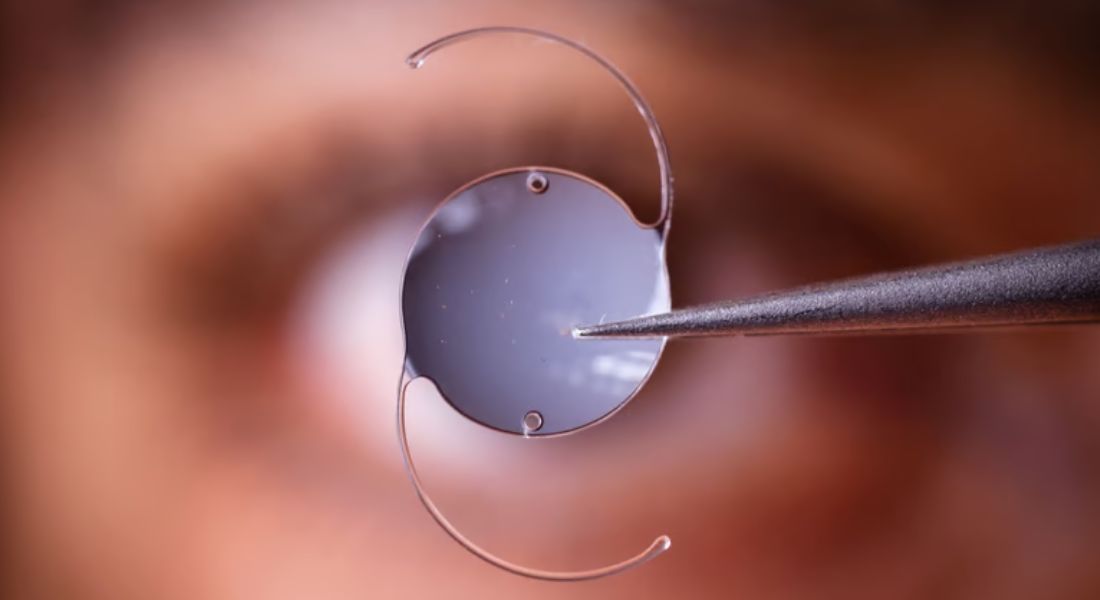
ICL stands for Implantable Collamer Lens, which is a type of vision correction designed to improve your eyesight. During the procedure, a specially designed lens is placed inside your eye without removing your natural lens. This allows your eye to keep its natural structure while improving how clearly you can see.
You may find that ICL surgery is often recommended if you are not suitable for laser treatments such as LASIK. This can be due to factors like thinner corneas or higher prescriptions. In such cases, it can provide a safe and effective alternative to help you achieve better vision.
Why Recent Major Surgery Matters
After any major operation, your body goes through a complex and carefully balanced healing process. Even if you feel well on the surface, there is still a lot happening internally as your system works to recover. Your energy levels, tissues, and immune response all need time to return to normal. This period of healing is essential for your overall health and long-term recovery.
You may not always notice these internal changes, but your immune system, tissues, and overall physiology are still adjusting after surgery. This means your body may be more sensitive or vulnerable than usual, even if you feel ready to move forward. It is important for you to recognise that healing is not just about how you feel day to day. Your body needs time to fully regain its strength and stability.
This is why timing is so important when you are considering another procedure such as ICL surgery. Your body needs to be stable, not simply functioning at a basic level, before taking on anything new. Waiting until your recovery is complete can help reduce risks and support better outcomes.
What Counts as Major Surgery?
Not all procedures are the same when it comes to how your body recovers afterwards. Some treatments are relatively minor, while others place more stress on your system and require a longer healing period. It is important for you to understand where your recent procedure fits on this scale. This can help you judge how it may affect your plans moving forward.
Major surgery usually refers to operations that involve general anaesthetic, significant tissue trauma, or a more complex recovery process. These types of procedures place greater demands on your body and often require careful post-operative care. Your body may need more time to heal fully and regain strength. This is especially important when you are considering another procedure such as ICL surgery.
Examples of major surgery can include abdominal operations, cardiac procedures, joint replacements, or major orthopaedic treatments. In many cases, these procedures involve a hospital stay or an extended period of recovery at home. If your surgery required this level of care, it is generally considered major. Understanding this can help you make more informed decisions about your next steps.
Understanding Your Body’s Recovery Timeline
Recovery from surgery is not a process that ends when visible wounds heal or when you leave the hospital. Beneath the surface, your body continues working hard to repair tissues, reduce inflammation, and restore normal function. This internal healing phase is often slower and less noticeable, yet just as important. Understanding this timeline is essential to avoid putting unnecessary strain on your body too soon.
- Healing Continues Internally: Even after stitches are removed, your body is still actively repairing deeper tissues and structures. This includes rebuilding cells, strengthening affected areas, and stabilising internal systems. Ignoring this phase can lead to complications or delayed recovery.
- Inflammation Takes Time to Settle: Surgery triggers inflammation as part of the natural healing response, but this does not disappear overnight. Your body needs time to regulate swelling and restore balance. Rushing into further procedures can prolong or worsen this inflammatory process.
- Recovery Time Varies by Surgery Type: Not all surgeries heal at the same pace, as factors like complexity and invasiveness play a major role. Some procedures may require only a few weeks of recovery, while others can take several months. Understanding your specific recovery timeline helps in planning any next steps safely.
- Risk of Disrupting Healing: Undergoing another procedure too soon can interfere with your body’s ongoing recovery. This may increase the risk of complications such as infection, poor healing, or additional stress on your system. Giving your body adequate time ensures a stronger and more stable recovery.
In conclusion, recognising that recovery extends beyond visible healing is key to protecting your overall health. Your body requires time to fully repair and rebalance after surgery, even if you feel well externally. Being patient and allowing this process to complete reduces risks and supports better long-term outcomes. Taking a cautious approach ensures that any future procedures are carried out safely and effectively.
The Role of the Immune System
After surgery, your immune system is often in a heightened or slightly altered state as it focuses on healing. Even if you feel well, your body is still working hard behind the scenes to recover properly. This process is important for preventing infection and repairing tissues. Giving your body enough time to complete this stage is essential for your overall health.
Your immune system plays a key role in protecting you and supporting your recovery after any operation. It continues to work actively, even when your external symptoms have improved. This means your body may still be more sensitive than usual during this period. Understanding this can help you make safer decisions about any additional procedures.
Introducing another procedure, such as ICL surgery, during this time could increase the risk of complications. Even though the procedure is generally safe, your body still needs to respond appropriately for the best outcome. Waiting until your immune system has settled can help reduce risks and support a smoother recovery.
Anaesthetic Considerations
One factor you might not immediately think about is anaesthesia and how it affects your body. Even though ICL surgery usually involves local anaesthetic rather than general, your system still needs to handle the medications involved. Your body processes these drugs in its own time, especially after a recent operation. This makes it important for you to consider how well you have recovered before moving forward.
If you have recently had general anaesthesia, your body may still be adjusting and clearing those medications from your system. Even if you feel back to normal, your internal recovery may not be fully complete. This can affect how your body responds to any additional anaesthetic, even if it is milder. Giving yourself enough time can help avoid unnecessary strain.
Your anaesthetist or surgeon will take all of this into account before recommending the next step. They will carefully assess your recent medical history and overall condition. This helps ensure that any further procedure is as safe as possible for you. Their goal is to make sure your body is fully ready before proceeding.
Medication Interactions

After major surgery, you may be taking medications such as antibiotics, blood thinners, or pain relief to support your recovery. These medicines play an important role in helping your body heal and preventing complications. However, they can also influence how your body responds to other procedures. This is why it is important for you to consider their effects before planning anything further.
Some of these medications can affect your suitability for eye procedures, including ICL surgery. For example, blood-thinning medicines can increase the risk of bleeding, even during delicate treatments. Other medications may interfere with healing or how your body reacts during the procedure. Understanding these risks helps you make a safer and more informed decision.
Your surgeon will need a complete and accurate list of all the medications you are taking before making any recommendations. This includes prescriptions, over-the-counter medicines, and supplements. Providing this information allows them to assess any potential risks and plan your care properly. It ensures that your treatment is both safe and suitable for your situation.
The Importance of Overall Health Stability
One of the most important things for you to consider is whether your overall health has fully stabilised after your recent surgery. It is not only about the initial healing process, but also about how well your body is functioning as a whole. Your system needs to be balanced and operating normally before you take on anything new. This helps reduce risks and supports a smoother experience.
You should think about whether your energy levels have returned to normal and if you are feeling consistently well day to day. It is also important to consider if there are any ongoing complications or follow-up treatments still required. These factors can affect how ready your body is for another procedure, including ICL surgery. Being honest about your current condition can help you make a safer decision.
If you are still experiencing symptoms or undergoing treatment, it may be a sign that your body needs more time to recover. Waiting until everything has settled can improve both safety and results. Your surgeon will usually recommend moving forward only when your health is stable. Taking a cautious approach at this stage is often the best choice.
Typical Waiting Periods
There is no single rule that applies to everyone, but there are general guidelines that can help you understand what to expect. Recovery times can vary depending on the type of surgery you have had and how your body heals. It is important for you to follow advice that is tailored to your individual situation. This ensures that you are not rushing into another procedure too soon.
In many cases, you may need to wait at least 6 to 12 weeks after major surgery before considering ICL surgery. This allows your body enough time to recover from the initial stress of the operation. During this period, your tissues heal and your overall condition becomes more stable. Waiting this long can help reduce the risk of complications.
If you have had a more complex procedure, the waiting period could extend to several months. Your recovery may take longer depending on factors such as your health, the type of surgery, and any ongoing treatment. The exact timing will always depend on how well you are healing. Your surgeon will guide you on when it is safe to move forward.
When It Might Be Safe Sooner
Not all surgeries require a long delay before you can consider your next step. In some cases, your recovery may progress smoothly and more quickly than expected. This can make it possible for you to move forward sooner than the usual guidelines suggest. It depends largely on how your body has responded to the initial procedure.
If your recovery has been straightforward, with no complications, and your doctor confirms that you are fully stable, you may be able to proceed earlier. This is often the case when the surgery you had was less invasive, even if it is still considered “major”. Your overall health, energy levels, and healing progress all play an important role in this decision. You should always ensure that your body feels consistently well before considering procedures like ICL surgery.
However, it is essential that this decision is made with proper medical guidance rather than on your own judgement. Your doctor or surgeon will assess your recovery in detail before advising you. They will consider any potential risks and ensure that it is safe for you to proceed. Taking professional advice helps protect your health and leads to better outcomes.
When You Should Definitely Wait
There are certain situations where it is strongly recommended that you delay any plans for further procedures. Even if you feel eager to move forward, your body may still need more time to recover fully. Rushing into another treatment too soon can increase risks and affect your overall outcome. It is important for you to recognise when waiting is the safer option.
If you are still experiencing pain, fatigue, or any complications, it is a clear sign that your body is not yet ready. These symptoms suggest that your recovery is still ongoing and needs more time. Similarly, if you are taking strong medications or undergoing continued treatment, your system may not be stable enough. In these cases, postponing procedures like ICL surgery is usually the best approach.
Your safety should always come first when making any medical decision. Waiting until your body has fully recovered can help reduce complications and support better results. Your surgeon will guide you on the right timing based on your condition. Taking a cautious approach ensures that you are making the best choice for your health.
Eye Health vs General Health
It is easy for you to assume that because ICL surgery focuses on your eyes, a recent surgery in another part of your body may not be relevant. However, this is not the case, as your body works as a whole system during healing. What affects one area can influence how well you recover overall. This is why it is important for you to look beyond just your eye health.
In reality, your entire body plays a role in how well you heal and respond to any procedure. Even if your eyes are healthy and suitable for treatment, your general condition still matters. Factors such as energy levels, immune response, and overall stability can all impact your outcome. You need to consider your full health picture before making a decision.
Your eye health might be in excellent condition, but if your general health is not stable, it can still affect the results. This is why taking a holistic approach is essential when planning any procedure. Your surgeon will assess both your eye condition and your overall wellbeing before moving forward. This helps ensure the safest and most effective outcome for you.
The Pre-Assessment Process
Before undergoing ICL surgery, a thorough pre-assessment is carried out to ensure you are a suitable candidate. This stage goes beyond evaluating your eyes, taking into account your overall health and any recent medical events. It is a crucial step designed to identify potential risks and determine the safest timing for your procedure. By carefully reviewing your condition, your surgeon can tailor the treatment plan to your individual needs.
- Comprehensive Medical Review: Your medical history plays a vital role in determining whether you are ready for surgery. This includes any recent operations, ongoing conditions, and current medications. A full review helps identify factors that could affect healing or increase surgical risks.
- Discussion of Recent Surgeries: Any recent procedures are carefully considered during the assessment process. Your surgeon will evaluate how well you are recovering and whether your body has had enough time to heal. This ensures that proceeding with ICL surgery will not interfere with your recovery.
- Evaluation of Recovery Progress: It’s not just about whether you’ve had surgery, but how well you are recovering from it. Signs of proper healing, stable health, and absence of complications are all important indicators. This helps determine if your body is ready for another procedure.
- Personalised Timing Decisions: Every patient heals differently, so there is no one-size-fits-all timeline. Based on your health, recovery, and medical background, your surgeon will recommend the most appropriate timing. This personalised approach helps maximise safety and surgical success.
In conclusion, the pre-assessment process is a vital step in ensuring that ICL surgery is carried out safely and effectively. By looking at your overall health and recent medical history, your surgeon can make informed decisions about timing. This careful evaluation reduces risks and supports better outcomes. Taking the time for a proper assessment ultimately helps ensure your procedure is as smooth and successful as possible.
Why Rushing Can Be Risky
It is completely understandable if you feel eager to move forward quickly, especially when you are keen to improve your vision. After going through a major procedure, you may want to regain a sense of normality as soon as possible. However, it is important for you to balance this motivation with careful decision-making. Giving your body enough time can make a significant difference to your overall outcome.
Rushing into ICL surgery too soon after major surgery can increase the risk of complications. Your body may not be fully prepared to handle another procedure, even if it seems minor. This can place additional strain on your system and affect how well you recover. Taking a cautious approach helps protect your health.
If you move forward too early, you may face issues such as slower healing, a higher risk of infection, or unexpected complications. These risks can impact both your recovery and the final results of the procedure. Waiting a little longer allows your body to stabilise and respond more effectively. In many cases, a short delay can lead to a much safer and smoother experience.
The Psychological Side of Recovery
Physical healing is not the only factor you need to consider after major surgery. Your mental and emotional wellbeing also play an important role in your overall recovery. You may feel different in yourself, even if your body seems to be healing well. Taking this into account can help you make more balanced decisions.
Major surgery can affect you emotionally as well as physically, and you may still be processing the experience. It is common for you to feel unsettled, tired, or even anxious while adjusting to recovery. These feelings can take time to settle, just like physical symptoms. Recognising this can help you understand where you are in your recovery journey.
Before moving forward with procedures such as ICL surgery, it is important that you feel fully ready. This means being comfortable not only physically, but also mentally and emotionally. Feeling confident and prepared can make the entire process smoother for you. Taking the time to reach this point is always worthwhile.
Communication Between Your Doctors

One of the most helpful things you can do is make sure your healthcare providers are communicating with each other. This allows everyone involved in your care to have a clear and complete understanding of your situation. When your medical team works together, it reduces the chances of important details being missed. This can make your overall treatment plan safer and more effective.
Your eye surgeon should be fully aware of your recent surgery, as well as any ongoing care or follow-up treatment. Sharing accurate and up-to-date information helps them assess whether you are ready for procedures such as ICL surgery. In some cases, they may need to review your medical history in more detail. This ensures that all factors are carefully considered before moving forward.
There may also be situations where your eye surgeon consults your GP or another specialist involved in your care. This collaborative approach allows for better decision-making based on your full health picture. It helps identify any potential risks and ensures that your recovery is not disrupted. Working together, your doctors can guide you towards the safest and most appropriate timing.
Special Considerations for Specific Surgeries
Not all surgeries affect the body in the same way, which is why some require extra caution before proceeding with ICL surgery. Different types of procedures can influence your recovery timeline, medication use, and overall physical resilience. Understanding how specific surgeries impact your body helps ensure safer planning and better outcomes. A personalised approach is essential, as each case comes with its own set of considerations.
- Cardiac Procedures and Blood-Thinning Medications: Heart-related surgeries often involve medications that affect blood clotting, such as anticoagulants. These can increase the risk of bleeding during or after another procedure. Careful management and timing are required to ensure these medications do not interfere with surgery.
- Orthopaedic Surgery and Mobility Limitations: Procedures involving bones or joints can lead to extended recovery periods and reduced mobility. Limited movement may affect your ability to attend appointments or follow post-operative care instructions. Ensuring sufficient recovery time helps support a smoother overall experience.
- Abdominal Surgery and Energy Levels: Abdominal operations can significantly impact your energy, digestion, and overall strength. Your body may take longer to regain normal function and immune stability. Proceeding too soon could slow recovery or increase the risk of complications.
- Individual Recovery Differences: Every patient heals differently depending on their health, age, and the complexity of the surgery. What may be sufficient recovery time for one person may not be enough for another. This is why personalised medical advice is essential before moving forward.
In conclusion, certain surgeries require additional thought and planning before considering ICL treatment. Factors such as medication use, mobility, and overall recovery can all influence the safest timing. Taking these into account helps reduce risks and supports better outcomes. Ultimately, a tailored approach ensures that your treatment aligns with your body’s unique recovery journey.
What About Minor Procedures?
If your recent procedure was minor, your situation may be slightly different compared to someone recovering from major surgery. Minor treatments often place less stress on your body and usually involve a quicker recovery. This can make it easier for you to consider your next steps sooner. However, it is still important to approach the decision with care.
Procedures carried out under local anaesthetic with short recovery times may not require a long delay before considering something like ICL surgery. In many cases, your body may return to normal more quickly, allowing you to move forward earlier. Even so, your overall condition and how you feel should always be taken into account. Everyone recovers differently, so your experience may not be the same as others.
You should always disclose full details of any recent procedure during your consultation, no matter how minor it may seem. This includes the type of treatment, medications used, and how your recovery has progressed. Even smaller procedures can influence timing in ways you might not expect. Being open and thorough helps your surgeon make the safest recommendation for you.
Signs You Might Be Ready
You may be wondering how to tell when you are ready to move forward after your recent surgery. There is no single test, but there are clear signs that can guide you. Your body will often give you useful signals about how well you have recovered. Paying attention to these can help you make a more confident decision.
In general, you should feel back to your normal self before considering procedures such as ICL surgery. This means your wounds have healed properly, your medications are stable, and your energy levels have returned. You should not be experiencing ongoing symptoms or discomfort related to your previous surgery. Feeling consistent and well day to day is an important indicator.
It is also important for you to have clearance from your doctor if required. They can confirm whether your recovery is complete and if it is safe to proceed. This professional reassurance adds an extra layer of safety to your decision. Taking this step helps ensure you are fully prepared for the next stage.
The Role of Lifestyle Factors

Your lifestyle plays an important role in how well you recover and how ready you are for any further procedures. The way you care for your body each day can directly affect your healing process. Simple habits can make a noticeable difference in how quickly you regain strength. This is why it is worth paying attention to your routine during recovery.
Good nutrition, quality sleep, and proper hydration all support your body as it heals. These factors help your immune system function effectively and allow your tissues to recover properly. If these areas are not yet consistent, your body may still be in a rebuilding phase. This can influence how prepared you are for procedures such as ICL surgery.
If you feel that you are still regaining your strength after surgery, it may be wise to give yourself a little more time. Waiting allows your body to fully benefit from healthy habits and stabilise completely. This can improve both safety and overall results. In the long run, your body will benefit from the extra care and patience.
Long-Term Outcomes
Taking the time to recover properly after your recent surgery can have a positive impact on your long-term results. Allowing your body to heal fully helps create a stronger foundation for any future procedures. This can reduce the risk of complications and support a smoother experience overall. Being patient at this stage can make a meaningful difference later on.
Procedures such as ICL surgery are designed to provide lasting vision correction and improve your quality of life. To achieve the best possible outcome, your body needs to be fully prepared and stable. When your system is ready, it can respond more effectively to treatment and healing. This helps ensure that the results are both safe and long-lasting.
By waiting until you are fully recovered, you are making an investment in your future vision. This careful approach supports better healing and more reliable results over time. It also gives you greater confidence in your decision. In the end, taking things at the right pace can lead to the best possible outcome for you.
Personalised Decision-Making
There is no one-size-fits-all answer when it comes to deciding if you are ready for further treatment. Every person’s situation is different, and your recovery will follow its own course. What works for someone else may not be suitable for you. This is why it is important for you to take an individual approach.
Your decision will depend on several factors, including the type of surgery you had, how well you have recovered, and your overall health. These elements all play a role in determining when it is safe to consider procedures such as ICL surgery. Even small differences in your condition can affect the timing. Looking at the full picture helps ensure the best outcome.
This is why personalised advice from your surgeon or healthcare provider is so important. They can assess your situation in detail and guide you based on your specific needs. Following tailored recommendations helps reduce risks and improve results. Making a decision that is right for you will always be the safest approach.
FAQ:
1. How long should I wait after major surgery before having ICL surgery?
In most cases, you should wait at least 6 to 12 weeks after major surgery. However, this can vary depending on the type of procedure you had and how well you are recovering. Your surgeon will provide personalised guidance based on your condition.
2. Can I have ICL surgery if I feel fully recovered?
Even if you feel well, your body may still be healing internally. It is important to get medical clearance to ensure your recovery is complete before proceeding with ICL surgery.
3. Does the type of major surgery affect when I can have ICL surgery?
Yes, different surgeries have different recovery timelines. For example, cardiac, abdominal, or orthopaedic procedures may require a longer waiting period compared to less invasive surgeries.
4. Is ICL surgery safe after general anaesthesia?
ICL surgery is generally safe, but your body needs time to recover from general anaesthesia. Your doctor will assess whether your system has fully stabilised before recommending further procedures.
5. Can medications after surgery delay ICL treatment?
Yes, medications such as blood thinners, antibiotics, or strong pain relief can affect your suitability for ICL surgery. Your surgeon will review all medications before proceeding.
6. What risks are involved if I have ICL surgery too soon?
Having ICL surgery too early can increase the risk of complications such as infection, delayed healing, or poor surgical outcomes. Waiting helps reduce these risks significantly.
7. Do I need approval from my doctor before ICL surgery?
Yes, it is strongly recommended to get approval from your GP or specialist, especially if you have recently had major surgery. This ensures your body is ready for the procedure.
8. Can minor surgery affect my eligibility for ICL surgery?
Minor procedures usually require less recovery time, but they can still impact your readiness. You should always inform your surgeon about any recent procedures, no matter how small.
9. What signs indicate I am ready for ICL surgery?
You may be ready if your wounds have healed, your energy levels are back to normal, you are no longer experiencing symptoms, and your doctor confirms your recovery is complete.
10. Why is it important not to rush into ICL surgery?
Rushing can place unnecessary stress on your body and increase the risk of complications. Allowing full recovery supports better healing, safer surgery, and more successful long-term results.
Final Thoughts: Taking the Right Step at the Right Time
Deciding when to move forward with ICL surgery after major surgery is ultimately about protecting your health and achieving the best possible outcome. While it can be tempting to proceed quickly, giving your body the time it needs to fully recover is one of the most important decisions you can make. Healing is not just about how you feel on the surface it involves deeper physical and physiological processes that must be complete before taking on another procedure.
By waiting until your body is stable, your energy levels are restored, and your doctor confirms you are ready, you significantly reduce risks and improve the chances of a smooth and successful result. Every recovery journey is unique, so personalised medical advice should always guide your decision. Patience at this stage is not a delay it is an investment in your long-term vision and wellbeing. If you’re considering ICL surgery in London, you can get in touch with us at London Cataract Centre.
References:
- Zhang, Y. et al. (2023) Retinal and Choroidal Changes Following Implantable Collamer Lens V4c Implantation in High Myopia Patients A 1-Year Follow-Up Study, Diagnostics. Available at: https://www.mdpi.com/2075-4418/13/19/3097
- Rocha-de-Lossada, C. et al. (2025) Implantable Collamer Lens as an Alternative Supplementary Intraocular Lens, Journal of Refractive Surgery. Available at: https://pubmed.ncbi.nlm.nih.gov/41212960/
- Chen, X. et al. (2021) 3-month surgical outcomes of ICL implantation after laser vision correction, Clinical Ophthalmology. Available at: https://pmc.ncbi.nlm.nih.gov/articles/PMC8597254/
- Li, H. et al. (2024) 3D iris morphology changes after ICL implantation, Heliyon. Available at: https://www.sciencedirect.com/science/article/pii/S2405844024175731
- Hu, Z. et al. (2022) Analysis of perioperative problems related to ICL implantation. Available at: https://pmc.ncbi.nlm.nih.gov/articles/PMC9587946/