


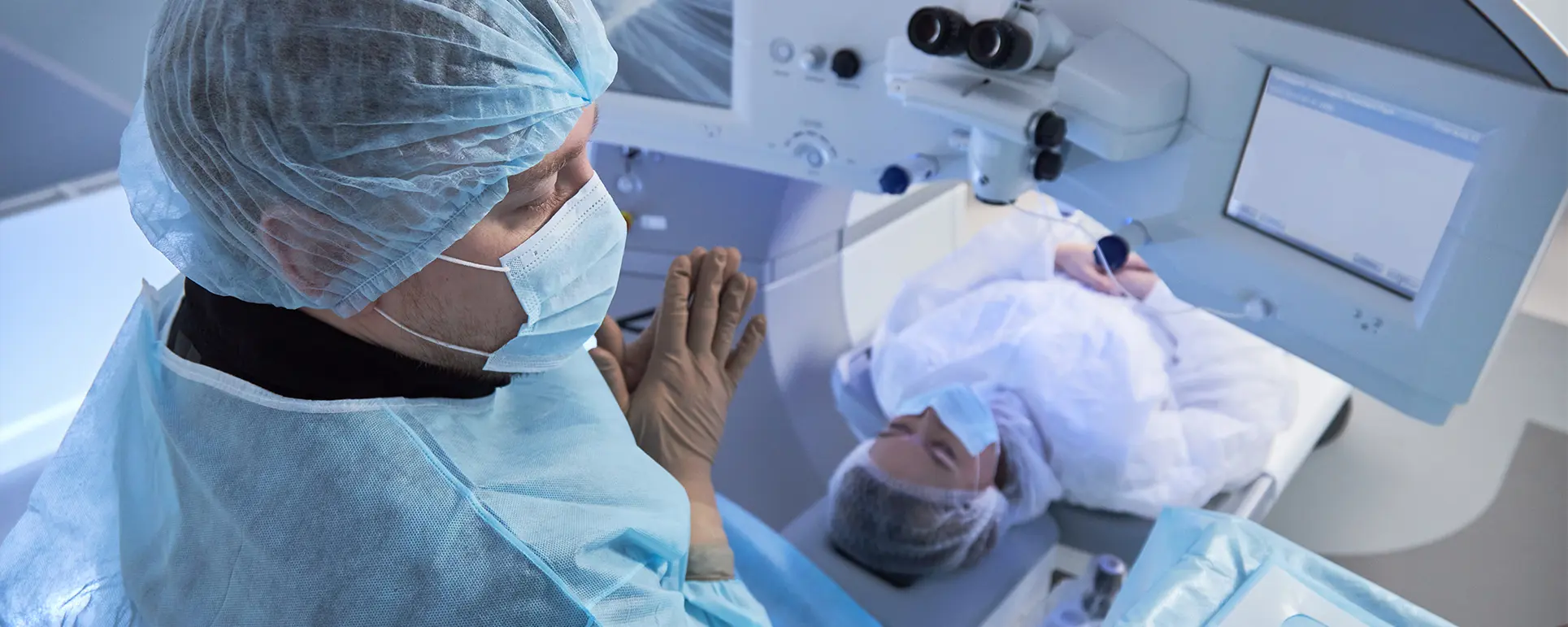
If you’re preparing for cataract surgery or considering lens replacement, it’s completely natural to wonder: will I actually feel this artificial lens once it’s in my eye? Many people experience a mix of curiosity, nervousness, and even slight anxiety before undergoing IOL (intraocular lens) surgery, and questions like this are extremely common.
The reassuring news is that for the vast majority of patients, you won’t feel your new lens at all. Modern intraocular lenses are designed to be highly biocompatible, flexible, and safe, meaning your eye tolerates them exceptionally well. While you might notice some mild sensations in the days following surgery such as light scratchiness, slight irritation, or temporary changes in vision these are usually related to the normal healing process rather than the lens itself.
In this detailed guide, I’ll walk you through exactly what an IOL is made of, why it typically goes completely unnoticed once implanted, and the types of mild, temporary sensations you may experience as your eye recovers. I’ll also explain when it’s important to contact your clinic, so you can feel confident and informed throughout your post-operative journey. By understanding what to expect, you’ll be able to approach your cataract surgery with greater reassurance and peace of mind, knowing that the lens works quietly inside your eye without causing discomfort.
What Is an IOL?

An IOL, or intraocular lens, is a small, artificial lens that is surgically implanted in your eye to replace your natural lens when it has become cloudy, usually due to a cataract, or in cases where lens replacement is needed for other vision problems. The natural lens of your eye plays a crucial role in focusing light onto the retina at the back of your eye, allowing you to see objects clearly at different distances.
During cataract or lens replacement surgery, the surgeon carefully removes the cloudy natural lens and replaces it with an IOL. Unlike contact lenses or glasses, which rest on the surface of the eye, the IOL is implanted inside the eye, precisely where your natural lens used to be.
Modern IOLs are made from advanced materials such as acrylic, silicone, or polymethylmethacrylate (PMMA). These materials are specifically designed to be biocompatible, meaning that the eye generally accepts them without causing inflammation, allergic reactions, or rejection. The lenses are smooth, durable, and long-lasting, often remaining in place for the rest of your life.
Understanding what an IOL is and how it works can help ease anxiety before surgery and provide a clearer idea of what to expect during recovery. Knowing that the lens is carefully designed to mimic the function of your natural lens and that it sits safely inside your eye can reassure patients that it will work quietly and effectively, without being felt in day-to-day life.
Materials Used in IOLs
When it comes to intraocular lenses (IOLs), the material they’re made from plays a crucial role in comfort, safety, and long-term vision outcomes. Choosing the right material can help ensure your new lens works seamlessly with your eye.
Most modern IOLs are made from one of three materials:
1. Acrylic: This is the most common material, either hydrophilic (water-attracting) or hydrophobic (water-repelling). Hydrophobic acrylic lenses have become particularly popular because they reduce the risk of post-surgery clouding, known as posterior capsule opacification.
2. Silicone: These lenses are flexible and can be folded for insertion through a small incision. They are biocompatible but can interact with certain eye conditions or treatments, which is why your surgeon will choose carefully.
3. PMMA (Polymethylmethacrylate): These were used in older lenses and are very rigid. They require a larger incision, so they are less common today.
All of these materials are designed to be smooth, flexible, and compatible with the eye’s natural tissues, so you won’t feel a foreign object inside your eye.
Why You Usually Don’t Feel an IOL
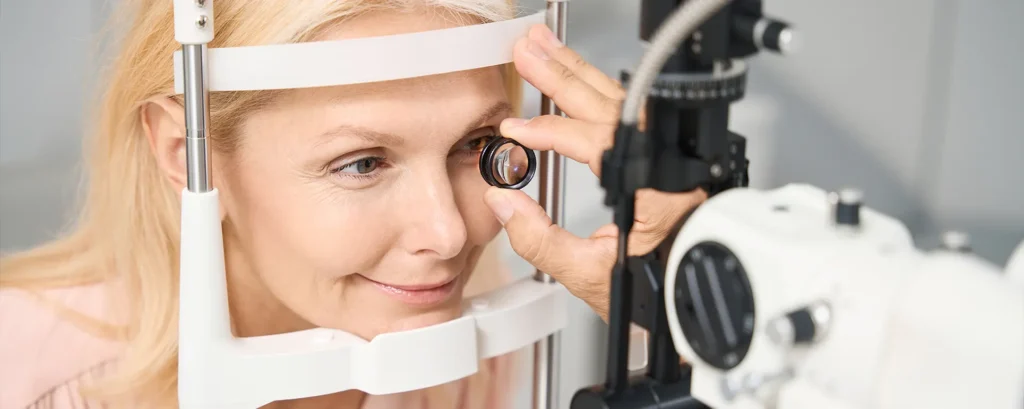
Here’s the reassuring part: most people don’t feel their new lens at all. Unlike a contact lens that rests on the surface of your eye, an IOL is implanted inside the eye, behind the iris (the coloured part), and in the position your natural lens used to occupy.
Your eye doesn’t have nerve endings in the lens itself, so you can’t feel the lens material. The implant simply sits there, focusing light just like your natural lens used to.
Think of it like replacing a car headlight bulb: it’s there doing its job, but you don’t feel it.
Mild Sensations You Might Notice
After IOL surgery, it’s normal to experience a few mild sensations as your eyes adjust to the new lens. Most of these effects are temporary and part of the natural healing process.
Even though you won’t feel the lens itself, you may notice some temporary sensations or visual effects in the days following surgery:
- Blurred or Fluctuating Vision: Immediately after surgery, your vision may be blurry as your eye heals and adjusts to the new lens. This usually settles within a few days to weeks.
- Light Sensitivity: Some patients notice sensitivity to bright lights or glare. Sunglasses can help, and this usually improves as your eye recovers.
- Foreign Body Sensation: Mild scratchiness or the feeling of something in your eye may occur. This is typically due to surface dryness or healing rather than the lens itself.
- Mild Irritation or Redness: It’s common to see some redness around the eye, which is part of the normal healing process.
- Shadows or Haloes: Some people notice halo effects around lights, especially with multifocal lenses. This usually improves over time.
These sensations are generally mild and temporary. They do not mean your lens is out of place.
When to Contact Your Clinic
Most sensations after IOL surgery are normal and part of the healing process. However, it’s important to know when to reach out to your clinic to ensure your eyes are recovering safely.
You should contact your clinic immediately if you experience severe or worsening eye pain, a sudden decrease in vision, or significant swelling or redness that isn’t improving. Other warning signs include flashes of light, new floaters, or any signs of infection such as discharge or a foul smell.
Although complications like lens dislocation, infection, or increased eye pressure are rare with modern surgical techniques, early assessment is essential. Prompt evaluation allows your surgeon to address any issues before they affect your long-term vision.
By acting quickly when these symptoms occur, you help protect your eyesight, support a smooth recovery, and ensure that your new IOL delivers the best possible visual outcome.
Different Types of IOLs and What You Might Notice
Intraocular lenses (IOLs) come in different types, and the kind you receive can influence what you notice during your recovery. Each type is designed to address specific vision needs, which may affect your experience in the days and weeks after surgery.
IOLs come in various types, and the kind you receive can slightly influence your post-surgery experience.
1. Monofocal Lenses: These lenses provide clear vision at one distance, usually far. Most patients don’t notice any difference other than sharper vision at the targeted distance.
2. Multifocal Lenses: These are designed to give distance and near vision, potentially reducing your dependence on glasses. Some people notice haloes, glare, or ghosting around lights at first. These usually improve as the brain adjusts to the new optics.
3. Toric Lenses: Toric lenses correct astigmatism. If you had significant astigmatism before surgery, you might notice improved clarity, especially at distance. Occasionally, mild rotation of the lens can occur, but this is rare.
4. Accommodating Lenses: These lenses move slightly within the eye to help focus at different distances. Some patients notice gradual improvement in near vision over a few weeks.
The Healing Process
Your eye goes through a fascinating and gradual healing process after IOL surgery, and understanding what to expect can help you feel more prepared and confident:
Immediate Post-Op (First 24–48 Hours): In the first day or two, it’s common to experience mild discomfort, scratchiness, or blurry vision. Your eye may feel slightly irritated, but this is a normal response to the surgery. It’s important to avoid rubbing your eye, as this could interfere with healing or displace the lens. Your surgeon may recommend using a protective shield while sleeping and taking short breaks from screens or bright lights.
First Week: During the first week, your vision may fluctuate as your eye adjusts to the new lens. Light sensitivity or glare is also normal, especially in brightly lit environments or when driving at night. You’ll need to follow a strict regimen of prescribed eye drops to reduce inflammation, prevent infection, and promote healing. Some patients notice mild watery eyes or occasional itching, which usually resolves on its own.
Weeks 2–4: By the second to fourth week, most swelling and redness should settle, and your vision should gradually improve. You should not feel the lens inside your eye, and everyday activities like reading, computer use, or watching TV should become more comfortable. Regular follow-up visits allow your surgeon to monitor your progress and ensure the lens remains correctly positioned.
Months 1–3: Over the next few months, your vision continues to stabilise. Minor visual disturbances, such as glare, halos, or slight fluctuations in focus, typically diminish as your brain adapts to the new lens. Some patients notice gradual improvements in near or intermediate vision, depending on the type of lens implanted.
Long-Term Adjustment: It’s important to remember that healing is not just physical—your brain is learning to work with the lens. Full adaptation can take several weeks, and patience is key. Maintaining good eye hygiene, protecting your eyes from excessive strain or bright sunlight, and attending all scheduled check-ups will support optimal recovery and long-term visual clarity.
Your eye’s healing journey after IOL surgery is remarkable, and most patients enjoy significantly improved vision and comfort once this adjustment period is complete.
Tips for a Comfortable Recovery
Recovering from IOL surgery is generally smooth, but taking a few simple precautions can make the process more comfortable and support optimal healing. These tips help protect your eyes, reduce irritation, and ensure your vision improves as expected.
1. Follow your eye drop schedule: Anti-inflammatory and antibiotic drops are usually prescribed to support healing.
2. Avoid rubbing your eyes: Even mild pressure can interfere with the healing process.
3. Protect your eyes: Sunglasses help with light sensitivity, and eye shields can prevent accidental trauma while sleeping.
4. Rest your eyes: Limit screen time initially if your eyes feel strained.
5. Attend follow-up appointments: Your surgeon will monitor lens position and overall healing to ensure the best outcome.
Can You Feel the Lens Long-Term?
Once your eye has fully healed after IOL surgery, most patients never feel the lens. The intraocular lens functions silently inside your eye, restoring clear vision without creating any sensation of its presence.
In some cases, patients with multifocal or toric lenses may notice slight visual phenomena, such as mild halos, glare, or subtle changes in how lights appear under certain conditions. These are normal adaptations as your brain adjusts to the new optical system, rather than any discomfort from the lens itself.
It’s important to remember that these experiences are usually temporary and tend to improve over time as your visual system adapts. Most patients report being completely unaware of the lens in daily life once healing is complete.
Overall, modern IOLs are designed to provide long-term comfort and seamless vision, allowing you to focus on everyday activities without noticing the implant inside your eye.
Why Professional Guidance Matters
Even though most patients rarely feel their intraocular lens (IOL) after surgery, everyone’s experience can vary slightly. Understanding what’s normal and when to seek help is essential for a smooth recovery and the best visual results.
Professional guidance ensures that any concerns are addressed promptly. Consulting your ophthalmologist or clinic allows for early detection of potential issues, prevents complications, and provides reassurance throughout your healing journey.
Even though feeling the lens is rare, your comfort and safety are paramount. If you have concerns:
- Discuss them with your ophthalmologist or clinic.
- Avoid self-diagnosing any unusual sensations.
- Early intervention can prevent complications and ensure optimal vision outcomes.
For professional support and detailed guidance on lens selection, recovery, and follow-up, explore IOL replacement surgery in London at trusted centres.
Common Myths About Feeling Your IOL
There are several myths about what it feels like to have an intraocular lens (IOL), which can cause unnecessary worry before or after surgery. Understanding the facts can help set realistic expectations and ease concerns.
Modern IOLs are designed for safety, comfort, and long-term visual clarity. While some temporary visual effects are normal, the lens itself is securely in place and should not cause discomfort.
“I will feel the lens moving around.”
No. Once placed, the lens remains securely in position.
“I will always notice glare or shadows.”
Some initial visual effects are normal, but they usually fade as your brain adapts.
“Only certain lenses are comfortable.”
All modern IOLs are designed for comfort and biocompatibility; the difference lies mainly in vision range and specific visual phenomena.
Long-Term Vision After IOL Surgery
Many patients experience a dramatic improvement in quality of life following IOL surgery. Distance and near vision often become much clearer, making everyday activities easier and more enjoyable.
A major benefit is reduced dependence on glasses or contact lenses. Many people find they only need spectacles for very specific tasks, while others achieve almost complete glasses independence, depending on the lens type chosen.
Improved colour perception and sharper contrast are additional advantages, helping you see the world more vividly and comfortably. These changes enhance not only vision but also confidence and independence in daily life.
The IOL works quietly in the background, restoring and maintaining vision without ever being felt. With proper care and regular check-ups, most patients enjoy these long-term benefits for many years.
FAQs:
1. Will I feel my new lens after IOL surgery?
Most patients do not feel their intraocular lens at all. The lens is implanted behind the iris, where your natural lens used to be, and has no nerve endings. Mild sensations like scratchiness or dryness are usually due to healing, not the lens itself. Over time, these sensations resolve completely. Modern IOLs are designed to be imperceptible inside the eye.
2. What materials are IOLs made of?
IOLs are commonly made from acrylic (hydrophilic or hydrophobic), silicone, or PMMA. Hydrophobic acrylic is popular for reducing post-surgery clouding. Silicone lenses are flexible and foldable for small incisions. PMMA is rigid and less common today. All materials are biocompatible and smooth to avoid discomfort.
3. Can I experience temporary visual effects after surgery?
Yes, mild visual phenomena like halos, glare, or shadows may occur, especially with multifocal or toric lenses. These usually improve as the brain adjusts to the new optics. Blurred or fluctuating vision is normal during the first days or weeks. Light sensitivity or mild redness is also common. These effects are generally temporary and resolve with healing.
4. How long does it take for my eye to fully heal?
Immediate post-op healing lasts 24–48 hours with mild discomfort or scratchiness. The first week may involve fluctuating vision and light sensitivity. Weeks 2–4 see most swelling settle and vision improve. By months 1–3, vision stabilises, and the lens is rarely felt. Full adjustment may take several weeks for optimal visual comfort.
5. Are there any risks of feeling the lens long-term?
Long-term awareness of the IOL is very rare. The lens remains securely in place inside the eye. Slight visual effects may persist temporarily but usually fade over time. Persistent pain, sudden vision changes, or flashes of light should prompt an immediate clinic visit. Proper follow-up ensures safety and comfort.
6. What are monofocal, multifocal, and toric IOLs?
Monofocal lenses provide clear vision at one distance, usually far. Multifocal lenses improve near and distance vision but may cause initial halos or glare. Toric lenses correct astigmatism and improve distance clarity. Accommodating lenses adjust slightly for different distances. Your choice influences post-surgery visual experiences.
7. When should I contact my clinic after IOL surgery?
Contact your clinic if you notice severe pain, sudden loss of vision, flashes, floaters, or significant swelling/redness. Signs of infection such as discharge also require immediate attention. Most mild sensations are normal, but early intervention prevents complications. Routine follow-ups ensure the lens is properly positioned.
8. How can I make my recovery more comfortable?
Follow prescribed eye drops to reduce inflammation and prevent infection. Avoid rubbing your eyes, especially during sleep. Use sunglasses to manage light sensitivity. Rest your eyes and limit screen time initially. Attend all follow-up appointments to monitor healing.
9. Will I need glasses after IOL surgery?
It depends on the type of lens implanted. Monofocal lenses often require glasses for near vision. Multifocal or accommodating lenses may reduce or eliminate dependence on glasses. Toric lenses correct astigmatism, improving clarity. Your ophthalmologist can advise based on your vision needs and lens choice.
10. Are all IOLs equally comfortable?
Yes, modern IOLs are designed for comfort and biocompatibility. Differences mainly lie in vision range and minor visual phenomena. Early visual effects like halos are normal and typically fade. The lens itself is not felt inside the eye. Professional guidance ensures the right lens type for your lifestyle.
Final Thoughts: Achieve Clear Vision and Comfortable Recovery
If you’re worried about feeling your new lens after IOL surgery, rest assured that most patients never feel their IOL. Modern lenses are biocompatible, flexible, and designed to sit naturally in your eye, restoring clear vision without discomfort. Mild sensations like blurred vision, light sensitivity, or scratchiness are normal in the first few days but improve as your eye heals. Knowing what to expect and following your surgeon’s instructions ensures a smooth recovery.
For anyone considering professional guidance, exploring options like IOL replacement surgery in London can provide expert advice, personalised lens selection, and post-operative support to maximise comfort and visual outcomes. If you’re looking for IOL replacement surgery in London, our specialist team at the London Cataract Centre is here to help.
Reference:
1. Shoshi, F. et al. (2024) ‘Refractive Outcomes After Cataract Surgery. The Impact of IOL Model on Postoperative Visual Acuity’, Journal of Clinthel Medicine, 13(23): 7013. https://www.mdpi.com/2077-0383/13/23/7013
2. Zeng, K. et al. (2021) ‘Measures to improve the comfort of cataract surgery patients: a systematic review and meta-analysis’, Annals of Palliative Medicine, 10(11): 11849–11858. https://pubmed.ncbi.nlm.nih.gov/34872309/
3. Hovanesian, J.A. et al. (2018) ‘Patient-reported outcomes of multifocal and accommodating intraocular lenses more than five years after cataract surgery’, Clinical Ophthalmology, 12: 2433–2442. https://pmc.ncbi.nlm.nih.gov/articles/PMC6239103/
4. Wang, J. et al. (2024) ‘Efficacy and comfort following the implantation of extended depth-of-focus intraocular lenses’, BMC Ophthalmology, 24: 85 https://pmc.ncbi.nlm.nih.gov/articles/PMC11438220/ 5. Linaburg, T.J. et al. (2024) ‘Evaluation and Management of Post-Operative Intraocular Lens (IOL) Decentration or Dislocation’, [Journal]. https://pmc.ncbi.nlm.nih.gov/articles/PMC11378954/