


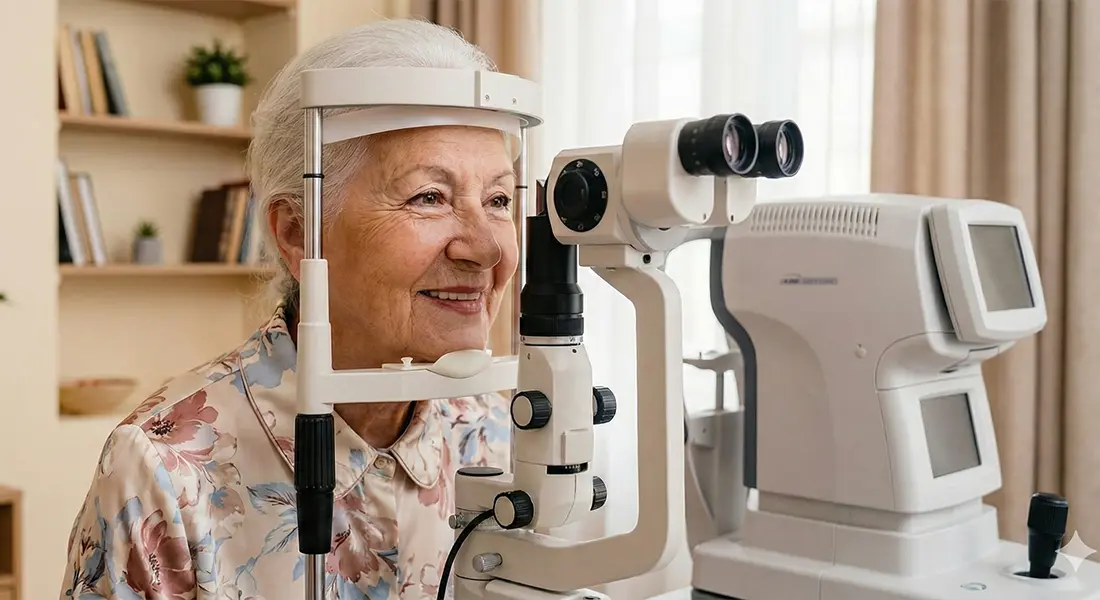
Deciding to have cataract surgery is one of the most important choices you’ll make for your vision, and it’s natural to want complete clarity before moving ahead. Many people sense that something “doesn’t feel right” maybe they’re unsure about the recommended lens, confused by conflicting advice, or simply feel pressured to decide quickly.
You’re not alone. Seeking a second opinion before cataract surgery is far more common than you might think. It’s not a sign of mistrust, nor does it mean your current surgeon has done anything wrong. Instead, it’s a responsible way to understand your options fully, especially with the wide variety of modern lenses and technologies available today.
In this guide, I’ll walk you through the most common reasons people seek a second opinion, when it’s particularly important, what you can expect during the process, and why it often leads to greater confidence and peace of mind.
Why Second Opinions Are Common Before Cataract Surgery
Cataract surgery today goes beyond simply removing a cloudy lens it’s also about choosing the type of vision you want for years to come. With advanced lens options that provide distance, reading, or full-range clarity, making the right choice can feel overwhelming, and many patients seek a second opinion to feel confident in their decision.
Patients often ask for additional guidance because multiple lens options make the choice feel high-stakes, advice from different sources can be confusing, and the pressure to decide quickly can feel uncomfortable. Everyone’s visual goals are unique, so it’s understandable to want reassurance that the recommended plan truly matches your preferences and lifestyle.
Situations Where a Second Opinion Is Especially Helpful
Although anyone can seek additional reassurance, there are certain situations where a second opinion can be particularly valuable.
1. You Feel Uncertain About the Lens Choice
Choosing the right lens whether monofocal, multifocal, trifocal, extended-depth-of-focus (EDOF), toric, or blended-vision can feel overwhelming, especially if you don’t fully understand how each option affects near, intermediate, and distance vision or fits with your lifestyle. Signs that a second opinion may be helpful include feeling unsure why a particular lens was recommended, lacking confidence about potential side effects like halos or glare, or being unclear on what your daily vision will actually be like. Seeking another perspective can help ensure you fully understand the trade-offs and benefits of each option before making a decision.
2. You Received Conflicting Information
Sometimes patients receive conflicting advice from different clinics for example, one surgeon may recommend a premium lens while another suggests a monofocal option. This doesn’t mean either recommendation is wrong; it often reflects that multiple solutions could work for your eyes. Differences can arise because surgeons have varying experience with certain lenses, clinics may use different measurement technologies, or your visual goals may have been interpreted differently. Getting a third opinion can help bring clarity and confidence to your decision.
3. You Have Complex Eye Conditions
A second opinion is especially useful if you have complex eye conditions that make lens selection more challenging. This includes situations such as mild to moderate macular changes, dry eye that affects measurements, previous LASIK, LASEK, or PRK, corneal irregularities or scarring, glaucoma or optic nerve concerns, and early signs of retinal disease. In these cases, achieving the best visual outcome depends not just on removing the cataract but also on understanding how each condition may interact with the lens choice.
4. You Feel Rushed Into Making a Decision
If you feel rushed into deciding on cataract surgery, a second opinion can give you the time and perspective to make a calm, informed choice. Cataracts usually progress slowly, so there’s rarely a need to feel pressured by clinic scheduling, sales language, or personal anxiety. Signs of feeling rushed include being encouraged to book surgery at the first consultation, not having enough time to ask questions, feeling overwhelmed instead of supported, or being presented with only one lens option rather than a full range. Taking the time to consider your options carefully always leads to a healthier, more confident decision.
5. You’re Unsure Whether You Even Need Surgery Yet
If you’re unsure whether you need cataract surgery yet, a second opinion can help confirm whether the timing is appropriate. Some cataracts progress slowly and may not urgently require removal. Signs that a second opinion could be useful include feeling that your vision isn’t significantly impaired, being surprised by the recommendation, not struggling with daily activities, or wanting to delay surgery but feeling pressured. Consulting another specialist can provide reassurance that waiting is safe and appropriate.
6. You Don’t Feel Fully Understood
If you feel your surgeon hasn’t fully considered your lifestyle such as hobbies, night driving, reading habits, or work requirements a second opinion can ensure your visual goals are properly prioritised. Signs include being recommended a lens that doesn’t suit your job, not being asked about your daily reading or screen habits, or feeling that the discussion focused more on medical factors than your personal needs. Your vision correction should align with how you live your life, not just the clinical procedure.
What a Second Opinion Actually Involves
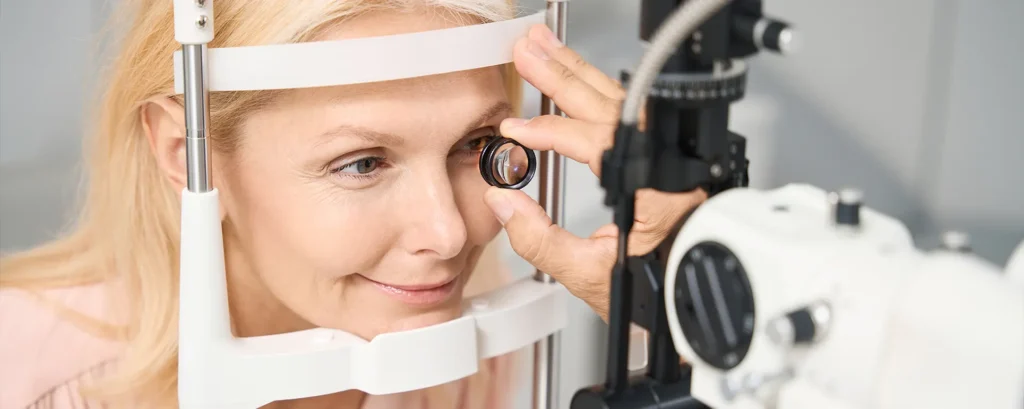
A second opinion for cataract surgery is generally straightforward and doesn’t require restarting the entire process. Its main purpose is to address your concerns, clarify options, and ensure you feel confident about your decisions. Typically, the process begins with a careful review of your existing eye measurements and imaging, combined with a detailed discussion about your lifestyle, daily visual needs, and personal priorities. Additional tests may be conducted if your eye health or vision goals warrant further assessment.
During the consultation, your surgeon will provide clear explanations of the lens options available, including monofocal, multifocal, trifocal, EDOF, or toric lenses, and discuss how each choice might affect your vision in daily life. You’ll also receive an evaluation of whether the timing of surgery is appropriate and have ample opportunity to ask questions freely. Most patients leave the appointment feeling reassured, well-informed, and confident in their decision whether the second opinion confirms the original plan or suggests a different approach better suited to their needs.
The Most Common Reasons People Seek a Cataract Second Opinion
Many patients seek a second opinion when facing cataract surgery, often for similar reasons. Understanding these motivations can help you feel more confident in your decision and ensure your visual goals are fully addressed.
Concern 1: “I don’t understand the lens options.”
Cataract lens terminology can be confusing, and appointments may not always leave enough time to process all the information. A second opinion can clarify choices and help you make an informed decision.
Concern 2: “One clinic recommended something very different.”
Different clinics may favour premium lenses or more traditional approaches. Getting another perspective helps you weigh options objectively and choose what best suits your lifestyle.
Concern 3: “I feel uneasy about rushing into surgery.”
Even when the recommendation is correct, it’s normal to want time to consider your choices. A second opinion provides reassurance and allows you to move forward confidently.
Concern 4: “I want a more personalised explanation.”
Some patients simply want a detailed, patient-friendly discussion tailored to their individual needs, rather than a standard consultation. A second opinion can offer clarity and peace of mind.
Why Lens Choice Is the Biggest Reason for Second Opinions

Cataract surgery is extremely safe today, and the main factor that differs between surgeons is the choice of intraocular lens (IOL). Since the lens you select determines how you’ll see for years or even decades uncertainty about which option best often prompts patients to seek a second opinion.
Common questions include whether you’ll still need reading glasses, how bright lights will appear at night, what happens if the wrong lens is chosen, whether side effects will be permanent, or if monovision is a better option. A second opinion gives you the time and expertise to explore these questions thoroughly, helping you make a confident, well-informed decision.
When a Second Opinion Can Prevent Future Dissatisfaction
A second opinion isn’t just about verifying whether cataract surgery is necessary it can play a crucial role in preventing frustration and dissatisfaction after the procedure. Choosing the right intraocular lens (IOL) the first time is key, because it affects how you’ll see for years to come. Consulting another specialist can provide additional perspective, clarify options, and ensure your expectations are realistic and aligned with your lifestyle.
Common reasons patients experience post-surgery regret include selecting a lens that doesn’t match their daily visual needs, dealing with persistent halos or glare that weren’t anticipated, needing reading or distance glasses more frequently than expected, or feeling that their personal priorities weren’t fully considered during the initial consultation. By seeking a second opinion, you gain the opportunity to explore all lens options in depth, understand potential trade-offs, and make a confident, informed choice greatly reducing the chances of dissatisfaction later on.
What If Both Opinions Differ?
Receiving two different recommendations can feel confusing at first, but it actually provides valuable insight into your options. Differences often highlight that multiple approaches could be valid, and help you make a choice that aligns with your personal needs and lifestyle.
What Differences May Indicate:
- You have several valid lens options, each with its own advantages.
- Surgeons may prioritise different aspects of vision, such as distance clarity versus reading comfort.
- One clinic might use more advanced measurements or imaging techniques.
- Certain approaches may better match your visual goals, habits, or preferences.
The purpose of a second opinion isn’t to choose one surgeon over another, but to understand which treatment plan best fits your needs, giving you confidence in your decision.
Signs You Should Seek a Second Opinion Immediately
While many people seek a second opinion for reassurance, certain situations make it especially important to get another perspective. For example, if you were advised to have surgery urgently without a clear explanation, if your concerns were dismissed or rushed, or if you didn’t receive detailed lens recommendations, it’s wise to consult another specialist.
Other reasons include not having your eye measurements properly explained, having additional eye conditions such as dry eye, an epiretinal membrane, or previous laser surgery, or feeling uncomfortable or pressured during the consultation. Trusting your instincts is crucial if something feels unclear or doesn’t sit right, seeking a second opinion can provide clarity and peace of mind.
How a Second Opinion Helps With Complex Eye Situations
Some eyes require more detailed planning than others, and surgeons’ experience with specific complexities can differ significantly. Seeking a second opinion provides an extra layer of reassurance, helping you understand all the nuances that could affect your lens choice, surgical approach, and visual outcomes. It allows you to compare perspectives, clarify options, and feel confident that no detail has been overlooked.
Examples of Complex Cases:
- Previous LASIK or LASEK – These procedures change the corneal shape, making standard measurements less predictable. A second opinion ensures the lens calculations are adjusted accurately for your unique anatomy.
- Irregular astigmatism – Uneven corneal surfaces can interfere with lens performance. Different surgeons may recommend alternative correction methods to optimise clarity.
- Early macular issues – Subtle retinal changes can influence what visual outcomes are realistic. Getting another expert view helps set accurate expectations.
- Mild glaucoma – Even early glaucoma can affect pressure management and healing considerations. A second opinion helps ensure the surgery plan is safe and effective.
- Corneal surface disease – Conditions such as dry eye or epithelial irregularities can impact both comfort and final vision. Additional input can guide pre- or post-operative care.
While these conditions don’t automatically prevent excellent results, they do require careful, nuanced decision-making. A second opinion can highlight different strategies, confirm measurements, and provide reassurance that your surgical plan is tailored precisely to your eyes and lifestyle. This extra insight often makes the difference between good and outstanding outcomes, especially in more complex cases.
Why a Second Opinion Helps Reduce Anxiety
Many people seek a second opinion to feel emotionally reassured and more comfortable with their decision. Even though cataract surgery is generally safe and highly successful, the idea of any eye procedure can naturally cause anxiety.
A second opinion helps by confirming that you’re making the right choice, giving you space to ask all your questions, clarifying realistic expectations, explaining the timing and urgency, and allowing you to select the lens that best suits your lifestyle. Being well-informed often provides the greatest comfort and peace of mind.
FAQs:
1. Can I get a second opinion even if my first surgeon seems highly experienced?
Absolutely. Seeking a second opinion is not a reflection on your surgeon’s expertise. Even highly skilled specialists may approach lens selection, measurement techniques, or surgical planning differently. A second opinion provides additional insight, helping you compare options, understand alternative approaches, and feel confident that your choice aligns with your visual needs and lifestyle. It’s about ensuring the best outcome for you, not questioning the professional competency of your first surgeon.
2. How do I know if I should seek a second opinion for lens choice?
You should consider a second opinion if you feel uncertain about which lens is right for you. Cataract surgery offers multiple lens options, such as monofocal, multifocal, trifocal, EDOF, or toric lenses, each affecting near, intermediate, and distance vision differently. If you do not fully understand why a specific lens is recommended or if potential side effects like halos or glare have not been thoroughly discussed, a second opinion can provide clarity and help you make a more informed decision.
3. Will a second opinion delay my surgery?
In most cases, seeking a second opinion does not significantly delay cataract surgery. The second consultation often builds on your existing medical records, previous eye measurements, and imaging, which means the process can be efficient. Additional tests may be required depending on your eye health or if the first assessment was incomplete. Taking a little extra time to ensure your decision is fully informed is usually worth it and rarely impacts overall timing for surgery.
4. What happens if the second opinion differs from the first?
Differences between opinions are common and do not indicate that either surgeon is wrong. They often reflect multiple valid approaches that could work for your eyes. Some surgeons may prioritise distance vision while others focus on reducing dependency on reading glasses, and measurement techniques or lens preferences can vary. Receiving differing recommendations allows you to weigh the benefits, consider your daily visual needs, and make a choice that best suits your lifestyle and personal priorities.
5. Are second opinions more important for complex eye conditions?
Yes, a second opinion can be particularly valuable if you have complex eye conditions such as prior LASIK, LASEK, corneal irregularities, dry eye, early macular changes, or mild glaucoma. These conditions can influence lens choice, surgical approach, and expected outcomes. Additional perspectives help ensure that all nuances are addressed, lens calculations are adjusted appropriately, and your final plan is optimised for both clarity and comfort.
6. How does a second opinion help reduce anxiety before surgery?
Even though cataract surgery is generally safe, it is natural to feel anxious about any eye procedure. A second opinion offers reassurance by confirming that the recommended surgery is appropriate, explaining lens options in detail, clarifying realistic expectations, and giving you time to ask all your questions. Understanding your choices fully helps reduce uncertainty and builds confidence, which can make the overall experience less stressful.
7. Can a second opinion help if I am unsure whether I need surgery yet?
Certainly. Cataracts often progress slowly, and it is sometimes unclear when surgery is actually necessary. A second opinion can evaluate the severity of your condition, confirm whether immediate intervention is required, or advise on safe timing if the cataract is not yet significantly affecting your vision. This helps you avoid unnecessary procedures while ensuring that action is taken at the optimal moment.
8. Will seeking a second opinion affect my relationship with my first surgeon?
Seeking a second opinion is generally understood as a responsible approach to personal healthcare and should not harm your relationship with your initial surgeon. Most specialists appreciate that patients want to be fully informed. The goal is to make the best possible decision for your vision. Clear communication about your intentions and sharing any additional findings usually strengthens your confidence and supports a more collaborative approach to care.
9. How detailed is a second opinion consultation?
A second opinion typically involves reviewing your existing eye measurements, imaging, and medical history, combined with a discussion of your lifestyle and visual goals. The consultation may include additional tests if necessary, and the surgeon will explain the potential benefits and drawbacks of different lens types. This ensures that you understand how each option may affect your vision in daily life and allows you to make an informed, confident choice.
10. Can a second opinion prevent dissatisfaction after cataract surgery?
Yes, one of the key benefits of a second opinion is reducing the risk of post-surgery dissatisfaction. Choosing the correct intraocular lens from the start is crucial because it determines your long-term visual experience. A second perspective helps clarify options, sets realistic expectations, and ensures your lifestyle needs are prioritised. Patients who seek a second opinion often report higher satisfaction because they feel informed, confident, and assured that their vision goals have been thoroughly considered.
Final Thought: Seeking a Cataract Surgery Second Opinion
Seeking a cataract surgery second opinion is a proactive way to ensure you fully understand your options, make an informed choice, and feel confident about your visual future. Whether you’re uncertain about lens selection, have complex eye conditions, or simply want reassurance before moving forward, a second opinion can provide clarity, peace of mind, and personalised guidance tailored to your lifestyle. If you’re considering a cataract surgery second opinion, you can reach out to us at the London Cataract Centre for expert advice and support.
References:
1. Owsley, C. & McGwin, G. Jr. (2009) ‘Expectations and outcomes in cataract surgery: a prospective test of 2 models of satisfaction’, Journal of Cataract & Refractive Surgery, 35(7), pp. 1220–1227. https://pubmed.ncbi.nlm.nih.gov/15596581/
2. Lundberg, S., Kugelberg, M., Behndig, A., & Montan, P. (2004) ‘Comparison of the results of first and second cataract eye surgery: outcomes in visual acuity and quality of life’, European Journal of Ophthalmology, 14(6), pp. 478–484. https://pubmed.ncbi.nlm.nih.gov/10201586/
3. West, C., Rubin, G. S., Broman, A. T. et al. (2013) ‘Impact of first-eye cataract surgery on injurious falls among older adults: a population‑based cohort study’, Age and Ageing, 43(3), pp. 341–347. https://academic.oup.com/ageing/article-abstract/43/3/341/16953
4. Fernández‑Pérez, C., Wu, X., & Stodulka, P. (2025) “Comparison of Traditional and AI‑Based Methods: Barrett Universal II vs. Ladas Super Formula in IOL Power Calculation”, Journal of Clinical Medicine, 14(6), 2023. https://www.mdpi.com/journal/jcm/special_issues/542RJ544A5 5. Smith, R., et al. (2023) “Patients’ short‑term satisfaction with cataract surgery and long-term sustainability of improved visual‑related quality of life over 3 postoperative years”. https://www.sciencedirect.com/science/article/pii/S2162098923009933