



Have you ever noticed yourself holding a menu, a book, or even your phone a little further away to see clearly? Or perhaps you’ve started experiencing eye strain when reading in dim light. These subtle changes are often the first signs of presbyopia, sometimes called “age-related long-sightedness.” Recognising them early can help you take steps to maintain comfortable vision.
Presbyopia is a natural part of ageing, affecting nearly everyone eventually. However, the age it begins can vary some people notice it in their early 40s, while others may experience symptoms a bit later. How quickly it progresses also differs, depending on factors like eye health, lifestyle, and overall visual habits.
Understanding why presbyopia occurs is key to managing it effectively. The lens inside your eye gradually loses flexibility over time, reducing its ability to focus on close objects. This is why simple tasks like reading a book, checking your phone, or threading a needle can suddenly feel more difficult than before.
In this article, we’ll explore when presbyopia typically starts, why it develops, and how it progresses. We’ll also discuss the range of treatments available from reading glasses and multifocal lenses to surgical options and lifestyle measures that can support your vision, including presbyopia treatment in London tailored to your needs.
Understanding Presbyopia
Presbyopia is the gradual loss of the eye’s ability to focus on close objects, naturally occurring with age. Unlike myopia or hyperopia, which are influenced by genetics or eye shape, presbyopia develops because the lens inside the eye gradually loses flexibility. This makes it harder for the eye to adjust focus for near tasks, even though distance vision often remains clear.
In youth, the lens is soft and flexible, allowing easy focus on objects near and far. Over time, the lens becomes thicker and less elastic, and the ciliary muscles that control its shape weaken. This reduces the eye’s ability to focus on close objects efficiently, making everyday tasks like reading, using a phone, or threading a needle more challenging.
Early signs can be subtle. Small print, phone screens, or menus may appear blurry, and extended near work can cause eye strain or headaches. Recognising these changes early allows you to explore corrective options such as reading glasses, multifocal lenses, or contact lenses, and to adopt habits like proper lighting and regular eye exams to maintain comfortable near vision.
When Does Presbyopia Typically Start?

Presbyopia usually begins in the early to mid-40s, though subtle changes may appear in the late 30s. Its progression is gradual, affecting near vision over time rather than appearing suddenly. Understanding the typical timeline can help individuals recognise early signs and plan appropriate corrective measures before daily activities are significantly impacted.
- Late 30s: Occasional difficulty reading small text may occur, especially in low-light conditions. Many notice that smartphones, books, or menus require more effort to focus clearly.
- Early 40s: Difficulty with near vision becomes more consistent. People often find themselves holding reading materials further away to see clearly, signalling early presbyopia.
- Mid-40s to 50s: Near vision is noticeably affected, and reading glasses or other corrective solutions are usually needed. Daily tasks like reading, using smartphones, or applying makeup can become challenging without assistance.
- 60s and Beyond: While presbyopia stabilises somewhat, near vision continues to decline gradually. Long-term management may involve stronger reading lenses or other interventions to maintain visual comfort.
In conclusion, presbyopia develops progressively, typically starting in the late 30s to early 40s. While the timeline varies by genetics, eye health, and lifestyle, recognising early signs allows for timely corrective measures. Understanding this progression helps patients plan for gradual adjustments rather than sudden interventions.
Why Does Presbyopia Develop?
Presbyopia develops mainly due to the natural ageing of the lens inside the eye. When we are young, the lens is soft and flexible, allowing the eye to focus easily on objects at any distance. This flexibility is essential for clear near vision.
As we age, the lens gradually stiffens, making it less able to change shape for close-up focus. At the same time, the ciliary muscles that control lens movement weaken, further reducing the eye’s ability to adjust. The lens also thickens slightly, which can alter the way light focuses on the retina.
These changes are a normal part of ageing and occur in nearly everyone. Because of this, presbyopia is universal, typically becoming noticeable in the early to mid-40s, and understanding its cause helps explain why corrective measures like reading glasses, multifocal lenses, or surgical options are often needed.
How Presbyopia Progresses
Presbyopia develops gradually over time and rarely occurs suddenly. In the early stage, you might notice minor difficulty reading small print, particularly in dim light, while most everyday activities remain unaffected. These small changes often go unrecognised at first, but they are the first signs that the eye’s focusing ability is beginning to decline.
As presbyopia progresses to the mild stage, you may find yourself holding books, menus, or phone screens farther away to see clearly. Near tasks require more effort, and subtle eye strain or occasional headaches can develop after extended periods of close work. Many people also start noticing that reading in low-light conditions feels more tiring than it used to.
In the moderate stage, corrective tools like reading glasses or multifocal lenses are often required to maintain clear vision and comfort. By the advanced stage, near vision becomes consistently blurry without correction, making such aids essential for everyday activities. Understanding this progression helps you anticipate changes, adopt supportive habits, and explore corrective options early, ensuring your vision remains functional and comfortable over time.
Common Symptoms of Presbyopia
Presbyopia develops gradually, and its early signs can be subtle and easy to overlook. Many people initially attribute these changes to fatigue, stress, or poor lighting, rather than recognising them as a natural shift in near vision. Paying attention to these symptoms early allows for timely corrective measures, which can prevent unnecessary strain and maintain comfort during daily activities.
- Holding Objects at Arm’s Length: One of the earliest signs is holding phones, books, menus, or other near objects farther away to see them clearly. This compensatory habit occurs because the lens can no longer focus effectively up close, and people may not immediately realise their vision is changing.
- Blurry Near Vision Despite Clear Distance Vision: While distance vision remains sharp, small print, smartphone screens, or detailed work can appear blurred. This contrast can be confusing at first, as near tasks require more effort while distance vision seems unaffected, making the changes easy to miss initially.
- Eye Strain or Headaches: Prolonged reading or close work can cause eye fatigue, discomfort, or headaches. The ciliary muscles in the eye work harder to try to focus, leading to strain that often increases by the end of the day.
- Needing Brighter Lighting: Tasks that once seemed effortless may now require additional light. Subtle reduction in lens flexibility means that the eyes need more illumination to see small details clearly, particularly in dim environments.
- Difficulty with Fine or Detailed Tasks: Applying makeup, threading a needle, or reading small print can become increasingly challenging. People may notice that these tasks take longer or require repeated attempts to focus properly.
In conclusion, the early symptoms of presbyopia often appear gradually and may be mistaken for general fatigue or poor lighting. Holding objects at arm’s length, blurry near vision, eye strain, needing brighter light, and difficulty with detailed tasks are key indicators. Recognising these signs early allows individuals to seek corrective options such as reading glasses, multifocal lenses, or other treatments, maintaining comfort and visual clarity in everyday life.
Risk Factors Influencing Onset
While ageing is the primary cause of presbyopia, several factors can influence when it begins and how pronounced it becomes. Genetics play a role, as a family history of early presbyopia may mean you experience symptoms sooner than others. Overall eye health is also important, with conditions like diabetes or cataracts potentially accelerating changes in the lens.
Lifestyle habits can further affect the onset and progression of presbyopia. Excessive screen use, prolonged near work, or reading in poor lighting can increase eye strain and make early symptoms more noticeable. Long-term exposure to ultraviolet (UV) light may also contribute to lens stiffening over time.
Being aware of these risk factors allows you to take proactive steps to protect your vision. Simple measures such as limiting prolonged near work, using proper lighting, wearing UV-protective eyewear, and maintaining overall eye health can help slow the impact of presbyopia and preserve comfortable near vision for longer.
Presbyopia vs Other Vision Conditions
Presbyopia is often confused with other vision conditions, but it is important to understand the differences. Unlike myopia, which makes it difficult to see distant objects clearly, presbyopia primarily affects near vision and gradually develops with age. Hyperopia, or long-sightedness, also causes difficulty focusing on close objects but is usually present from childhood, whereas presbyopia emerges later in life even in people who previously had perfect vision.
Astigmatism is another common refractive error, caused by an irregularly shaped cornea, which can lead to blurred or distorted vision at all distances. Unlike presbyopia, astigmatism is structural rather than age-related, and it can affect both near and far vision depending on the severity. Each of these conditions requires a different approach to correction, highlighting the importance of accurate diagnosis.
The key distinction with presbyopia is its universal, age-related nature. Nearly everyone experiences it at some point, and recognising the difference from other refractive errors is essential for choosing the right corrective solution. Whether it’s reading glasses, multifocal lenses, contact lenses, or surgical options, understanding your specific condition ensures effective management and comfortable vision over time.
How Presbyopia Affects Daily Life

Even mild presbyopia can affect everyday activities in subtle but noticeable ways. Reading recipes, menus, or labels may become more challenging, and tasks that once felt effortless now require extra effort. Using phones, tablets, or other small devices can cause eye strain, especially after prolonged periods.
Hobbies or work that require fine detail, such as crafting, sewing, or model building, can also become more difficult as near vision declines. Even simple activities like reading in dim light or at night can feel tiring and frustrating.
Recognising how presbyopia impacts your daily life is an important step toward proactive management. Early awareness allows you to explore corrective solutions, adjust lighting, and adopt visual habits that reduce strain, helping you maintain comfort and productivity in everyday tasks.
Corrective Options for Presbyopia
There are multiple ways to manage presbyopia, and the best choice depends on your lifestyle, visual priorities, and personal preferences. Some people prefer simple, non-surgical options, while others may be looking for more permanent solutions. Understanding the variety of approaches allows you to make an informed decision that balances convenience, effectiveness, and long-term planning.
- Non-Surgical Options: Reading glasses are simple, effective, and inexpensive, making them ideal for occasional near tasks. Progressive or multifocal lenses allow correction of both near and distance vision in a single pair, providing seamless visual clarity across different distances. Contact lenses, including monovision or multifocal designs, can also reduce reliance on glasses and provide more freedom for work or lifestyle activities.
- Surgical Options: For those seeking longer-term solutions, several surgical interventions are available. Laser vision correction can reshape the cornea to improve near vision and reduce dependence on reading glasses. Lens replacement surgery with modern intraocular lenses restores both near and distance vision, and can also address early cataracts. Corneal inlays are small implants that improve near vision in one eye while maintaining distance vision in the other, offering a minimally invasive alternative to full lens replacement.
- Personalised Guidance Matters: Because every eye and lifestyle is unique, a professional consultation is essential. For example, patients exploring presbyopia treatment in London can receive tailored advice on the options that best suit their vision needs and long-term goals. A personalised assessment ensures treatment is safe, effective, and aligned with individual priorities.
In conclusion, presbyopia can be managed effectively through a variety of non-surgical and surgical options. Reading glasses, multifocal lenses, and contact lenses offer flexible solutions, while laser correction, lens replacement, and corneal inlays provide more permanent results. Understanding the available options and seeking personalised guidance ensures that treatment supports both daily life and long-term visual health.
Lifestyle Tips to Support Eye Health
Even before turning to corrective measures, simple lifestyle strategies can help reduce eye strain and make daily tasks easier. Taking regular breaks from screens or other close-up work gives your eyes a chance to relax and prevents fatigue from building up over time. Increasing lighting while reading or working, and adjusting font sizes on digital devices, can also make near tasks more comfortable.
Nutrition plays a key role in eye health. Maintaining a balanced diet rich in vitamins, antioxidants, and omega-3 fatty acids supports overall visual function and may help slow age-related changes. Wearing UV-protective sunglasses outdoors is equally important, as long-term sun exposure can contribute to lens stiffening and other eye conditions.
While these measures won’t stop presbyopia from developing, they can significantly improve comfort, reduce eye fatigue, and support long-term vision health. Incorporating these habits alongside corrective solutions ensures a more comfortable and sustainable approach to managing near vision changes.
When to See an Eye Specialist
You should see an optometrist or ophthalmologist if you start noticing changes in your near vision that affect daily tasks. This might include increasing difficulty reading small print, struggling with close-up work, or experiencing eye strain and headaches after prolonged near tasks. Even activities that were once easy, like using your phone, reading recipes, or checking menus in dim light, may start to feel more challenging.
It’s also important to be alert to any sudden or unusual changes in vision, such as flashes of light, new floaters, or abrupt blurriness. These could indicate underlying eye conditions that require prompt attention. Early consultation ensures a proper diagnosis, rules out other serious issues, and helps you understand what’s happening with your eyes.
Timely assessment allows you to explore the most appropriate corrective measures for your needs. Whether that’s reading glasses, multifocal lenses, contact lenses, or even surgical options, acting early can help maintain comfort, visual clarity, and overall eye health as presbyopia progresses.
Emerging Treatments and Innovations
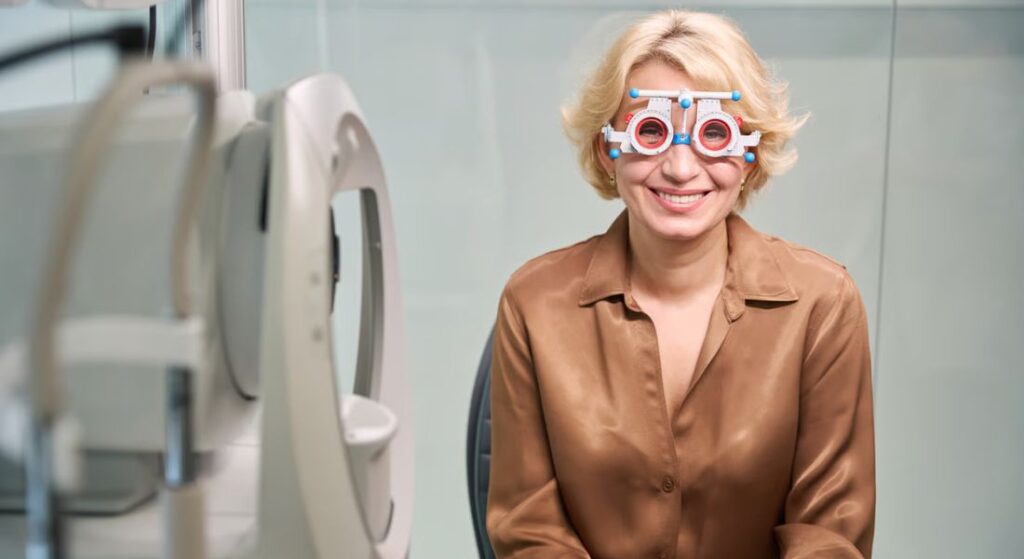
Modern ophthalmology has introduced several innovative solutions for managing presbyopia, going beyond traditional reading glasses. PresbyLASIK, for example, reshapes the cornea to create multifocal vision, allowing the eye to focus at different distances. This technique provides greater independence from corrective lenses for many daily tasks.
Accommodating intraocular lenses are another option, designed to mimic the natural focusing ability of the eye’s lens. These lenses adjust slightly as the eye moves, helping to restore both near and distance vision more naturally than standard lenses.
Corneal inlays are small implants placed in one eye to enhance near vision while maintaining clear distance vision in the other eye. These advanced treatments offer more flexibility, longer-term solutions, and improved quality of life for people with presbyopia who want to reduce reliance on glasses or contact lenses.
Real-Life Experiences
Many people first notice presbyopia in subtle ways and may initially overlook the changes. For example, they might find themselves holding a phone, book, or menu slightly farther away without realising why. Over time, these small adjustments become inconvenient and tiring, signaling that near vision is gradually declining.
Some patients find that simple solutions like reading glasses make a noticeable difference. One person shared, “Once I got my first pair of reading glasses, life became so much easier.” Others prefer non-surgical options, such as multifocal contact lenses, which can be especially helpful for work, reading, or hobbies requiring frequent close-up focus.
These real-life experiences highlight the importance of early recognition and intervention. Addressing presbyopia proactively not only improves comfort but also helps maintain productivity and quality of life in everyday activities.
FAQs:
1. At what age does presbyopia usually begin?
Presbyopia typically starts in the early to mid-40s, although subtle changes may appear in the late 30s. The progression is gradual, making near tasks increasingly challenging over time.
2. Why does presbyopia develop?
Presbyopia occurs due to the natural ageing of the eye’s lens, which gradually loses flexibility. The ciliary muscles that adjust lens shape also weaken, reducing the eye’s ability to focus on close objects.
3. How quickly does presbyopia progress?
Progression varies among individuals. Early signs appear in the late 30s, become noticeable in the early 40s, and often require corrective solutions by the mid-40s to 50s. Near vision may continue to decline slowly into the 60s and beyond.
4. Can lifestyle changes help with presbyopia?
While they won’t prevent presbyopia, proper lighting, regular breaks from screens, balanced nutrition, and UV protection can reduce eye strain and support long-term visual comfort.
5. Can lifestyle factors influence the onset of presbyopia?
Yes. Excessive screen use, prolonged near work, reading in poor lighting, and long-term UV exposure can make early symptoms more noticeable. Genetics and overall eye health also play a role.
6. How is presbyopia different from other vision conditions?
Unlike myopia, which affects distance vision, presbyopia primarily affects near vision and develops with age. Hyperopia (long-sightedness) exists from childhood, while astigmatism affects vision at all distances due to corneal shape, not ageing.
7. How does presbyopia affect daily life?
Even mild presbyopia can make reading, using phones, crafting, or performing fine-detail work more tiring. Dim lighting or prolonged near work can increase eye strain and discomfort.
8. When should I see an eye specialist?
See an optometrist or ophthalmologist if near vision becomes difficult, if eye strain or headaches develop during close-up tasks, or if you notice sudden changes like flashes, floaters, or abrupt blurriness.
9. Are there innovative treatments for presbyopia?
Yes. Emerging options include PresbyLASIK, accommodating intraocular lenses, and corneal inlays, offering longer-term, flexible solutions for reduced dependence on glasses or contacts.
10. How do personalised assessments help in presbyopia management?
Professional consultation ensures the chosen treatment aligns with your vision needs, lifestyle, and long-term goals. For instance, presbyopia treatment in London offers tailored solutions for optimal results.
Final Thoughts: Recognising and Managing Presbyopia
Presbyopia is a natural, age-related change in vision that gradually affects your ability to focus on nearby objects, often beginning in your late 30s to early 40s. While it is an inevitable part of ageing, understanding its progression and recognising the early signs can make a significant difference in maintaining visual comfort and independence. By paying attention to subtle changes, such as holding reading materials farther away or experiencing eye strain during close-up work, you can take timely action to manage the condition effectively.
Corrective options are varied, ranging from simple non-surgical solutions like reading glasses and multifocal lenses to more advanced interventions such as contact lenses, PresbyLASIK, corneal inlays, or lens replacement surgery. Lifestyle habits also support healthy vision, including proper lighting, regular screen breaks using the 20-20-20 rule, UV protection, and a diet rich in eye-friendly nutrients. Combining these approaches helps reduce eye fatigue, slow progression, and maintain clarity for near vision tasks in daily life. If you’re looking for Presbyopia treatment in London, you can get in touch with us at London Cataract Centre to explore personalised solutions tailored to your vision needs, lifestyle, and long-term eye health.
References
- Katz, J.A. et al., 2021. Presbyopia A review of current treatment options and emerging therapies. Clinical Ophthalmology https://pmc.ncbi.nlm.nih.gov/articles/PMC8163965/
- List, A. and Packer, M., 1996. Accommodation and presbyopia in the human eye. Investigative Ophthalmology & Visual Science, https://pubmed.ncbi.nlm.nih.gov/7667018/
- Glasser, A. and Campbell, M., 1998. Presbyopia: age‑related changes in the crystalline lens and accommodative amplitude.In: Encyclopedia of the Eye. Elsevier, https://www.sciencedirect.com/topics/neuroscience/presbyopia
- Safarian Baloujeh, E., Queirós, A., Navarro, R. & González‑Méijome, J.M. (2025) Fast and slow response of the accommodation system in young and incipient‑presbyope adults during sustained reading task, Journal of Clinical Medicine, https://www.mdpi.com/2077-0383/14/4/1107
- Aging Biomarker Consortium (2025) A framework of biomarkers for visual system aging, Life Medicine, https://academic.oup.com/lifemedi/article/4/4/lnaf023/8177057