


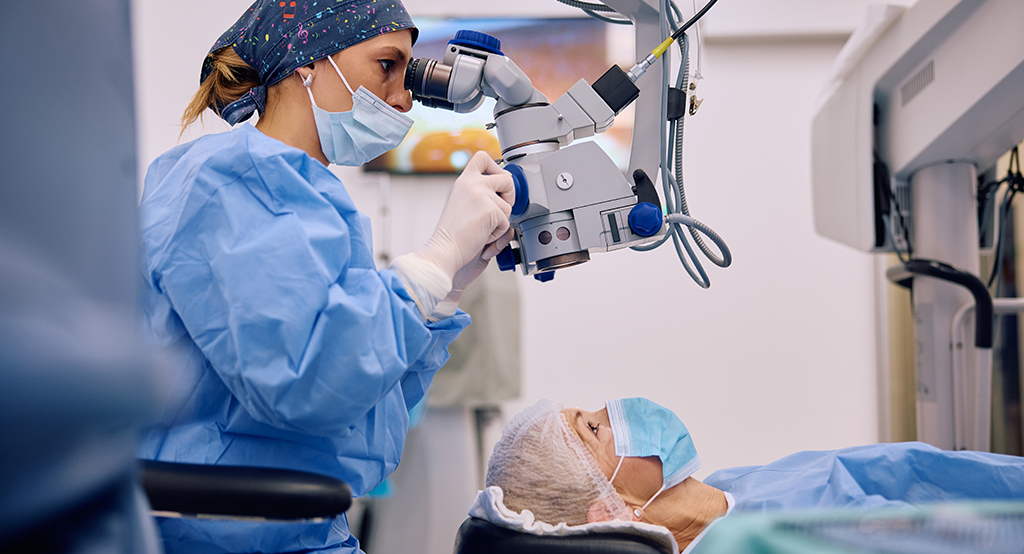
If you’ve been told you’re having cataract surgery, you may assume the goal is simply to remove the cloudy lens and restore basic clarity. That’s true for standard cataract surgery. However, when you hear the term refractive cataract surgery, it means something more precise is being planned.
Refractive cataract surgery focuses not only on removing the cataract but also on optimising how well you see afterwards. Vision accuracy becomes the primary goal, rather than a secondary benefit. For many patients, this difference has a major impact on life after surgery.
In this article, I’ll explain what refractive cataract surgery really means, how it differs from standard treatment, and why advanced measurements and lens planning play such a central role in visual outcomes.
Why the Term “Refractive” Matters
The term refractive relates to how light is bent and focused as it passes through the eye to create clear vision. Refractive errors such as short-sightedness, long-sightedness, and astigmatism interfere with this focusing process, leading to blurred or distorted sight. Understanding these errors is important because they influence not just how well you see, but how cataract surgery should be planned to achieve the best possible visual outcome.
While standard cataract surgery removes the cloudy natural lens to restore clarity, it does not always aim to correct pre-existing refractive errors with a high degree of precision. Refractive cataract surgery takes a more integrated approach, treating cataract removal and vision correction as a single objective. This change in focus affects every stage of care, from pre-operative measurements to lens selection and surgical technique, allowing for more tailored planning and potentially greater independence from glasses after surgery.
Standard Cataract Surgery: The Traditional Approach
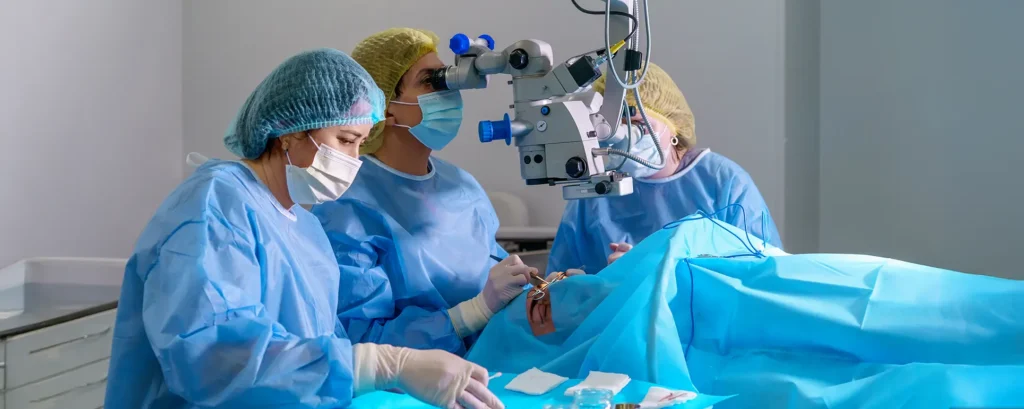
Standard cataract surgery follows a traditional approach that focuses on restoring clear, functional vision in a safe and reliable way. The main objective is to remove the cloudy natural lens and replace it with a clear artificial intraocular lens, allowing light to pass through the eye more effectively.
Most patients experience noticeable improvement in vision after surgery. However, achieving precise visual accuracy is not always the primary goal of this approach, and many people still rely on glasses afterwards. This is particularly common for reading, computer use, or certain distance tasks, depending on the lens chosen and the individual’s visual requirements.
For patients with relatively simple visual needs and no strong desire for reduced dependence on glasses, standard cataract surgery can be an excellent and appropriate option. It provides reliable visual improvement while maintaining a straightforward and well-established surgical pathway.
What Refractive Cataract Surgery Aims to Achieve
Refractive cataract surgery goes beyond simply removing a cloudy lens. Its primary aim is to reduce dependence on glasses by carefully planning vision outcomes that suit your individual lifestyle. This personalised approach focuses on how you want to see after surgery, not just on restoring clarity.
Key goals of refractive cataract surgery include:
Reducing reliance on glasses where possible
Advanced lens selection and precise measurements are used to minimise the need for spectacles. While complete freedom from glasses cannot be guaranteed, many patients experience significantly reduced dependence for everyday activities.
Tailoring vision to your lifestyle needs
Visual targets are selected based on how you use your eyes throughout the day. Activities such as driving, reading, screen work, and hobbies all play an important role in shaping surgical decisions.
Moving beyond a one-size-fits-all approach
Rather than choosing a standard lens for every patient, refractive planning considers individual eye measurements and visual priorities. This ensures outcomes are personalised rather than generic.
Balancing cataract removal with visual performance
The surgery is designed to optimise both clarity and functional vision. As a result, refractive cataract surgery places equal emphasis on visual quality and cataract removal itself.
By focusing on personalised visual goals, refractive cataract surgery aims to deliver clearer, more functional vision that aligns with how you live and work every day.
Vision Accuracy as the Primary Goal

In refractive cataract surgery, achieving the highest possible level of visual accuracy is the primary goal. Even very small differences in measurements can influence how clearly you see after surgery, making precision at every stage of planning essential.
To achieve this, surgeons use advanced diagnostic technology to map the eye in great detail. These measurements assess factors such as corneal shape, eye length, and subtle irregularities that affect how light is focused. This detailed analysis helps predict how light will behave once the new intraocular lens is implanted.
It is this emphasis on precision that distinguishes refractive cataract surgery from standard cataract treatment. By focusing on accurate measurements and personalised planning, refractive surgery aims to optimise visual outcomes and reduce dependence on glasses after the procedure.
Advanced Measurements: Why They Matter
Refractive cataract surgery depends heavily on detailed and highly accurate eye measurements. These measurements go beyond the basic scans typically used in standard cataract procedures, allowing surgeons to plan surgery with greater precision and confidence.
Advanced diagnostics assess multiple aspects of the eye, including the curvature and shape of the cornea, the overall length of the eye, and subtle optical characteristics that influence how light is focused. This comprehensive evaluation provides a clearer picture of how the eye functions as an optical system.
The data gathered from these measurements plays a crucial role in selecting the most appropriate lens power and, where necessary, ensuring accurate alignment of specialised lenses such as toric implants. Small inaccuracies can affect visual clarity, so precision at this stage is essential.
By improving the accuracy of lens selection and placement, advanced measurements significantly reduce the likelihood of unexpected refractive outcomes after surgery. This careful approach supports more predictable results and helps patients achieve clearer, more reliable vision with less dependence on glasses.
Lens Planning and Personalisation

Lens selection is one of the most important distinctions between standard and refractive cataract surgery. In refractive procedures, lens choice is carefully personalised rather than routine, with the aim of achieving the best possible visual outcome for each individual patient rather than simply restoring basic clarity.
Your surgeon will consider factors such as your existing refractive error, overall eye health, lifestyle needs, and visual goals when planning lens selection. This process helps determine whether a standard monofocal lens, a toric lens for astigmatism, or more advanced options such as multifocal or extended depth-of-focus lenses are suitable. Each option offers different benefits and involves specific trade-offs, which should be discussed openly and clearly to ensure expectations are realistic and aligned with your priorities.
Treating Astigmatism During Cataract Surgery
Astigmatism is a common refractive issue that affects how light focuses on the retina, often causing blurred or distorted vision. In standard cataract surgery, mild to moderate astigmatism may be left uncorrected, as the primary goal is simply to remove the cloudy lens and restore basic sight.
Refractive cataract surgery takes a more comprehensive approach by actively addressing astigmatism at the time of cataract removal. This ensures that vision is not only clearer but also more accurate, reducing residual blur that can remain after otherwise successful surgery.
Astigmatism can be corrected during the procedure using toric intraocular lenses or specific corneal techniques, depending on the amount and type present. These methods are planned in advance using detailed measurements to ensure precise alignment and optimal results.
When astigmatism is ignored, visual outcomes may fall short of expectations, even if the cataract itself has been removed perfectly. Treating it as part of cataract surgery can significantly improve clarity and reduce long-term dependence on glasses, particularly for everyday activities.
Multifocal and Advanced Lens Options
Multifocal and other advanced intraocular lenses are designed to provide vision at more than one distance, often reducing the need for glasses after cataract surgery. These lenses aim to support clear sight for everyday tasks such as reading, using digital devices, and seeing at distance.
Because these lenses interact with light in more complex ways, they require careful planning and precise measurements. Refractive cataract surgery places strong emphasis on assessing how your eye will respond to these designs, rather than using a one-size-fits-all approach.
Suitability is determined by factors such as corneal health, retinal condition, existing refractive errors, and lifestyle needs. Some patients may achieve excellent results, while others may be better suited to simpler lens options to avoid unwanted visual side effects.
A thorough consultation is essential before proceeding with advanced lenses. Clear discussion helps ensure you understand the potential benefits, limitations, and visual trade-offs, allowing you to make an informed decision aligned with your expectations.
Managing Expectations Is Part of Refractive Care
Managing expectations is a central part of refractive cataract surgery planning. The goal is not to promise perfect vision, but to align surgical outcomes with what is realistically achievable for your eyes. Open and honest discussions help ensure that patients feel informed, confident, and satisfied with their results.
Key aspects of expectation management include:
Understanding that perfection cannot be guaranteed
Refractive cataract surgery aims for the best possible vision, not flawless results. Individual eye characteristics and healing responses can influence outcomes, making realistic planning essential.
Recognising that spectacle independence varies
Some patients achieve excellent freedom from glasses for most daily activities. Others may still require spectacles for specific tasks such as reading fine print or prolonged screen use.
The importance of honest and personalised planning
Clear communication between you and your surgical team helps match expectations with achievable results. This transparency builds trust and reduces the likelihood of disappointment after surgery.
By setting realistic expectations from the outset, refractive care supports better satisfaction, stronger trust, and a more positive overall surgical experience.
Why Not Everyone Needs Refractive Cataract Surgery
Not every cataract patient needs refractive cataract surgery. For many people, the primary goal is simply to remove the cloudy lens and restore functional vision, even if glasses are still required afterwards. This traditional approach remains safe, effective, and appropriate for a wide range of patients.
Refractive cataract surgery is most valuable for those who place a strong emphasis on visual precision and reduced reliance on spectacles. Patients who have specific lifestyle needs, such as frequent driving, computer use, or a desire for greater independence from glasses, may benefit more from this enhanced planning approach.
An experienced surgeon will guide you through these options based on your eye health, visual expectations, and daily activities. Understanding the differences allows you to choose the approach that best aligns with your personal priorities and long-term visual goals.
The Role of Technology in Refractive Cataract Surgery
Technology plays a central role in refractive cataract surgery, helping to achieve higher levels of accuracy than traditional methods. Advanced diagnostic imaging captures detailed information about the eye’s structure, allowing surgeons to plan treatment with greater confidence and precision.
Specialised planning software uses this data to calculate lens power, alignment, and positioning. These tools help predict how light will travel through the eye after surgery, supporting more personalised and consistent visual outcomes.
During surgery, guidance systems assist with precise lens placement and, when needed, astigmatism correction. This reduces the margin for error and improves reproducibility, particularly in complex cases where small differences can affect vision quality.
Despite these advances, technology does not replace surgical expertise. Outcomes still depend on careful judgement, experience, and realistic expectations. Technology improves consistency and reliability, but it does not guarantee perfect results for every patient.
Is Refractive Cataract Surgery More Complex?
Refractive cataract surgery is often described as more complex, but this complexity mainly relates to planning rather than the surgical procedure itself. The operation is usually similar in length and carries comparable safety levels to standard cataract surgery.
What sets refractive surgery apart is the depth of pre-operative preparation. Surgeons spend more time assessing measurements, discussing visual goals, and selecting the most appropriate lens for each individual patient.
This extended planning phase allows potential sources of visual error to be identified and addressed in advance. It also ensures that expectations are realistic and aligned with what surgery can deliver.
After surgery, follow-up evaluations may be more detailed to confirm that the desired visual outcomes have been achieved. This additional attention before and after the procedure is what enables more personalised and refined results.
Recovery and Visual Adaptation
Recovery following refractive cataract surgery is generally similar to that of standard cataract surgery. Many patients notice clearer vision quite quickly, although full visual adaptation can take a little longer. Understanding this process in advance helps set realistic expectations and supports a smoother recovery experience.
Important aspects of recovery and adaptation include:
Early visual improvement with gradual stabilisation
Vision often improves within days, allowing many people to resume normal activities relatively quickly. However, it can take several weeks for vision to fully stabilise as the eye heals.
Adapting to advanced lens technology
With certain premium or multifocal lenses, the brain needs time to adjust to new ways of processing visual information. This neuroadaptation is normal and varies from person to person.
The value of clear guidance and follow-up
Detailed advice from your clinical team helps you understand what sensations or changes are normal during recovery. Regular follow-up ensures any concerns are addressed promptly and confidently.
By providing clear information and ongoing support, refractive cataract care helps patients navigate the adaptation phase with reassurance and confidence.
Long-Term Benefits of a Refractive Approach
Patients who choose a refractive approach to cataract surgery often experience higher overall satisfaction with their vision after treatment. This is largely due to the emphasis placed on visual accuracy and individual lifestyle needs during planning.
One of the most valued benefits is reduced reliance on glasses. For many people, this added independence improves everyday convenience and confidence, particularly during routine tasks.
The difference is especially noticeable during activities such as driving, reading, and using digital devices. Clearer vision across these situations can make daily life feel smoother and less restricted.
Importantly, these outcomes are not the result of chance. They are achieved through careful assessment, precise measurements, and thoughtful lens selection carried out before surgery.
Choosing the Right Clinic Matters
Refractive cataract surgery relies heavily on clinical experience, advanced diagnostics, and clear two-way communication. A good clinic will take time to explain options, discuss realistic outcomes, and involve you actively in decision-making rather than following a routine pathway.
If you are considering refractive cataract surgery, it is essential to choose a clinic that prioritises measurement accuracy and careful expectation management. Thorough planning, supported by precise data and transparent guidance, plays a decisive role in achieving reliable and satisfying visual results.
FAQS:
1. What is refractive cataract surgery and how is it different from standard cataract surgery?
Refractive cataract surgery is an advanced approach that focuses not only on removing the cloudy lens but also on optimising how clearly you see after surgery. Unlike standard cataract surgery, which prioritises restoring basic vision, refractive surgery treats cataract removal and vision correction as a single, integrated goal. This means greater attention is given to vision accuracy, lens planning, and long-term visual quality rather than simply clearing the cataract.
2. Why is the word “refractive” important in cataract surgery?
The term “refractive” refers to how light is focused inside the eye to produce clear vision. Refractive cataract surgery places emphasis on correcting refractive errors such as short-sightedness, long-sightedness, and astigmatism during the cataract procedure itself. By addressing these issues at the same time, the surgery aims to deliver clearer, more functional vision and reduce dependence on glasses after recovery.
3. Does refractive cataract surgery aim to reduce the need for glasses?
Yes, reducing reliance on glasses is a key aim of refractive cataract surgery. Through precise measurements and personalised lens selection, surgeons attempt to minimise the need for spectacles for everyday activities such as driving, reading, or screen use. However, complete freedom from glasses cannot be guaranteed, as outcomes depend on individual eye characteristics and healing responses.
4. How do advanced measurements improve visual outcomes?
Advanced measurements allow surgeons to understand the eye in far greater detail than basic scans used in standard surgery. These assessments evaluate corneal shape, eye length, and subtle optical features that affect how light is focused. This level of precision improves the accuracy of lens selection and positioning, reducing the likelihood of unexpected refractive errors after surgery and supporting more predictable visual results.
5. What role does lens planning play in refractive cataract surgery?
Lens planning is central to refractive cataract surgery and is highly personalised. Rather than choosing a standard lens, surgeons select an option based on your eye measurements, lifestyle needs, and visual priorities. This may include monofocal, toric, multifocal, or extended depth-of-focus lenses. Each choice involves specific benefits and trade-offs, which are carefully discussed to ensure expectations are realistic and aligned with your goals.
6. Can astigmatism be corrected during refractive cataract surgery?
Yes, refractive cataract surgery actively addresses astigmatism, which is often left untreated in standard procedures. Using toric lenses or precise corneal techniques, astigmatism can be corrected during cataract removal. Treating astigmatism at the same time helps improve overall clarity and reduces residual blur, leading to better functional vision after surgery.
7. Are multifocal and advanced lenses suitable for everyone?
Advanced lenses are not suitable for every patient. Their success depends on factors such as corneal health, retinal condition, and visual expectations. While many patients achieve excellent results, others may experience visual side effects or be better suited to simpler lens designs. A thorough consultation ensures that lens choice is based on suitability rather than assumption.
8. Is refractive cataract surgery more complex than standard surgery?
The surgery itself is usually similar in duration and safety to standard cataract surgery. The added complexity lies in the planning rather than the procedure. More time is spent on detailed measurements, visual goal discussions, and lens selection before surgery. This additional preparation is what allows refractive cataract surgery to deliver more personalised and refined visual outcomes.
9. What is recovery like after refractive cataract surgery?
Recovery is generally similar to standard cataract surgery, with many patients noticing clearer vision within days. However, full visual stabilisation can take several weeks, particularly with advanced lens technology. Some patients also require a period of visual adaptation as the brain adjusts to new visual inputs. Clear guidance and follow-up appointments help ensure a smooth recovery.
10. Who is most likely to benefit from refractive cataract surgery?
Refractive cataract surgery is best suited for patients who value visual precision and wish to reduce dependence on glasses. Those who drive frequently, use digital devices, or have specific lifestyle-related visual demands often benefit most. Patients who are comfortable wearing glasses after surgery may find standard cataract surgery entirely appropriate. An experienced surgeon will help determine which approach aligns best with your needs and expectations.
Final Thoughts: Key Takeaways on Refractive Cataract Surgery
Refractive cataract surgery offers a personalised approach to vision correction, focusing on clarity, accuracy, and reduced dependence on glasses. By combining advanced measurements, precise lens planning, and careful management of refractive errors, this procedure goes beyond standard cataract removal to optimise how you see in daily life. If you are thinking about refractive cataract surgery, you can book a consultation with our specialist at the London Cataract Centre to discuss whether this tailored approach is right for you.
References:
1. Shoshi F, Shoshi F, Xhafa A, Nagy ZZ. Refractive Outcomes After Cataract Surgery The Impact of Preoperative Visual Acuity, the Intraocular Lens Model, and the Surgeon’s Experience. https://www.mdpi.com/2077-0383/13/23/7013
2. Park RB, Aref AA. Astigmatism Management in Modern Cataract Surgery. https://www.mdpi.com/2411-5150/8/1/9
3. Refractive outcomes following cataract surgery in patients who have had myopic laser vision correction. https://pmc.ncbi.nlm.nih.gov/articles/PMC6528761/
4. Comparison between refractive outcomes of femtosecond laser‑assisted cataract surgery and conventional phacoemulsification. https://pmc.ncbi.nlm.nih.gov/articles/PMC6941343/
5. Evaluating Refractive Outcomes after Cataract Surgery. https://pubmed.ncbi.nlm.nih.gov/30153943/