


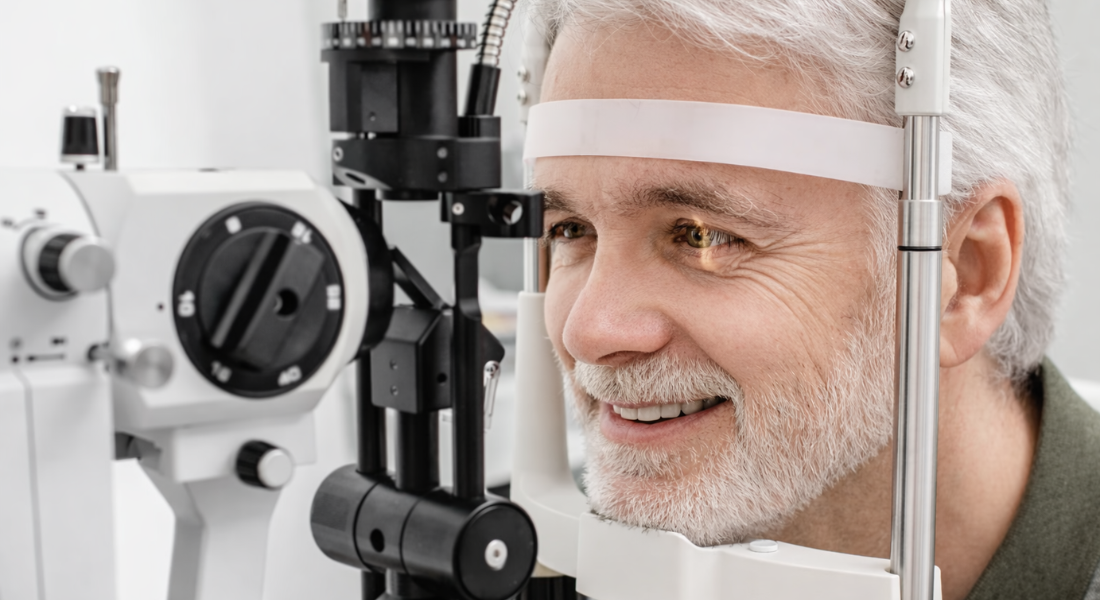
You may feel reassured after refractive lens exchange once vision settles and daily tasks become easier. As time passes, confidence often grows because glasses play a much smaller role in everyday life. This is why later changes in vision can feel unexpected and unsettling when they first appear.
We recognise that refractive lens exchange is usually chosen as a long-term solution. Many people reasonably expect vision to remain the same for life, so any shift years later can raise concern about whether something has gone wrong. These reactions are natural when outcomes differ from expectations.
This article explains why vision can change years after refractive lens exchange. It explores common reasons for these changes and clarifies what they typically indicate. Understanding the cause helps separate normal ageing or surface-related factors from issues that need attention.
We also outline what options are available if changes occur and how they are usually managed. When the reasons behind change are clearly explained, confidence is often restored. Understanding supports reassurance and helps you feel in control of long-term eye care decisions.
What Refractive Lens Exchange Is Designed to Do
Refractive lens exchange replaces the eye’s natural lens with an artificial intraocular lens. The goal is to correct refractive error and reduce dependence on glasses. The implanted lens itself does not age or degrade.
You may assume that replacing the natural lens eliminates future vision changes entirely. While the lens remains stable, other parts of the visual system continue to change over time.
We emphasise that refractive lens exchange corrects one component of vision. It does not freeze the eye’s biology. Understanding this distinction is important. The lens stays stable, but the eye continues to evolve.
Why Vision Can Still Change Years Later
Vision depends on more than the lens alone. The cornea, retina, and visual processing pathways all work together to create clarity. Changes in any one of these areas can influence how you see, even when the lens itself remains stable.
You may notice blur, glare, or reduced sharpness years after surgery. These changes are often linked to surface health, retinal factors, or visual processing rather than the implanted lens. Understanding this helps prevent unnecessary concern about the procedure itself.
We view post-RLE visual changes as part of natural ocular ageing rather than a failure of treatment. This perspective helps set realistic expectations and supports long-term confidence. Change does not automatically mean something is wrong.
Posterior Capsule Opacification and Its Role
One of the most common causes of vision change years after refractive lens exchange is posterior capsule opacification. This occurs when the thin membrane behind the lens becomes cloudy.
You may experience gradual blur, glare, or reduced contrast. Symptoms can feel similar to cataract development, even though the lens itself remains clear.
We reassure that posterior capsule opacification is common and treatable. A simple laser procedure usually restores clarity quickly. This change is manageable and not permanent.
Why Posterior Capsule Opacification Develops Over Time
Posterior capsule opacification is a recognised long-term effect that can develop after lens replacement surgery. It relates to natural cellular behaviour rather than a problem with the surgery itself. Understanding this process helps prevent unnecessary worry.
- Caused by natural cell growth on the lens capsule: After surgery, residual cells can slowly grow over the capsule that supports the artificial lens. This is a biological process rather than surgical failure.
- Can appear months or years after surgery: The timing varies widely between individuals and does not indicate anything has gone wrong. Late onset is common and well documented.
- Not a complication, but an expected change: We explain that posterior capsule opacification is a known long-term effect of lens surgery. Awareness helps you recognise it as part of the normal journey.
Delayed visual changes can feel unexpected, but they are usually predictable and manageable. When you understand why they occur, concern is replaced with clarity. Knowledge supports confidence long after surgery.
Corneal Changes and Visual Quality
The cornea plays a key role in how light is focused, and it continues to contribute actively to vision over time. Small changes in corneal shape or surface quality can occur gradually and may influence sharpness. These shifts are usually subtle but still relevant when vision feels different.
You may notice mild blur or fluctuation, particularly in certain lighting conditions or at the end of a long day. These symptoms often relate to corneal surface or shape changes rather than any issue with an implanted lens. Understanding this distinction helps keep concern in proportion.
We assess corneal health carefully whenever vision changes are reported. Addressing surface quality or minor irregularities often leads to noticeable improvement in clarity. When the cornea is supported properly, overall visual quality usually benefits.
Dry Eye and Its Long-Term Impact
Dry eye can develop or worsen as you get older, and tear film instability has a noticeable effect on visual quality. This is especially true with prolonged screen use or in dry, air-conditioned environments. These changes affect comfort and clarity rather than the underlying structure of the eye.
You may notice that vision fluctuates or briefly improves after blinking. This pattern usually points to surface dryness rather than an internal eye problem. Recognising this sign helps you understand that the issue is often manageable and not a cause for alarm.
We treat dry eye as a common and treatable reason for later visual change. Improving surface comfort frequently restores perceived clarity and reduces fluctuation. When surface health is supported, overall vision quality often improves significantly.
Retinal Changes and Ageing
The retina continues to age even after refractive lens exchange, and subtle changes can influence contrast sensitivity and overall sharpness. These shifts are part of natural ocular ageing and occur independently of the lens implant. Understanding this helps explain why vision can feel different over time.
You may notice greater difficulty in low-light conditions or reduced clarity when focusing on fine detail. These changes usually develop gradually and are not a sign that the implanted lens has failed. They reflect how the retina adapts and changes with age.
We assess retinal health whenever vision changes are reported. Ongoing monitoring helps identify any underlying issues early and supports timely management. Retinal health remains an essential part of lifelong eye care.
Neural Adaptation and Visual Processing
Vision is shaped not only by the eye but also by how the brain processes visual information. Over time, neural adaptation can alter how images are interpreted, even when the eye itself has not changed. This process is a normal part of how vision evolves.
You may feel that vision seems different rather than clearly worse. This sensation often reflects changes in visual processing rather than a structural or optical problem. Understanding this distinction helps prevent unnecessary concern about eye health.
We recognise that perception evolves with age, experience, and visual demands. Not every change originates from the eye alone, and many are part of the wider visual system adapting over time. When vision is viewed as a whole process, changes feel easier to understand and manage.
Changes Related to Multifocal or Advanced Lenses
If you have a multifocal or extended depth of focus lens, your visual experience can change subtly over time. Lighting conditions, contrast levels, and visual demands all influence how these lenses perform in everyday settings. This interaction is normal and reflects how advanced optics work with the visual system.
You may notice halos or glare becoming more apparent in specific situations, such as night driving or low-contrast environments. These sensations do not usually indicate a problem with the lens itself. They often relate to how your eyes and brain adapt to different visual conditions.
We assess whether these symptoms are linked to normal adaptation, surface health, or environmental factors. In most cases, management is straightforward and focused on improving comfort rather than altering the lens. Understanding this dynamic helps keep expectations realistic and reduces unnecessary concern.
Why Vision Changes Are Often Gradual
Most vision changes after refractive lens exchange develop gradually rather than suddenly. This slower pattern is usually reassuring and allows time for calm assessment.
- Changes usually occur slowly over time: Gradual shifts are more commonly linked to ageing or surface-related factors rather than urgent eye disease. Slow change gives space for proper evaluation.
- Adaptation often happens without immediate awareness: You may notice changes during specific tasks like reading, screen use, or night driving. These moments reflect changing visual demands, not sudden damage.
- Patterns matter more than isolated moments: Looking at trends over time provides far more useful information than day-to-day fluctuations. Gradual change allows thoughtful, appropriate response.
When vision changes slowly, there is rarely a need for urgency. Understanding patterns helps replace anxiety with clarity. Calm observation supports confident long-term care.
When Vision Changes Are Usually Reassuring
Slow or mild changes that develop without pain or sudden vision loss are usually reassuring. These patterns often reflect manageable or expected causes rather than serious problems. Understanding this helps place gradual change into a calmer perspective.
You may feel concerned simply because change was not expected. When common and benign reasons are explained, anxiety often reduces on its own. Knowing what is typical makes unfamiliar sensations feel less alarming.
We differentiate carefully between normal age-related changes and signs that need urgent review. Context guides the right response and prevents unnecessary worry. When change is understood properly, confidence replaces uncertainty.
When to Seek Prompt Assessment
Sudden vision loss, flashes, or distortion should always be assessed without delay. These symptoms are not typical of routine changes after refractive lens exchange and deserve prompt attention. Acting early helps protect eye health and prevents avoidable complications.
You should seek review if changes appear quickly or are accompanied by discomfort, pain, or visual disturbance. Rapid onset often signals something that needs assessment rather than observation. Early evaluation provides clarity and supports safer outcomes.
We place strong emphasis on safety alongside reassurance. Knowing when to act, and when not to worry, builds confidence in managing your vision long term. Prompt review is sometimes essential and supports peace of mind.
How Vision Changes Are Investigated
Assessment looks at multiple elements that influence vision, including lens position, capsule clarity, corneal health, and retinal status. Each component is reviewed in a structured way so nothing important is missed. This systematic approach ensures that conclusions are based on a complete picture rather than isolated findings.
You may undergo imaging, surface evaluation, or other tests to identify the exact cause of any change you are experiencing. These objective findings guide management decisions and remove guesswork from the process. Clear data helps explain what is happening and why.
We rely on careful examination rather than assumption. Accurate diagnosis prevents unnecessary worry and avoids inappropriate treatment. When investigation is thorough, clarity replaces uncertainty and next steps become easier to understand.
Common Treatment Options When Vision Changes
Treatment is guided by the underlying cause rather than a one-size-fits-all approach. Options may include laser treatment for capsule clouding, targeted dry eye management, or simple optical adjustments. Identifying the reason for change allows care to be precise and effective.
You may worry that further surgery will be needed if vision changes. In most cases, any intervention required is straightforward and non-invasive. Many concerns are addressed quickly without major procedures or prolonged recovery.
We focus on restoring clarity with as little disruption as possible. Most issues that arise are manageable and easily resolved when assessed properly. When the cause is understood, solutions tend to be simple and reassuring.
The Role of Glasses or Minor Corrections
Some people benefit from using occasional glasses for specific tasks years after refractive lens exchange. This does not mean the procedure has failed or that results have been lost. It reflects how vision naturally adapts to different demands over time.
You may find glasses helpful for fine detail work or prolonged reading, particularly in certain lighting or at the end of a long day. These needs arise from natural visual behaviour rather than any limitation of the surgery itself. Everyday demands can change even when overall vision remains strong.
We see this as a practical adjustment rather than a setback. Flexibility allows you to stay comfortable and confident in a wide range of situations. When expectations allow room for adaptation, long-term satisfaction is better supported.
Enhancement Procedures and Their Place
In selected cases, enhancement procedures may be discussed as part of long-term care. These options are considered carefully and only when they are likely to add meaningful benefit. The aim is refinement, not routine intervention.
You may worry that needing an enhancement means the original surgery was unsuccessful. In reality, enhancement is sometimes used to fine-tune results when biological changes occur over time. This approach supports precision rather than correcting a failure.
We assess both risk and benefit thoroughly before recommending any further treatment. Decisions are based on stability, eye health, and long-term value. When enhancement is selective and well considered, outcomes remain safe and predictable.
Why Expectations Matter Long Term
Expectation plays a major role in how satisfied you feel years after surgery. Understanding that vision can evolve over time helps set a realistic frame for long-term outcomes. When change is anticipated, it feels less unsettling.
You may feel more at ease knowing that change does not mean failure. Small shifts are a normal part of ageing and visual adaptation, not a sign that treatment has gone wrong. Perspective strongly shapes how outcomes are experienced.
We place strong emphasis on realistic expectations from the beginning. Clear understanding supports long-term confidence and reduces frustration. When expectations are aligned with reality, disappointment is far less likely.
The Importance of Regular Eye Checks

Routine eye checks remain important after refractive lens exchange, even when vision feels clear and stable. Regular monitoring allows early detection of treatable changes before they affect comfort or quality of vision. This proactive approach supports long-term eye health.
You may feel less need for review once results meet your expectations. However, continued care helps ensure that subtle changes are identified early rather than later. Ongoing assessment protects both vision and reassurance over time.
We encourage regular eye care as part of healthy ageing rather than as a response to problems. Monitoring provides peace of mind and supports confidence in your long-term outcomes.
Why Online Information Can Be Misleading
Online stories often highlight extreme experiences, while balanced long-term outcomes receive far less attention. This imbalance can make normal results seem rare and problems appear more common than they truly are. Understanding this tendency helps you interpret what you read more realistically.
You may come across alarming accounts that lack important personal context. Individual health factors, timing, and expectations are often missing, which can distort how outcomes are perceived. Without that detail, isolated stories can feel unnecessarily worrying.
We recommend relying on professional assessment rather than online speculation. Personalised advice considers your specific situation and provides clarity that general claims cannot. When guidance is tailored, decisions feel more grounded and confident.
How Lifestyle Factors Influence Vision Over Time

Screen use, lighting conditions, and general health all influence how comfortable your vision feels from day to day. Changes in routine or environment can make vision seem different even when refractive correction is unchanged. These effects are common and often temporary.
You may notice symptoms such as strain, dryness, or reduced clarity during prolonged digital work or periods of fatigue. These factors frequently interact with ocular surface health rather than reflecting a true change in vision. Recognising this connection helps reduce unnecessary concern.
We take lifestyle factors into account when assessing visual changes. Simple adjustments to habits, environment, or screen use can significantly improve comfort. Vision does not exist in isolation and is closely linked to daily routines.
Why Long-Term Satisfaction Remains High
Despite occasional changes, most people remain satisfied many years after refractive lens exchange. Long-term confidence is supported by lens stability and clear understanding of what changes mean.
- Lens stability supports lasting outcomes: The implanted artificial lens does not age or degrade like the natural lens. Most later visual changes relate to normal eye ageing rather than the lens itself.
- Adaptation often happens more easily than expected: Small visual changes usually feel less disruptive once they are understood. Knowing what is normal reduces anxiety and unnecessary over-monitoring.
- Reassurance and guidance restore satisfaction
Clear explanation or simple monitoring often resolves concerns. Feeling informed plays a major role in long-term comfort and confidence.
Stability underpins long-term success, but understanding sustains it. When changes are explained clearly, confidence replaces concern. Long-term satisfaction comes from both the procedure itself and ongoing reassurance.
When Professional Review Is Beneficial
If changes begin to affect your daily activities or create concern, seeking specialist advice can be helpful. Assessment brings clarity by identifying what is changing and why, rather than leaving you to guess. Clear options become easier to see once the situation is properly understood.
You gain reassurance when decisions are based on careful evaluation rather than uncertainty. Knowing that your concerns have been assessed objectively helps reduce anxiety and supports a sense of control. Understanding replaces doubt.
We believe that informed discussion is central to confident decision-making. Expert input helps place changes in context and guides practical next steps. When advice is clear and tailored, reassurance follows naturally.
Planning for the Future
Vision naturally continues to evolve with age, and planning for this reality supports long-term comfort. When future change is acknowledged rather than ignored, decisions feel more grounded and sustainable. This perspective helps align treatment choices with how the eyes develop over time.
You may feel less anxious about future changes once expectations are realistic and clearly explained. Understanding how vision adapts allows you to respond with flexibility rather than concern. Adaptability becomes a strength rather than a compromise.
We encourage viewing refractive lens exchange as part of lifelong eye care rather than a one-time event. This approach supports continuity, monitoring, and long-term satisfaction. When planning looks ahead, outcomes tend to feel more secure and considered.
FAQs:
1. Should you be worried if your vision changes years after refractive lens exchange?
Vision changes years later are usually not a sign that something has gone wrong. Many changes relate to normal ageing of the eye rather than the implanted lens. Gradual change is common. Assessment helps confirm what is happening.
2. Can the artificial lens itself change or wear out over time?
The artificial lens does not age or degrade once implanted. It remains stable for life. Later vision changes usually come from other parts of the eye. The lens itself is rarely the cause.
3. Why can your vision feel different even when the lens remains stable?
Vision relies on the cornea, retina, tear film, and brain working together. Changes in any of these can affect clarity. These shifts happen naturally over time. The lens may still be performing perfectly.
4. Could clouding behind the lens be affecting your vision?
Clouding of the capsule behind the lens is a common long-term change. It can cause blur or glare that develops slowly. This does not mean surgery has failed. Treatment is usually quick and effective.
5. Can dry eye cause vision changes long after surgery?
Dry eye often becomes more noticeable with age. Tear instability can make vision fluctuate or feel less sharp. These changes affect comfort rather than structure. Treating dryness often restores clarity.
6. Do retinal changes play a role in vision shifts for you?
The retina continues to age throughout life. Subtle changes can affect contrast or low-light vision. These changes are unrelated to the lens implant. Monitoring helps detect issues early.
7. Why do vision changes usually happen gradually rather than suddenly?
Most long-term changes develop slowly as part of ageing. Gradual patterns are generally reassuring. Sudden changes are less typical and need review. Trends matter more than single moments.
8. When should you seek prompt assessment for vision changes?
Rapid vision loss, distortion, or flashes should be checked urgently. These symptoms are not typical of routine ageing. Early review protects eye health. Prompt assessment brings clarity and reassurance.
9. Can glasses still be useful for you years after refractive lens exchange?
Some people benefit from occasional glasses for specific tasks. This does not mean the procedure has failed. Visual needs can change with time. Small adjustments support comfort and confidence.
10. How are vision changes usually managed if they affect daily life?
Management depends on the underlying cause rather than a fixed approach. Many issues are resolved with simple treatment or monitoring. Further surgery is rarely needed. Most solutions are straightforward and reassuring.
Final Thoughts on Vision Changes After Refractive Lens Exchange:
Vision changes years after refractive lens exchange are usually related to natural ageing processes or treatable surface and capsule changes rather than problems with the implanted lens itself. Most causes are gradual, manageable, and well understood, and many can be addressed with simple treatments or monitoring. Understanding what is normal and when to seek assessment helps maintain confidence in long-term outcomes.
We believe reassurance and informed care are central to long-term satisfaction. If you are experiencing changes and would like personalised advice on RLE surgery in London, feel free to get in touch with us at London Cataract Centre.
References:
- Khoramnia, R. & Naujokaitis, T., 2024. Functional outcomes after refractive lens exchange with multifocal/EDOF intraocular lenses: Spectacle independence and visual performance https://www.sciencedirect.com/science/article/pii/S0002939424003519
- Cochener, B. et al., 2023. Visual outcomes and patient satisfaction after bilateral refractive lens exchange with trifocal intraocular lenses in presbyopic patients. https://pubmed.ncbi.nlm.nih.gov/37052874/
- Lee, C.Y. (2024) Comparison of visual and refractive outcomes between refractive lens exchange and keratorefractive lenticule extraction (KLEx) in moderate to high myopia patients. Diagnostics, 15(1), 43. Available at: https://www.mdpi.com/2075-4418/15/1/43
- Alió, J.L. (2014) Refractive lens exchange: review and modern indications. Survey of Ophthalmology, 59(5), pp. 483–492. Available at: https://www.sciencedirect.com/science/article/abs/pii/S0039625714000873
- Dick, H.B., Gross, S., Tehrani, M., Eisenmann, D. & Pfeiffer, N. (2002) Refractive lens exchange with an array multifocal intraocular lens: safety, efficacy and patient satisfaction. Journal of Refractive Surgery, 18(5), pp. 509-518. Available at: https://pubmed.ncbi.nlm.nih.gov/12361150/