


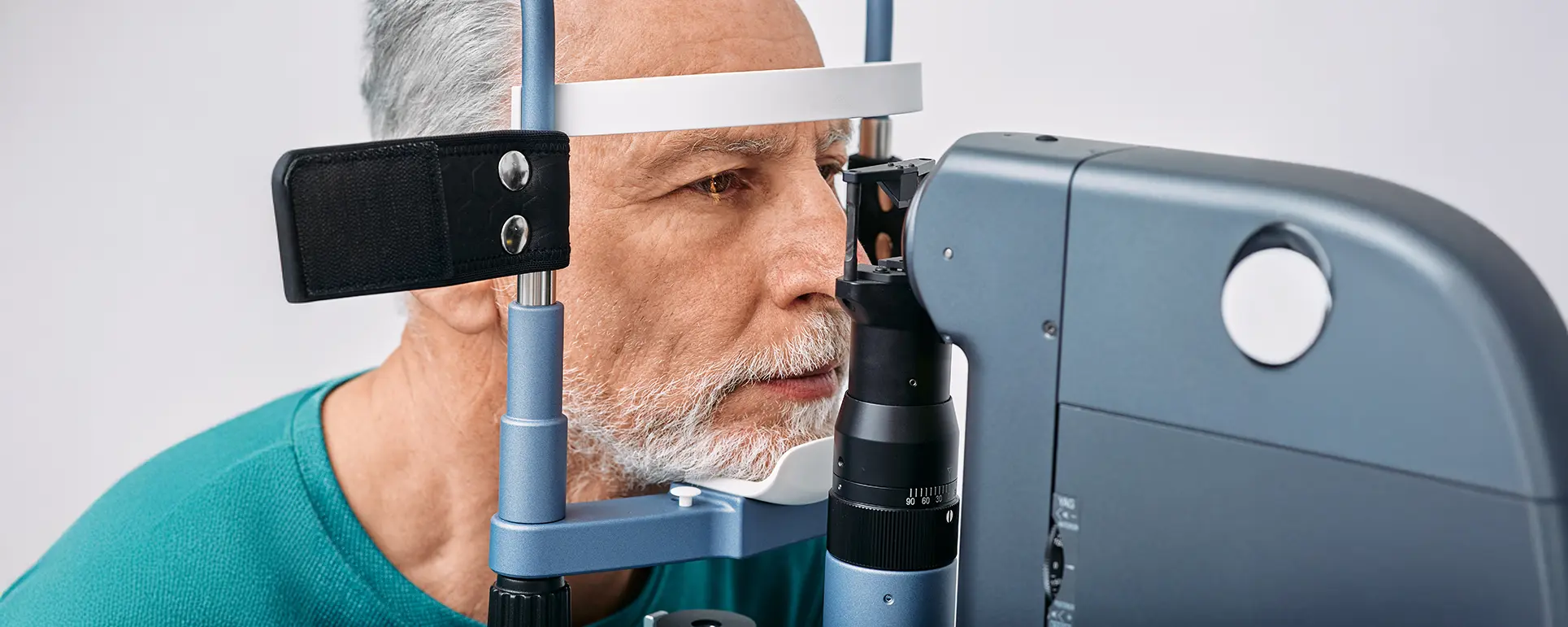
When you’re preparing for cataract surgery, one of the biggest questions on your mind is how soon you’ll be able to see clearly again. If you’ve chosen or are considering the fast-track pathway, the promise of quicker scheduling and reduced delays naturally leads to another expectation: faster visual recovery. It’s reassuring to know that many patients do experience very quick improvements, but it’s also important to understand what “quickly” really means in the context of eye surgery.
Recovery after cataract surgery is more nuanced than simply waking up with perfect vision the next day. Your eye needs time to heal, settle, and adjust to the new intraocular lens (IOL). Even though fast-track pathways help you enter treatment sooner, the healing process inside your eye still follows its own biological rhythm. For some people, clarity returns within hours. For others, it takes a few days. A smaller number of patients see steadier improvements over the course of a few weeks.
What Makes Fast-Track Cataract Surgery Different?
Before discussing recovery, it’s good to clarify what “fast-track” actually means. Fast-track cataract surgery doesn’t change the surgery itself, nor does it modify the technique, anaesthetic, or lens options. What it changes is the pathway the administrative and scheduling process that gets you from assessment to surgery more efficiently.
In a traditional system, waiting lists can stretch for months. Fast-track pathways cut out that delay. Instead of multiple appointments spread out over a long period, you move through assessment, planning, and treatment more swiftly. This reduces anxiety, allows you to regain your vision sooner, and can prevent cataracts from worsening while you wait.
The surgery itself is still carried out using the same high clinical standards and equipment. This means the visual recovery timeline is very similar to standard cataract surgery. What fast-track changes is the speed at which you begin the journey not the speed at which your eye heals.
Many patients find this distinction helpful because it creates realistic expectations: the eye heals at its own pace, no matter how quickly you enter the operating theatre.
How Soon Can You See After Fast-Track Cataract Surgery?

One of the most exciting moments for patients happens right after surgery. Even though your pupil is dilated, your eye is watering, and your vision is hazy, you’ll still notice an immediate change. Colours look brighter. Shapes look clearer. The dull, yellowish hue caused by your cataract disappears instantly.
However, it’s equally normal for vision to feel cloudy, foggy, or uneven at first. This early stage can vary a lot from person to person, and your experience may be different from someone you know.
Most patients fall into one of three categories in the first 24 hours:
1. Rapid clarity, where vision becomes surprisingly sharp within hours.
2. Gradual clarity, where vision is noticeably improved but still hazy.
3. Slow-but-steady clarity, where the improvement is clear but modest, with sharper vision appearing over the next few days.
None of these patterns is better or worse than the others. Your eye is adjusting to a new lens, and the variety of responses reflects natural differences in healing, tear film quality, and swelling.
What Happens in the First Few Hours After Surgery?
In the first couple of hours, your vision is influenced by two main things: the dilating drops and the immediate post-operative swelling. Dilating drops can leave your vision blurry until your pupil shrinks back to normal, which usually happens within a few hours but sometimes takes until the next morning.
Your cornea may also be slightly swollen because of the instruments used during surgery. Even tiny amounts of swelling can significantly affect clarity because your cornea is responsible for a large portion of your eye’s focusing power.
You may also experience tearing, a mild foreign-body sensation, or fluctuating blur as your tear film settles. All of this is entirely normal and part of the short-term healing process.
Despite the blur, most patients still notice a dramatic difference compared to their pre-surgery vision. It’s the kind of improvement that makes you realise just how much your cataract had been affecting your daily life.
What Can You Expect in the First 24 Hours?
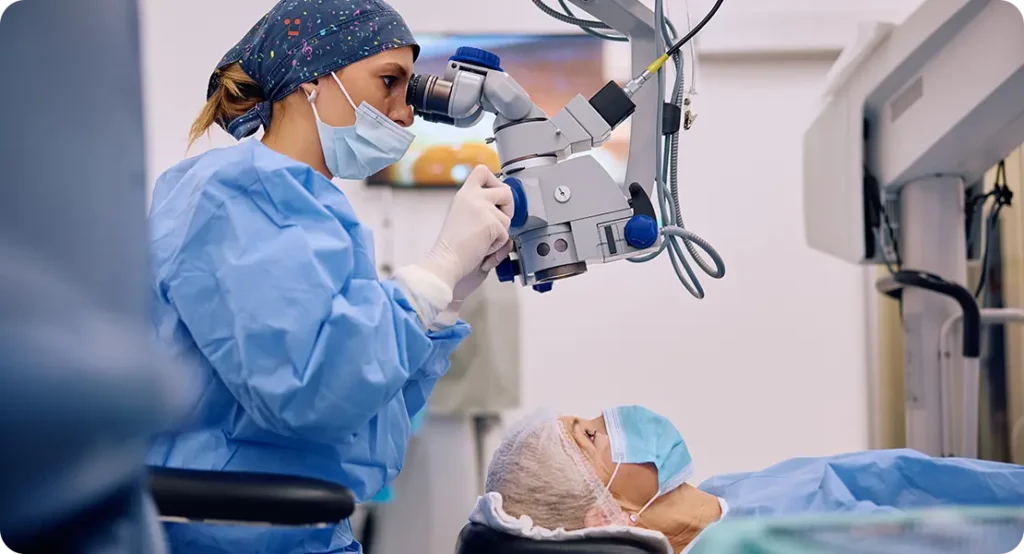
Most people experience a noticeable improvement by the next morning. Many describe it as “seeing through a clean window instead of a foggy one.” You may wake up with sharper outlines, clearer colours, and a greater sense of depth. Reading signs, looking outdoors, or even watching television begins to feel more natural.
However, your vision may still fluctuate throughout the day. Some moments will feel crystal clear, while others may be hazier. This happens because your tear film the moisture coating your eye is still stabilising. Cataract surgery can temporarily disrupt your tear glands, leading to dryness that affects sharpness.
If your vision feels inconsistent in the first 24 hours, it’s not a sign of a problem. It’s a predictable part of healing that tends to resolve within days or weeks.
Visual Improvements in the First 48 Hours
The 24–48 hour window is the time when most patients start to appreciate the true clarity of their new vision. The fogginess from the first day begins to lift, and the world appears brighter and more detailed. Many people say they hadn’t realised how muted colours had become until they see them again with fresh clarity.
Distance vision usually settles faster than near vision unless you’ve chosen a premium lens designed for close-up tasks. Your brain also begins adjusting to the new light entering your eye. This neural adjustment period is subtle but real, and it contributes to the sense of clarity sharpening over time.
Some people still experience mild halos or glare around lights in the first 48 hours, especially if they are driving at night. This is normal and tends to fade as the swelling resolves.
Typical Recovery Timeline After Fast-Track Cataract Surgery
Although recovery varies slightly from person to person, most patients follow a similar pattern after cataract surgery. Knowing what to expect at each stage can help you feel reassured and set realistic expectations.
Within hours: You may notice an immediate improvement in vision, although it often appears hazy or misty at first. This is completely normal as the eye begins to settle.
After 24 hours: Vision is usually much clearer, though it may fluctuate throughout the day. Mild light sensitivity or glare can still occur at this stage.
After 48 hours: Most of the early blurring has settled, and vision becomes more consistent. Many people feel comfortable resuming light daily activities.
After 1 week: Your vision is typically stable and sharp in most lighting conditions. Any residual irritation or dryness usually continues to improve.
After 2–4 weeks: Fine details and contrast continue to improve as swelling fully resolves. The eye adjusts to the new intraocular lens during this period.
After 6–12 weeks: Your prescription is considered stable. This is usually when your optician checks whether you need new glasses for reading or distance.
This recovery timeline is the same for both fast-track and standard cataract surgery, as healing follows the same biological process. The difference with fast-track surgery is how quickly you reach the treatment stage not how fast your eye heals once surgery is complete.
Factors That Influence How Quickly You See Clearly
Several factors can affect how soon you achieve clear vision. These factors vary widely between individuals, and none of them is a sign that something is “wrong.” One major factor is corneal swelling. Some people experience more swelling than others, particularly if their cataract was dense or required more ultrasound energy during surgery. Swelling blurs the cornea temporarily, but it always improves with time.
Dry eye plays a significant role too. The tear film affects how light bends into your eye, so unstable tears can cause fluctuations. Cataract surgery often temporarily reduces tear production, which is why lubricating drops are so important in the early weeks.
Your lens choice also matters. Monofocal lenses (designed for distance) usually deliver fast clarity. Multifocal or extended-depth-of-focus lenses may take longer to adjust because your brain needs time to adapt to the different focal zones.
Your general health, including conditions like diabetes or autoimmune disorders, can impact healing speed. Medications can also affect the eye’s response after surgery. All of these factors are normal and expected. They simply reflect your personal biology and the unique rhythm of your healing.
Why Dry Eye Can Slow Visual Recovery
Dry eye is one of the most common causes of fluctuating early vision. When your tear film is unstable, the surface of your eye becomes irregular. Light entering your eye scatters instead of focusing cleanly, creating blur.
Cataract surgery affects the tear film because of two reasons: the incisions disrupt corneal nerves temporarily, and the bright microscope light used during surgery can worsen dryness. This is why many patients experience temporary dry eye symptoms even if they didn’t have dryness before surgery.
Lubricating drops help restore sharpness because they rebuild the smooth moisture layer your eye needs for clear focusing. Once the tear film stabilises usually within weeks your clarity improves dramatically.
How Early Vision Differs Between Lens Types
Your lens choice influences your early visual experience. A monofocal lens gives a single, crisp distance point very quickly. Most patients with monofocal lenses find their vision improves rapidly in the first 24–48 hours.
Multifocal and trifocal lenses require more neural adaptation. Your brain must learn to process different rings or focal segments within the lens. This can take days, weeks, or even months. Early halos or glare may appear around lights at night, but these symptoms usually diminish as adaptation progresses.
Extended-depth-of-focus lenses sit somewhere in the middle. They often provide smoother intermediate vision early on but may take slightly longer than monofocals to reach full clarity. None of this reflects a problem. It simply reflects how your brain and eyes work together.
How Fast-Track Pathways Support Recovery
One of the key advantages of fast-track surgery is support. Many fast-track services offer direct access to advice, quicker follow-up, and personalised care. You feel better supported during your biggest recovery questions, which helps reduce anxiety.
Fast-track clinics often have structured aftercare processes that allow you to contact your surgeon directly or receive advice quickly if your vision fluctuates. This sense of accessibility contributes to a calmer recovery experience. If you’re considering this approach, reviewing reputable centres that offer fast track cataract surgery in London can give you insight into how these pathways are organised and what support systems are available.
What to Expect During the First Week
During the first week, your clarity becomes more consistent. You’ll notice colours looking richer and whites looking brighter. Your distance vision becomes sharper, especially outdoors. Near tasks may still feel slightly out of focus unless your lens is designed for this.
You may still notice fluctuations throughout the day. Many people find their vision is sharpest in the morning and slightly blurrier by evening, especially if they spend long hours on screens.
Eye drops play a major role in recovery this week. Anti-inflammatory drops reduce swelling, antibiotics prevent infection, and lubricating drops support comfort. Sticking to your drop schedule helps your vision settle faster. Most patients are comfortable driving again within a few days, though you should always check with your surgeon first.
What Happens in Weeks 2 to 4
These weeks are where most of the magic happens. Your eye has settled significantly, swelling has reduced, and your corneal surface has stabilised. This is when most people feel their vision is “as clear as it’s going to get” in daily life.
Fine detail continues to improve. Reading signs, following subtitles, or identifying small text becomes easier. If you had a multifocal lens, your near and intermediate vision may still be adjusting, and that’s completely normal.
You may still experience occasional dryness, especially in air-conditioned or heated environments. Lubricating drops remain useful during this stage.
Reaching Full Visual Stability
Full stability usually arrives between six and twelve weeks after surgery. By this point, the cornea has completely healed, and the new lens has fully settled. Your refractive measurements are stable enough for an optician to determine whether you need glasses for any specific task.
Most people end up with excellent vision. Some may need mild reading glasses depending on their lens choice, but the level of clarity compared to pre-surgery vision is usually life-changing. This final stage is when your eye has fully adapted, and any remaining fluctuations disappear.
Why Recovery May Be Slower for Some People
Some patients experience a slower recovery, and this is not a sign of a problem. It simply reflects their unique healing profile. Factors such as age, medical conditions, lens type, corneal swelling, and baseline dryness all influence the pace of recovery.
Your surgeon will monitor you closely and provide guidance if anything is outside normal expectations. In most cases, slow recovery still leads to excellent final vision.
How to Support Faster Recovery
Even though healing follows its own timetable, there are things you can do to support your vision. Staying hydrated keeps your tear film stable. Using your prescribed drops on schedule helps inflammation settle. Taking regular screen breaks reduces strain. Wearing sunglasses outdoors protects your eye from UV light.
Avoiding rubbing your eyes is especially important. Rubbing can irritate the healing cornea and prolong fluctuations. Allowing your eye to heal without disturbance helps your clarity settle faster. Good sleep also plays a role. Your eye relies on overnight repair processes to restore moisture, clarity, and stability.
When You Should Contact Your Surgeon
While fluctuating blur, dryness, halos, and mild discomfort are normal, there are a few symptoms that require urgent attention. Severe pain, sudden vision loss, rapidly increasing redness, or flashes of light should be assessed immediately. These symptoms are rare but can indicate an infection or other complication.
Your surgeon will provide emergency contact details, and fast-track pathways usually ensure you can be seen quickly if concerns arise. Knowing the difference between normal fluctuations and concerning signs helps you feel more confident and secure during recovery.
Frequently Asked Questions
1. How soon will I notice an improvement in my vision after fast-track cataract surgery?
Many patients notice an improvement within a few hours of surgery, even though vision may still feel hazy at first. Colours often appear brighter straight away, and outlines look clearer than before surgery. For most people, meaningful clarity begins within the first 24 hours.
2. Is it normal for vision to be blurry the day after surgery?
Yes, mild blurriness or fluctuation is completely normal in the first day or two. This usually happens because of temporary corneal swelling, dilating drops, or dryness. Vision typically continues to improve as the eye settles.
3. Does fast-track cataract surgery heal faster than standard cataract surgery?
No, the healing process inside the eye is the same for both fast-track and standard cataract surgery. Fast-track pathways simply reduce waiting times and delays before surgery. Once the procedure is done, your eye heals according to its natural biological timeline.
4. When will my vision feel stable enough for everyday activities?
Most patients feel comfortable with everyday activities such as watching television, walking outdoors, and light household tasks within 48 hours. Driving is often possible within a few days, but this should always be confirmed by your surgeon.
5. Why does my vision seem clearer at some times of the day than others?
This usually happens because of dry eye or tear film instability, which is common after cataract surgery. Vision may feel sharper in the morning and slightly blurrier later in the day, especially after screen use. This fluctuation improves as the eye heals.
6. How long does it take for vision to fully stabilise after surgery?
For most people, vision continues to refine over several weeks. Full stability is usually reached between six and twelve weeks after surgery, which is why final glasses prescriptions are typically checked after this period.
7. Does the type of lens affect how quickly vision clears?
Yes, lens choice can influence early recovery. Monofocal lenses often provide fast clarity, while multifocal or extended-depth-of-focus lenses may take longer as the brain adapts. This adjustment period is normal and expected.
8. Can dry eye slow down visual recovery after cataract surgery?
Dry eye is one of the most common reasons for fluctuating vision after surgery. Cataract surgery can temporarily reduce tear production and disrupt corneal nerves. Regular use of lubricating drops usually improves clarity significantly over time.
9. When should I be concerned about my vision after surgery?
You should contact your surgeon urgently if you experience severe pain, sudden vision loss, rapidly increasing redness, flashes of light, or a dark curtain in your vision. These symptoms are uncommon but require immediate assessment.
10. Is slower vision recovery a sign that something has gone wrong?
Not at all. Healing speed varies between individuals based on factors such as age, eye surface health, lens type, and general health. Even when recovery feels slower, most patients still achieve excellent final vision with time.
Final Thought: Fast-Track Cataract Surgery Recovery
Fast-track cataract surgery can significantly reduce waiting times, giving you quicker access to treatment and the reassurance of early visual improvement. While the healing process inside your eye follows the same natural timeline as standard surgery, understanding what to expect can help you feel more confident during recovery. Vision typically begins to improve within hours, with full stability often reached between six and twelve weeks. Following your surgeon’s guidance, using prescribed eye drops, and caring for your eyes during this period supports the best possible outcome. If you’re considering fast track cataract surgery in London, you’re welcome to contact us at the London Cataract Centre to discuss your options and arrange a consultation.
References:
1. Au, L., Saha, K., Fernando, B., Ataullah, S. and Spencer, F. (2008) ‘Fast‑track’ cataract services and diagnostic and treatment centre: impact on surgical training, Eye (London), 22(1), pp. 55–59. https://pubmed.ncbi.nlm.nih.gov/16858438/
2. Miklaszewski, P., Gadamer, A.M., Janiszewska‑Bil, D., Lyssek‑Boroń, A., Dobrowolski, D., Wylęgała, E., Grabarek, B.O. and Krysik, K., 2025. https://www.mdpi.com/2077-0383/14/12/4349
3. Uzun, F., Findik, H. and Kaim, M., 2025. Preoperative ocular biometric parameters as predictors of intraocular pressure reduction after phacoemulsification cataract surgery in non‑glaucomatous eyes. https://www.mdpi.com/2075-1729/15/3/381
4. See, C.W., Iftikhar, M. and Woreta, F.A., 2019. Preoperative evaluation for cataract surgery. Current Opinion in Ophthalmology, 30(1), pp.3–8. https://pubmed.ncbi.nlm.nih.gov/30489358/
5. See, Preoperative evaluation of the cataractous patient, 1984. Review of clinical preoperative methods for cataract surgery. https://www.sciencedirect.com/science/article/abs/pii/0039625784901140