


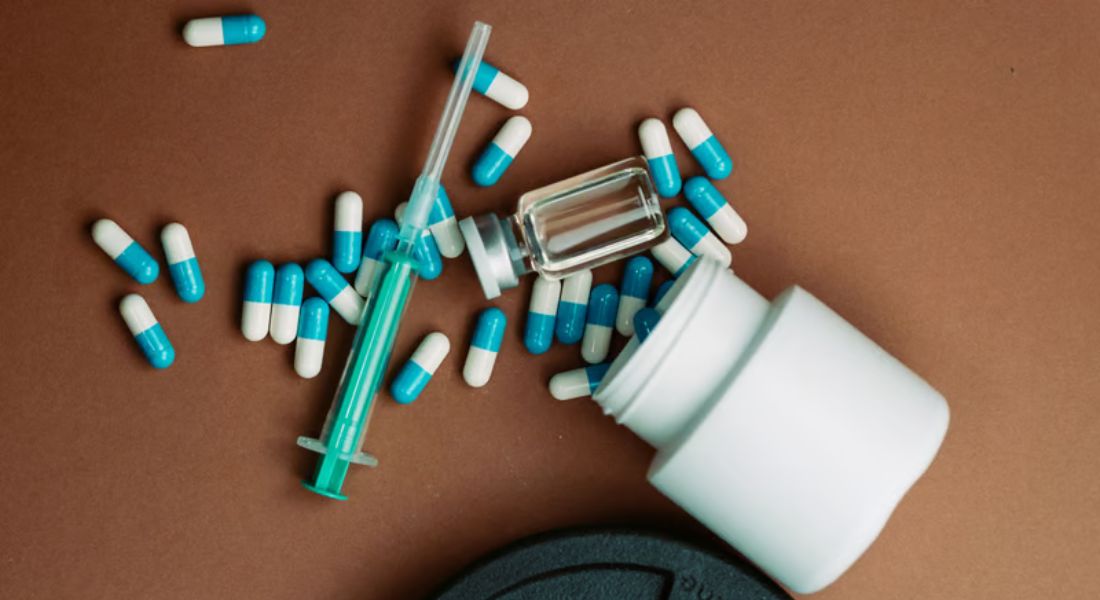
If you’re taking steroid medication and considering lens surgery, it’s completely natural to have questions about how those medicines might affect your eyes and the safety of the procedure. I often speak with patients who are surprised to learn that steroid medications whether taken as tablets, inhalers, injections, or eye drops can influence several aspects of eye health. Because lens surgery involves delicate structures within the eye, understanding these effects is an important part of surgical planning.
Steroids are widely used to treat many medical conditions, including inflammation, autoimmune diseases, allergies, and asthma. They are highly effective at controlling immune responses and reducing swelling throughout the body. However, long-term or frequent steroid use can also lead to changes in the eye, such as increased eye pressure or alterations in the natural lens. These changes are particularly relevant when evaluating a patient for lens surgery.
During a consultation, surgeons carefully review all medications because steroid use can affect several factors related to the procedure. These include the health of the lens, the stability of intraocular pressure, and how the eye heals after surgery. By understanding a patient’s medication history, surgeons can assess potential risks and plan the safest possible surgical approach.
In this guide, I’ll explain why surgeons ask detailed questions about steroid medications during your assessment. I’ll discuss how steroids may influence the lens, the pressure inside the eye, and the healing process after surgery. My aim is to help you understand the reasoning behind these discussions so you can feel informed and confident when preparing for lens surgery.
Why Surgeons Ask About Steroid Use
When I evaluate someone for lens surgery, one of the first things I review is their medication history. This includes prescription medicines, inhalers, creams, and occasional treatments such as steroid injections. Steroids can influence several aspects of eye health, particularly the lens and the pressure inside the eye, so it is important for surgeons to understand how often they are used and in what form.
Because lens surgery involves removing and replacing the eye’s natural lens, any factor that affects the lens or surrounding structures needs to be considered carefully. Steroid medications may alter the clarity of the lens or affect intraocular pressure, both of which can influence surgical planning. By reviewing a patient’s medication history, I can ensure the procedure is tailored to their individual eye health.
Some patients worry that mentioning steroid use might mean they cannot have surgery. In most cases, this is not true. The goal of discussing medications is simply to understand how they may influence the eye so that any potential risks can be managed appropriately and the safest possible surgical outcome can be achieved.
What Steroid Medications Are

Steroids, also known as corticosteroids, are medications used to reduce inflammation throughout the body. They work by mimicking hormones naturally produced by the adrenal glands and are widely prescribed to treat conditions such as asthma, arthritis, skin disorders, and autoimmune diseases. Because of their strong anti-inflammatory effects, they are often essential for controlling many chronic medical conditions.
These medications are available in several forms, including oral tablets, inhalers, nasal sprays, injections, creams, and eye drops. Each type delivers the medication in a slightly different way, but long-term or repeated use can still influence various parts of the body, including the eyes. Even treatments that seem unrelated to eye health may have subtle effects over time.
Because steroid medications are so commonly used, many patients do not immediately associate them with eye health. However, prolonged use can affect structures such as the natural lens and may influence intraocular pressure. For this reason, steroid use becomes an important consideration when planning lens surgery.
How Steroids Affect the Natural Lens
One of the most well-known effects of long-term steroid use is the development of cataracts. Steroids can alter the proteins inside the eye’s natural lens, gradually causing it to become cloudy. As this clouding increases, light can no longer pass through the lens clearly, leading to progressive visual changes.
The type of cataract commonly associated with steroid use is called a posterior subcapsular cataract. This form develops at the back surface of the lens and can sometimes affect vision more quickly than other cataract types. Patients often notice symptoms such as glare from bright lights, blurred vision, or difficulty reading, particularly in strong illumination.
In many cases, cataracts linked to steroid use eventually require surgical treatment. For patients considering lens surgery, this connection is particularly relevant because cataract formation may be one of the main reasons surgery is recommended. Replacing the cloudy natural lens with a clear artificial lens can restore vision and improve visual comfort.
Steroids and Intraocular Pressure
Steroid medications can have several effects on the eyes, one of the most significant being their impact on intraocular pressure (IOP). The eye constantly produces fluid, which normally drains through a structure called the trabecular meshwork. When this drainage system functions properly, pressure inside the eye remains stable. However, steroid use can interfere with this process and lead to an increase in eye pressure, which may become a concern before eye surgery.
- Role of the Trabecular Meshwork: The trabecular meshwork acts as the eye’s natural drainage system, allowing fluid to exit and maintain normal pressure levels. If this structure functions efficiently, the balance between fluid production and drainage keeps intraocular pressure stable. Any disruption to this system can lead to pressure changes within the eye.
- How Steroids Affect Drainage: Steroids can alter the function of the trabecular meshwork by reducing its ability to drain fluid effectively. This reduced efficiency causes fluid to accumulate inside the eye, which gradually increases intraocular pressure. The longer steroids are used, the more likely these changes may occur in susceptible individuals.
- Variation in Individual Response: Not everyone responds to steroids in the same way. Some individuals experience only a mild and temporary rise in intraocular pressure, while others often referred to as “steroid responders” may develop a significant pressure increase that requires medical attention.
- Importance of Pre-Surgical Pressure Checks: Because of the potential for steroid-related pressure changes, surgeons routinely check intraocular pressure before considering lens surgery. Monitoring IOP helps identify patients who may be at risk and ensures that any pressure issues are managed before proceeding with surgery.
In conclusion, steroid medications can influence intraocular pressure by affecting the eye’s natural drainage system. While some people experience only minor changes, others may develop a more pronounced increase in pressure. Careful monitoring before surgery allows surgeons to detect these changes early and manage them appropriately. This precaution helps protect the optic nerve and ensures safer outcomes for patients undergoing lens procedures.
Steroid-Induced Glaucoma
Steroid medications can sometimes cause a sustained increase in intraocular pressure. When this rise in pressure persists, it may lead to a condition known as steroid-induced glaucoma. This occurs because steroids can affect the eye’s natural drainage system, making it harder for fluid to leave the eye and allowing pressure to build up.
Glaucoma develops when elevated pressure damages the optic nerve, the structure responsible for transmitting visual information from the eye to the brain. Over time, this damage can affect the visual field and lead to permanent vision loss if it is not properly managed. However, it is important to note that not everyone who takes steroids will experience this complication.
If a patient has previously developed steroid-related pressure changes, careful monitoring becomes essential. Eye pressure may need to be controlled with medication or other treatments before surgery is considered. Ensuring that intraocular pressure is stable helps surgeons plan lens surgery more safely and reduces the risk of complications during recovery.
Different Forms of Steroids and Their Eye Effects
Not all steroid medications affect the eyes in the same way. Oral steroids and steroid eye drops usually have the strongest influence because they can reach higher concentrations within ocular tissues. Over time, this exposure may contribute to changes in the natural lens or increases in intraocular pressure.
Inhaled steroids, commonly used to manage asthma or other respiratory conditions, may also affect the eyes when taken over many years. Although the risk is generally lower than with oral steroids, long-term use can still have subtle effects. Even steroid creams applied around the eyelids can sometimes influence intraocular pressure if the medication is absorbed through the skin.
For this reason, I usually ask patients about every form of steroid medication during the consultation. This includes tablets, inhalers, creams, injections, and eye drops. Understanding the full history of steroid use helps create a clearer picture of potential risk factors and allows the surgical plan to be tailored accordingly.
Why Pre-Operative Assessment Matters
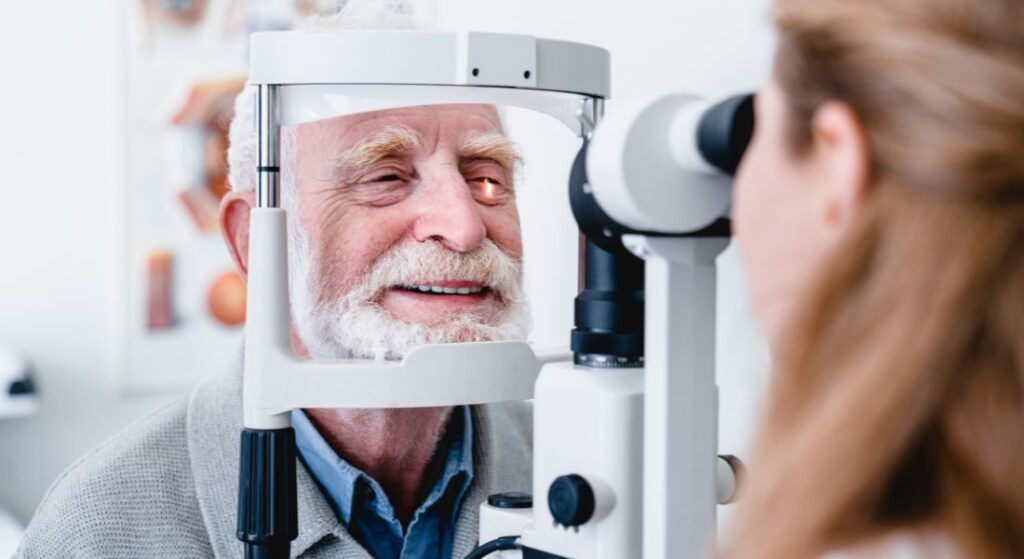
Before lens surgery, every patient undergoes a detailed eye examination. For patients who are taking steroid medications, this assessment becomes even more important because steroids can influence several structures within the eye. A thorough evaluation helps identify any changes that may affect surgical planning.
During this assessment, I check the clarity of the natural lens, measure intraocular pressure, and carefully examine the optic nerve. These tests allow me to determine whether steroid use has already caused changes such as cataract formation or pressure elevation. Understanding these factors helps ensure the procedure is planned safely and appropriately for each patient.
In some cases, we also perform additional imaging tests such as optical coherence tomography. This technology allows us to evaluate the retina and optic nerve in much greater detail. The goal of this careful assessment is to confirm that lens surgery will improve vision while protecting long-term eye health.
The Link Between Steroids and Cataract Formation
Long-term use of steroid medications is one of the most well-recognised causes of secondary cataracts. These cataracts tend to develop gradually as steroids affect the structure and clarity of the eye’s natural lens. Although the changes may start subtly, they can eventually lead to noticeable vision problems as the lens becomes increasingly cloudy. Understanding this connection is important for patients who rely on steroid treatments for other medical conditions.
- How Steroids Affect the Natural Lens: Steroids can alter the proteins within the eye’s natural lens, causing them to clump together over time. This structural change leads to clouding of the lens, which is the defining feature of cataracts. As the cloudiness increases, light cannot pass through the lens as clearly, leading to blurred or hazy vision.
- Gradual Development of Steroid-Related Cataracts: Cataracts linked to steroid use often develop slowly, sometimes over months or years. Early symptoms may include glare, difficulty reading, or reduced contrast in bright light. Because the changes occur gradually, many patients may not immediately realise that their vision is being affected.
- Medications Can Accelerate Cataract Formation: While ageing is the most common cause of cataracts, certain medications can speed up the process. Long-term steroid therapy can increase the likelihood of developing cataracts earlier than expected, particularly when used in high doses or for extended periods.
- Lens Surgery as a Treatment Option: When cataracts significantly affect vision, lens surgery becomes an effective solution. The cloudy natural lens is removed and replaced with an artificial intraocular lens, restoring clarity and often reducing the need for glasses. This procedure not only treats the cataract but can also improve overall visual quality.
In conclusion, steroid medications can play a significant role in the development of secondary cataracts. Although these cataracts typically form gradually, they can eventually interfere with daily activities and visual clarity. Recognising the link between steroid use and lens changes allows for timely monitoring and treatment. When necessary, lens surgery can effectively restore vision and improve quality of life.
Steroid Use and Surgical Healing
Steroid medications influence the body’s inflammatory response, which is why they are widely used to treat many medical conditions. However, this same property can also affect how tissues heal after surgery. Because lens surgery involves delicate eye structures, understanding how steroids may influence healing is an important part of surgical planning.
Patients who take systemic steroids for long periods may sometimes experience slightly slower healing. Steroids can reduce the body’s immune response, which means tissues may take longer to recover and there may be a slightly higher susceptibility to infection. While this does not prevent most people from having surgery, it is a factor that surgeons consider carefully before the procedure.
For this reason, surgeons often review both the dosage and duration of steroid use during the pre-operative consultation. In some situations, small adjustments to medication timing may be recommended in coordination with the patient’s physician. These precautions help ensure that the eye heals smoothly and that recovery after lens surgery proceeds safely.
Temporary Steroid Use Around Surgery
Steroids are not only medications that patients may already be taking before surgery; they are also commonly used during the surgical process itself. After lens surgery, surgeons often prescribe steroid eye drops to reduce inflammation and support proper healing. Controlling inflammation is important because it helps the eye recover comfortably and reduces the risk of complications.
These steroid drops are used in carefully controlled doses and usually only for a short period during the recovery phase. Patients follow a specific schedule that gradually reduces the dosage over time. Because the treatment is closely monitored by the surgeon, the benefits of reducing inflammation generally outweigh the potential risks.
Many patients find it surprising that steroids can both contribute to cataract formation over long periods and also be used to aid recovery after surgery. The difference lies mainly in dosage, duration, and medical supervision. When steroids are used for a short, controlled period under professional guidance, they can play an important role in supporting safe and effective healing.
Managing Steroid-Related Risks Before Surgery
Taking steroid medication does not automatically mean that lens surgery must be delayed. In most cases, patients can still proceed with the procedure, but certain precautions may be taken to ensure the safest possible outcome. Careful planning helps identify and manage any potential effects that steroids may have on the eye.
One important step is monitoring intraocular pressure. Your surgeon may check eye pressure several times before surgery to confirm that it remains stable. If pressure is elevated, treatment such as pressure-lowering eye drops may be prescribed to bring it under control before moving forward with the procedure.
In some cases, the doctor who originally prescribed the steroid medication may temporarily adjust the dosage. This decision is always made carefully to ensure that the underlying condition being treated remains stable. By coordinating care between specialists, surgeons can reduce potential surgical risks while maintaining proper management of the patient’s overall health.
Communicating with Your Healthcare Team
Planning for lens surgery often involves communication between several healthcare professionals. If you take steroid medication for conditions such as asthma, allergies, or autoimmune disease, your ophthalmologist may work closely with your GP or relevant specialist. This collaboration helps ensure that all aspects of your health are considered when preparing for surgery.
Coordinating care between doctors allows any necessary medication adjustments to be made safely. The goal is to protect your eye health without disrupting treatment for your underlying medical condition. By sharing information and working together, healthcare providers can minimise risks and ensure that the surgical plan is appropriate for your overall health.
Open communication between you and your medical team is equally important. Being honest about all medications you use, including inhalers, creams, or occasional steroid treatments, helps your surgeon make well-informed decisions. This collaborative approach plays a key role in achieving the safest procedure and the best possible visual outcome.
Monitoring Eye Pressure After Surgery
Careful monitoring after lens surgery is especially important for patients who have a history of steroid use. Steroids can influence how the eye regulates intraocular pressure, making early follow-up checks essential during the recovery period. The first few weeks after surgery are particularly critical, as this is when pressure changes are most likely to occur. Regular monitoring ensures that any issues are detected and treated quickly.
- Early Post-Operative Pressure Checks: Intraocular pressure is usually measured during the first follow-up visits after surgery. These checks help detect any early increases in pressure that could potentially affect the optic nerve or overall eye health. Identifying changes quickly allows the surgeon to take prompt action if needed.
- Use of Additional Eye Drops: If a pressure rise is detected, doctors may prescribe additional eye drops to help reduce intraocular pressure. These medications work by either decreasing fluid production or improving drainage within the eye, helping bring the pressure back to a safe range.
- Temporary Nature of Pressure Fluctuations: In many cases, pressure changes after surgery are mild and short-lived. As the eye heals and inflammation settles, intraocular pressure often returns to normal without causing lasting problems.
- Importance of Regular Follow-Up Visits: Attending scheduled follow-up appointments allows the surgeon to track healing and ensure that pressure remains stable. These visits provide reassurance that recovery is progressing smoothly and that any complications can be managed promptly.
In conclusion, monitoring eye pressure after lens surgery is an essential part of post-operative care, particularly for patients who have used steroid medications. Regular checks help identify and manage pressure changes before they become serious. With appropriate monitoring and timely treatment, most patients recover without long-term complications and enjoy improved vision following surgery.
The Importance of Honest Medication Disclosure
Providing a complete and accurate list of your medications is one of the most helpful steps you can take before lens surgery. This should include tablets, inhalers, eye drops, creams, injections, and any other treatments you use regularly or occasionally. Even medications that seem unrelated to eye health can sometimes influence the condition of the eye or the healing process after surgery.
Your surgeon’s goal in reviewing this information is not to judge your medication use but to ensure the safest possible surgical plan. Knowing exactly which medications you take allows the surgical team to identify any potential risks and manage them appropriately before the procedure. This preparation helps reduce complications and supports a smoother recovery.
Patients sometimes forget to mention treatments such as inhalers or topical creams because they do not immediately associate them with eye health. However, certain medications, including steroids, can affect intraocular pressure or other aspects of the eye over time. Sharing complete information during the pre-operative assessment helps avoid unexpected findings and ensures that surgery can be planned with confidence.
Long-Term Eye Health After Steroid Use
Even after successful lens surgery, it remains important to monitor your eye health if you continue taking steroid medications. Long-term steroid use can still influence factors such as intraocular pressure, which may affect the optic nerve over time. Regular eye examinations allow these changes to be detected early and managed before they cause lasting problems.
During follow-up visits, your ophthalmologist will check eye pressure, examine the optic nerve, and assess overall visual function. These evaluations help ensure that any steroid-related effects are identified and treated promptly. Ongoing monitoring is especially valuable for patients who rely on steroid therapy to manage chronic medical conditions.
Many people use steroid medications safely for years with proper ophthalmic supervision. The key is maintaining regular check-ups and informing your doctor about any changes in vision, such as blurred vision, halos around lights, or eye discomfort. With careful monitoring, both eye health and the benefits of steroid treatment can be maintained.
When Lens Surgery May Be Recommended
For patients who develop steroid-related cataracts, lens surgery is often the most effective solution. As the natural lens becomes cloudy, vision may gradually worsen, causing symptoms such as blurred vision, glare, or difficulty reading. Removing the cloudy lens and replacing it with a clear artificial lens can significantly improve visual clarity.
Modern intraocular lenses can also correct common refractive errors such as short-sightedness, long-sightedness, and astigmatism. This means many patients experience clearer vision after surgery and may rely less on glasses for everyday activities. Lens surgery is now one of the most frequently performed eye procedures worldwide and is considered highly safe when carried out by experienced specialists.
Patients exploring treatment options often look for specialist clinics that provide advanced lens surgery in London. Consulting an experienced surgeon allows the procedure to be carefully planned around your individual medical history, including any past or current steroid use. Personalised evaluation helps ensure the safest approach and the best possible visual outcome.
Preparing for Your Consultation

If you take steroid medication and are considering lens surgery, preparing for your consultation can help ensure a more productive and informative discussion with your surgeon. Providing accurate details about your medications and medical history allows the surgeon to assess potential risks and plan the safest approach to surgery. A well-prepared consultation also helps you understand your options and feel more confident about the procedure. Taking a few simple steps beforehand can make the entire process smoother.
- Bring a Complete Medication List: It is important to provide a detailed list of all medications you currently take. This should include prescription drugs, over-the-counter medicines, and any steroid treatments, as each may influence eye health or surgical planning.
- Include Dosages and Duration: Along with the medication names, note the dosage and how long you have been taking each drug. Long-term steroid use, in particular, can have different effects on the eyes compared to short-term use, so this information helps your surgeon evaluate potential risks more accurately.
- Note the Frequency of Use: Try to indicate whether your medication is taken daily, occasionally, or in cycles. This detail provides further insight into how steroids may be affecting your eyes and whether any adjustments might be needed before surgery.
- Prepare Questions for Your Surgeon: A consultation is also an opportunity to clarify any concerns you may have. Preparing questions about surgical risks, recovery time, or medication adjustments can help you feel more informed and confident about the next steps.
In conclusion, preparing for your consultation by organising medication details and relevant medical information can greatly assist your surgeon in planning your care. Accurate information allows for a more thorough assessment of risks and helps determine the most appropriate timing for surgery. With proper preparation, your consultation becomes a valuable step toward achieving safe and successful vision correction.
FAQs:
1. Can I have lens surgery if I take steroid medication?
Yes, most patients who take steroid medications can still have lens surgery. Your surgeon will review your medication history to assess how steroids may affect eye pressure, the natural lens, and healing after surgery. In many cases, surgery can proceed safely with appropriate monitoring.
2. Do steroid medications cause cataracts?
Long-term use of steroid medications can increase the risk of developing cataracts. Steroids may alter proteins inside the natural lens, causing it to become cloudy over time. When cataracts significantly affect vision, lens surgery is often recommended to restore clarity.
3. What type of cataract is associated with steroid use?
Steroid use is commonly linked to posterior subcapsular cataracts. These cataracts form at the back of the natural lens and can affect vision relatively quickly, often causing glare, blurred vision, and difficulty seeing in bright light.
4. How do steroids affect eye pressure?
Steroids can interfere with the eye’s drainage system, known as the trabecular meshwork, which normally regulates fluid flow inside the eye. When drainage is reduced, fluid can build up and cause an increase in intraocular pressure.
5. What is steroid-induced glaucoma?
Steroid-induced glaucoma occurs when steroid medications cause a persistent rise in intraocular pressure that damages the optic nerve. This condition can lead to vision loss if left untreated, which is why eye pressure monitoring is important for patients using steroids.
6. Which forms of steroids affect the eyes the most?
Oral steroids and steroid eye drops typically have the strongest effect on eye structures. However, inhalers, injections, and even creams used around the eyelids can also influence eye pressure or lens clarity if used for long periods.
7. Why do surgeons ask about steroid medications before lens surgery?
Surgeons ask about steroid use because these medications can affect cataract development, intraocular pressure, and healing after surgery. Understanding your medication history allows the surgeon to plan the safest surgical approach.
8. Do steroids affect healing after lens surgery?
Long-term systemic steroid use may slow the body’s healing response slightly. Because steroids suppress inflammation and immune activity, surgeons carefully review dosage and duration to ensure proper recovery after surgery.
9. Why are steroid eye drops prescribed after lens surgery?
Steroid eye drops are commonly prescribed after lens surgery to reduce inflammation and support healing. When used in controlled doses for a short period under medical supervision, they help improve recovery and reduce complications.
10. Should I stop taking steroid medication before lens surgery?
You should never stop steroid medication without medical advice. If adjustments are needed before surgery, your ophthalmologist will coordinate with the doctor who prescribed the medication to ensure your underlying condition remains properly managed.
Final Thoughts: Understanding Steroids and Safe Lens Surgery
Steroid medications are widely used to treat many health conditions, but they can also influence aspects of eye health that are important when planning lens surgery. Long-term or frequent steroid use may affect the natural lens, increase intraocular pressure, or slightly influence the healing process after surgery. These factors do not usually prevent patients from having surgery, but they do make careful assessment and monitoring an important part of the preparation process. By reviewing your medication history and performing detailed eye examinations, surgeons can identify potential risks and plan the safest possible approach.
If you’re thinking about Lens Surgery in London, you can get in touch with us at London Cataract Centre. A personalised consultation allows your surgeon to evaluate your eye health, review any steroid medications you take, and recommend the most appropriate treatment plan for your vision and long-term eye care.
References:
- Winant, D., Stalmans, I. and Vandewalle, E., 2022. The effects of intranasal, inhaled and systemic glucocorticoids on intraocular pressure: A literature review. Journal of Clinical Medicine, https://www.mdpi.com/2077-0383/11/7/2007
- Jobling, A.I. and Augusteyn, R.C., 2002. What causes steroid cataracts? A review of steroid-induced posterior subcapsular cataracts. Clinical and Experimental Optometry, https://pubmed.ncbi.nlm.nih.gov/11952401/
- Phulke, S., Kaushik, S., Kaur, S. and Pandav, S.S., 2017. Steroid-induced glaucoma: An avoidable irreversible blindness. Journal of Current Glaucoma Practice https://pmc.ncbi.nlm.nih.gov/articles/PMC5577123/
- Weinreb, R.N., Aung, T. and Medeiros, F.A., 2020. Steroid-induced glaucoma: Epidemiology, pathophysiology, and clinical management. Survey of Ophthalmology, https://www.sciencedirect.com/science/article/abs/pii/S0039625720300242
- Sahni, D., Darley, C.R. and Hawk, J.L.M., 2004. Glaucoma induced by periorbital topical steroid use a rare complication. Clinical and Experimental Dermatology, https://academic.oup.com/ced/article-abstract/29/6/617/6627173