


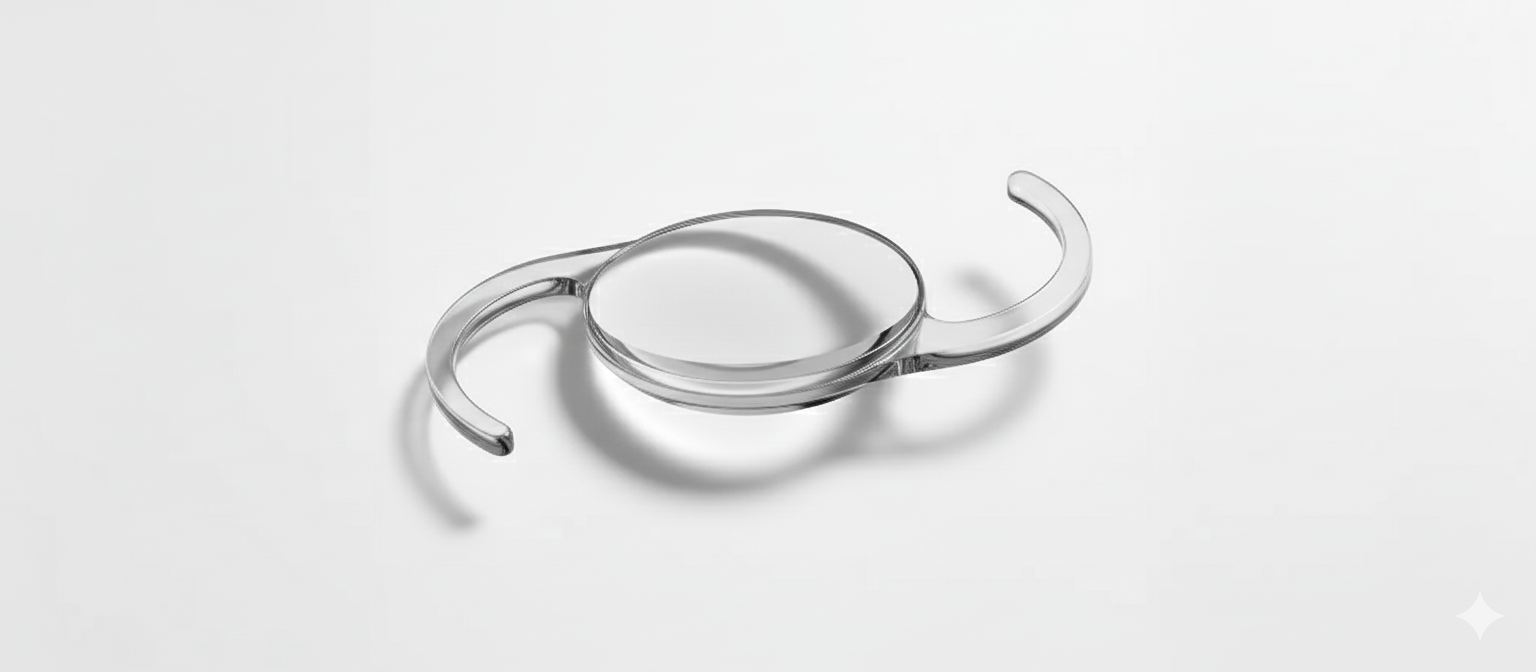
For decades, cataract surgery has been one of the most successful medical procedures in the world restoring sight with precision and safety. But as technology evolves, a new question is emerging: could smart contact lenses push vision enhancement even further after surgery?
Imagine wearing a lens that automatically adjusts focus between near and far objects, monitors eye pressure or glucose levels, and communicates real-time data to your phone. Once confined to science fiction, this technology is now moving rapidly from laboratory prototypes to clinical testing.
In this article, we’ll explore what smart contact lenses are, how they might work in eyes that have already undergone cataract surgery, and what their future could mean for millions seeking sharper, healthier vision.
What Are Smart Contact Lenses?
Smart contact lenses are miniaturised electronic devices designed to sit on the eye’s surface just like traditional lenses but with integrated sensors, circuits, and sometimes micro-displays. Unlike standard lenses, they don’t just correct vision; they interact with your biology and environment.
Current Types of Smart Lenses in Development:
- Health-Monitoring Lenses: Measure biomarkers like glucose, intraocular pressure (IOP), or tear chemistry to detect diseases such as diabetes or glaucoma.
- Autofocusing Lenses: Contain liquid crystal or electro-active materials that adjust focus instantly mimicking the natural accommodation your eye had before presbyopia or cataract surgery.
- Augmented Reality (AR) Lenses: Display digital information directly onto your visual field such as navigation prompts, text, or notifications.
- Drug-Delivery Lenses: Slowly release medication to the eye surface for sustained therapy without drops.
Each design requires a delicate balance between functionality, comfort, and safety especially for post-surgical eyes.
Why the Interest After Cataract Surgery?
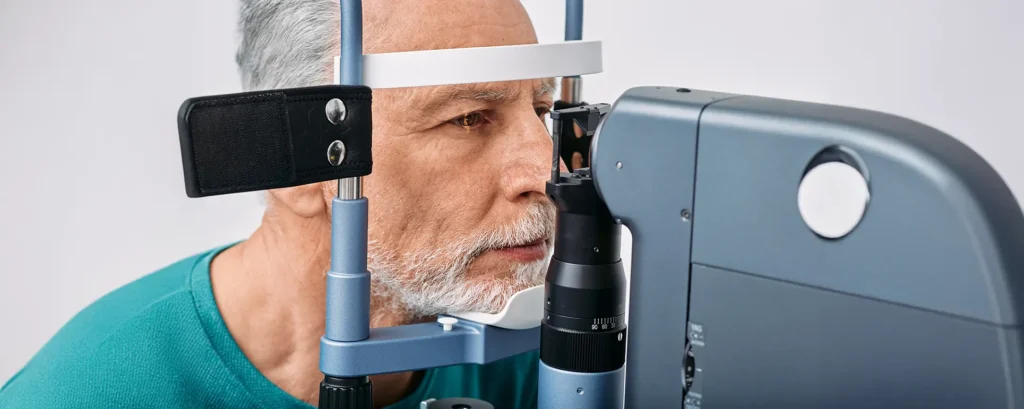
Cataract surgery replaces your natural lens with an intraocular lens (IOL), which provides clear vision but cannot change focus like your original lens once could.
That means while you may see clearly at a chosen distance (depending on the IOL type), you might still need reading glasses or progressive lenses for other ranges.This is where smart contact lenses could come in.
They offer a potential bridge between fixed-focus IOLs and the dynamic focusing ability your eyes once had creating the possibility of true adaptive vision.In theory, wearing smart lenses over your implanted IOL could allow you to focus from distance to near instantly, without bifocals or multiple pairs of glasses.
Can Smart Lenses Be Worn After Cataract Surgery?
In principle, yes but with caution. Patients who have undergone cataract surgery can usually wear soft contact lenses once the eyes are fully healed and stable. For most, that’s within 6–12 weeks after the procedure, depending on healing and dryness. However, smart contact lenses are more complex.
Because they contain sensors and micro-components, their design must ensure:
Oxygen: The material must allow sufficient oxygen to reach the cornea, preventing hypoxia and maintaining healthy corneal cells during use.
Stability: Mechanical stability is essential so that the device or implant does not shift or disrupt the delicate corneal surface, ensuring comfort and consistent vision.
Safety: Electrical safety and biocompatibility are critical to avoid tissue irritation, inflammation, or other adverse reactions, ensuring the material is safe for long-term implantation.
Compatibility: The device or material must work harmoniously with existing intraocular lenses, avoiding optical interference that could compromise vision quality.
Clinical trials are still ongoing to evaluate these aspects, especially in post-surgical eyes where corneal sensitivity or tear film quality may differ from normal.
How Smart Lenses Could Work with Intraocular Lenses (IOLs)
If you’ve had cataract surgery, your implanted IOL already provides a set focusing power. Adding a smart lens could, in the future, layer digital adjustability on top of that optical correction.
Here’s how that could look in practice:
Base: The intraocular lens (IOL) provides a stable foundation for clear vision, ensuring that general distance and intermediate sight are sharp without additional adjustments.
Auto-Focus: The smart contact lens continuously fine-tunes focus by detecting eye movements or changes in pupil size. This automatic adjustment creates seamless vision in dynamic visual environments.
Near: When reading or viewing close objects, the lens quickly switches to near focus within milliseconds, providing sharp, strain-free vision for close-up tasks.
Distance: For far vision, such as driving or outdoor activities, the lens instantly returns to distance focus, maintaining clarity and safety in real-time situations.
This combination could give patients an experience similar to having their natural lens restored with a level of precision that even premium multifocal IOLs can’t currently achieve.
Potential Benefits for Post-Surgery Patients
Emerging smart lens technologies promise to transform life after cataract surgery, offering more than just restored vision. Beyond standard intraocular lenses, these advanced lenses aim to adapt dynamically to visual needs, monitor eye health, and provide personalised vision optimisation. For patients, this could mean greater comfort, convenience, and proactive eye care without additional invasive procedures.
1. Adaptive Focus Without Surgery: Smart lenses could provide dynamic vision correction without needing additional surgery or lens exchange.
2. Enhanced Comfort and Convenience: Rather than switching between reading and distance glasses, you’d have automatic visual adjustment.
3. Health Monitoring: For older adults or patients at risk of eye diseases, integrated sensors can provide continuous health tracking. They can monitor intraocular pressure after cataract or glaucoma surgery, assess tear composition and hydration, and even track blood glucose trends through tear analysis, helping detect potential issues early.
4. Customised Vision Profiles: Future lenses could adjust to your individual visual habits optimising clarity based on where and how you focus most often.
5. Non-Invasive Upgrades: Unlike surgical IOL enhancements, smart lenses would be removable and adjustable an ideal advantage for those wanting flexibility.
The Science Behind Smart Contact Lens Technology
Designing a smart contact lens that remains as thin and comfortable as a regular lens is a major engineering challenge. It requires integrating multiple advanced technologies without compromising vision or wearability.
Micro-LED displays enable visual overlays or augmented reality projections directly on the lens. Electro-active polymers can adjust their shape or refractive power in response to electrical signals, allowing dynamic vision correction.
Micro-sensors embedded in the lens can monitor glucose, pH, eye pressure, or tear chemistry in real time. These measurements can provide continuous health data without invasive testing.
To power and communicate, lenses rely on wireless energy transfer, micro-batteries, and tiny antenna chips that transmit data to smartphones or medical platforms. Engineers are miniaturising all components to fit in lenses thinner than a sheet of paper while preserving clarity and comfort.
Who’s Leading the Smart Lens Race?
A number of major companies and innovative startups are at the forefront of smart lens development. They are exploring features like health monitoring, vision correction, and real-time data collection, each competing to create the most advanced and practical solutions for patients.
Mojo Vision (USA): Developing AR lenses that project micro-displays for navigation and health data.
Samsung: Exploring glucose-monitoring lenses using embedded biosensors.
Google (Verily): Previously tested glucose-sensing lenses; now focusing on health-monitoring and imaging.
Sensimed (Switzerland): Created the Triggerfish contact lens that measures intraocular pressure fluctuations.
Sony: Working on wireless, camera-equipped lenses for AR applications.
While most are still in research or regulatory stages, their progress offers a glimpse into the next generation of ophthalmic technology.
Potential Limitations and Risks After Cataract Surgery
Even with their promise, smart lenses come with practical limitations and potential risks after cataract surgery. These include device malfunction, infection, long-term biocompatibility issues, and the need for careful patient selection to ensure safety and effectiveness.
1. Dry Eye Sensitivity: Post-surgery patients often experience temporary or chronic dryness, which could make wearing any contact lens uncomfortable.
2. Corneal Changes: Although cataract surgery primarily affects the internal lens, it can alter corneal curvature slightly, which may influence lens fit.
3. Healing and Biocompatibility: Until the ocular surface fully stabilises, introducing a device with electronics and sensors may pose irritation or infection risks.
4. Optical Compatibility: Certain IOL types (especially multifocal or extended-depth lenses) could interact optically with smart lenses, potentially causing glare or reduced contrast.
5. Power Source and Data Safety: Any device that transmits or receives data must ensure electromagnetic safety and data privacy both crucial for medical use.
6. Regulatory Hurdles: Smart lenses will need approval not just as contact lenses but as medical devices, adding layers of safety and ethical scrutiny.
How Close Are We to Clinical Reality?
Smart contact lenses are a revolutionary concept, but most designs are still in early or mid-stage trials. Researchers are working to balance functionality with comfort, safety, and long-term usability.
Sensor-based lenses, such as the Triggerfish, are already available for clinical use in monitoring conditions like glaucoma. These devices provide continuous data, giving ophthalmologists a more detailed picture of eye health.
Autofocusing lenses have shown promise in laboratory settings, but they still require extensive testing to ensure long-term comfort and safety for everyday wear. Their commercial availability is likely a few years away.
AR overlays and drug-delivery lenses remain experimental, with no products yet on the market. Experts anticipate that within the next 5–10 years, medical monitoring lenses will become mainstream, while focus-adjusting lenses may follow shortly after.
What About Compatibility with Premium IOLs?
For patients with premium IOLs like multifocal or toric lenses, compatibility with smart contact lenses requires careful consideration. The visual system already incorporates advanced optics, so adding another layer could either enhance or complicate vision.
With monofocal IOLs, smart lenses can provide flexible focusing, effectively acting as an upgrade to improve near and intermediate vision. They can adapt dynamically, giving users more visual versatility than a standard lens.
Multifocal IOLs may create optical overlap when combined with smart lenses, making alignment and calibration crucial to avoid visual distortions or ghosting. Toric IOLs, designed for astigmatism, might benefit from sensors that fine-tune vision and optimise residual refractive errors.
Researchers are exploring “intelligent intraocular ecosystems,” where smart lenses communicate directly with adjustable IOLs. This integration could allow seamless coordination between devices, offering personalised, adaptive vision in real time.
Patient Experience and Potential Benefits
The promise of smart contact lenses extends beyond clearer vision it’s about giving patients greater control over their eye health. These lenses could provide continuous monitoring and personalised care, transforming the way we manage ocular conditions.
Real-time feedback on eye pressure could help prevent glaucoma by alerting you to early changes before damage occurs. Similarly, sensors could detect early signs of dry eye or infection, allowing timely intervention.
AI-driven visual optimisation is another potential benefit. Lenses could adjust focus based on your activity, providing sharper vision for tasks like reading or computer work, tailored specifically to your lifestyle.
Imagine undergoing cataract surgery at the London Cataract Centre and later adding a smart lens that perfectly complements your IOL. Your vision could adapt dynamically, offering both convenience and enhanced visual performance as your daily life evolves.
Ethical and Privacy Considerations
Smart contact lenses raise important ethical and privacy considerations alongside their technological benefits. Because these devices can continuously record sensitive biological and visual data, strict adherence to medical and privacy regulations, such as GDPR in the UK, is essential to protect patients’ rights and safety.
Manufacturers and clinics must clearly communicate how data is stored, encrypted, and who can access it. Policies should also specify whether information is shared with healthcare providers or third parties. Patients must retain complete control over their biometric and visual data, ensuring it is used responsibly, securely, and solely for their intended care and monitoring purposes.
The Role of AI in the Smart Lens Era
Artificial Intelligence (AI) will be central to the functionality of smart contact lenses. By analysing the large volumes of data these devices collect, AI can personalise vision care and optimise lens performance for each user.
One application is tracking daily visual habits to adjust focus shifts automatically. This allows the lens to provide sharper vision exactly when and where it’s needed, improving comfort and clarity throughout the day.
AI can also detect abnormal eye pressure patterns, offering early warnings for conditions like glaucoma. This predictive monitoring could enable timely interventions before serious damage occurs.
Over time, AI-enhanced lenses may deliver fully predictive vision care, alerting both patients and doctors to potential issues before they manifest. This approach represents a shift from reactive treatment to proactive, personalised eye health management.
What Patients Should Consider Today
Even though smart lenses that enhance focus post-cataract surgery are not yet commercially available, patients can prepare by maintaining excellent eye health. Regular follow-ups ensure that your IOL remains stable and any complications are addressed promptly.
Managing dry eye symptoms is also important, as proper moisture balance will be crucial for future lens comfort and performance. Staying proactive now helps ensure your eyes are ready for advanced technologies when they become available.
Patients should stay informed about upcoming clinical trials and discuss potential participation with their ophthalmologist. Understanding long-term compatibility and maintaining optimal ocular health today will maximise the benefits of smart lens innovations in the future.
The Future: Smart Lenses and Smart Eyes
The future of ophthalmology may see a convergence of biologic and digital vision, with smart lenses communicating wirelessly with implanted IOLs or retinal sensors. This integration could transform the way we correct and monitor vision.
Such systems could enable seamless vision correction while providing real-time health tracking. Continuous monitoring for conditions like glaucoma, dry eye, or retinal changes could become part of everyday eye care.
In essence, the human eye could evolve from a purely biological organ into a connected sensory system. It would not only see but also sense and communicate, merging vision with digital intelligence for personalised, proactive eye health.
Frequently Asked Questions About Smart Contact Lenses After Cataract Surgery:
1. Can you wear smart contact lenses after cataract surgery?
Yes, you can but not immediately after the procedure. Your eyes need time to heal and stabilise, which usually takes around six to twelve weeks. Once your ophthalmologist confirms that your cornea and tear film have recovered, you can safely wear contact lenses again. Smart lenses, however, are far more advanced than standard ones, so they’ll need to be designed specifically for post-surgical eyes to ensure they don’t cause dryness, irritation, or interfere with your implanted lens.
2. Will smart contact lenses replace your intraocular lens (IOL)?
No, smart contact lenses won’t replace your intraocular lens they’ll work alongside it. After cataract surgery, your IOL provides your core vision correction. The smart contact lens would then act as an enhancement layer, adjusting focus automatically or tracking eye health data. Think of it as upgrading your visual system rather than changing it altogether.
3. How do smart contact lenses actually work?
Smart lenses use tiny built-in components like sensors, microchips, and sometimes flexible displays to monitor or adjust your vision. Some models can change their focusing power when you look at something up close, while others track glucose or eye pressure through your tears. The data is usually transmitted wirelessly to a smartphone or medical device, helping your doctor monitor your eye health in real time.
4. Are smart contact lenses safe to wear after cataract surgery?
Safety is the top priority, especially for eyes that have undergone surgery. Any lens you wear must allow enough oxygen to reach your cornea and avoid mechanical friction on the healing surface. Smart lenses go through extensive testing to ensure electrical safety, comfort, and biocompatibility. However, because your eyes might be more sensitive after cataract surgery, your ophthalmologist will need to assess whether your ocular surface can tolerate them comfortably.
5. Could smart lenses help you see at all distances again?
That’s one of their most exciting possibilities. Cataract surgery with a standard IOL often leaves you with fixed-focus vision for example, clear distance vision but blurred near sight. Smart lenses could restore some of that lost flexibility by automatically adjusting focus between near, intermediate, and far distances. In other words, you might be able to read, drive, or use your phone without switching glasses.
6. What if you already have a premium or multifocal IOL?
If you’ve had a multifocal or toric IOL implanted, a smart contact lens could still help, but the results would depend on the specific design. Some smart lenses might enhance your focus or reduce residual astigmatism, while others could interfere with your IOL’s optical zones. Because every combination is different, future versions of smart lenses will likely be customised based on your IOL type and visual needs.
7. How soon could these smart lenses become available?
While smart lenses sound futuristic, they’re closer than you might think. Some, like health-monitoring lenses for glaucoma, already exist in limited clinical use. Autofocusing and augmented reality lenses are still being refined for comfort and long-term safety. Most experts predict that basic medical smart lenses could appear within the next five to ten years, with adaptive focus models following shortly after that.
8. Could smart lenses monitor your eye health too?
Yes that’s one of their biggest potential benefits. Smart lenses could continuously measure your eye pressure, tear composition, or glucose levels. This kind of real-time feedback would be invaluable if you’re at risk of conditions like glaucoma or diabetes. Instead of waiting for annual check-ups, your lens could alert you and your doctor the moment something changes, helping you take action early.
9. Are there any risks or downsides to using smart lenses?
Like any contact lens, smart ones carry some risk if not fitted or used properly. Post-surgery eyes may be more prone to dryness or irritation, and introducing electronics adds another layer of complexity. There are also privacy concerns the data these lenses collect must be securely encrypted and stored under strict regulations. Manufacturers will need to guarantee that no personal or medical information is shared without your consent.
10. Should you consider joining a smart lens clinical trial?
If you’ve had cataract surgery and your eyes are stable, joining a clinical trial could be an exciting opportunity to experience cutting-edge technology first-hand. However, you’ll need to meet strict eligibility criteria and commit to regular follow-ups. It’s essential to talk to your ophthalmologist first they can help you assess whether your eye health, tear film, and IOL type make you a good candidate for early testing.
Final Thoughts: The Next Frontier in Vision Care
The idea of combining cataract surgery with smart contact lenses marks one of the most exciting frontiers in modern eye care. After cataract surgery restores your clarity of sight, the potential of smart lenses could take that vision a step further offering adaptive focus, real-time health monitoring, and a level of visual precision once thought impossible. It’s not just about seeing clearly anymore; it’s about seeing intelligently.
While the technology is still in development, the progress being made points to a future where you could experience dynamic, self-adjusting vision without needing multiple pairs of glasses or additional surgery. Imagine being able to shift from reading a book to admiring a distant skyline seamlessly all with the help of lenses that understand how your eyes work.
Until that future arrives, maintaining your eye health and attending regular check-ups remain the best steps you can take to prepare. When the next wave of smart vision technology becomes available, you’ll be ready to embrace it safely and effectively. If you’re looking to enhance your vision or need personalised guidance, our specialist team at the London Cataract Centre is here to help.
References:
1. Liu, X. et al., 2024. Smart contact lenses for healthcare monitoring and therapy. Biosensors & Bioelectronics, [online] 241:115484. Available at: https://pubmed.ncbi.nlm.nih.gov/38407063/
2. Kazanskiy, N.L., Khonina, S.N. & Butt, M.A., 2023. Smart Contact Lenses A Step Towards Non-Invasive Continuous Eye Health Monitoring. Biosensors, [online] 13(10):933. Available at: https://pubmed.ncbi.nlm.nih.gov/37887126/
3. Seo, H. et al., 2023. Smart Contact Lenses as Wearable Ophthalmic Devices for Continuous Health Monitoring and Therapy. Chemical Reviews, [online] 123(24):19808-19846. Available at: https://pubmed.ncbi.nlm.nih.gov/37414933/
4. Wu, K.Y., Dave, A., Carbonneau, M. & Tran, S.D., 2024. Smart Contact Lenses in Ophthalmology: Innovations, Applications, and Future Prospects. Micromachines, [online] 15(7):856. PMCID: PMC11279085. Available at: https://www.pmc.ncbi.nlm.nih.gov/articles/PMC11279085/
5. Kazanskiy, N.L., Khonina, S.N. & Butt, M.A., 2023. Smart Contact Lenses A Step towards Non-Invasive Continuous Eye Health Monitoring. Biosensors, [online] 13(10):933. MDPI open access. Available at: https://www.mdpi.com/2079-6374/13/10/933