



If you’re living with diabetes and have been prescribed tablets like empagliflozin, dapagliflozin or canagliflozin, you may be wondering what happens when it’s time for cataract surgery. These medicines, known as SGLT2 inhibitors, are highly effective in managing type 2 diabetes and are now prescribed much more often than they were even a decade ago. But they do come with a small consideration that becomes particularly important when surgery and fasting are involved.
Cataract surgery itself is usually a straightforward, day-case procedure with excellent results. For most people, it involves a short period of fasting before the operation, along with a local anaesthetic and sometimes a mild sedative. However, if you’re taking SGLT2 inhibitors, there’s a rare but serious complication your healthcare team wants to avoid: a condition called euglycaemic diabetic ketoacidosis (EuDKA). While it is uncommon, the risk increases in the context of fasting, surgery and dehydration, which is why your eye surgeon and diabetes team will want to know exactly what medication you’re on and when you last took it.
In this article, we’ll walk through why this group of medicines is a focus of extra care during cataract surgery, how doctors plan around it, and what you can do yourself to keep everything safe and smooth. By the end, you’ll have a clear picture of what to expect before, during and after surgery, and the questions worth asking along the way.
What Are SGLT2 Inhibitors?
SGLT2 inhibitors are a class of tablets prescribed for people with type 2 diabetes. They work by helping your kidneys remove excess glucose from the bloodstream through urine. This process lowers blood sugar levels and, as an added benefit, can reduce body weight and blood pressure. Medicines in this group include empagliflozin, dapagliflozin, canagliflozin and ertugliflozin.
Beyond controlling diabetes, these drugs are increasingly valued for their protective effects on the heart and kidneys. In fact, even some people without diabetes may be prescribed them if they have heart failure or chronic kidney disease. This broad usefulness means they are becoming one of the more common tablets people bring up at a pre-operative assessment.
While the benefits are clear, the way these tablets work also creates a particular challenge when food intake is reduced. Because glucose is flushed out through urine regardless of whether you are eating, they can push the body into burning fat for energy more quickly, which in rare cases triggers diabetic ketoacidosis. This is not the typical high-sugar ketoacidosis most people think of, but rather a version that can occur even when blood sugar levels are normal — hence the name euglycaemic DKA.
Cataract Surgery and Fasting

Drag and drop an image, upload, or choose from your library.UploadMedia LibraryInsert from URL
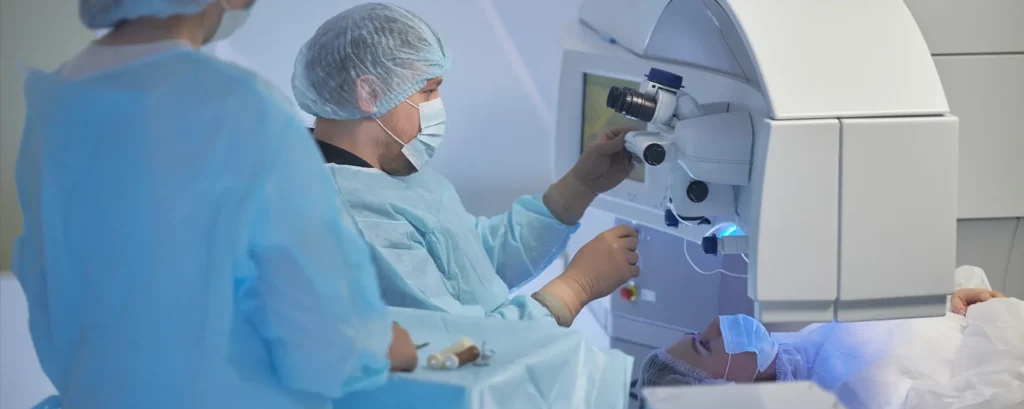
Cataract surgery is one of the most commonly performed operations in the UK. It is done under local anaesthetic, often with a mild sedative, and typically takes less than half an hour. Patients are usually asked not to eat for several hours before surgery, although clear fluids may sometimes be allowed up to two hours before. The reason is to keep the stomach empty in case sedation is used, reducing the risk of complications such as aspiration.
For most people, this short fasting period is manageable. But when you live with diabetes, especially if you’re on tablets that influence glucose balance, fasting can change the way your body reacts. The lack of food, combined with the way SGLT2 inhibitors encourage glucose excretion, can tilt the body towards producing ketones. For the vast majority of patients this doesn’t happen, but the possibility is enough for doctors to take notice.
That’s why your surgeon, anaesthetist and diabetes team will all want to know about your medicines well in advance. They may adjust your fasting instructions, tell you when to take your last dose of your SGLT2 inhibitor, or provide extra monitoring on the day.
Why SGLT2 Inhibitors Pose a Rare Risk During Fasting
The concern with SGLT2 inhibitors around the time of cataract surgery is not common low blood sugar, which people more often associate with fasting. Instead, the worry is diabetic ketoacidosis, but in a form that doesn’t always show up with high glucose readings. Euglycaemic DKA happens when the body, short on carbohydrate energy, shifts heavily to fat metabolism. This creates a build-up of ketones in the blood, which makes the body more acidic.
Normally, people with diabetes can recognise DKA because of very high sugar readings, often accompanied by nausea, abdominal pain, or even confusion. With SGLT2 inhibitors, glucose readings can appear deceptively normal, while the acid levels in the blood are rising dangerously. This makes it harder for both patients and doctors to spot quickly, unless it’s specifically on their radar.
The risk goes up when three factors line up: fasting, dehydration and surgery. Cataract surgery usually involves all three to some degree. While the actual procedure is short, the preparation period, anxiety, lack of food, and sometimes a lower fluid intake can tip the balance. That’s why doctors are cautious, even though the actual number of people affected remains very small.
How Your Medical Team Plans Around This
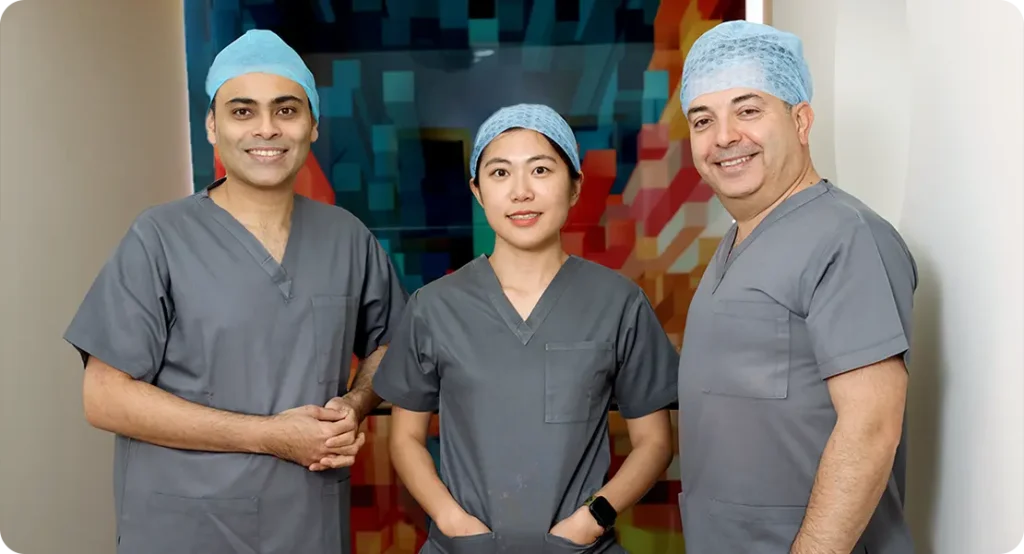
When you attend your pre-operative assessment, you’ll be asked to bring a list of all your current medicines. This is where SGLT2 inhibitors will be flagged. If you are taking one, your diabetes specialist, GP and surgical team will often coordinate to decide how best to manage it.
The typical advice is to stop taking SGLT2 inhibitors at least 24 hours before surgery, sometimes longer depending on individual circumstances. The exact timing can vary because different medicines in this class linger in the body for slightly different lengths of time. You’ll also be given clear guidance on when to restart them afterwards.
During the operation itself, your care team may keep a closer eye on hydration and your blood sugar levels. If you need sedation, the anaesthetist will be aware of your diabetes background and adjust accordingly. After surgery, you may be encouraged to eat and drink as soon as it is safe, so that your body’s balance returns to normal before your tablets are reintroduced.
Communication is the key here. Your job as the patient is to let your team know exactly what you’re taking, and their role is to build a safe plan around it.
What You Can Do to Stay Safe
The most important step you can take is to be upfront about your medicines. Even if you think your eye surgeon may not be interested in your diabetes tablets, they are. SGLT2 inhibitors are now widely recognised in surgical planning, and mentioning them ensures you’re on the safest path.
In the days before your operation, follow the instructions about stopping your tablets precisely. Don’t make your own decision about whether to keep taking them or stop earlier than told — the advice is tailored for a reason. Keep checking your blood sugar as you usually do, and stay well hydrated right up until the point when fasting begins.
On the day of surgery, bring your diabetes kit with you. That might include your glucose meter, insulin if you use it, and a list of your medicines. After the operation, eat and drink as soon as you are allowed, and don’t restart your SGLT2 inhibitor until your doctor confirms it’s safe. Finally, know the warning signs of ketoacidosis — nausea, vomiting, abdominal pain, fast breathing, or feeling unusually tired. If any of these crop up in the hours after your operation, seek medical advice quickly.
Restarting SGLT2 Inhibitors After Surgery
After cataract surgery, most people want to get back to their normal routine quickly, including their regular medicines. With SGLT2 inhibitors, the timing is slightly different. You’ll usually be told to restart only once you are eating and drinking normally again. This ensures your body has the carbohydrate energy it needs and reduces the chance of ketone build-up.
For some, this may mean restarting the day after surgery; for others, it might be a little longer. The important thing is not to rush. Your doctor or diabetes nurse will guide you. If you feel unwell, or if your glucose readings are unusual, it may be better to hold off until you’re checked.
Restarting safely also means continuing to drink plenty of fluids. Dehydration is one of the main triggers for ketoacidosis in people on these tablets, so keep a bottle of water handy and sip regularly as you recover.
Balancing Benefits and Risks
It’s worth remembering that SGLT2 inhibitors bring many long-term benefits, both for diabetes control and for reducing risks to your heart and kidneys. The risk of ketoacidosis during cataract surgery is small, and with proper planning it can be reduced further still. Stopping the tablets briefly is simply a safety step, not a reason to question their overall usefulness.
Doctors weigh up risks and benefits all the time, and in this case the balance is clearly in favour of keeping you on your medicine outside the surgical window. It’s one more example of how modern medicine adapts to keep patients safe without undermining the benefits of effective drugs.
FAQs About Cataract Surgery and SGLT2 Inhibitors
1. What exactly is euglycaemic diabetic ketoacidosis (EuDKA)?
EuDKA is a rare but serious complication where the body produces high levels of ketones, making the blood acidic, but without the very high sugar readings that usually accompany diabetic ketoacidosis. Because blood sugar can look normal, it can sometimes be missed if doctors are not specifically aware of the risk. It can happen in people on SGLT2 inhibitors during fasting, surgery, or illness, which is why cataract surgery teams plan carefully to prevent it.
2. How common is EuDKA around cataract surgery?
The good news is that it is very uncommon. Cataract surgery is usually a short and low-stress operation, and most people taking SGLT2 inhibitors will not run into any problems. However, because the consequences of EuDKA can be severe if it develops, the risk is taken seriously, and guidelines recommend stopping these tablets temporarily before surgery as a safety measure.
3. Should I stop taking empagliflozin or dapagliflozin before surgery?
Yes, in nearly all cases you will be advised to stop your SGLT2 inhibitor before cataract surgery. The exact timing varies depending on which tablet you are taking, but the usual instruction is to stop at least 24 hours beforehand. This allows the medicine to leave your system and significantly reduces the risk of complications during fasting.
4. How long before surgery do I need to stop my SGLT2 inhibitor?
Most people are asked to stop a day before their cataract surgery, though sometimes your doctor may recommend two or even three days depending on your overall health. The timing is personalised to you, which is why your pre-operative assessment is important. Always follow the specific plan given rather than guessing or making changes yourself.
5. What symptoms should I watch for after cataract surgery?
After surgery, be alert for signs such as nausea, abdominal pain, vomiting, fast breathing, or feeling unusually tired and weak. These could be warning signs of ketoacidosis, even if your blood sugar reading looks normal. If any of these symptoms appear, you should contact a doctor urgently, as early treatment makes a big difference.
6. Can I keep checking my blood sugar before and after surgery?
Yes, and it is a good idea to continue monitoring as you normally do. However, remember that blood sugar readings can look normal even when ketoacidosis is developing in someone on an SGLT2 inhibitor. This means you should combine your usual testing with awareness of symptoms, rather than relying on the numbers alone.
7. What if I feel my blood sugar going too low while fasting?
If you notice symptoms such as shakiness, sweating, or dizziness before surgery, you should tell your healthcare team immediately. They can test your blood sugar and decide whether it is safe to proceed. Never ignore low blood sugar symptoms, especially while fasting, as early action prevents bigger problems later.
8. When can I restart my SGLT2 inhibitor after surgery?
You will usually be told to restart once you are eating and drinking normally again. This may be the day after surgery, but sometimes it is best to wait a little longer if you are still recovering. Restarting too early can increase the risk of ketoacidosis, so always follow the advice of your diabetes nurse or doctor rather than rushing.
9. What happens if I need several operations close together?
If you are scheduled for more than one operation within a short period, your diabetes team may adjust your treatment temporarily. They might recommend a different diabetes medicine or closer monitoring so that you are not constantly stopping and starting your SGLT2 inhibitor. This is something that should always be planned with your specialist in advance.
10. Who should I talk to if I’m unsure about my tablets before surgery?
Your diabetes team, GP or hospital doctor are the best people to give you advice about stopping and restarting your tablets. Pharmacists and optometrists can provide useful guidance, but only your prescribing clinician can make safe changes to your medication plan. If you are uncertain, raise it at your pre-assessment and make sure you leave with a clear plan.
Final Thoughts
Cataract surgery is one of the safest and most successful operations carried out today. If you’re taking SGLT2 inhibitors such as empagliflozin or dapagliflozin, there’s a little extra planning involved, but nothing to stop you from having excellent results. By stopping your tablets at the right time, staying hydrated, and restarting only once you’re eating normally again, you can greatly reduce the risk of ketoacidosis and recover smoothly.
At the London Cataract Centre, we work closely with patients and their wider healthcare teams to make sure every aspect of surgery is tailored to your needs. If you’re managing diabetes and due for cataract surgery, you can feel reassured that the process is safe, carefully coordinated, and designed to give you the best possible outcome.
References
- American Diabetes Association (2025) Standards of care in diabetes—2025. Diabetes Care, 48(Supplement_1), pp. S1–S200. Available at: https://doi.org/10.2337/dc25-Sint (Accessed: 21 August 2025).
- British Journal of Anaesthesia (2021) ‘Perioperative management of patients taking SGLT2 inhibitors: balancing risks and benefits’, BJA Education, 21(9), pp. 310–316. Available at: https://doi.org/10.1016/j.bjae.2021.04.003 (Accessed: 21 August 2025).
- Joint British Diabetes Societies (JBDS) (2022) Management of adults with diabetes undergoing surgery and elective procedures: improving standards. Available at: https://abcd.care/joint-british-diabetes-societies-jbds-inpatient-care-group (Accessed: 21 August 2025).
- UK National Institute for Health and Care Excellence (NICE) (2024) Type 2 diabetes in adults: management (NG28). Available at: https://www.nice.org.uk/guidance/ng28 (Accessed: 21 August 2025).