



If you are noticing difficulty reading up close and wondering how to reduce your dependence on reading glasses, you are likely experiencing presbyopia. Presbyopia is a natural part of ageing. It occurs when the lens inside your eye loses flexibility, making it harder to focus on nearby objects. By the time most people reach their mid-40s to early 50s, reading glasses become almost unavoidable.
Two of the main options people consider today are refractive lens exchange (RLE) and laser eye surgery (LASIK). Both can improve vision, but they work in very different ways, and the right choice depends on your age, eye health, and visual goals. RLE involves removing the natural lens and replacing it with an artificial intraocular lens, often correcting both distance and near vision. LASIK, on the other hand, reshapes the cornea to improve focus but does not address the lens’ loss of flexibility.
RLE is often preferred for older patients or those with early lens changes because it provides a permanent solution to presbyopia and can also prevent future cataracts. It can be customised with monofocal, multifocal, or extended depth-of-focus lenses depending on your lifestyle and visual priorities. However, it is a more invasive procedure than LASIK and carries the usual risks associated with intraocular surgery.
LASIK can be a good option for younger patients who primarily need better distance vision or want to reduce dependence on glasses for specific tasks. It is less invasive, has a faster recovery, and is highly effective for correcting refractive errors such as short-sightedness or astigmatism. However, because LASIK does not replace the lens, it cannot fully correct presbyopia, and many patients still need reading glasses as they age. The choice ultimately depends on balancing your visual goals, lifestyle, and tolerance for potential trade-offs.
Understanding RLE and LASIK
Refractive lens exchange (RLE) is essentially cataract surgery performed before cataracts develop. In this procedure, the eye’s natural lens is removed and replaced with an artificial intraocular lens (IOL). The lens can be monofocal, multifocal, or extended depth-of-focus (EDOF), tailored to your visual needs and lifestyle. This allows correction for both near and distance vision, offering a long-term solution for presbyopia.
LASIK, on the other hand, reshapes the cornea using a laser to adjust how light focuses on the retina. It is highly effective for improving distance vision and correcting refractive errors, but it cannot restore the natural flexibility of the lens. As a result, LASIK provides only limited improvement for presbyopia, and many patients still need reading glasses.
The choice between RLE and LASIK depends on factors such as age, lens clarity, lifestyle requirements, and tolerance for potential side effects like halos or glare. RLE is generally preferred for older patients or those seeking a permanent solution for both near and distance vision, while LASIK is often suitable for younger patients who primarily want better distance vision with minimal invasiveness.
Age Matters
Age is a key consideration when deciding between refractive lens exchange (RLE) and LASIK. The natural flexibility of the lens and the onset of presbyopia influence which procedure will provide the best long-term vision outcomes. Younger patients may benefit from corneal-based procedures, while older individuals often achieve more reliable results with lens replacement. Understanding the strengths and limitations of each approach helps guide the right choice for your stage of life.
- LASIK for Younger Patients: LASIK works best in patients whose natural lenses are still flexible. It reshapes the cornea to correct refractive errors but cannot restore the eye’s natural accommodation lost to presbyopia. Monovision LASIK, where one eye is corrected for distance and the other for near vision, is an option but requires adaptation and may not suit everyone.
- RLE for Older Patients: RLE is generally recommended for patients in their mid-40s or older. By replacing the natural lens with a carefully selected intraocular lens (IOL), RLE can reliably address presbyopia and other age-related lens changes. This approach is particularly effective for those whose lenses have begun to stiffen and lose focusing ability.
Considering age alongside lifestyle and visual needs ensures that the chosen procedure aligns with both immediate and long-term vision goals. This thoughtful approach helps optimise clarity, comfort, and independence from corrective lenses.
Visual Outcomes: Near and Distance Vision
LASIK with monovision can provide functional near and distance vision by correcting one eye for distance and the other for near tasks. However, this approach comes with trade-offs, as depth perception may be slightly reduced and adaptation can take time.
RLE with a multifocal or EDOF lens often provides a more balanced visual experience. Many patients achieve good distance vision while maintaining functional near vision, significantly reducing the need for reading glasses.
If night vision, glare, or halos are a concern, monofocal RLE lenses typically offer the sharpest vision, but reading glasses will still be required. Multifocal or EDOF lenses provide greater spectacle independence, though mild optical phenomena such as halos or glare may occur, especially in low-light conditions.
Predictability and Long-Term Results
LASIK is highly predictable for correcting distance vision, and most patients achieve excellent outcomes for daily activities such as driving and reading signs. However, its effect on presbyopia is less permanent. As the natural lens continues to age and lose flexibility, many patients eventually still need reading glasses.
Enhancements after LASIK are possible but limited, and the procedure cannot restore the lens’ natural ability to focus up close. This means that while distance vision remains sharp, near vision may gradually decline over time.
RLE, on the other hand, replaces the natural lens entirely with an artificial intraocular lens. Because the IOL does not age or stiffen, both near and distance vision targets are usually stable for decades. This makes RLE a more long-term solution for patients seeking reduced dependence on glasses across multiple distances.
Safety Considerations

Both LASIK and RLE are generally safe when performed by experienced surgeons, but there are differences in the type and likelihood of complications. LASIK is less invasive, involving only the cornea, and typically has a faster recovery period. The risk of infection is very low, and most patients experience only mild, temporary side effects such as dry eye, glare, or halos. These effects usually improve within weeks to months, though patients with pre-existing corneal irregularities may be more prone to visual disturbances.
RLE is a surgical procedure inside the eye, which naturally carries a slightly higher risk profile. Potential complications include infection, retinal detachment, inflammation, or posterior capsule opacification, where the membrane behind the lens becomes cloudy. Despite these possibilities, modern surgical techniques, precise intraocular lens placement, and careful patient selection make serious complications uncommon.
Both procedures have excellent safety records overall. Open communication with your ophthalmologist about your eye health, lifestyle, and specific risk factors can help ensure you choose the procedure that balances visual benefit with safety, giving you confidence in your decision and peace of mind throughout the process.
When RLE May Be Preferable
Refractive lens exchange (RLE) can be the ideal choice for patients seeking a long-term solution to age-related vision changes. By replacing the natural lens, RLE not only addresses presbyopia but also corrects existing refractive errors, offering greater freedom from glasses. This procedure can be particularly beneficial for those beginning to experience lens stiffening or early cataract formation. Understanding the situations where RLE provides the most advantage helps guide informed decisions about eye care.
- Age and Lens Stiffening: RLE is often recommended for individuals over 45 who show early signs of presbyopia or lens rigidity. Replacing the lens can restore a broader range of vision that LASIK cannot fully achieve.
- Permanent Presbyopia Solution: Unlike corneal procedures, RLE provides a long-lasting correction for near vision loss. Carefully chosen IOLs, including multifocal or extended depth-of-focus lenses, can reduce or eliminate the need for reading glasses.
- Freedom from Glasses: Patients seeking independence from spectacles for both distance and near tasks may benefit most from RLE. Toric IOLs can also correct astigmatism simultaneously, providing clearer, more balanced vision.
- Early Cataracts: For those with minor cataracts developing, RLE addresses both the cataract and refractive needs in a single procedure. This proactive approach can prevent further visual decline while optimising overall outcomes.
By considering age, lifestyle, and the state of the natural lens, RLE offers a tailored solution that goes beyond simple refractive correction. It combines cataract prevention with improved vision quality, making it a versatile choice for suitable candidates.
When LASIK May Be Preferable
LASIK may be the better option if you are younger and still have flexible natural lenses. It is less invasive than intraocular surgery, and recovery is usually rapid, allowing patients to return to normal activities within days.
This procedure is also suitable for those comfortable with monovision, where one eye is corrected for near tasks and the other for distance, though some adaptation is required. Healthy corneas that can safely undergo laser reshaping are another important factor in determining suitability.
LASIK is highly effective for correcting distance vision and mild presbyopia in younger patients. However, it does not reverse the natural aging of the lens, so reading glasses may still become necessary over time as presbyopia progresses.
Lifestyle Considerations

Your lifestyle plays a crucial role in determining which procedure is most suitable for you. For individuals who frequently drive at night, RLE with a monofocal lens may be the better choice because it generally provides sharper night vision with less glare and fewer halos compared to multifocal lenses or LASIK monovision. This can make night driving safer and more comfortable.
For those with active or physically demanding lifestyles, LASIK may be particularly appealing due to its minimally invasive nature and rapid recovery. Patients often regain functional vision within a few days, allowing them to return to sports, exercise, or other activities with minimal disruption.
If your main goal is to reduce dependence on glasses for both near and distance vision, RLE with multifocal or extended depth-of-focus (EDOF) intraocular lenses offers the highest chance of achieving this. Ultimately, weighing your daily activities, visual priorities, and tolerance for optical phenomena like halos or glare will help guide the decision that best fits your lifestyle and long-term vision goals.
Cost Considerations
RLE is generally more expensive than LASIK because it involves intraocular surgery and the cost of the lens implant. The procedure is more complex, but it also provides a long-term solution, correcting both distance and near vision while preventing the need for future cataract surgery.
LASIK has a lower upfront cost and is less invasive, making it an attractive option for many patients. However, it cannot fully address presbyopia, and some patients may need enhancements or reading glasses later, which can add to the overall expense over time.
When considering cost, it’s important to weigh not just the immediate price but also long-term benefits, lifestyle needs, and the potential need for additional procedures in the future. This helps ensure that the chosen procedure aligns with both your visual goals and budget.
Setting Realistic Expectations
Both RLE and LASIK can dramatically enhance vision and improve quality of life, but it’s important to understand that no procedure is flawless. Each has specific considerations, limitations, and adaptation periods that can influence patient satisfaction. Being aware of potential side effects and minor compromises helps set realistic expectations before surgery. Open communication with your surgeon ensures that outcomes match your lifestyle needs and visual priorities.
- LASIK Monovision Adaptation: Monovision LASIK corrects one eye for distance and the other for near vision. While effective, it requires neural adaptation, and some patients may notice mild depth perception changes or initial visual imbalance.
- Multifocal RLE Lenses: Premium multifocal lenses can create halos or glare in low-light conditions, especially during the first months after surgery. Neuroadaptation usually reduces these effects over time, but some subtle visual phenomena may persist.
- Residual Need for Glasses: Neither procedure guarantees complete independence from spectacles. Fine print or prolonged near tasks may still require occasional reading glasses, particularly with monofocal or EDOF lenses.
Discussing these factors with your surgeon helps align expectations with likely outcomes. Understanding both the benefits and potential limitations allows you to make a confident, informed decision tailored to your visual needs and lifestyle.
RLE or LASIK? Making the Choice
In summary, LASIK is a less invasive option that provides excellent correction for distance vision and is generally more suitable for younger patients with flexible natural lenses. It offers a quick recovery and minimal downtime, but it cannot fully address presbyopia or prevent age-related changes in the lens.
RLE is a more permanent solution, particularly for older patients or those seeking correction for both near and distance vision. With multifocal or EDOF lenses, RLE can significantly reduce dependence on glasses, though it is a more invasive procedure with a longer recovery period.
Ultimately, the choice between RLE and LASIK should be guided by your personal priorities, lifestyle, and overall eye health. A thorough professional assessment by a qualified ophthalmologist is essential to determine which procedure is safest and most likely to meet your visual goals.
The Role of Professional Consultation
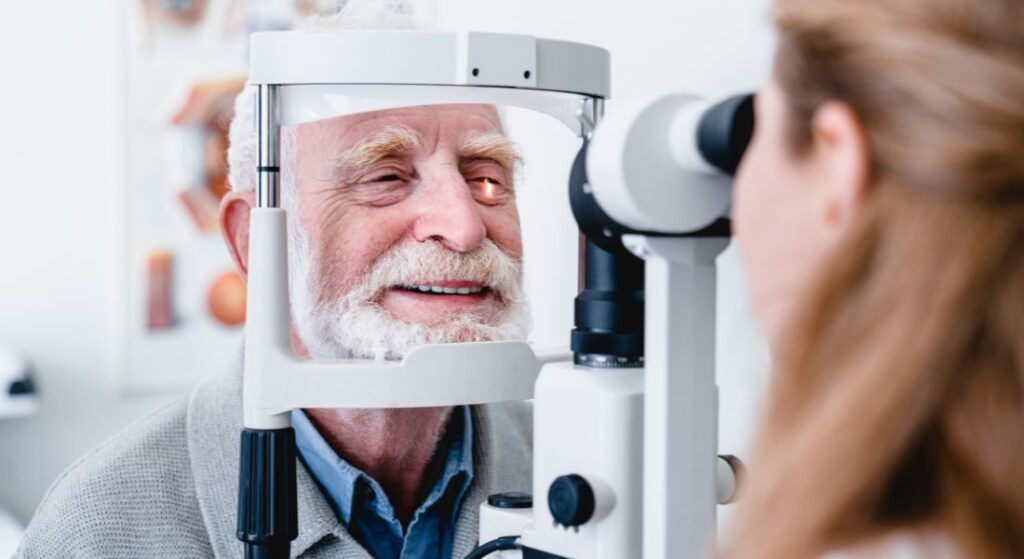
Every eye is unique, and factors such as corneal thickness, lens condition, and overall ocular health are crucial in determining the safest and most effective procedure. A thorough professional assessment ensures that your individual anatomy and vision needs are fully considered before making a decision.
During a comprehensive eye evaluation, your surgeon can assess the lens and cornea, measure for astigmatism or other refractive errors, and discuss your lifestyle, visual priorities, and tolerance for optical phenomena like halos or glare. This helps guide whether LASIK, RLE, or a specific lens type is most appropriate.
For patients considering surgical options for presbyopia, learning more about RLE Surgery in London or consulting a local specialist can provide valuable clarity on the procedure, expected outcomes, and potential long-term benefits.
FAQs:
1. What is presbyopia?
Presbyopia is an age-related condition where the natural lens of the eye loses flexibility, making it harder to focus on nearby objects. It commonly appears in people in their mid-40s to early 50s.
2. How does RLE correct presbyopia?
Refractive lens exchange (RLE) removes the natural lens and replaces it with an artificial intraocular lens (IOL), which can correct both distance and near vision. Multifocal or extended depth-of-focus (EDOF) IOLs allow functional vision across different distances.
3. How does LASIK correct presbyopia?
LASIK reshapes the cornea to adjust how light focuses on the retina. While it can improve distance vision, it does not restore the lens’s flexibility. Monovision LASIK, where one eye is corrected for near and the other for distance, can partially address presbyopia.
4. Who is a good candidate for RLE?
Patients over 45, or those with early lens changes or developing cataracts, often benefit most. RLE offers a permanent solution for both near and distance vision and reduces future risk of cataracts.
5. Who is a good candidate for LASIK?
Younger patients with flexible lenses and primarily distance vision needs are better suited. LASIK is less invasive, has a quick recovery, and works well for refractive errors like short-sightedness, long-sightedness, or astigmatism.
6. Can LASIK fully correct presbyopia?
No. LASIK cannot restore lens flexibility, so most patients still need reading glasses over time, especially as presbyopia progresses.
7. What are the visual outcomes with RLE?
RLE with monofocal lenses offers sharp distance vision with fewer night-time disturbances, but near vision may still require reading glasses. Multifocal or EDOF lenses provide more spectacle independence, though mild halos or glare may occur.
8. What are the visual outcomes with LASIK?
LASIK provides excellent distance vision and can reduce dependence on glasses. Monovision LASIK allows functional near vision but may slightly reduce depth perception, and adaptation is required.
9. What are the risks of RLE?
RLE is intraocular surgery and carries risks such as infection, retinal detachment, inflammation, or posterior capsule opacification. Modern techniques and careful patient selection make serious complications uncommon.
10. What are the risks of LASIK?
LASIK is less invasive with a low risk profile. Temporary side effects may include dry eyes, glare, halos, or mild visual fluctuations, usually resolving within weeks to months.
Final Thoughts: Choosing Between RLE and LASIK for Presbyopia
RLE and LASIK each have distinct advantages depending on your age, lens condition, and visual goals. LASIK is less invasive and works well for younger patients who mainly need distance vision, but it cannot fully correct presbyopia. RLE, by replacing the natural lens, provides a long-term solution for both near and distance vision, with options like multifocal or EDOF lenses to reduce dependence on glasses.
Understanding your lifestyle, priorities, and tolerance for mild optical effects such as halos or glare is essential to making the right choice. If you’re thinking about RLE surgery in London, you can get in touch with us at London Cataract Centre for personalised guidance and support.
References:
- Alió, J.L., Ortiz, D. and Amparo, F. (2025) Current Trends in Presbyopia Correction A Comprehensive Review, Journal of Clinical Medicine https://www.mdpi.com/2077-0383/15/1/215
- Barisić, A., Gabrić, N., Dekaris, I. et al. (2010) Comparison of different presbyopia treatments: refractive lens exchange with multifocal intraocular lens implantation versus LASIK monovision, Coll Antropol, https://pubmed.ncbi.nlm.nih.gov/21302708/
- Fernández‑Vega, L. and Alió, J.L. (2023) Surgical interventions for presbyopia, British Journal of Ophthalmology https://pmc.ncbi.nlm.nih.gov/articles/PMC10031802/
- Schallhorn, S.C., Teenan, D., Venter, J.A. et al. (2017) Monovision LASIK versus presbyopia‑correcting IOLs: comparison of clinical and patient‑reported outcomes, Journal of Refractive Surgery, https://pubmed.ncbi.nlm.nih.gov/29117414/
- Pandey, S.K. and Werner, L. (2014) Refractive lens exchange, Survey of Ophthalmology https://www.sciencedirect.com/science/article/abs/pii/S0039625714000873