


If you’re living with HIV and thinking about vision correction, it’s completely natural to feel unsure about your options. You might be wondering whether your diagnosis rules out procedures such as refractive lens exchange. You may also be concerned about whether there are added risks you should be aware of before deciding. These are important questions, and having clear information can help you feel more confident.
The reassuring news is that having HIV does not automatically prevent you from having refractive lens exchange (RLE) surgery. What matters far more is how well your condition is managed and your overall health at the time of treatment. Doctors will look closely at your immune system, including factors like your CD4 count and viral load. This helps them decide whether surgery is safe and suitable for you.
It’s also important to understand that each person’s situation is different, so your assessment will be personalised. Your ophthalmologist will review your medical history and may work alongside your HIV specialist if needed. They will check for any signs of infection risk or delayed healing that could affect your recovery. This careful approach helps ensure the best possible outcome.
In this guide, you’ll learn everything you need to know before moving forward. You’ll see how HIV can influence surgical decisions and what doctors look for during your evaluation. It will also explain how your immune health can affect healing and long-term results. By the end, you should feel better informed and more prepared to make the right choice for your vision.
What Is RLE Surgery?
Before looking at how HIV may affect your options, it’s important that you understand what refractive lens exchange actually involves. This will help you feel more confident when discussing treatment with your specialist and making an informed decision. Having a clear understanding also allows you to know what to expect from the procedure. It sets a strong foundation before considering any medical factors.
RLE surgery is a procedure where your eye’s natural lens is removed and replaced with an artificial intraocular lens. It is very similar to cataract surgery in the way it is performed, but the purpose is different. Instead of treating a cloudy lens, RLE is carried out to correct refractive errors such as short-sightedness or long-sightedness. This means the focus is on improving how clearly you can see.
One of the main advantages of RLE is that it can reduce or even remove your need for glasses or contact lenses. It is especially beneficial if you are over 40 and experiencing presbyopia, which affects your ability to focus on near objects. It can also be a suitable option if laser eye surgery is not right for your eyes. This makes it a versatile solution for long-term vision correction.
Does HIV Affect Your Eligibility for RLE Surgery?
One of the most common concerns you might have is whether HIV automatically rules out eye surgery. It’s completely understandable to feel unsure about this, especially when it comes to your safety. You may worry that your diagnosis alone could limit your options. These concerns are very common, but the reality is more reassuring than you might expect.
The simple answer is no, HIV on its own is not a contraindication for RLE surgery. This means your diagnosis does not automatically prevent you from being considered for the procedure. Many people living with HIV are still suitable candidates for vision correction surgery. What matters most is your overall health rather than the diagnosis itself.
However, your surgeon will take a more careful and detailed approach when assessing your suitability. They will focus on how stable and well-controlled your condition is at the time of surgery. Modern HIV treatment has greatly improved outcomes, and many people now have near-normal immune function. This significantly reduces potential risks and makes surgery much safer for eligible patients.
The Importance of Immune Status
Your immune system plays a central role in how your body responds to surgery, especially when considering procedures like refractive lens exchange (RLE). Ophthalmologists carefully evaluate your overall immune health to determine how well you are likely to heal and whether any risks need to be managed more closely. For individuals living with HIV, this assessment becomes even more important, as immune strength can vary depending on treatment and disease control. Ultimately, it is not the diagnosis itself, but how stable and well-managed your condition is that guides surgical decisions.
- CD4 Count: Your CD4 count is a key indicator of immune system strength and helps determine how well your body can respond to surgery. A healthy CD4 level suggests that your immune system is capable of managing healing and reducing the risk of complications. When this count is within a normal range, surgeons are generally more confident about proceeding safely.
- Viral Load: Viral load refers to the amount of HIV present in your blood and is another critical factor in surgical planning. An undetectable viral load typically indicates that the virus is well-controlled with medication. This significantly lowers the risk of infection and supports a smoother recovery process after surgery.
- Effectiveness of HIV Treatment: Whether your HIV is well-controlled with medication plays a major role in your eligibility for RLE. Consistent and effective treatment helps maintain both a strong immune system and stable overall health. This stability allows your body to respond more predictably to surgical procedures and recovery.
- Overall Immune Stability: When your CD4 count is healthy and your viral load is undetectable, it reflects strong immune stability. In such cases, your body is generally well-equipped to heal properly and defend against infections. From a clinical perspective, this is one of the most reassuring scenarios for both patient and surgeon.
In conclusion, immune status is one of the most important factors in determining whether RLE surgery is a safe and suitable option. A well-controlled HIV condition, supported by a strong CD4 count and undetectable viral load, greatly improves surgical outcomes. It provides confidence that your body can heal effectively and manage potential risks. By working closely with your healthcare team, you can ensure that your treatment and immune health are optimised before moving forward with surgery.
Why Viral Load Matters

Viral load refers to the amount of HIV present in your blood, and it is an important measure of how well your condition is controlled. Understanding this helps you see why it plays such a key role in surgical decisions. Your doctor will often review your latest results as part of your assessment. This gives a clear picture of your current health status.
If your viral load is undetectable, it means your treatment is working effectively. This not only supports your overall health but also lowers the risk of complications during and after surgery. A well-controlled viral load is a strong indicator that your body can handle the procedure and heal properly. It also reassures your surgical team that the risks are reduced.
You might feel concerned that HIV automatically increases surgical risks, but this is not always the case. When your viral load is well controlled, the risks are often similar to those in people without HIV. This is why ongoing treatment and regular monitoring are so important. With the right management, many patients go through surgery safely and successfully.
Infection Risk: What You Need to Know
Every surgical procedure carries a small risk of infection, and eye surgery is no exception. It’s natural for you to feel concerned about this, especially if you are living with HIV. Understanding the risks can help you feel more prepared and reassured. It also allows you to have a more informed discussion with your surgeon.
With RLE, one of the most serious but rare complications is endophthalmitis, which is an infection inside the eye. Patients with weakened immune systems may have a higher risk of developing infections. This is why your overall immune health is carefully assessed before surgery. Your doctor will want to ensure your body is well prepared to handle the procedure.
Good control of your HIV plays a very important role in reducing this risk. If your immune system is functioning well, your chances of infection are not significantly higher than average. Surgeons also follow strict safety measures, including sterile techniques and preventive antibiotics. These steps are designed to minimise risk and support a safe recovery.
Healing and Recovery Considerations
Every surgical procedure carries a small risk of infection, and eye surgery is no exception. It’s natural for you to feel concerned about this, especially if you are living with HIV. Understanding the risks can help you feel more prepared and reassured. It also allows you to have a more informed discussion with your surgeon.
With RLE, one of the most serious but rare complications is endophthalmitis, which is an infection inside the eye. Patients with weakened immune systems may have a higher risk of developing infections. This is why your overall immune health is carefully assessed before surgery. Your doctor will want to ensure your body is well prepared to handle the procedure.
Good control of your HIV plays a very important role in reducing this risk. If your immune system is functioning well, your chances of infection are not significantly higher than average. Surgeons also follow strict safety measures, including sterile techniques and preventive antibiotics. These steps are designed to minimise risk and support a safe recovery.
Pre-Surgical Assessment: What to Expect
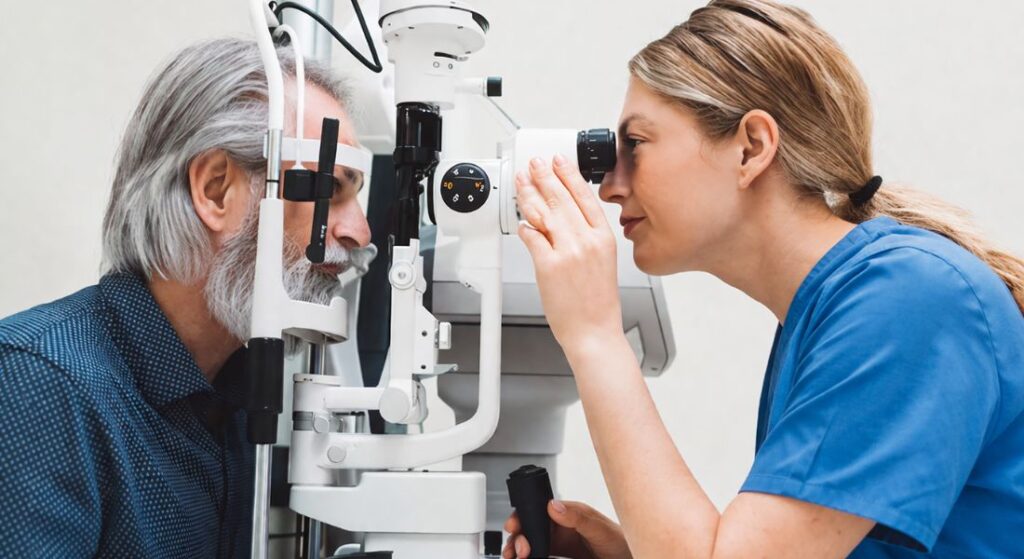
Before undergoing refractive lens exchange (RLE) surgery, every patient goes through a detailed and comprehensive eye examination to assess suitability. This process becomes slightly more in-depth for individuals living with HIV, as surgeons aim to ensure your overall health supports a safe procedure and smooth recovery. The goal is not to create barriers, but to fully understand your medical background and optimise outcomes. A careful and personalised approach helps both you and your surgeon feel confident about moving forward.
- Review of Recent Blood Test Results: Your surgeon will carefully review your latest blood tests, including key markers related to your immune health. These results provide valuable insight into how well your body is likely to cope with surgery and healing. Having up-to-date information ensures that any potential risks are identified and managed early.
- Collaboration with Your GP or HIV Specialist: In many cases, your ophthalmologist will liaise with your GP or HIV specialist as part of the assessment process. This collaborative approach ensures that all aspects of your health are considered before surgery is planned. It also helps create a unified care plan that supports both your eye health and overall wellbeing.
- Confirmation of Condition Stability: Ensuring that your HIV is stable and well-controlled is a key step before scheduling surgery. Surgeons typically look for consistent treatment adherence and stable health markers over time. This stability reduces the likelihood of complications and supports a smoother recovery process.
- Personalised Surgical Planning: Based on all gathered information, your surgeon will tailor the surgical plan to your specific needs. This may include additional precautions or monitoring to enhance safety and comfort. Such individualised care ensures that you receive the best possible outcome from your procedure.
In conclusion, the pre-surgical assessment process is designed to prioritise your safety and long-term results. Rather than excluding patients, these steps ensure that every aspect of your health is carefully considered. A collaborative approach between specialists helps build trust and confidence in the procedure. Ultimately, this thorough preparation allows surgeons to deliver personalised care while minimising risks and supporting a successful recovery.
Are There Any Additional Risks?
It’s completely natural for you to wonder whether HIV brings extra risks when considering surgery. You may feel unsure about how your condition could affect the outcome. These concerns are valid, especially when it comes to protecting your long-term eye health. Understanding the potential risks can help you make a more informed decision.
In cases where HIV is well managed, any additional risk is usually minimal. However, if the condition is not well controlled, there may be a higher chance of certain complications. These can include an increased risk of infection, slower wound healing, and a greater likelihood of post-operative inflammation. It’s important to remember that these risks are linked to immune function rather than the surgery itself.
These concerns are not unique to eye procedures and can apply to many types of surgery when the immune system is weakened. This is why timing plays such an important role in your treatment plan. If your HIV is not currently stable, your medical team may advise you to focus on improving control before going ahead. Taking this step can help ensure a safer procedure and a smoother recovery.
The Role of Antiretroviral Therapy (ART)
Modern HIV treatment, known as antiretroviral therapy (ART), has made a significant difference in how the condition is managed. It has helped many people live healthier and more stable lives over the long term. Understanding how ART works can give you more confidence when considering surgery. It also highlights why ongoing treatment is so important.
If you are taking ART consistently and responding well, your immune system can remain strong and stable. This plays a key role in determining whether you are suitable for procedures such as RLE. A well-functioning immune system supports both the safety of the surgery and the healing process afterwards. It also helps reduce the likelihood of complications.
From a surgical point of view, sticking to your ART treatment is one of the most important factors in achieving a safe outcome. Your doctor will look at how well your treatment is working as part of your overall assessment. This includes reviewing your viral load and general health. By maintaining good adherence, you help create the best possible conditions for a successful procedure.
Communication With Your Surgeon
One of the most important steps you can take is to be open about your medical history. This helps your surgeon understand your overall health and plan your care safely. Being honest ensures that no important detail is missed during your assessment. It also allows your treatment to be tailored specifically to your needs.
I understand that discussing HIV can feel sensitive or even uncomfortable. However, sharing this information is essential for your safety and the success of the procedure. Your surgeon relies on accurate details to make the best clinical decisions for you. Without this, it becomes more difficult to manage potential risks effectively.
Everything you share will be treated with strict confidentiality and professionalism. This openness allows your surgical team to take the right precautions and prepare properly. In many cases, it also helps improve your overall experience and outcome. Being transparent is not just helpful, it is a key part of receiving safe and effective care.
How Surgeons Minimise Risk
Modern ophthalmic surgery has evolved significantly, with patient safety at the core of every procedure. Advances in technology, surgical techniques, and infection control have made procedures like refractive lens exchange (RLE) highly reliable. For patients with underlying health conditions, including HIV, surgeons take additional care to ensure risks are kept to an absolute minimum. The focus is always on creating a controlled, safe environment while tailoring care to each individual’s health profile.
- Sterile Operating Environments: Surgical procedures are performed in highly controlled, sterile environments to minimise the risk of infection. Strict hygiene protocols are followed by the entire surgical team, including the use of specialised equipment and protective measures. This significantly reduces the chances of complications during and after surgery.
- Use of Antibiotic and Anti-Inflammatory Eye Drops: Patients are routinely prescribed antibiotic and anti-inflammatory eye drops to support healing and prevent infection. These medications play a crucial role in controlling inflammation and protecting the eye during the recovery phase. Following the prescribed regimen carefully helps ensure optimal surgical outcomes.
- Close Monitoring During Recovery: After surgery, your recovery will be closely monitored through follow-up appointments and check-ups. This allows your surgeon to detect and address any issues early before they develop into complications. Regular monitoring also provides reassurance and guidance throughout the healing process.
- Individualised Treatment Adjustments: Surgeons tailor treatment plans based on your specific health profile, including any underlying conditions. This may involve adjusting medications, scheduling additional follow-ups, or taking extra precautions where necessary. Personalised care ensures that your unique needs are fully addressed for a safer experience.
In conclusion, minimising risk in RLE surgery involves a combination of advanced medical practices and personalised care. Standard safety measures are applied to every patient, but they take on added importance when underlying health conditions are present. Through careful planning, strict hygiene, and ongoing monitoring, surgeons can significantly reduce potential complications. This comprehensive approach helps ensure a safe procedure and a smooth, successful recovery.
Psychological Considerations
It’s important to recognise the emotional side of making this decision. You may feel anxious about having surgery while living with a long-term condition. It’s completely normal to have concerns about how your health might affect the process. Taking time to acknowledge these feelings can help you approach the decision more calmly.
You might also worry about being judged or treated differently because of your diagnosis. These thoughts can make the experience feel more stressful than it needs to be. However, it’s important to remember that your concerns are valid and deserve to be addressed. Speaking openly with your care team can help ease these worries.
You should feel reassured that experienced eye surgeons focus on your health and the best possible outcome for your vision. Their priority is your safety and recovery, not your diagnosis. Today, HIV is widely recognised as a manageable medical condition. Your care should always reflect this understanding and be delivered with professionalism and respect.
When RLE Might Not Be Recommended
While many people living with HIV are suitable for RLE, there are some situations where surgery may need to be delayed. This does not mean you cannot have the procedure at all, but rather that the timing needs careful consideration. Your surgeon will always aim to prioritise your safety and long-term results. Taking a cautious approach helps reduce avoidable risks.
Surgery may be postponed if your viral load is not well controlled or if your CD4 count is very low. It may also be delayed if you have an active infection or another form of systemic illness. These factors can affect how well your body responds to surgery and how quickly you heal. Your medical team will assess these areas carefully before making a recommendation.
In these situations, the focus is on improving your overall health before moving forward. This step is taken to ensure that your body is in the best possible condition for surgery. It is not about denying you treatment, but about preparing you for a safer experience. By waiting until your health is stable, you increase the chances of a smooth recovery and a successful outcome.
Alternatives to RLE Surgery
If RLE is not suitable for you at the moment, it’s important to remember that other options are still available. Your situation may simply require a different approach or a delay until your health is more stable. This can feel disappointing, but it does not mean your vision cannot be improved. There are still effective ways to manage your eyesight.
Some of the most common alternatives include glasses or contact lenses, which can provide clear and reliable vision correction. In certain cases, other types of refractive surgery may also be considered, depending on your eye health. Each option has its own benefits and limitations, so it’s important to understand what suits you best. Your choice will depend on both your visual needs and your overall health.
Your ophthalmologist will guide you through these options based on your individual circumstances. They will consider factors such as your prescription, eye condition, and general health before making recommendations. This personalised approach helps ensure that you receive the safest and most suitable solution. With the right guidance, you can still achieve good visual outcomes even if RLE is not the immediate choice.
Long-Term Outlook

If your HIV is well managed, the long-term outlook after RLE surgery is generally very positive. Many patients go on to experience stable and lasting improvements in their vision. This can make a real difference to your daily life and independence. Knowing this can help you feel more confident about your decision.
In most cases, visual outcomes are similar to those seen in people without HIV. Many individuals achieve clear vision and a reduced need for glasses or contact lenses. The key factor is maintaining good overall health and following your treatment plan. This supports both healing and long-term results.
One of the most encouraging aspects of modern medicine is how much has changed over time. Chronic conditions like HIV no longer limit opportunities in the way they once did. With proper management and care, you can still access advanced treatments safely. This progress allows you to focus on improving your quality of life with greater confidence.
FAQs:
1. Can I have RLE surgery if I am HIV positive?
Yes, you can have RLE surgery if you are HIV positive, provided your condition is well controlled. Surgeons focus on your immune health, viral load, and overall stability rather than the diagnosis itself.
2. What CD4 count is considered safe for RLE surgery?
There is no strict universal cut-off, but a healthy or stable CD4 count generally indicates that your immune system can handle surgery and healing effectively. Your doctor will assess this alongside other factors.
3. Does an undetectable viral load make surgery safer?
Yes, an undetectable viral load is a strong sign that your HIV is well managed. This significantly reduces the risk of infection and supports a smoother recovery after RLE surgery.
4. Is there a higher risk of infection during eye surgery with HIV?
If your immune system is weakened, there may be a slightly higher risk. However, with well-controlled HIV and modern sterile surgical techniques, the risk is generally not significantly increased.
5. Will healing take longer if I have HIV?
Healing may take longer if your immune system is compromised. However, if your HIV is well managed, recovery is usually similar to that of patients without HIV.
6. Do I need approval from my HIV specialist before surgery?
In many cases, yes. Your ophthalmologist may work with your HIV specialist or GP to ensure your condition is stable and that surgery can be performed safely.
7. Can I continue my HIV medication (ART) before and after surgery?
Yes, continuing your antiretroviral therapy (ART) is essential. Maintaining your treatment helps keep your immune system strong and reduces surgical risks.
8. Are there any special precautions taken during RLE surgery for HIV patients?
Yes, surgeons may take additional precautions such as closer monitoring, tailored medication plans, and coordination with your healthcare team to ensure safety.
9. When might RLE surgery be delayed for someone with HIV?
Surgery may be postponed if your viral load is high, CD4 count is very low, or if you have an active infection or other health complications.
10. Are the long-term results of RLE surgery different for people with HIV?
No, if HIV is well controlled, long-term visual outcomes are typically comparable to those in patients without HIV, with many achieving excellent vision improvement.
Final Thoughts: Making a Confident and Informed Decision
Choosing to move forward with refractive lens exchange when you are living with HIV can feel like a big step, but it doesn’t have to be an uncertain one. The most important thing to remember is that your diagnosis alone does not define your suitability for surgery your overall health, immune stability, and how well your condition is managed are what truly matter.
With modern antiretroviral therapy and careful medical assessment, many patients with HIV safely undergo RLE surgery and achieve excellent visual outcomes. By working closely with your ophthalmologist and healthcare team, you can ensure that every aspect of your health is considered and optimised before proceeding. This collaborative and personalised approach helps reduce risks and supports a smooth recovery.
It’s also essential to feel comfortable asking questions, sharing concerns, and fully understanding your options. When you are well-informed, you are in a much stronger position to make the right decision for your vision and long-term wellbeing. If you’re thinking about RLE surgery in London, you can get in touch with us at London Cataract Centre.
References:
- Mota, M.T., et al. (2024) Cataract in HIV patients: A systematic review and meta-analysis, Cureus. Available at: https://pmc.ncbi.nlm.nih.gov/articles/PMC11586242/
- Popescu, M.C., et al. (2023) Ophthalmological manifestations in people with HIV from Northeastern Romania, Healthcare, 11(10). Available at: https://www.mdpi.com/1648-9144/59/9/1605
- Amaral, D.C., et al. (2024) Cataract in HIV patients: A systematic review and meta-analysis, Cureus, 16(10). Available at: https://pubmed.ncbi.nlm.nih.gov/39588421/
- Barry, P., et al. (2017) Endophthalmitis after clear corneal cataract surgery: Outcomes over two decades, American Journal of Ophthalmology, 174, pp. 155–159. Available at: https://www.sciencedirect.com/science/article/abs/pii/S0002939416305669
- Rasmussen, L.D., Kessel, L., Molander, L.D., Pedersen, C., Gerstoft, J., Kronborg, G. and Obel, N. (2011) Risk of cataract surgery in HIV-infected individuals: A Danish nationwide population-based cohort study, Clinical Infectious Diseases, 53(11), pp. 1156–1163. Available at: https://academic.oup.com/cid/article-abstract/53/11/1156/306247