



If you are living with rheumatoid arthritis and thinking about refractive lens exchange (RLE), it is completely natural to have questions. You may feel uncertain about whether the procedure is suitable for you, especially when managing a long-term condition. Taking time to understand your options can help you feel more in control of your decision.
Rheumatoid arthritis is an autoimmune condition that can affect how your body responds to surgery. This means your healing process and inflammation levels may differ from someone without the condition. Because of this, procedures like RLE require careful planning and a personalised approach.
You might be wondering whether your condition could affect the safety of the procedure, your recovery, or even the final outcome. These are important considerations, and your medical team will assess them closely before recommending surgery. Their goal is to ensure that any risks are minimised and that you achieve the best possible results.
I want to guide you through this step by step, so you feel fully informed before making any decision. By understanding the key factors, potential risks, and expected benefits, you can move forward with greater confidence. Being well-informed helps you choose what is right for both your vision and your overall health.
What Is Refractive Lens Exchange (RLE)?
Let me start by keeping things simple and clear. Refractive lens exchange, or RLE, is a procedure where your eye’s natural lens is removed and replaced with an artificial intraocular lens. This new lens helps focus light correctly onto your retina, improving the clarity of your vision.
The technique used in RLE is the same as in cataract surgery, but it is performed earlier to correct vision problems before cataracts develop. It can treat common issues such as long-sightedness, short-sightedness, and presbyopia, which is age-related difficulty with reading. This makes it a proactive option for improving your eyesight.
For many people, RLE offers a long-term solution with far less reliance on glasses or contact lenses. You may find everyday tasks like reading, driving, and using digital devices become much easier. The result is often greater convenience, improved confidence, and better overall visual comfort.
Why You Might Be Considering RLE
There are several common reasons why RLE may become an option for you. You might have explored other treatments and found they are not suitable for your needs. This can lead you to consider alternatives that offer more reliable and long-term results.
One reason you may not be suitable for laser eye surgery is due to corneal thickness or having a high prescription. In such cases, laser procedures may not provide safe or effective outcomes. RLE offers an alternative because it does not rely on the shape or thickness of your cornea.
You might also be looking for a more permanent solution rather than continually updating your glasses or contact lenses. Another key benefit of RLE is that it removes your natural lens entirely, which means you will not develop cataracts later in life. This can give you both immediate vision improvement and long-term peace of mind.
Understanding Rheumatoid Arthritis
Now let’s talk about rheumatoid arthritis, as this is where your situation becomes more individual. Rheumatoid arthritis, often called RA, is an autoimmune condition that affects how your immune system behaves. Instead of protecting your body, it mistakenly targets your own tissues.
In RA, your immune system primarily attacks your joints, leading to inflammation, pain, and stiffness. These symptoms can vary from mild to severe and may come and go over time. Managing these changes is an important part of living with the condition.
However, RA does not only affect the joints. It is a systemic condition, which means it can impact other parts of your body, including your eyes. This is why it is important to consider your overall health when thinking about procedures like RLE surgery.
How Rheumatoid Arthritis Affects Eye Health
Rheumatoid arthritis (RA) does not only affect the joints; it can also have a significant impact on eye health. As an autoimmune condition, RA can cause inflammation in various parts of the eye, leading to discomfort and potential complications. Understanding these effects is essential when considering procedures like refractive lens exchange (RLE). Proper evaluation helps ensure that any existing eye conditions are managed before surgery.
- Dry eye syndrome: This is one of the most common eye issues linked to RA. Reduced tear production can lead to irritation, burning sensations, and fluctuating vision, which may affect surgical outcomes if not treated beforehand.
- Inflammation of the eye surface: RA can cause inflammation in the outer layers of the eye, leading to redness and discomfort. This condition may need to be stabilised before any surgical procedure is considered.
- Deeper inflammation (scleritis): In rare cases, RA can cause scleritis, a serious condition affecting the deeper layers of the eye. This requires urgent medical attention and can significantly influence whether surgery is advisable.
Eye health plays a crucial role in determining suitability for RLE, particularly for patients with rheumatoid arthritis. Conditions like dry eye or inflammation can impact both the procedure and recovery process. With proper diagnosis and management, many of these issues can be controlled effectively. A thorough pre-surgical assessment ensures the safest and most appropriate treatment plan is chosen.
Why Dry Eye Matters in RLE Surgery
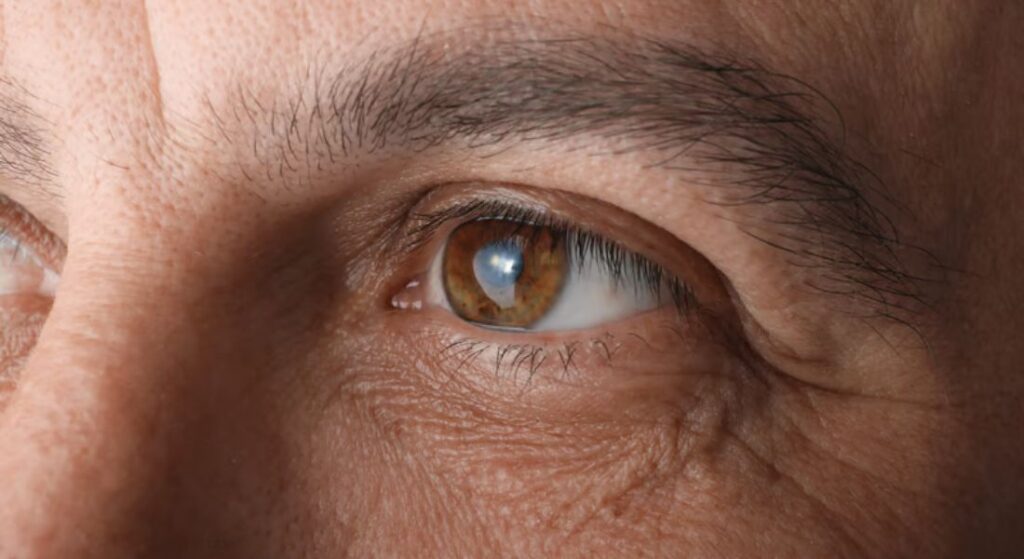
Let me explain why dry eye is so important when considering RLE surgery. The procedure relies heavily on accurate measurements of your eye before surgery takes place. These measurements guide key decisions that directly affect your final vision outcome.
If your tear film is unstable, the measurements taken may be less precise. This can influence the selection of your intraocular lens and may impact the quality of your vision after surgery. Ensuring your eyes are in the best possible condition beforehand helps improve accuracy and results.
Dry eye can also worsen temporarily after the procedure, which may cause additional discomfort during recovery. That is why it is essential to manage this condition properly before moving forward with surgery. With the right treatment and preparation, you can reduce risks and support a smoother healing process.
Can You Have RLE Surgery with Rheumatoid Arthritis?
The short answer is yes, you can have RLE surgery if you have rheumatoid arthritis. However, it is not a decision that is made without careful consideration. Your surgeon will need to assess your overall health and eye condition before confirming whether the procedure is suitable for you.
A key factor is how well your RA is controlled. If your condition is stable and your eye health is well managed, the procedure can usually be performed safely. Good disease control reduces the risk of complications and supports a smoother recovery process.
If you are experiencing active inflammation or significant dry eye symptoms, your surgeon may recommend delaying surgery. This allows time to stabilise your condition and improve the health of your eyes before proceeding. Taking this cautious approach helps ensure the safest and most effective outcome.
The Importance of Disease Control
Timing is crucial when planning any elective procedure like RLE surgery. If your rheumatoid arthritis is well controlled, your body is in a much better position to respond to surgery and heal effectively. This is why your medical team will carefully consider the timing before moving forward.
When your condition is stable, the risk of complications is significantly reduced. Issues such as excessive inflammation, delayed recovery, or infection are less likely to occur when your immune system is balanced. Good disease control helps create the best possible environment for a smooth and successful outcome.
On the other hand, if your rheumatoid arthritis is flaring, surgery may not be advisable at that time. Active inflammation can increase risks and make recovery more challenging. Waiting until your condition is stable ensures a safer procedure and better overall results.
Medications and Their Impact on Surgery
If you have rheumatoid arthritis, you are likely taking medications to manage your symptoms and control inflammation. These may include treatments such as methotrexate, corticosteroids, or biologic therapies. Each of these plays an important role in keeping your condition stable and improving your quality of life.
While these medications are essential, they can also influence your surgical experience. For example, immunosuppressants may increase the risk of infection, while corticosteroids can affect how your body heals after the procedure. Understanding these effects helps your medical team plan your care more effectively.
Your ophthalmologist will need to work closely with your rheumatologist to manage these factors safely. Together, they can adjust medications if necessary and ensure your treatment plan supports both your eye health and overall condition. This coordinated approach helps reduce risks and supports a smoother recovery.
Pre-Surgical Assessment: What You Should Expect
Before undergoing refractive lens exchange (RLE), a comprehensive pre-surgical assessment is essential to determine your suitability. This evaluation goes beyond a standard eye test and is designed to identify any underlying issues that could affect the outcome of the procedure. It allows your ophthalmologist to tailor the treatment specifically to your eyes and overall health. A thorough assessment ensures both safety and optimal visual results.
- Full eye examination: This includes checking your vision, eye pressure, and overall eye health. It helps detect any pre-existing conditions that may need to be addressed before surgery.
- Assessment of tear film and dry eye status: A stable tear film is crucial for healing and visual clarity. Identifying and managing dry eye beforehand can significantly improve surgical outcomes.
- Measurements for intraocular lens selection: Precise measurements of your eye are taken to choose the most suitable intraocular lens. This step is critical for achieving accurate and satisfactory vision correction.
- Review of your medical history: Your overall health, including conditions like autoimmune diseases and medications, is carefully reviewed. This ensures that any potential risks are identified and managed appropriately.
A detailed pre-surgical assessment is a vital step in the RLE journey. It provides valuable insights into your eye health and helps customise the procedure to your individual needs. By identifying and addressing potential concerns early, the risk of complications can be minimised. Ultimately, this careful preparation lays the foundation for a safer procedure and better visual outcomes.
Managing Dry Eye Before Surgery
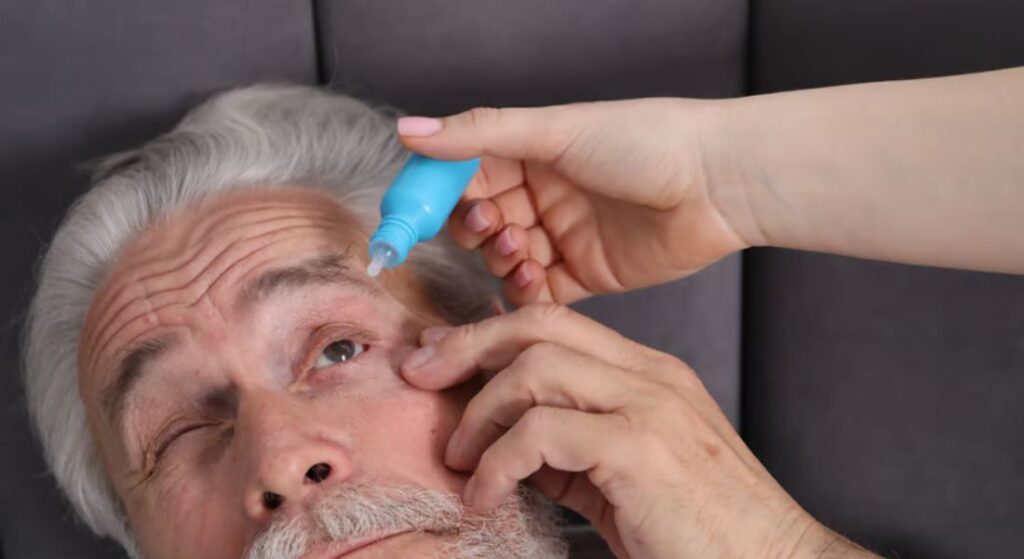
Addressing dry eye before undergoing refractive lens exchange (RLE) is a crucial step in ensuring a successful outcome. A stable and healthy tear film supports clear vision, accurate measurements, and proper healing after the procedure. If left untreated, dry eye can lead to discomfort and affect visual results. Taking the time to manage this condition beforehand can make a significant difference in both comfort and recovery.
- Lubricating eye drops: These are often the first line of treatment for dry eye. They help keep the surface moist, reduce irritation, and improve overall comfort before and after surgery.
- Anti-inflammatory treatments: In some cases, inflammation contributes to dry eye symptoms. Targeted treatments can reduce inflammation and improve tear quality, creating a better environment for healing.
- Lifestyle adjustments: Simple changes such as reducing screen time, staying hydrated, and avoiding dry environments can support tear film stability. These habits can enhance both pre- and post-surgical eye health.
Properly managing dry eye is an essential part of preparing for RLE surgery. By improving the health of the tear film, patients can achieve more accurate surgical measurements and smoother recovery. Working closely with your eye specialist ensures that the right combination of treatments is used. This proactive approach helps maximise both comfort and visual outcomes.
Customising Your Surgical Plan
When rheumatoid arthritis is involved, a personalised approach to RLE surgery is essential. Every patient’s condition is different, so your treatment plan needs to reflect your specific health needs. Your surgeon will take the time to understand your situation before recommending the best course of action.
Your surgical plan may be adapted in several ways to improve safety and outcomes. This could include selecting a specific type of intraocular lens that suits your vision requirements, as well as adjusting your medication schedule to support healing. These careful adjustments help reduce potential risks linked to your condition.
In addition, your surgeon may plan more frequent follow-up visits to monitor your recovery closely. This tailored approach allows any issues to be identified and managed early. By customising your care, your medical team can help ensure the best possible results from your surgery.
Understanding Inflammation and Healing
Inflammation is a natural and important part of the healing process after any surgery. It helps your body repair tissues and protect against infection. However, in autoimmune conditions like rheumatoid arthritis, this response can behave differently.
With RA, your immune system is already more active than usual, which can affect how your body reacts after surgery. This means you may experience a stronger inflammatory response than expected. As a result, healing may need closer attention and careful management.
Careful monitoring and the use of appropriate medication can help keep inflammation under control. Your medical team will adjust your treatment plan to support safe and effective healing. With the right care, you can reduce risks and improve your overall recovery experience.
Risks to Be Aware Of
Refractive lens exchange (RLE), like any surgical procedure, carries certain risks that patients should understand before proceeding. While the majority of surgeries are successful, being aware of potential complications helps set realistic expectations and encourages better preparation. For individuals with rheumatoid arthritis, these risks may be slightly elevated due to underlying inflammation and immune system factors. With the right precautions and medical guidance, many of these risks can be effectively managed.
- Infection: Although rare, infections can occur after surgery. Patients with autoimmune conditions or those on immunosuppressive medications may have a slightly higher risk, making post-operative care especially important.
- Inflammation: Some degree of inflammation is normal after surgery, but it may be more pronounced in individuals with rheumatoid arthritis. Careful monitoring and anti-inflammatory treatments can help control this response.
- Visual disturbances: Temporary issues such as glare, halos, or fluctuating vision can occur after RLE. These symptoms usually improve over time but may take longer to stabilise in some patients.
- RA-specific considerations: Rheumatoid arthritis may contribute to worsening dry eye symptoms, slower healing, and an increased inflammatory response. These factors require tailored management to ensure a smooth recovery.
Understanding the risks associated with RLE allows patients to make informed decisions and prepare accordingly. While rheumatoid arthritis can introduce additional challenges, these are not insurmountable with proper planning and care. Close coordination with your healthcare team ensures that any potential complications are addressed early. With the right approach, safe and successful outcomes remain highly achievable.
Benefits of RLE for Patients with RA
Despite the challenges that rheumatoid arthritis can present, RLE can still offer significant advantages. If you have been struggling with vision correction for a long time, the improvement after surgery can be quite noticeable. Many patients find that clearer vision has a positive impact on their daily routines.
One of the main benefits is achieving clearer vision at multiple distances, which can make activities like reading and driving much easier. You may also find that you rely far less on glasses or contact lenses, giving you greater freedom throughout the day. This added convenience can simplify many everyday tasks.
For many patients, these improvements lead to a better overall quality of life. Being able to see clearly without constant adjustments can boost confidence and independence. With the right preparation and care, RLE can provide long-term benefits that make the process worthwhile.
What to Expect During Recovery
Recovery after RLE is usually straightforward, but if you have rheumatoid arthritis, extra care may be needed. Your body’s response to healing can be different, so your surgeon will take this into account. Following your post-operative instructions closely is important for a smooth recovery.
You will typically be prescribed anti-inflammatory eye drops to control swelling and antibiotic drops to prevent infection. You will also be given a clear schedule of follow-up appointments to monitor your progress. These steps are designed to support proper healing and protect your vision.
Your surgeon may choose to monitor you more closely than usual to ensure everything is healing as expected. This allows any concerns to be identified and managed early. With the right care and attention, you can help ensure a safe and successful recovery.
The Importance of Follow-Up Care
I cannot stress this enough: follow-up appointments are essential after RLE surgery. These visits are a vital part of your recovery and help ensure that your eyes are healing as expected. Even if your vision seems clear, it is important not to skip these checks. They provide reassurance that everything is progressing well.
During these appointments, your surgeon will carefully assess your healing progress and look for any early signs of complications. They may also adjust your treatment if needed, such as modifying your eye drops or medications. This proactive approach helps address small issues before they become more serious.
For patients with rheumatoid arthritis, this ongoing monitoring provides an extra layer of safety and support. Your healing response may be different, so closer observation helps manage any unexpected changes. Staying consistent with your follow-up schedule gives you the best chance of a smooth recovery and long-lasting results.
Coordinating Care Between Specialists

One of the most important steps you can take is ensuring your healthcare providers work closely together. When you have rheumatoid arthritis, your care often involves more than one specialist, so communication is essential. A coordinated approach helps everyone stay aligned with your treatment plan and overall health needs.
Your ophthalmologist and rheumatologist should communicate openly throughout the process. This collaboration helps manage medications safely, monitor inflammation levels, and choose the most appropriate timing for your surgery. By sharing information, they can reduce risks and make more informed decisions about your care.
In my experience, this teamwork leads to better outcomes and greater peace of mind. You can feel reassured knowing that all aspects of your health are being considered together. This level of coordination supports a safer procedure and a smoother recovery journey.
Lifestyle Steps to Support Better Outcomes
Preparing for refractive lens exchange (RLE) is not only about medical evaluations; your daily habits also play an important role. Maintaining overall health can positively influence how your body responds to surgery and heals afterwards. Simple lifestyle adjustments can support your immune system, reduce inflammation, and improve recovery. Taking a proactive approach helps create the best possible conditions for a successful outcome.
- Following your treatment plan: Sticking to prescribed medications and medical advice helps keep underlying conditions like rheumatoid arthritis under control. Stable health reduces the risk of complications during and after surgery.
- Staying hydrated: Proper hydration supports overall bodily functions, including eye health and tear production. Well-hydrated tissues are better equipped to heal efficiently after surgery.
- Managing stress: High stress levels can negatively affect the immune system and increase inflammation. Techniques such as relaxation exercises or mindfulness can help maintain balance and support recovery.
Adopting healthy lifestyle habits can significantly enhance your readiness for RLE surgery. These small yet impactful steps contribute to better healing and more stable results. By combining medical preparation with personal care, patients can optimise their surgical outcomes. A holistic approach ensures both short-term recovery and long-term eye health benefits.
Emotional Readiness and Confidence
It is completely normal to feel unsure before surgery, and many people experience some level of anxiety. When you are living with a chronic condition like rheumatoid arthritis, these feelings can be even stronger. Recognising these concerns is an important part of preparing yourself for the procedure.
Living with a long-term condition can make you more cautious about how your body might respond. You may have questions about healing, possible complications, or the overall outcome. Taking the time to discuss these concerns with your healthcare team can help ease your worries and provide clarity.
The more informed you feel, the more confident your decision will be. Asking questions and understanding every aspect of the procedure allows you to feel more in control. Being both mentally and emotionally prepared can make a real difference to your overall experience and recovery.
Alternatives to RLE
RLE is not the only option available when it comes to improving your vision. Depending on your individual situation, there may be other treatments that could be more suitable for you. Exploring all available options helps ensure you make a well-informed choice.
Some alternatives include laser eye surgery, implantable lenses, or continuing with glasses or contact lenses. Each of these options has its own benefits and limitations, and not all may be appropriate if you have rheumatoid arthritis. Factors such as eye health, prescription strength, and inflammation levels need to be carefully considered.
A personalised consultation is essential to determine what is best for you. Your specialist will assess your condition in detail and recommend the safest and most effective approach. This ensures your treatment is tailored to your needs and supports the best possible outcome.
Making the Right Decision for You
At the end of the day, the decision to proceed with RLE is a personal one. It is important to consider what matters most to you and how the procedure fits into your lifestyle. Taking time to reflect on your options can help you feel more confident in your choice.
Your decision will depend on several key factors, including your vision goals, the stability of your rheumatoid arthritis, and your overall eye health. Each of these elements plays an important role in determining whether RLE is the right option for you. Your specialist will guide you through these considerations to ensure you understand your choices clearly.
There is no one-size-fits-all answer when it comes to vision correction. What matters most is choosing the option that aligns best with your needs, preferences, and medical condition. Making an informed decision helps ensure the safest and most satisfying outcome for your vision and overall well-being.
FAQs:
1. Can I have RLE surgery if I have rheumatoid arthritis?
Yes, many people with rheumatoid arthritis can safely undergo RLE, provided the condition is well-controlled and properly assessed before surgery.
2. How does rheumatoid arthritis affect the eyes?
RA can cause dry eye syndrome, surface inflammation, and in rare cases deeper conditions like scleritis, all of which may influence surgical planning.
3. Is dry eye a problem for RLE surgery?
Yes, dry eye is one of the most important factors. It can affect pre-surgical measurements, healing, and overall comfort, so it must be treated before surgery.
4. Do RA medications affect RLE surgery?
They can. Medications like immunosuppressants and corticosteroids may impact healing and infection risk, so your doctors may adjust them temporarily.
5. Should I delay RLE if my rheumatoid arthritis is flaring?
Yes, surgery is usually postponed during flare-ups to reduce the risk of complications and ensure better healing.
6. Does rheumatoid arthritis increase surgical risks?
It can slightly increase the risk of inflammation, infection, and delayed healing, but these risks are manageable with proper planning and care.
7. How can I prepare for RLE with rheumatoid arthritis?
You should ensure your RA is stable, manage dry eye symptoms, follow your treatment plan, and attend a thorough pre-surgical assessment.
8. What is recovery like after RLE for RA patients?
Recovery is generally similar to others but may involve closer monitoring, especially for inflammation and dry eye symptoms.
9. Will RLE reduce my need for glasses if I have RA?
Yes, most patients experience significantly improved vision and reduced dependence on glasses or contact lenses after RLE.
10. Are there alternatives to RLE if it is not suitable for me?
Yes, alternatives include laser eye surgery, implantable contact lenses, or continuing with glasses or contact lenses, depending on your eye health and RA condition.
Final Thoughts: Planning RLE Safely with Rheumatoid Arthritis
Choosing to go ahead with RLE surgery when you have rheumatoid arthritis may feel like a big decision, but it is one that can be made with confidence when approached carefully. With the right preparation, proper control of your condition, and a personalised treatment plan, many patients achieve excellent visual outcomes safely. Understanding how RA affects your eyes, healing, and overall response to surgery allows you and your medical team to reduce risks and plan effectively.
What matters most is ensuring your condition is stable, your dry eye is well managed, and your care is coordinated between your ophthalmologist and rheumatologist. Taking these steps creates the best possible environment for a smooth procedure and recovery. When everything is aligned, RLE can offer long-term improvements in vision and a meaningful boost to your quality of life. If you’re thinking about RLE surgery in London, you can get in touch with us at London Cataract Centre.
References:
- Trojacka, E. (2025) Current Trends in Presbyopia Correction with Refractive Lens Exchange and Other Surgical Methods, Journal of Clinical Medicine Available at: https://www.mdpi.com/2077-0383/15/1/215
- Nagyova, D., Tappeiner, C., Blaha, A., Goldblum, D. & Kyroudis, D. (2025) Visual Outcomes and Patient Satisfaction with Extended Monovision Strategies in Refractive Lens Exchange, Journal of Clinical Medicine, Available at: https://www.mdpi.com/2077-0383/14/16/5684
- Yim, C. K. et al. (2023) Visual Outcomes and Patient Satisfaction After Bilateral Refractive Lens Exchange with a Trifocal Intraocular Lens in Patients with Presbyopia, Ophthalmology and Therapy, Available at: https://pubmed.ncbi.nlm.nih.gov/37052874/
- Khoramnia, R. & Naujokaitis, T. (2024) Functional Outcomes After Refractive Lens Exchange With Multifocal/EDOF Intraocular Lenses: Spectacle Independence and Visual Performance, American Journal of Ophthalmology Available at: https://www.sciencedirect.com/science/article/pii/S0002939424003519
- Chang, J. S. M., Ng, J. C. M. & Lau, S. Y. F. (2012) Visual outcomes and patient satisfaction after presbyopic lens exchange with a diffractive multifocal intraocular lens, Journal of Refractive Surgery Available at: https://pubmed.ncbi.nlm.nih.gov/22716033/