


If you are living with heart disease and considering refractive lens exchange (RLE) surgery, it is completely natural for you to feel cautious about the decision. You may wonder whether your condition could affect the safety of the procedure or your recovery afterwards. These thoughts are common, especially when you are thinking about any type of surgery, even one that is widely performed like RLE.
Your heart condition can raise important questions about how your body will respond during and after the surgery. You might be concerned about anaesthesia, the medications you are currently taking, or whether there are additional risks involved. While RLE is generally considered safe, your overall health always needs to be carefully reviewed beforehand. This helps ensure that the procedure is suitable for you and carried out with the right precautions in place.
It is also important for you to understand that every case is different, and your experience will depend on the severity and stability of your heart condition. Your eye specialist will usually work closely with your cardiologist to assess your fitness for surgery. This collaborative approach allows any potential risks to be identified and managed effectively. As a result, you can move forward with greater reassurance and clarity.
I want to guide you through the key considerations so you can feel more confident in your decision-making process. Having the right information will help you ask the right questions and understand what to expect at each stage. It also allows you to balance the potential benefits of improved vision with any health-related concerns. Ultimately, the goal is to support both your eye health and your overall wellbeing.
Why Heart Health Matters for Eye Surgery
Your heart and circulatory system support every part of your body, including your eyes, by delivering oxygen and essential nutrients needed for healthy function. When you are living with heart disease, this process may not work as efficiently, which can influence how your body responds to surgery and heals afterwards. Even with a routine procedure like RLE, your overall cardiovascular health plays an important role in ensuring everything goes smoothly. This is why your condition is carefully assessed before any surgical decision is made.
Even a straightforward eye procedure can place mild stress on your body, leading to temporary changes in blood pressure or heart rate, especially due to anxiety or anaesthesia. If you are taking heart medications, these may also affect bleeding, healing, or how your body reacts during the procedure. Your medical team will review your health and medications in detail to minimise any risks and provide appropriate care. Understanding these interactions helps you feel more prepared and ensures your surgery is planned with both your vision and heart health in mind.
What Is RLE Surgery?
Let’s start with a clear and simple overview so you can understand what this procedure involves. Refractive lens exchange, often called RLE, is a type of eye surgery designed to improve your vision by correcting common refractive errors. It is often recommended if other treatments, such as laser eye surgery, may not be suitable for you. This makes it a practical option when you are looking for a more permanent solution to vision problems.
In RLE surgery, your natural lens is carefully removed and replaced with an artificial intraocular lens that is chosen based on your specific vision needs. This new lens helps correct issues such as short-sightedness, long-sightedness, and age-related vision changes like presbyopia. The aim is to provide clearer vision and reduce your dependence on glasses or contact lenses. The procedure is typically quick and is performed using advanced, precise techniques.
The process is very similar to cataract surgery, as both involve replacing the eye’s natural lens with an artificial one. However, the main difference is that RLE is carried out primarily to correct vision rather than to treat a cloudy lens caused by cataracts. Because of this, it is often chosen as a proactive option to improve visual quality before cataracts develop. Understanding this distinction can help you decide whether RLE is the right choice for your needs.
Why People Choose RLE
You may be considering RLE because glasses or contact lenses are no longer as convenient as they once were. You might find them uncomfortable to wear for long periods or feel restricted in your daily activities. Over time, managing prescriptions and constantly switching between different lenses can become frustrating. This often leads you to look for a more lasting and practical solution.
Age-related vision changes, such as presbyopia, can also make everyday tasks more challenging than before. You may notice difficulty when reading small print, using digital devices, or focusing on objects at different distances. These changes are a natural part of ageing, but they can still affect your comfort and productivity. As a result, you might begin to explore options that offer more consistent and reliable vision.
RLE can help restore a broader range of vision by replacing your natural lens with one that is tailored to your needs. This means you may be able to see clearly at multiple distances without relying as much on glasses or contact lenses. The goal is to improve your overall visual quality and make daily activities easier and more convenient. For many people, this creates a greater sense of independence and confidence in their vision.
How Heart Disease Can Affect Surgery
Heart disease can present in several different forms, including coronary artery disease, arrhythmias, previous heart attacks, and issues with heart valves. Each condition affects the body in its own way, especially when undergoing a medical procedure. During surgery, the heart plays a crucial role in maintaining stability and responding to physical stress. Even for procedures that are considered minimally invasive, the cardiovascular system must still adapt and function effectively.
- Different Types of Heart Disease Matter: Conditions such as coronary artery disease or arrhythmias can influence how well the heart performs under pressure. Each type of heart problem may respond differently during surgery. This makes it important for doctors to understand your specific condition before proceeding.
- Impact of Surgical Stress on the Heart: Surgery places stress on the body, which can increase heart rate and blood pressure. For someone with heart disease, this added strain may be harder to manage. As a result, careful monitoring is essential throughout the procedure.
- Role of Anaesthesia and Positioning: Anaesthesia can affect heart function by altering blood pressure and circulation. In addition, certain surgical positions may influence how blood flows through the body. These factors can place extra demands on the cardiovascular system.
- Even Minimally Invasive Procedures Require Caution: Although procedures like RLE are less invasive, they still involve physical and physiological stress. The heart must continue to supply oxygen efficiently during the operation. This is why proper assessment and preparation are necessary beforehand.
In summary, heart disease can significantly influence how the body responds to surgery, regardless of how minor the procedure may seem. Different heart conditions require individual attention to ensure patient safety. Factors such as anaesthesia, stress, and positioning all play a role in how the cardiovascular system reacts. With proper evaluation and care, risks can be managed effectively to support a safer surgical experience.
Assessing Cardiovascular Risk
Before moving forward with surgery, I will carefully review your cardiovascular history to understand your overall health. This includes looking at any past heart conditions, treatments you have received, and how well your condition is currently managed. The aim is to build a clear picture of how your heart may respond during and after the procedure. This step helps ensure that your safety remains the top priority throughout the process.
Your medications are also an important part of this assessment, as they can influence how your body reacts during surgery. I will consider factors such as your blood pressure, heart rhythm, and any previous cardiac events you may have experienced. These details help identify any potential risks and allow adjustments to be made if needed. By taking this thorough and personalised approach, your surgical plan can be tailored to support both your eye health and your cardiovascular wellbeing.
Types of Heart Conditions

Heart conditions can vary widely, and each type carries its own level of risk, especially during medical procedures. Understanding these differences is important because the heart responds differently depending on the underlying issue. Some conditions may cause only mild concerns, while others require more careful planning and monitoring. Recognising these risks helps ensure safer and more effective treatment.
- Coronary Artery Disease: This condition involves narrowed or blocked arteries, which can reduce blood flow to the heart. During periods of stress, such as surgery, this may increase the risk of chest pain or even a heart attack. Proper assessment helps doctors minimise these risks.
- Arrhythmias: Arrhythmias refer to irregular heartbeats that can affect how efficiently the heart pumps blood. Anaesthesia may sometimes make these irregular rhythms more noticeable or frequent. Continuous monitoring is important to keep the heart rhythm stable.
- Heart Failure: In heart failure, the heart’s ability to pump blood effectively is reduced. This means the body may struggle to maintain proper circulation during procedures. Careful management of fluids and medications is essential to support heart function.
- Valve Disease; Problems with the heart valves can affect how blood flows through the heart. This may increase the risk of complications such as infection or bleeding during surgery. Special precautions are often taken to reduce these risks.
In conclusion, different heart conditions present unique challenges that must be carefully managed during medical procedures. Each condition requires a tailored approach to ensure the heart continues to function properly. By understanding these risks, healthcare professionals can take the necessary precautions to protect patient safety. With proper planning and monitoring, many of these risks can be effectively controlled.
Why Anaesthesia Matters
Most RLE surgeries are performed using local anaesthesia, often combined with mild sedation to help you feel relaxed and comfortable during the procedure. This approach allows you to remain awake while ensuring that your eye is completely numbed, so you do not feel pain. It is generally preferred because it avoids the deeper effects associated with general anaesthesia. For many patients, this makes the experience smoother and easier to tolerate.
Local anaesthesia is particularly important if you have a heart condition, as it places less strain on your cardiovascular system. Compared with general anaesthesia, it reduces the likelihood of significant changes in heart function or blood pressure. This makes it a safer option for many people with underlying health concerns. Your medical team will always choose the method that offers the best balance between comfort and safety.
However, even mild sedation can still have some effects on your body, especially if you have existing heart issues. You may experience slight changes in blood pressure, heart rate, or oxygen levels during the procedure. These changes are usually well controlled, but they still require careful monitoring throughout the surgery. This is why your condition is assessed in advance, ensuring that every precaution is taken to keep you safe.
Pre-Surgery Assessment
I always begin with a detailed pre-surgery assessment to make sure the procedure is as safe as possible for you. This involves reviewing your overall health, with a particular focus on your heart condition and how well it is currently managed. By taking the time to understand your medical background, I can identify any factors that may need special attention. This careful approach helps ensure that your treatment is tailored specifically to your needs.
As part of this assessment, you may undergo tests such as an ECG, regular blood pressure monitoring, and, in some cases, a review by a cardiologist. These checks provide valuable information about how your heart is functioning and whether it is stable enough for surgery. They also help detect any potential concerns that may not be immediately obvious. This allows your medical team to plan ahead and take the necessary precautions.
All of these tests and evaluations are designed to give a clear understanding of your individual risk and how best to manage it. If needed, adjustments can be made to your medications or the surgical plan to improve safety. This preparation plays a key role in reducing complications and supporting a smooth recovery. Ultimately, it ensures that your procedure is carried out with the highest level of care and attention.
Reviewing Medications
If you are living with heart disease, you are likely to be taking medications such as beta-blockers, blood thinners, or anti-arrhythmic drugs to manage your condition. These medications are essential for your health, but they also need careful review before surgery. Each one can influence how your body responds during the procedure and throughout recovery. This is why your medical team will always assess your current treatment in detail beforehand.
Different medications can affect surgery planning in specific ways, particularly when it comes to bleeding risk, heart rate, and blood pressure. For example, blood thinners may increase the chance of bleeding, while other drugs can interact with anaesthesia or alter your cardiovascular response. In some cases, small adjustments may be recommended to improve safety while keeping your condition stable. This careful balance helps ensure that your surgery is both safe and well managed.
Coordination with Your Cardiologist
Your cardiologist plays an essential role in preparing you for surgery, especially when you have an existing heart condition. They understand your cardiovascular health in detail and can assess whether your condition is stable enough for the procedure. This additional level of evaluation helps ensure that no important factors are overlooked. It also gives you greater reassurance that your safety is being prioritised at every step.
They may adjust your medications if needed or provide formal clearance to confirm that it is safe for you to proceed with surgery. These decisions are based on your current health, recent test results, and how well your condition is being managed. Any changes are made carefully to maintain stability while reducing potential surgical risks. This tailored approach helps create the safest possible conditions for your procedure.
Close collaboration between your eye surgeon and cardiologist is key to achieving the best outcome. By working together, they can share important information and plan your care in a coordinated way. This ensures that both your vision needs and heart health are fully considered throughout the process. As a result, you can move forward with greater confidence and peace of mind.
Managing Blood Pressure
Keeping your blood pressure well controlled is an essential part of preparing for surgery, especially if you have a heart condition. Stable blood pressure helps your body cope better during the procedure and supports a smoother recovery afterwards. If your levels are too high or too low, it can place additional strain on your system. This is why careful monitoring and management are always a priority before surgery.
High blood pressure can increase the risk of bleeding and place extra stress on your heart during the procedure. This may make it more challenging for your body to respond comfortably to surgical conditions. On the other hand, low blood pressure can reduce the flow of blood to important tissues, including your eyes, which may affect healing. Maintaining a balanced level helps ensure that your body functions optimally throughout the surgical process.
Your medical team will monitor your blood pressure closely and may adjust your medications if needed to keep it within a safe range. These steps are taken to reduce potential complications and improve overall outcomes. By managing your blood pressure effectively, you can support both the safety of the procedure and your recovery. This approach helps create the best possible conditions for successful surgery.
Understanding the Procedure
RLE surgery is a relatively quick procedure, usually taking around 15 to 30 minutes per eye. This shorter duration can be reassuring, especially if you are concerned about how your heart condition might be affected. It means your body is under less stress compared to longer operations. As a result, many patients find the experience more comfortable than they expect.
During the procedure, you remain awake while your eye is numbed with a local anaesthetic to prevent any pain. This approach avoids the need for general anaesthesia, which can place more strain on your cardiovascular system. Most patients, including those with heart conditions, tolerate the surgery very well. Your medical team will monitor you closely throughout to ensure your safety and comfort at every stage.
The Role of Sedation
Sedation is often used during RLE surgery to help you feel calm and relaxed throughout the procedure. It can ease anxiety and make the overall experience more comfortable, especially if you are feeling nervous beforehand. The level of sedation is usually mild, allowing you to remain awake while feeling at ease. This approach helps create a more controlled and reassuring environment during surgery.
I carefully monitor how any sedatives may interact with your heart condition to ensure your safety at all times. Your response to these medications can vary depending on your overall health and the treatments you are currently receiving. In some cases, adjustments to the dosage may be needed, or sedation may be avoided altogether if it is not suitable for you. This personalised approach helps ensure that your care is both safe and tailored to your specific needs.
Risk of Complications
Every surgical procedure carries some level of risk, and having heart disease adds an extra layer that needs careful consideration. This does not mean that surgery is unsafe for you, but it does require a more thorough approach to planning and monitoring. Your overall health, the stability of your condition, and your medical history all play a role in assessing these risks. By understanding these factors, your medical team can take the right steps to protect your wellbeing.
Potential complications may include temporary changes in blood pressure, irregular heart rhythms, or, in very rare cases, more serious cardiac events. While these possibilities can sound concerning, they are uncommon, especially when proper precautions are in place. Continuous monitoring during the procedure helps detect and manage any changes quickly. This ensures that any issues are addressed promptly and effectively.
With careful assessment, appropriate preparation, and close supervision, the likelihood of serious complications remains very low. Your medical team is trained to manage these risks and will tailor your care to suit your individual needs. This approach helps create a safe environment for your surgery and recovery. As a result, you can feel more reassured about moving forward with the procedure.
Recovery After RLE
Recovery after RLE surgery is usually smooth, and most patients find the process easier than they expect. You will typically be able to return home the same day and rest comfortably while your eyes begin to heal. In the first few days, it is normal to experience mild discomfort or slight blurring as your vision adjusts. These symptoms generally improve quickly with proper care and follow-up.
Many patients start to notice an improvement in their vision within just a few days, with clarity continuing to develop over the following weeks. This gradual progress allows your eyes to adapt to the new lens and stabilise naturally. While your heart condition does not usually affect how your eye heals, it is still important to be mindful of your overall health. Your medical team will guide you on what to expect and how to support your recovery.
Even though heart disease does not typically interfere with eye healing, you will still be monitored closely for any signs of stress or fluid imbalance. This is to ensure that your body is responding well both to the surgery and the recovery process. Any concerns can be addressed early, helping to prevent complications. With the right care and attention, you can expect a safe and steady recovery.
Managing Medications Post-Surgery
After your RLE surgery, your post-operative care will usually include antibiotic and anti-inflammatory eye drops to support healing and prevent infection. These medications help reduce inflammation, protect your eyes, and ensure a smooth recovery process. You will be given clear guidance on how and when to use them correctly. Following these instructions closely is important for achieving the best possible outcome.
At the same time, your existing heart medications will be carefully reviewed to ensure there are no unwanted interactions. Some combinations may require minor adjustments or closer monitoring to avoid complications. Your medical team will take a coordinated approach to balance both your eye care and heart health. This ensures that all aspects of your treatment work safely together.
Clear and simple instructions will be provided so you know exactly how to manage your medications at home. This helps you stay consistent with your treatment and reduces the risk of confusion or missed doses. If you have any concerns, you will be encouraged to seek advice promptly. By following the plan carefully, you can support both your recovery and your overall wellbeing.
Long-Term Eye Care
Even after a successful RLE procedure, it is important for you to continue attending regular eye check-ups. These visits allow your eye specialist to monitor your vision, ensure the lens implant is functioning well, and detect any changes early. Ongoing care helps maintain the quality of your vision over time. It also gives you the opportunity to address any concerns before they become more significant.
Heart disease does not usually interfere with your intraocular lens, but your overall health still plays a role in maintaining stable vision. Regular monitoring helps ensure that both your eyes and your general wellbeing remain on track. Your doctor may also keep an eye on any subtle changes that could be linked to circulation or systemic health. This proactive approach supports long-term visual outcomes.
Managing your overall health, including your heart condition, benefits both your eyes and your body as a whole. Good lifestyle habits, medication adherence, and routine medical reviews all contribute to better results. By taking care of your general health, you are also supporting the longevity of your vision correction. This balanced approach helps you maintain clear vision and overall wellbeing for years to come.
Lifestyle Factors That Help
Maintaining a heart-healthy lifestyle plays an important role in improving surgical outcomes. Simple daily habits can strengthen the heart and help the body cope better with medical procedures. Preparing the body in advance can reduce potential risks and support smoother recovery. These lifestyle choices are especially valuable for individuals with existing heart conditions.
- Balanced Diet: Eating a well-balanced diet helps support overall heart health and maintains proper body function. Nutrient-rich foods can improve energy levels and strengthen the cardiovascular system. This makes it easier for the body to handle the stress of surgery.
- Regular Exercise: Physical activity, when done as advised by a cardiologist, helps keep the heart strong and efficient. It improves circulation and supports better oxygen delivery throughout the body. Regular exercise can also aid in quicker recovery after procedures.
- Avoiding Smoking: Smoking has a negative impact on heart health and can increase surgical risks. It affects blood flow and reduces oxygen levels in the body. Avoiding or quitting smoking can significantly improve both surgical outcomes and long-term health.
- Stress Reduction: Managing stress is important, especially during the perioperative period. High stress levels can affect heart rate and blood pressure. Simple relaxation techniques can help keep the body calm and better prepared for surgery.
In conclusion, adopting healthy lifestyle habits can make a meaningful difference in surgical outcomes. A strong and well-supported heart is better equipped to handle the demands of medical procedures. Small changes, such as improving diet, staying active, and reducing stress, can have lasting benefits. With consistent effort, these habits contribute to safer surgery and smoother recovery.
Choosing the Right Lens
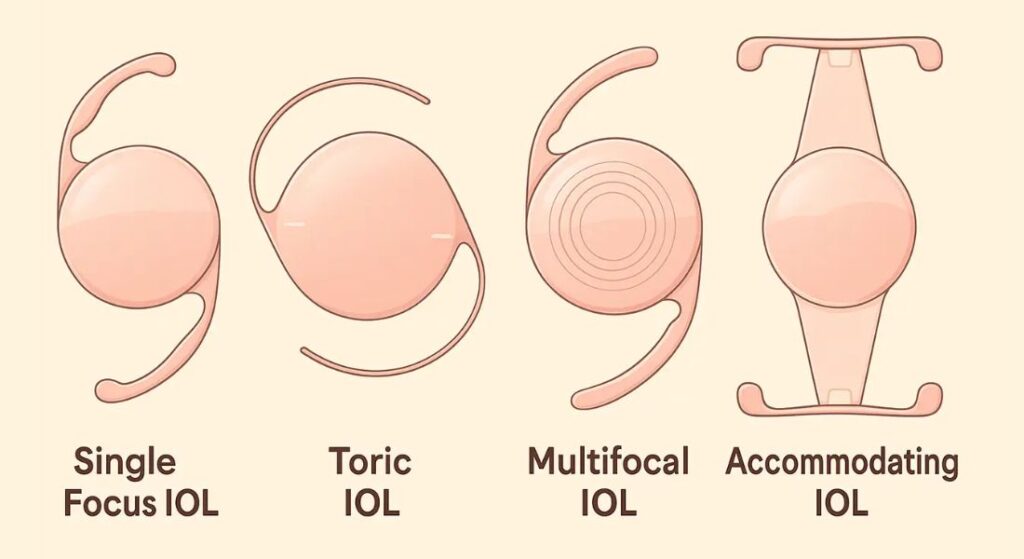
Choosing the right lens for your RLE surgery is an important step, and it is always tailored to your lifestyle and specific vision needs. Your daily activities, such as reading, driving, or using digital devices, will influence which option suits you best. Your eye specialist will take the time to understand your expectations and visual priorities. This personalised approach helps ensure that the chosen lens aligns with how you live your life.
Monofocal lenses are a common option and provide excellent clarity for distance vision. However, you may still need to use reading glasses for close-up tasks such as reading or working on a computer. They are often recommended for their simplicity and reliable outcomes. This makes them a suitable choice if you prefer clear distance vision with minimal visual disturbances.
Multifocal or extended-depth-of-focus lenses are designed to provide a wider range of vision, reducing your dependence on glasses. These lenses can help you see at multiple distances, which may be more convenient for everyday activities. However, they may not be suitable for every patient, particularly if there are certain eye conditions or specific visual expectations. Your specialist will guide you in choosing the safest and most effective option for your individual needs.
When Surgery Might Be Delayed
There are certain situations where it may be safer to postpone your RLE surgery rather than proceed immediately. This decision is always made with your overall health and safety in mind. If your heart condition is not stable, or if there are concerns that need further evaluation, delaying the procedure can help avoid unnecessary risks. Taking this cautious approach ensures that you are in the best possible condition before surgery.
If adjustments to your medications are required, your medical team may recommend waiting until these changes have taken effect and your condition is well controlled. This allows your body to respond properly and reduces the likelihood of complications during the procedure. Stabilising your health first creates a safer environment for surgery and recovery. It also helps improve your overall experience and satisfaction with the outcome.
Managing Expectations

I always emphasise the importance of having realistic expectations when considering RLE surgery. While the procedure can significantly improve your vision, it is important to understand that results can vary depending on your individual condition. Having a clear and balanced understanding helps you feel more confident and satisfied with the outcome. It also allows you to approach the decision with the right mindset.
RLE is designed to improve your vision, but it does not treat or change any underlying heart disease. Your heart condition will still require proper management and regular medical care. The goal of the procedure is to enhance your quality of life by improving how you see, while keeping your overall health a priority. This balanced approach ensures that your treatment remains both safe and beneficial.
Timing Is Crucial
Choosing the right time for your RLE surgery is essential to ensure both your safety and the best possible visual outcome. Your overall health, particularly your heart condition, needs to be stable before moving forward with the procedure. Careful timing allows your medical team to plan everything appropriately and reduce potential risks. This thoughtful approach helps create the most favourable conditions for surgery.
Rushing into surgery is never recommended, especially when there are important health factors to consider. Taking the time to prepare thoroughly allows for proper assessments, medication adjustments, and coordination between your healthcare providers. This preparation not only improves safety but also supports a smoother recovery. In the end, a well-timed and carefully planned procedure leads to more successful and satisfying results.
Emotional Considerations
Living with heart disease can be emotionally challenging, and it is completely normal for you to feel some level of stress or uncertainty. When you add decisions about eye surgery into the mix, it can sometimes feel overwhelming. You may find yourself worrying about risks, outcomes, or whether you are making the right choice. Acknowledging these feelings is an important part of the process and should not be overlooked.
I always encourage you to discuss your concerns openly and ask any questions you may have before moving forward. Having clear and honest conversations with your medical team can help ease anxiety and build confidence in your decision. The more informed you are, the more comfortable you are likely to feel about the procedure. This supportive approach ensures that you feel reassured and fully prepared every step of the way.
FAQs:
1. Can you safely have RLE surgery if you have heart disease?
Yes, many people with heart disease can safely undergo RLE surgery, provided their condition is stable. A thorough pre-surgical assessment and coordination with your cardiologist help ensure the procedure is planned with the right precautions.
2. Is heart disease a contraindication for RLE surgery?
Heart disease is not always a contraindication. However, uncontrolled or severe cardiac conditions may require delaying surgery until your health is better managed.
3. What type of anaesthesia is used for RLE in heart patients?
RLE is usually performed under local anaesthesia with mild sedation. This approach is generally safer for heart patients as it places less strain on the cardiovascular system compared to general anaesthesia.
4. Do I need clearance from a cardiologist before RLE surgery?
Yes, in most cases. Your cardiologist will assess your heart condition, review medications, and confirm whether you are fit to proceed with surgery.
5. Can heart medications affect RLE surgery?
Yes, medications such as blood thinners, beta-blockers, and anti-arrhythmic drugs can influence surgical planning. Your doctor may adjust them temporarily to reduce risks like bleeding or blood pressure fluctuations.
6. What are the risks of RLE surgery for patients with heart disease?
Risks may include changes in blood pressure, irregular heart rhythms, or rare cardiac events. However, with proper monitoring and preparation, serious complications are uncommon.
7. Will my blood pressure be monitored during the procedure?
Yes, your blood pressure, heart rate, and oxygen levels are closely monitored throughout the procedure to ensure your safety at all times.
8. Can RLE surgery trigger heart problems?
The risk is very low, especially when your condition is stable. Mild stress or sedation may cause temporary changes, but these are usually well controlled by the medical team.
9. Should RLE surgery be postponed if my heart condition is unstable?
Yes, surgery is typically delayed if your heart condition is not well controlled. Stabilising your health first helps reduce risks and improves overall outcomes.
10. Does heart disease affect recovery after RLE surgery?
In most cases, heart disease does not directly affect eye healing. However, your overall health will still be monitored to ensure a smooth and safe recovery.
Final Thoughts: Making a Safe and Informed Decision
Deciding whether to proceed with RLE surgery when you have heart disease requires a careful balance between improving your vision and protecting your overall health. While the procedure is generally safe, your individual heart condition, its stability, and your current treatment all play an essential role in determining suitability. With thorough pre-operative assessments, close coordination between your eye specialist and cardiologist, and personalised care, many patients with heart disease successfully undergo RLE with excellent outcomes.
Taking the time to prepare properly, manage your medications, and ensure your cardiovascular health is stable can significantly reduce risks and support a smooth recovery. It is important to stay informed, ask questions, and follow medical advice closely so you feel confident in your decision. Ultimately, the goal is to enhance your vision while maintaining the highest level of safety and wellbeing. If you’re thinking about refractive lens exchange surgery in London, you can get in touch with us at London Cataract Centre.
References:
- Preoteasa, L.D., Baltă, G. and Baltă, F.N. (2024) Investigation of risk factors predicting cataract surgery complications in patients with pseudoexfoliation syndrome: A systematic review, Journal of Clinical Medicine, 13(6), p. 1824. Avialable at: https://www.mdpi.com/2077-0383/13/6/1824
- Behera, G., Kothari, A., Subramanian, A. and Jayaraman, R. (2024) Comparing peribulbar and topical anesthesia in cataract surgery among patients with cardiovascular disease, Korean Journal of Ophthalmology, 38(1), pp. 71–76. Avialable at: https://pubmed.ncbi.nlm.nih.gov/38224720/
- Perumal, D., Dudley, R.A., Gan, S., Boscardin, W.J., Gill, A., Gelb, A.W., Lee, S.J. and Chen, C.L. (2022) Anesthesia care for cataract surgery in Medicare beneficiaries, JAMA Internal Medicine, 182(11), pp. 1171–1180. Avialable at: https://pmc.ncbi.nlm.nih.gov/articles/PMC9531089/
- Wang, S.B., Mitchell, P., Plant, A.J., Phan, K., Liew, G., Thiagalingam, A., Burlutsky, G. and Gopinath, B. (2016) Cataract surgery is more prevalent and occurs at an earlier age in a high cardiovascular risk cohort: Comparison with the Blue Mountains Eye Study, International Journal of Cardiology, 212, pp. 72–75. Avialable at: https://www.sciencedirect.com/science/article/abs/pii/S016752731630434X
- Kumar, C.M., Seet, E., Eke, T. and Joshi, G.P. (2017) Hypertension and cataract surgery under loco-regional anaesthesia: not to be ignored? British Journal of Anaesthesia, 119(5), pp. 855–859. Avialable at: https://academic.oup.com/bja/article-abstract/119/5/855/4265515