



If you have asthma and are considering refractive lens exchange (RLE), it’s completely natural to wonder whether your condition could affect the procedure. You may be thinking about how your breathing, general health, or current treatment might influence the experience. These are sensible concerns, especially when planning any type of surgery. Understanding how asthma fits into the picture can help you feel more prepared and confident.
I often speak with people who are concerned about their inhalers, possible breathing difficulties, or how sedation might affect them during surgery. You might be unsure whether your asthma needs to be perfectly controlled beforehand or if it could increase any risks. These questions are very common and worth discussing in detail. Having clear, straightforward answers can make the whole process feel much more manageable.
In most cases, asthma does not prevent you from having RLE, which is reassuring to know. However, your condition should be stable and well-managed before going ahead with the procedure. This helps reduce any potential risks and ensures that your body can respond well during and after surgery. Careful planning plays an important role in achieving a safe and smooth experience.
There are a few important considerations to keep in mind, including your current symptoms, medication use, and overall respiratory health. By reviewing these factors in advance, we can tailor the approach to suit your individual needs. This allows for better preparation and a more comfortable experience on the day of surgery. With the right support, you can move forward with greater confidence and peace of mind.
Why This Topic Matters
Asthma is a chronic condition that can influence how your body responds during surgery. You may find it affects reactions to medications, sedation, or even stress on the day. These factors can impact your comfort and stability. This is why your respiratory health needs to be considered carefully.
Although refractive lens exchange is generally low risk, your overall health still plays a role. The interaction between your lungs, medications, and the procedure can make a difference. Even small adjustments can improve safety and comfort. Looking at these factors helps ensure a smoother experience.
Being informed helps you feel more prepared and less anxious about surgery. You’ll have a clearer idea of what to expect and how to manage your condition. It also allows your medical team to plan more effectively. This ultimately improves both safety and peace of mind.
What Is RLE Surgery?
Before focusing on how asthma may affect things, it’s helpful to understand what refractive lens exchange involves. Having a clear idea of the procedure can make the whole process feel less uncertain. It also helps you see how your general health may fit into the planning. This foundation makes later decisions easier to understand.
Refractive lens exchange is a procedure where your eye’s natural lens is removed and replaced with an artificial intraocular lens. This new lens is designed to improve your vision and reduce your need for glasses or contact lenses. The surgery is typically quick and performed using precise, modern techniques. Most people find it a straightforward and manageable experience.
In many ways, RLE is the same as cataract surgery, as both involve replacing the natural lens of the eye. The key difference is that RLE is done to correct vision rather than to treat a cloudy lens. This makes it a proactive option for improving visual clarity. Understanding this can help you decide whether it’s suitable for your needs.
Why People Choose RLE
You may be considering refractive lens exchange as a way to reduce your dependence on glasses or contact lenses. The idea of clearer vision without needing visual aids every day can be very appealing. It can make daily tasks feel more convenient and comfortable. This is often one of the main reasons people explore RLE.
You might also be experiencing age-related vision changes, such as presbyopia. This can make reading, driving, or working on screens more challenging than before. You may find yourself relying more on reading glasses or adjusting how you see things up close. RLE can help address these common changes and improve overall visual clarity.
In some cases, laser eye surgery may not be suitable due to thin corneas or higher prescriptions. If that applies to you, RLE can offer an effective alternative for vision correction. It works independently of the cornea, making it suitable for a wider range of patients. Understanding your reasons can help you decide if this option is right for you.
Understanding Asthma

Asthma is a chronic condition that affects your airways, causing them to become inflamed and narrowed. This can make it harder for air to move in and out of your lungs. You may notice that your breathing feels restricted at times. The severity can vary from mild to more noticeable symptoms.
Common symptoms include wheezing, shortness of breath, and coughing. You might experience these occasionally or more frequently, depending on how well your asthma is controlled. The intensity can also change over time. Some days may feel completely normal, while others may be more challenging.
Asthma symptoms are often triggered by specific factors such as allergens, infections, exercise, or stress. You may already be aware of what tends to trigger your symptoms. Managing these triggers is an important part of keeping your condition stable. This becomes especially important when preparing for any medical procedure.
How Asthma Can Affect Surgery
Even though refractive lens exchange (RLE) is considered minimally invasive, your respiratory health can still play an important role in surgical planning. Asthma affects the airways and can influence how your body responds to sedation or other perioperative medications. Certain asthma treatments may interact with sedatives or anesthetics, which makes awareness of these factors essential. By understanding these interactions, your surgical team can take steps to ensure both safety and comfort during the procedure.
- Impact of Sedation on Breathing: Sedation used during RLE can slightly depress breathing, which may pose additional risks for patients with asthma. Careful monitoring and adjustments in sedation levels help maintain stable oxygen levels throughout the procedure. This ensures your respiratory system remains safe and well-supported.
- Medication Interactions: Some asthma medications, like inhaled steroids or bronchodilators, can interact with sedatives or other drugs used during surgery. Informing your surgeon and anesthetist about your full medication list allows them to plan appropriately and avoid potential complications.
- Trigger Management: Surgery environments may expose you to irritants such as dust or strong disinfectants that can trigger asthma symptoms. Preoperative planning can include strategies to minimise exposure and reduce the risk of an asthma flare-up.
- Postoperative Respiratory Care: After surgery, ensuring your airways remain clear and monitoring for any respiratory changes is critical. Your team may recommend continuing inhalers or using supportive measures to maintain optimal lung function during recovery.
In conclusion, asthma can influence both the planning and management of RLE surgery, even though the procedure is minimally invasive. By recognising potential risks and medication interactions, your care team can tailor the approach to your respiratory needs. Proactive planning and monitoring help ensure the procedure is safe, comfortable, and effective. Proper communication about your asthma ensures a smoother experience before, during, and after surgery.
Medication Considerations
Asthma is usually managed with medications such as inhalers, including short-acting and long-acting bronchodilators, corticosteroids, or leukotriene inhibitors. These treatments help keep your airways open and reduce inflammation. They are essential for controlling your symptoms and maintaining good respiratory health.
Most asthma medications are fully compatible with refractive lens exchange surgery. You can usually continue your inhalers and other treatments without any issues. However, we always review your full medication list beforehand. This ensures there are no interactions with sedatives, antibiotics, or anti-inflammatory eye drops used during or after the procedure.
By checking your medications carefully, we can make sure everything is safe and well-coordinated. This allows your surgery and recovery to proceed smoothly while keeping your asthma under control. Proper planning also gives you peace of mind on the day of your procedure.
Using Inhalers Before Surgery
It is generally safe and often recommended to use your inhaler as prescribed before your surgery. Taking your medication as usual helps keep your airways open and reduces the chance of breathing difficulties during the procedure. This simple step can make a noticeable difference in your comfort and safety.
I also encourage patients to bring their inhalers with them on the day of surgery. Having it on hand provides extra reassurance in case it is needed. This precaution helps ensure that your breathing remains stable throughout the procedure. Being prepared in this way supports both safety and peace of mind.
Sedation and Asthma
During RLE surgery, local anaesthesia is typically combined with mild sedation to keep you comfortable while remaining safe. For most patients with well-controlled asthma, this approach is very well tolerated. However, patients with more severe or unstable asthma may require additional precautions to minimise any risk. Understanding how sedation interacts with your respiratory system allows your surgical team to make necessary adjustments and ensure a smooth procedure.
- Local Anaesthesia with Mild Sedation: Most RLE procedures rely on local anaesthesia, which numbs the eye, alongside mild sedation to relax the patient. This approach generally has minimal impact on breathing, making it suitable for those with asthma. It allows you to remain comfortable without compromising respiratory safety.
- Well-Controlled Asthma: Patients whose asthma is well-managed usually experience no complications related to sedation. Maintaining a regular asthma treatment routine and informing your surgeon of your condition ensures safe outcomes. This group typically tolerates the procedure very comfortably.
- Severe Asthma Considerations: For patients with severe asthma, extra monitoring may be required during sedation. Adjustments in sedative choice or dosage can reduce the risk of respiratory stress. Preoperative assessment helps identify these patients so that the safest approach is planned.
- Ongoing Monitoring: Continuous monitoring of oxygen levels and breathing during surgery helps detect any issues early. This proactive approach allows the surgical team to respond immediately if asthma symptoms arise, ensuring safety throughout the procedure.
In conclusion, sedation for RLE is generally safe for patients with asthma, especially when the condition is well-controlled. For those with more severe asthma, careful planning and monitoring can prevent complications. Communicating your respiratory history ensures the surgical team can make appropriate adjustments. Overall, tailored sedation strategies support both comfort and safety during the procedure.
Pre-Surgery Assessment
Before any procedure, I always carry out a thorough assessment to ensure your safety. This helps identify any factors that could affect the surgery or recovery. It also allows us to plan the procedure around your individual health needs, including your respiratory condition.
For patients with asthma, this assessment includes a detailed review of your asthma history, current control, medications, and any recent flare-ups. Understanding how well your asthma is managed helps us anticipate potential challenges. We may also ask about known triggers and check your peak flow measurements to confirm your airways are stable.
This careful evaluation ensures that you are in the best possible condition for surgery. It allows your medical team to make any necessary adjustments in advance. By taking these steps, we can reduce risk and make the procedure safer and more comfortable.
Importance of Asthma Control
Having well-controlled asthma is essential for safe surgery. When your condition is stable, your airways are less likely to react unexpectedly during the procedure. This provides a safer environment for both sedation and recovery.
Patients who experience frequent flare-ups or have had recent hospitalisations may need their asthma optimised before proceeding. This could involve adjusting medications or reviewing your management plan with your GP or specialist. Taking these steps helps reduce the risk of complications and ensures your lungs are in the best possible condition.
Well-managed asthma also supports a smoother recovery after surgery. It lowers the chance of breathing difficulties and helps you feel more comfortable throughout the process. Ensuring control beforehand provides reassurance for both you and your surgical team.
Environmental Considerations
Operating theatres are carefully controlled, usually allergen-free, and well-ventilated to help minimise risks for patients with asthma. These measures create a safer environment during your procedure. You can feel reassured that the space is designed to support your respiratory health.
We also take extra care to avoid potential triggers such as aerosol sprays, strong perfumes, or harsh cleaning agents. Even small irritants can sometimes provoke symptoms in sensitive individuals. By controlling these factors, we prioritise both your comfort and safety throughout the surgery.
This attention to the environment helps reduce the likelihood of any unexpected breathing issues. It also contributes to a smoother, calmer surgical experience. Knowing these precautions are in place can provide added peace of mind on the day of your procedure.
Risk of Complications
Refractive lens exchange is considered a very low-risk procedure, and respiratory complications are extremely uncommon. Most patients with asthma undergo the surgery without any issues. Understanding the risks helps you feel more prepared and reassured.
The main concern arises if asthma is uncontrolled or if sedatives trigger a mild reaction. These situations are rare, but they highlight the importance of careful planning. By reviewing your asthma control, medications, and overall health in advance, we can virtually eliminate these risks. This preparation ensures a safe and smooth experience from start to finish.
Recovery After RLE
Most patients notice a rapid improvement in their vision following refractive lens exchange. The procedure is designed to restore clarity, and many people see a difference within days. This quick improvement is one of the reasons RLE is such a popular option for vision correction.
Asthma does not usually affect corneal healing or how the artificial lens adapts in your eye. Your respiratory condition typically does not interfere with the eye’s recovery process. However, we continue to monitor all patients closely to ensure there are no complications that could indirectly affect healing. Regular follow-ups help keep your recovery on track and give you peace of mind.
Post-Operative Medication
After refractive lens exchange, patients are usually prescribed anti-inflammatory and antibiotic eye drops to support healing. These drops help prevent infection and reduce inflammation, which are key to a smooth recovery. Following the instructions carefully ensures the best results.
In most cases, these post-operative medications are fully compatible with asthma treatments. You can generally continue your inhalers and other asthma medications without any issues. We always review all prescriptions beforehand to check for potential interactions or side effects. This careful approach helps keep both your eyes and your lungs safe during recovery.
Choosing the Right Lens
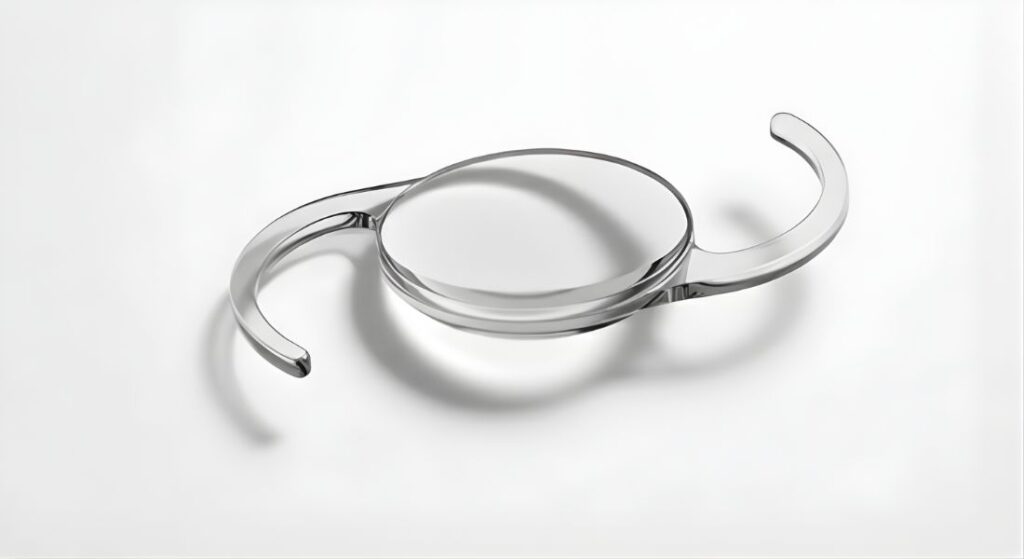
Selecting the right intraocular lens (IOL) is a key step in achieving your desired visual outcome after RLE surgery. The choice depends on factors such as your eye health, lifestyle needs, and specific vision goals. Understanding the differences between lens types helps you make an informed decision and sets realistic expectations for postoperative vision. Careful assessment ensures the lens chosen aligns with both your daily activities and long-term eye health.
- Monofocal Lenses: These lenses are designed to provide excellent distance vision, making them ideal for activities like driving or watching television. However, reading or close-up work typically requires additional glasses. They are a reliable choice for patients prioritising sharp distance vision.
- Multifocal Lenses: Multifocal lenses can reduce dependence on glasses by providing vision at multiple distances. Suitability depends on factors like pupil size, tear film quality, and your visual expectations. Proper assessment ensures that these lenses deliver the best possible balance between near and distance vision.
- Lifestyle Considerations: Your daily activities play a crucial role in lens selection. For example, if you spend a lot of time reading or using digital devices, a multifocal lens might be advantageous. Discussing your routine with your surgeon ensures your choice matches your lifestyle needs.
- Eye Health Factors: Conditions such as dry eye, corneal irregularities, or previous eye surgeries can influence lens performance. A thorough eye assessment helps identify which lens type will provide optimal clarity and comfort. This personalised approach maximises the chances of successful outcomes.
In conclusion, choosing the right lens is about balancing your vision goals, eye health, and lifestyle preferences. Both monofocal and multifocal lenses have distinct advantages depending on your needs. Thorough evaluation and discussion with your surgeon ensure that the selected lens supports your visual expectations. Making an informed choice contributes significantly to long-term satisfaction after RLE surgery.
Managing Expectations
I always emphasise the importance of having realistic expectations before undergoing refractive lens exchange. While the surgery can significantly improve your vision, it does not treat systemic conditions like asthma. Understanding this distinction helps you approach the procedure with a clear perspective.
The main goal of RLE is to enhance your quality of life and reduce dependence on glasses or contact lenses. Most patients find daily tasks, reading, and distance vision much easier after surgery. By keeping expectations realistic, you can fully appreciate the benefits of the procedure while staying informed about its limits.
When Surgery Might Be Delayed
In some cases, surgery may need to be postponed if you have had a recent asthma flare-up, respiratory infection, or poorly controlled symptoms. Proceeding while your asthma is unstable could increase the risk of breathing difficulties during the procedure.
Delaying surgery allows time to stabilise your airways and optimise your respiratory health. This extra preparation reduces perioperative risk and helps ensure a safer, smoother experience. Taking these steps may feel inconvenient, but it makes a meaningful difference to both safety and recovery.
Timing Is Crucial
Getting the timing right for surgery is essential to maximise both safety and outcomes. Scheduling the procedure when your asthma is well-controlled helps reduce the risk of complications and ensures a smoother experience.
Rushing into surgery while your respiratory symptoms are unstable can increase stress and make recovery more challenging. Taking the time to prepare ensures that both your eyes and lungs are in the best possible condition. Proper timing supports a safer procedure and a more comfortable recovery overall.
Emotional Considerations
Living with asthma can be stressful, especially when flare-ups are unpredictable. You may feel anxious about how your condition could affect daily life or your ability to undergo surgery. These worries are completely normal and should be acknowledged.
Adding decisions about surgery can heighten anxiety further. It’s natural to feel uncertain about outcomes, recovery, or how your asthma may play a role. Taking the time to understand the procedure can help reduce this stress.
I always encourage patients to voice their concerns and discuss strategies for a calm, comfortable experience. Talking things through and having clear guidance helps you feel more in control. Feeling supported and informed makes the process far easier to manage.
Long-Term Eye Health

Even after a successful refractive lens exchange, ongoing eye care remains important. Regular check-ups help ensure your vision stays stable and allow any issues to be detected early. This proactive approach supports long-term visual clarity and comfort.
Asthma does not usually affect the long-term health of your eyes or the results of RLE. However, maintaining overall health and a healthy lifestyle continues to play a role in preserving vision. Regular monitoring and good habits help protect your eyes for years to come.
Continuing with routine follow-ups also allows your eye care team to adjust advice or treatment if needed. This ensures that any minor changes are managed promptly, keeping your vision and eyes in optimal condition. Staying consistent with care supports both safety and peace of mind.
Lifestyle Tips to Optimise Surgery
Taking simple steps before your refractive lens exchange can help improve both your surgical experience and recovery. One of the most important things is ensuring your asthma is well-controlled in the weeks leading up to surgery. Stable airways reduce the risk of complications and make the procedure safer.
It’s essential to take your inhalers exactly as prescribed and bring them with you on the day of surgery. Having them on hand provides reassurance and allows immediate use if needed. Avoiding known triggers such as allergens, smoke, or sudden temperature changes can also help keep your lungs stable.
Maintaining regular follow-up with your respiratory specialist is another key step. They can monitor your asthma, adjust medications if needed, and provide guidance specific to your health. Combining these measures supports a smoother, safer surgery and a more comfortable recovery.
FAQs:
1. Can I have refractive lens exchange (RLE) if I have asthma?
Yes. Most people with well-controlled asthma can safely undergo RLE, but your condition should be stable and optimally managed before surgery.
2. Do I need to stop my inhaler before RLE surgery?
No. You should continue using your inhalers as prescribed. Bringing them on the day of surgery is recommended for safety and reassurance.
3. Can asthma increase the risks during RLE surgery?
If your asthma is well-controlled, risks are minimal. Uncontrolled asthma or recent flare-ups may increase the need for careful monitoring.
4. Will sedation affect my breathing if I have asthma?
Mild sedation combined with local anaesthesia is generally safe for asthma patients. Extra monitoring may be used for those with severe or unstable asthma.
5. Could my asthma medications interact with eye surgery medications?
Most asthma treatments, including inhalers and corticosteroids, are compatible with RLE medications. Your surgical team will review all medications to prevent any interactions.
6. When might RLE surgery be postponed for someone with asthma?
Surgery may be delayed if you have had a recent asthma flare-up, respiratory infection, or uncontrolled symptoms to reduce perioperative risk.
7. Are there environmental precautions for asthma patients during RLE?
Yes. Operating theatres are allergen-free and well-ventilated, and steps are taken to avoid irritants like sprays or strong cleaning agents.
8. Does asthma affect recovery after RLE surgery?
Asthma usually does not affect eye healing or lens recovery. Ensuring your respiratory health is stable helps support a smooth recovery.
9. What should I do to prepare my asthma before RLE surgery?
Maintain regular inhaler use, avoid triggers, ensure symptoms are well-controlled, and follow guidance from your respiratory specialist.
10. Can I achieve the same visual outcomes with RLE if I have asthma?
Yes. Asthma generally does not affect the results of RLE. With proper preparation and monitoring, most patients achieve excellent visual outcomes.
Final Thoughts: Moving Forward with Confidence
Living with asthma should not stop you from considering refractive lens exchange, as most patients with well-controlled symptoms can safely undergo the procedure. The most important factor is ensuring your asthma is stable, your medications are reviewed, and your surgical team is fully aware of your respiratory history. With the right preparation and personalised care, the experience is typically smooth, comfortable, and low risk. Taking time to plan ahead helps reduce anxiety and supports a more confident decision. If you’re looking for refractive lens exchange surgery, you can get in touch with us at London Cataract Centre.
References:
- Bayable, S.D., Melesse, D.Y., Lema, G.F. and Ahmed, S.A. (2021) Perioperative management of patients with asthma during elective surgery: A systematic review, Annals of Medicine and Surgery, 70, p.102874. Available at: https://pubmed.ncbi.nlm.nih.gov/34603720/
- Lee, C.Y. et al. (2024) Comparison of visual and refractive outcomes between keratorefractive lenticule extraction and refractive lens exchange, Diagnostics, 15(1), p.43. Available at: https://www.mdpi.com/2075-4418/15/1/43
- Lin, C.-S. et al. (2016) Postoperative adverse outcomes in patients with asthma: a nationwide population‑based cohort study, Medicine (Baltimore), 95(3), e2548. Available at: https://pmc.ncbi.nlm.nih.gov/articles/PMC4998277/
- Alió, J.L., Grzybowski, A. and Romaniuk, D. (2014) Refractive lens exchange, Survey of Ophthalmology, 59(6), pp. 579–598. Available at: https://www.sciencedirect.com/science/article/abs/pii/S0039625714000873
- Katsanevaki, V.J. (2006) Refractive surgery: what patients need to know, British Medical Bulletin, 83(1), pp. 325–342. Available at: https://academic.oup.com/bmb/article-abstract/83/1/325/384535