



If you are over 40 and unhappy with your vision, it is very common to feel unsure about which surgical option actually makes the most sense. You may have heard about laser eye surgery for years and assumed it was the obvious solution, only to be told more recently that refractive cataract surgery might be a better fit. Being presented with two very different procedures can feel confusing, especially when both promise clearer vision.
The truth is that neither option is universally “better.” Each approach addresses vision problems in a different way, and the right choice depends on how your eyes are changing with age, what your long-term visual goals are, and how stable you want your results to be over time. Understanding these differences clearly can help you avoid disappointment and make a decision that genuinely suits you.
This article compares refractive cataract surgery and laser eye surgery in a practical, age-relevant way. Rather than focusing on marketing claims, it looks at how your eyes change after 40, what each procedure actually corrects, and why one option may offer greater long-term satisfaction than the other.
Why Vision Decisions Change After 40
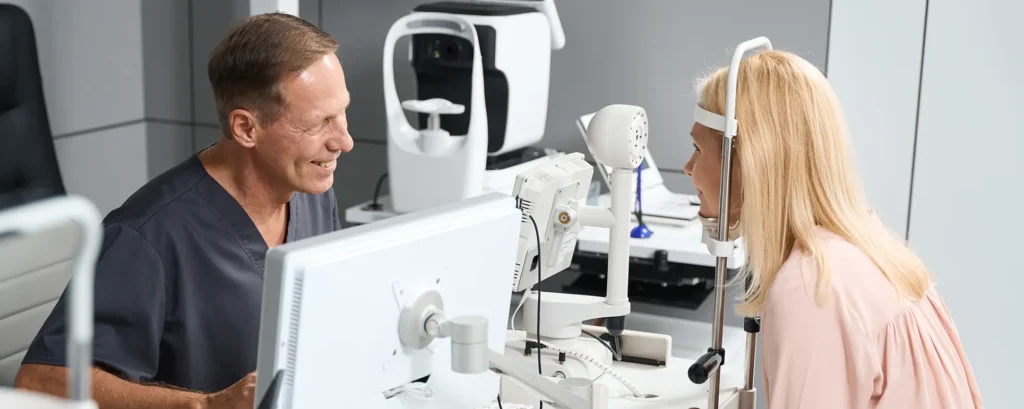
As we age, the eyes undergo natural changes that influence the most appropriate vision correction options. Understanding these changes helps clarify why refractive decisions after 40 may differ from those made earlier in life.
1. The Onset of Presbyopia – After 40, the natural lens gradually stiffens, reducing its ability to focus at different distances. This condition, called presbyopia, is why reading glasses often become necessary even for people who previously had no need for vision correction.
2. Gradual Lens Clouding and Cataracts – At the same time, the lens slowly loses clarity, eventually developing a cataract. These changes are a normal part of ageing and cannot be prevented.
3. How Procedure Choice Depends on the Eye Structure – Laser eye surgery reshapes the cornea to adjust how light enters the eye, while refractive cataract surgery replaces the lens entirely. Knowing which part of the eye is causing your visual symptoms makes it easier to choose the option that will best restore clarity and comfort.
By understanding these age-related changes, patients can make informed decisions about whether corneal or lens-based procedures are more suitable for their vision needs.
What Laser Eye Surgery Is Designed to Do
Laser eye surgery, including procedures like LASIK and PRK, aims to correct common refractive errors by reshaping the cornea for more accurate light focus on the retina. It is most effective in younger patients with stable prescriptions and healthy eyes, offering the potential to reduce or eliminate dependence on glasses for distance vision. Recovery is typically quick, making it a convenient option for many.
- Correction of refractive errors – Addresses short-sightedness, long-sightedness, and astigmatism by modifying corneal shape.
- Reduced need for glasses – Many patients experience significant improvement in uncorrected distance vision.
- Quick recovery – Most individuals notice visual improvement shortly after the procedure.
- Age-related limitations – Laser surgery does not prevent presbyopia or changes in the natural lens over time.
- Best suited for stable prescriptions – Optimal outcomes occur in patients whose vision has not fluctuated for some time.
While laser eye surgery effectively corrects corneal refractive errors, it does not stop the natural ageing of the eye, making long-term planning important for patients over 40.
What Refractive Cataract Surgery Is Designed to Do
Refractive cataract surgery replaces the eye’s natural lens with an artificial intraocular lens. This removes the cataract or early lens changes and corrects refractive errors at the same time. Unlike laser eye surgery, refractive cataract surgery addresses the root cause of age-related vision changes. Once the natural lens is replaced, it can no longer stiffen or cloud over. This makes the procedure inherently more future-proof. Because of this, refractive cataract surgery is often considered for people over 40 who want long-term visual stability and improved vision at more than one distance.
Age and Suitability: Why This Matters So Much
Age plays a crucial role in determining the most appropriate vision correction procedure. Understanding how the eyes change over time helps explain why certain options are better suited to younger or older patients.
1. Laser Eye Surgery and Younger Patients – Laser eye surgery is typically most effective for younger patients whose natural lenses remain flexible and clear. It can correct distance vision effectively but does not address the loss of near focus that comes with presbyopia.
2. Limitations for Patients Over 40 – Even if patients in their early 40s are technically eligible for laser eye surgery, they may develop reading difficulties soon after. Many find that reading glasses become necessary within a few years, despite successful distance correction.
3. Advantages of Refractive Cataract Surgery – Refractive cataract surgery is specifically designed for ageing eyes. It addresses both presbyopia and early lens changes from the outset, often resulting in greater long-term satisfaction for patients over 40.
By considering age and eye health, patients can choose a procedure that not only corrects current vision issues but also provides lasting comfort and independence from glasses.
Distance Vision Outcomes Compared

Both laser eye surgery and refractive cataract surgery can provide excellent distance vision, often making short-term results appear quite similar. For patients mainly focused on seeing clearly at a distance, either approach can be highly effective.
Laser eye surgery achieves distance vision correction by reshaping the cornea. While initial results are usually very good, the long-term stability depends on the natural lens and how the eye changes with age.
Refractive cataract surgery, on the other hand, corrects distance vision by implanting an intraocular lens with the appropriate power. Because this lens is artificial, distance vision typically remains stable over time, offering predictable long-term clarity.
Near Vision and Reading: A Key Difference
Near vision is a major factor distinguishing laser eye surgery from refractive cataract surgery. While lasers correct corneal refractive errors, they cannot restore the eye’s natural lens focusing ability once presbyopia develops. This difference affects reading, computer work, and other close-up tasks.
- Laser surgery limitations – Does not address age-related loss of near focus caused by presbyopia.
- Monovision approach – Some laser procedures correct one eye for distance and the other for near, but this can affect depth perception and visual comfort for some patients.
- Refractive cataract options – Lens implants can be selected to provide functional near, intermediate, and distance vision.
- Reduced dependence on reading glasses – Refractive cataract surgery offers a more predictable solution for near tasks.
- Tailored vision outcomes – Lens choice allows surgeons to customise vision correction based on lifestyle and visual priorities.
For patients concerned about reading or close-up tasks, refractive cataract surgery typically provides more reliable near vision support than laser eye surgery alone.
Long-Term Stability of Results
When considering vision correction, it is important to look beyond short-term outcomes and think about how your sight will change over the next ten or twenty years. For older patients, long-term stability is a key factor in choosing the right procedure.
1. Limitations of Laser Eye Surgery Over Time – While laser eye surgery can provide excellent short-term results, changes in the natural lens continue as we age. Even if the cornea remains ideally shaped, lens stiffening and cataract development can reduce visual quality over time.
2. How Refractive Cataract Surgery Provides Stability – Refractive cataract surgery removes the ageing lens entirely and replaces it with an artificial intraocular lens. This means that future lens-related vision changes are no longer a concern.
3. Predictable Long-Term Outcomes – By addressing the lens directly, refractive cataract surgery offers a level of long-term visual stability that laser eye surgery cannot match. This can lead to greater lasting satisfaction and reduced need for corrective eyewear in later years.
For patients over 40, considering how vision will evolve in the long term can help guide the choice between corneal and lens-based procedures.
Cataract Development After Laser Eye Surgery
One common misconception is that laser eye surgery prevents cataracts. It does not. Cataracts develop inside the lens, which laser procedures do not affect. Many people who have laser eye surgery in their 40s or 50s eventually need cataract surgery later in life. When this happens, previous laser treatment can sometimes complicate lens calculations, although modern techniques usually manage this well. Choosing refractive cataract surgery earlier can avoid the need for two separate procedures and provide a single, comprehensive solution.
Visual Quality and Contrast Sensitivity
Sharpness alone does not define good vision; factors like contrast sensitivity, glare tolerance, and visual stability play a major role in daily comfort. Differences between laser eye surgery and refractive cataract surgery become apparent when considering these aspects, especially in challenging lighting conditions.
- Contrast sensitivity matters – The ability to distinguish objects from their background affects reading, night driving, and general visual comfort.
- Glare and halos – Laser eye surgery can sometimes produce mild glare or halos, particularly in low-light settings.
- Lens replacement benefits – Refractive cataract surgery removes a cloudy or ageing lens, often improving overall visual clarity.
- Enhanced colour perception – Many patients notice brighter, more vivid colours after lens replacement.
- Improved comfort in varied lighting – Vision often feels more stable and less strained, even in challenging environments.
By focusing on visual quality beyond acuity, refractive cataract surgery can provide a more comfortable and natural visual experience for everyday life.
Recovery Experience and Healing
Recovery timelines for laser eye surgery and refractive cataract surgery are generally quick, but the experiences differ. Both procedures are well tolerated, yet factors like age, pre-existing eye conditions, and corneal involvement influence comfort and visual stability during healing.
- Rapid functional recovery – Laser eye surgery often restores usable vision within days.
- Dry eye considerations – Post-laser dry eye can be more noticeable, especially in older patients.
- Cataract surgery stabilisation – Vision typically stabilises over several weeks following lens replacement.
- Lower risk of long-term dry eye – Because refractive cataract surgery does not reshape the cornea, dry eye issues are usually less severe.
- Individual factors – Comfort and healing can vary depending on age, eye health, and procedure type.
Understanding these differences helps patients anticipate the recovery process and choose the procedure best suited to their lifestyle and comfort preferences.
Risk Profiles and Safety Considerations
Both laser eye surgery and refractive cataract surgery are considered safe when performed on suitable candidates. However, the nature of risks differs. Laser eye surgery involves permanent corneal reshaping, which cannot be reversed. If vision changes later due to lens ageing, further correction options may be limited. Refractive cataract surgery replaces the lens, and while it is also permanent, it addresses the underlying cause of age-related vision changes. This often makes it a more comprehensive solution for older patients.
Cost and Value Over Time
At first glance, laser eye surgery can seem more affordable due to lower initial costs. However, if cataracts develop later, you may end up needing additional surgery, increasing the total expense over time.
Refractive cataract surgery usually requires a higher upfront investment, but it often removes the need for future cataract procedures. It can also reduce reliance on glasses, adding convenience and long-term savings.
When comparing options, it’s important to consider overall value across years rather than focusing solely on the initial price. This long-term perspective helps align cost with outcomes and lifestyle benefits.
Lifestyle and Visual Demands
Your daily activities and visual priorities are crucial in deciding between laser eye surgery and refractive cataract surgery. Each procedure offers different strengths, so understanding your needs helps ensure the best functional outcome.
- Near and intermediate tasks – Activities like reading, computer work, or hobbies requiring close focus may benefit more from refractive cataract surgery.
- Distance vision focus – If distance clarity is the primary goal and reading glasses are acceptable, laser eye surgery can be effective.
- Daily visual demands – Consider how much time you spend in low light, driving, or performing detailed tasks.
- Lifestyle alignment – Choosing the procedure that matches your real-world visual needs increases satisfaction.
- Individual suitability – Eye health, age, and prescription stability also influence which option is most appropriate.
By aligning procedure choice with lifestyle, patients can achieve vision that supports their everyday activities and personal comfort.
Psychological Comfort and Decision Confidence
Beyond technical outcomes, psychological comfort plays a significant role in patient satisfaction. Many individuals over 40 value the reassurance that their vision has been treated in a way that addresses ageing changes comprehensively.
1. Peace of Mind with Refractive Cataract Surgery – Knowing that the ageing lens has been replaced provides a sense of certainty and reduces long-term anxiety about vision deterioration. Patients often feel more confident that their eyesight will remain stable.
2. Limitations of Laser Eye Surgery for Older Patients – For those considering laser eye surgery, presbyopia and potential cataract development may make the solution feel temporary. This uncertainty can affect confidence and overall satisfaction, even if short-term vision is good.
3. Confidence Influences Satisfaction – Feeling secure in your treatment choice matters as much as the technical results. Patients who understand the benefits and limitations of their procedure are more likely to be satisfied with both the outcome and the experience.
By recognising the psychological impact of vision decisions, patients can make choices that support both clarity of sight and peace of mind.
When Laser Eye Surgery May Still Be the Right Choice
Laser eye surgery may still be suitable if you are in your early 40s, have minimal presbyopia, and understand that reading glasses are likely in the near future. It can also be appropriate if your lenses are completely clear and your expectations are focused on short- to medium-term results. The key is making this choice with full awareness rather than assumptions.
When Refractive Cataract Surgery Is Often Better
Refractive cataract surgery can be particularly advantageous for patients noticing subtle vision changes or challenges that standard corrections do not address. It offers a comprehensive solution that goes beyond simple distance correction, improving overall visual quality and comfort.
- Early lens changes – Ideal for those with beginning cataracts or early lens clouding affecting vision.
- Glare and contrast issues – Helps reduce glare and restore better contrast sensitivity in everyday conditions.
- Near vision frustration – Can improve functional near and intermediate vision, reducing reliance on reading glasses.
- Long-term solution – Addresses multiple vision needs in a single procedure, offering stability and clarity.
- Future-proofing – Combines improved distance and near vision for lasting benefit and convenience.
For many patients, refractive cataract surgery in London provides a balance of clarity, comfort, and long-term visual performance, making it an appealing choice when multiple aspects of vision are affected.
Making the Decision: Questions to Ask Yourself
Ask yourself how your vision feels in real life, not just how it tests on a chart. Consider whether your symptoms are more about clarity, comfort, or flexibility. Think about how important long-term stability is to you and whether you want to avoid future procedures. Honest answers to these questions often point clearly toward one option. There is no universal answer, only the right one for you.
FAQs
1. Which procedure is more suitable for people over 40, refractive cataract surgery or laser eye surgery?
For individuals over 40, the suitability of a procedure depends on how the eyes are changing with age. Laser eye surgery can effectively correct distance vision, but it does not address presbyopia or early lens clouding. Refractive cataract surgery, by replacing the natural lens, addresses both age-related loss of near focus and early cataract development. As a result, many patients over 40 find refractive cataract surgery provides more comprehensive, long-term visual stability and reduces reliance on glasses for multiple distances.
2. Can laser eye surgery prevent cataracts from developing later in life?
No, laser eye surgery only reshapes the cornea to correct refractive errors; it does not affect the natural lens where cataracts form. Patients who undergo laser surgery may still develop cataracts in the future, which could require a separate cataract procedure. This can complicate lens power calculations, although modern techniques generally manage it well. Refractive cataract surgery, by replacing the lens, avoids this issue entirely and provides a single solution for both clarity and lens-related changes.
3. How do the procedures differ in correcting near vision?
Laser eye surgery primarily improves distance vision and does not restore the eye’s natural ability to focus up close once presbyopia develops. Some patients may attempt monovision, correcting one eye for distance and the other for near, but this can affect depth perception and visual comfort. Refractive cataract surgery allows for the selection of multifocal or extended-range lenses, which can provide functional near, intermediate, and distance vision, offering a more predictable and versatile solution for daily tasks like reading or computer work.
4. Is one procedure safer than the other?
Both laser eye surgery and refractive cataract surgery are considered safe when performed on suitable candidates. The nature of the risks differs between the two. Laser surgery permanently reshapes the cornea, and any later changes in lens or presbyopia may require additional correction. Refractive cataract surgery is permanent as well but addresses the underlying age-related changes in the lens, often providing a more comprehensive solution for older patients. Safety is influenced by factors such as eye health, age, and surgeon experience.
5. How long does it take to see stable results after each procedure?
Laser eye surgery typically provides rapid visual improvement within days, although some temporary fluctuations or dry eye symptoms may occur. Refractive cataract surgery requires several weeks for vision to stabilise as the eye heals from lens replacement, and subtle improvements may continue over this period. Both procedures have predictable recovery timelines, but the process of stabilisation differs due to the nature of corneal reshaping versus lens replacement.
6. Which procedure offers better long-term visual stability?
For patients over 40, refractive cataract surgery generally offers superior long-term stability. Because the natural lens is replaced with an artificial intraocular lens, future age-related changes in lens stiffness or clouding no longer occur. Laser eye surgery corrects the cornea but does not stop presbyopia or lens changes, meaning vision may continue to evolve over time, potentially reducing distance clarity or necessitating reading glasses later.
7. Does age alone limit my options for laser eye surgery or refractive cataract surgery?
Age itself is not an absolute barrier, but it influences how effective each procedure can be. Younger patients with flexible, clear lenses may benefit more from laser eye surgery. Patients over 40 may notice presbyopia or early lens clouding, making refractive cataract surgery a more suitable choice. Age affects recovery speed and healing patterns but does not inherently reduce the potential accuracy or effectiveness of either procedure when chosen appropriately.
8. Will I still need glasses after either procedure?
The need for glasses depends on the procedure chosen and your individual visual goals. Laser eye surgery may reduce distance vision dependence but often does not address near vision, meaning reading glasses may still be necessary. Refractive cataract surgery can be customised with lens selection to provide functional vision across multiple distances, reducing the likelihood of needing glasses. However, some patients may still prefer glasses for certain tasks even after surgery.
9. How does visual quality differ between the two procedures?
Visual quality involves more than sharpness and acuity; it includes contrast sensitivity, glare tolerance, and overall comfort in varied lighting. Refractive cataract surgery often improves clarity, contrast, and colour perception because it replaces an ageing or cloudy lens. Laser eye surgery can produce excellent distance vision but may occasionally result in glare or halos, especially under low-light conditions. Patients seeking consistently comfortable and natural vision may notice a greater difference with lens-based correction.
10. How should I decide which procedure is right for me?
Choosing between laser eye surgery and refractive cataract surgery depends on your current vision, lifestyle needs, and long-term goals. Consider whether your priority is distance vision only or functional vision across multiple distances, whether you want to reduce future procedures, and how important stability and comfort are in daily life. Discussing your priorities with a qualified surgeon, understanding age-related eye changes, and evaluating the advantages and limitations of each procedure will help you make a decision that is personalised and confidence-building.
Final Thoughts: Choosing Between Refractive Cataract Surgery and Laser Eye Surgery
For individuals over 40, vision correction decisions are best guided by how the eyes are naturally changing with age and the long-term goals for distance, near, and intermediate vision. Laser eye surgery can effectively correct corneal refractive errors and provide rapid improvement in distance vision, but it does not address age-related lens changes or presbyopia. Refractive cataract surgery, on the other hand, replaces the natural lens, offering a comprehensive solution that addresses early cataracts, presbyopia, and long-term visual stability.
Ultimately, the right choice depends on your visual priorities, lifestyle needs, and desire for lasting results. By understanding the differences, benefits, and limitations of each procedure, you can make a confident, informed decision that aligns with both your current vision and future expectations. If you are looking for refractive cataract surgery in London, get in touch with us at the London Cataract Centre.
References:
1. Comparative Analysis of the Visual, Refractive and Aberrometric Outcome with the Use of 2 Intraocular Refractive Segment Multifocal Lenses, 2024. Journal of Clinical Medicine, 13(1), p.239. https://www.mdpi.com/2077-0383/13/1/239
2. Sun, H., Rong, X. & Ji, X., 2022. Presbyopia‑correcting intraocular lenses implantation in eyes after corneal refractive laser surgery: a meta‑analysis and systematic review. Journal of Refractive Surgery. https://pubmed.ncbi.nlm.nih.gov/35479941/
3. Hoffer, K.J. et al., 2014. Epidemiology and outcomes in refractive lens exchange surgery. Acta Ophthalmologica. https://pubmed.ncbi.nlm.nih.gov/24889146/
4. Susanna, B. N., Ferguson, T. J. & Randleman, J. B. (2025) Cataract surgery following refractive surgery: Principles for success, Asia‑Pacific Journal of Ophthalmology, 100227. https://www.sciencedirect.com/science/article/pii/S2162098925000945
5. Lam, T. C. & Mehta, J. S. (2023) Cataract surgery following refractive surgery: Principles to achieve optimal outcomes, Survey of Ophthalmology. https://www.sciencedirect.com/science/article/abs/pii/S0039625723001133