


If you’ve worn glasses for most of your adult life, it’s natural to wonder whether cataract surgery can finally correct your prescription. Many people assume cataract surgery simply replaces a cloudy lens and doesn’t address long-standing vision problems. That assumption often leads to confusion and missed opportunities.
Refractive cataract surgery is designed to do more than remove cataracts. It also allows your surgeon to correct refractive errors that may have required glasses for decades. This includes nearsightedness, farsightedness, and astigmatism.
In this article, I’ll explain how refractive cataract surgery can address long-standing prescriptions, how lens selection works, and what realistic outcomes look like. Understanding this process helps you make informed decisions rather than relying on assumptions.
Why Long-Standing Glasses Prescriptions Raise So Many Questions
If you have worn glasses for many years, it is natural to feel that your prescription is fixed or permanent. For many patients, glasses become part of daily identity, leading to the assumption that long-standing vision correction cannot be changed surgically. This belief is common, but it is not medically accurate.
A glasses prescription is not determined by habit or time alone. It is based on how light travels through the structures of your eye, particularly the natural lens. When that lens becomes cloudy due to cataracts, it affects both clarity and focus, often worsening vision regardless of how strong or stable your prescription has been in the past.
Cataract surgery involves removing this natural lens and replacing it with an artificial one. Because the lens is a key part of the eye’s focusing system, replacing it allows surgeons to alter how light is focused. This means your refractive error such as short-sightedness, long-sightedness, or astigmatism can be addressed at the same time as cataract removal.
This is why cataract surgery is different from many other eye procedures. It offers a unique opportunity not only to restore clear vision but also to reduce or even eliminate long-term dependence on glasses. With proper planning, surgery can be tailored to your visual goals rather than simply maintaining the status quo.
What Makes Cataract Surgery “Refractive”
Standard cataract surgery is primarily designed to remove the cloudy natural lens and restore basic visual clarity. While vision usually improves, correcting pre-existing refractive errors is not always the main objective. Refractive cataract surgery takes a more advanced approach by combining cataract removal with precise vision correction, and the difference lies in the depth of planning, accuracy of measurements, and choice of replacement lens.
In refractive cataract surgery, the artificial lens is selected to match your individual visual needs rather than following a routine formula. Your surgeon carefully assesses how you use your vision at distance, intermediate, and near, and discusses whether reducing dependence on glasses is a priority. This personalised planning allows long-standing prescriptions, such as short-sightedness, long-sightedness, or astigmatism, to be addressed at the same time as cataract treatment.
Although the surgical procedure itself is very similar to standard cataract surgery, the intention is different. Refractive cataract surgery places greater emphasis on precision and outcome, aiming not just for clearer vision, but for vision that better matches your lifestyle and expectations.
How Nearsightedness Is Corrected During Surgery
For people who are nearsighted, distance vision is often the most affected aspect of eyesight. Nearsightedness occurs when light entering the eye focuses in front of the retina instead of directly on it, causing distant objects to appear blurred. Refractive cataract surgery addresses this by correcting both the cataract and the underlying focusing error.
Key elements of nearsightedness correction during surgery include:
1. Understanding how the eye focuses light: In nearsighted eyes, the natural lens bends light too strongly or the eye is slightly longer than average. This causes images to form in front of the retina rather than sharply on its surface.
2. Precise calculation of the replacement lens: During refractive cataract surgery, detailed measurements are taken to calculate the ideal lens power for your eye. Choosing the correct intraocular lens helps shift the focus point back onto the retina, improving distance vision.
3. Improved distance clarity after surgery: Many patients who previously relied on glasses for activities such as driving notice a significant improvement in distance vision. In some cases, distance vision can be corrected fully, reducing or eliminating the need for spectacles.
By combining cataract removal with precise refractive planning, surgery can significantly enhance distance clarity and improve visual freedom for patients who were previously nearsighted.
Addressing Farsightedness With Lens Selection

Farsightedness can be more complex than other refractive errors because it often affects both distance and near vision. Many people compensate for years by using extra focusing effort, which is why symptoms may develop gradually rather than suddenly. As this ability declines with age, everyday tasks such as reading or prolonged screen use can become increasingly uncomfortable.
During refractive cataract surgery, careful lens selection plays a key role in correcting farsightedness. By choosing a lens that more accurately focuses light onto the retina, surgeons can improve distance clarity and reduce the constant strain the eyes have been under for years. This change often results in more relaxed, comfortable vision in daily life.
Depending on the type of lens selected, near vision tasks such as reading or using a mobile phone may also improve. However, this varies between individuals and lens designs, and some patients may still require glasses for certain activities. Clear discussion beforehand ensures expectations are aligned with what each lens option can realistically achieve.
How Astigmatism Is Managed During Cataract Surgery
Astigmatism is extremely common, particularly among people who have relied on glasses for many years. It occurs when the cornea or the natural lens is not perfectly round, causing light to focus unevenly on the retina. This can lead to blurred, distorted, or shadowed vision at all distances, even when cataracts are present.
During refractive cataract surgery, astigmatism can be addressed at the same time as cataract removal. This is usually done using specially designed toric lenses or, in some cases, additional corneal techniques that help reshape how light enters the eye. Careful pre-operative measurements are essential to determine the most accurate method and lens alignment for each individual eye.
Correcting astigmatism is often a crucial step in achieving sharper, more balanced vision after surgery. When astigmatism is left untreated, visual results may be limited despite successful cataract removal. Addressing it properly can significantly reduce dependence on glasses and improve overall visual quality in everyday activities.
Why Lens Choice Matters So Much
The choice of replacement lens is one of the most important decisions in cataract surgery, and it is never a one-size-fits-all process. Each type of lens is designed to meet different visual requirements, which means the “best” option varies from person to person. Selecting the right lens has a direct impact on how clearly and comfortably you see after surgery.
Some lenses are designed primarily to provide clear distance vision, with glasses still needed for reading or close work. Others are intended to reduce dependence on reading glasses by offering vision at multiple distances. Each option comes with specific advantages and limitations, which need to be understood before making a decision.
Your existing prescription plays a major role in this choice, but it is not the only factor. Lifestyle is equally important. How much you read, use digital devices, drive at night, or carry out detailed work all influence which lens type is most suitable for your needs.
This is why careful discussion during the consultation is essential. Your surgeon should explore how you actually use your vision day to day and align lens selection with those habits and expectations. Thoughtful planning ensures the chosen lens supports your lifestyle rather than working against it.
Can Decades of Glasses Use Really Be Corrected?
Yes, in many cases decades of glasses use can be corrected during cataract surgery. The length of time you have worn glasses does not limit the ability to address refractive errors when the eye’s natural lens is replaced. What matters far more is the underlying health of your eyes and the precision of the measurements taken before surgery.
Before recommending any correction, your surgeon carefully assesses the shape of your cornea, the length of your eye, and the overall condition of your retina and optic nerve. These detailed evaluations help determine how accurately your prescription can be corrected and which lens options are most suitable. This thorough planning is what allows long-standing prescriptions to be addressed safely and predictably.
Why Results Are Not Always “Perfect”
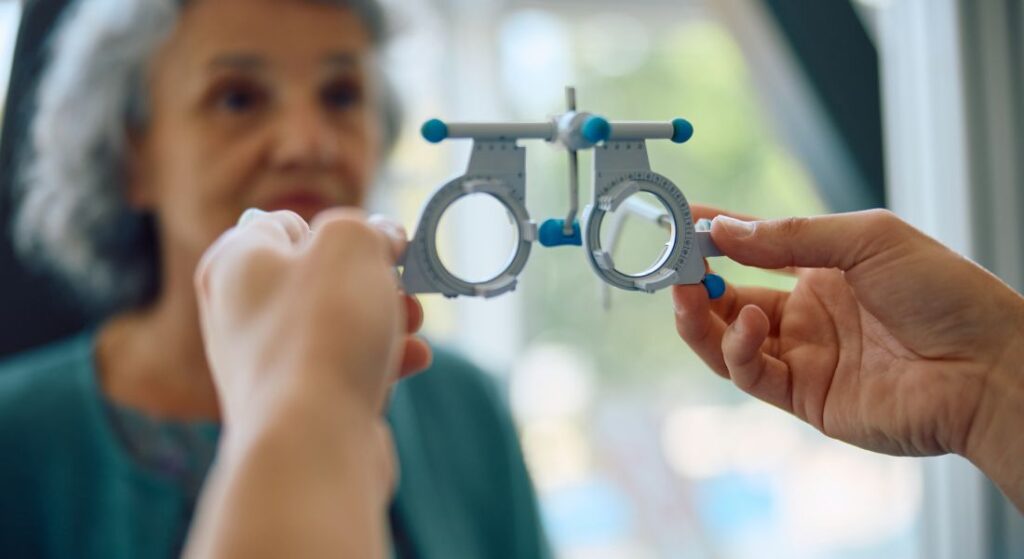
While refractive cataract surgery can greatly reduce dependence on glasses, it is important to understand that results are not always “perfect” in every situation. Human eyes vary, and even with advanced measurements and careful planning, no procedure can guarantee complete spectacle freedom for all activities. Setting realistic expectations helps patients appreciate the improvement without feeling disappointed by small limitations.
Some patients may still need glasses for specific tasks, such as prolonged reading, very close work, or activities requiring fine detail. Others may be left with a small residual prescription that is technically measurable but does not noticeably affect day-to-day vision. In many cases, these minor limitations are far less restrictive than before surgery.
The true goal of refractive cataract surgery is meaningful, functional improvement rather than absolute perfection. Clearer vision, reduced reliance on glasses, and greater visual comfort are the measures of success. When expectations are aligned with what is realistically achievable, satisfaction with the outcome is usually very high.
How Surgical Planning Reduces Surprises
Careful surgical planning plays a crucial role in reducing unexpected outcomes after cataract surgery. Detailed pre-operative measurements allow surgeons to understand the unique optical characteristics of your eyes before treatment begins. With modern diagnostic technology, factors such as eye length, corneal shape, and refractive error can be measured with remarkable accuracy.
These measurements directly inform lens selection and surgical planning, helping to predict how light will focus once the new lens is in place. This level of preparation significantly improves reliability and consistency of results. However, it is important to remember that the eye is a living, biological system, and small variations in healing or response can still occur despite precise planning.
Does Age or Prescription Strength Limit Outcomes?
Many patients worry that their age or the strength of their glasses prescription might limit the success of refractive cataract surgery. In reality, age alone does not prevent effective correction of refractive errors. Cataract surgery is commonly performed later in life because replacing the natural lens becomes necessary, making it an ideal opportunity to improve vision at the same time.
Key considerations include:
1. Age is not a limiting factor: Older age does not reduce the ability to achieve meaningful visual improvement. With healthy eye structures, patients of all ages can benefit from carefully planned refractive correction.
2. High prescriptions may require more detailed planning: Very strong prescriptions can make lens calculations more complex, but significant improvement is often still achievable. Advanced measurements and customised planning help optimise outcomes even in these cases.
3. The importance of realistic and honest discussions: Your surgeon will explain what level of correction is achievable based on your individual eye measurements. This open conversation helps set realistic expectations, preventing disappointment and building confidence in the treatment process.
By understanding how age and prescription strength influence planning rather than limiting results, patients can approach refractive cataract surgery with clarity and reassurance.
The Role of Lifestyle in Lens Decisions
When deciding on the most suitable lens for cataract surgery, how you use your vision is just as important as your prescription. For example, someone who drives frequently at night may prioritise crisp distance vision and minimal glare, while someone who spends long hours reading or using digital devices may value comfortable near or intermediate vision more highly. These differences mean that lens choice should never be based on numbers alone.
Your work, hobbies, and daily routines all place different demands on your eyes. Activities such as detailed close work, prolonged screen use, outdoor sports, or frequent travel can each influence which lens option will provide the most comfortable and practical vision. Understanding these habits helps your surgeon recommend a lens that supports your real-world needs.
What Recovery Tells You About Visual Outcome
After cataract surgery, vision often improves quite quickly, but it does not reach its final state immediately. In the early weeks, mild fluctuations in clarity, focus, or comfort are entirely normal as the eye heals. These short-term changes do not usually reflect the final outcome and are part of the natural recovery process.
As healing continues, vision becomes more stable and your brain gradually adapts to the new optical system created by the replacement lens. This adjustment can be particularly noticeable for patients who have worn glasses for many years. Final visual results are assessed only once healing is complete, allowing enough time for both the eye and the brain to fully settle.
Why Surgeon Experience Matters
Correcting refractive errors during cataract surgery requires a high level of precision, clinical judgement, and experience. Accurate measurements alone are not enough; they must be interpreted correctly and applied thoughtfully to each individual eye. Surgeon experience plays a crucial role in achieving reliable and predictable visual outcomes.
Key reasons experience matters include:
Interpreting measurements accurately: Advanced diagnostic equipment provides detailed data, but experience is essential to interpret this information correctly. An experienced surgeon can recognise subtle variations and avoid over-reliance on automated calculations.
Adjusting for individual variables: Every eye is different, and factors such as previous eye conditions, corneal shape, or healing tendencies can influence outcomes. Skilled surgeons know how to adjust their approach and refine lens selection to suit these variables.
Guiding realistic lens selection: Experience helps surgeons recommend lens options that align with both eye health and lifestyle needs. This reduces the risk of unmet expectations or unexpected visual side effects.
Choosing a specialist centre such as London Cataract Centre ensures that refractive planning is handled with care, expertise, and attention to detail, supporting safe surgery and optimal visual results.
Is Refractive Cataract Surgery Right for Everyone?
Refractive cataract surgery is not identical for every patient, and not everyone is suitable for every type of lens. Certain eye conditions, such as retinal disease, corneal irregularities, or advanced glaucoma, can limit which lens options are safe or effective. This is why careful assessment is essential before making any recommendations.
This does not mean you cannot benefit from refractive correction at all. Rather, it means the approach needs to be tailored to the specific needs and limitations of your eyes. A thorough consultation allows your surgeon to balance safety with visual goals, ensuring the chosen plan delivers the best possible outcome without unnecessary risk.
Why Patients Often Wish They’d Asked Sooner
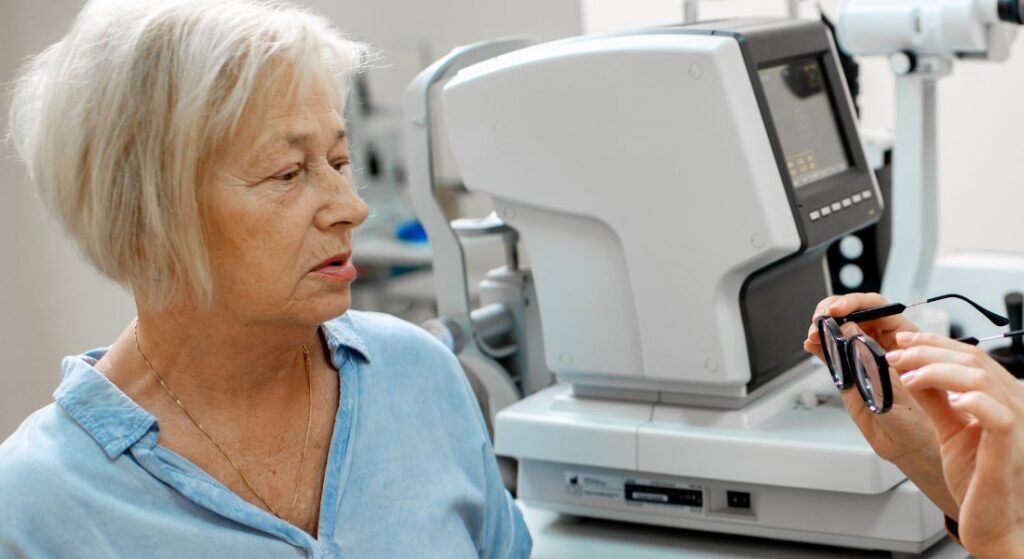
Many patients approach cataract surgery as something they simply need to endure rather than an opportunity to optimise their vision. This mindset often leads people to focus only on removing the cataract, without realising that their long-standing glasses prescription could also be addressed at the same time. As a result, important options may never be discussed.
It is common for patients to learn only after surgery that dependence on glasses might have been reduced with different planning. This realisation can be disappointing, particularly for those who have worn spectacles for decades and assumed nothing could change. These missed opportunities usually stem from not knowing which questions to ask early in the process.
FAQs:
1. Can refractive cataract surgery really correct a glasses prescription I’ve had for decades?
Yes, in many cases refractive cataract surgery can correct long-standing glasses prescriptions, even if you have worn spectacles for most of your adult life. The length of time you have relied on glasses does not limit what can be corrected. What matters is the structure and health of your eyes, as well as the accuracy of pre-operative measurements. Because cataract surgery replaces the eye’s natural lens, which plays a central role in focusing, surgeons can adjust how light enters the eye and address refractive errors that have existed for many years.
2. How is refractive cataract surgery different from standard cataract surgery?
Standard cataract surgery focuses mainly on removing the cloudy lens and restoring basic clarity of vision. Refractive cataract surgery goes further by incorporating precise measurements and customised lens selection to correct refractive errors at the same time. While the surgical steps are similar, refractive cataract surgery involves more detailed planning and a clearer focus on reducing dependence on glasses after surgery, rather than simply improving vision quality.
3. Can refractive cataract surgery correct nearsightedness completely?
Refractive cataract surgery can significantly improve, and sometimes fully correct, nearsightedness by selecting an artificial lens that refocuses light directly onto the retina. Many patients notice a marked improvement in distance vision, particularly for activities such as driving. However, complete correction depends on individual eye measurements and healing response. Some patients may still need glasses for certain tasks, but reliance is often greatly reduced.
4. How does cataract surgery help people who are farsighted?
For farsighted individuals, refractive cataract surgery can reduce the constant focusing effort the eyes have relied on for years. By choosing a lens that more accurately focuses light onto the retina, surgeons can improve distance clarity and relieve visual strain. Depending on the lens selected, near vision may also improve, although some patients may still require reading glasses. Clear discussion before surgery ensures expectations are realistic and aligned with likely outcomes.
5. Is astigmatism corrected during refractive cataract surgery?
Yes, astigmatism can often be corrected during refractive cataract surgery using specially designed lenses or additional surgical techniques. Addressing astigmatism is important because leaving it untreated can limit visual sharpness even after cataract removal. Accurate pre-operative measurements allow surgeons to plan correction carefully, which can significantly improve overall visual quality and reduce the need for glasses after surgery.
6. Does wearing very strong glasses mean results will be less accurate?
A strong prescription does not automatically mean poorer results, but it does require more detailed planning. High prescriptions can make lens calculations more complex, which is why advanced diagnostic testing and experienced interpretation are essential. With careful assessment and customised planning, many patients with strong prescriptions still achieve meaningful visual improvement and reduced dependence on glasses.
7. Will I be completely free from glasses after refractive cataract surgery?
While many patients significantly reduce their reliance on glasses, complete freedom from spectacles cannot be guaranteed for everyone. Some people may still need glasses for specific tasks such as prolonged reading or very close work. The main goal of refractive cataract surgery is functional improvement rather than perfection. When expectations are realistic, patients are usually very satisfied with the level of visual freedom achieved.
8. How does my lifestyle affect the type of lens chosen?
Lifestyle plays a major role in lens selection because different lenses support different visual priorities. Someone who drives frequently at night may prioritise crisp distance vision, while someone who reads or uses screens extensively may value near or intermediate vision. Discussing daily activities, work habits, and hobbies helps ensure the chosen lens supports how you actually use your vision, leading to greater satisfaction after surgery.
9. How long does it take to know the final visual result after surgery?
Vision often improves quickly after cataract surgery, but final results take time. In the first few weeks, mild fluctuations in focus or clarity are normal as the eye heals and adjusts. For patients who have worn glasses for many years, the brain also needs time to adapt to the new visual system. Final outcomes are usually assessed once healing is complete and vision has stabilised.
10. Why is surgeon experience so important in refractive cataract surgery?
Correcting refractive errors during cataract surgery requires more than advanced technology. Surgeon experience is essential for interpreting measurements accurately, adjusting for individual eye differences, and recommending lenses that suit both eye health and lifestyle needs. Experienced surgeons are better equipped to manage subtle variables that affect outcomes, reducing surprises and increasing the likelihood of safe, predictable, and satisfying results.
Final Thoughts: Is Refractive Cataract Surgery Right for You?
Refractive cataract surgery offers a unique opportunity not only to remove cataracts but also to address long-standing glasses prescriptions, including nearsightedness, farsightedness, and astigmatism. While results may vary depending on eye structure, prescription strength, and lifestyle needs, the procedure can significantly reduce dependence on spectacles and improve daily visual comfort. Understanding the process, lens options, and realistic outcomes helps patients make informed decisions and set appropriate expectations.
If you are thinking about refractive cataract surgery in London, you can book a consultation with our specialist at the London Cataract Centre to discuss your options, assess your eyes, and explore how surgery could enhance your vision and quality of life.
References:
1. Shoshi et al. evaluated refractive outcomes after cataract surgery and found that intraocular lens (IOL) choice and surgeon experience significantly influence postoperative visual acuity. https://www.mdpi.com/2077-0383/13/23/7013
2. A review on refractive outcomes after cataract surgery discusses how advances in biometry and IOL calculation improve refractive target accuracy. https://www.mdpi.com/2075-4418/12/2/243
3. A comprehensive review on refractive outcomes shows that modern cataract surgery with IOL implantation can achieve precise postoperative refraction. https://pmc.ncbi.nlm.nih.gov/articles/PMC8870878/
4. An article on postoperative refractive error correction highlights that refractive outcomes vary widely. https://pmc.ncbi.nlm.nih.gov/articles/PMC8211256/
5. A PubMed review emphasizes that postoperative refractive error close to target is essential when performing cataract surgery. https://pubmed.ncbi.nlm.nih.gov/35204334/