


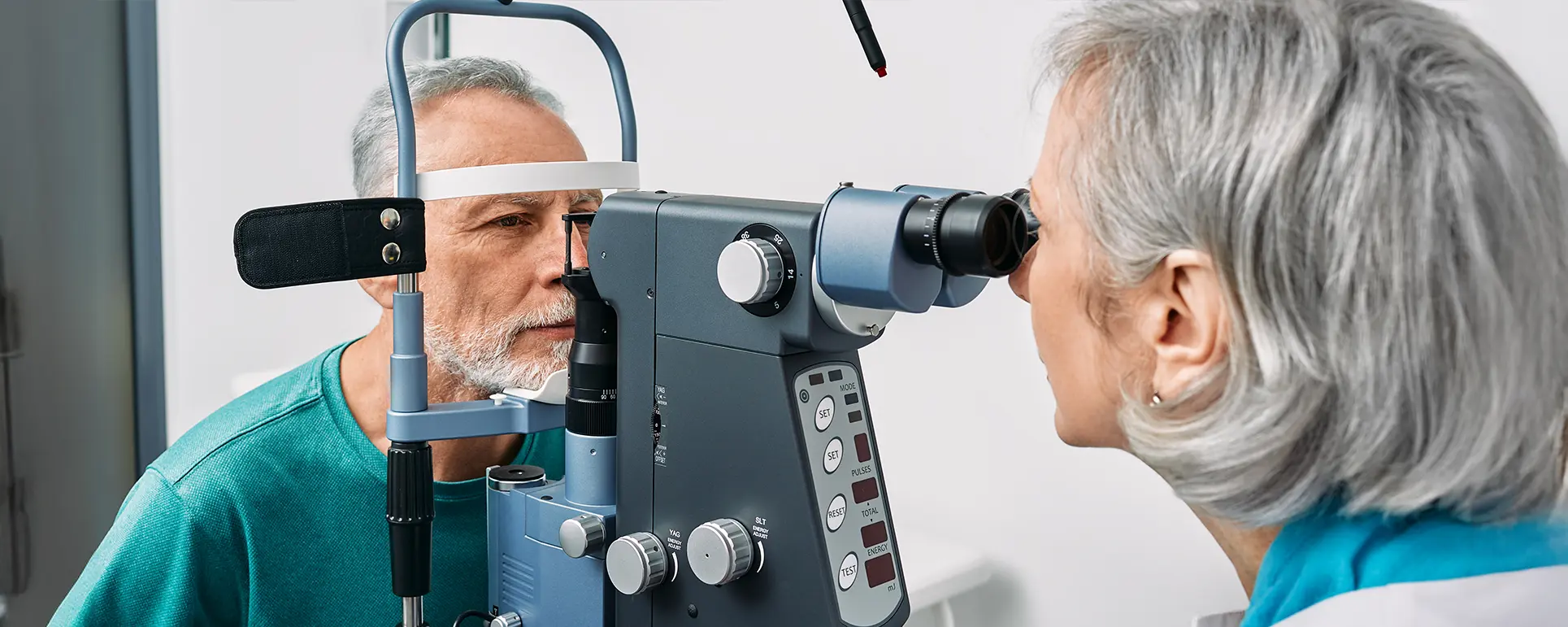
If you’re taking Ozempic, Wegovy, or another GLP-1 medicine, you’ve probably heard about their role in managing diabetes and helping with weight loss. But if you also have cataracts—or you’re planning cataract surgery—you might be wondering whether these drugs could affect your eyes or interfere with your operation.
This is a sensible question. GLP-1 medicines are powerful drugs that influence how your digestive system and metabolism work. Cataracts, on the other hand, are the most common reason people over 60 in the UK need eye surgery. The two areas might seem unrelated, but when it comes to planning surgery, they do overlap.
In this article, I’ll take you through everything you need to know. We’ll cover what GLP-1 medicines actually do, whether they affect cataract risk, what happens if you need cataract surgery while on these drugs, and how to prepare safely. By the end, you should feel more confident about how the two fit together.
What Are GLP-1 Medicines?
GLP-1 receptor agonists are a group of medicines that mimic a natural hormone called glucagon-like peptide-1. In your body, this hormone helps regulate blood sugar and appetite. When used as treatment, it offers two main benefits:
- It helps people with type 2 diabetes control blood sugar more effectively.
- It reduces appetite and slows digestion, which often leads to weight loss.
Ozempic and Wegovy are the two most widely known names, but there are others in the same family. They’re usually given as a weekly injection, though some newer versions come in tablet form.
These medicines have grown massively in popularity over the past few years, not only for diabetes but also for weight management. That means more and more people considering cataract surgery are already taking them, and doctors are learning how best to manage that combination.
Do GLP-1 Medicines Cause Cataracts?

The simple answer is no. There’s no evidence that GLP-1 receptor agonists cause cataracts or speed up their development. Cataracts form naturally as part of ageing, when the clear lens inside your eye gradually becomes cloudy. This process is mainly influenced by age, UV exposure, smoking, diabetes itself, and genetics—not by GLP-1 medicines.
In fact, when researchers have followed people on GLP-1 treatment for years, they’ve found no increase in cataract risk compared with those using other medicines. That’s reassuring if you’re worried these drugs might be harmful to your eyes.
It’s worth noting that some studies have picked up on other eye-related effects of GLP-1 medicines, particularly diabetic retinopathy. In people who already have severe diabetes-related eye disease, there can sometimes be a temporary worsening when blood sugars improve rapidly on treatment. But that’s not cataracts—it’s a different condition affecting the retina.
So if your concern is specifically cataracts, the evidence says GLP-1 drugs aren’t a cause.
How Do Cataracts and GLP-1 Medicines Overlap?
While the drugs don’t cause cataracts, there are two important overlaps to know about:
- Diabetes itself is a risk factor for cataracts. Even if you’re taking GLP-1s, the fact you have diabetes increases your chances of needing cataract surgery earlier than someone without diabetes. So, the underlying condition matters more than the treatment here.
- Surgery planning is where GLP-1 medicines become relevant. The main issue isn’t cataracts forming, but rather how the medicines affect your digestive system in ways that might matter for the anaesthetic used in surgery.
This second point is what doctors and anaesthetists pay attention to most closely.
Why GLP-1 Medicines Matter for Surgery
GLP-1 drugs slow the emptying of the stomach. That’s part of how they work to make you feel fuller for longer and reduce appetite. But in the surgical setting, this can raise a question: could there still be food or liquid left in your stomach even if you’ve been fasting before an operation?
Normally, fasting before surgery makes sure your stomach is empty, reducing the risk of aspiration (when stomach contents accidentally enter the lungs during anaesthesia). With GLP-1s, this emptying is delayed, which might in theory increase the risk in procedures that involve deeper sedation or general anaesthesia.
The good news is cataract surgery is almost always done with local anaesthetic and sometimes mild sedation, not full general anaesthesia. That means the aspiration risk is already very low. But anaesthetists and surgeons still want to know if you’re on GLP-1 treatment, because it might influence how they plan your care, particularly if any sedation is needed.
What Do the Guidelines Say?
Different medical bodies around the world have given slightly different advice on this topic, and recommendations have changed over time as more evidence has come in.
- Some early advice suggested stopping GLP-1 medicines before surgery—either holding the weekly injection for a week or skipping the daily dose on the day of surgery.
- More recent reviews, however, have found that most patients don’t need to stop their medication for cataract surgery. Instead, an individualised assessment is recommended, looking at whether you have nausea, bloating, or other stomach issues.
- In some cases, surgeons may suggest a clear-liquid diet the day before surgery if you’re on a GLP-1, just to reduce any possible risk.
So while you usually don’t need to stop the medicine, your surgical team will want to factor it into their planning.
Cataract Surgery When You’re on GLP-1 Medicines
Here’s how things usually work in practice if you’re taking Ozempic, Wegovy, or a similar drug:
- Before surgery: Your ophthalmologist and anaesthetist will ask about all your medicines, including GLP-1s. Be open about when you last took a dose and whether you’ve had any side effects like nausea.
- Fasting instructions: You’ll normally be asked to avoid food and drink before surgery, as with any operation. If you’re on GLP-1 treatment, they might be a little stricter or ask for a liquid-only diet the day before.
- During surgery: Cataract operations are very safe and don’t usually involve general anaesthesia. You’ll typically be awake, with numbing drops or a small injection around the eye, and sometimes a light sedative. The delayed stomach emptying caused by GLP-1s is very unlikely to cause problems in this context.
- After surgery: You can normally resume your GLP-1 medication as soon as you’re eating and drinking normally again. For daily versions this might be the same day, while weekly injections can often continue as scheduled.
Key Safety Tips for You
If you’re on a GLP-1 and planning cataract surgery, here are the main things to remember:
- Always tell your surgeon and anaesthetist you’re on a GLP-1.
- Follow any specific fasting instructions you’re given, even if they’re stricter than usual.
- If you have nausea, vomiting, or bloating from the medicine, let your medical team know—they may adapt the plan.
- Don’t stop the medicine on your own. Only pause it if your doctor advises.
- Expect that, in most cases, surgery can go ahead safely while you stay on the drug.
FAQs
1. Can Ozempic or Wegovy cause cataracts?
No. These medicines do not cause cataracts or make them form faster. Cataracts develop naturally with age, and while diabetes increases your risk, the GLP-1 medicines used to treat diabetes or support weight loss are not themselves a cause.
2. Do GLP-1 drugs affect other parts of the eye?
Yes, they can in some people. The main issue noted in studies is a short-term worsening of diabetic retinopathy in patients with severe pre-existing disease when blood sugar levels improve quickly. This isn’t the same as cataracts, but it means your eye health should be monitored carefully if you have diabetic eye disease.
3. Is cataract surgery riskier if I’m taking a GLP-1?
For most people, no. Cataract surgery is usually done with local anaesthesia and sometimes a mild sedative, which means the aspiration risks linked to delayed stomach emptying are minimal. Your surgical team may adapt fasting instructions, but the operation itself remains safe.
4. Should I stop my GLP-1 before cataract surgery?
Not necessarily. Many patients continue their medicine without any problem. Some doctors may advise holding the drug temporarily, especially weekly injections, but this is decided case by case. Always follow the advice of your ophthalmologist and anaesthetist.
5. What if I feel nauseous on my GLP-1 before surgery?
Nausea is a common side effect of these medicines, particularly when you first start. If you’re feeling unwell before surgery, tell your team. They may give you anti-sickness medication or consider rescheduling if your symptoms are severe.
6. Can GLP-1 drugs improve eye health?
Interestingly, some studies suggest GLP-1 medicines may have protective effects against certain eye conditions, like glaucoma. Research is ongoing, but the evidence so far suggests they are neutral or even slightly beneficial overall for eye health, aside from the retinopathy concern in specific patients.
7. When can I restart my GLP-1 after cataract surgery?
You can usually restart as soon as you’re eating and drinking normally. For daily tablets or injections, that might be the same day. For weekly injections, you’ll often just continue with your usual schedule. Your doctor will confirm what’s best for you.
8. Could GLP-1 medicines interfere with eye drops after surgery?
No. The eye drops you’ll be prescribed after cataract surgery—usually antibiotics and anti-inflammatories—work locally on the eye and aren’t affected by GLP-1 medicines. The two treatments don’t interact.
9. Do I need extra eye tests if I’m on a GLP-1?
Not specifically for the medicine, but if you have diabetes you should already be having regular eye checks. These look for cataracts, retinopathy, and other diabetes-related problems. Being on a GLP-1 doesn’t change the frequency of those checks, but it’s another reason to keep them up to date.
10. What’s the main thing to remember if I have cataracts and take a GLP-1?
The key is communication. Make sure your doctors know you’re on the medicine, follow their instructions around surgery, and don’t make changes to your treatment on your own. With good planning, your cataract surgery should be as straightforward and safe as for anyone else.
Final Thoughts
GLP-1 medicines like Ozempic and Wegovy are transforming the management of diabetes and obesity, but they don’t increase cataract risk. The only real overlap comes when planning surgery, where their effect on digestion is worth considering. For cataract operations under local anaesthetic, this usually doesn’t cause issues, but your care team will always want to know you’re taking them.
If you’re considering cataract surgery and want reassurance about how your medicines fit into the plan, we at London Cataract Centre are here to guide you through it. With careful planning and open communication, you can safely continue your treatment and enjoy the benefits of clearer vision after surgery.
References
- Marso, S.P., Bain, S.C., Consoli, A., et al. (2016) Semaglutide and cardiovascular outcomes in patients with type 2 diabetes. New England Journal of Medicine, 375(19), pp.1834–1844. Available at: https://www.nejm.org/doi/full/10.1056/NEJMoa1607141
- Husain, M., Birkenfeld, A.L., Donsmark, M., et al. (2019) Oral semaglutide and cardiovascular outcomes in patients with type 2 diabetes. New England Journal of Medicine, 381(9), pp.841–851. Available at: https://www.nejm.org/doi/full/10.1056/NEJMoa1901118
- Medicines and Healthcare products Regulatory Agency (MHRA) (2025) GLP-1 and dual GIP/GLP-1 receptor agonists: potential risk of pulmonary aspiration during general anaesthesia or deep sedation. GOV.UK. Available at: https://www.gov.uk/drug-safety-update/glp-1-and-dual-gip-slash-glp-1-receptor-agonists-potential-risk-of-pulmonary-aspiration-during-general-anaesthesia-or-deep-sedation
- American Society of Anesthesiologists (ASA) (2023) Consensus-Based Guidance on Preoperative Management of Patients on GLP-1 Receptor Agonists. ASA. Available at: https://www.asahq.org/about-asa/newsroom/news-releases/2023/06/american-society-of-anesthesiologists-consensus-based-guidance-on-preoperative
- Kristensen, S.L., Rørth, R., Jhund, P.S., et al. (2019) Glucagon-like peptide-1 receptor agonists and risk of diabetic retinopathy: A meta-analysis. The Lancet Diabetes & Endocrinology, 7(10), pp.776–785. Available at: https://www.thelancet.com/journals/landia/article/PIIS2213-8587(19)30249-9/fulltext