



If you’ve ever been told to “wait until the cataract is ripe” before having surgery, you’re not alone. For decades, that’s been the traditional advice — hold off until your vision becomes severely impaired. But more and more, that long-standing approach is being challenged by a growing body of research and real-world outcomes. So, should we really wait? Or could early cataract surgery be the smarter option?
In this article, we’ll take a deep dive into this debate. We’ll look at how early intervention could affect everything from safety and quality of life to NHS costs and work productivity. We’ll also explore what the latest studies are showing, and help you weigh the pros and cons of earlier surgery.
Why Has Cataract Surgery Traditionally Been Delayed?
The idea of waiting for a cataract to “ripen” comes from a time when surgical methods were less safe, more invasive, and recovery was slower. Doctors preferred to wait until a cataract was dense enough to justify the risks of surgery. In the 1970s and 1980s, intraocular lenses (IOLs) were still being perfected, phacoemulsification was in its infancy, and outcomes varied greatly.
Back then, holding off made sense. You didn’t want to subject someone to a risky operation for mild symptoms. But today’s techniques are drastically safer and more precise. Yet despite this, many people are still told to delay surgery — often until their daily life is clearly affected. This approach may be outdated, especially when vision loss can lead to falls, car accidents, social isolation, and even depression.
The Safety of Modern Cataract Surgery Has Changed Everything
Let’s be clear: modern cataract surgery is among the safest procedures performed today. Thanks to advances in microsurgery, laser-assisted techniques, and better IOL technology, complication rates are remarkably low. The vast majority of patients recover quickly and experience improved vision within days.
Because of this, the threshold for recommending surgery has shifted. Eye surgeons today can offer cataract surgery much earlier, when patients are still relatively young and active, rather than waiting until their vision is significantly compromised. This raises a simple but powerful question: why not treat the problem early while the patient is healthier and better able to bounce back?
How Early Cataract Surgery Could Prevent Falls and Injuries
Falls are one of the leading causes of injury and death in older adults. Visual impairment is a key contributor. Several studies have now shown that timely cataract surgery can reduce the risk of falls significantly — especially in patients who undergo surgery in both eyes.
Waiting too long not only increases fall risk but also makes patients more vulnerable to hip fractures, head trauma, and long hospital stays. If earlier cataract removal can prevent just one serious fall, the cost savings and quality of life improvement are enormous. In fact, a UK-based study in The BMJ found that timely cataract surgery led to a significant drop in fall-related injuries, especially in those over 65.
So, if you’re concerned about safety — either for yourself or a loved one — earlier surgery could be a protective choice.
Productivity and Independence: A Case for Earlier Surgery in Working Adults
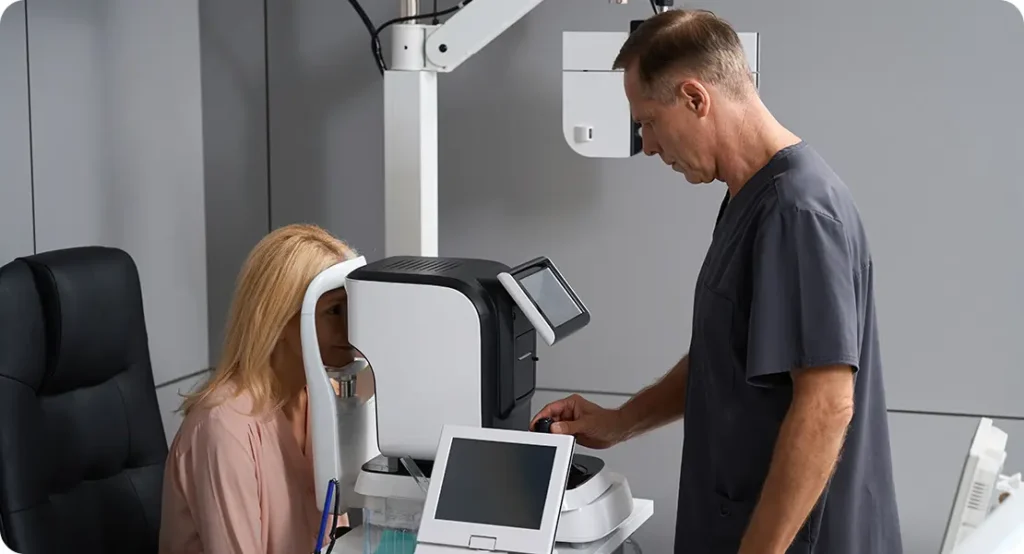
While we often associate cataracts with retirement age, many people in their 50s and early 60s start developing symptoms that interfere with work, driving, or even using a computer screen. Blurred vision, glare from headlights, and poor contrast sensitivity can make routine tasks frustrating or dangerous.
For working professionals, these visual challenges can impact job performance and lead to early retirement. When cataract surgery is delayed, people may lose years of productivity unnecessarily. By offering surgery earlier, we could help maintain workforce participation and reduce the economic burden of visual impairment.
In professions that rely heavily on visual precision — such as pilots, surgeons, and graphic designers — even small drops in visual clarity can have major consequences. Timely intervention makes all the difference.
The Hidden Cost of Waiting: Emotional and Mental Health Impacts
We don’t often talk about the emotional toll of cataracts, but it’s real. Many patients report increased anxiety, social withdrawal, and reduced confidence when they can no longer drive at night or recognise faces clearly. Even the loss of simple pleasures like reading or watching TV can lead to low mood and frustration.
Earlier surgery can help people remain active, engaged, and socially connected. It reduces dependency on family members and caregivers and gives patients a sense of control over their lives. Delaying treatment, on the other hand, can have a cumulative effect on mental health — something that’s often overlooked in clinical decision-making.
Are We Still Using Outdated Criteria?
One reason many ophthalmologists continue to delay surgery is that they rely on outdated clinical thresholds. Traditionally, cataracts were graded based on density and opacity rather than functional impact. But new guidelines suggest we should be paying more attention to how cataracts affect everyday life, not just what they look like under a microscope.
In the UK, the National Institute for Health and Care Excellence (NICE) updated its guidelines in 2017 to say that patients should not be denied surgery based solely on visual acuity. Yet in practice, many regions still impose minimum acuity standards, effectively blocking access to earlier surgery.
It’s time for a more patient-centred approach that prioritises functional vision — how you see in real life, not just on a chart.
Advances in Technology Make Earlier Surgery Even More Appealing
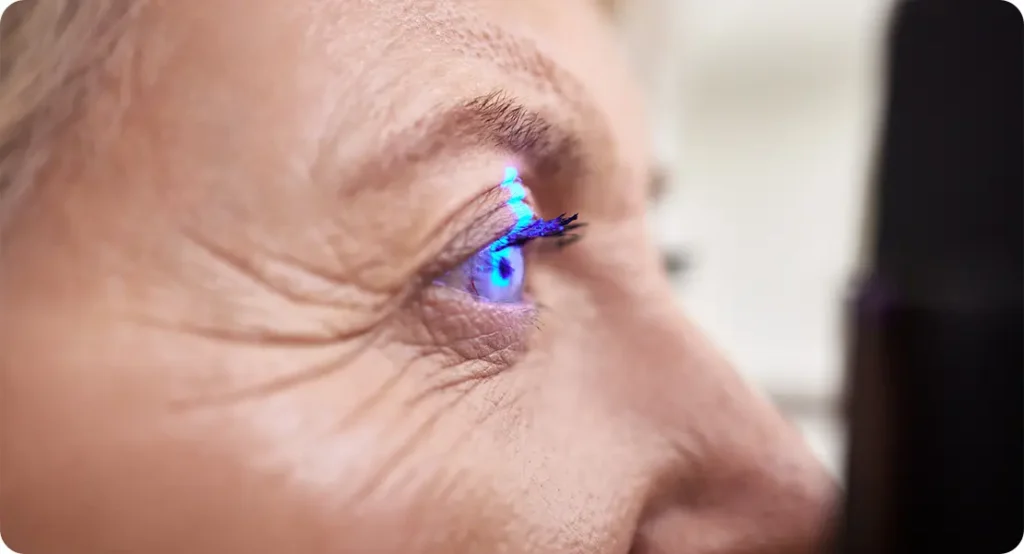
Today’s cataract surgery isn’t just about removing a cloudy lens — it’s also an opportunity to correct other vision problems. Many patients now opt for premium intraocular lenses that correct presbyopia, astigmatism, or both, reducing their dependence on glasses.
This is particularly attractive for younger patients in their 50s and 60s. If you’re already dealing with reading glasses or progressive lenses, cataract surgery can offer long-term visual freedom. Waiting too long may limit your lens options due to worsening eye health or changes in corneal shape.
The sooner the intervention, the more benefits you might get from the latest generation of IOLs.
What About the Risks of Early Surgery?
Of course, no surgery is entirely risk-free. Complications such as posterior capsule opacification (PCO), infection, or intraocular inflammation can occur — but they are rare and often manageable. The key is to weigh these risks against the ongoing burden of reduced vision.
In younger patients, one potential consideration is that IOLs are lifelong implants. There is always a small chance of needing enhancement or even lens exchange down the line. However, with proper biometry, experienced surgeons, and modern equipment, outcomes are usually highly accurate.
Ultimately, the decision comes down to personal goals, lifestyle needs, and the recommendation of your eye specialist. But fear of surgery itself is no longer a good reason to delay.
NHS Pressures and the Case for Prevention
Offering cataract surgery earlier in the disease process could also ease long-term pressure on the NHS. Currently, many patients wait until their symptoms are severe — by which point the surgery may be more complex and expensive due to co-existing conditions.
Early intervention can reduce these complexities, shorten surgical time, and improve outcomes. It may also cut down on the need for repeat visits, falls-related hospital admissions, and mental health services.
While there are upfront costs in expanding access to surgery, the long-term savings could be substantial. Prevention, as always, is cheaper than cure.
Real Patient Stories: Why Some Regret Waiting

Many people who finally undergo cataract surgery say the same thing: “I wish I’d done it sooner.” They often didn’t realise how much their vision had deteriorated or how much they were missing out on.
One patient, a 58-year-old accountant, reported feeling younger and more independent after surgery. “I didn’t know how dim the world had become until I could see clearly again,” he said. “It was like someone turned the lights back on.”
Stories like this are common. While not every person needs immediate surgery, they do illustrate the risk of underestimating how much cataracts affect everyday life.
Global Trends: Is the UK Falling Behind?
In countries like Australia and the US, the threshold for offering cataract surgery is lower, and patients often get access earlier. These systems tend to use patient-reported outcome measures (PROMs) to assess how vision affects daily life — a more holistic approach than relying on Snellen charts alone.
If the UK wants to remain a leader in eye care, it may be time to revise how we assess surgical eligibility. A more proactive, functional model could help thousands of people get help earlier — and avoid unnecessary suffering.
FAQs
- Why was cataract surgery traditionally delayed until the cataract was ‘ripe’?
In the past, cataract surgery was more invasive and carried higher risks, so doctors often waited until a cataract significantly impaired vision before recommending surgery. The idea was to avoid subjecting patients to unnecessary risk, especially since outcomes were less predictable. However, advances in surgical techniques and intraocular lenses have made modern cataract surgery far safer and more effective, making this outdated advice increasingly questionable. - What are the benefits of having cataract surgery earlier in life?
Earlier cataract surgery can help preserve your quality of life by maintaining clear vision, preventing falls, and reducing dependence on others. It also allows for better surgical outcomes because the eye tissue is often healthier, and patients recover more quickly. For working individuals, earlier surgery can also help maintain productivity, job performance, and independence. - Is early cataract surgery riskier than waiting?
No, cataract surgery today is extremely safe, with a low complication rate — whether done earlier or later. In fact, performing surgery earlier can actually reduce risk in some cases, as the cataract is easier to remove and there are fewer age-related health issues that might complicate recovery. The key is to work with a skilled surgeon and ensure your eyes are properly assessed. - Can early cataract surgery prevent falls and injuries?
Yes, numerous studies have shown that timely cataract surgery significantly reduces the risk of falls and related injuries, especially in older adults. Poor vision due to cataracts can impair depth perception, balance, and night vision — all of which contribute to accidents at home or outdoors. Early surgery helps restore visual clarity and may help people stay safer and more mobile. - What if my vision is still ‘okay’? Should I still consider surgery?
Even if your vision is technically “okay,” subtle changes can still affect your daily life, such as driving at night, reading, or recognising faces. If these issues are starting to interfere with your confidence, independence, or safety, it’s worth having a consultation. Functional impact — not just chart readings — is now considered a valid reason to consider surgery. - Are there long-term consequences of delaying cataract surgery?
Delaying surgery can lead to worsening vision, increased fall risk, reduced confidence, and even depression due to social isolation. It may also make surgery more complicated later on, especially if the cataract becomes very dense or other eye conditions develop in the meantime. In some cases, waiting too long can limit your choice of intraocular lenses as well. - Does private care offer earlier access than the NHS?
Yes, in many cases, private clinics can offer earlier access to cataract surgery than NHS services, where waiting lists and eligibility criteria may delay treatment. Private centres tend to assess you based on your lifestyle needs and personal preferences, rather than rigid visual acuity thresholds. This makes it easier to receive care at a stage that’s right for you. - Can younger patients benefit from cataract surgery too?
Absolutely. People in their 50s and 60s — particularly those affected by early cataracts due to genetics, medications, or lifestyle — can benefit greatly from early intervention. Younger patients often recover more quickly and may also take advantage of premium lens options that correct for presbyopia or astigmatism, reducing or eliminating the need for glasses. - Are there any disadvantages to early cataract surgery?
The main consideration is that intraocular lenses are permanent implants, so younger patients may live with them for several decades. While this isn’t a problem in most cases, there is a small chance that changes in eye health over time may require enhancements. However, this risk is low, and the long-term benefits usually outweigh the potential downsides. - How do I know if it’s the right time for cataract surgery?
The best way to decide is to have a thorough consultation with an experienced ophthalmologist who considers not just your eye health, but your lifestyle, vision goals, and any challenges you’re facing day to day. If your cataracts are affecting your ability to enjoy life or perform routine tasks, it may be time to think about early surgery — even if your vision still seems manageable on paper.
Final Thoughts: Time to Challenge the ‘Ripeness’ Myth
So, should cataract surgery be offered earlier in life? For many people, the answer is yes. The old idea of waiting until a cataract is “ripe” no longer fits with modern surgical capabilities or patient needs.
We now know that delayed treatment can lead to falls, depression, early retirement, and missed opportunities to restore full visual function. Meanwhile, earlier intervention is safer than ever, potentially more cost-effective for the NHS, and transformative for quality of life.
If you’re beginning to struggle with your vision — even if it’s subtle — speak to an eye specialist. Don’t wait until it gets worse. In today’s world, clarity doesn’t need to be postponed.
Considering Cataract Surgery?
If you’re exploring the option of earlier cataract surgery, it’s essential to choose a centre with experienced surgeons, modern equipment, and patient-centred care. The London Cataract Centre offers comprehensive assessments tailored to your specific needs — including when is the right time to operate.
References
- National Institute for Health and Care Excellence (NICE), 2017. Cataracts in adults: management [NG77]. [online] NICE.
Available at: https://www.nice.org.uk/guidance/ng77 - Royal College of Ophthalmologists, 2018. The Way Forward: Cataract Surgery. [online]
- Available at: https://www.rcophth.ac.uk/wp-content/uploads/2021/12/RCOphth-The-Way-Forward-Cataract-300117.pdf