


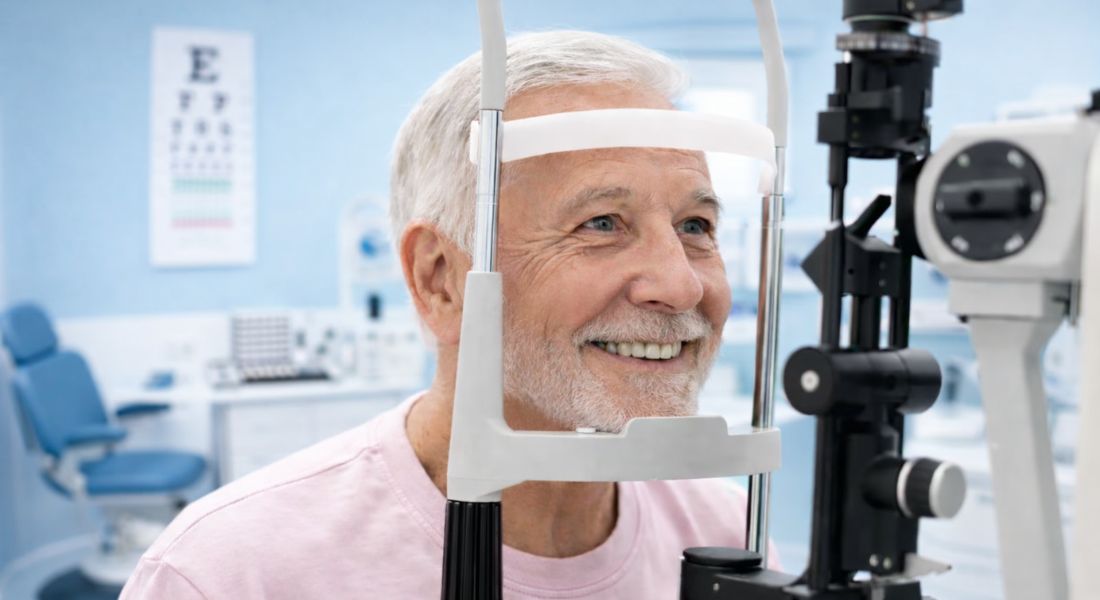
When you begin considering refractive lens exchange, your attention is usually drawn to the potential benefits. You may think about reducing dependence on glasses, achieving long-term clarity, or avoiding future cataract surgery. What often receives less attention is whether your eyes are genuinely suitable for this type of procedure.
You should understand that not every eye is an appropriate candidate for lens replacement. Certain pre-existing conditions can increase surgical risk or reduce the likelihood of achieving a satisfying outcome. Suitability is therefore based on more than preference alone.
We regard careful screening as an essential safety measure rather than a routine formality. Detailed assessment protects your vision by identifying factors that could compromise healing, accuracy, or long-term stability. Thorough evaluation strengthens both safety and confidence.
In this article, we explain which eye conditions may rule out refractive lens exchange and why they matter clinically. Understanding these exclusion criteria allows you to approach the decision with realistic expectations and informed medical insight. Knowledge supports safer and more measured choices.
Why Suitability Assessment Matters
Refractive lens exchange involves removing your natural lens and implanting an artificial one. Although it is a highly refined procedure, it still alters the internal structure of your eye. Any underlying weakness can influence recovery or long-term stability.
A thorough assessment evaluates corneal health, retinal condition, optic nerve status, and overall eye anatomy. These factors determine whether surgery is safe and beneficial. Skipping detailed screening would increase unnecessary risk.
Suitability assessment protects you from procedures that may not serve your long-term vision. The goal is not simply to perform surgery, but to ensure that surgery is appropriate for your eyes.
Advanced Glaucoma
Glaucoma damages the optic nerve, often due to raised eye pressure. In advanced cases, the nerve may already be significantly compromised. Surgical intervention inside the eye requires special caution.
Although lens replacement is sometimes performed in patients with stable glaucoma, advanced disease may reduce visual potential. Removing the lens does not restore optic nerve function. Expectations must be carefully managed.
If glaucoma is severe or poorly controlled, alternative management strategies may be prioritised. Protecting remaining nerve tissue becomes the primary concern rather than refractive correction.
Uncontrolled Ocular Hypertension
Ocular hypertension means eye pressure is elevated without clear optic nerve damage. Although damage has not yet occurred, pressure instability still requires careful management. Stability becomes especially important when planning elective intraocular procedures.
- Raised pressure without damage still carries risk: Ocular hypertension does not mean glaucoma, but unstable pressure can increase vulnerability. Fluctuations may complicate recovery after intraocular surgery.
- Pressure control should be demonstrated over time: Consistent, stable readings provide reassurance before refractive lens exchange is considered. If control is uncertain, surgery is usually deferred until stability is confirmed.
- Optic nerve safety remains the priority: Elective procedures are only planned when pressure is well managed. Protecting long-term nerve health outweighs convenience or timing.
Careful preparation strengthens surgical safety. When pressure is controlled and monitored reliably, decisions can be made with greater confidence. Stability forms the foundation of safe, elective eye care.
Significant Macular Degeneration
The macula is responsible for central, detailed vision and allows you to read and recognise fine detail. Age-related macular degeneration can impair this function even if the rest of the eye is healthy. Replacing the lens does not correct disease within the retina.
You should understand that if the macula is significantly damaged, refractive correction alone cannot restore sharp central vision. In these circumstances, surgery may not provide meaningful improvement. Expectations must therefore remain grounded in retinal reality rather than optical possibility.
We rely on careful retinal imaging to identify macular changes before planning surgery. Clear explanation of findings helps align treatment goals with what is achievable. Realistic planning protects you from disappointment and supports informed decision-making.
Diabetic Retinopathy
Diabetes can affect the small blood vessels within the retina, leading to changes that influence visual quality. Diabetic retinopathy may cause swelling, bleeding, or structural disruption that reduces clarity. These retinal factors are separate from the lens but play a major role in overall vision.
You may need to postpone elective lens surgery if retinopathy is active or unstable. Retinal stability is essential before altering intraocular structures, as treating underlying disease must take priority. Addressing retinal health first supports safer outcomes.
We emphasise the importance of long-term diabetic control and regular retinal monitoring. Once the retina is stable, suitability for surgery can be reassessed carefully. Protecting retinal function remains central to preserving vision.
Severe Dry Eye Disease
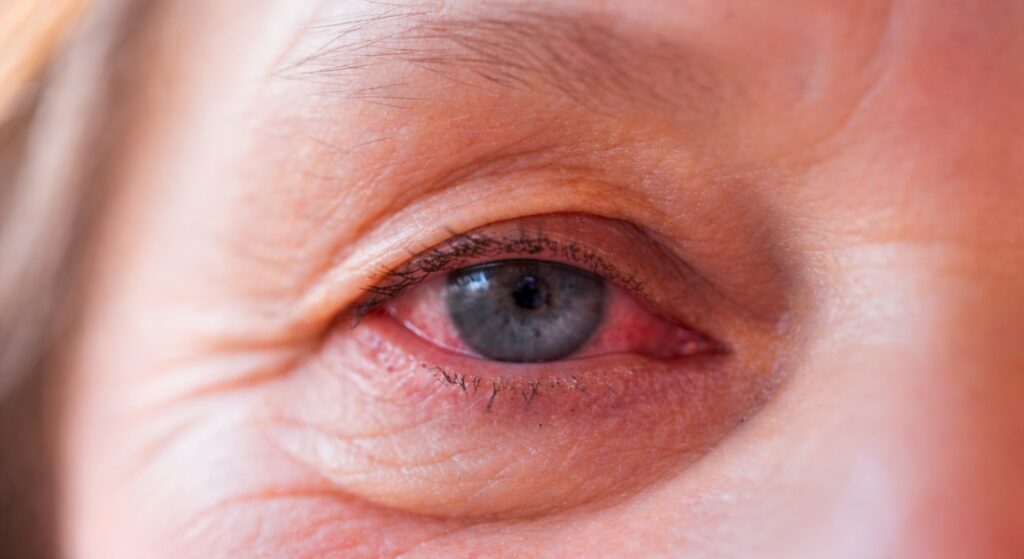
Dry eye may appear minor, yet significant surface disease can meaningfully influence surgical outcomes. Tear film instability affects both visual clarity and the healing process. An unhealthy surface can also distort the measurements taken before surgery.
You should understand that accurate lens power calculation depends on stable and reliable corneal readings. Severe dryness can produce inconsistent data, increasing the risk of refractive inaccuracy after the procedure. Stability of the ocular surface is therefore essential for precision.
We often recommend managing dry eye before moving forward with surgery. Targeted treatment can improve measurement accuracy, comfort, and overall suitability. Preparing the surface properly supports better long-term visual results.
Corneal Disorders Such as Keratoconus
Keratoconus weakens and thins the cornea, leading to an irregular surface that distorts how light enters the eye. Because refractive lens exchange does not reshape the cornea, this underlying irregularity remains present after surgery. As a result, vision may still appear distorted despite lens replacement.
You should understand that in advanced corneal disease, visual outcomes can become less predictable. Stable corneal shape is essential for accurate refractive calculations and consistent results. Progressive conditions introduce additional uncertainty that must be carefully assessed.
We rely on specialist evaluation to determine whether corneal irregularity is stable or continuing to change. In some situations, alternative strategies may offer safer and more predictable outcomes. Careful assessment ensures that any intervention aligns with long-term visual stability.
Previous Retinal Detachment
A previous retinal detachment requires particularly careful consideration before any elective intraocular procedure is planned. Although repair can restore stability, the retina may remain more vulnerable than average. A thorough assessment ensures that risk is properly understood before lens exchange is considered.
- Retinal stability must be clearly confirmed: We need consistent evidence that the repaired retina remains secure, not just a single reassuring examination. Careful peripheral assessment helps identify any areas of weakness before surgery.
- High myopia increases retinal vulnerability: If you are highly short-sighted, the retina may be thinner and more susceptible to future problems. This does not automatically prevent surgery, but it does require additional caution in planning.
- Preventative treatment may be advised before surgery: In some cases, laser treatment is recommended to reinforce fragile retinal areas prior to lens replacement. Addressing potential risks early helps reduce complications and supports safer outcomes.
Protecting retinal health always takes priority over timing or convenience. When assessment is thorough and preparation is careful, decisions can be made with greater confidence. Individualised planning supports safer long-term visual stability.
Uveitis and Ocular Inflammation
Uveitis involves inflammation inside the eye, and active inflammation increases the risk of complications during and after surgery. Operating while inflammation is present can affect healing and visual outcomes. Stability is therefore essential before considering any elective procedure.
You may find that if inflammation is recurrent or poorly controlled, surgery is not advisable at that time. Surgical intervention can sometimes trigger further inflammatory episodes, particularly when the eye is already unstable. Sustained control over a meaningful period is required before proceeding safely.
We work closely with specialist colleagues to determine the most appropriate timing. Careful coordination ensures that surgery is considered only when inflammation is fully controlled. Delaying treatment in this context protects long-term vision and supports safer outcomes.
Severe Amblyopia
Amblyopia, often referred to as lazy eye, limits the visual potential of one eye because of altered neural development. Even with optimal optical correction, vision may not reach typical levels. Surgery cannot reverse changes that occurred during early visual development.
You should understand that if amblyopia is present, expectations must remain realistic. Lens replacement may improve clarity to some extent, but it cannot restore neural function that did not fully develop. A clear explanation helps prevent disappointment later.
We assess suitability based on the degree of amblyopia and your specific treatment goals. Careful discussion ensures that benefits and limitations are understood before proceeding. Honest communication supports appropriate expectations and better long-term satisfaction.
Unstable Refraction
If your prescription is fluctuating significantly, proceeding with surgery straight away may not be advisable. Stable measurements are essential for calculating accurate lens power and achieving predictable results. Rapid refractive changes can signal underlying instability that needs further evaluation.
You may experience prescription shifts due to age, hormonal influences, or systemic health conditions. Identifying and addressing the underlying cause is important before making a permanent structural change. Stability observed over time provides reassurance that measurements reflect your true baseline.
We usually recommend delaying surgery until refraction has clearly stabilised. This protects long-term accuracy and reduces the likelihood of residual error. Precision is fundamental in refractive procedures, and patience often supports better outcomes.
When Surgery May Be Deferred Rather Than Refused

In some situations, certain conditions do not permanently exclude you from surgery but require treatment before proceeding. Stabilising dry eye or controlling inflammation may restore suitability once the surface is healthier. A temporary delay can significantly improve safety and predictability.
You benefit from this staged approach because it allows optimisation before any intervention takes place. Preparing the eye properly supports smoother healing and more reliable results. Careful timing reflects thoughtful, patient-centred decision-making rather than hesitation.
We see deferral as a protective step rather than a rejection of treatment. Safety consistently outweighs speed when long-term vision is involved. Waiting under the right circumstances helps improve outcomes and strengthens confidence in the final decision.
Why Comprehensive Screening Is Essential
Careful pre-operative assessment forms the foundation of safe refractive lens exchange. You deserve clarity about why each investigation is performed and how it protects your vision. When we evaluate your eyes thoroughly, we reduce uncertainty and support safer long-term outcomes.
- Detailed Diagnostic Testing: Corneal scans, retinal imaging, pressure measurement, and biometry uncover hidden risks before symptoms develop.
Comprehensive testing lowers the chance of avoidable complications. - Recognition of Contraindications: Screening may identify conditions that either prevent surgery or require treatment first. Clinical judgement determines whether surgery should proceed or be delayed for optimisation.
- Protection Through Careful Screening: The purpose of assessment is to safeguard your eye health, not to exclude unnecessarily. Surgery is advised only when it is clearly safe and beneficial for you.
When you understand the value of thorough screening, the process feels reassuring rather than restrictive. We prioritise safety, stability, and informed decision-making at every stage. Thoughtful preparation strengthens confidence and supports the best possible visual outcome for you.
Psychological Readiness and Expectations

Suitability for surgery is not determined by anatomy alone. Psychological readiness plays an important role in how you experience the outcome. Even technically successful surgery can feel disappointing if expectations are unrealistic.
You may hope for perfect vision in every circumstance, yet no optical system performs identically in all lighting or tasks. Clear explanation of both benefits and limitations is essential before proceeding. Informed consent protects not only safety but also long-term satisfaction.
We recognise that emotional preparedness is part of responsible screening. A balanced mindset supports smoother adaptation and greater acceptance of natural visual variation. When expectations are aligned with reality, confidence and contentment are far more likely to follow.
FAQs:
1. How do you know if your eyes are unsuitable for refractive lens exchange?
You can only determine suitability through detailed clinical assessment rather than self-evaluation. We examine your cornea, retina, optic nerve, pressure stability, and overall eye health before making recommendations. Some issues are not visible without imaging or specialised testing. Careful screening protects you from unnecessary risk.
2. Can you still have surgery if you have mild glaucoma?
You may still be suitable if your glaucoma is stable and well controlled over time. We assess optic nerve health and pressure trends carefully before considering any elective procedure. Advanced or progressive damage changes the risk profile significantly. Stability and monitoring guide safe decision-making.
3. What happens if you have early macular changes?
You may still be eligible if macular function remains strong and stable. We use retinal imaging to evaluate how much central vision potential exists. If the macula is significantly compromised, surgery may not deliver meaningful improvement. Realistic visual potential determines suitability.
4. Can severe dry eye be treated before surgery?
You can often improve suitability by treating surface disease first. We focus on restoring tear stability and obtaining accurate measurements before proceeding. Stable corneal readings are essential for precise lens calculation. Preparation often improves both comfort and outcome.
5. Does high short-sightedness automatically rule you out?
You are not automatically excluded if you are highly short-sighted. We assess retinal health carefully because higher myopia increases retinal vulnerability. Extra evaluation may be required before proceeding. Individual anatomy, not prescription alone, determines risk.
6. Can previous eye surgery prevent you from having RLE?
You may still be suitable depending on the type of previous surgery and current eye stability. We evaluate corneal integrity, retinal condition, and structural health before advising. Past procedures require thoughtful planning but do not always exclude treatment. Context determines safety.
7. If your prescription is still changing, can you go ahead?
You should usually wait until your refraction has stabilised over time. Fluctuating measurements increase the risk of residual refractive error after surgery. We rely on consistent readings before recommending a permanent structural change. Stability protects long-term accuracy.
8. Can inflammation inside your eye stop you having surgery?
You should not proceed if active inflammation is present. Surgery during unstable inflammatory periods increases complication risk and affects healing. We only consider treatment once inflammation is fully controlled and stable. Protecting long-term eye health remains the priority.
9. Does amblyopia mean surgery will not work for you?
You may still benefit, but visual improvement may be limited by neural development rather than optics. We assess realistic visual potential before recommending intervention. Surgery cannot correct developmental visual limitations. Clear expectation setting supports satisfaction.
10. Can you become suitable later if you are deferred?
You can often be reconsidered once underlying issues are stabilised or treated. We reassess suitability after pressure control, surface improvement, or retinal stabilisation. Deferral protects safety rather than closing options permanently. Careful timing often improves outcomes.
Final Thoughts on Who Is Not Suitable for Refractive Lens Exchange:
Refractive lens exchange can offer long-term visual freedom, but it is not appropriate for every eye. Conditions such as advanced glaucoma, unstable retinal disease, severe corneal irregularity, or uncontrolled inflammation can increase risk or limit visual benefit. Careful assessment identifies when surgery may compromise safety or expectations. Screening ensures that only suitable candidates proceed to intervention.
If you are considering RLE surgery in London, feel free to get in touch with us at London Cataract Centre for structured screening and personalised planning ensuring that outcomes remain safe and aligned with your individual ocular health.
References:
- Alió, J.L., Abdelghany, A.A. & Fernández-Buenaga, R. (2014) Refractive lens exchange: indications, outcomes and complications. Survey of Ophthalmology, 59(5), pp. 507–520. Available at: https://pubmed.ncbi.nlm.nih.gov/24969035/
- Kaweri, L., Wawrzyniak, Z.M., & Nowomiejska, K. (2020) Current status of refractive lens exchange and its role in modern ophthalmology. Clinical Ophthalmology, 14, pp. 1401–1412. Available at: https://www.ncbi.nlm.nih.gov/pmc/articles/PMC7856935/
- Hannan, S.J. (2023) Immediate sequential bilateral refractive lens exchange: outcomes & adverse events — analyzes outcomes and safety of same-day bilateral RLE procedures. Available at: https://www.sciencedirect.com/science/article/pii/S0161642023002798
- Barberá-Loustaunau, E., et al. (2025) Visual results after extended depth-of-focus intraocular lens implantation in refractive lens exchange. Journal of Clinical Medicine, 14(8), 2795. Available at: https://www.mdpi.com/2077-0383/14/8/2795
- Lee, C.Y. (2024) Comparison of visual and refractive outcomes between refractive lens exchange and keratorefractive lenticule extraction. Diagnostics, 15(1), 43. Available at: https://www.mdpi.com/2075-4418/15/1/43