



When people think about cataract surgery, they often assume it’s a one-size-fits-all solution. In many cases, it is incredibly successful and life-changing. But not everyone is an ideal candidate. If you’re considering the procedure or supporting someone who is, it’s important to understand the circumstances that might make cataract surgery either too risky or unlikely to deliver the expected results. Let’s break it down clearly and honestly.
1. Uncontrolled Systemic Health Conditions
Cataract surgery may be relatively quick, but it’s still a medical procedure. If you have major health issues that are not well-managed, this could increase your risks.
For example, people with uncontrolled diabetes are at a higher risk for postoperative complications, especially infections or poor wound healing. The same goes for individuals with poorly controlled hypertension or heart disease. Anaesthesia — even in its mild forms — can put strain on your cardiovascular system. If your GP or specialist hasn’t cleared you for elective surgery, then cataract surgery is usually postponed.
In some cases, a patient may not even be aware that their condition is unstable. That’s why pre-operative assessments are so important. If your medical team flags concerns during your work-up, it’s not a rejection — it’s a pause to get things under better control for your safety.
2. Active Eye Infections or Inflammation
Let’s say you have uveitis, blepharitis, or a recent bout of conjunctivitis. These conditions can increase the risk of post-op complications dramatically. Operating on an eye that’s actively inflamed is like trying to fix plumbing in a house with a fire raging in the basement — the timing is just wrong.
Eye infections or inflammation must be settled and under control before surgery. Chronic inflammatory conditions such as uveitis may require pre-treatment with steroids to reduce the risk of recurrence or complications like cystoid macular oedema. If your ophthalmologist says “not yet,” it’s to prevent further damage, not delay unnecessarily.
3. Advanced Retinal or Optic Nerve Disease
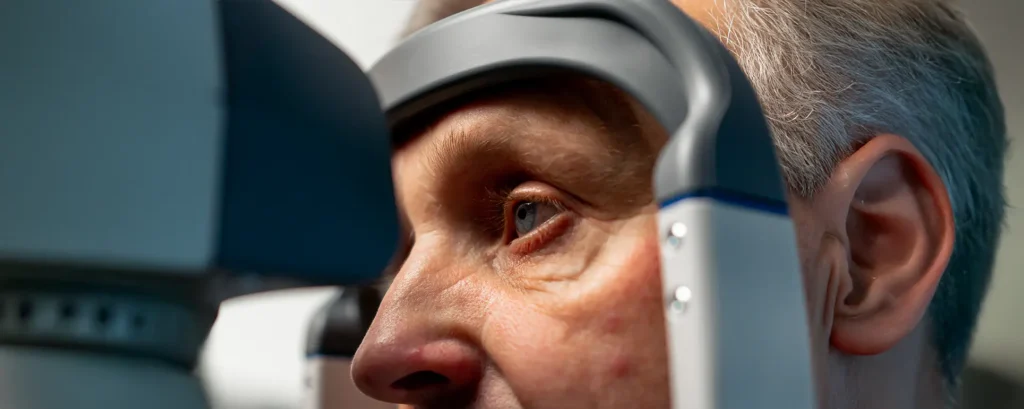
The lens might be cloudy, but it’s not the only thing involved in vision. The retina and optic nerve are crucial too. If these are severely damaged, clearing the cataract might not improve your sight much — or at all.
Conditions like advanced glaucoma, severe diabetic retinopathy, or age-related macular degeneration (AMD) can all limit visual recovery. In these cases, your consultant will carefully weigh up the likely benefit of surgery. If your cataract is mild but your retina is badly damaged, you might not be a good candidate — not because you can’t have the surgery, but because the outcome won’t justify the risks or expectations.
4. Corneal Pathology and Opacities
Sometimes the problem isn’t just the lens; it’s the cornea too. If the cornea is scarred, swollen, or irregular (as in advanced keratoconus or Fuchs’ dystrophy), then performing cataract surgery can be complicated and outcomes unpredictable.
Patients with corneal guttae or early corneal decompensation may develop worsening oedema after surgery. In some cases, a combined procedure such as cataract surgery with endothelial keratoplasty might be considered. But if the cornea is already too compromised, your surgeon may advise waiting or opting for corneal intervention first. Not all eyes are ready to handle both at once.
5. Previous Ocular Surgery with Poor Outcomes
If you’ve had previous eye surgery — especially complicated retinal operations, corneal grafts, or failed glaucoma interventions — this could increase your surgical risk. Scar tissue, anatomical changes, or even unpredictable pupil reactions can make cataract surgery much more difficult.
This doesn’t automatically rule you out, but it places you in a higher-risk category. Sometimes the structure of the eye is just too fragile for another operation. A detailed evaluation by your ophthalmologist is critical to assess whether it’s worth proceeding or whether non-surgical strategies might be safer.
6. Inadequate Pupil Dilation or Small Pupils
Cataract surgery is a very precise operation, and it depends on a well-dilated pupil for access and visibility. If your pupil doesn’t dilate properly — which can happen in older individuals, diabetics, or those on certain medications — the risk of complications rises.
Small pupils can make it harder to remove the lens safely and insert the intraocular lens (IOL). Surgeons may use devices like pupil expanders, but even these can carry their own risks. If dilation is especially poor, or the iris is damaged, it may not be feasible to proceed — or at least not without additional risk that must be weighed carefully.
7. Extreme High Myopia or Nanophthalmos
Eyes that are either too long (extreme high myopia) or too short (nanophthalmos) present unique challenges. In high myopia, the retina is often stretched and thin, increasing the risk of retinal detachment after cataract surgery. In nanophthalmic eyes, the space inside the eye is so cramped that performing surgery is technically difficult and increases the risk of pressure spikes and inflammation.
This doesn’t mean surgery is impossible, but it does mean extra planning, different lens choices, and sometimes the involvement of a vitreoretinal surgeon. In some cases, your surgeon may recommend postponing surgery or managing vision with glasses or contact lenses until absolutely necessary.
8. Unrealistic Expectations
This is a big one — and often overlooked. Not every unsuitable candidate is rejected for medical reasons. Some are turned down because they expect miracles that surgery simply can’t provide.
If a patient believes that cataract surgery will give them “perfect” vision, eliminate all need for glasses, or cure unrelated problems like floaters or macular degeneration, then disappointment is almost inevitable. If you’re not open to wearing glasses after surgery — or if you think the surgery will restore sight lost from a completely different issue — then you’re not ready.
A good surgeon will always have an honest conversation with you about what the surgery can and cannot do. Managing expectations is just as important as managing medical risk.
9. Cognitive Impairment and Consent Issues
Some patients — particularly those with moderate to advanced dementia — may not be suitable for cataract surgery due to the challenges in gaining informed consent, following postoperative instructions, and cooperating during the procedure, especially when done under local anaesthetic.
For these individuals, the question becomes not just “Can we do the surgery?” but “Should we?” If vision loss is not affecting their quality of life or care, and if the surgery would be distressing, then it may not be appropriate. This is a complex decision that often involves family members, carers, and sometimes a mental capacity assessment.
10. Severe Dry Eye or Ocular Surface Disease
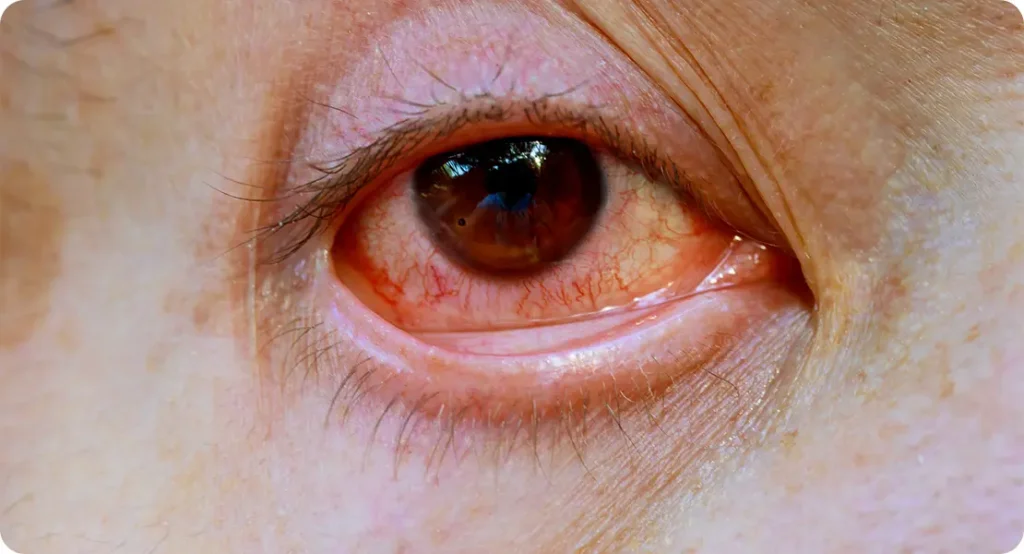
A stable ocular surface is essential for accurate preoperative measurements, safe surgery, and proper healing. If you suffer from severe dry eye, meibomian gland dysfunction, or ocular rosacea, your measurements may be unreliable — which means your lens power calculation could be off.
Additionally, healing is slower and more uncomfortable in dry, irritated eyes. While this isn’t always a deal-breaker, these conditions must be managed proactively before surgery. In some cases, your surgeon may advise postponing the procedure until the surface of your eye is healthier and more stable.
11. Poor Fixation or Nystagmus
During cataract surgery, the eye needs to remain reasonably still. If you have nystagmus (uncontrolled eye movements) or can’t fixate steadily — due to neurological issues or macular disease — it becomes very difficult for the surgeon to operate safely.
Some techniques and tools can help, but in certain cases, the risk of a complication (like posterior capsular rupture) outweighs the potential benefit. This is often a call made during a very detailed consultation and often involves input from a multi-disciplinary team.
12. Anterior Segment Anomalies
Abnormalities like coloboma, iris defects, or previous trauma can make surgery unpredictable. An eye with a malformed anterior segment may not behave the way a normal eye does during surgery. Things like zonular weakness, abnormal lens positioning, or irregular iris response can all pose extra risks.
Sometimes special intraocular lenses or surgical techniques are needed. But if the anatomical problems are too complex, or if the risk to the remaining vision is high, your consultant might recommend observation or other treatments before moving forward.
13. Allergies to Medications or Surgical Materials
It’s rare, but not impossible — some patients have severe allergies to medications commonly used before, during, or after cataract surgery. This might include iodine (used in antiseptic prep), certain anaesthetic drops, or even preservatives in eye drops.
If you’ve had an anaphylactic reaction in the past, your surgical team will need to plan extremely carefully — and in rare cases, surgery may not be advised unless a safe alternative can be guaranteed. An allergy to multiple essential agents might mean you’re not a safe candidate at all.
14. Ongoing Use of Certain Medications
Some medications, like alpha-blockers (commonly used for prostate issues), can cause something called Intraoperative Floppy Iris Syndrome (IFIS). This condition makes the iris behave unpredictably during surgery and can increase complications.
Your ophthalmologist will ask you about all your medications. If you’re on something known to affect the eye’s behaviour during surgery, the plan might need to be adjusted — or in extreme cases, delayed until alternative arrangements can be made.
15. Limited Access to Postoperative Care
Cataract surgery doesn’t end the moment the lens goes in. Postoperative care is crucial — including eye drops, check-ups, and monitoring for complications like infection, pressure spikes, or swelling. If someone lives in a remote area, has no support system, or cannot reliably attend follow-up appointments, they may not be a good candidate.
In these situations, the problem isn’t the surgery — it’s the aftercare. Cataract surgery requires commitment for a few weeks after the procedure. If that’s not feasible, delaying surgery may be the safer choice.
FAQs
- Can cataract surgery be done if I have uncontrolled diabetes?
Cataract surgery is generally avoided in people with uncontrolled diabetes because high blood sugar levels can interfere with wound healing and increase the risk of infection or retinal complications. Before proceeding, your doctor will usually want your blood glucose levels to be stabilised for a few months, and may collaborate with your GP or endocrinologist to make sure it’s safe. In some cases, uncontrolled diabetes can also affect the retina, meaning that even if the cataract is removed, vision improvement might be limited. - Is cataract surgery safe if I have uveitis or eye inflammation?
If you have active uveitis or other inflammatory eye conditions, cataract surgery is typically postponed until the inflammation is completely under control. Operating during a flare-up can significantly increase the risk of postoperative complications such as cystoid macular oedema or intraocular pressure spikes. Anti-inflammatory treatment is usually recommended beforehand, and sometimes continued after surgery to prevent recurrence. Your ophthalmologist will assess your eye stability over time before giving the go-ahead. - Will cataract surgery help if I have macular degeneration?
It depends on the severity of your macular degeneration. In early or intermediate stages, cataract removal can still offer a noticeable improvement in clarity and contrast. However, if the condition is advanced — particularly with scarring or central vision loss — the benefit from cataract surgery may be minimal. Your eye specialist will often conduct a thorough retinal scan (OCT) to determine whether surgery would make a meaningful difference in your vision or if the risks outweigh the potential gain. - What happens if my pupils don’t dilate well for surgery?
Poor pupil dilation can make cataract surgery more technically challenging and increase the chance of intraoperative complications. In these cases, the surgeon may use devices like pupil expanders or additional medications to help improve access during the procedure. However, if the pupil remains very small or the iris behaves unpredictably, surgery might be considered too risky. Your consultant will discuss whether additional preparation or a modified technique is viable for your specific case. - Can you still have cataract surgery if you’ve had retinal surgery before?
Previous retinal surgery doesn’t automatically rule you out for cataract surgery, but it can make the procedure more complex. Scar tissue, altered anatomy, or silicone oil inside the eye can affect both the surgery itself and the final visual outcome. Patients with a history of retinal detachment or macular holes will need thorough assessment, and in some cases, collaboration between cataract and retinal specialists is required. The benefits and risks are always discussed individually in such cases. - What if I have a very short or very long eye?
Patients with very long (highly myopic) or very short (nanophthalmic) eyes face unique challenges during cataract surgery. In long eyes, there is a greater risk of retinal detachment postoperatively, while short eyes may experience pressure spikes and crowded anatomy during the operation. These patients often require customised lens calculations and sometimes more advanced surgical planning. While not necessarily excluded, they are considered higher risk and may need close follow-up and more specialised care. - Could cognitive issues like dementia make someone unsuitable?
Yes, cognitive impairment can make cataract surgery more difficult to manage — especially when it comes to obtaining informed consent, cooperating during the procedure, and following postoperative care instructions. If the patient is unable to understand or tolerate the surgery process, or if the benefits are unlikely to improve their quality of life, the procedure may not be recommended. Families and carers often play a key role in decision-making in these situations, with support from medical and legal teams if needed. - Is dry eye disease a reason to delay cataract surgery?
Severe dry eye can affect both the accuracy of preoperative measurements and the comfort of postoperative recovery. The ocular surface must be stable to ensure that the chosen intraocular lens provides the intended visual result. If dry eye symptoms are significant, your eye doctor may advise treating the condition first — with drops, lid hygiene, or in some cases, prescription medication — before proceeding with surgery. Once managed, most people with dry eye can safely undergo cataract surgery. - Can allergies to medications prevent cataract surgery?
While uncommon, allergies to surgical medications — such as iodine, anaesthetic drops, or preservatives in postoperative drops — can complicate the process. If you have a known history of severe allergic reactions, your surgical team will explore alternatives and consult with allergy specialists if needed. In rare cases, if no safe substitutes are available, cataract surgery may be deemed too risky. It’s important to disclose all past allergic reactions during your preoperative consultation. - Is cataract surgery ever refused due to patient expectations?
Yes, if a patient has unrealistic expectations about what cataract surgery can achieve — such as thinking it will restore perfect vision regardless of other eye conditions — surgeons may recommend postponing or even declining the procedure. A successful outcome is not just about what happens during surgery, but how well the patient understands and accepts the likely results. Clear communication and setting realistic goals are essential parts of the consultation process before surgery is offered.
Final Thoughts: It’s About Safety and Suitability — Not Exclusion
If you’ve been told that cataract surgery isn’t right for you — at least for now — it’s not a dead end. It simply means your eye health, medical condition, or expectations need a bit more attention first. In many cases, once these factors are addressed, you can become a good candidate later.
And if surgery is ultimately not recommended, there are still ways to optimise your vision and quality of life through glasses, low-vision aids, or treating underlying eye conditions.
If you’re unsure, a second opinion can be incredibly valuable — especially from a centre with experience in managing complex cataract cases. At London Cataract Centre, we provide tailored consultations for high-risk cataract surgery patients, supporting you in making informed and confident decisions about your eye health.