



If you have chosen monovision cataract surgery and things do not feel quite right afterward, you are not alone. Most patients adapt well, but a small number find the adjustment more difficult than expected. Feeling concerned or disappointed does not mean something has gone wrong, and it certainly does not mean you are out of options.
Monovision changes how your eyes and brain work together, and adaptation is a process rather than an instant switch. For many people, comfort improves steadily over time, but for others, symptoms can persist or feel intrusive. Understanding what is normal, what is not, and what can be done helps turn uncertainty into reassurance.
In this article, we walk through what poor adaptation can look like, how long adaptation should reasonably take, and what practical options exist if monovision feels uncomfortable. Our aim is to help you feel informed, supported, and confident about the next steps.
Understanding What Adaptation to Monovision Involves
Adapting to monovision is mostly about how your brain learns to work with your eyes, rather than the eyes themselves. Even if your vision is physically corrected, your brain needs time to figure out which eye to rely on for distance tasks and which for near tasks, depending on what you’re doing.
How quickly this happens can vary a lot from person to person. Some people notice a smooth transition within a few days, while others may take a few weeks before it feels completely natural. Factors like your brain’s flexibility, how sensitive your vision is, and your daily visual habits all play a role in how easily you adapt.
Understanding that adaptation is a process helps you set realistic expectations. Experiencing blur, imbalance, or mild discomfort at first doesn’t mean monovision isn’t working for you it simply means your brain is learning a new way to use your eyes.
How Common Is Difficulty Adapting to Monovision?
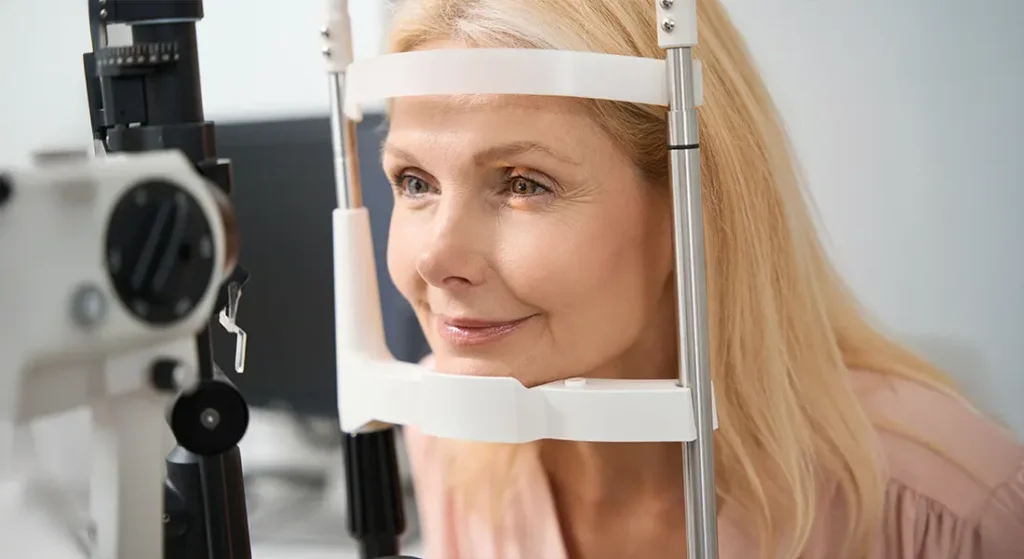
Most people adapt to monovision without any major issues, especially when it’s planned around your lifestyle and visual needs. Your brain usually learns to manage the difference between distance and near vision gradually. With time, this often feels natural.
That said, a small number of people do find adaptation more challenging, even after careful assessment and preparation. This isn’t unusual, and it doesn’t mean there’s anything wrong with your eyes. Everyone’s visual system responds differently.
If you struggle to adapt, it’s not a sign of poor judgement or weak eyesight. It simply means your visual system is less comfortable with having each eye do a different job. That’s a personal response, not a failure.
Knowing this in advance helps remove any pressure or self-blame. The priority is that your vision feels comfortable and supports your daily life. Whatever the outcome of your trial, your comfort comes first.
Normal Early Symptoms That Often Improve
After surgery, it’s completely normal for your vision to feel a little different at first. You might notice mild blur, slight imbalance, or a sense that one eye is more dominant than the other. These early symptoms can feel unsettling, but they’re usually temporary and simply reflect your brain adjusting to the new visual setup.
1. Mild imbalance or uneven focus: You might notice one eye seems more dominant or that your vision feels slightly off at times. This is common during the first days or weeks.
2. Occasional blur: Some blur, especially when switching focus between near and distance, can occur. It usually improves as your brain learns to process the input from both eyes together.
3. End-of-day eye strain: Fatigue or strain, particularly after long periods of reading or screen use, is often experienced early on. This tends to settle as your eyes and brain adapt.
4. Reduced confidence in tasks: You might feel less confident when doing close-up work, using screens, or judging distances initially. These feelings usually diminish with time.
5. Gradual improvement is key: The most important sign is steady progress. If your symptoms improve day by day, it shows that your visual system is adapting properly.
Early adjustment can feel unusual, but with patience, most people find their vision becomes more natural and comfortable over a few weeks.
Early Warning Signs That Adaptation May Be Difficult
There are a few signs that might indicate monovision adaptation could be more challenging for you. Persistent headaches, ongoing nausea, or a strong sense of visual discomfort that doesn’t improve over time are worth paying attention to.
Struggling with depth perception in a way that affects your safety like frequent missteps on stairs or uneven ground can also signal difficulty. If you constantly feel off-balance rather than noticing gradual improvement, this may suggest your brain is having trouble adjusting.
These signs aren’t a cause for panic, but they are important to mention to your clinical team. Discussing them early allows you to explore adjustments or alternative approaches before committing to surgery.
The Emotional Impact of Poor Adaptation

Struggling with monovision can feel more than just a visual challenge it can be emotionally unsettling too. You might find yourself feeling anxious, frustrated, or even questioning whether you made the right choice.
These feelings are completely normal, especially when your vision affects everyday independence and confidence. It’s natural to feel concerned if tasks you usually do with ease suddenly feel awkward or tiring.
Acknowledging the emotional side of adaptation is just as important as noticing the visual symptoms. Your feelings are valid, and recognising them helps you manage the process more effectively.
Talking openly with your clinician and seeking reassurance can make a real difference. Understanding what’s happening and knowing that adjustment takes time often eases anxiety and improves your overall experience.
Why Some People Don’t Adapt Well
Sometimes, adapting to monovision just doesn’t come easily, and there are a few reasons why this can happen. You might have high visual sensitivity, rely heavily on binocular depth perception, or have a lifestyle that demands precise vision for reading, screens, or detail-oriented tasks. All of these factors can make it harder for your brain to adjust to having each eye focus differently.
It’s also important to know that some brains simply prefer both eyes working at similar distances, and this isn’t something we can always predict, even with careful trials beforehand. If you find adaptation difficult, it’s not a sign that you’ve failed it just means your visual system isn’t perfectly suited to monovision. Recognising this helps you and your clinician explore practical alternatives or adjustments that work better for you.
The Role of Eye Dominance and Balance
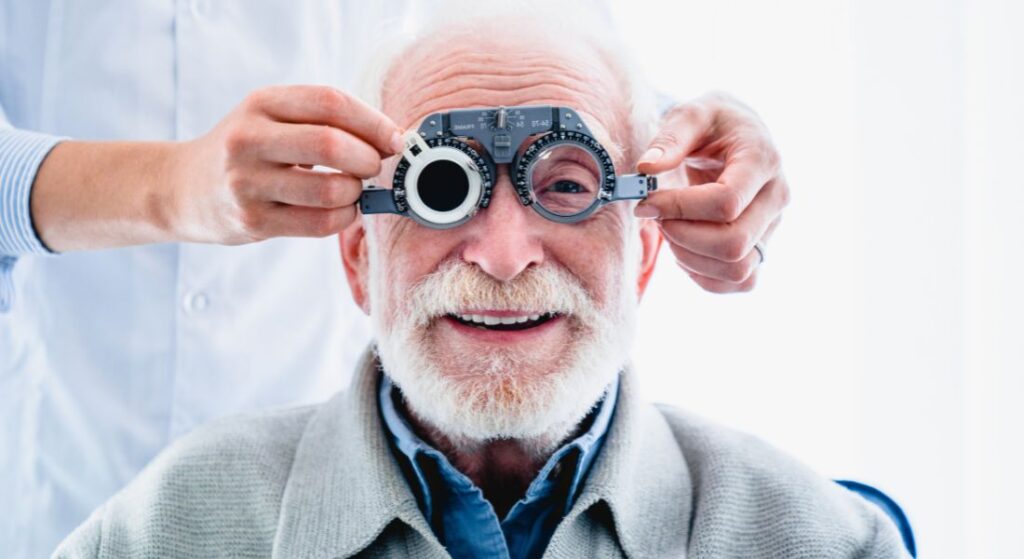
Your dominant eye plays a big role in how comfortable monovision feels. If the balance between your dominant and non-dominant eye doesn’t feel natural, your brain may struggle to adapt, making vision feel off or unsteady at first.
Occasionally, the eye chosen for near or distance tasks might not match your brain’s preference. Making small adjustments to which eye does what can often improve comfort quite a lot. That’s why reassessment is so important when you’re experiencing adaptation issues you and your clinician can fine-tune things to suit how you see best.
Partial Correction Rather Than Full Reversal
Sometimes, you don’t need to go back to full glasses to feel comfortable. Using glasses selectively only for tasks that feel challenging can make a big difference. This partial correction lets you keep your independence for most activities while still supporting your vision when you need it most.
For example, you might wear glasses for prolonged reading, night driving, or very detailed work, but rely on monovision for everyday tasks. This approach often makes day-to-day life much easier without feeling like a step backwards.
Many people find that this compromise restores confidence and reduces visual fatigue, especially if full adaptation isn’t perfect. It’s a way to enjoy the benefits of monovision while addressing the few situations that remain tricky.
Knowing that you have this option helps you avoid thinking that monovision has to be an all-or-nothing experience. It’s about finding what works best for you and your lifestyle.
When Laser Refinement May Be Considered
If you notice that your vision still feels slightly off or uncomfortable after surgery, laser refinement can sometimes help fine-tune your eyesight. It’s not necessary for everyone, but in the right circumstances, it can make a noticeable difference in how comfortably and clearly you see. This procedure is designed to correct minor imbalances or residual refractive errors once your eyes have fully healed, helping your visual system adapt more smoothly without changing your overall monovision plan.
1. Corrects residual refractive error: If small differences in focus between your eyes are causing strain or blur, laser refinement can adjust your vision to reduce that imbalance.
2. Timing matters: This procedure is only considered once your eyes have fully healed and your vision has stabilised. Rushing it too soon can compromise results.
3. Careful assessment is essential: Your eye specialist will thoroughly evaluate whether refinement will genuinely improve comfort. Not every patient benefits, so a personalised approach is crucial.
4. Enhances adaptation without changing strategy: For selected patients, laser refinement can improve visual comfort while maintaining the overall monovision plan. It’s a way to smooth out minor issues without altering the original setup.
5. Improves day-to-day experience: When successful, this fine-tuning can make reading, screen use, and distance vision feel more natural, helping you enjoy the full benefits of your surgery.
Laser refinement is a targeted solution for specific cases, helping you achieve the clearest and most comfortable vision possible.
Lens Adjustment or Exchange as an Option
In some rare situations, if you experience ongoing discomfort that doesn’t improve with adaptation or partial correction, lens adjustment or exchange might be considered. This is generally a last resort, only after other strategies have been tried and evaluated.
Lens exchange involves replacing the intraocular lens to alter the visual setup, which can help achieve a balance that feels more comfortable for your eyes. It can be very effective, but it’s not a step taken lightly.
Because it’s a surgical procedure, there are additional considerations and risks to weigh. Your ophthalmologist will discuss this option thoroughly with you, and it’s only recommended if your quality of life is noticeably affected.
Timing Matters When Considering Changes
When it comes to poor adaptation, timing really does matter. If changes are made too early, you might interrupt the natural adjustment process your brain is going through. On the other hand, waiting too long can mean enduring unnecessary discomfort or frustration.
A structured review schedule with your ophthalmologist or optometrist helps strike the right balance. By looking at your progress over days or weeks, rather than reacting to a single challenging day, you can make more informed decisions.
This approach allows you to give your visual system enough time to adapt while still addressing persistent issues before they become discouraging.
Your clinical team is there to guide you through the timing, interpreting patterns in your symptoms and helping decide whether adjustments, partial corrections, or further interventions are appropriate.
Why Reassurance and Monitoring Are Important
It’s completely normal to feel worried during the early stages of monovision adaptation. Regular follow-ups give you the reassurance that what you’re experiencing is expected and temporary, rather than a sign that something has gone wrong.
Keeping a close eye on your progress also means small issues can be spotted and addressed before they turn into bigger problems. This monitoring helps you feel supported, rather than having to navigate discomfort or uncertainty on your own.
Being heard and understood by your clinical team makes a real difference. When you feel confident that your concerns are taken seriously, it not only eases anxiety but also contributes to a smoother, more successful adaptation overall.
The Value of Personalised Decision-Making
Your eyes and visual system are unique, and what feels perfect for someone else might not suit you at all. Understanding your individual needs is key to a comfortable and successful monovision experience.
Personalised assessment allows your clinician to tailor plans specifically for you. Flexible approaches like adjusting which eye is set for near or distance, or trialling mini versus full monovision help manage adaptation difficulties more effectively than a one-size-fits-all solution.
Open dialogue with your clinical team ensures your preferences and experiences guide decisions. When you’re actively involved, shared decision-making increases confidence and helps achieve the best long-term outcomes for your vision.
Making Peace with a Change in Plan
Sometimes the best results come from adjusting the original plan. This doesn’t mean your surgery was a mistake it simply means your care is being tailored to suit your needs and comfort.
Being open to change lets you move forward confidently, rather than feeling stuck with an earlier decision. Remember, vision care is a journey, not just a single moment.
FAQs:
1. What does it mean if I’m struggling to adapt to monovision after cataract surgery?
Struggling doesn’t mean something has gone wrong. Your brain simply needs time to adjust to each eye focusing differently, which can take days or weeks. With the right guidance, there are practical ways to make your vision more comfortable.
2. How long should I expect adaptation to take?
Adaptation varies from person to person; some adjust within days, while others take several weeks. Early blur or imbalance is normal, and steady improvement shows your brain is learning the new visual setup. Being patient and keeping in touch with your clinician helps the process.
3. Are there early warning signs that monovision might not be working for me?
Persistent headaches, ongoing nausea, or poor depth perception are signs to mention to your clinician. Discussing these early allows adjustments before discomfort becomes frustrating or affects your daily life.
4. How can my emotions affect my adaptation to monovision?
It’s perfectly normal to feel anxious, frustrated, or unsure when your vision feels off. Talking to your clinician and understanding that adaptation takes time can ease these feelings and make the process much less stressful.
5. Why do some people struggle more with monovision than others?
Some brains are less tolerant of having one eye for near and one for distance, particularly if you rely heavily on precise vision or screen work. This isn’t a failure; it’s simply how your visual system works, and there are ways to make it more comfortable.
6. Can the dominant eye affect my comfort with monovision?
Yes, if the dominant eye isn’t matched well for distance or near tasks, your vision can feel unsteady. Small adjustments to which eye does what can make a noticeable difference in how comfortable you feel.
7. Do I need to go back to wearing full glasses if monovision isn’t perfect?
Not at all. You can use glasses for specific tasks like reading, night driving, or detailed work while relying on monovision for most daily activities. This approach often restores confidence and reduces eye strain.
8. When might laser refinement be considered?
Laser refinement can fine-tune minor focus differences once your eyes have fully healed. It can improve comfort for everyday tasks without altering your overall monovision plan and helps your eyes adapt more smoothly.
9. What about lens adjustment or exchange?
Lens exchange is usually a last resort if discomfort continues despite other strategies. It involves replacing the intraocular lens to achieve a more comfortable balance, and is only recommended after careful assessment due to the surgical nature of the procedure.
10. How important is follow-up and personalised decision-making?
Regular follow-ups and tailored care are essential for a successful monovision experience. Being actively involved helps you find an approach that suits your lifestyle and ensures your vision feels natural and comfortable.
Final Thoughts: Finding the Right Balance With Monovision Cataract Surgery
Adapting to monovision after cataract surgery is a personal process, and not everyone experiences it in the same way. While many patients adjust smoothly over time, some find that the difference between near and distance vision feels less comfortable than expected. This does not mean the surgery has failed; it simply means your visual system may need more time, support, or refinement.
Allowing your brain adequate time to adapt, monitoring how your vision changes day by day, and recognising when symptoms are improving are all important parts of the journey. If comfort remains limited, options such as selective use of glasses, laser refinement, or further adjustment can help achieve a more balanced and natural visual experience.
If you are considering monovision cataract surgery, you can contact a consultation with a specialist at the London Cataract Centre ensures your vision is assessed carefully and tailored to your lifestyle. With personalised guidance and the right approach, most patients are able to reach a level of clarity, comfort, and confidence that supports long-term visual satisfaction.
References:
1. Vastardis, I. et al. Ten‑Year Outcomes of Pseudophakic Mini‑Monovision Correction of Hyperopic Presbyopia After Cataract Surgery. https://pubmed.ncbi.nlm.nih.gov/36729769/
2. Wróbel‑Dudzińska, D. et al. Outcomes of Pseudophakic Mini‑Monovision with Monofocal, Enhanced Monofocal, and EDOF IOLs: A Systemic Review. https://pmc.ncbi.nlm.nih.gov/articles/PMC11885283/
3. RayOne EMV IOL Monovision Clinical Outcomes Study. PMC, 2025 clinical evaluation of monovision with RayOne EMV enhanced monofocal IOL showing high satisfaction. https://pmc.ncbi.nlm.nih.gov/articles/PMC12168278/
4. Li, J., Sun, B. & Jiang, S. Enhanced Monovision Intraocular Lenses: Current Status and Future Perspectives. https://www.mdpi.com/2227-9059/14/1/74
5. Zheng, X., Rao, Z., Yuan, J. & He, Y. Effectiveness of Enhanced Monofocal Intraocular Lens with Mini‑Monovision in Cataract Surgery. https://www.mdpi.com/2077-0383/14/13/4517