


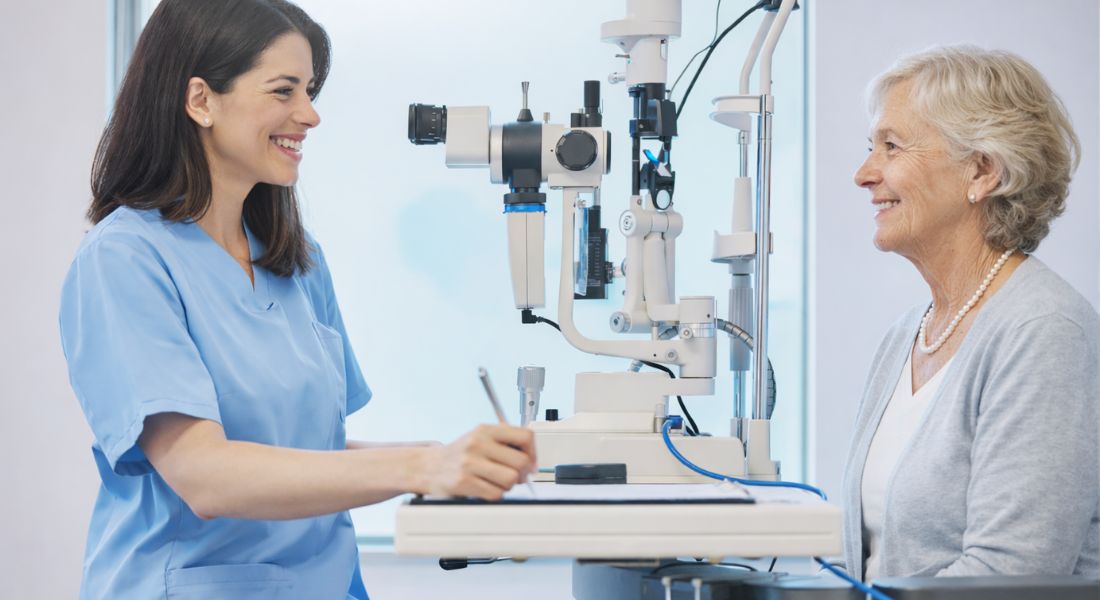
NHS cataract surgery waiting times have increased significantly in recent years. You may be told that cataracts are not urgent and that waiting will not cause harm. We recognise that while cataracts are not life-threatening, prolonged delay can still affect health and overall wellbeing. The impact is often gradual rather than immediate.
We now understand that cataracts influence far more than visual clarity alone. Quality of vision, personal safety, confidence, and independence can all decline during extended waiting periods. We see that these effects are frequently underestimated. Functional change often matters more than chart measurements.
Backlogs are not simply an administrative issue. We recognise that they carry real clinical and functional consequences for patients. Delays can influence daily activities, mental wellbeing, and long-term outcomes. Understanding this helps explain why waiting times matter.
This discussion focuses on patient impact rather than assigning blame. We aim to bring clarity to how delays affect lived experience. The goal is informed understanding, not criticism. Awareness supports better conversations about care and timing.
How Vision Changes While Patients Are Waiting
Cataracts progress gradually, but vision quality can decline steadily during long waiting periods. You may notice increasing blur, glare, or reduced contrast sensitivity that worsens over time. We recognise that these changes often develop quietly. Decline can feel subtle but persistent.
Even when visual acuity remains acceptable on charts, functional vision can deteriorate. You may struggle more with reading, recognising faces, or navigating busy environments. We know that adaptation often masks how much vision has changed. Poor vision can start to feel normal.
We frequently see people underestimate their visual decline until surgery restores clarity. Prolonged waiting can normalise reduced vision and delay action further. Vision loss during waiting periods is real and cumulative. Time plays a meaningful role in outcomes.
Impact on Daily Independence and Confidence
Vision is closely linked to confidence and independence in everyday life. Cataracts often affect this relationship gradually, making routine tasks feel more demanding over time. These changes can take hold before vision seems severely reduced on testing. We recognise independence may be impacted earlier than many people expect.
- Cataracts can quietly limit daily independence: Everyday activities such as driving, socialising, or navigating new places may start to feel challenging. You may avoid certain situations as confidence declines, even before vision feels markedly impaired.
- Subtle visual loss can reduce confidence and increase caution: Difficulty judging steps, kerbs, or uneven surfaces can lead to hesitation. We often see caution replace confidence before vision is recognised as the underlying cause.
- Loss of confidence affects wellbeing as well as mobility: Reduced activity can influence mental health and physical strength. Longer waiting periods may quietly restrict daily life and social engagement.
Independence is shaped by how safe and confident vision feels, not just how clearly you can see. By recognising the broader impact of cataracts, we aim to address changes before they become entrenched. Timely care supports not only sight, but confidence, mobility, and overall quality of life.
Increased Risk of Falls and Accidents
Cataracts reduce contrast sensitivity and depth perception, which can increase the risk of falls. You may find stairs, uneven surfaces, or low-light environments more challenging. We recognise that reduced visual cues make balance and judgement harder. Falls can lead to serious injury even from minor missteps.
You may not immediately link cataracts with fall risk, but visual impairment is increasingly associated with accidents. We know that glare from lights, poor night-time visibility, and reduced contrast are common triggers. These risks often go unnoticed until an incident occurs. Vision changes quietly affect safety.
We see higher fall risk in people waiting longer for surgery, not only among older adults. Anyone in visually demanding environments can be affected. Delayed intervention can increase preventable harm. Safety remains a key consideration when discussing timing.
Effects on Driving and Mobility

Driving is often one of the first activities affected by cataracts. You may notice glare from headlights, halos around lights, or difficulty judging distances, especially at night. We recognise that these symptoms can quickly reduce confidence behind the wheel. Safety concerns often appear early.
Many people stop driving altogether while waiting for surgery. You may find this affects work, social life, and access to healthcare appointments. We understand that reduced mobility can feel restrictive and frustrating. Independence is often impacted sooner than expected.
We recognise that loss of driving has wide-ranging consequences beyond convenience. Increased reliance on others can affect confidence and wellbeing. These changes are not minor. Extended waiting periods prolong these limitations. Mobility and independence are directly affected.
Cognitive and Emotional Impact of Prolonged Visual Impairment
Chronic visual impairment can have a significant impact on mental wellbeing. You may feel frustration, anxiety, or low mood as vision gradually declines. We recognise that these emotional effects often go unnoticed or unspoken. Vision loss affects how you feel, not just what you see.
Reduced visual input also increases cognitive effort. Everyday tasks may require more concentration, planning, and focus. We know that this added strain can lead to mental fatigue over time. Tiredness becomes a common and underestimated consequence.
We understand that emotional strain accumulates alongside visual decline. Vision loss is never purely physical, as mental health is closely connected. Delays in surgery can prolong unnecessary psychological burden. Restoring vision often improves wellbeing as well as eyesight.
Why Delayed Surgery Can Become Surgically More Complex
Cataracts continue to harden as they mature, becoming denser over time. We know that denser lenses require more energy to remove during surgery. This increases technical complexity and stress on the eye. Surgical conditions change as cataracts advance.
You may assume that waiting has little effect on the procedure itself. We recognise that advanced cataracts can raise the risk of inflammation and extend recovery time. Earlier surgery is often technically easier and gentler on eye tissues. Timing influences surgical load.
We consistently see smoother procedures and recovery when cataracts are less advanced. Prolonged delay removes this advantage and narrows safety margins. Surgical timing affects difficulty as well as experience. Waiting can influence outcomes beyond vision alone.
Impact on Visual Recovery After Surgery
Eyes that have adapted to poor vision over a long period may take longer to adjust after surgery. We understand that neural adaptation changes how visual information is processed. Recovery can therefore feel slower, even when surgery is technically successful. Adjustment takes time.
You may still achieve excellent visual outcomes, but the transition can feel more demanding. We recognise that expectations also shift after prolonged visual deprivation. The contrast between before and after can be harder to process. Support and reassurance matter during this phase.
We see that earlier surgery often allows smoother visual adaptation. Comfort and confidence tend to return more quickly when deprivation has been shorter. Delayed intervention can influence the recovery experience itself. Timing matters beyond the operation alone.
Effect on Coexisting Eye Conditions
Cataracts do more than reduce visual clarity; they can also interfere with how accurately other eye conditions are assessed. A cloudy lens limits visibility of deeper eye structures, making monitoring more challenging. This becomes especially important when conditions such as glaucoma or macular degeneration are present. We consider optical clarity a key part of safe and effective eye care.
- Cloudy lenses reduce assessment accuracy: Cataracts can obscure structural detail within the retina and optic nerve. Subtle changes may be harder to detect, limiting the quality of clinical evaluation.
- Monitoring of coexisting conditions may be affected: Reduced clarity can delay diagnosis or make progression harder to judge. We recognise that incomplete information increases uncertainty in long-term management.
- Cataract removal supports comprehensive eye care: Clearer optics allow more reliable imaging and examination. You benefit from monitoring that is better suited to managing multiple eye conditions.
Optical clarity is a foundation for confident decision-making in eye care. By restoring a clear visual pathway, cataract surgery supports more accurate assessment beyond vision alone. This broader benefit highlights why timing matters, as clarity strengthens the quality of care for the whole eye, not just the lens.
Why “Non-Urgent” Does Not Mean “Non-Impactful”
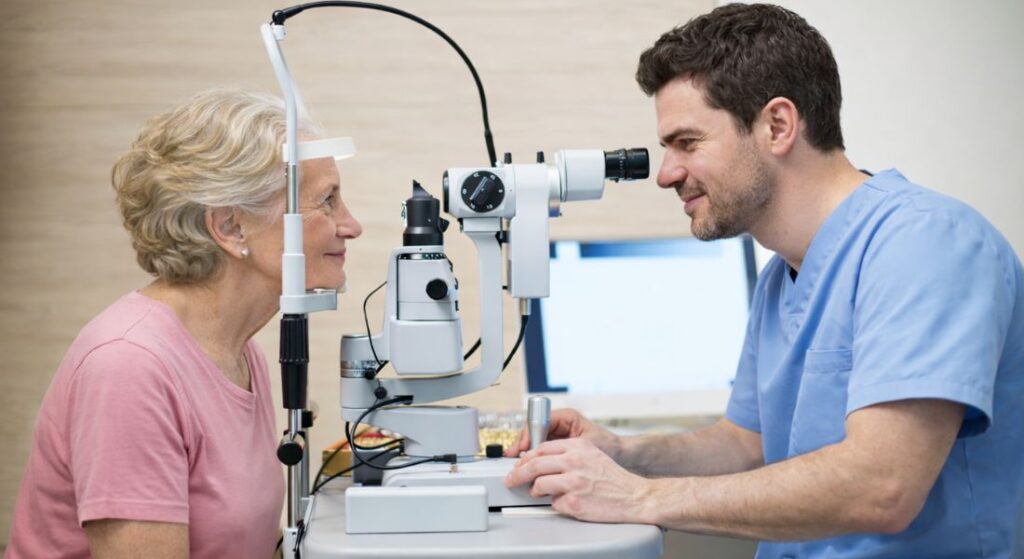
Cataracts are often described as non-urgent, but this label refers to immediate medical risk rather than everyday impact. We recognise that this distinction is easily misunderstood. Quality of life can be affected long before a situation becomes medically urgent. The difference matters.
You may be reassured that waiting is safe, yet safety also includes functional wellbeing. We know that gradual visual decline still affects confidence, comfort, and independence. Harm does not arrive suddenly, but it can accumulate quietly over time. Delay has consequences beyond charts.
We believe cataracts should be recognised as functionally significant. Vision supports independence, safety, and mental wellbeing. Non-urgent does not mean insignificant. Impact is real, and care should reflect that reality.
How Prolonged Waiting Normalises Vision Loss
Humans adapt remarkably well, and you may slowly accept declining vision as normal. We know that gradual adjustment can mask real loss. Small compromises become routine without being questioned. Decline can feel invisible over time.
This adaptation often delays seeking help and reduces perceived urgency. You may cope longer than expected, even as vision continues to deteriorate. By the time surgery is considered, impairment can be more advanced. Waiting quietly increases the cost.
We often see a striking contrast once vision is restored. You may suddenly realise how much detail, comfort, and confidence had been lost. Normalising decline carries a hidden impact. Awareness helps counter this effect and supports timely care.
Why Delays Disproportionately Affect Vulnerable Patients
Patients with existing health issues, limited mobility, or social isolation are often most affected by delays. We recognise that vision loss can compound challenges that already exist. Everyday tasks may become harder to manage. The burden of waiting is not evenly shared.
You may rely heavily on vision to manage health needs, medication, or daily routines. We understand that delays can increase vulnerability and dependence. Loss of visual confidence can affect independence quickly. Impact extends beyond eyesight alone.
We acknowledge that waiting does not affect everyone equally. Some people carry a far greater practical and emotional burden. Equity matters when considering timing and support. Care must reflect individual circumstances, not just clinical thresholds.
The Role of Private and Independent Options
Some patients consider independent care when prolonged waiting affects quality of life. You may reach this point not because of urgency, but because daily activities become increasingly restricted. We recognise that comfort, confidence, and function often drive this decision. Timing is about impact, not impatience.
You may want clearer guidance on options, timing, and likely outcomes. Independent assessment can offer additional perspective and reassurance. We see value in understanding the full range of possibilities. Clarity helps reduce uncertainty.
We believe informed choice is essential in modern care. When you understand alternatives, decisions feel more confident and personal. We support access to information rather than pressure. Choice allows care to align with what is right for you.
Why Earlier Intervention Improves Outcomes
Earlier cataract surgery can restore visual function before day-to-day activities are significantly affected. Rather than waiting for vision to deteriorate further, timely intervention often leads to a smoother recovery and faster stabilisation. We focus on protecting function early to support a more positive overall experience.
- Earlier timing supports smoother recovery: Surgery performed before cataracts become advanced is often easier to recover from. You may regain visual confidence more quickly as vision stabilises sooner.
- Early intervention avoids prolonged visual strain: Living with glare, poor clarity, or visual fatigue can quietly reduce quality of life. We recognise that earlier surgery helps restore comfort and ease before adaptation sets in.
- Appropriate timing improves overall satisfaction: Satisfaction tends to be higher when surgery is not postponed unnecessarily. Timing influences both outcomes and experience, not just visual measurements.
Earlier cataract surgery was about prevention rather than impatience. By restoring vision before meaningful functional loss develops, we aim to protect daily comfort and independence. This proactive approach supports long-term visual wellbeing and a more satisfying care journey.
What Patients Can Do While Waiting

If waiting is unavoidable, regular eye checks remain essential. We use monitoring to track progression and reassess timing if vision changes meaningfully. This ensures that declining vision is not missed. Ongoing review protects against unnecessary delay.
You should also think about practical safety adjustments at home and while travelling. We know that awareness and small changes can reduce accident risk. Lighting, contrast, and navigation all matter during this period. Prevention supports confidence.
We encourage open discussion about symptoms and how vision affects daily life. Communication helps us keep care appropriate and responsive. Engagement during waiting periods supports protection. Staying involved helps maintain safety and reassurance.
FAQs:
1. How can long NHS cataract waiting times affect your vision even if charts look stable?
Your visual acuity may remain acceptable while functional vision declines. Glare, contrast loss, and visual fatigue can worsen quietly over time. You may adapt without realising how much vision has changed. Waiting allows cumulative decline rather than sudden loss.
2. Why can waiting for cataract surgery reduce your independence?
Vision supports confidence in everyday movement and decision-making. Subtle visual loss can make routine activities feel harder or less safe. You may avoid certain tasks without linking this to cataracts. Independence often erodes gradually during prolonged delays.
3. How does delayed cataract surgery increase your risk of falls?
Cataracts reduce contrast sensitivity and depth perception. Steps, kerbs, and low-light areas become harder to judge accurately. These changes increase fall risk even before vision feels severely impaired. Safety can be affected quietly during long waits.
4. Why might you stop driving while waiting for cataract surgery?
Headlight glare, halos, and reduced night vision are common early effects. You may lose confidence behind the wheel before daytime vision feels poor. Stopping driving can limit access to work, care, and social life. Mobility is often affected earlier than expected.
5. How can prolonged visual impairment affect your mental wellbeing?
Gradual vision loss can cause frustration, anxiety, or low mood. Everyday tasks may require more concentration and effort. This ongoing strain can lead to mental fatigue over time. Emotional impact often develops alongside physical visual decline.
6. Why can cataract surgery become more complex if you wait too long?
Cataracts harden as they progress, making them harder to remove. Denser lenses require more surgical energy and can stress eye tissues. Earlier surgery is often technically easier. Delay can narrow safety margins and affect recovery.
7. How can long waiting periods influence your recovery after surgery?
Eyes that have adapted to poor vision may take longer to adjust after surgery. Visual processing can feel unfamiliar even when results are good. Earlier intervention often allows smoother adaptation. Timing affects recovery experience, not just outcomes.
8. Why can cataracts interfere with monitoring other eye conditions while you wait?
A cloudy lens reduces visibility of the retina and optic nerve. This can limit accurate assessment of conditions like glaucoma. Subtle changes may be harder to detect. Clear optics support safer, more reliable long-term eye care.
9. Why does “non-urgent” cataract surgery still have a real impact on you?
Non-urgent refers to immediate medical risk, not daily function. Vision decline can still affect safety, confidence, and independence. Harm often accumulates gradually rather than suddenly. Functional impact matters even without urgency labels.
10. What can you do to protect yourself while waiting for cataract surgery?
Regular eye reviews help detect meaningful change early. You can also reduce risk by improving lighting and home safety. Reporting functional difficulties supports reassessment of timing. Active engagement helps protect wellbeing during unavoidable delays.
Final Thoughts on NHS Cataract Surgery Backlogs and Patient Outcomes:
NHS cataract surgery backlogs affect far more than waiting times. Prolonged delays can reduce vision quality, independence, safety, and emotional wellbeing, while also increasing surgical complexity. Cataracts may not be medically urgent, but their functional impact is significant and cumulative. If you’re looking for cataract surgery in London, you can get in touch with us at London Cataract Centre.
References:
- Hodge, W. (2007). The consequences of waiting for cataract surgery. British Journal of Ophthalmology. Available at: https://pubmed.ncbi.nlm.nih.gov/17452662/
- To, K.G. et al. (2014). The impact of cataract surgery on vision-related quality of life. PMC. Available at: https://pmc.ncbi.nlm.nih.gov/articles/PMC3922411/
- Błachnio, K., Dusińska, A., Szymonik, J., Juzwiszyn, J., Bestecka, M. and Chabowski, M., 2024. Quality of Life After Cataract Surgery. Journal of Clinical Medicine, 13(17). Available at: https://www.mdpi.com/2077-0383/13/17/5209
- Hecht, I., Kanclerz, P. and Tuuminen, R., 2023. Secondary outcomes of lens and cataract surgery: more than just “best-corrected visual acuity”. Progress in Retinal and Eye Research. Available at: https://www.sciencedirect.com/science/article/pii/S1350946222001100
- Jansone-Lāngina, Z., Solomatin, A., Solomatins, M. and Krumina, G., 2024. Quality of life assessment for nuclear, cortical, and posterior subcapsular patients before and after cataract surgery. Journal of Optometry, 17, p.100489. Available at: https://www.sciencedirect.com/science/article/pii/S1888429623000377